
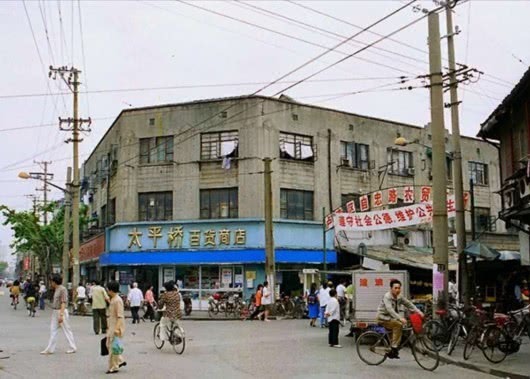
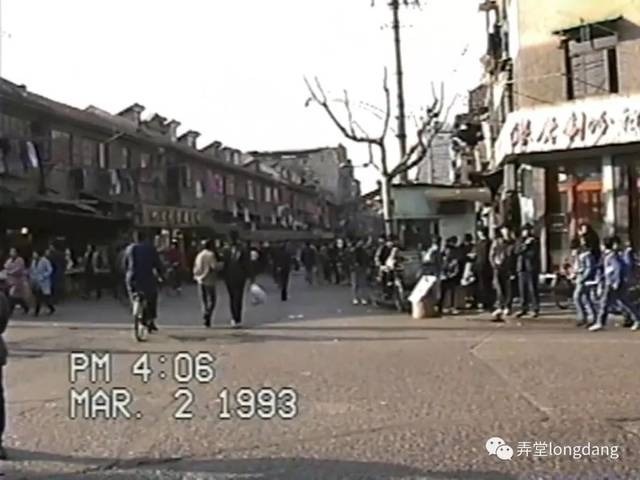
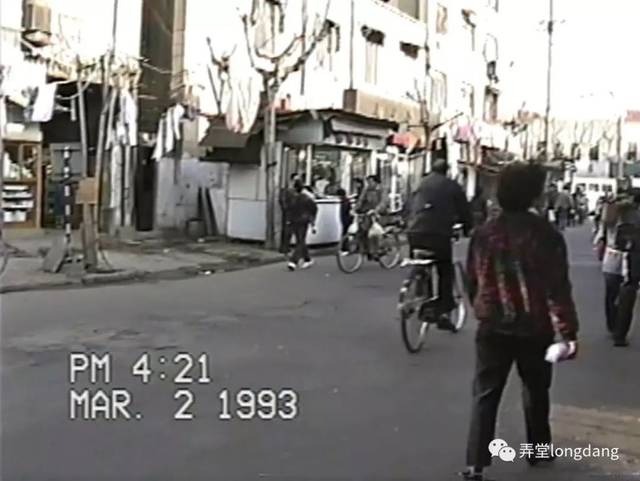
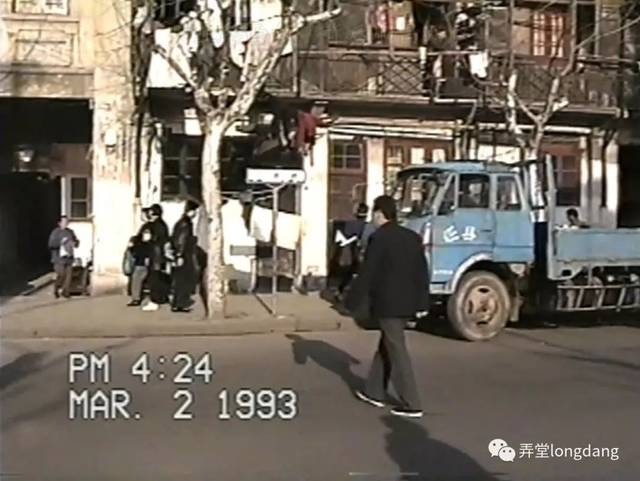
Past: A Century of Shikumen Life and the Precursor to Urban Renewal (1860s–1996)
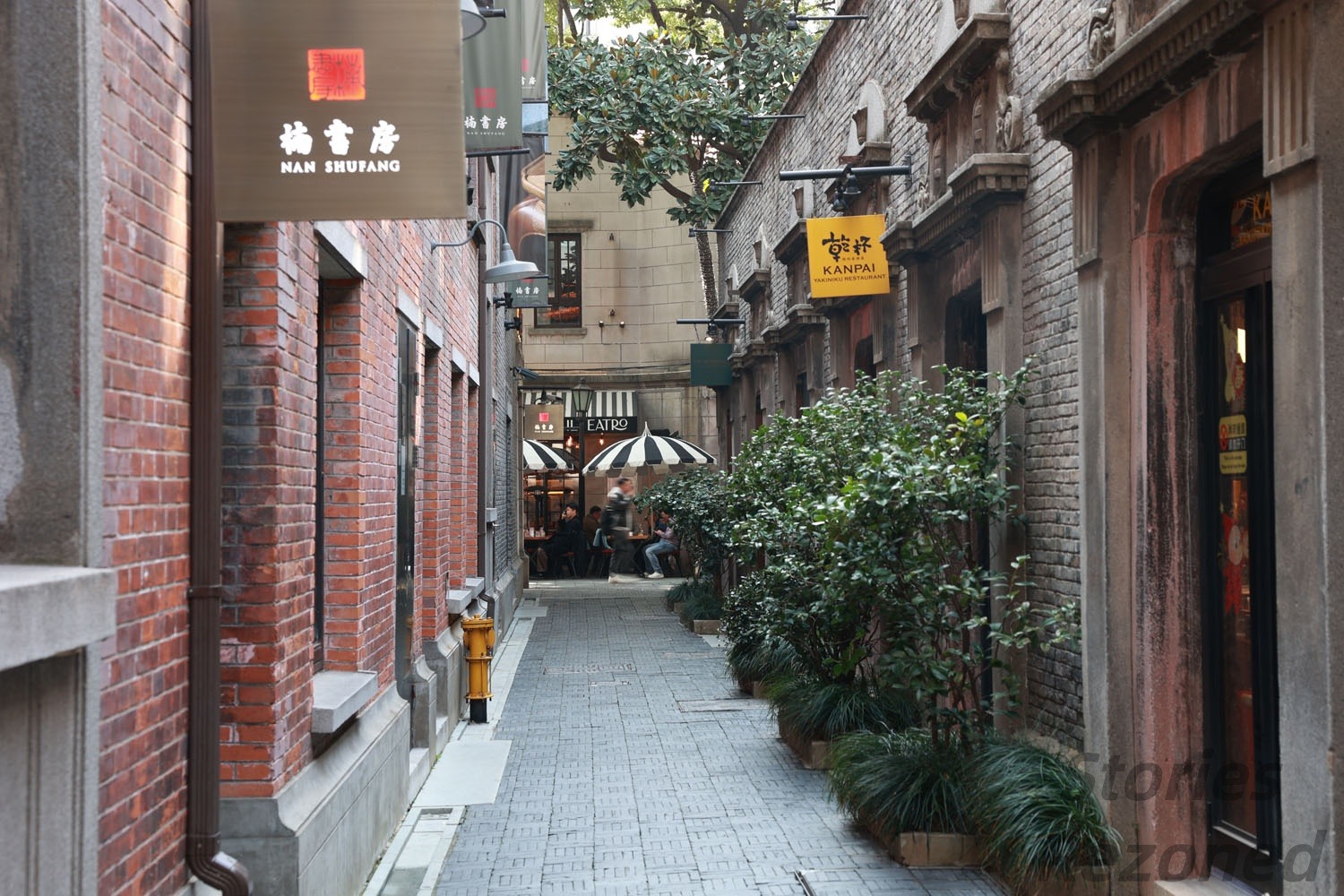
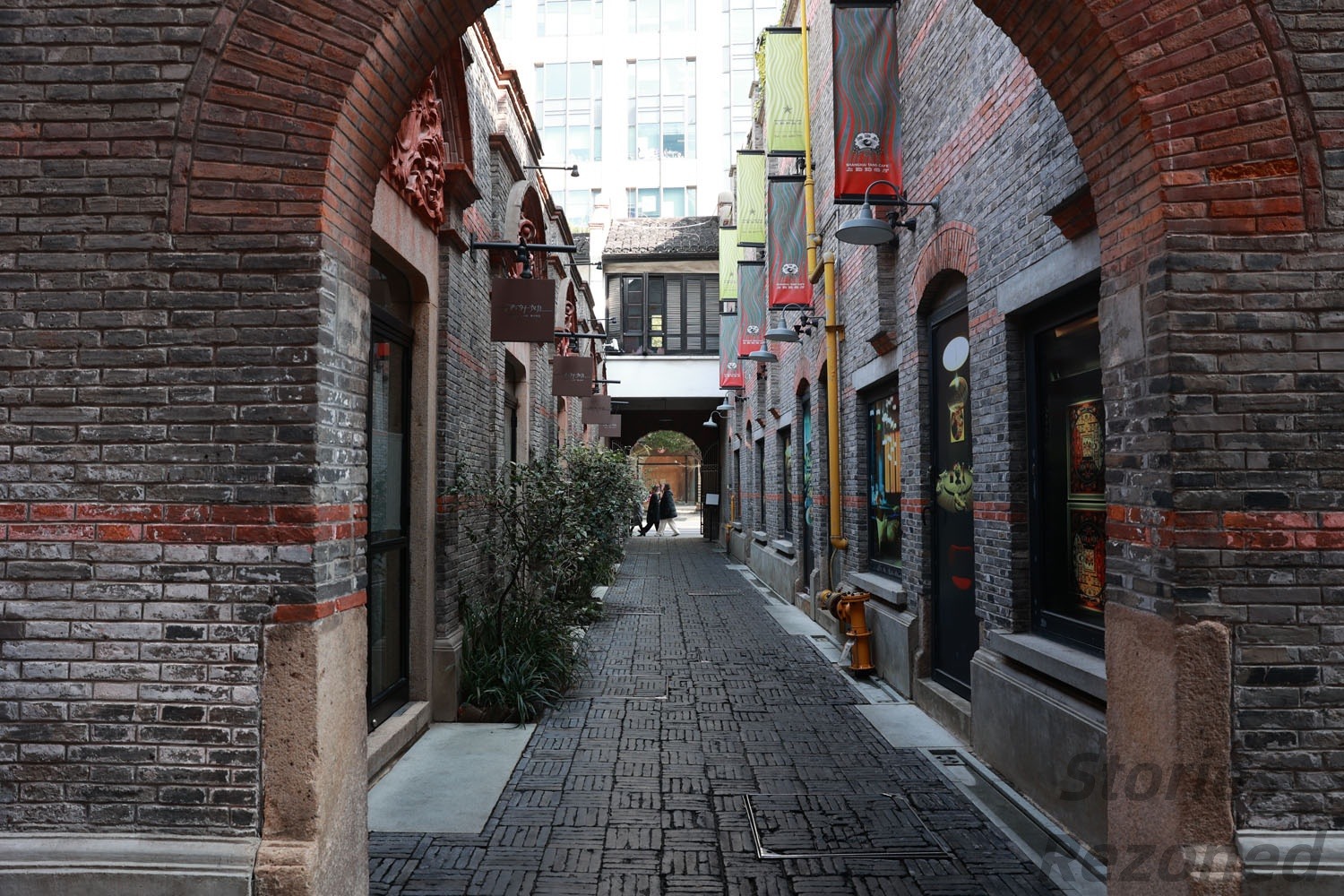
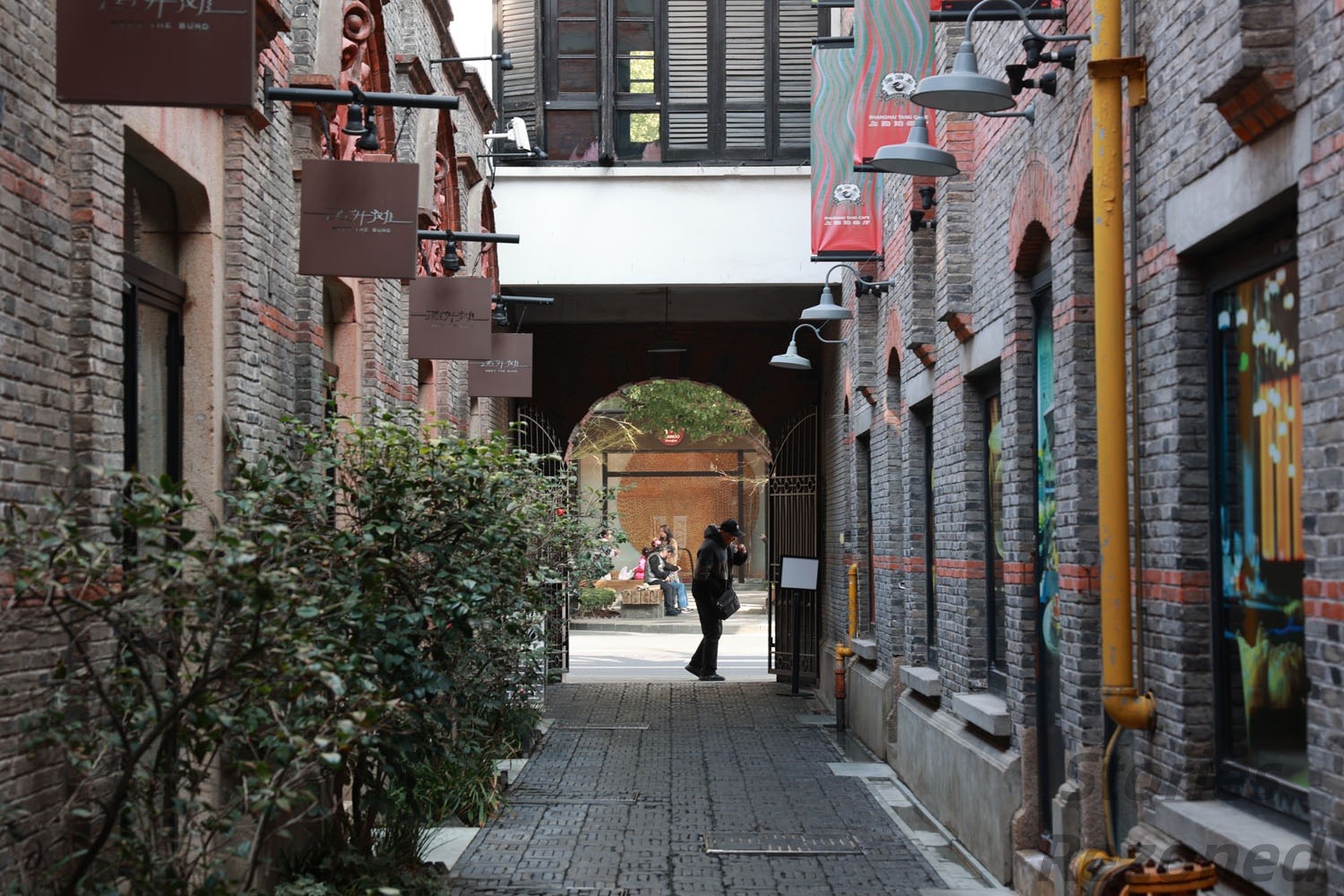
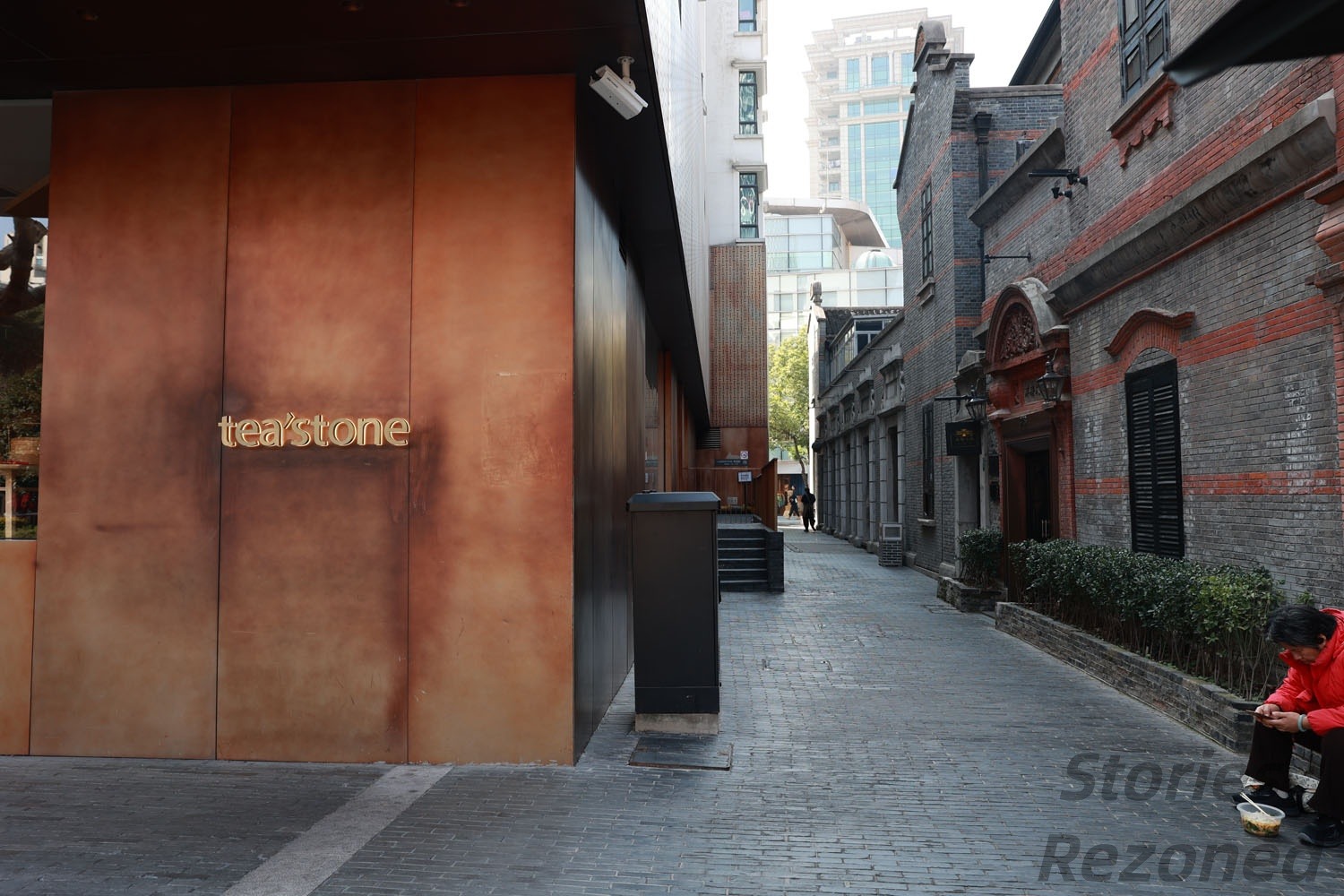
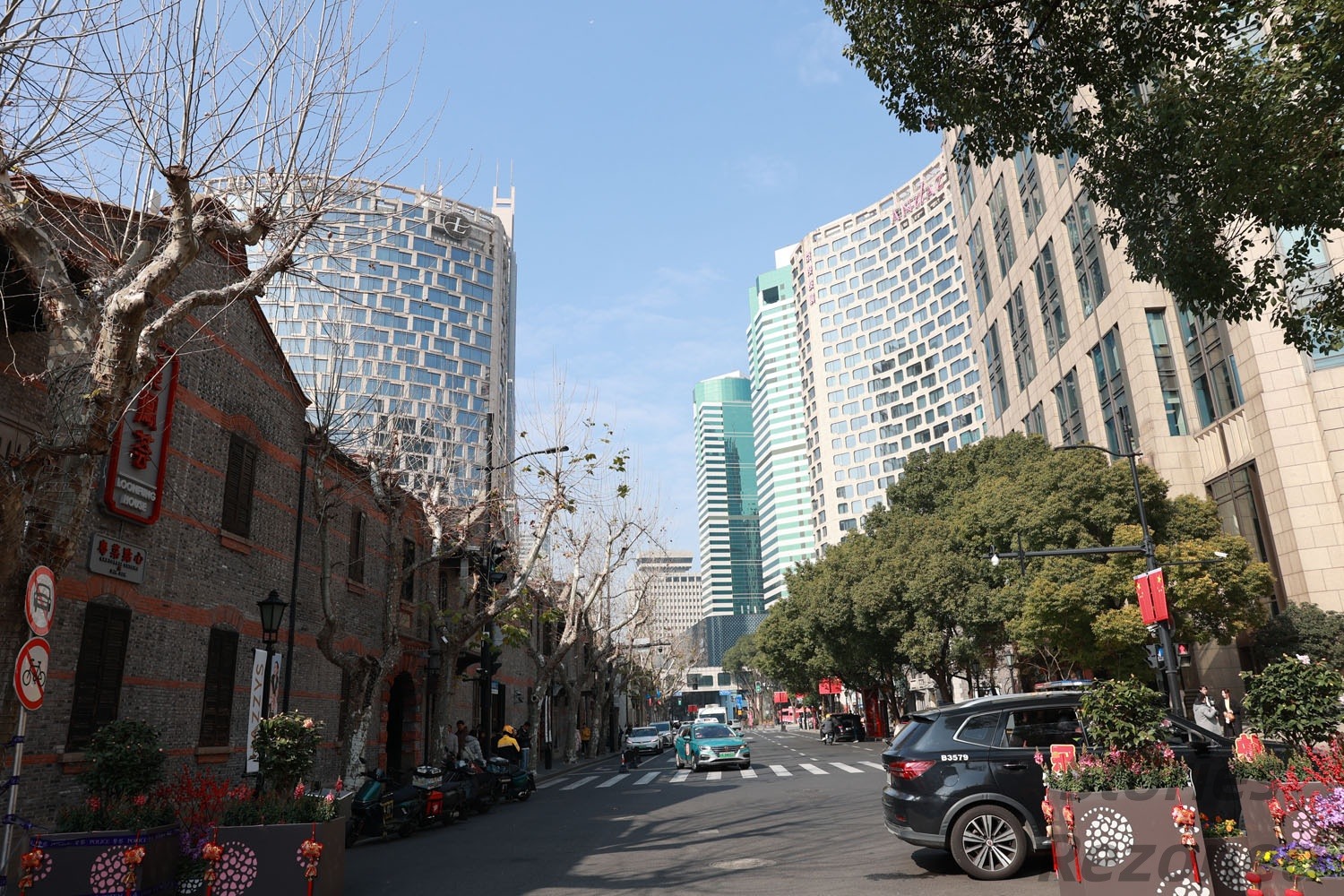
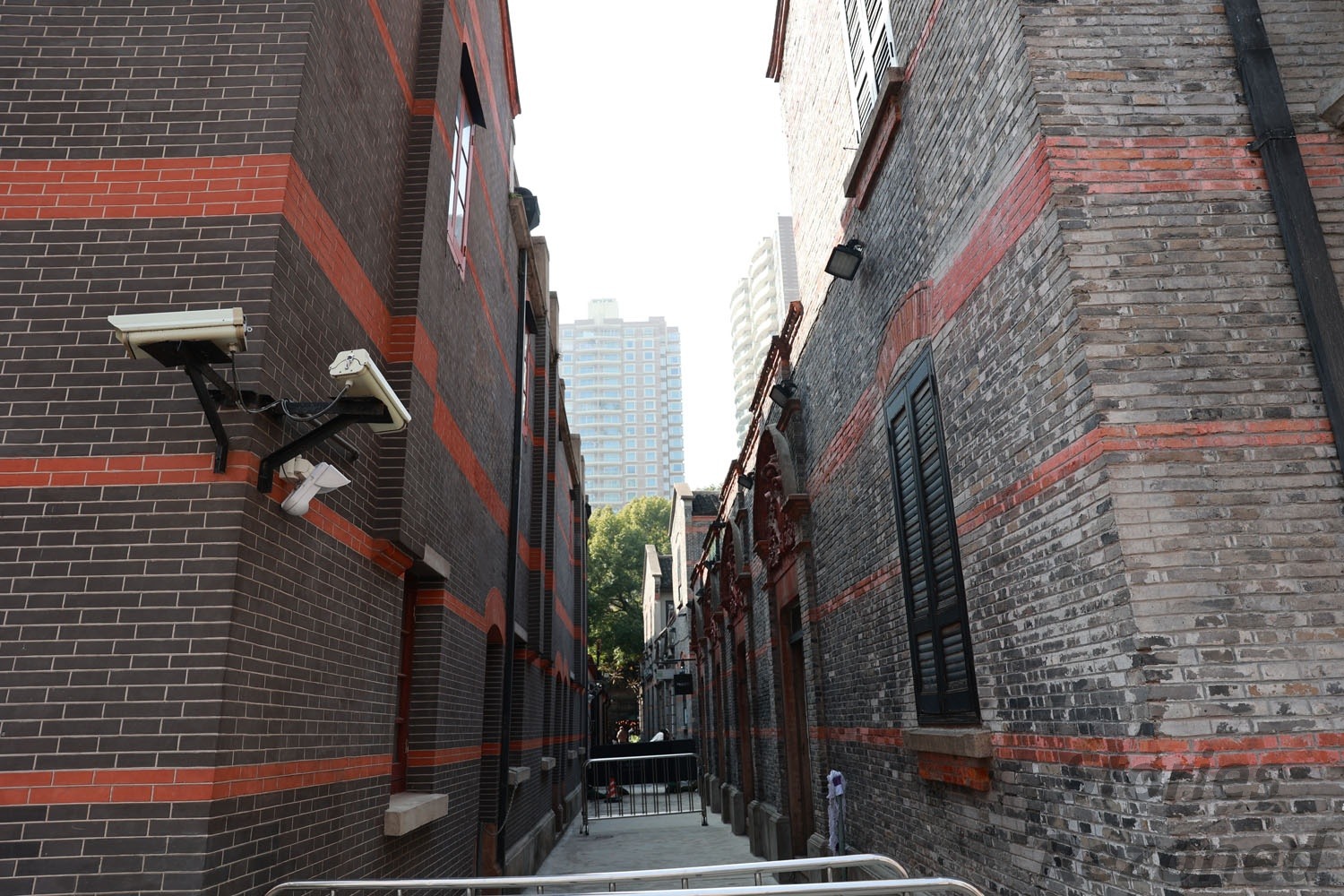
Shanghai’s urban history is embodied in its “shikumen” or traditional lane houses. The Taipingqiao area in which Xintiandi is located has been the center of the shikumen-style residential district since the 1860s. The shikumen is a hybrid architectural style that combines the courtyard house of Chinese tradition and western influences, featuring exposed brick, stone framed entranceways and narrow alleyways, representing the daily lives and memories of Shanghai a century ago.
By the 1870s, brick and stone shikumen became the primary dwelling type in Shanghai and would continue to be so until the mid-20th century when the Taipingqiao area was thriving as a densely populated community adjacent to the former French concession.
In the 1990s, the Taipingqiao site was designated for a “365 dangerous and dilapidated housing renovation,” forcing the decision of whether to demolish all existing structures or preserve them entirely. While the aging shikumen structures provided poor living conditions, they also conflicted with the Shanghai government’s grand plans for the city’s 21st century transformation.
In 1996, the former Luwan District Government of Shanghai partnered with the Hong Kong based Shui On Group to initiate the Taipingqiao Old Town Reconstruction Project. Under the direction of architect Benjamin Wood, the project adopted the philosophy of “retain the exterior, renovate the interior; restore the old as it was,” establishing a new paradigm for urban renewal in China.
Present: Conservation-Centered Regeneration and Interdependency Between Commerce and Culture (1996-Present)
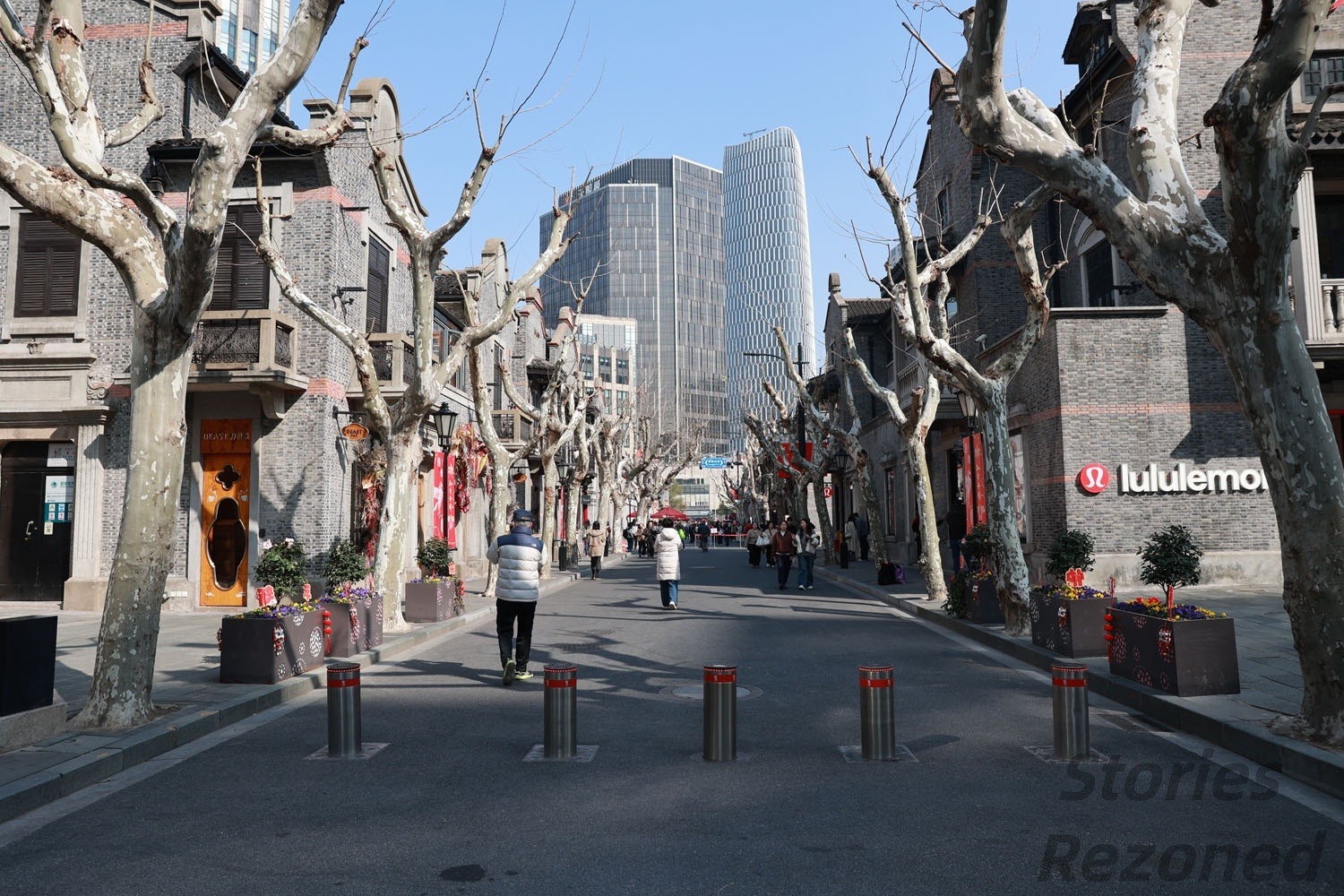
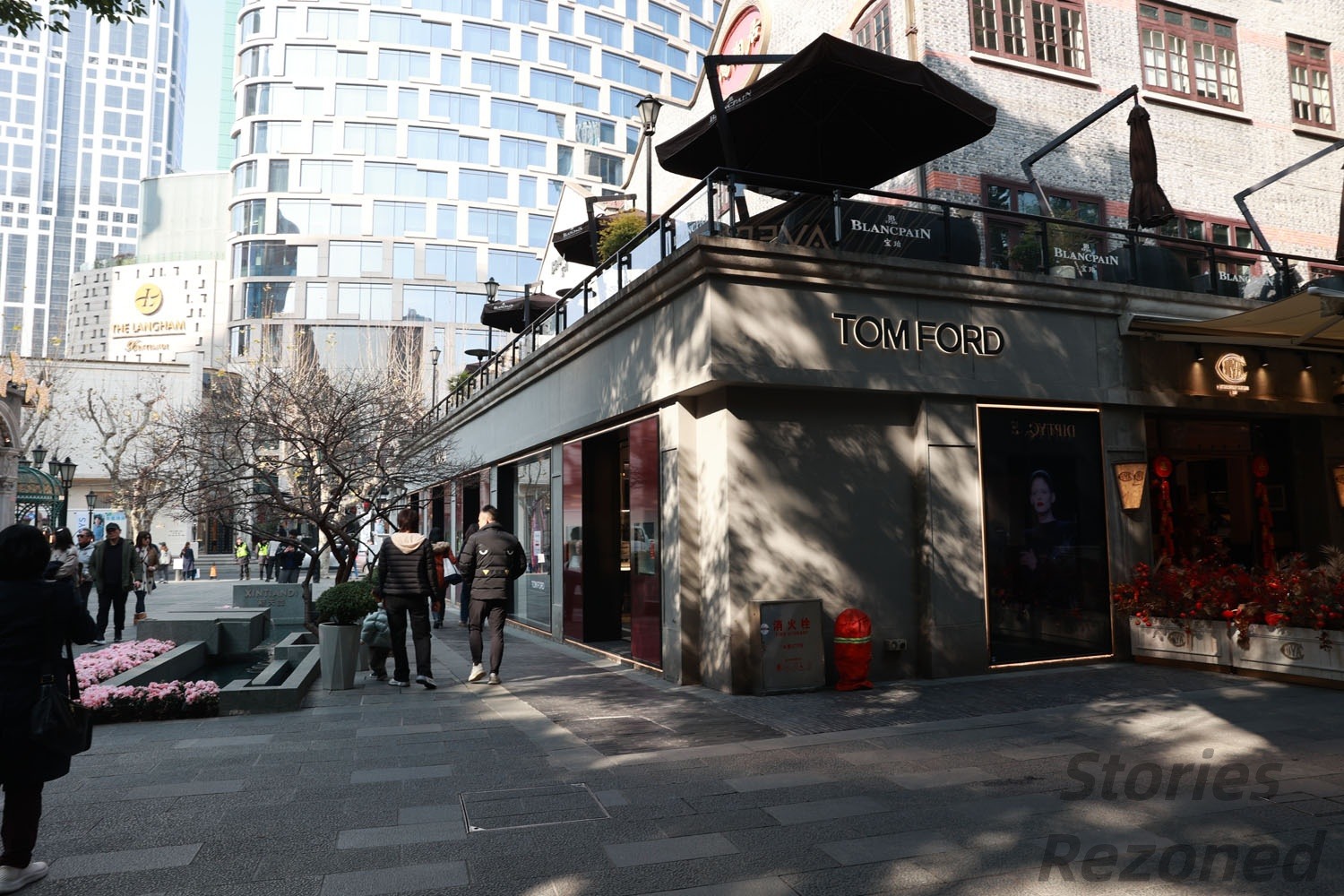
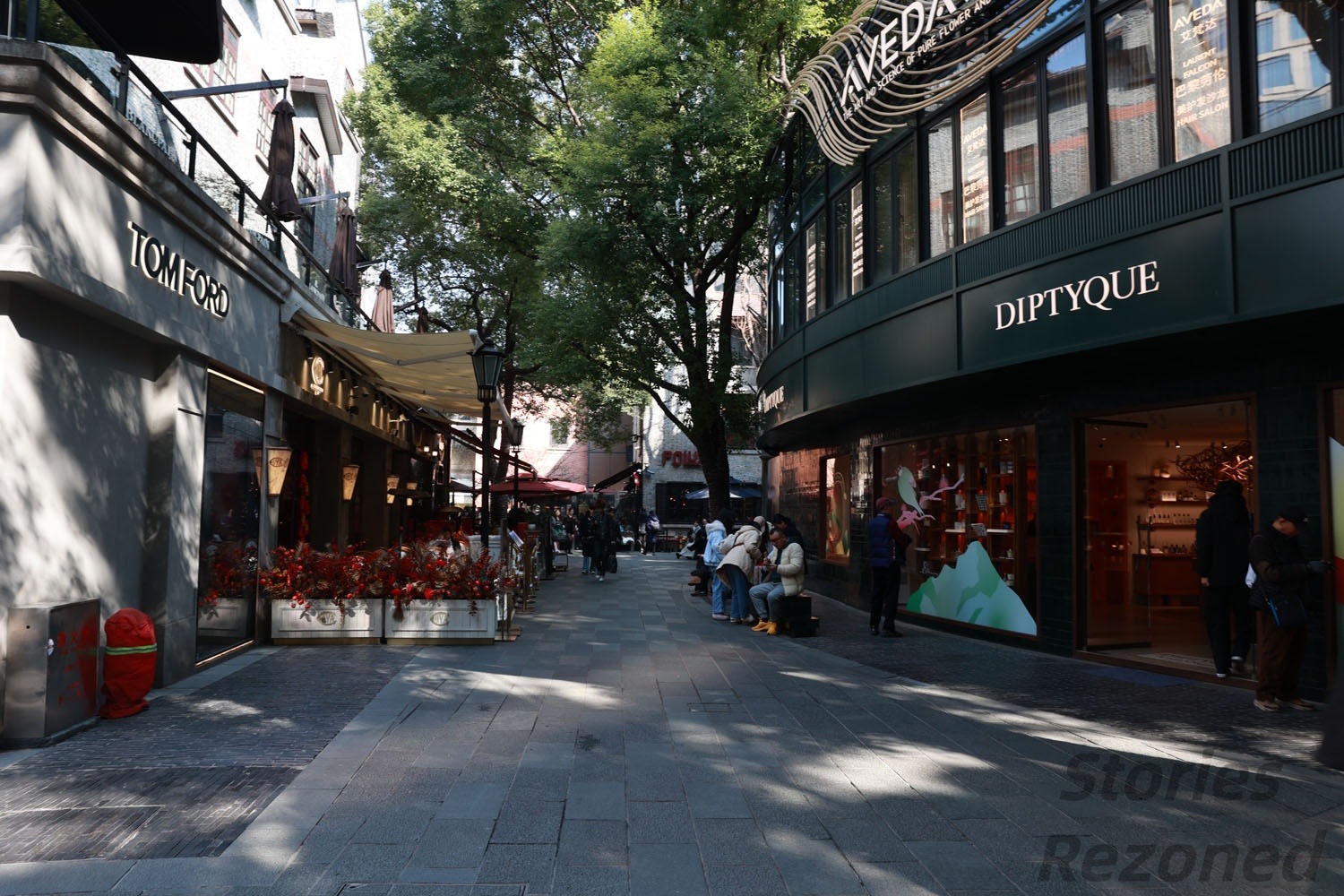
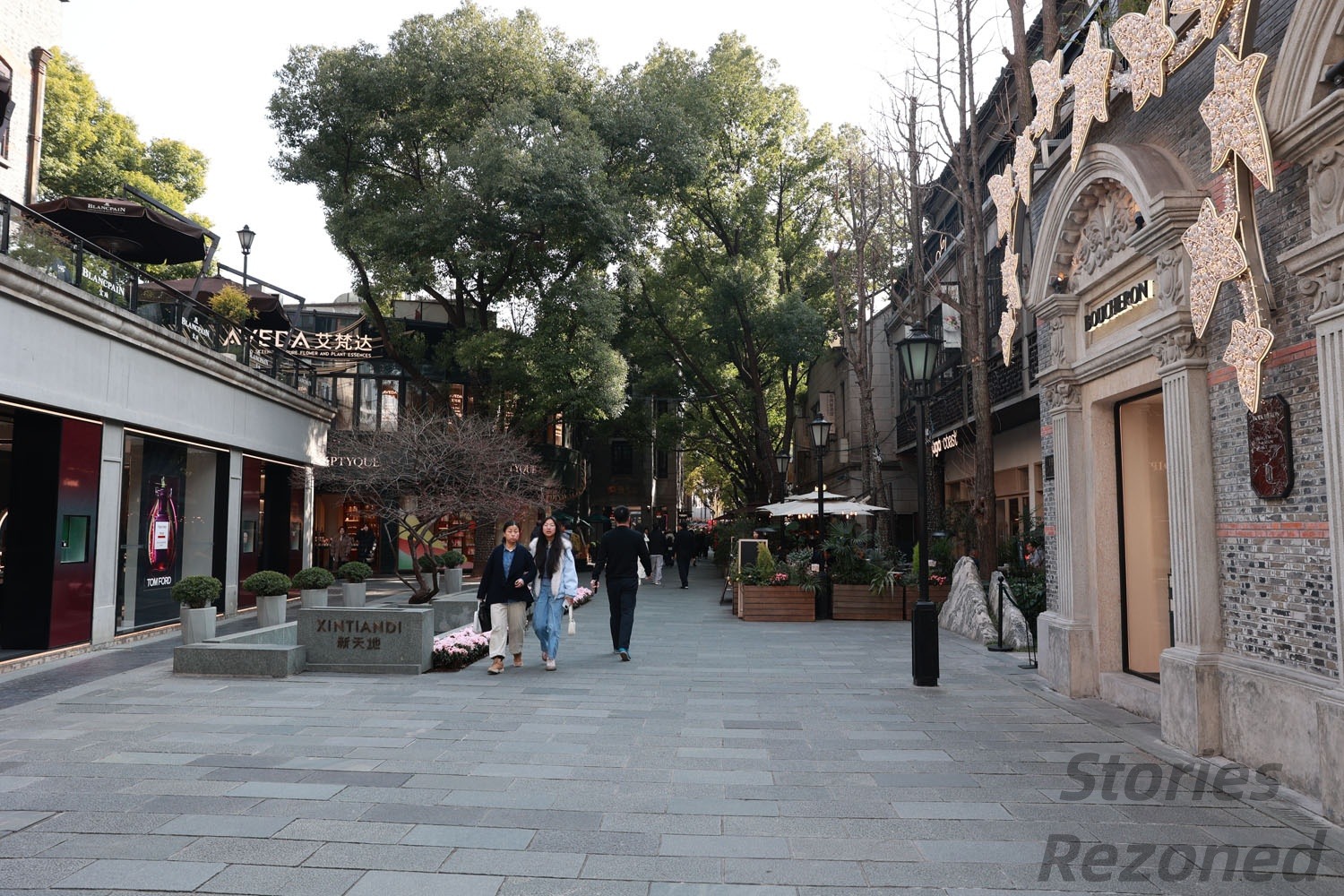
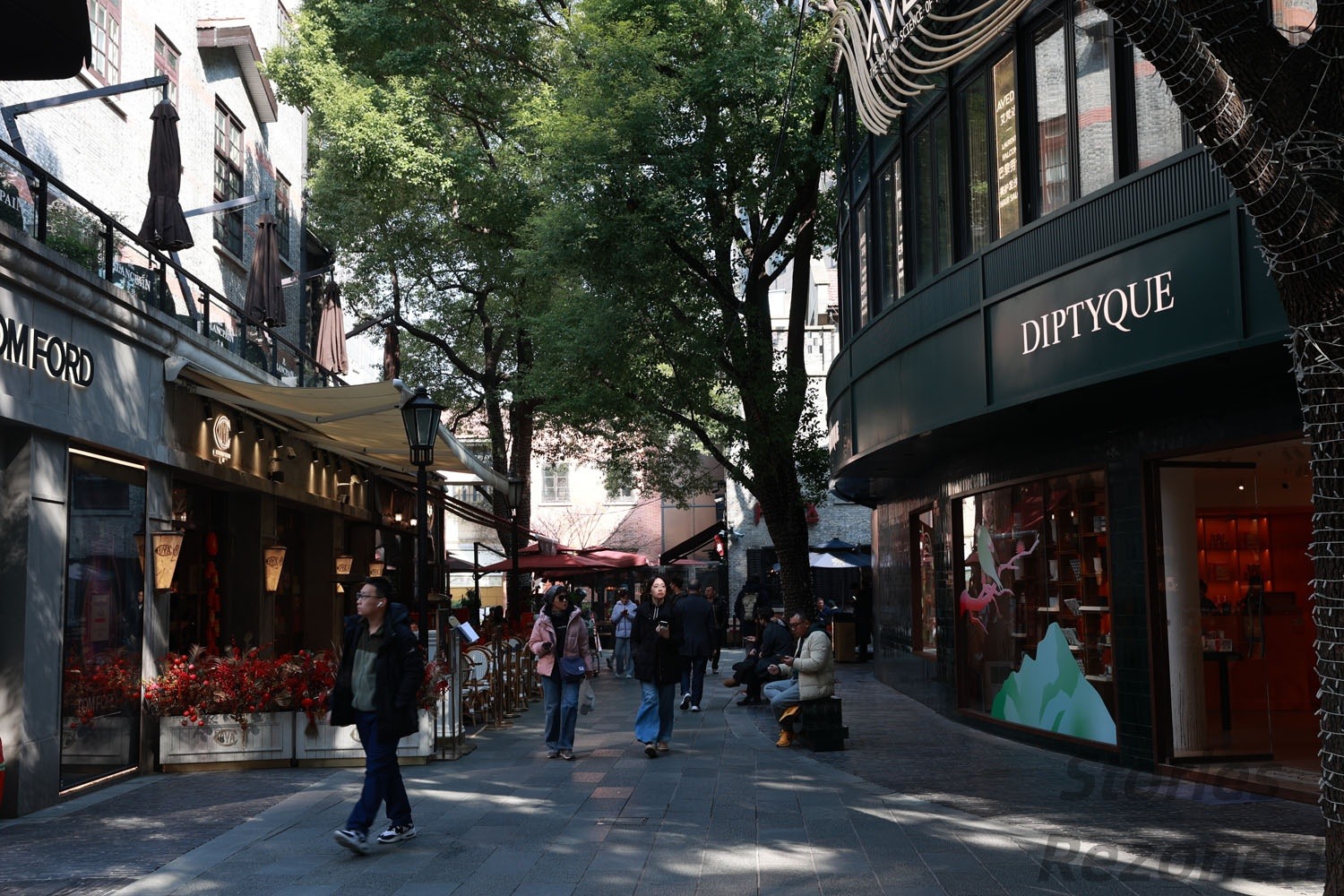
Construction of the Taipingqiao Old Town Reconstruction Project began in early 1999 and upon completion, the core area of Shanghai New World was officially opened in June 2001. Guided by the concept “yesterday meets tomorrow in today,” the transformation of shikumen from purely residential usage to a commercial and cultural destination occurred. Three renovation methods were employed for shikumen structures: Full preservation and structural reinforcement; Retention of facade and roof with internal reconstruction; Retention of gateway only with new structure constructed behind each gateway, maximizing the retention of shikumen’s original texture and historical significance. In 2019-2020, the South Block underwent renovations to transform into the Xintiandi Style I, a conventional shopping center, and by 2025 the “Greater Xintiandi” strategy increased the size of the district to 1.2 square kilometers.
Historical and Modern Significance
Xintiandi preserves the historic texture and cultural symbols of the shikumen, providing a living embodiment of modern Shanghai’s urban culture. Being an early example of urban revitalization in 1996, it set an example for future renewal projects across China during the ensuing era of rapid real-estate development. As a key tourist attraction, it also effectively conveys Shanghai’s culture to its visitors while providing an excellent shopping experience.
On the other hand, the later Xintiandi Style developments resulted in large traditional indoor malls that don’t reflect the historical Shikumen. I went to Xintiandi a lot in Shanghai, and walking from the original Shikumen lanes into Xintiandi Style I, you see a lot less foot traffic, even on a hot summer day when people like to be inside air conditioned malls.
Image References
All images not separately credited below filmed at location by Stories Rezoned team
- Anonymous. Taipingqiao Department Store at the Former Site of Xintiandi, Shanghai. ca. 1990s. Sohu, 18 Apr. 2018, https://www.sohu.com/a/20180418/252987612_1.shtml.
- Anonymous. Street Scene at the Former Site of Xintiandi, Shanghai. 2 Mar. 1993. WeChat Public Account “Longdang”, 10 Nov. 2020, https://mp.weixin.qq.com/s/abc123xyz.
- Anonymous. Shikumen Lane Scene at the Former Site of Xintiandi, Shanghai. 2 Mar. 1993. WeChat Public Account “Longdang”, 10 Nov. 2020, https://mp.weixin.qq.com/s/abc123xyz.
- Anonymous. Shikumen Street Scene at the Former Site of Xintiandi, Shanghai. 2 Mar. 1993. WeChat Public Account “Longdang”, 10 Nov. 2020, https://mp.weixin.qq.com/s/abc123xyz.
References
- Shanghai Municipal Government Information Office. “Perceive Shanghai.” 1 Sep. 2025, touch.shio.gov.cn/jsp/zfxw_detail.jsp?id=20250909171865645.
- Shanghai Municipal Government. “Shanghai Characteristic Catering Cluster Cultivation Tour: New World.” 1 June 2025, www.shanghai.gov.cn/nw31406/20250707/93b77d0a95794a39a75b7e8ef69ccfed.html.
- Jiemian. “Shanghai New World Completely Transformed! Shui On Announces Major Strategic Upgrade.” 15 Dec. 2025, export.shobserver.com/baijiahao/html/991588.html.
- The Paper. “New Trendy Social Landmark New World South Block Begins Trial Operation.” 12 Aug. 2025, m.thepaper.cn/wifiKey_detail.jsp?contid=10023429.