
Past: Industrial and Special Historical Imprint of Hefei (1954–2018)
Hechai 1972 is the last of three different predecessors that were used for production beginning in 1954. The first factory was called Feixi Xinsheng Kiln Factory which was later named Hefei Brick and Tile Factory. In 1972, this factory was renamed Hefei Diesel Engine Factory and became one of the key factories that made the first diesel engine in Anhui Province.
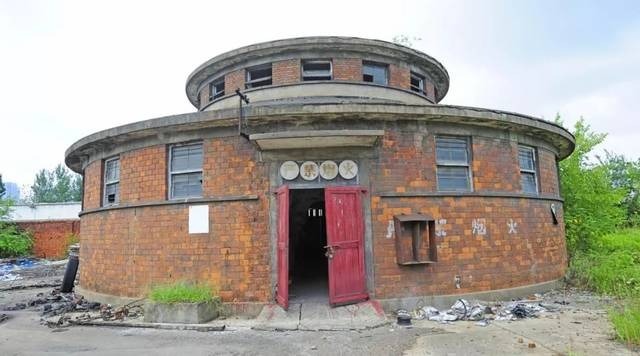
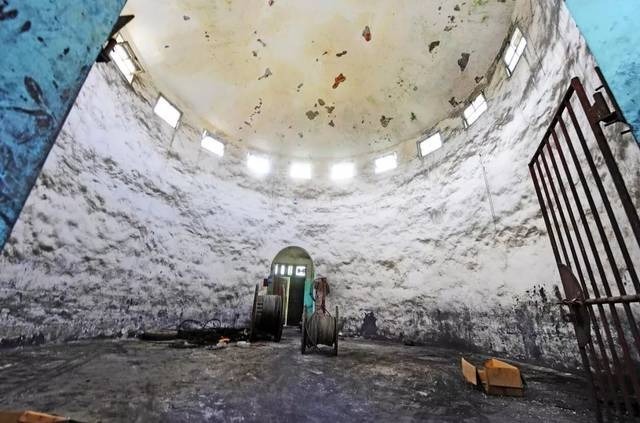
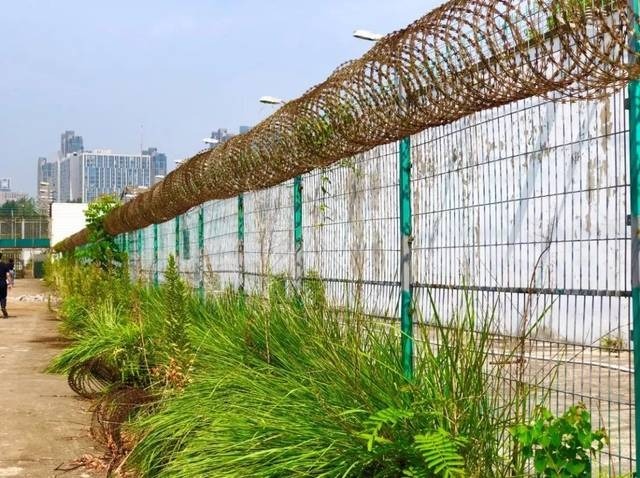
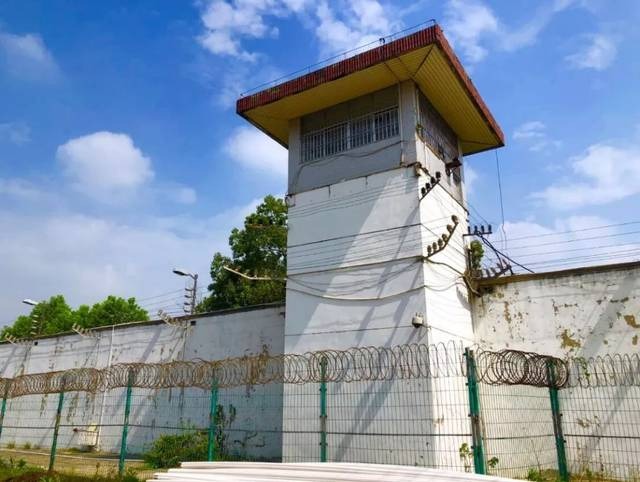
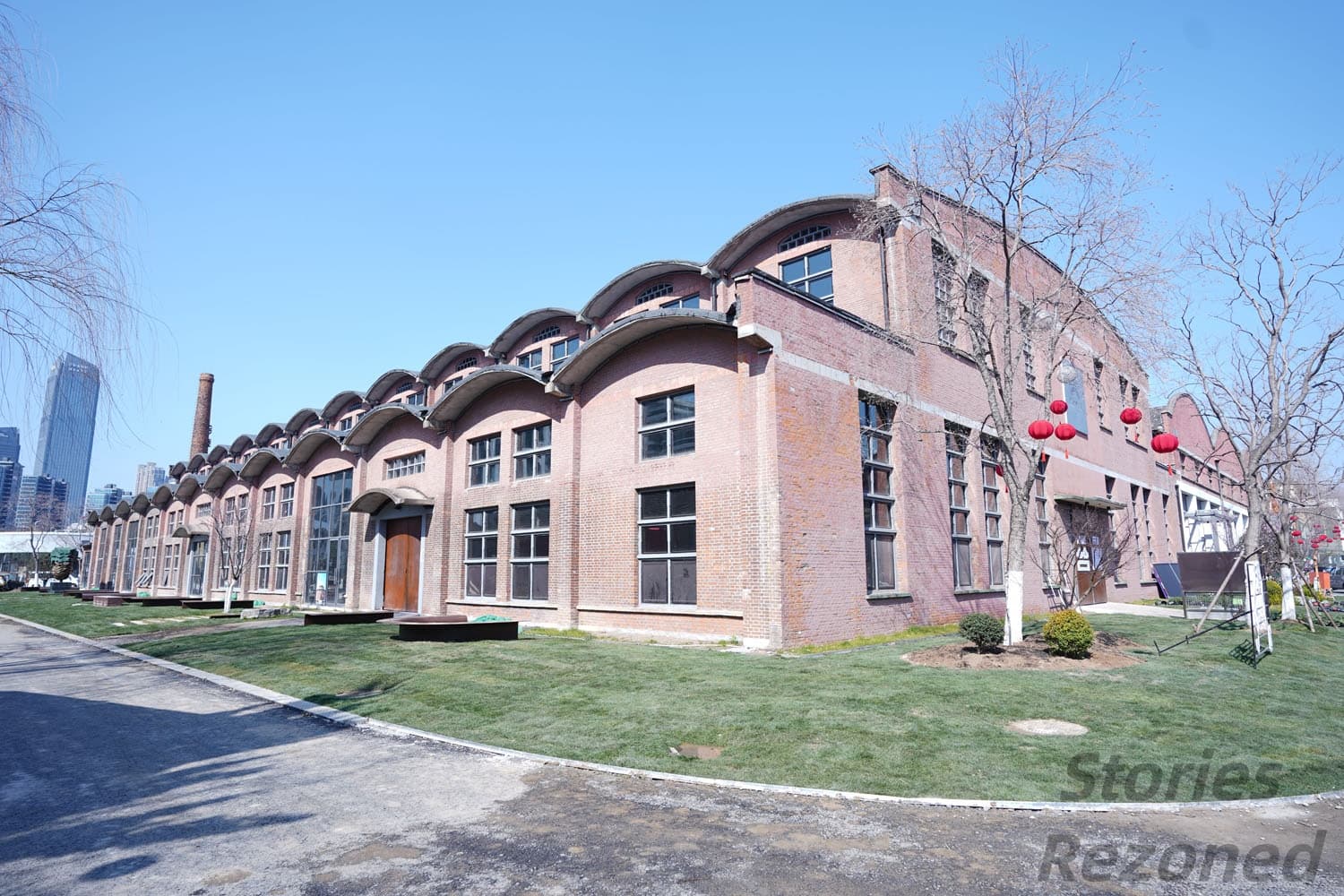
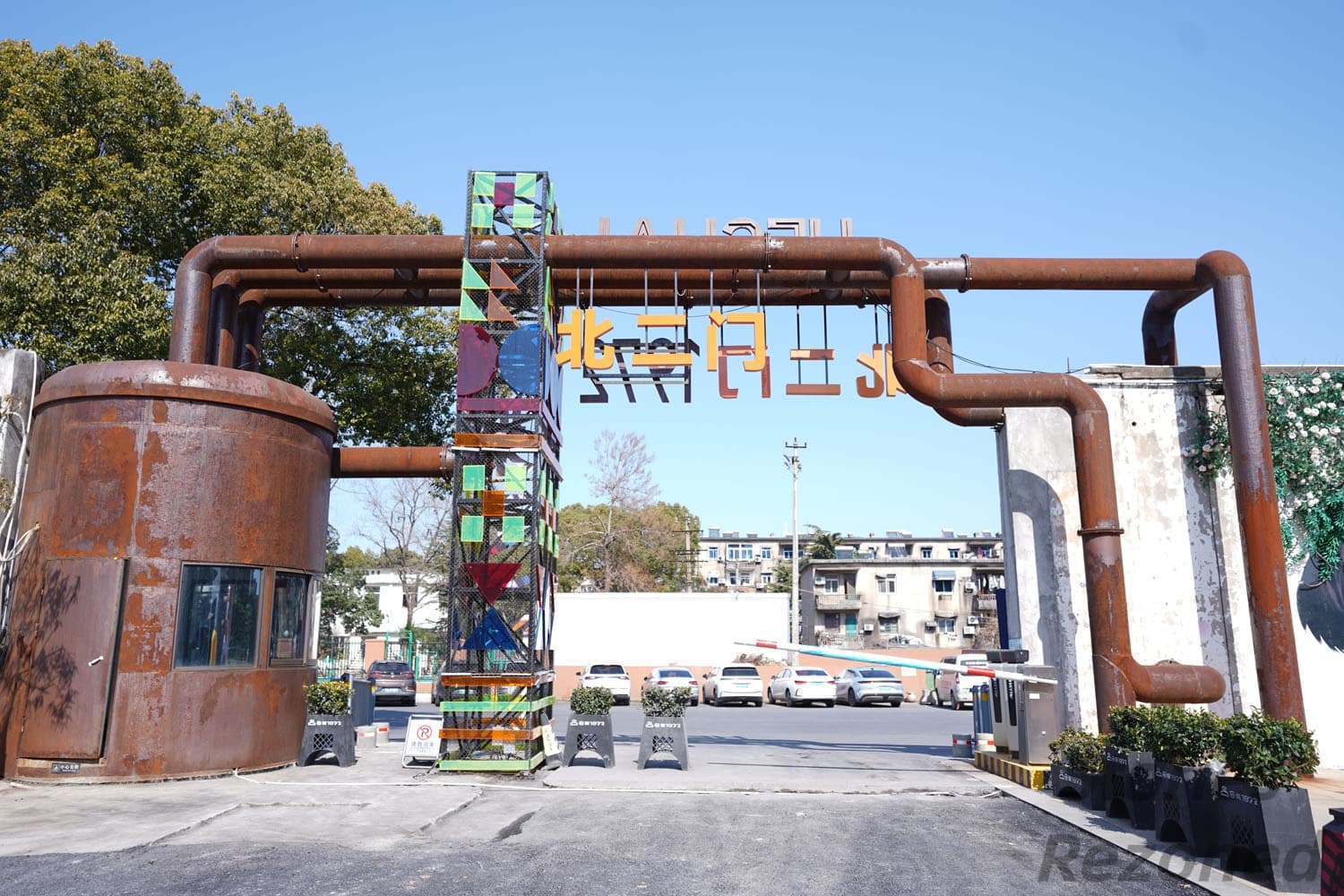
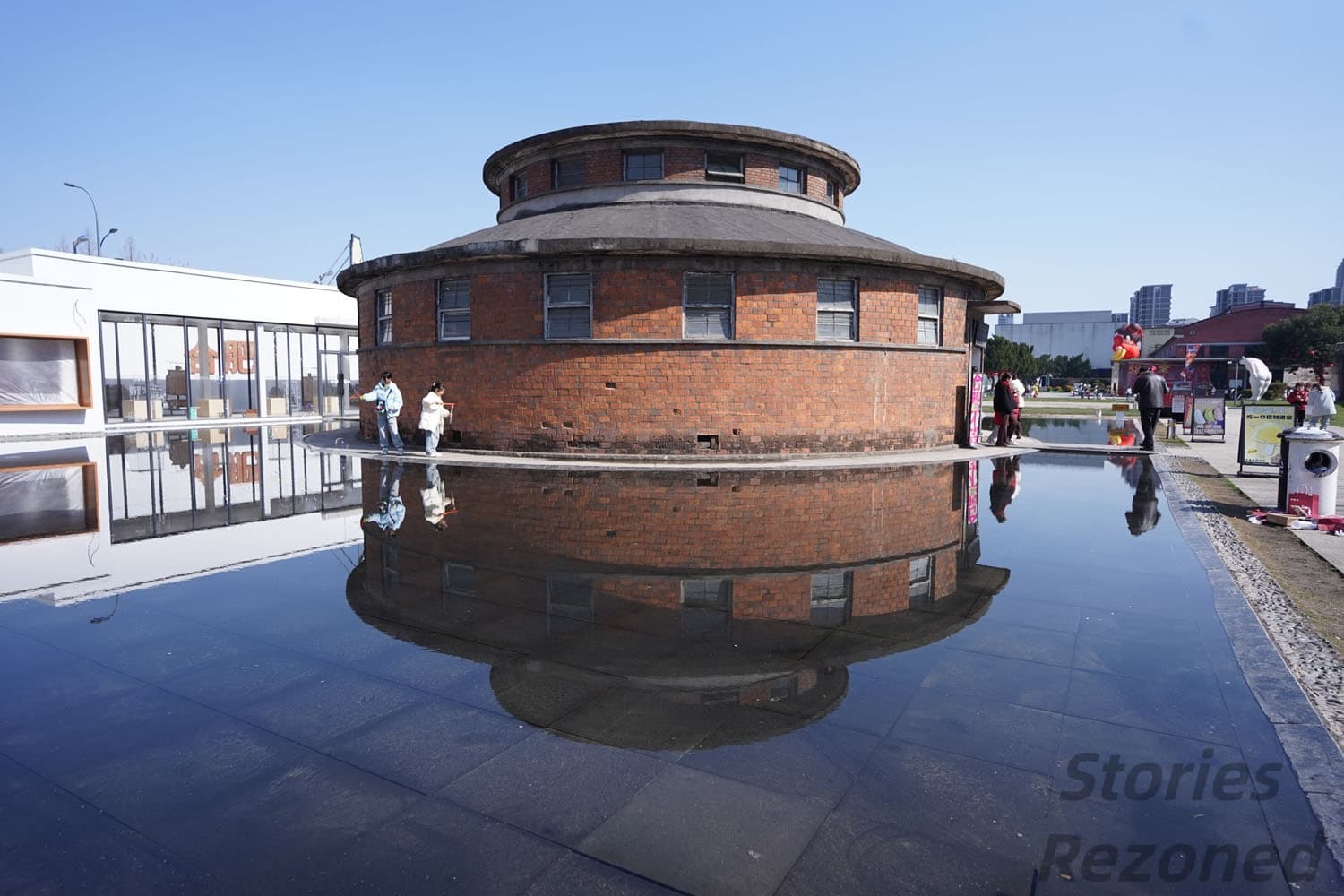
This area became the Hefei Prison in 1996 because of economic restructuring. As a result, the site was left with unusual structures like high walls, watchtowers, domed workshops, and red brick buildings. In 2018, the area became a top choice for urban renewal and the preservation of historic heritage.
Present: A Model for the Revitalization of “Industrial Heritage + Special Historical Space” (2019-Present)
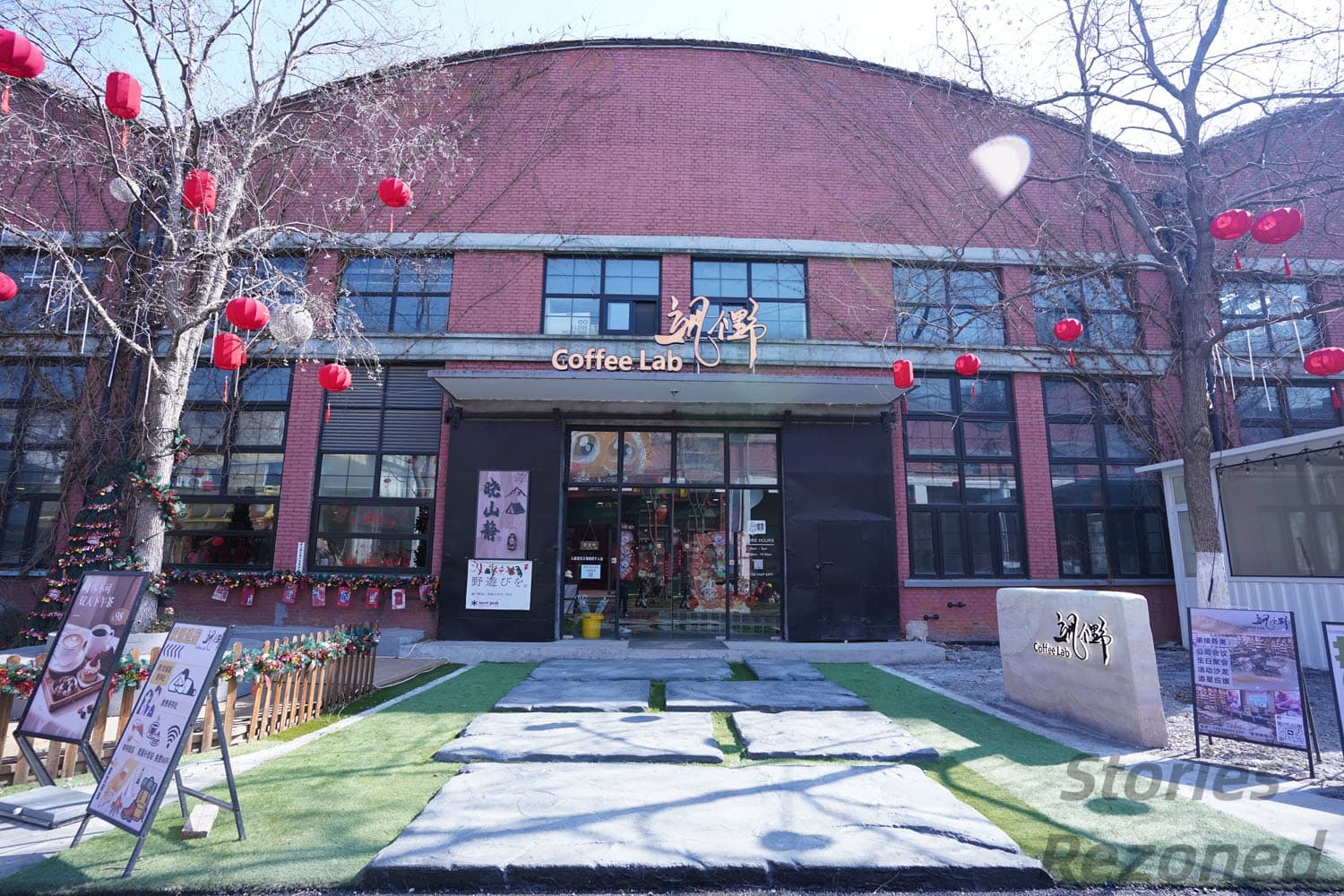
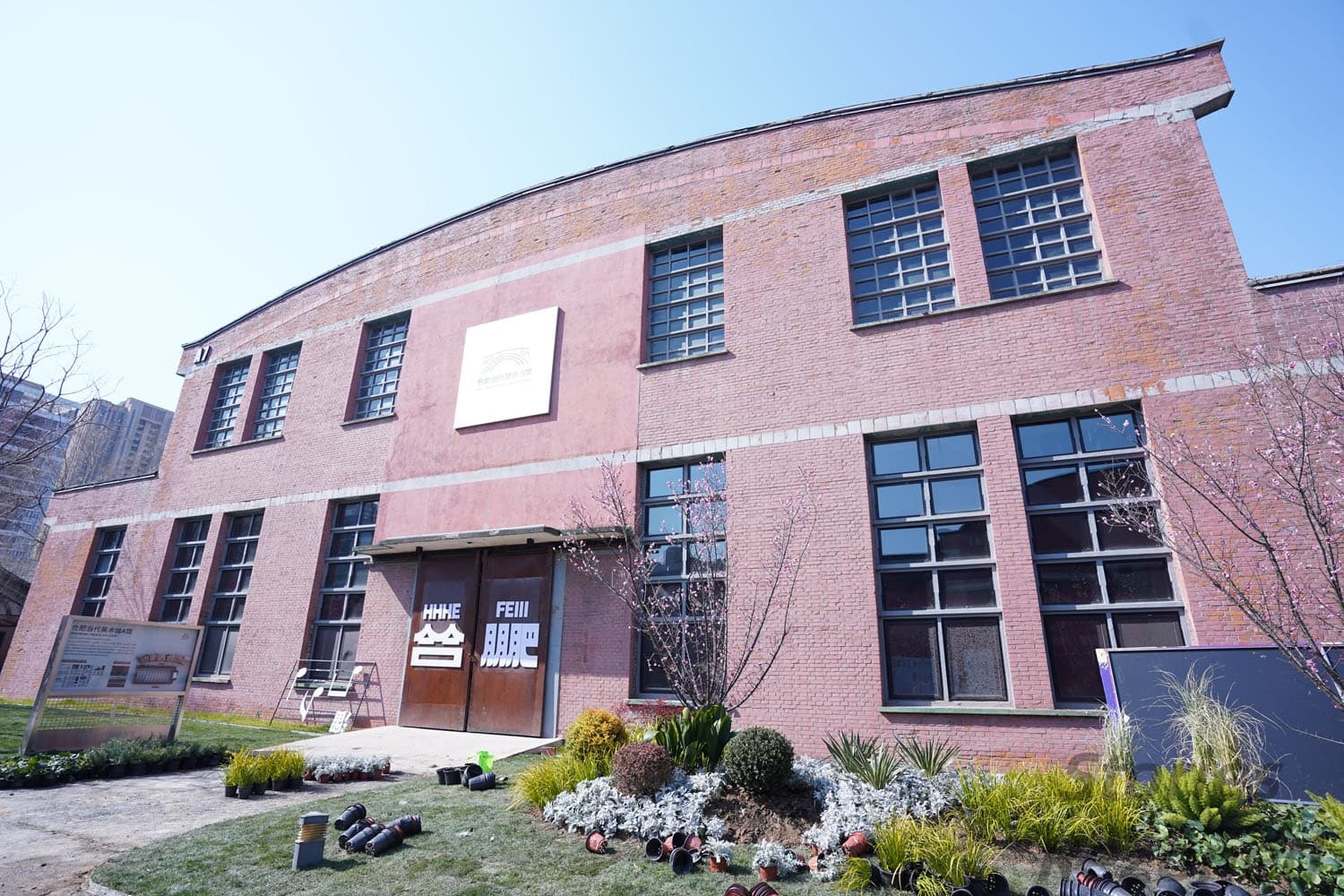
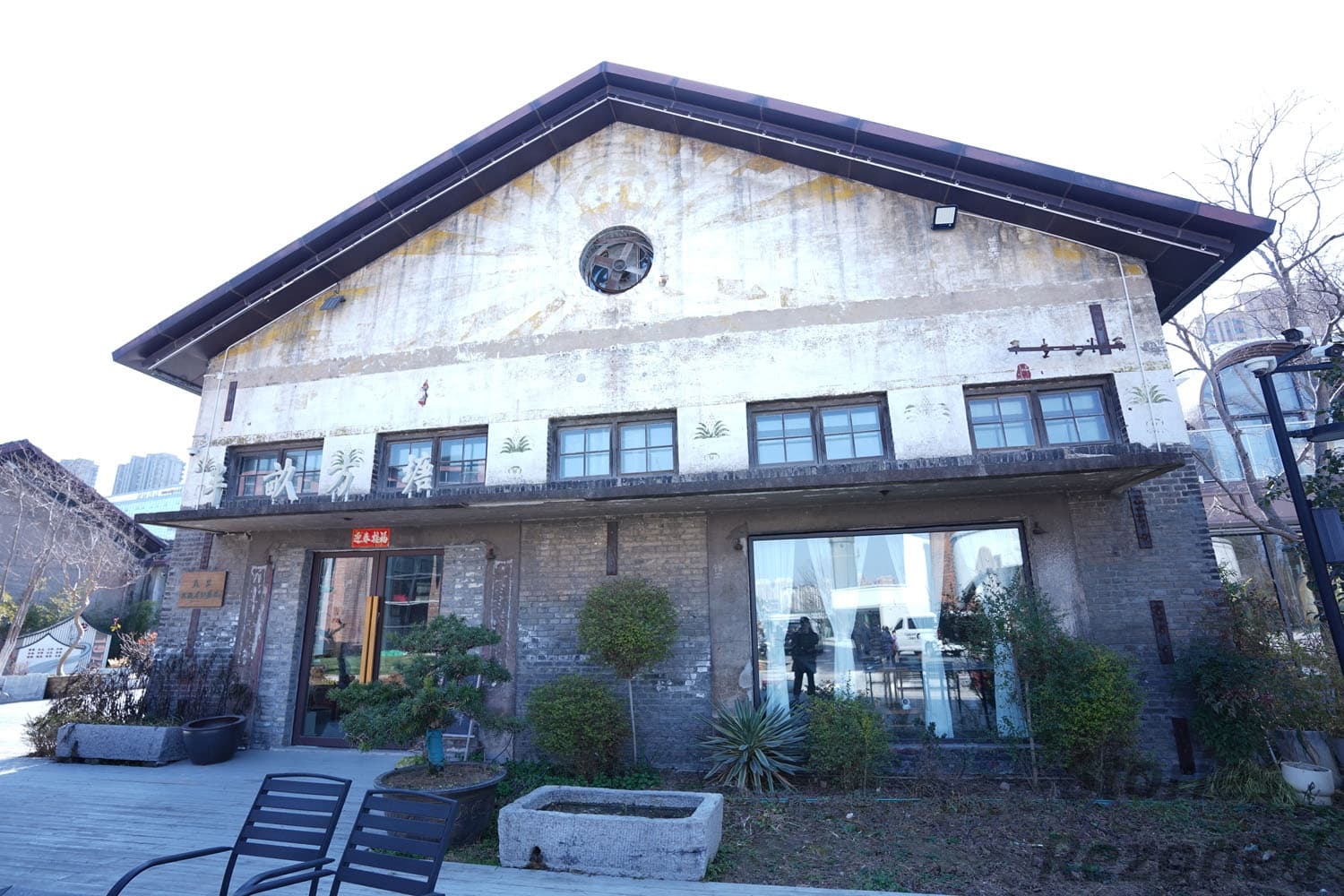
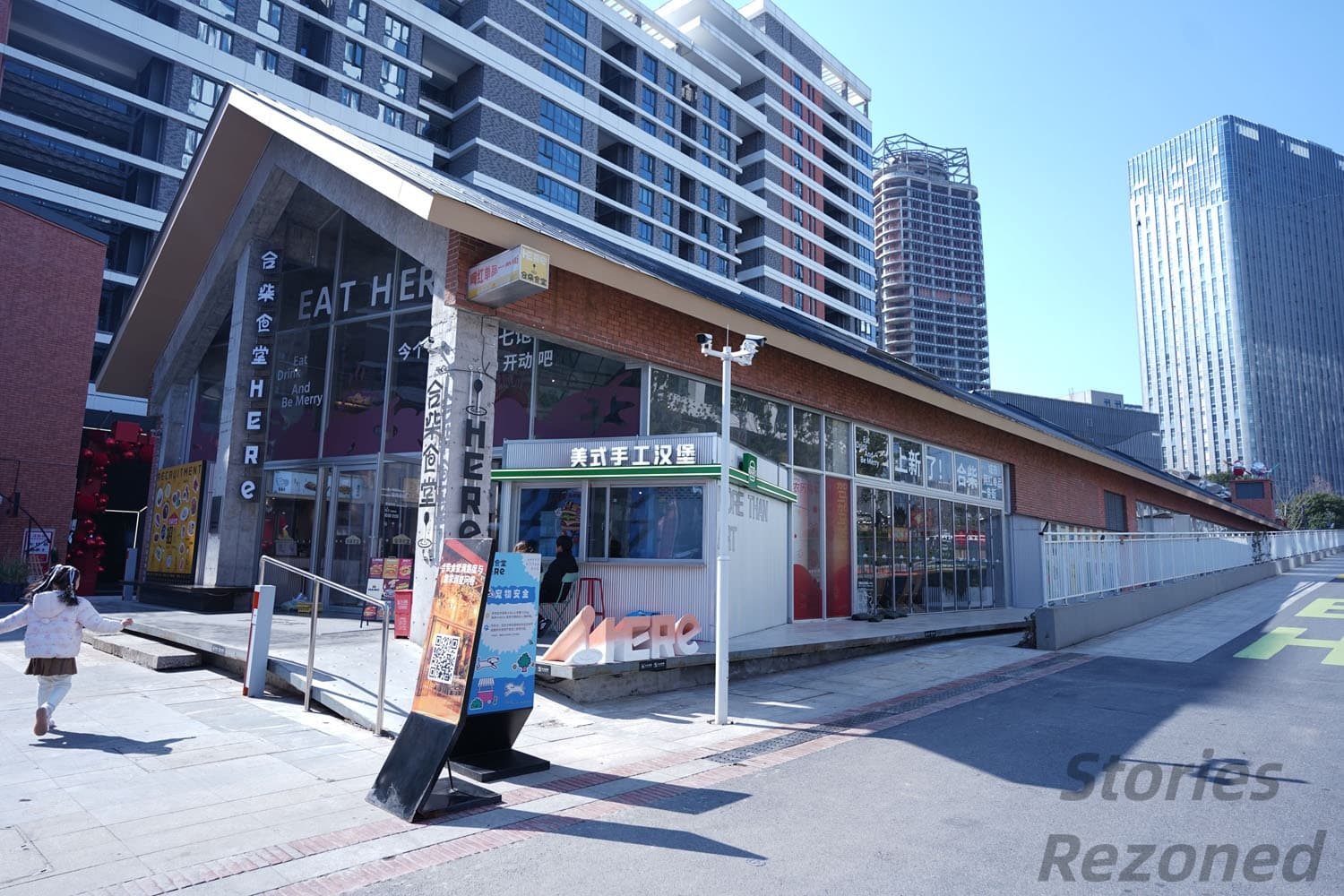
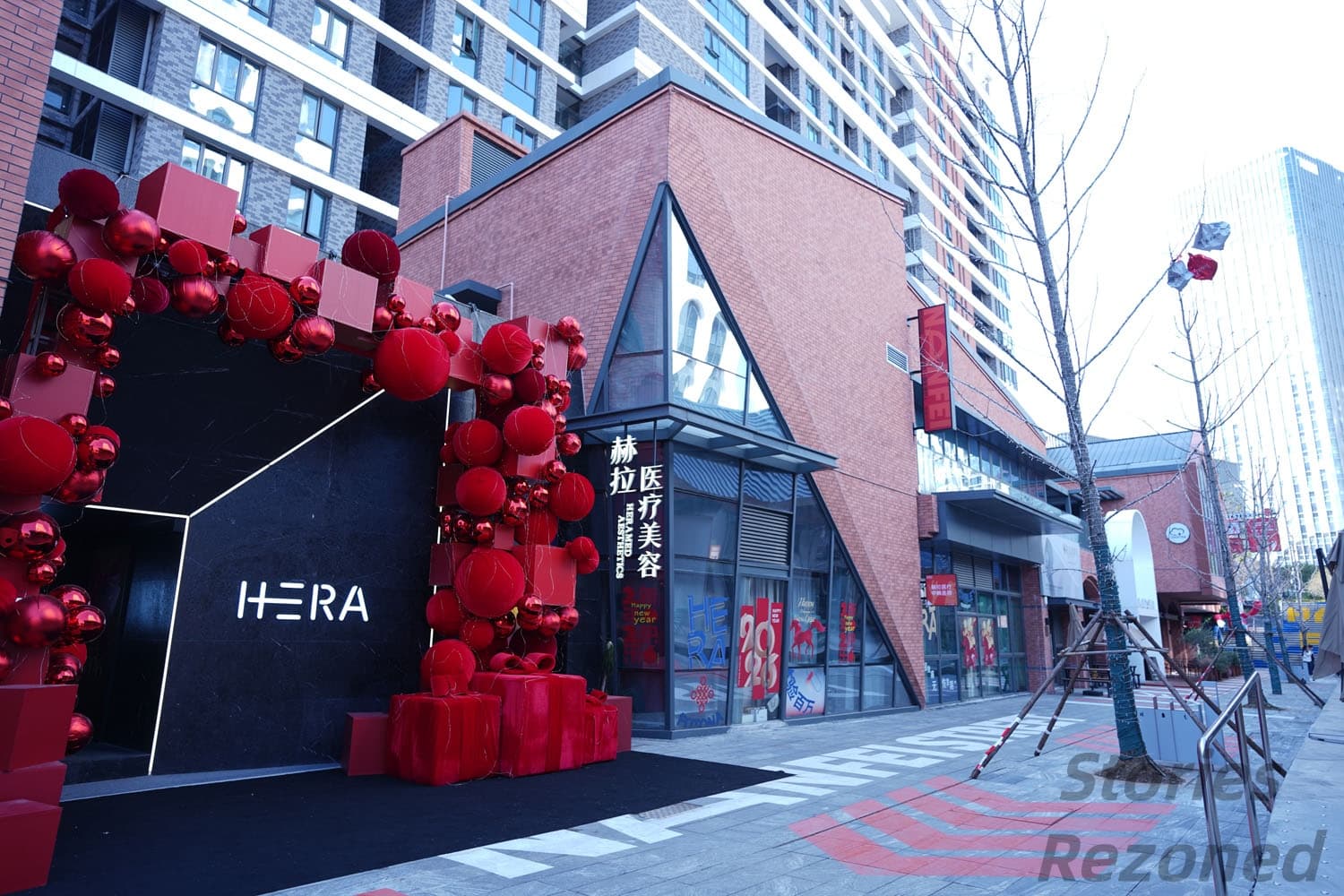
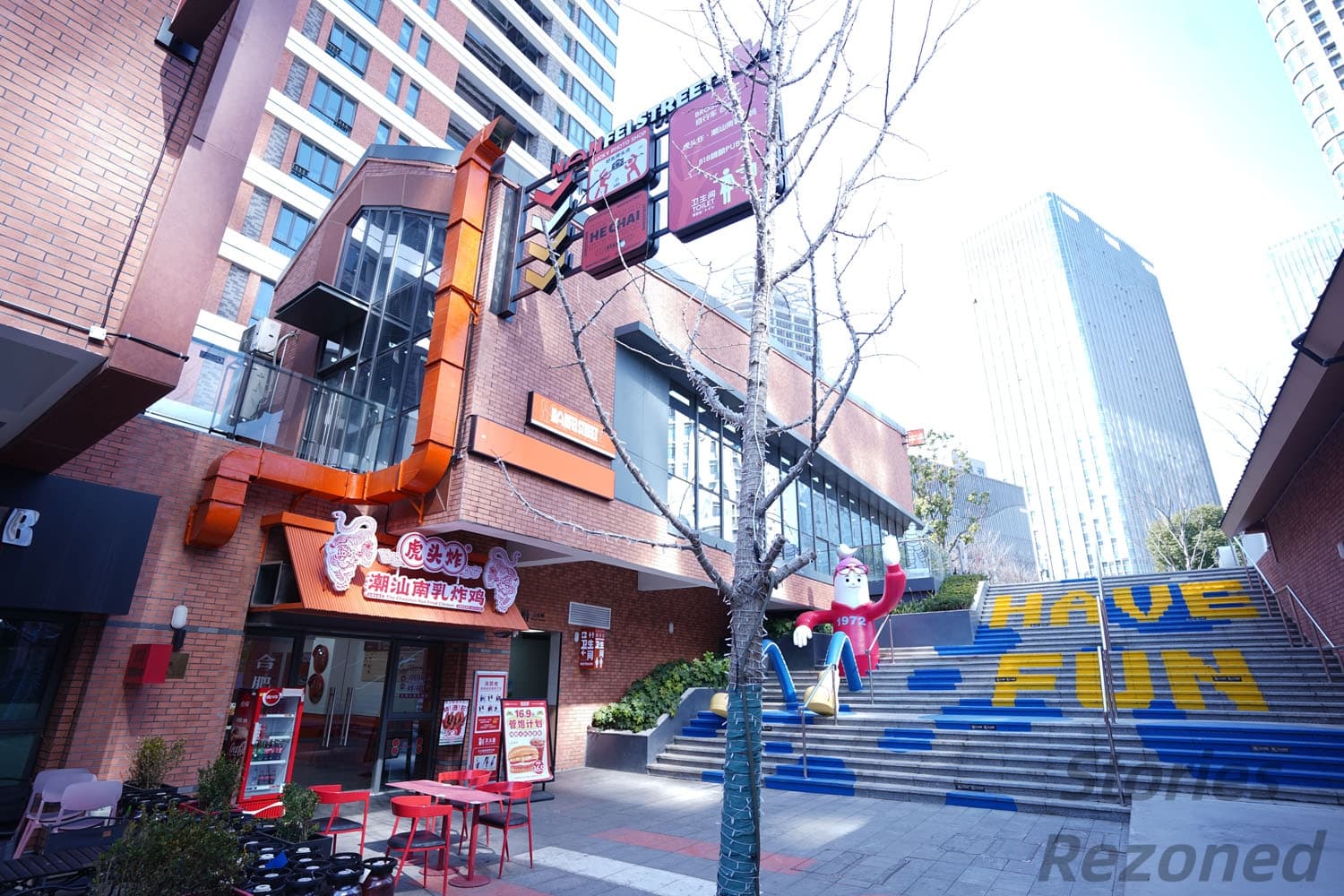
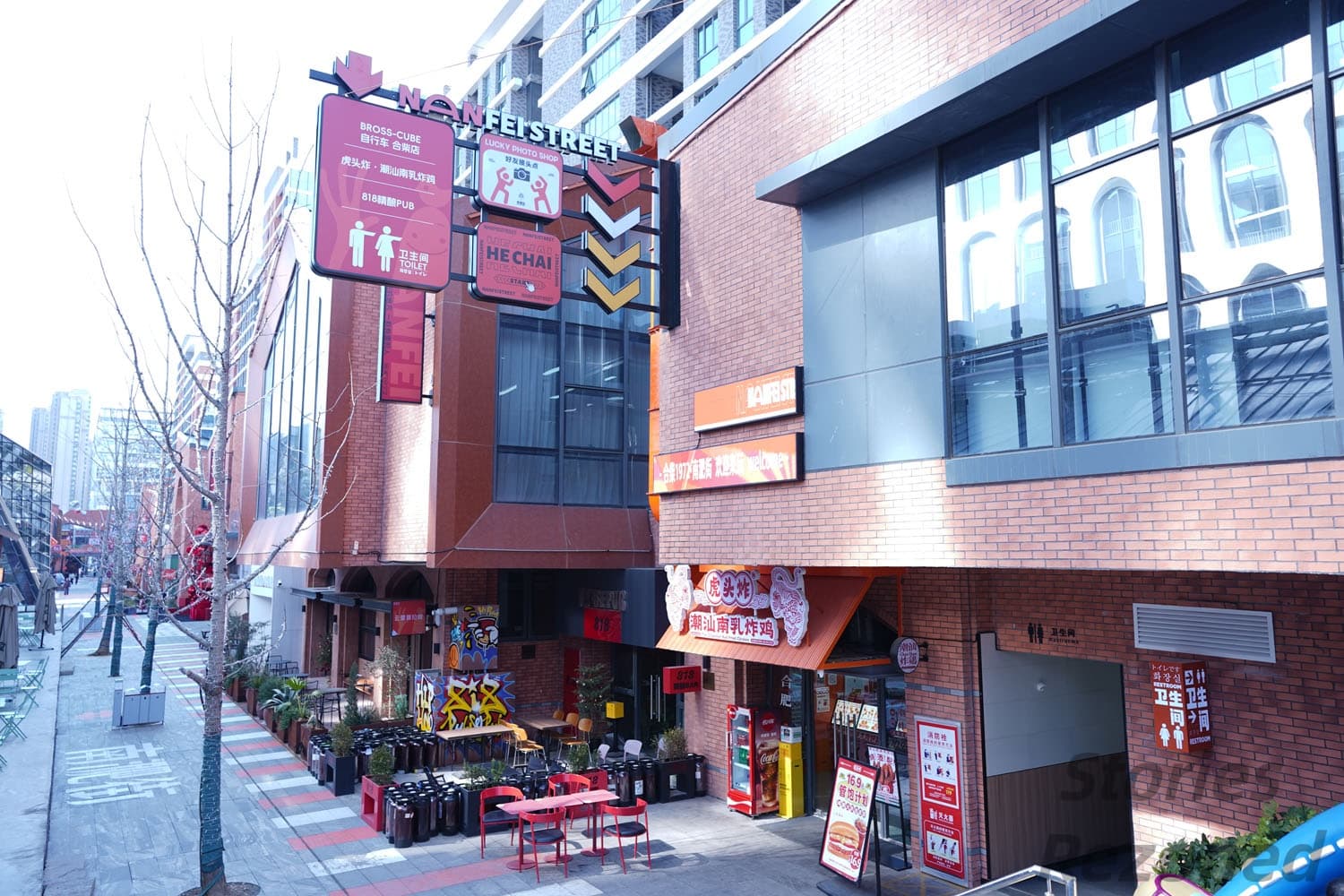
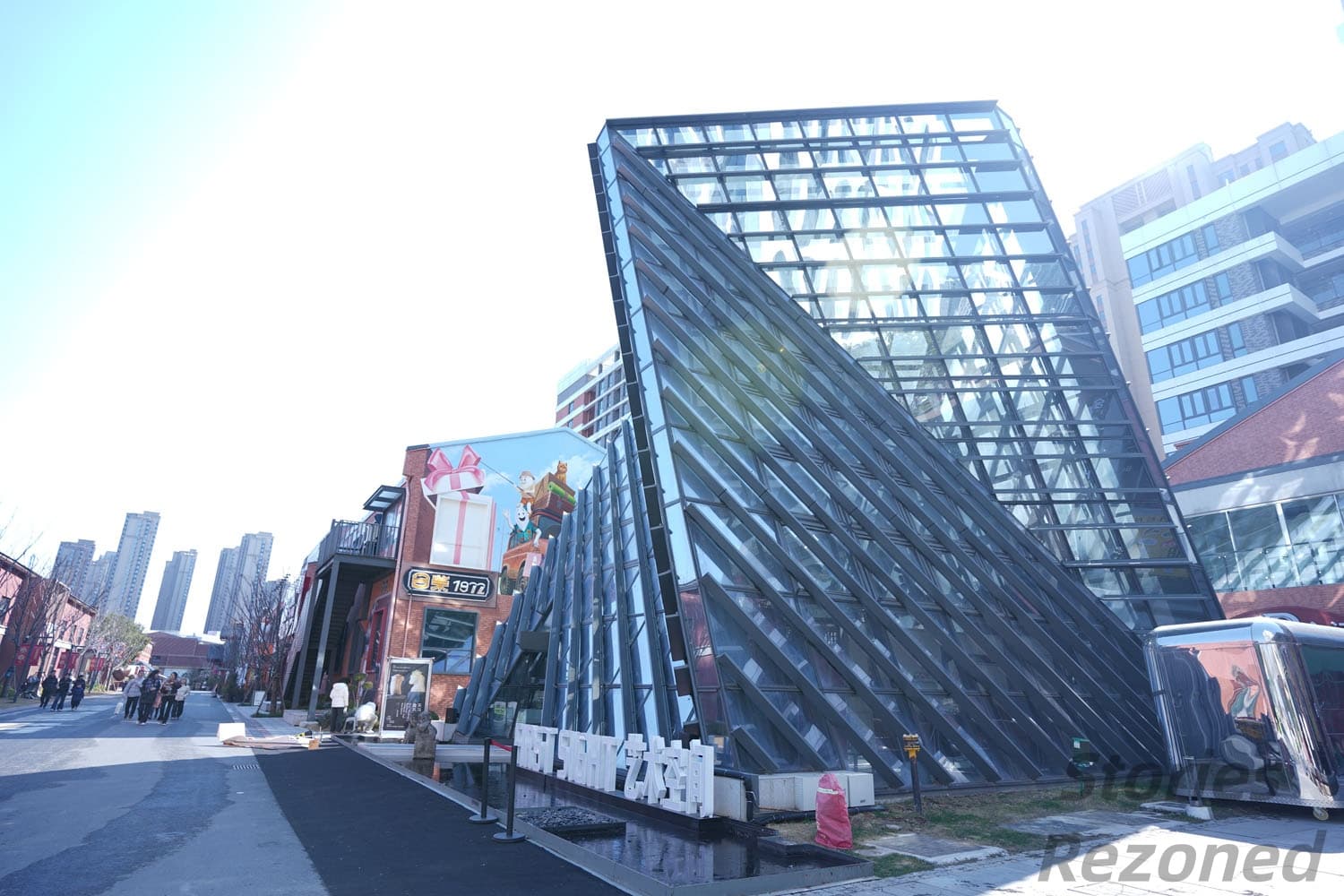
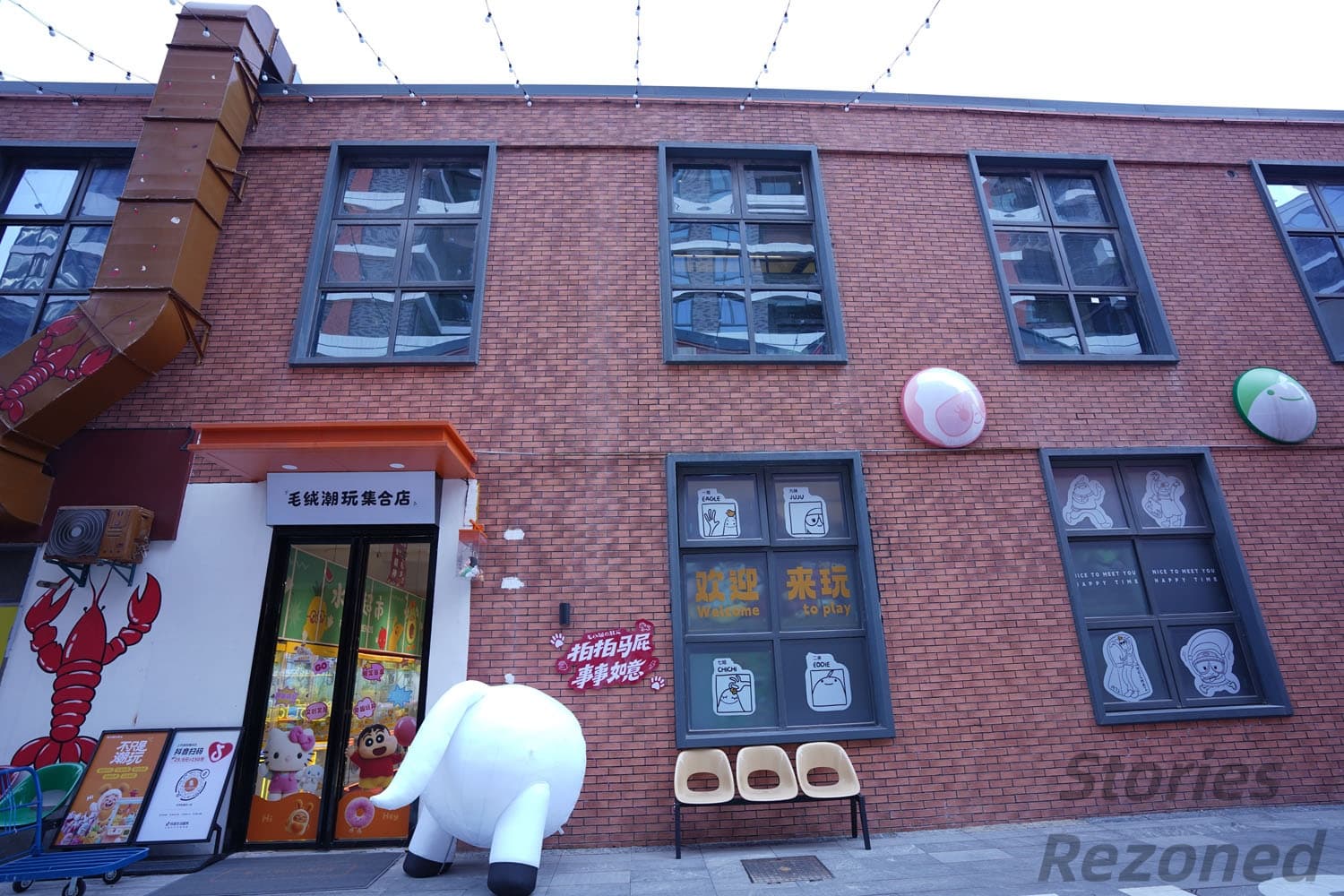
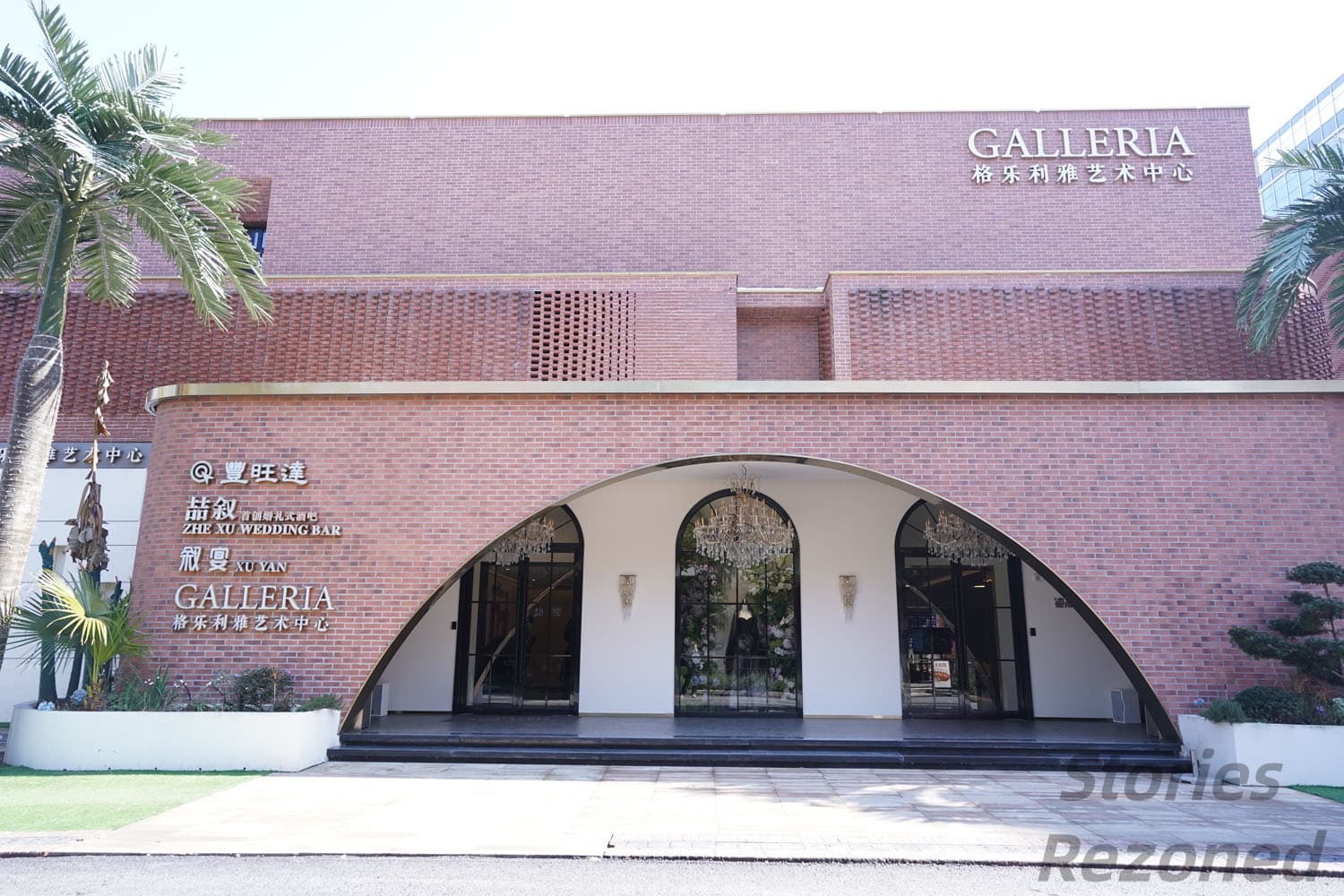
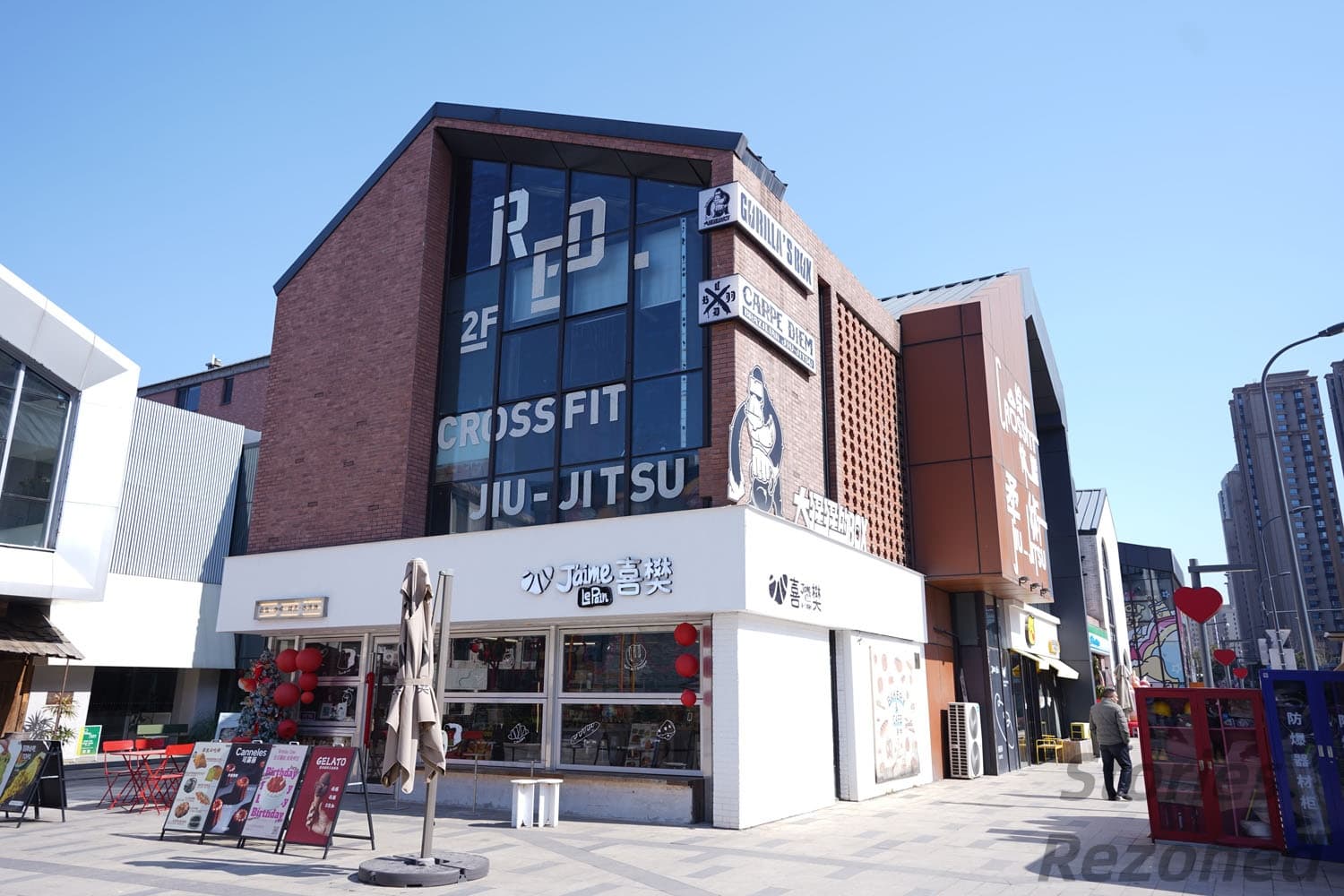
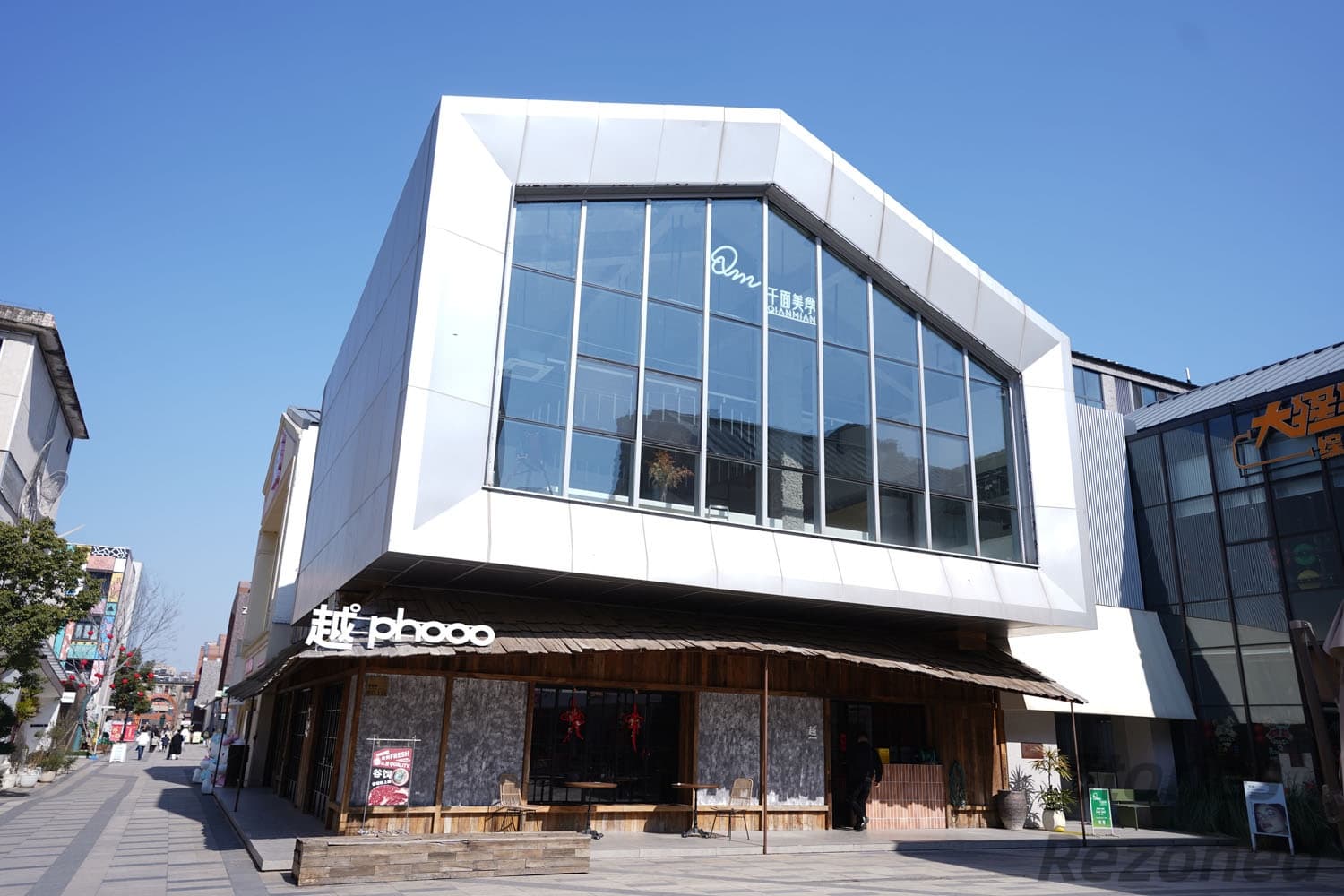
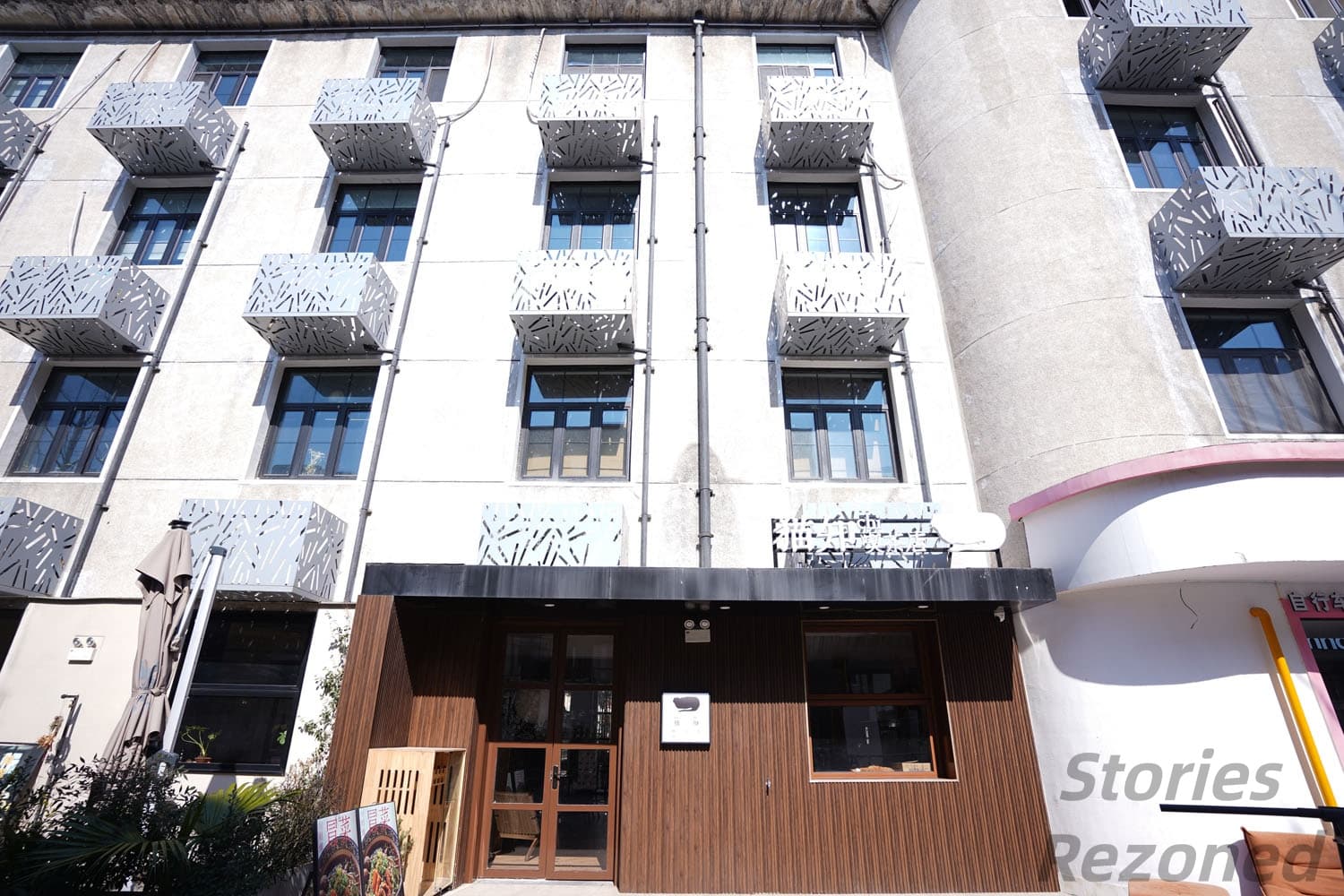
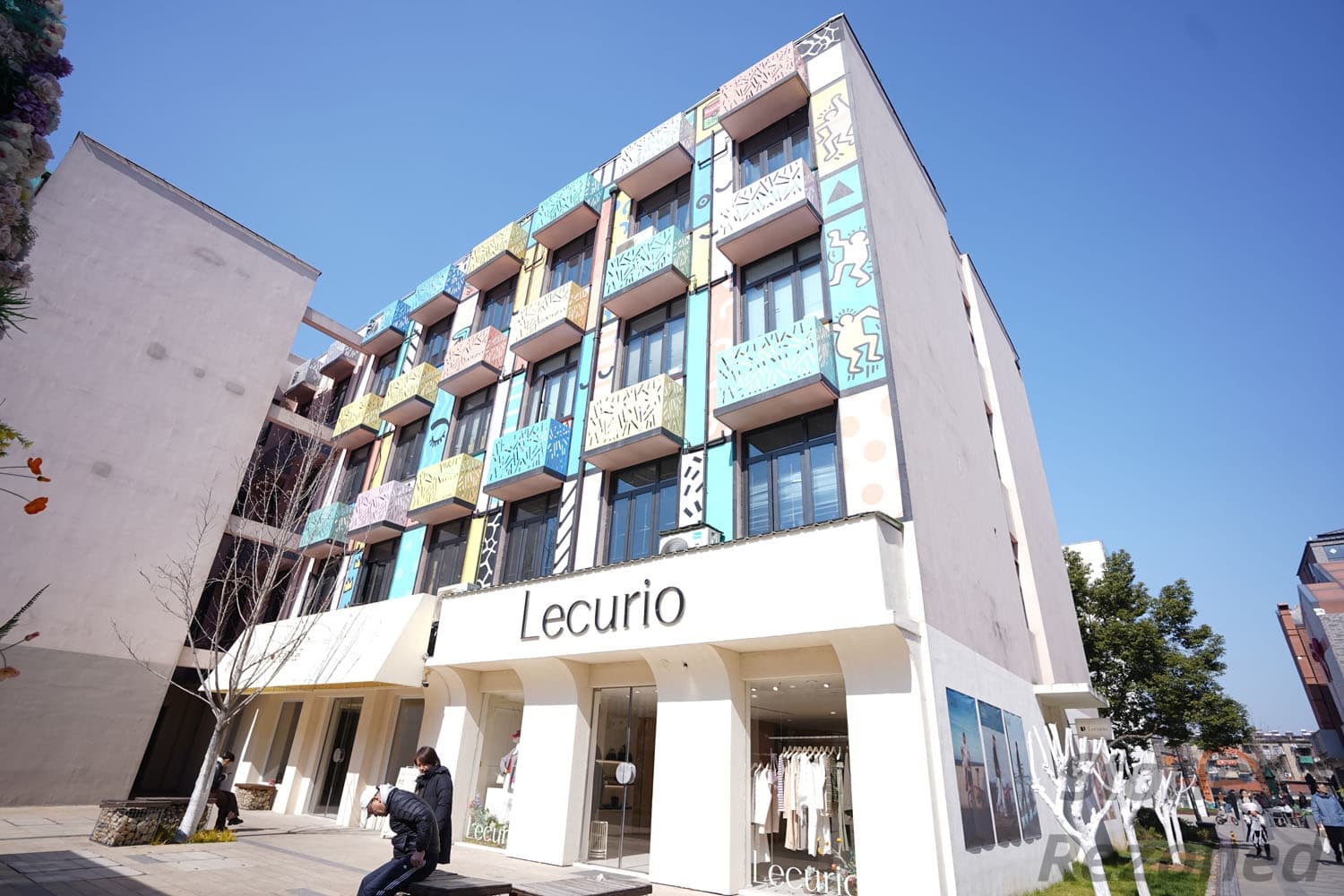
Hechai 1972 started its protective renovation in 2019 and focused on keeping the original architecture and spatial textures intact with minimal demolition. All of the major buildings were kept including the large and small domes, chimneys, watch towers, and old workshops.
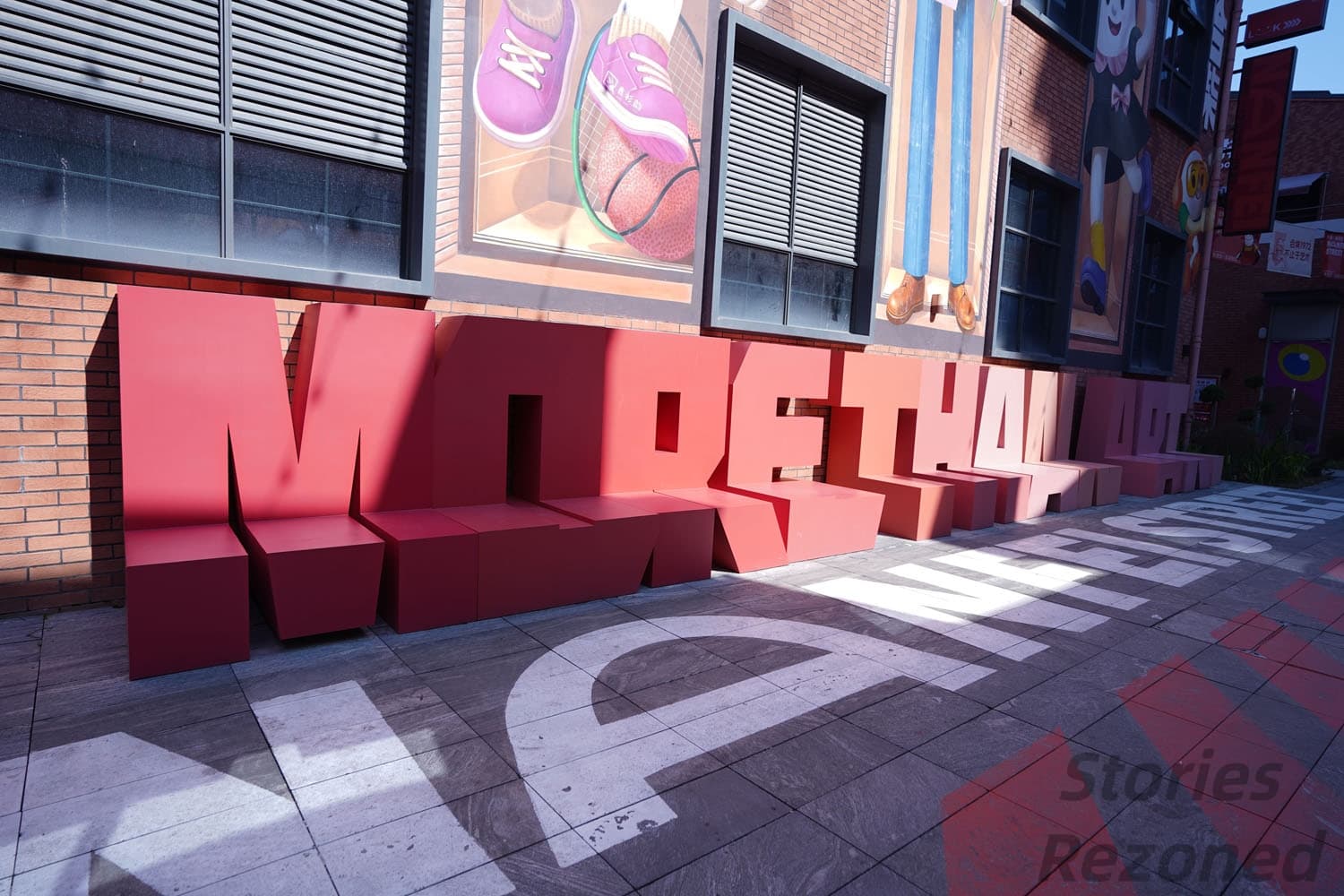
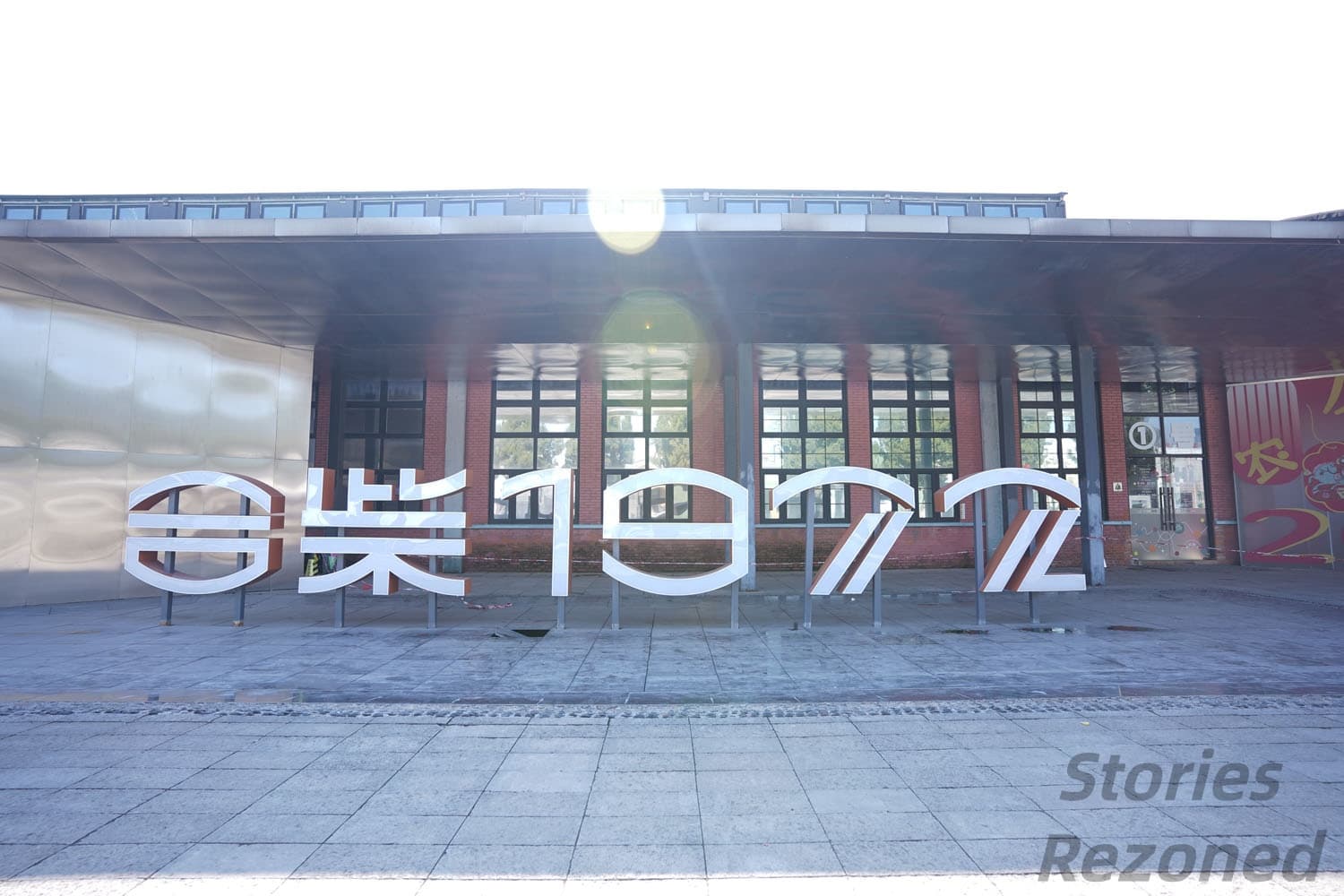
The old foundry is now home to Hefei Contemporary Art Museum. The park now includes multiple uses such as an electrical appliance story hall, cultural and creative areas, art exhibits, trendy commerce, and public recreational spaces. Hechai 1972 has become a National Cultural Industry Demonstration Park and a prime example of urban renewal as identified by the Ministry of Housing and Urban-Rural Development. Over 10 million people have visited Hechai 1972 and it has become the most iconic cultural landmark in Hefei.
Historical and Modern Significance
Hechai 1972 established a model for China’s revitalization of specialized historical spaces, going beyond the site’s most recent use as a prison to preserve Hefei’s evolution of artisan crafts to industrialization. Hechai 1972 also demonstrated a method of long term sustainability through incentivizing state-owned enterprises to renew their properties with private sector participation. This would be especially effective considering that large swathes of urban land in Chinese cities across the country are often still owned by state enterprises even though their industrial purposes have long elapsed.
Image References
All images not separately credited below filmed at location by Stories Rezoned team
- Anonymous. Exterior of Circular Fuel Warehouse (Pre-Renovation). 2018. Sohu News, 19 Aug. 2019, https://www.sohu.com/a/334961662_100015159.
- Anonymous. Interior Dome of Circular Fuel Warehouse (Pre-Renovation). 2018. Sohu News, 19 Aug. 2019, https://www.sohu.com/a/334961662_100015159.
- Anonymous. Prison Perimeter Wall with Barbed Wire (Pre-Renovation). 2017. Sohu News, 19 Aug. 2019, https://www.sohu.com/a/334961662_100015159.
- Anonymous. Close-up of Hefei Prison Watchtower (Pre-Renovation). 2017. Sohu News, 19 Aug. 2019, https://www.sohu.com/a/33496166
References
- Anhui Provincial People’s Government. “Awakening ‘Sleeping’ Land and Reshaping Urban Space.” 3 Nov. 2025, www.ah.gov.cn/zwyw/jryw/565469611.html.
- Hefei Municipal People’s Government. “Hefei’s Urban Renewal Experience Promoted Nationwide.” 16 Oct. 2024, www.hefei.gov.cn/ssxw/zwyw/110632271.html.
- China Industrial News. “Hechai 1972: Industrial Heritage Transformed into a New Highland for Culture and Creativity.” 22 July 2024, www.cinn.cn/p/312456.html.
- Hefei Bintou Group. “Project Overview of Hechai 1972.” 2025, www.hfbintou.com/hechai1972.
- Ctrip Travel. “In-depth Interpretation of Hefei Hechai 1972 Cultural and Creative Park.” 30 May 2025, you.ctripqin.com/community/detail?articleId=154863199.