
Past: 1000 Years History of Ancient City of Foshan and Historical Development of Zumiao-Donghuali District and its Decline (Ming & Qing Dynasty – 2007)
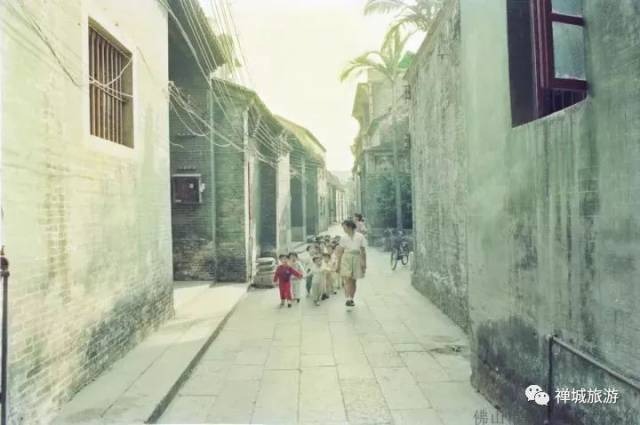
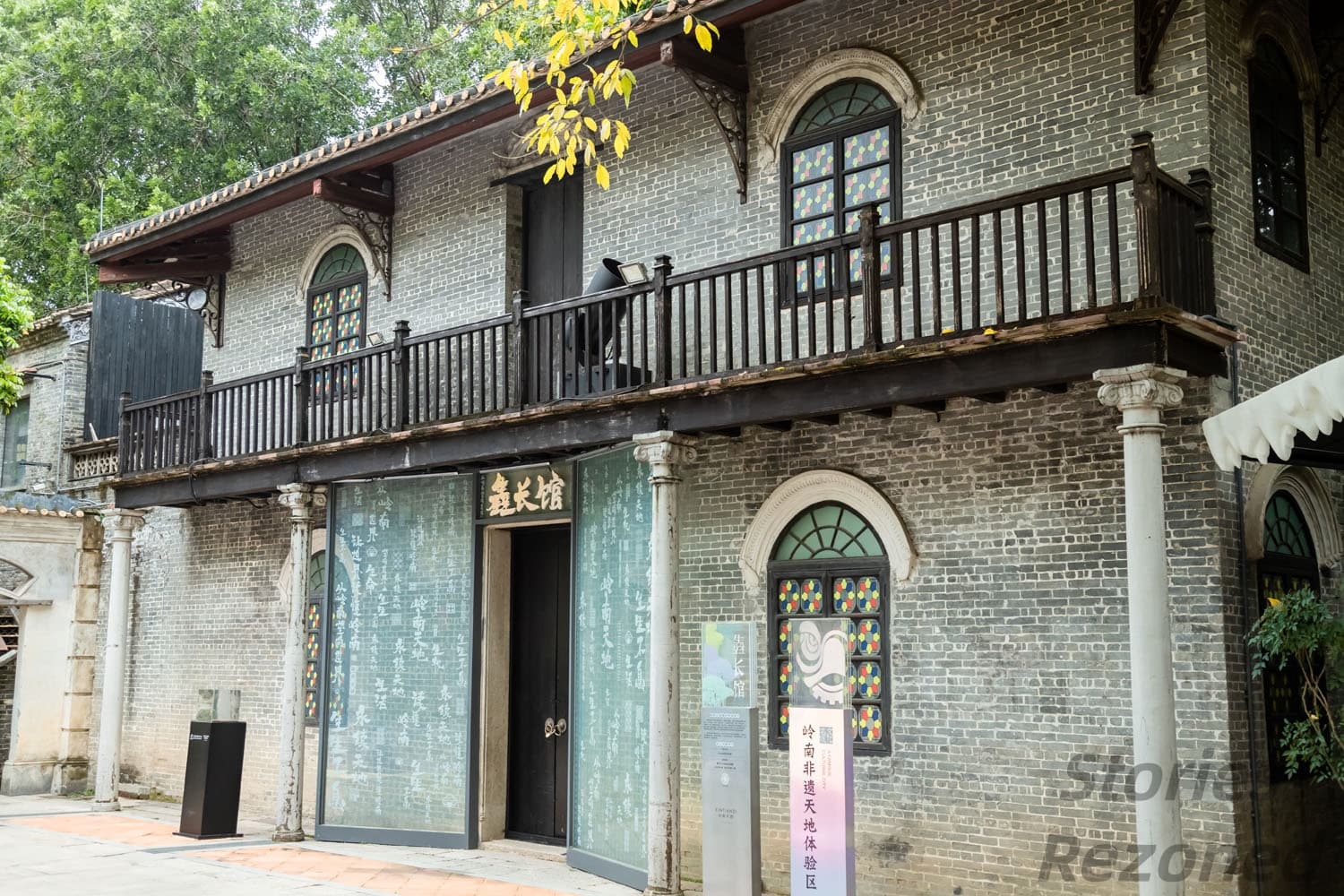
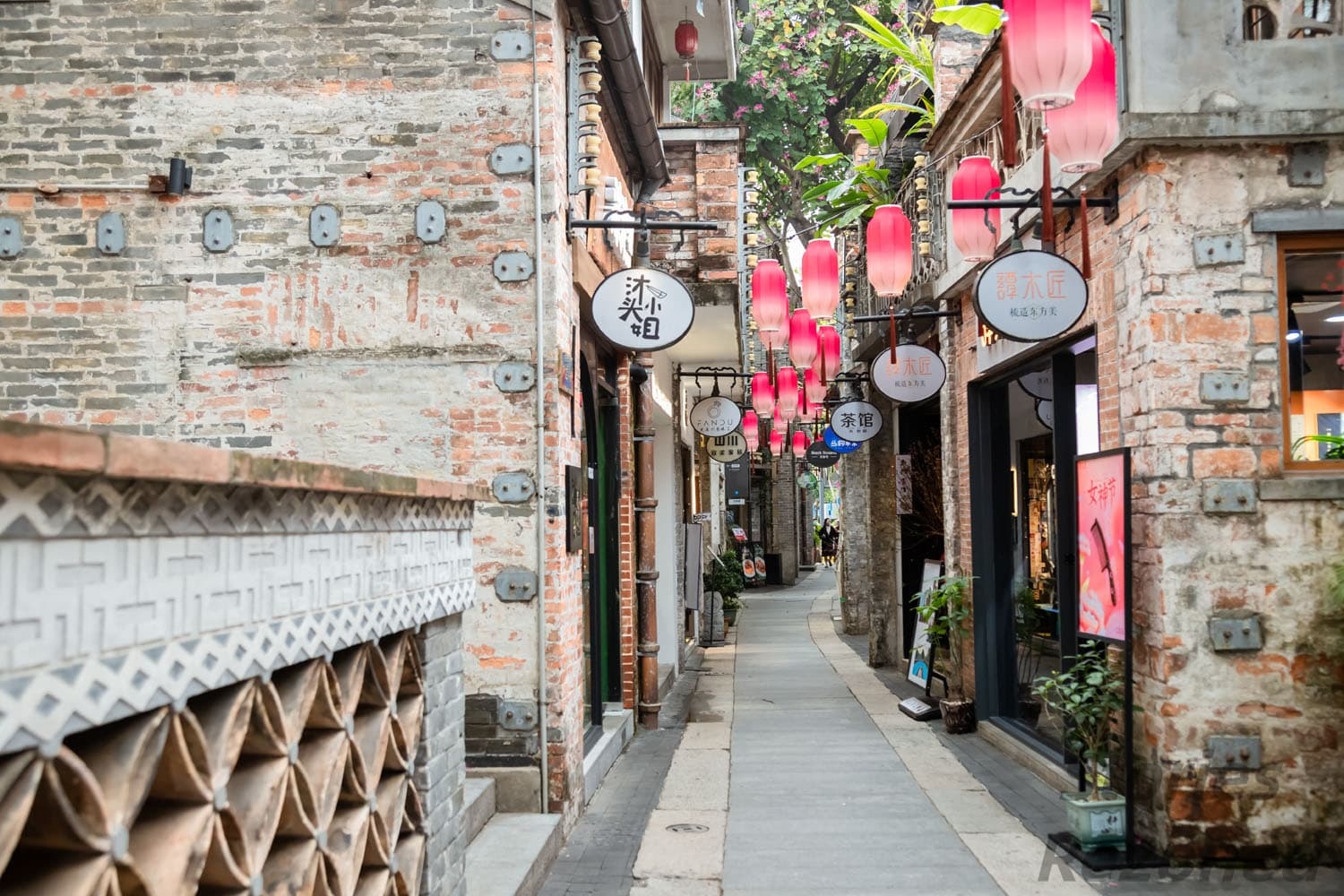
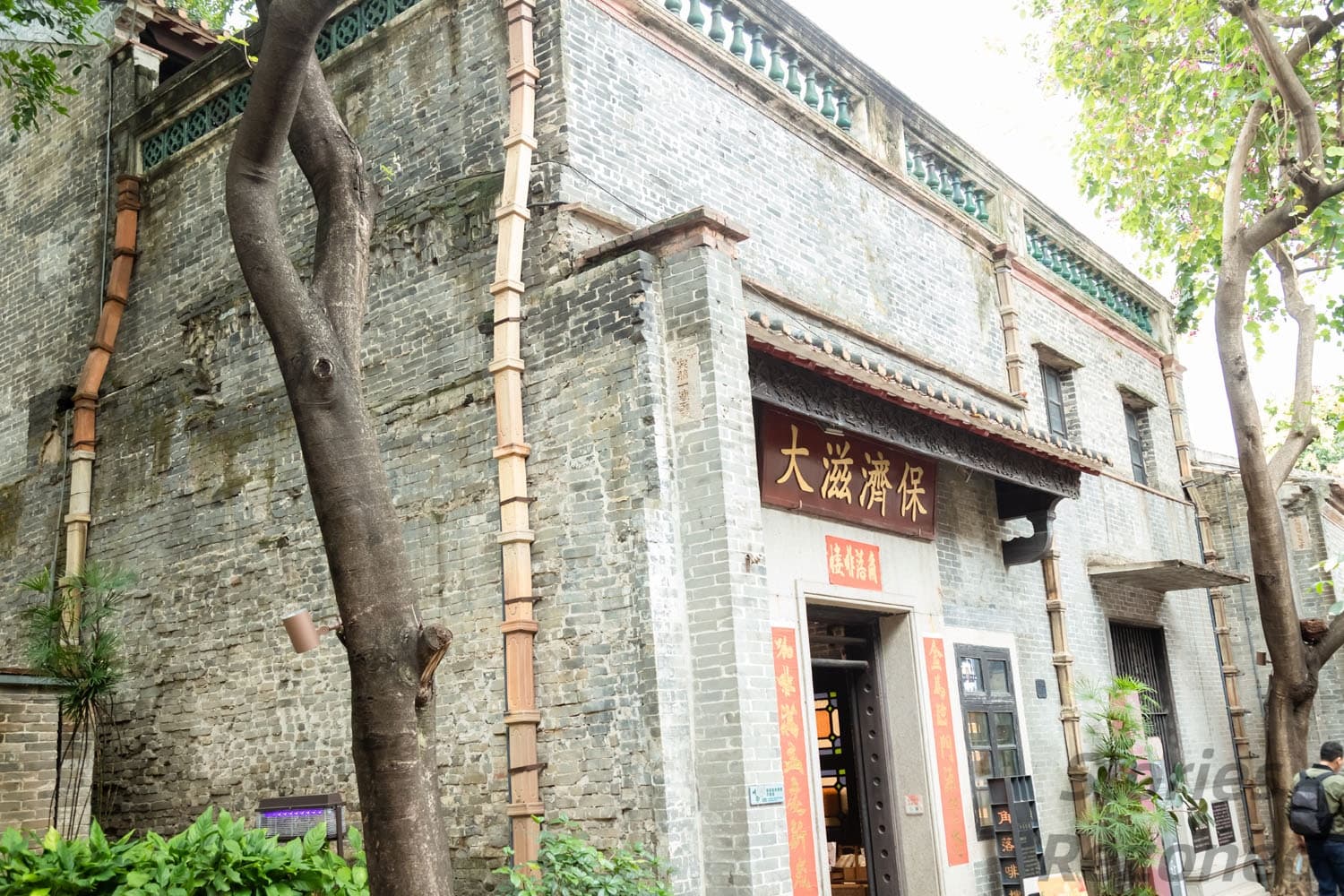
Lingnan Tiandi is located in the oldest part of Foshan’s ancient city and has a history stretching back almost 1,000 years. In the Ming and Qing Dynasty, it was a residential district of well-known families and a thriving commercial zone in Foshan, producing many historically important buildings, and famous contemporary brands including Jane’s Villa, Longtang Poetry Society, Huang Xianghua Ruyi Oil, and Li Zhongsheng Hall. Residential buildings had classic Lingnan architectural features such as wok-ear houses, blue brick stone feet, sliding doors, stone streets, old bridges, and water system. It is a cradle of the Guangfu culture, martial arts culture, Cantonese Opera culture, and commercial culture unique to the Lingnan region. By the late Qing Dynasty and into the Republic of China era, it remained the most prosperous commercial and residential area in Foshan, Foshan being one of the four famous towns in Lingnan.
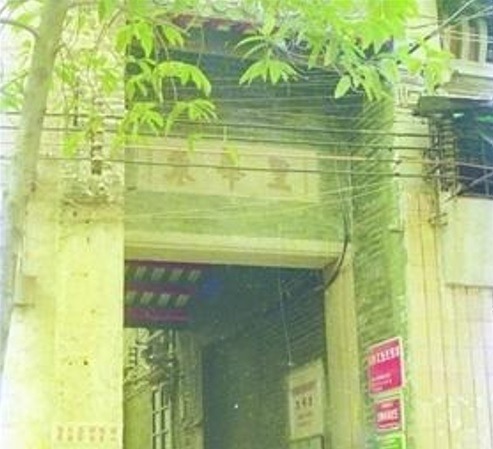
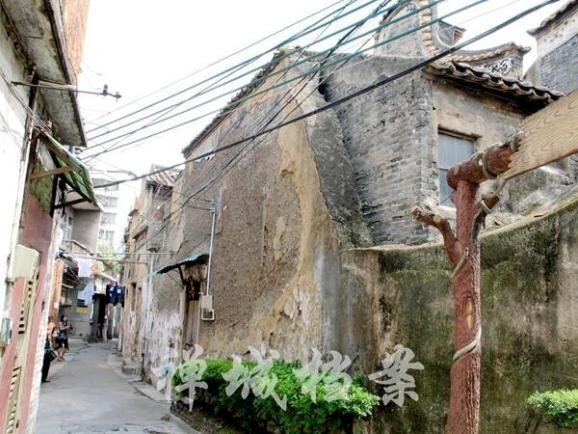
Today, the buildings within this area have been neglected for so long that they suffer from aged brick and wooden structures, cracked and crumbling walls, poor air circulation, and dampness. Many of the historical buildings were abandoned and dilapidated, the water systems were clogged, the streets were disorganized. Although the area contained many nationally protected relics (more than 200), one of the best preserved ancient cities in the Lingnan Region, the area continued to deteriorate, thus requiring an immediate rescue in terms of protection and revitalization in Foshan’s downtown core.
Present: Revitalizing a Traditional Water Town in Lingnan by Rebuilding as a New Cultural, Tourist and Commercial Zone (2008-Present)
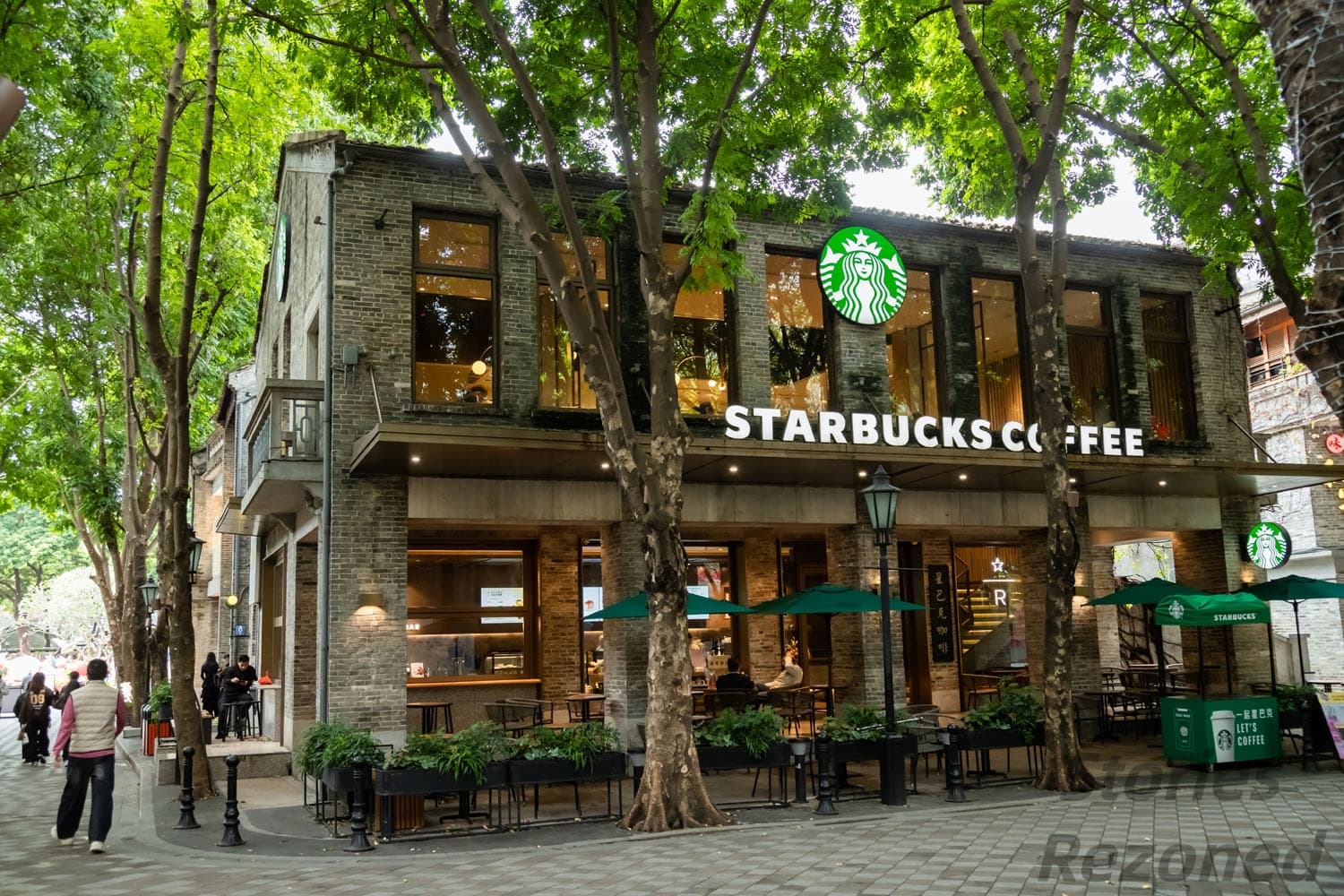
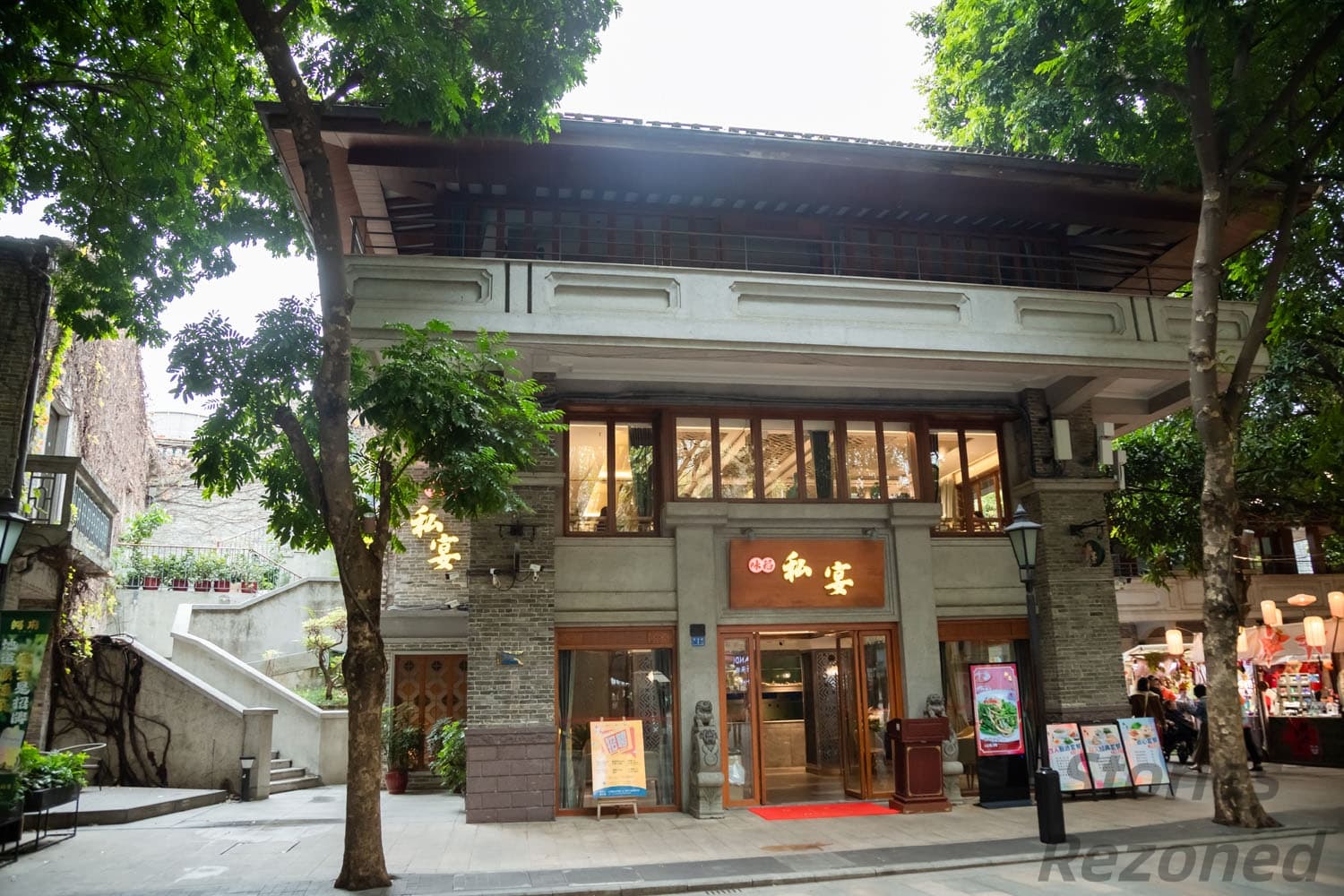
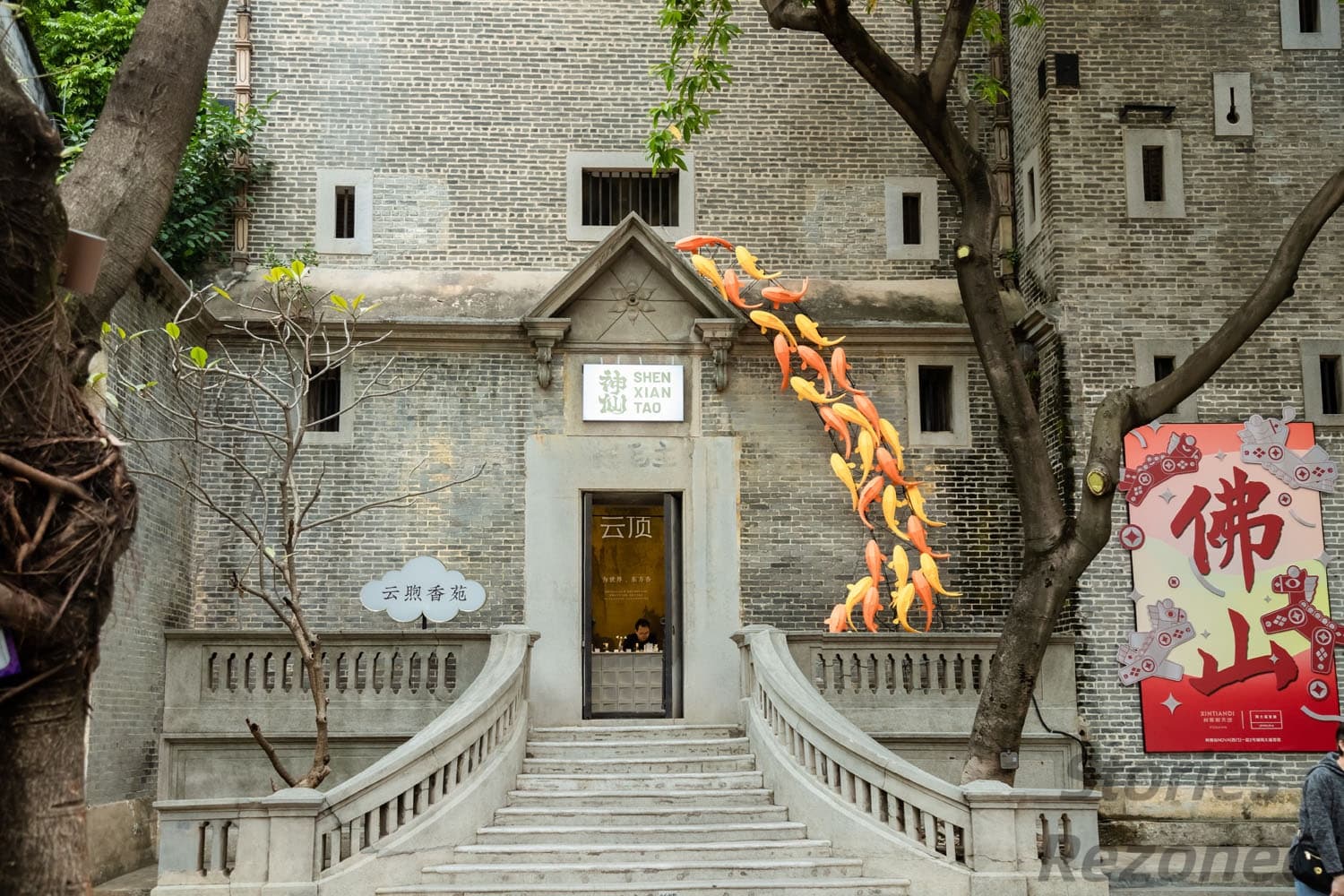
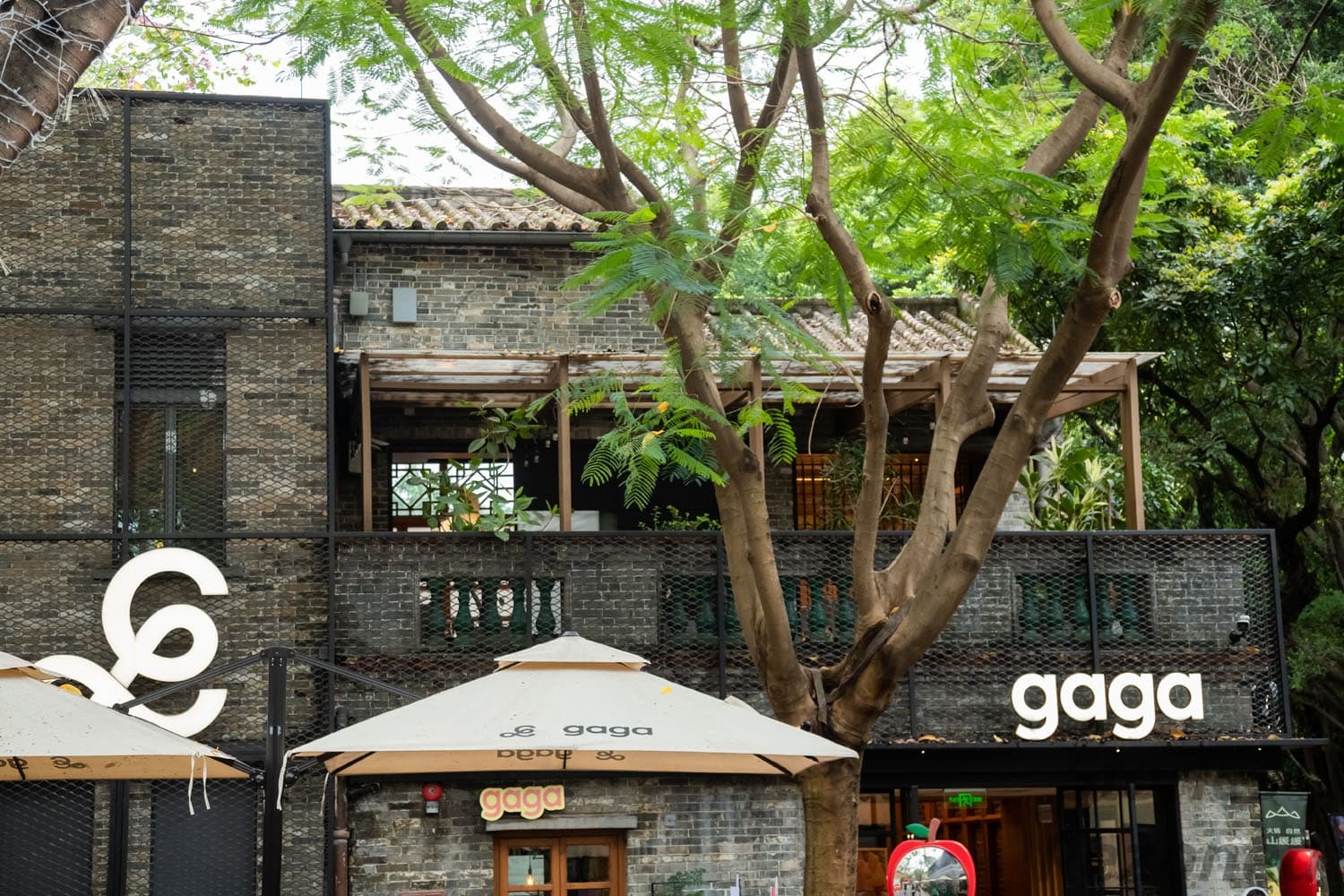
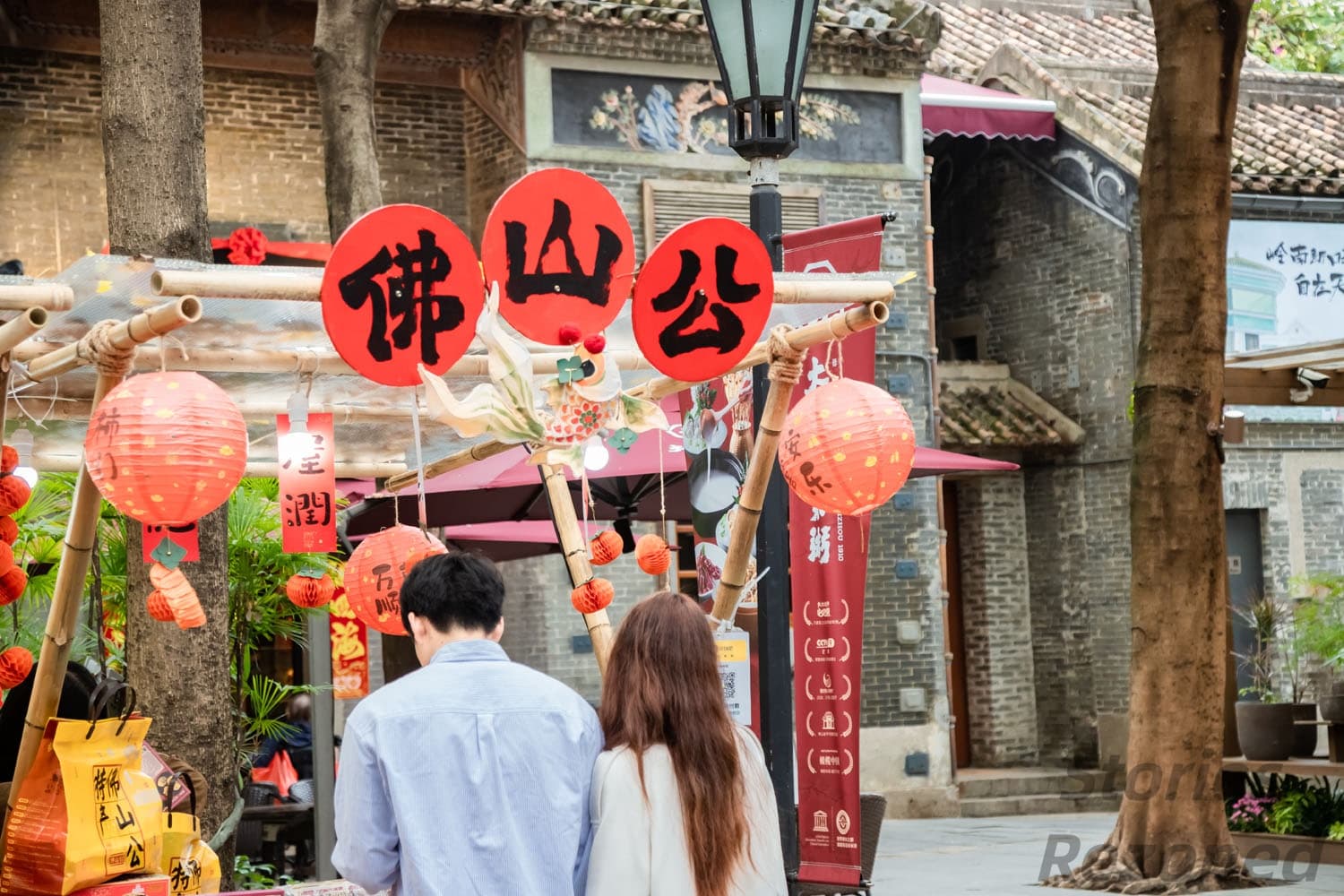
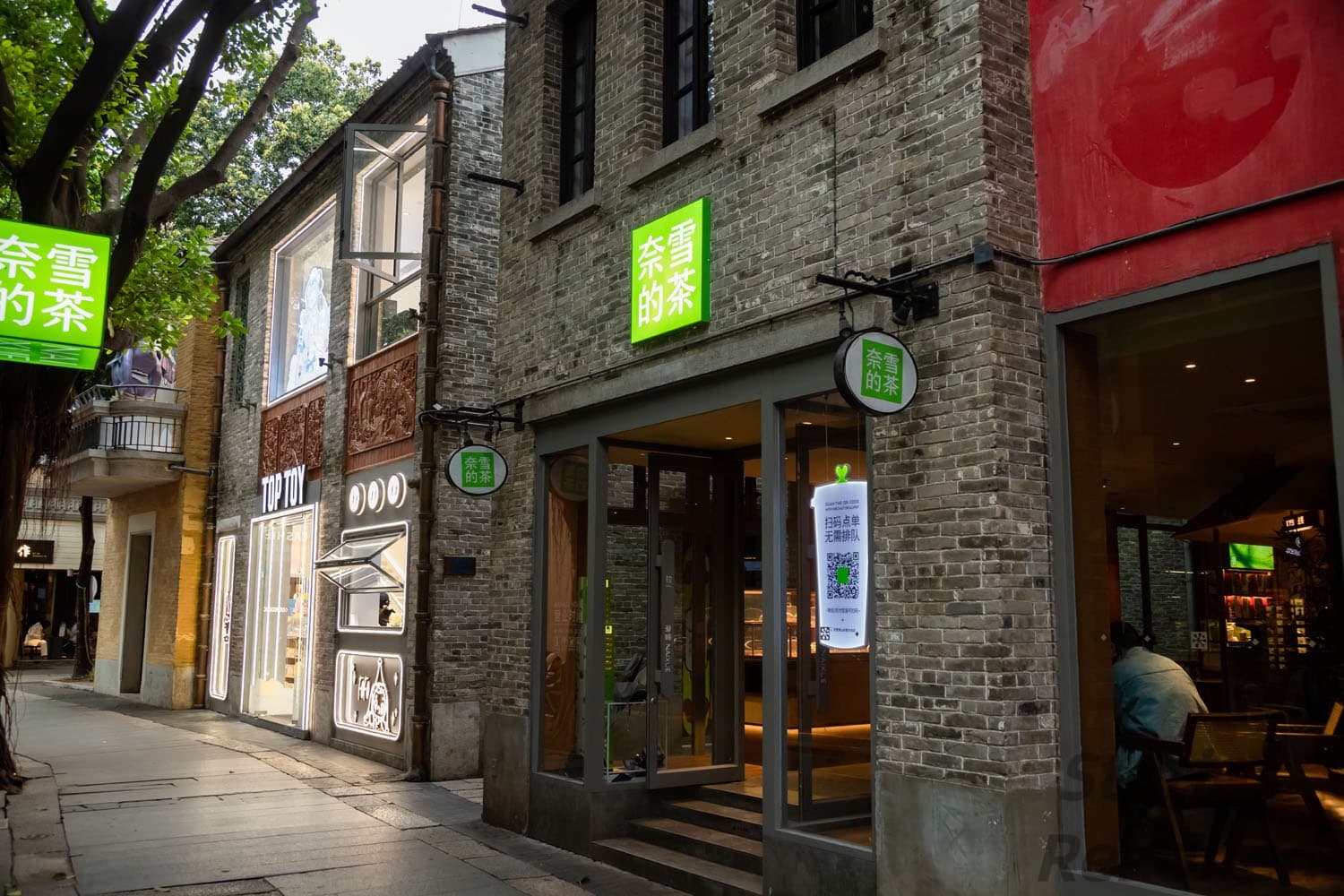
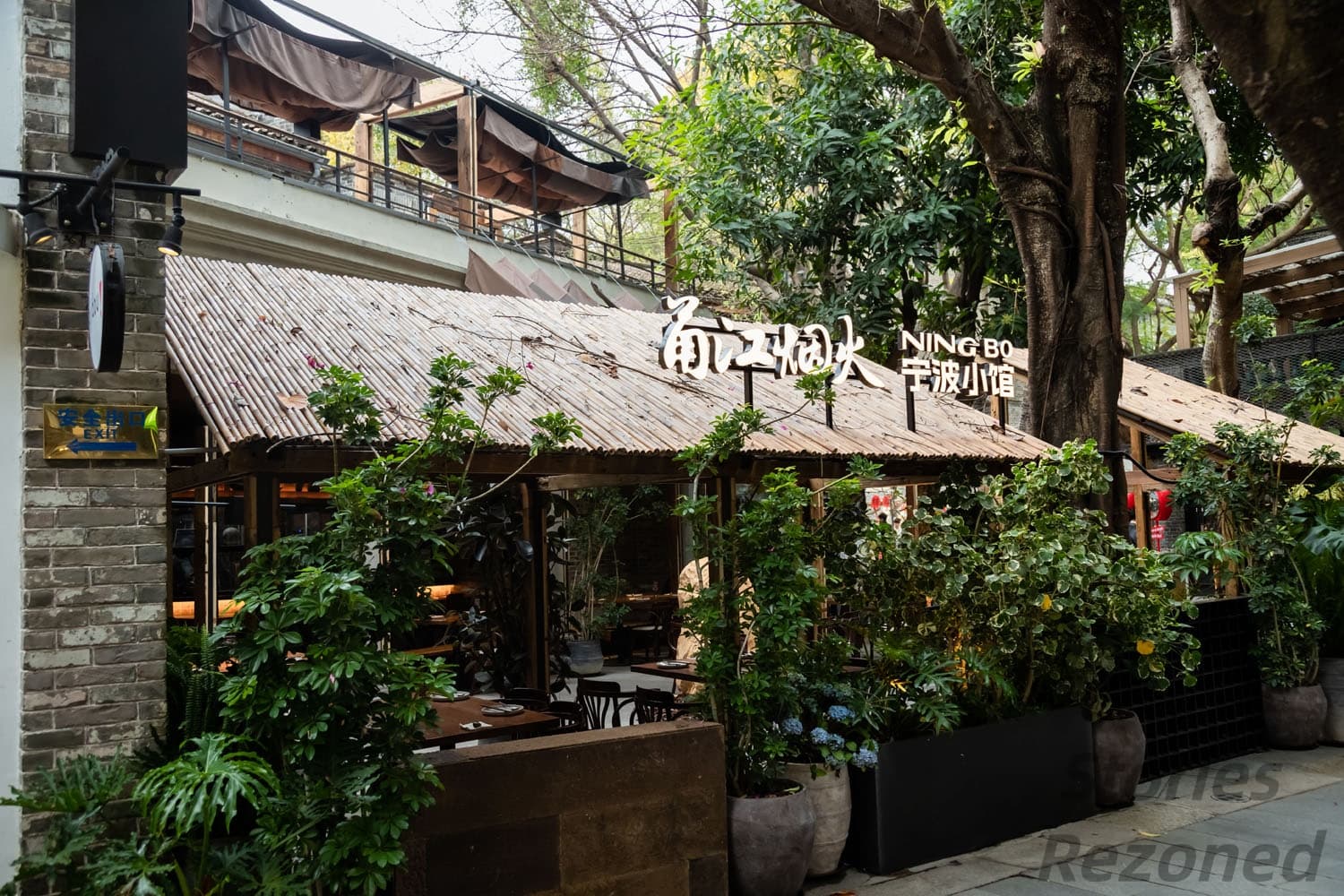
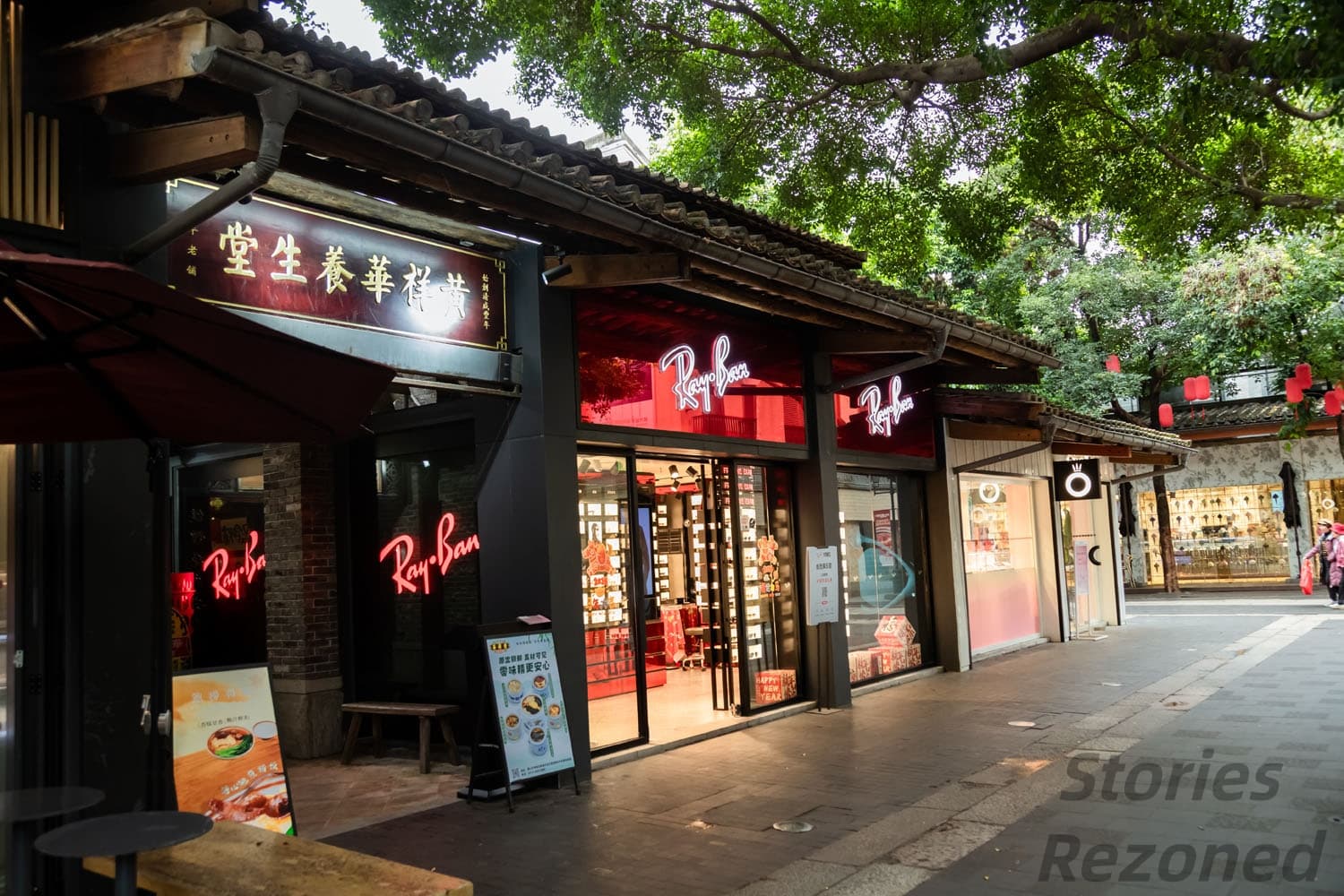
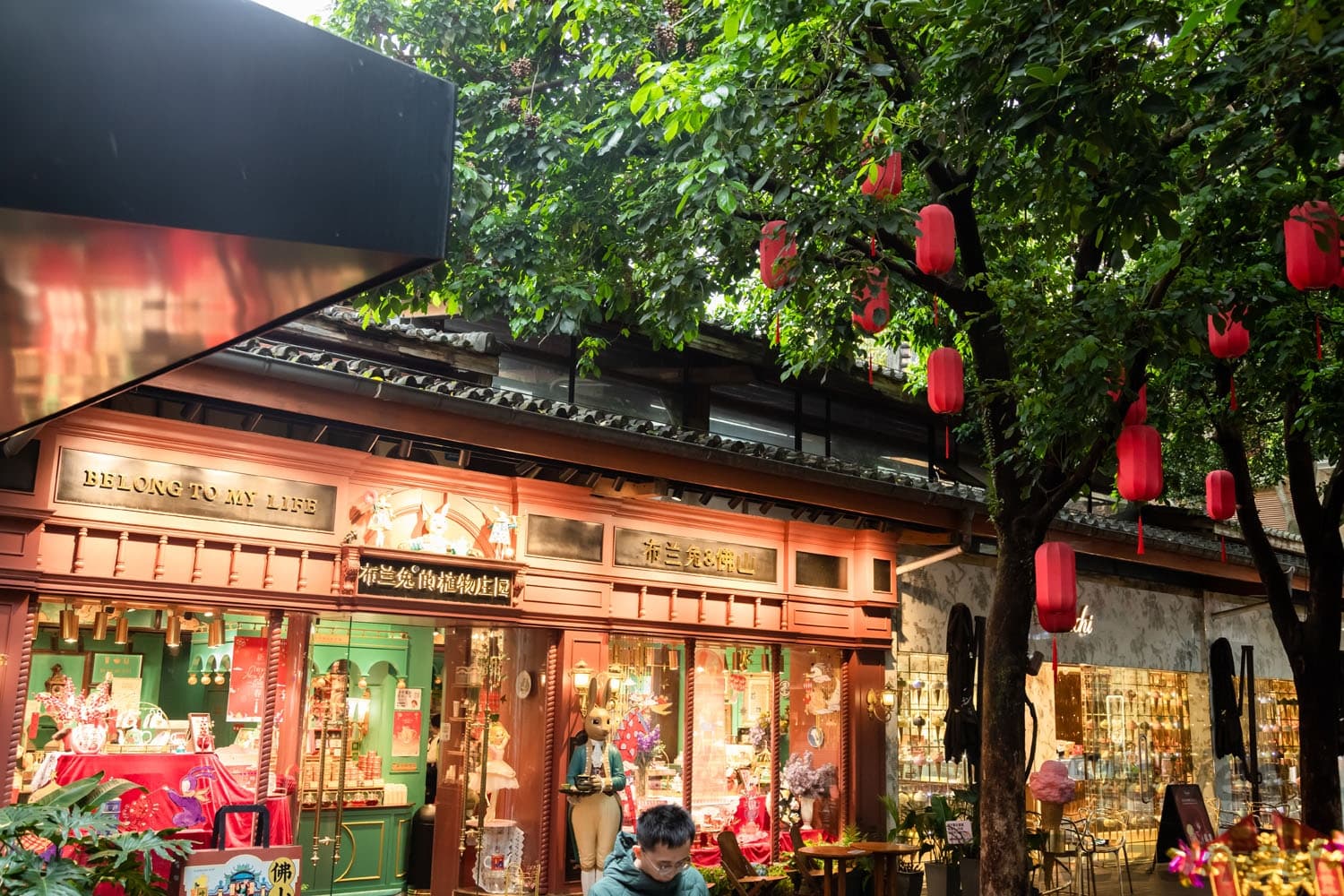
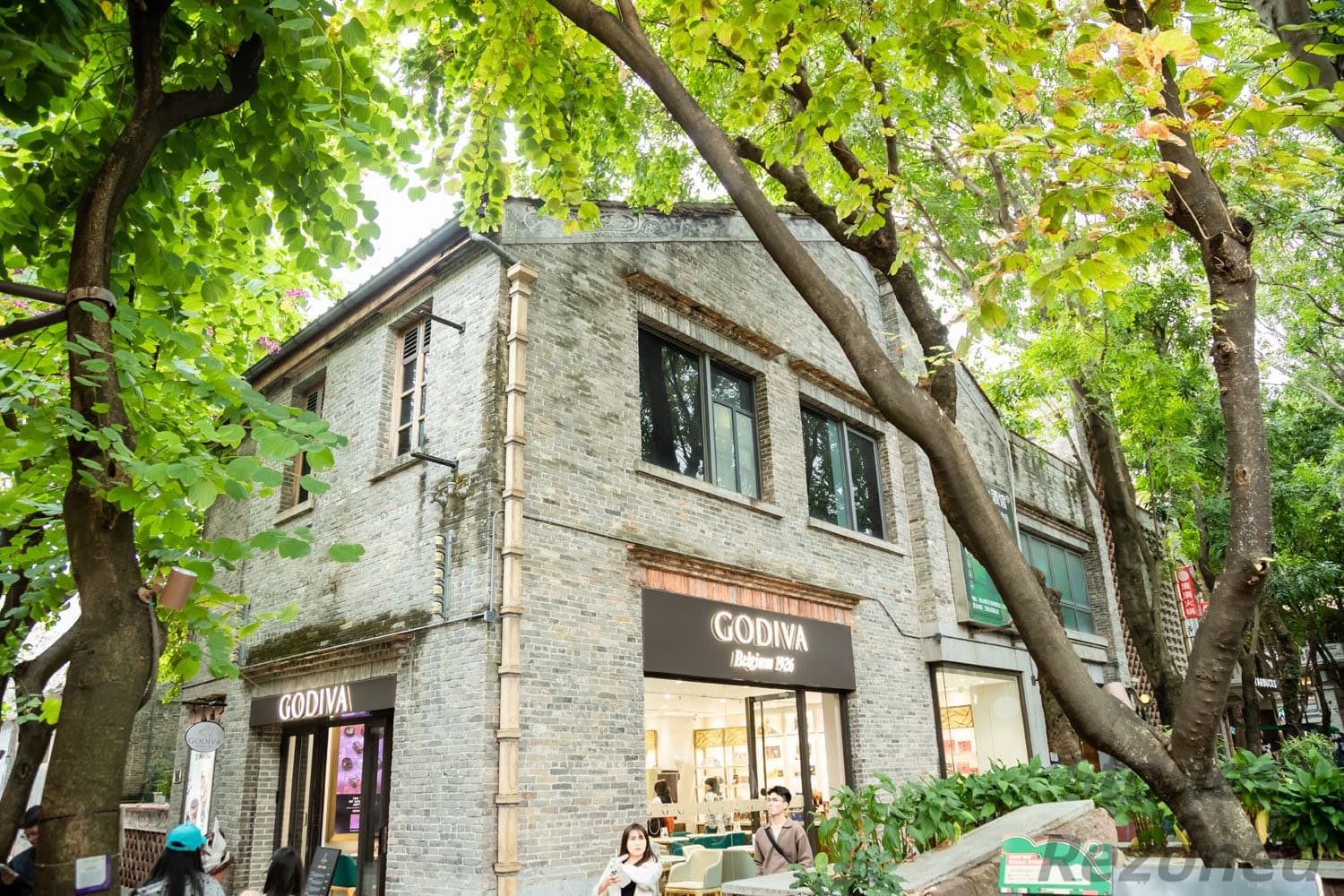
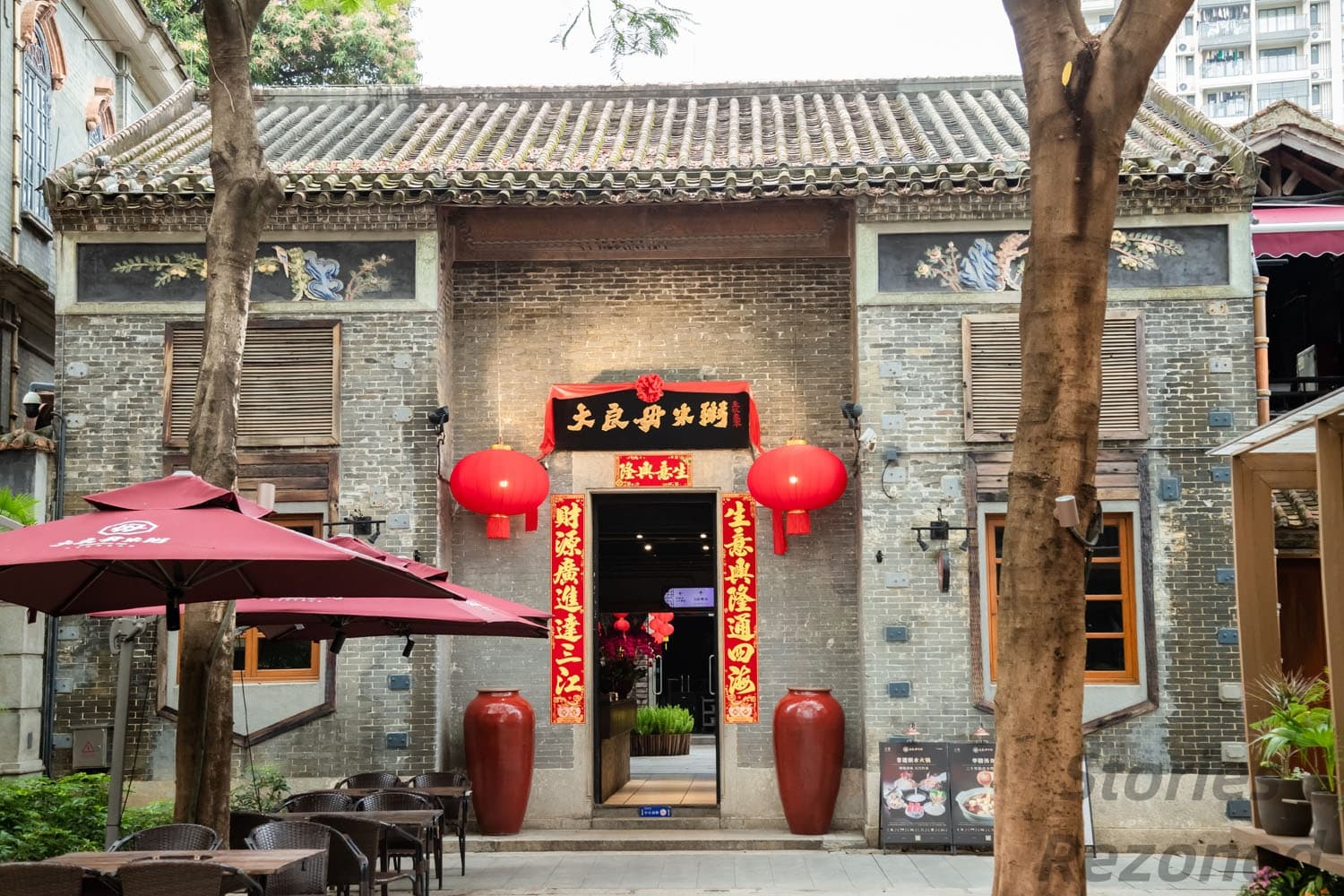
In 2008, the Foshan Lingnan Tiandi Revitalization Project was officially initiated, being led by the local Government and operationally run by companies, with an investment of over 10 billion yuan, for all-around protection and renovation of the area of Zumiao. Seeing that the buildings had great historical value, the project follows the bottom-line standard of “no demolition of a single historic building, no alteration of a single historic lane”, and uses refined restoration methods to restore the main historic features of the area such as wok-ear houses, blue-brick facades, wooden carvings, grey sculptures, sliding doors, ancient wells, ancient bridges, and water systems. At the same time, it upgraded underground pipe networks, fire prevention systems, public spaces, landscape greenery, and slow-moving traffic systems to extend the lifespan of the neighborhood.
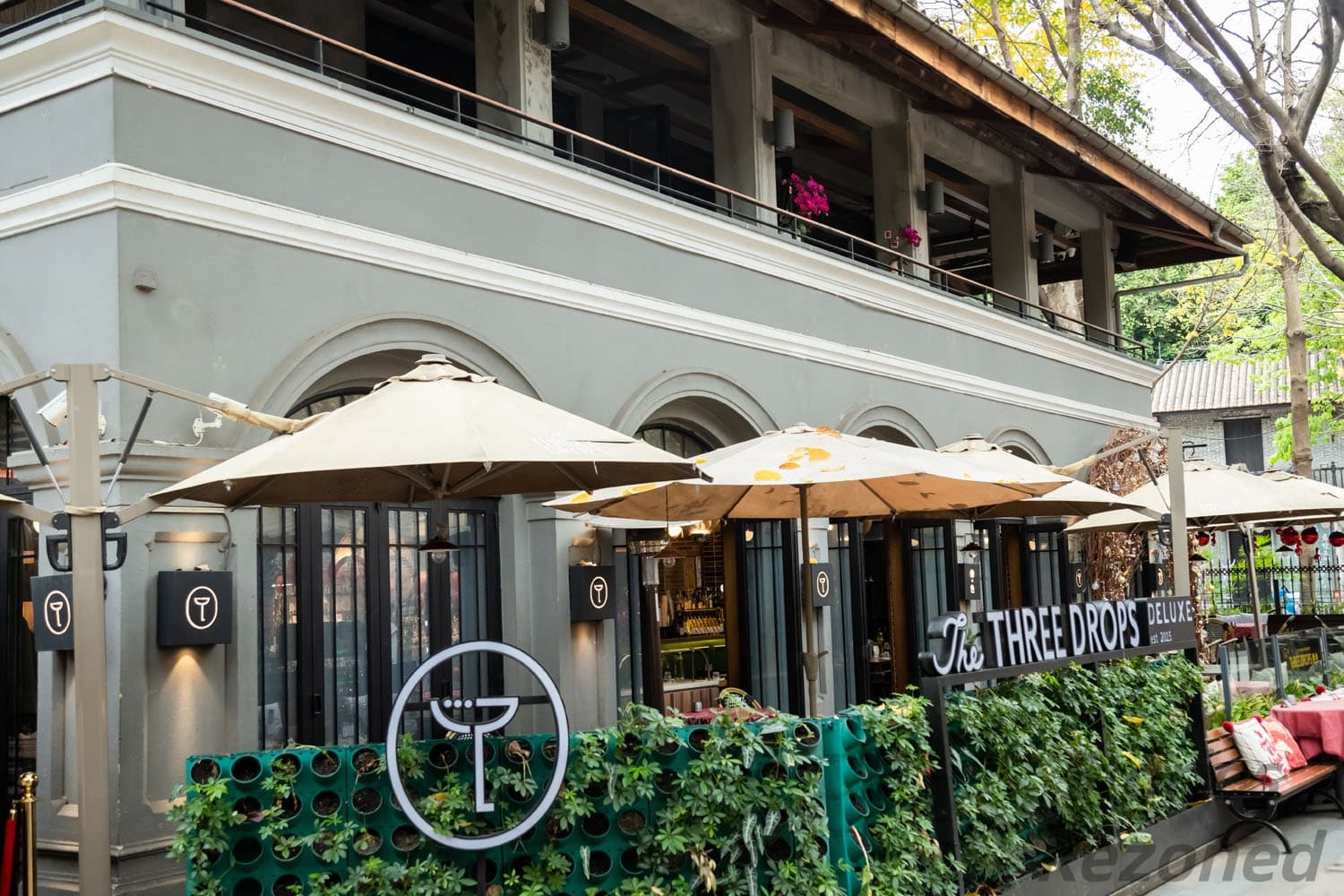
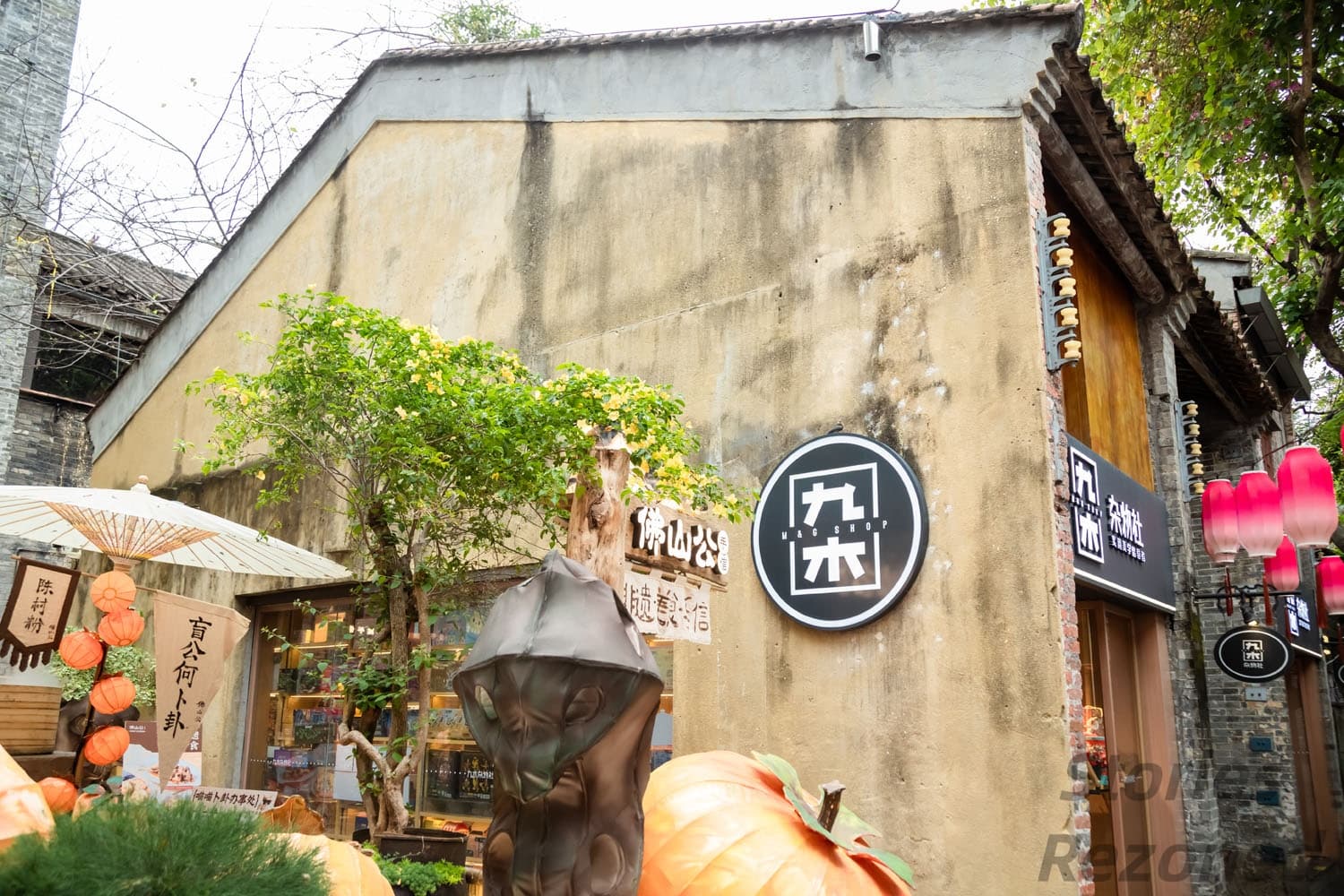
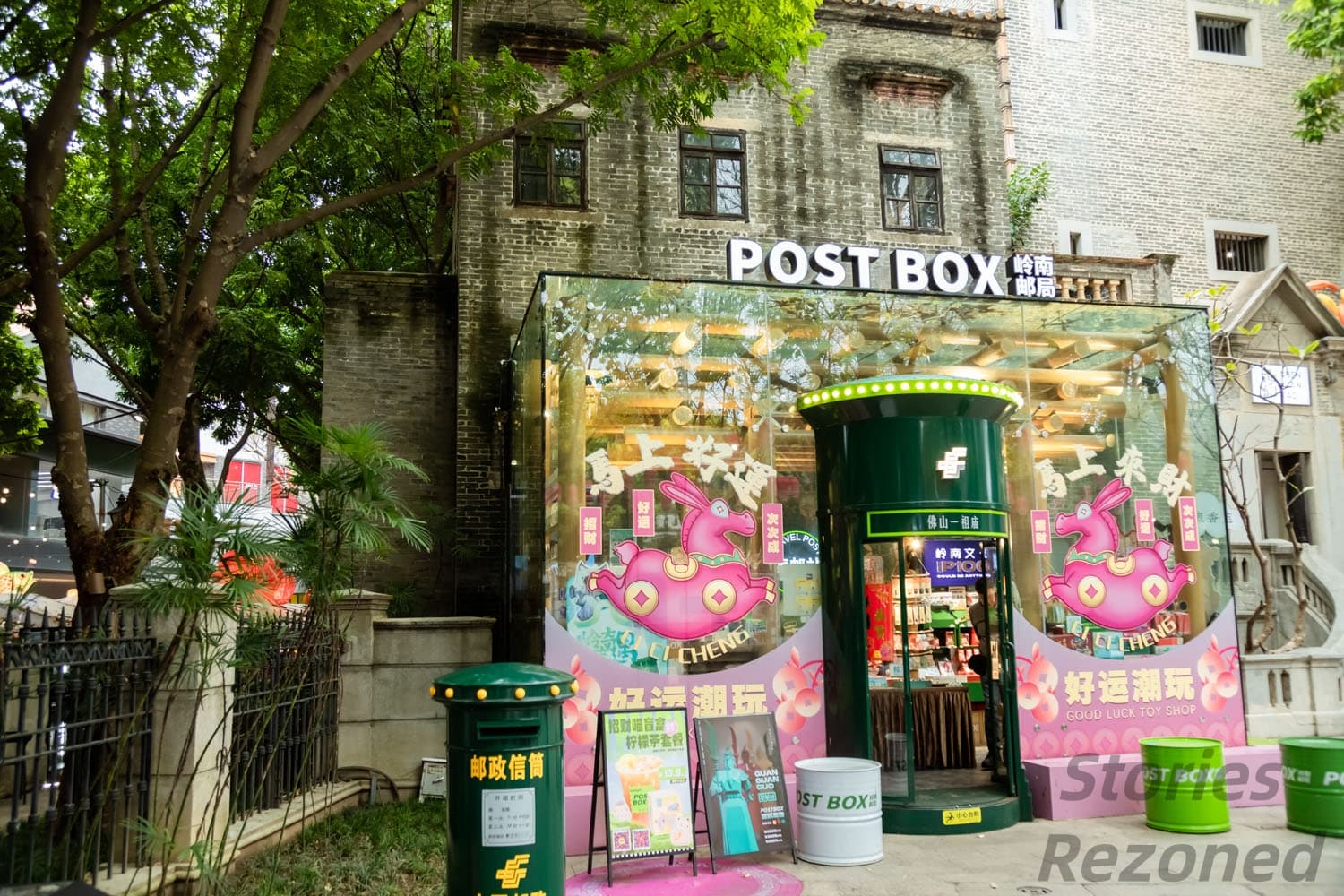
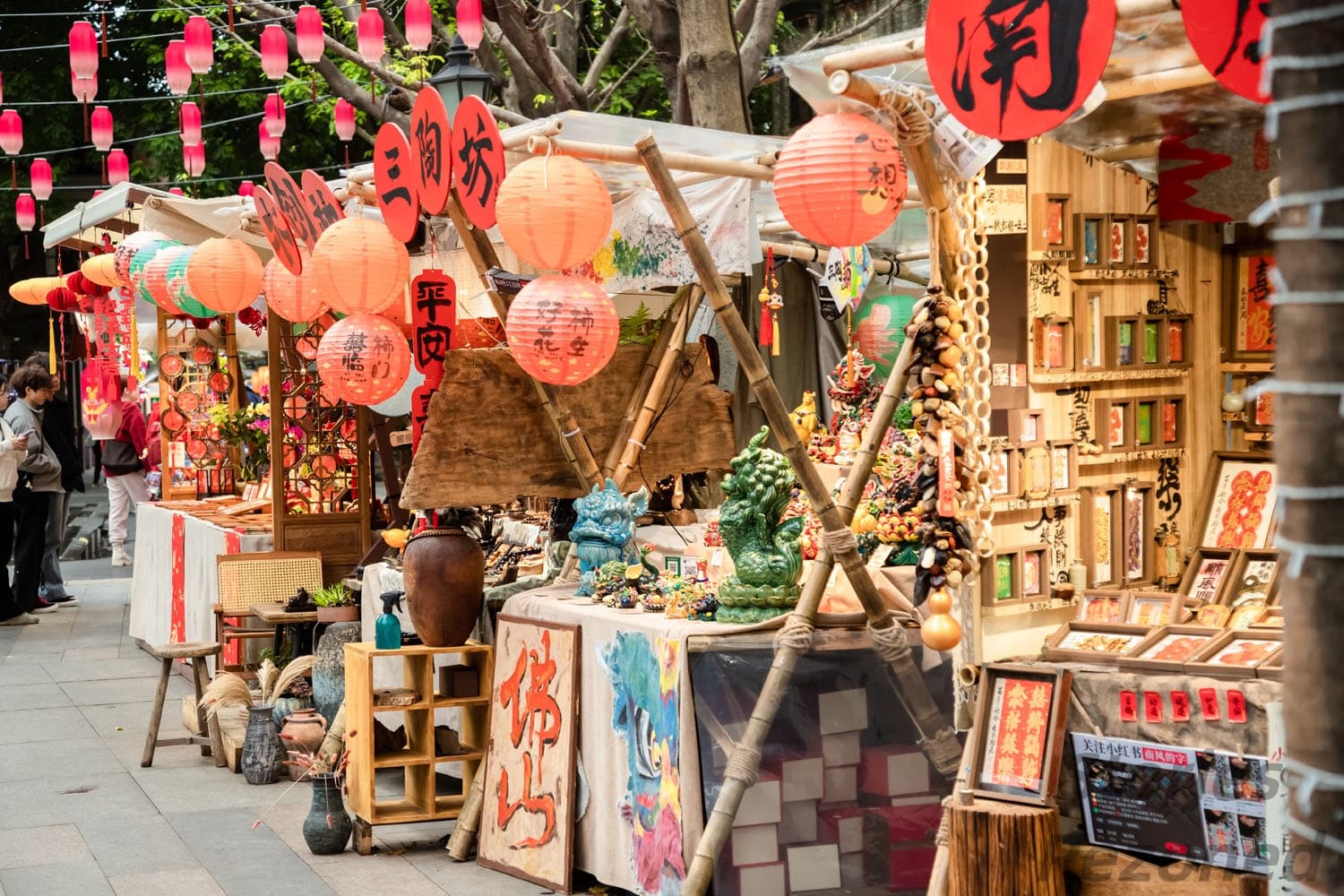
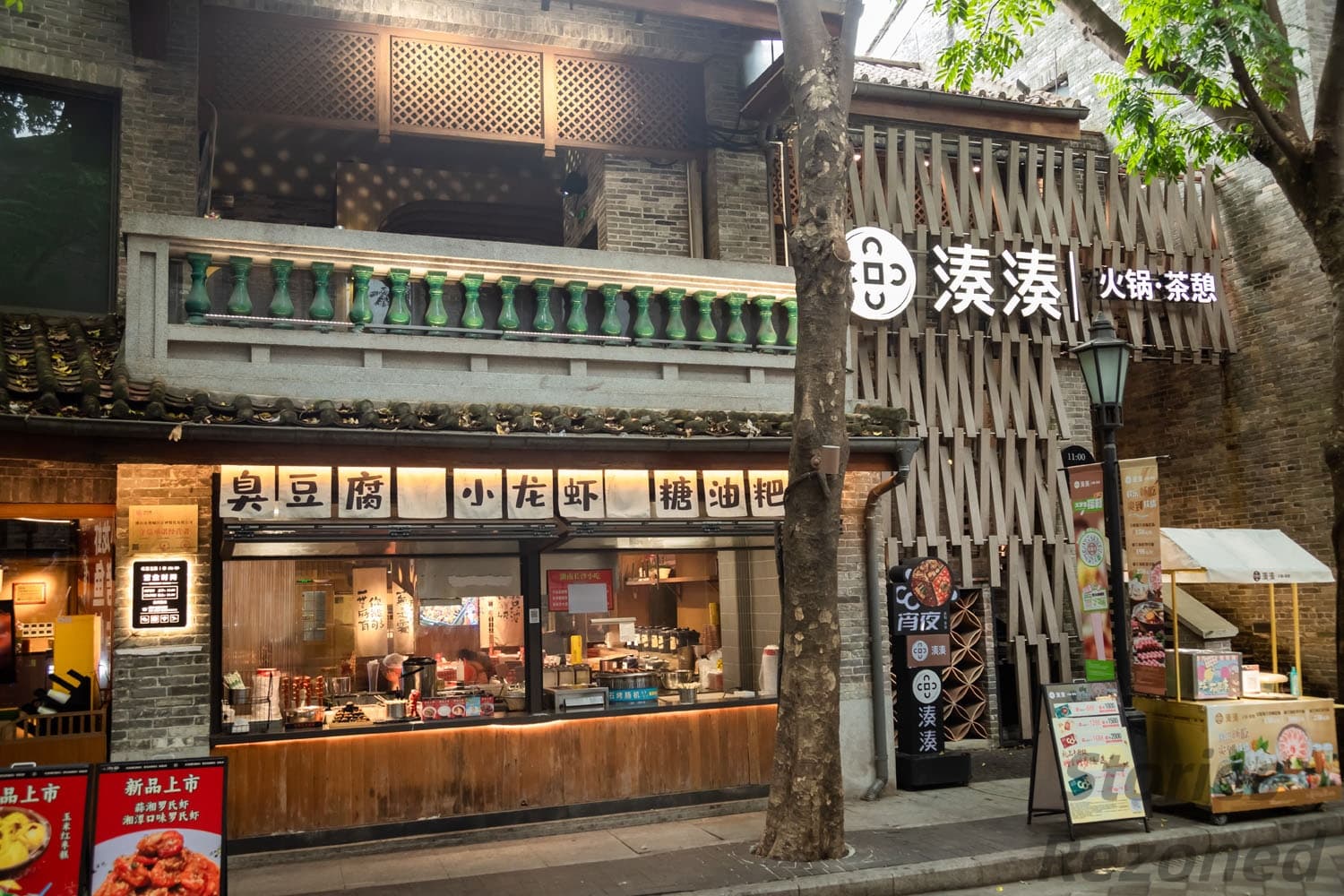
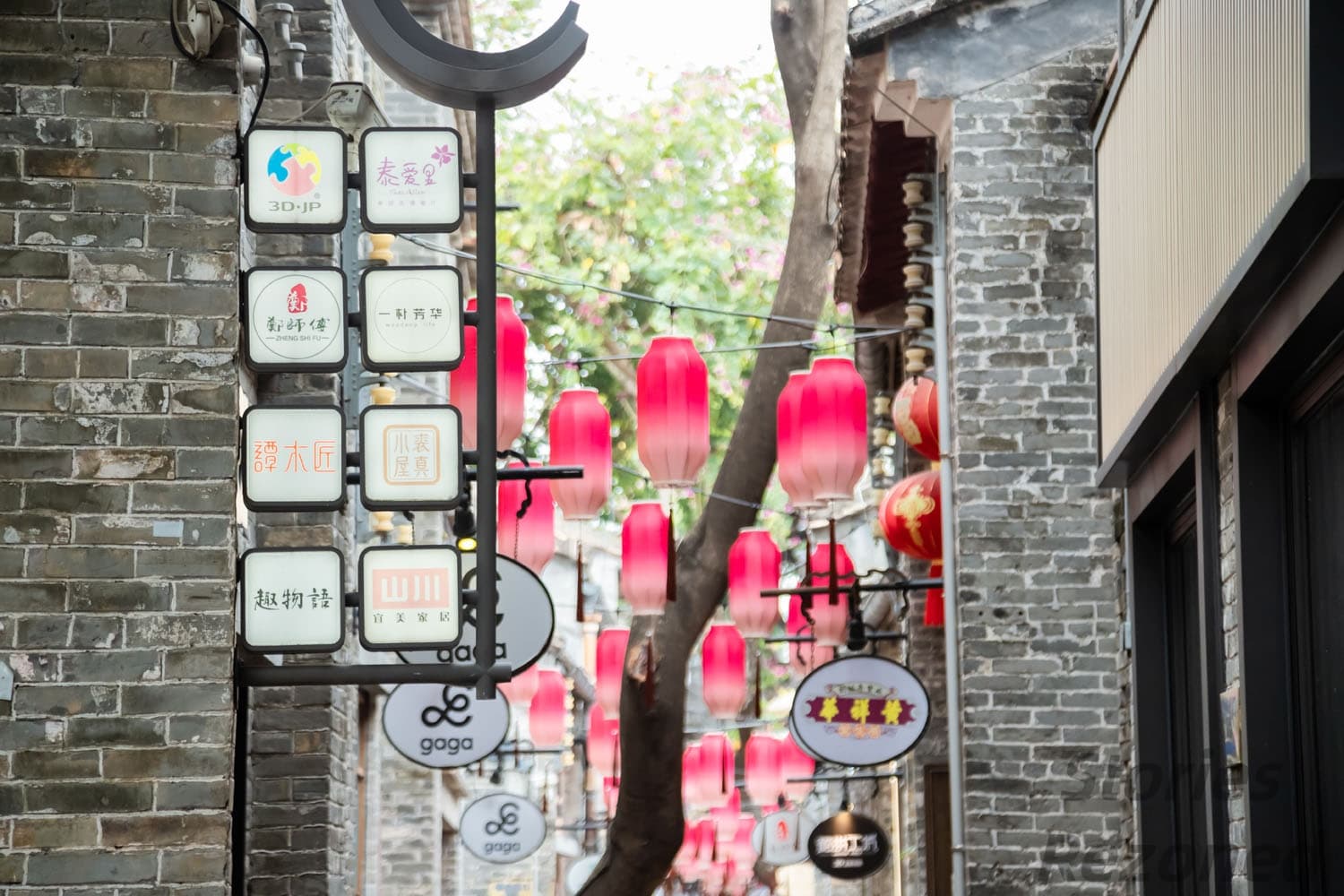
After renovation, the new Lingnan Tiandi is positioned as the “Living Room of Lingnan Culture”. Inheriting intangible cultural heritage, and many time-honored consumer brands in the Lingnan region, it incorporates diverse formats such as Lingnan cuisine, cultural and creative retail, boutique homestay, art exhibitions, intangible cultural heritage workshops, Cantonese Opera experience, and family cultural entertainment. Not only does it continue the historical heritage and local vitality of the old city of Foshan, but it also attracts international tourists and young people, and becomes a postcard for the city of Foshan.
Historical and Modern Significance
Lingnan Tiandi is a living relic of ancient Guangfu residences in China’s Lingnan region, and represents the commercial, residential, intangible cultural, and martial arts heritage of Foshan since the Ming and Qing Dynasties through to the Republican Period. It is a key carrier of the Pearl River Delta history and culture, and the revitalization of Lingnan Tiandi addresses the challenges of protecting, renovating, running, and maintaining large historic districts. The absolutely no destruction of heritage guidelines followed during revitalization provides a highly influential method for large-scale historic renewal for sites across the country that hold great untapped historical value yet are physically in decline.
Image References
All images not separately credited below filmed at location by Stories Rezoned team
- Anonymous. Donghuali Lane Entrance at Fuxian Road (Pre-Renovation). 2007. Foshan Daily All Media Photo Library, https://www.fsonline.com.cn/fsrb/pc/layout/20190708/02/content_17202.html.
- Anonymous. Donghuali Lane with Teacher and Children. 1985. Foshan Urban Planning & Construction Archives, https://mvp.leju.com/article/6409286440056346966.html.
- Anonymous. Donghuali Lane with Dilapidated Lingnan Dwellings. 2006. Chancheng Archives, https://www.sohu.com/a/209764100_355838.
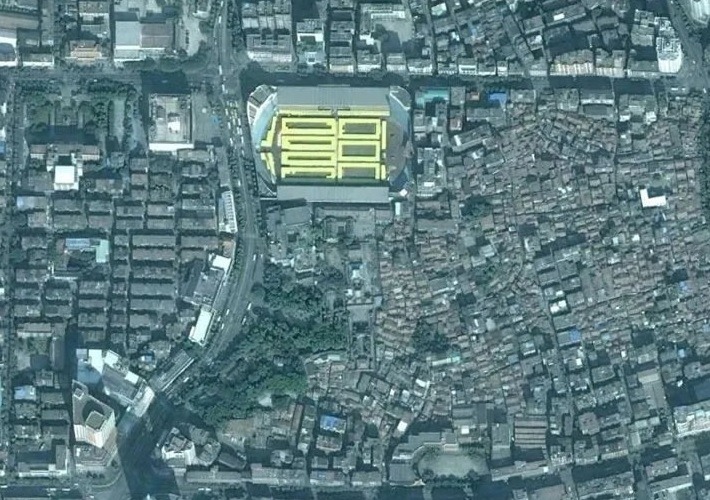
- Anonymous. Aerial View of Donghuali Area. 2007. Foshan Urban Planning & Construction Archives, https://www.fsonline.com.cn/fsrb/pc/layout/index.html.
References
- People’s Government of Chancheng District, Foshan. “Overview of the Protection and Revitalization of Lingnan Tiandi Historical and Cultural Block.” 15 June 2023, www.chancheng.gov.cn/zt/lingnantianfu.html.
- Guangzhou Daily. “Lingnan Tiandi: Cultural Rebirth of the Old City of Foshan.” 20 Sep. 2024, www.gzcankao.com/2024/0920/123456.shtml.
- Southern Metropolis Daily. “Summary of Revitalization and Renewal Practice of Zumiao-Donghuali Area.” 10 Nov. 2024, www.nddaily.com/city/20241110/112233.html.
- Foshan Bureau of Natural Resources. “Guidelines for the Protection and Renewal of Foshan Historical and Cultural Blocks.” 5 Jan. 2025, zrzyj.foshan.gov.cn/ghzl/20250105/187654.html.
- Foshan Bureau of Culture, Radio, Television, Tourism and Sports. “Achievements of Cultural Tourism Integration and Intangible Cultural Heritage Revitalization in Lingnan Tiandi.” 18 Jan. 2026, wtglj.foshan.gov.cn/whgy/20260118/201123.html.