
Past: Decline and Rebirth of a Lingnan Ancient Village in Panyu and Fate of an Old Village (Southern Song Dynasty – 2010)
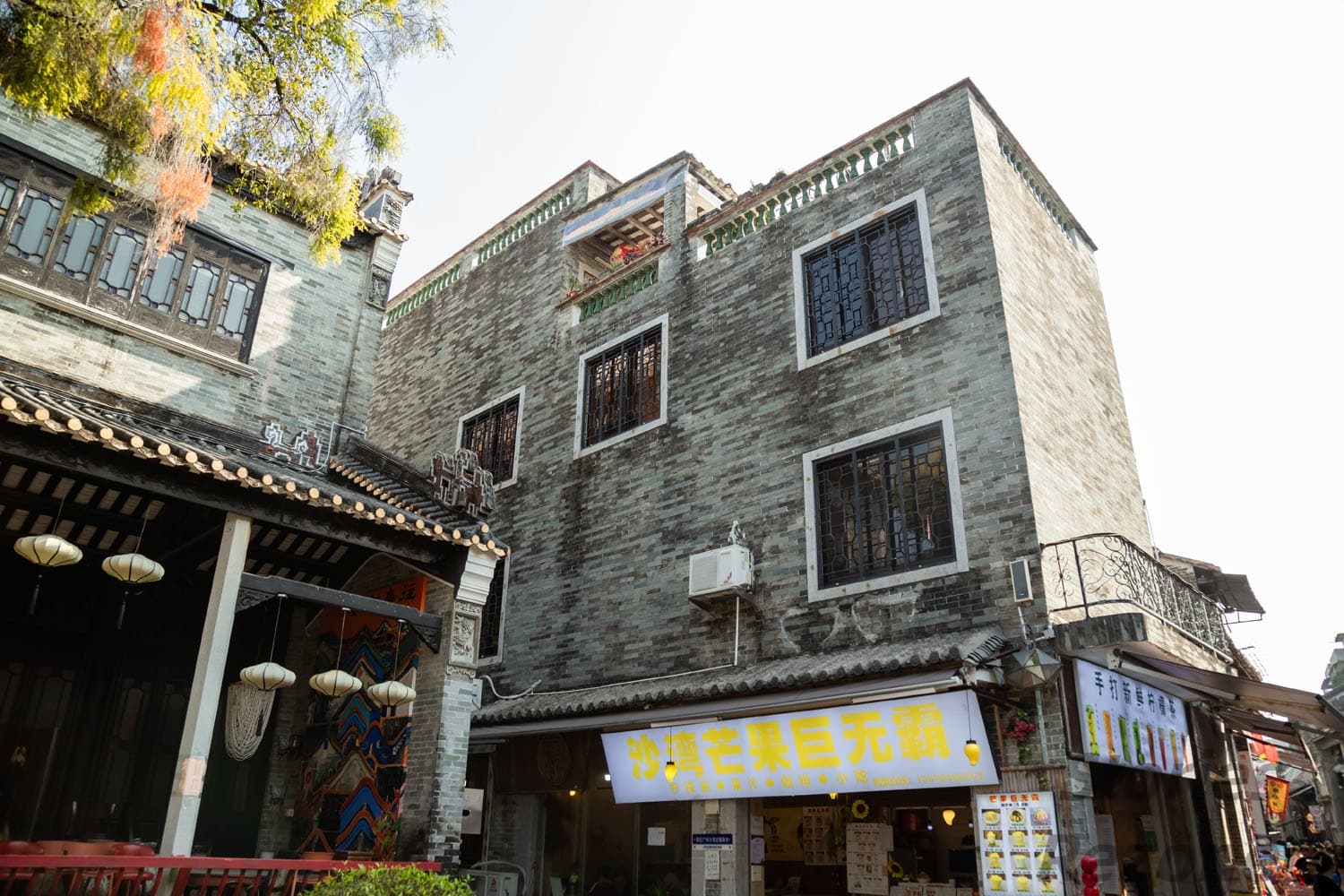
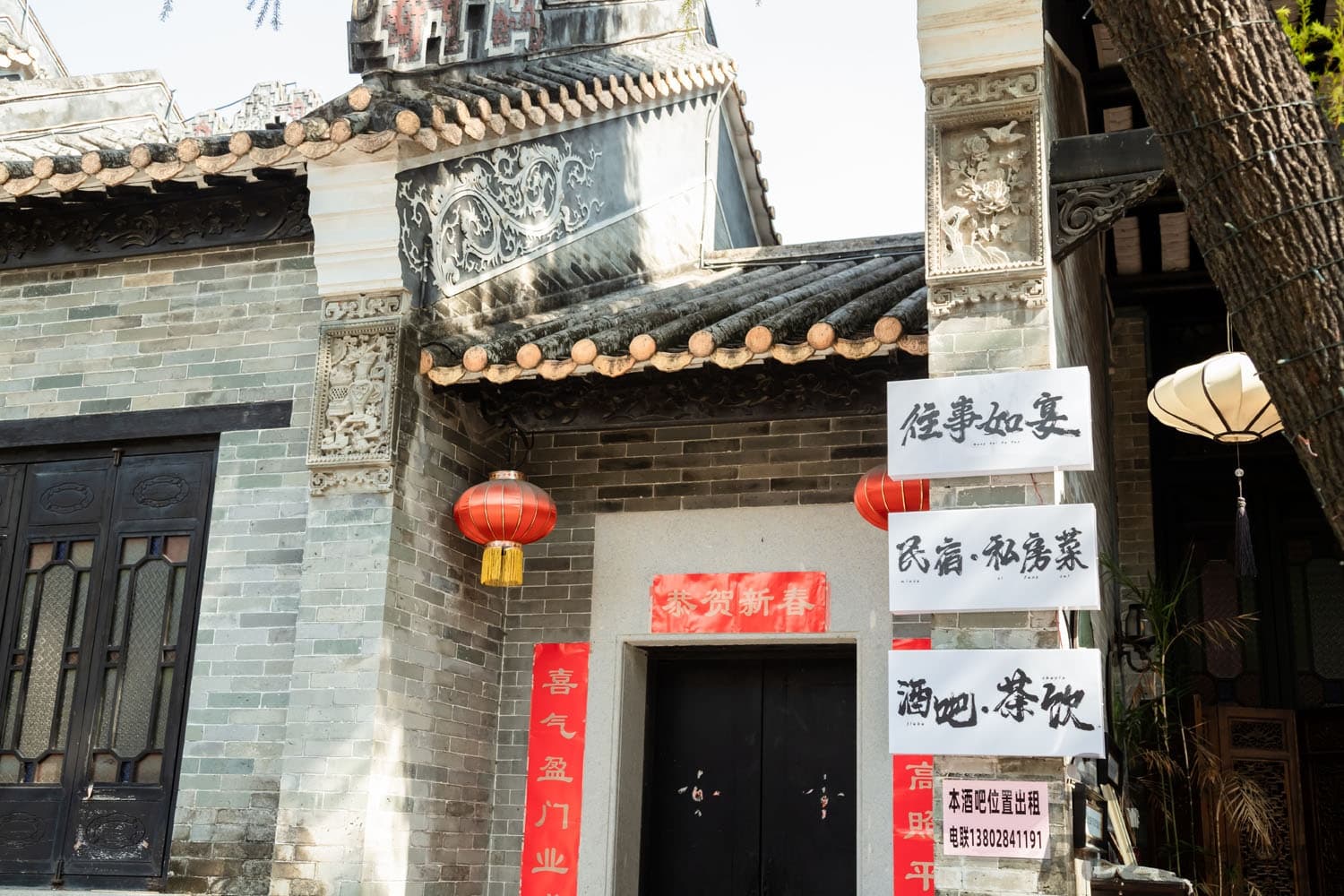
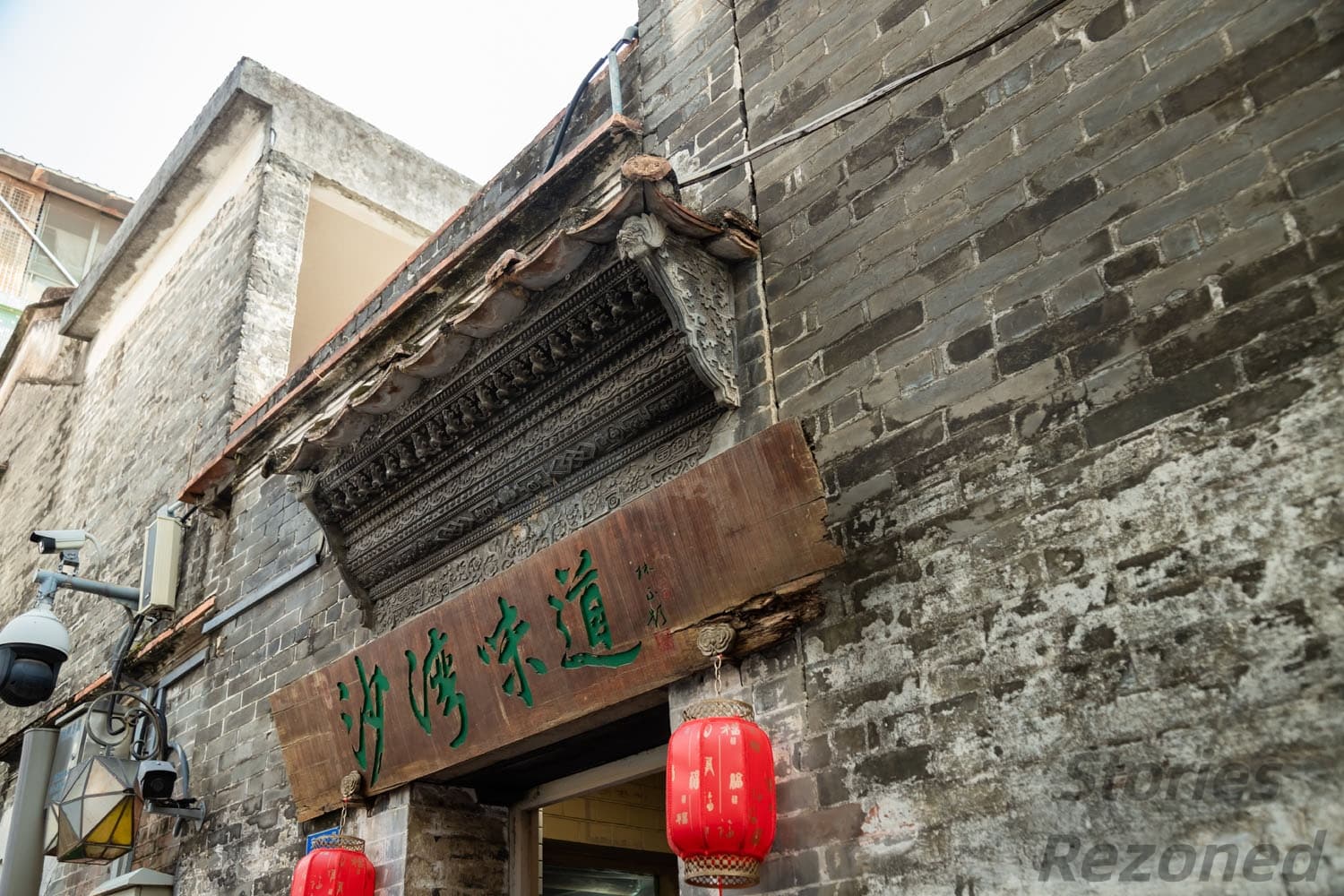
Located in Guangzhou’s Panyu district, Shawan ancient town was built during the Southern Song Dynasty and has a history stretching back 800 years, becoming one of the oldest ancient towns in Guangzhou. As a famous commercial and cultural town in the Guangfu area during the Ming and Qing Dynasties, it experienced booming trade and culture. The town preserves many traditional Lingnan-style water-town building relics, such as wok-ear houses, blue-brick footpaths, ancestral halls, stone roads, old bridges and water networks. It is also the origin of several national-level intangible cultural heritages such as Cantonese music, Shawan floating color, brick-carving and gray-sculpture; It serves as a living carrier of Guangfu local culture, clan culture and water-town culture.
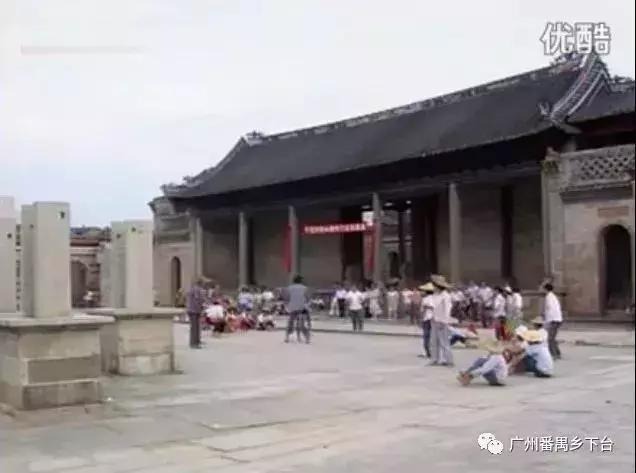
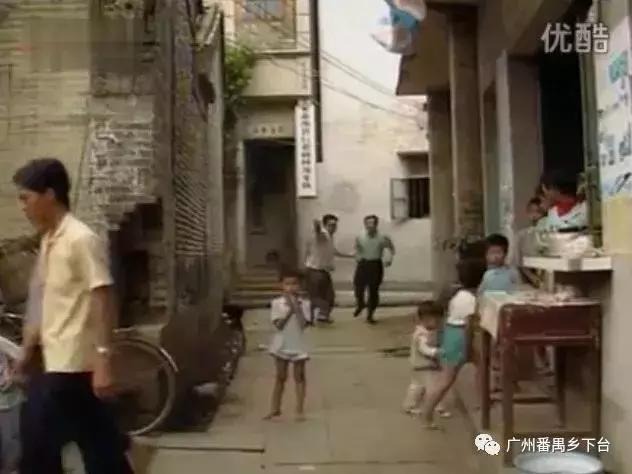
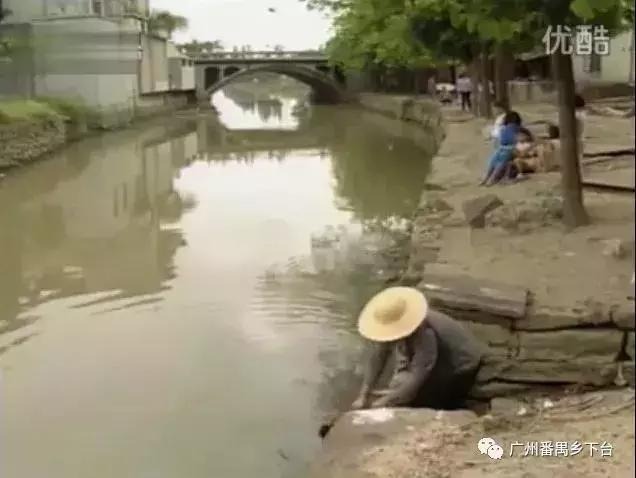
As urbanization rapidly developed, the Shawan ancient town began to decline. For many years, the ancient buildings have been in disrepair due to deteriorating brick and wood structures in the humid southern climate and underdeveloped infrastructure that includes dirty and narrow streets. A significant number of historic buildings are vacant and unoccupied and the lengthy cultural heritage of Shawan ancient town was on the verge of being lost. Although it has earned the title of national-level famous historical and cultural village and numerous historical relics, the function of this area has continuously declined and there has been a sharp disconnect between the traditional village and the surrounding modern urban development. Therefore, the protection and integration of the Shawan ancient town have become urgent issues and represent a critical part of the challenge to preserve other ancient villages in Guangzhou.
Present: Revitalization of a Lingnan Water-Town Ancient Village Cultural Tourist Block through Small-Scale Renovation (2011 – Present)
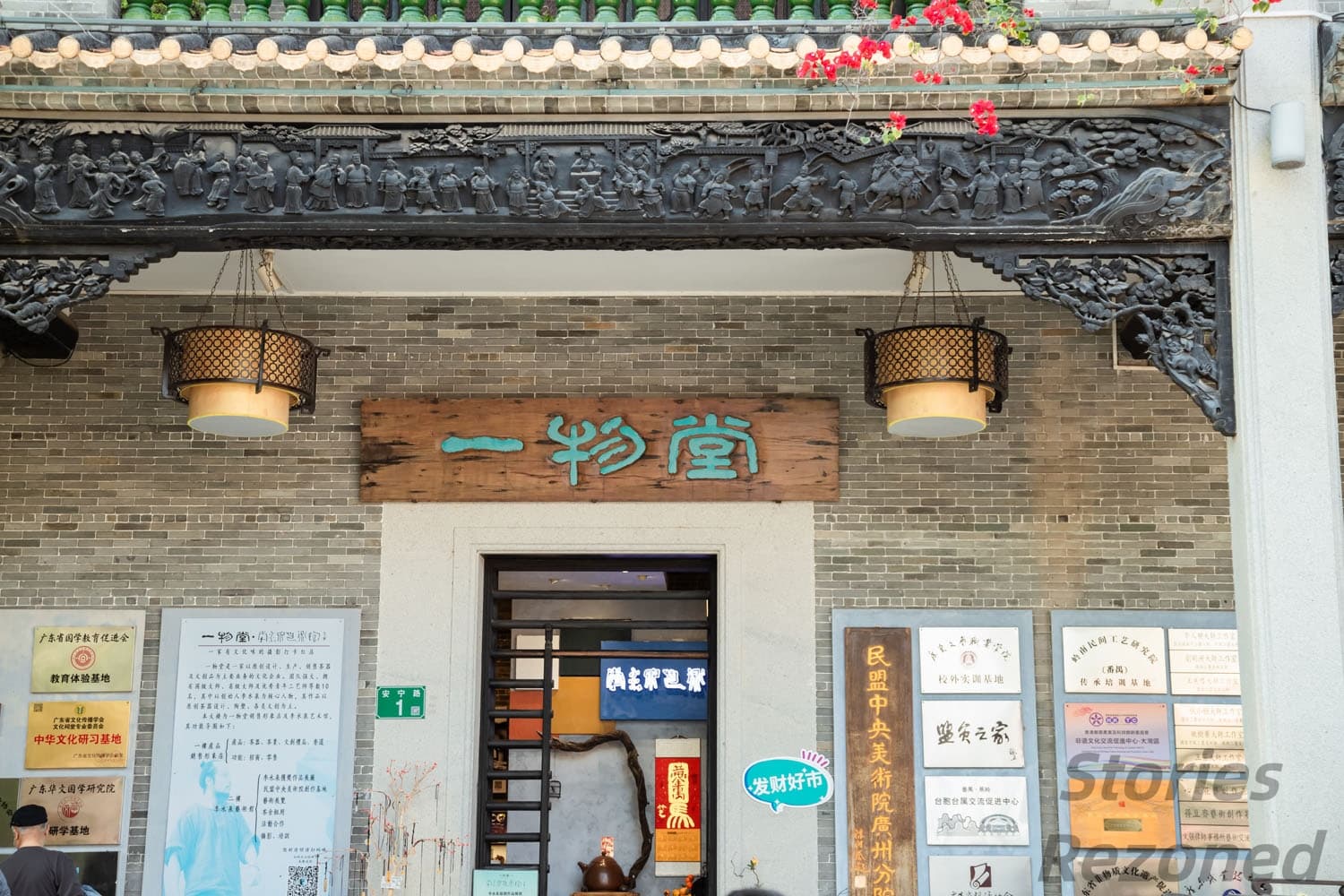
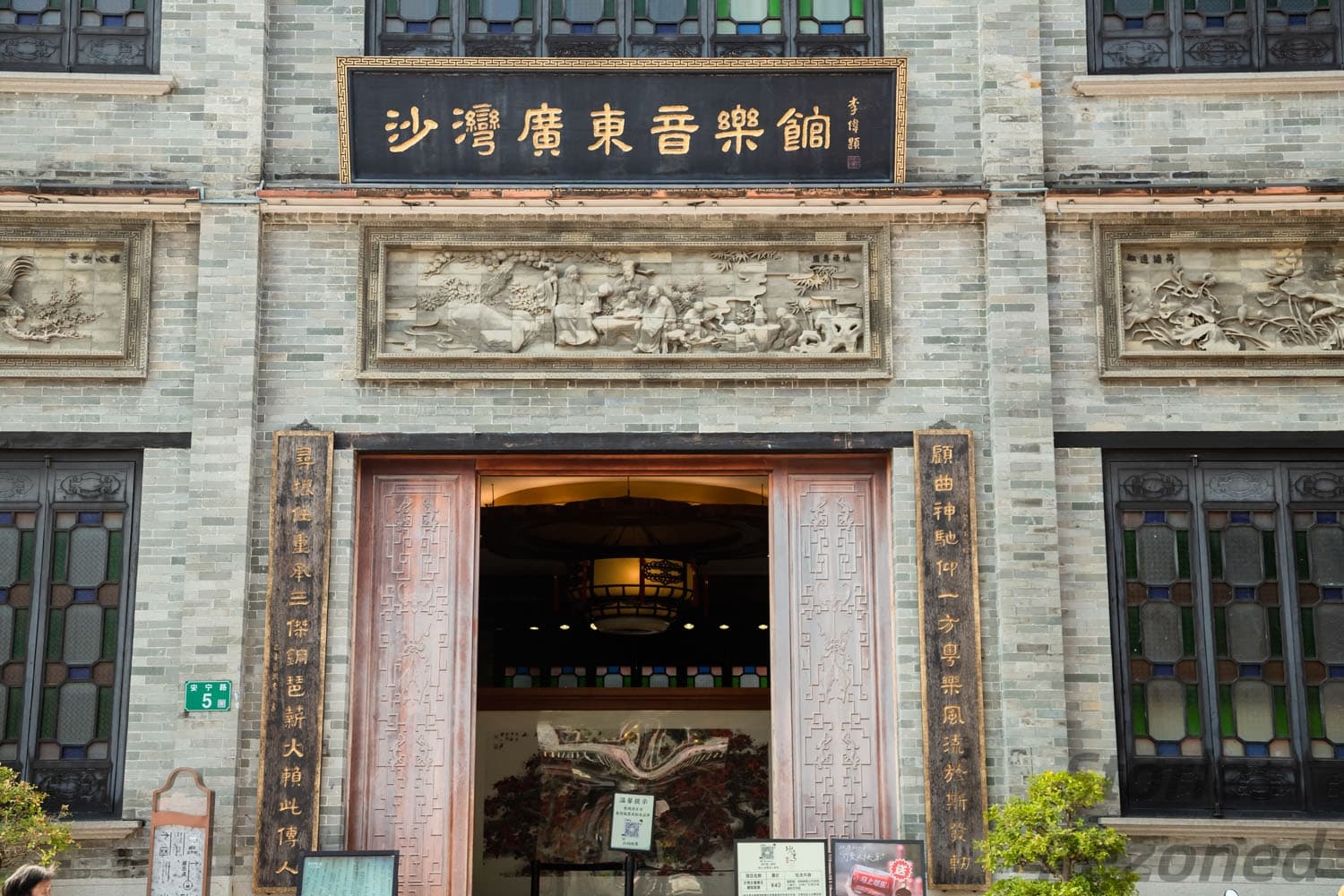
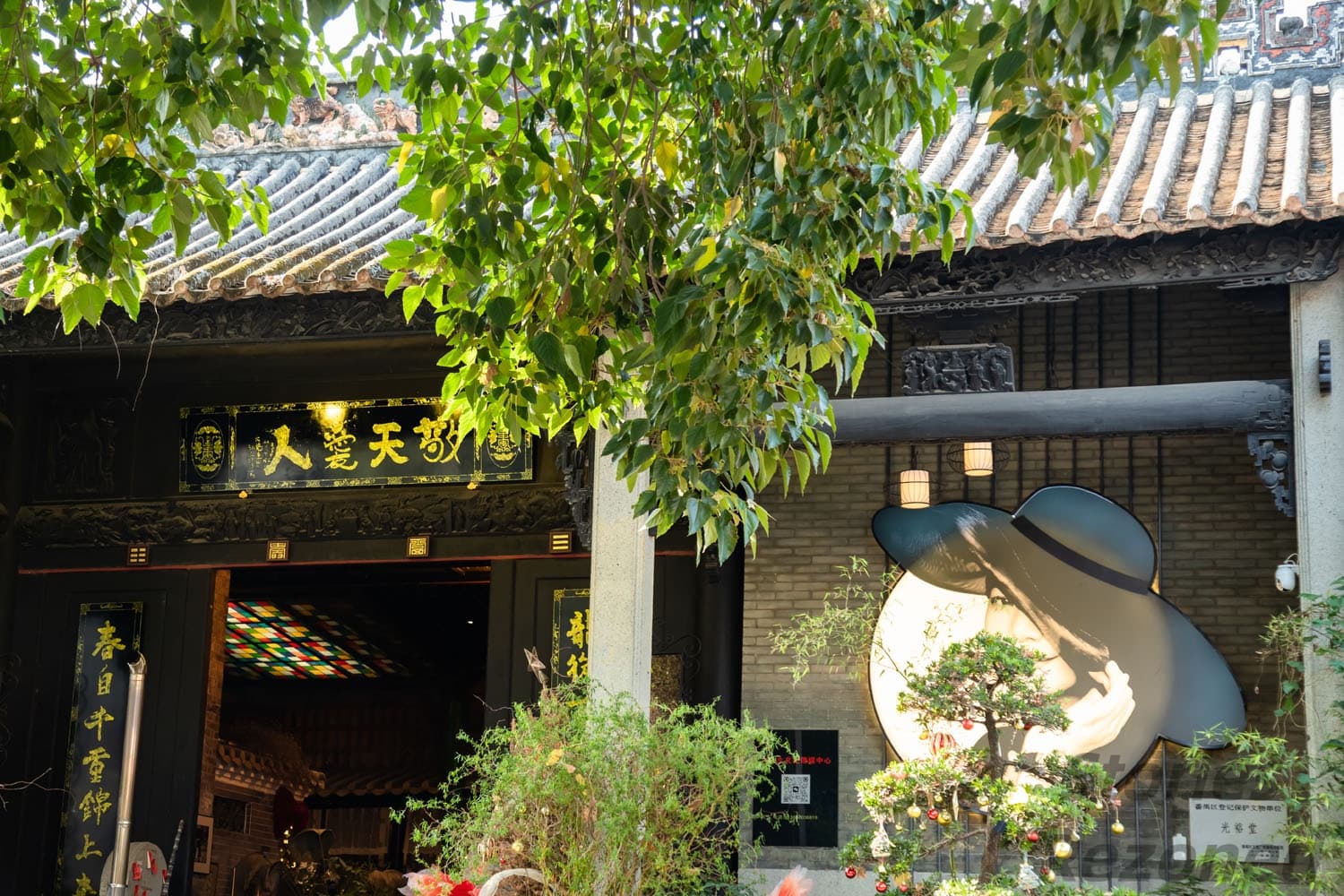
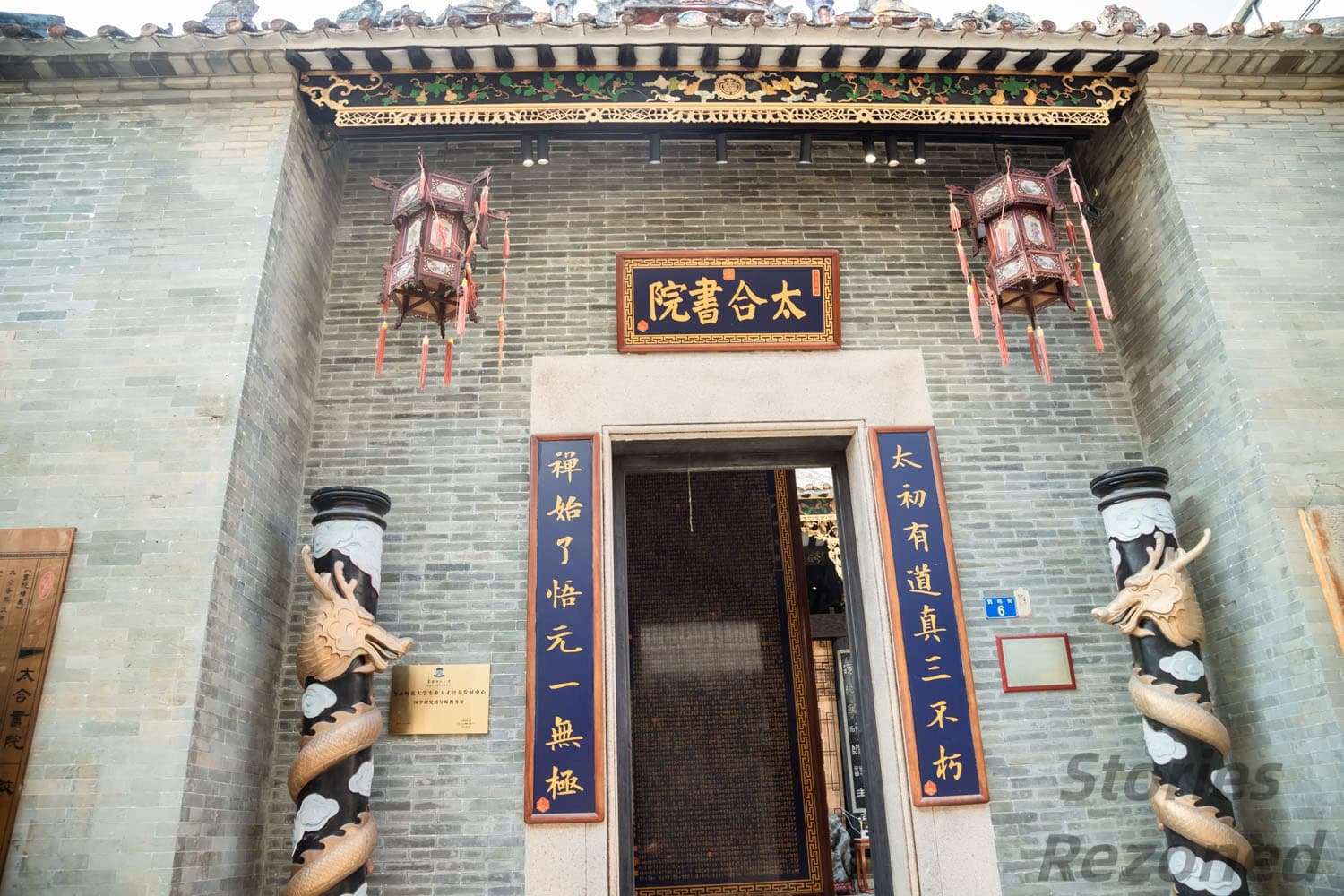
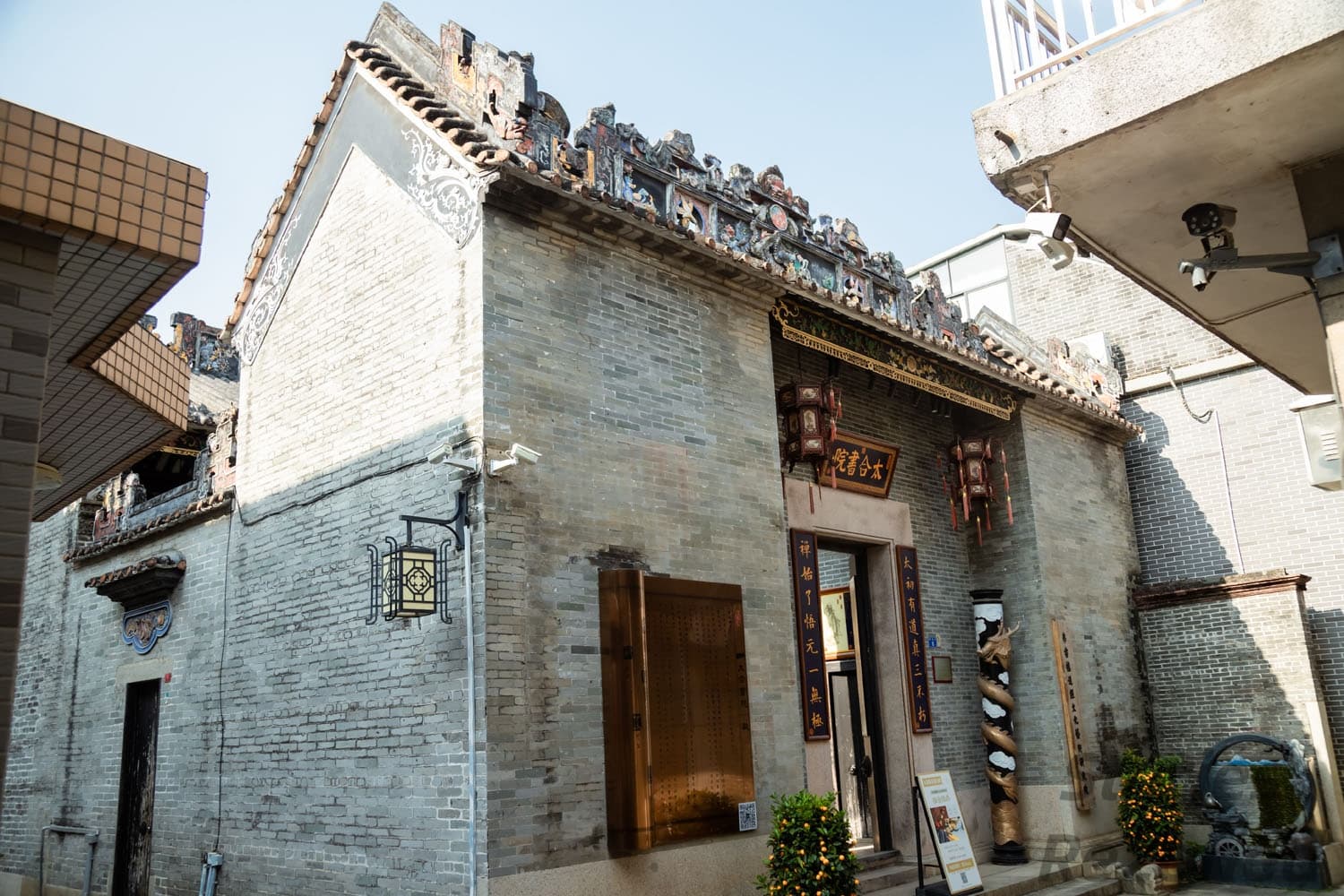
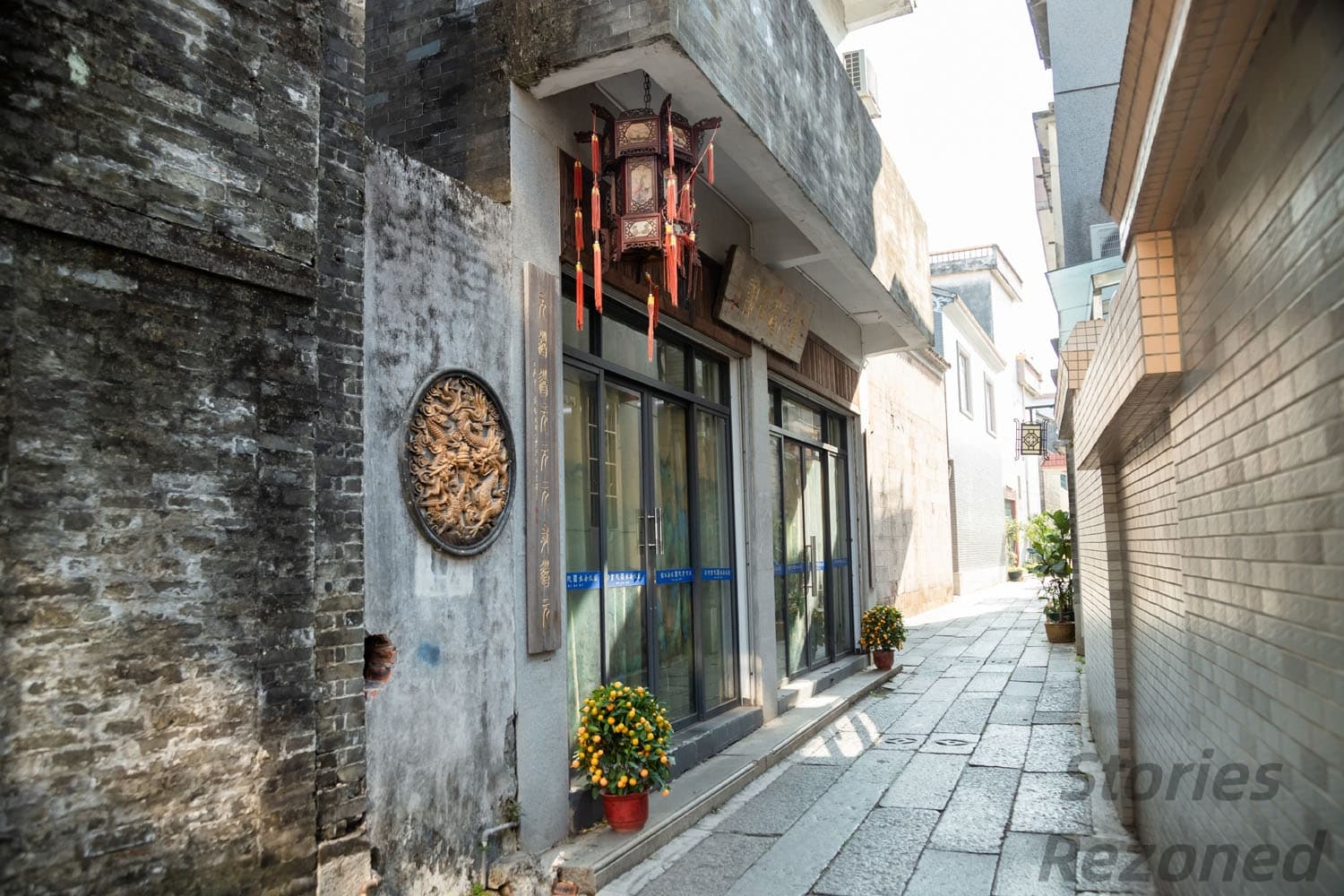
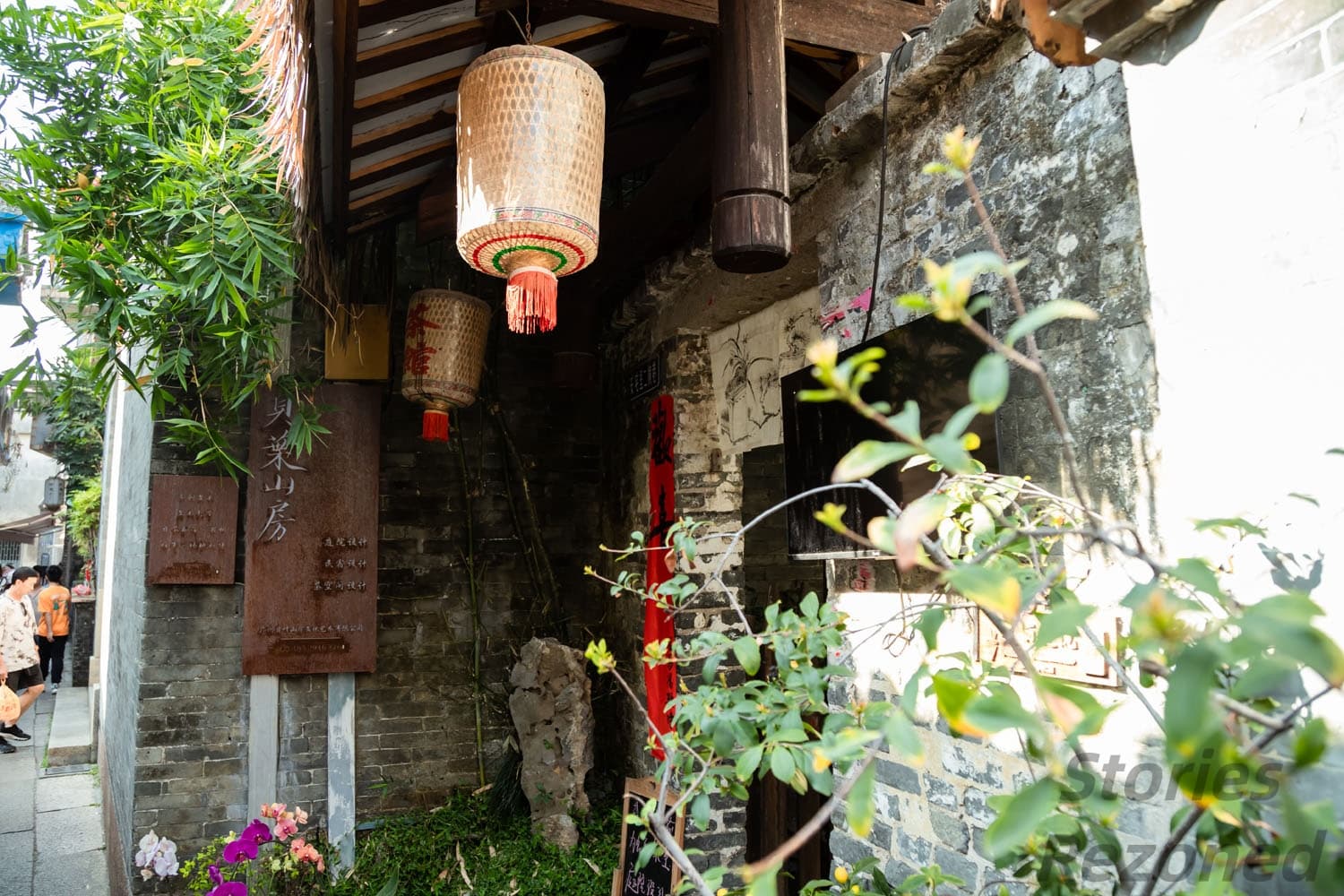
In 2011, the protection and revitalization project of Shawan ancient town was formally initiated. The project has adopted a model of municipal-led direction, market operation, social participation and collaboration with current villagers, emphasizing minimal intervention while prioritizing the protection of the historical and cultural relics. The project carefully renovated cultural relic protection units and historical buildings such as Liugeng hall, Sanren hall and Academician He Binglin memorial hall; restored traditional craftsmanship such as brick-carving, gray-sculpture, wood-carving and stone-carving; retained the original street patterns and water systems as well as the Lingnan water-town features of the ancient village. For the surrounding area, the renewal updated piping networks, illuminated the streets, improved the environment, improved visitor facilities to resolve environmental shortcomings of the ancient village.
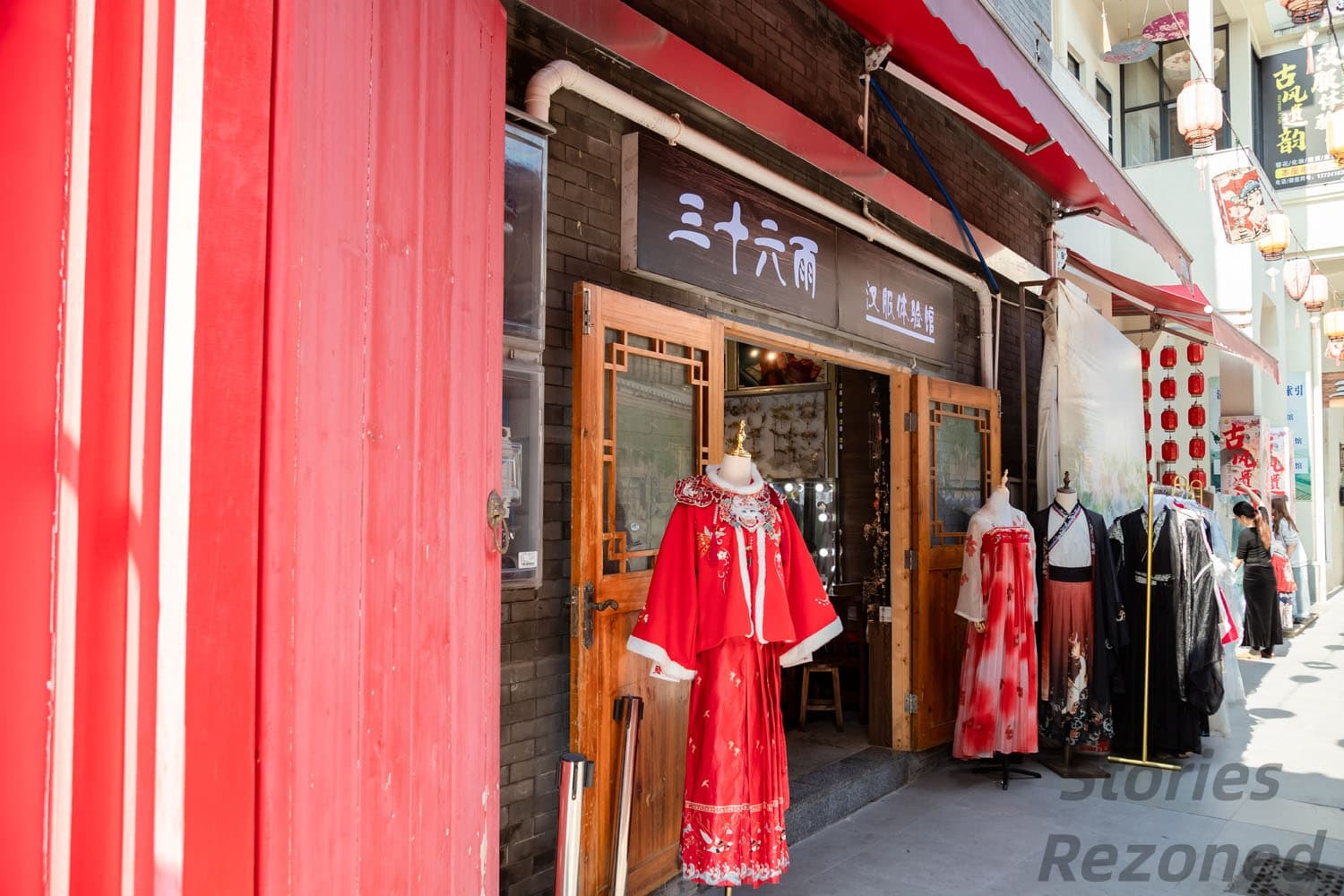
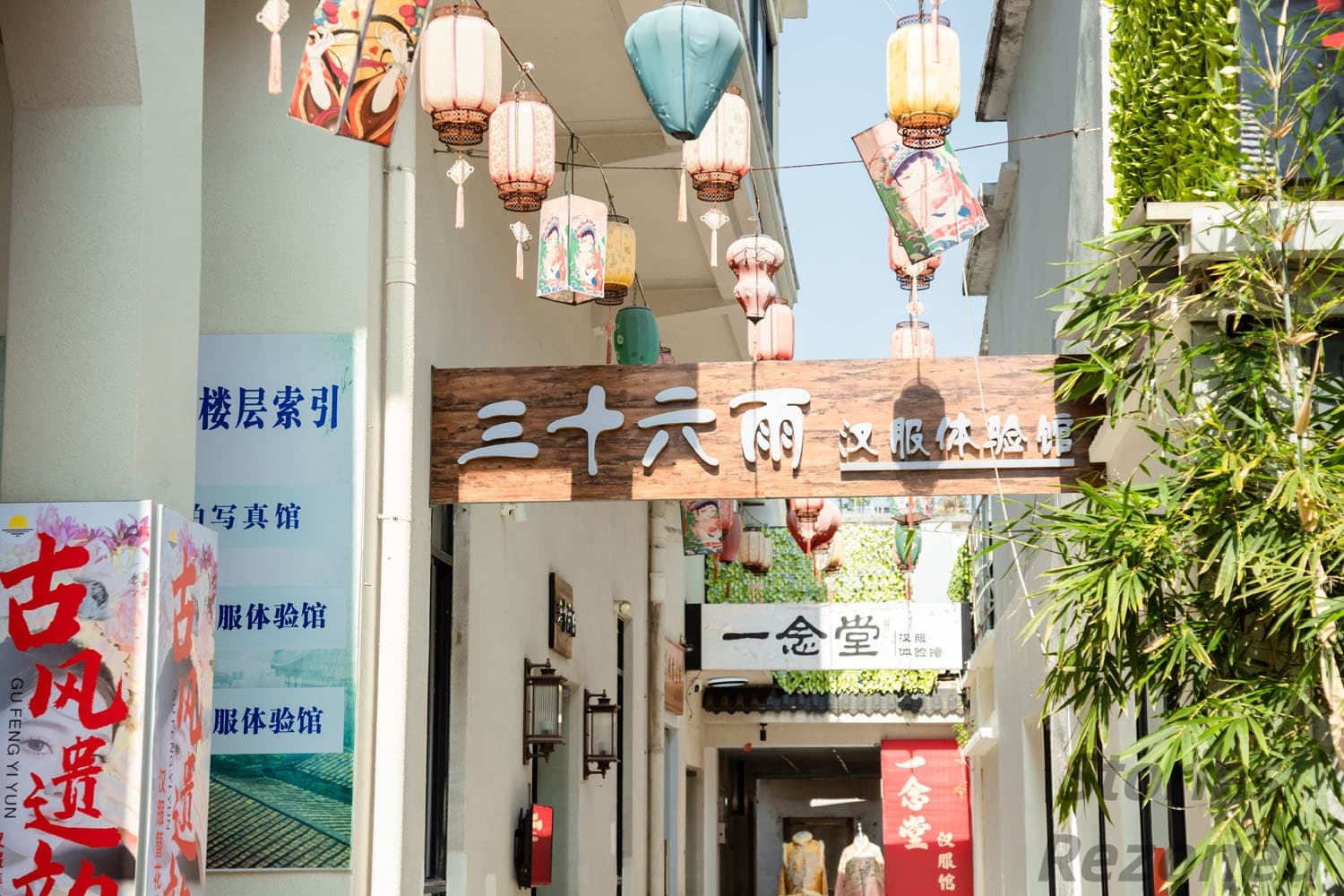
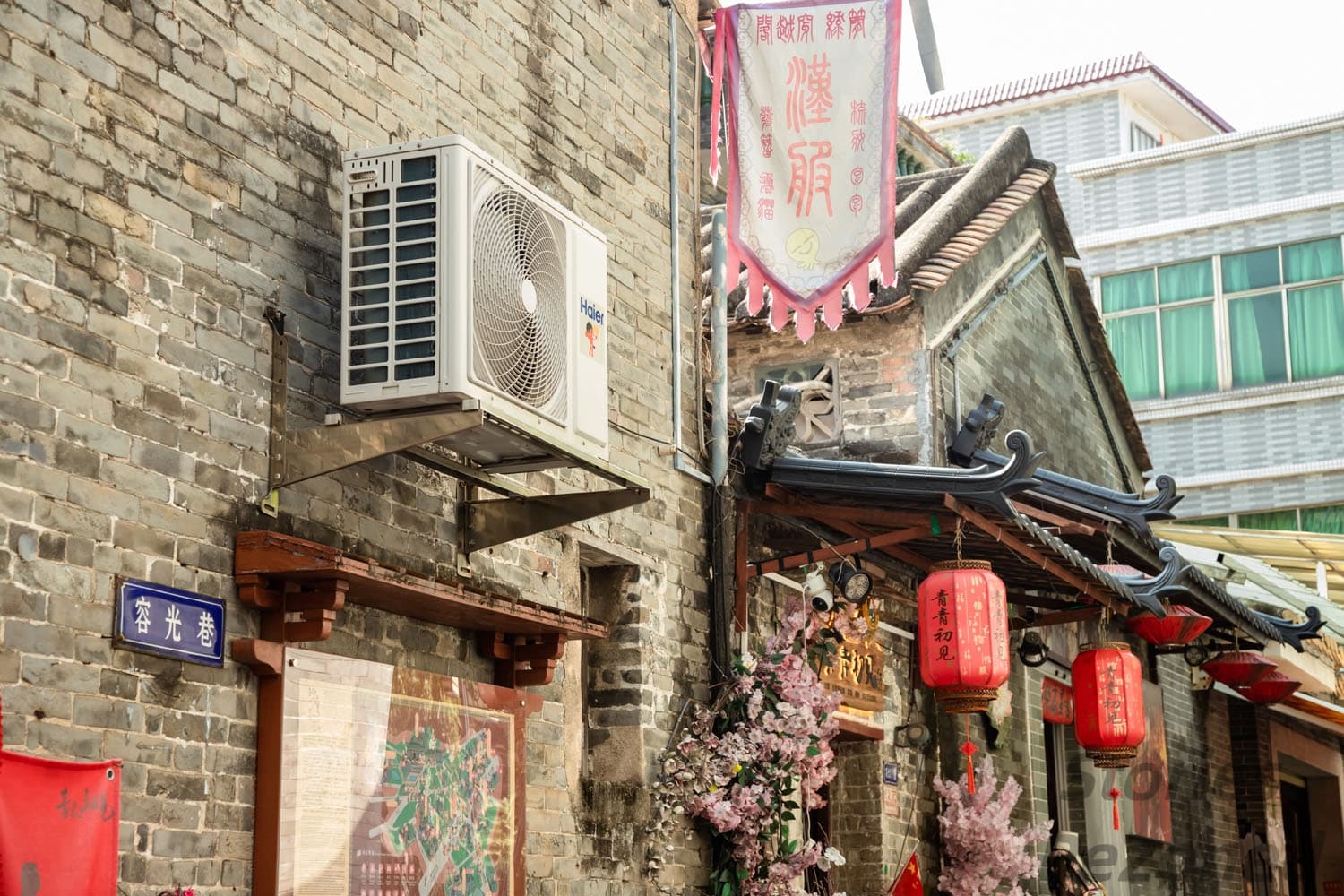
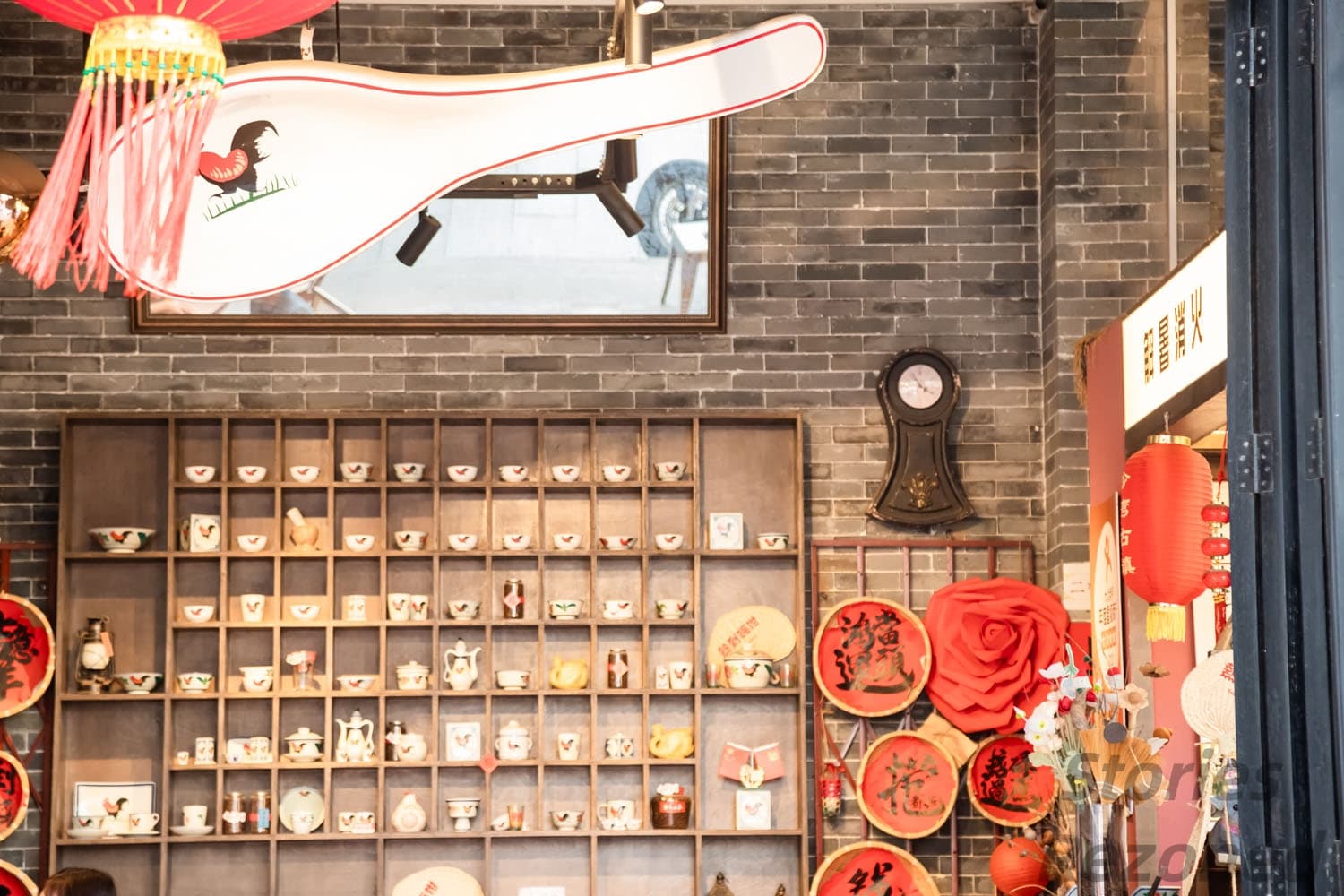
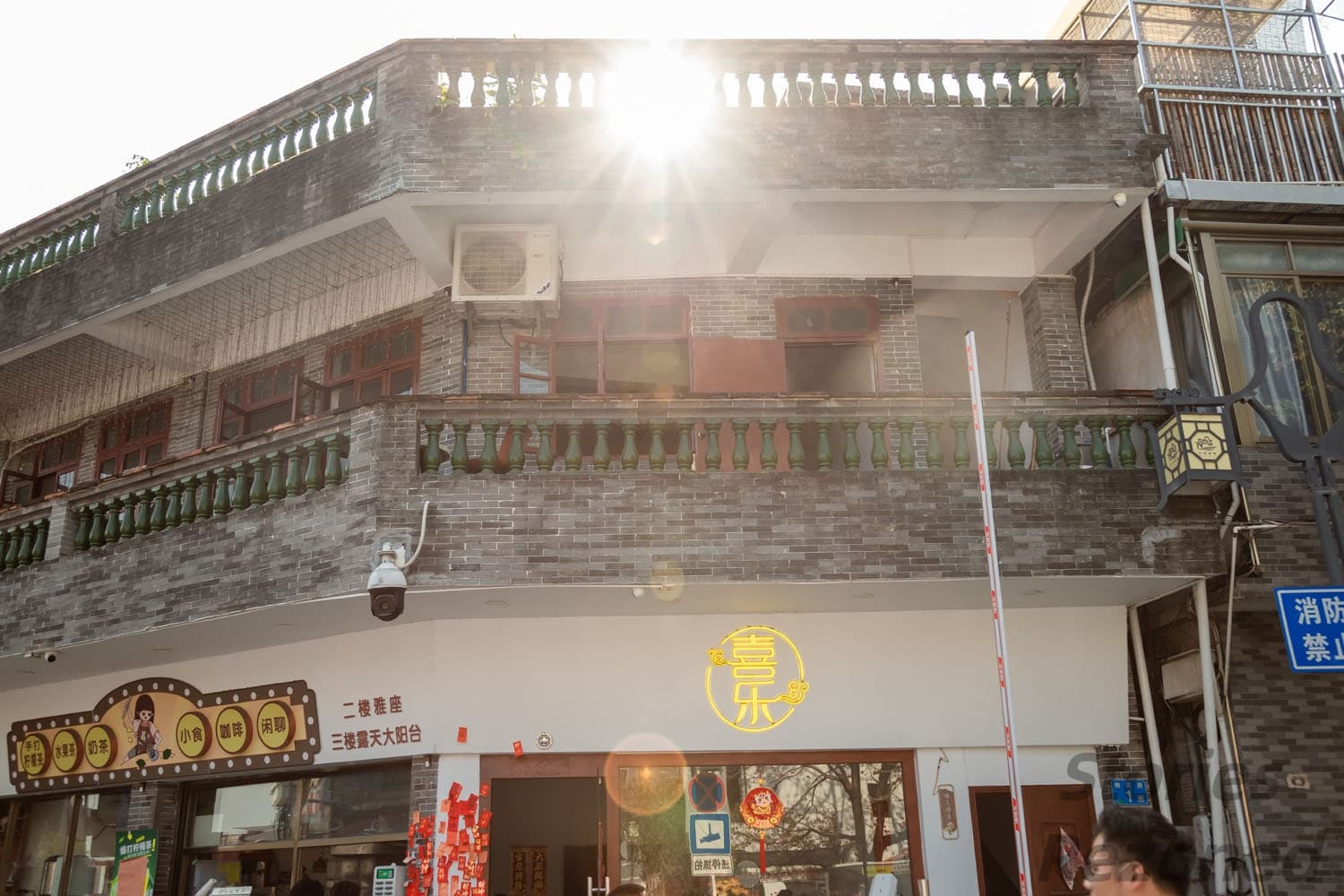
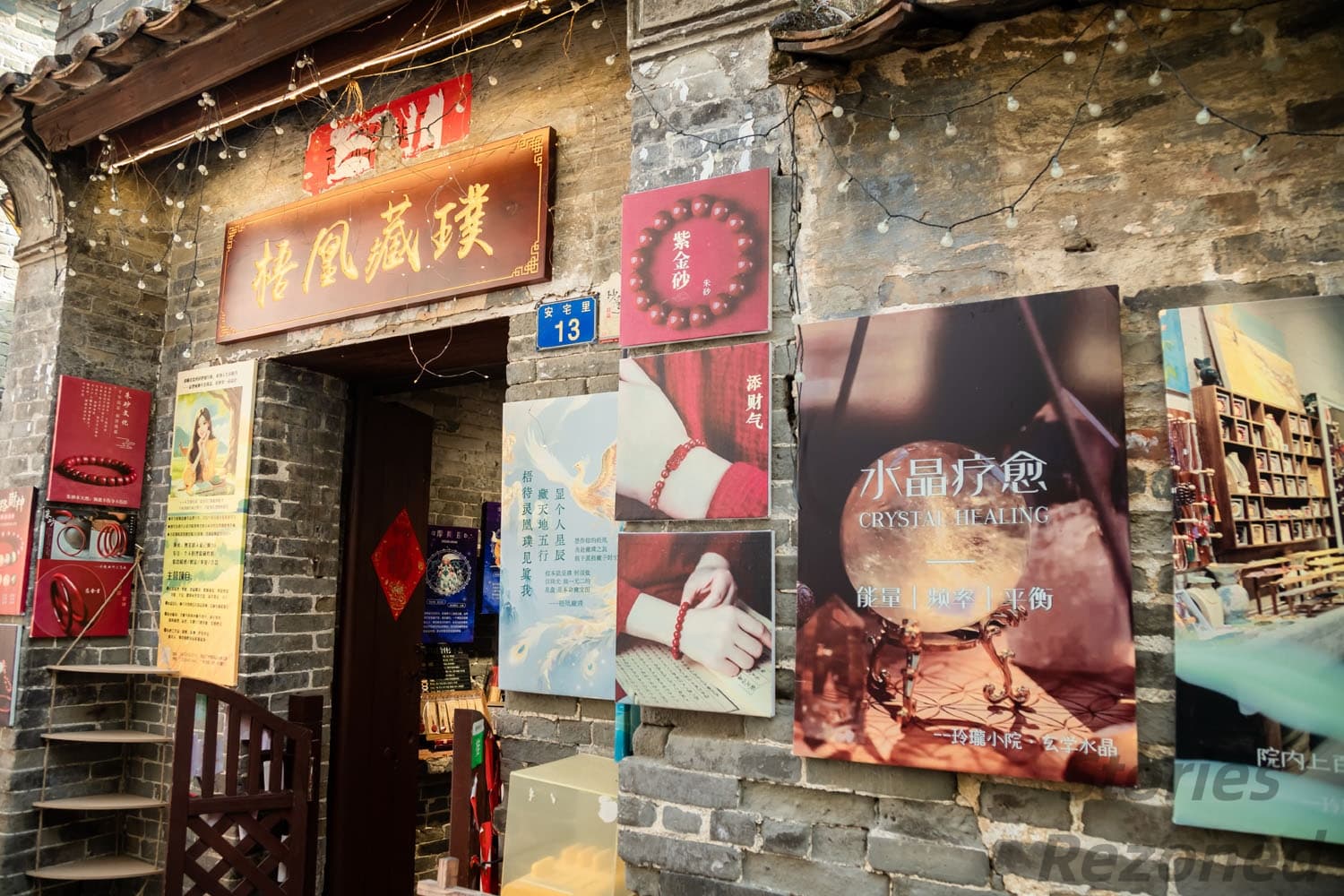
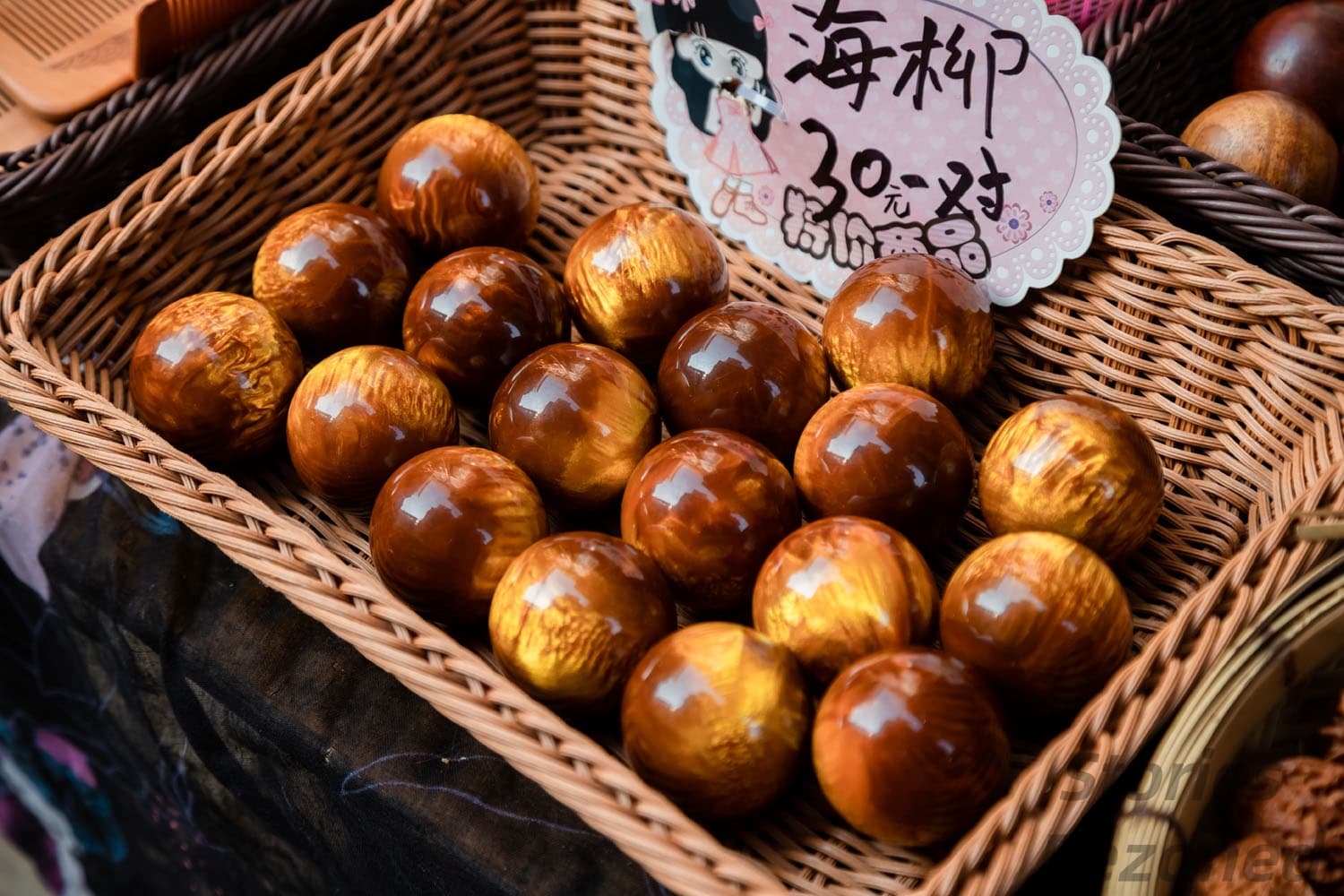
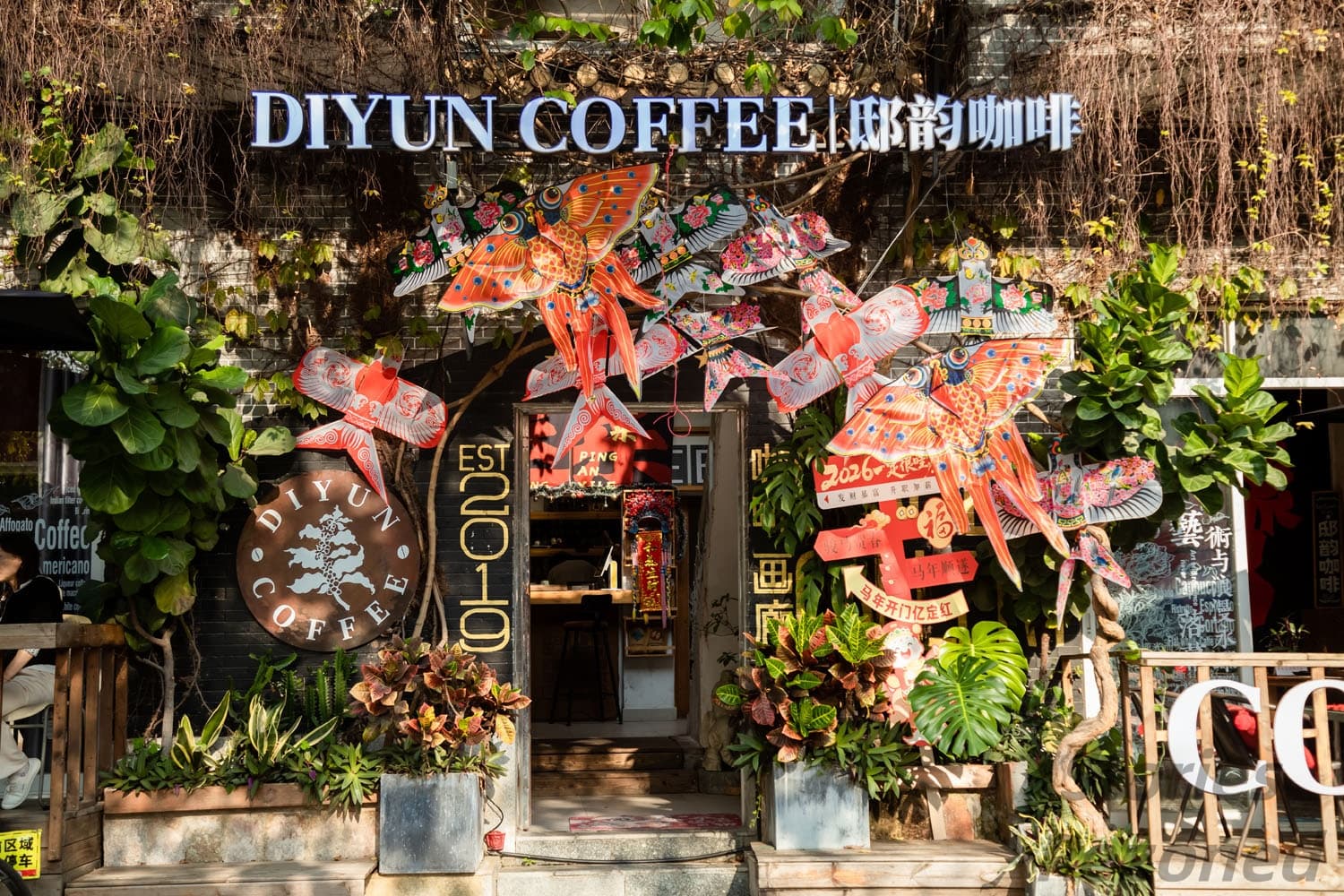
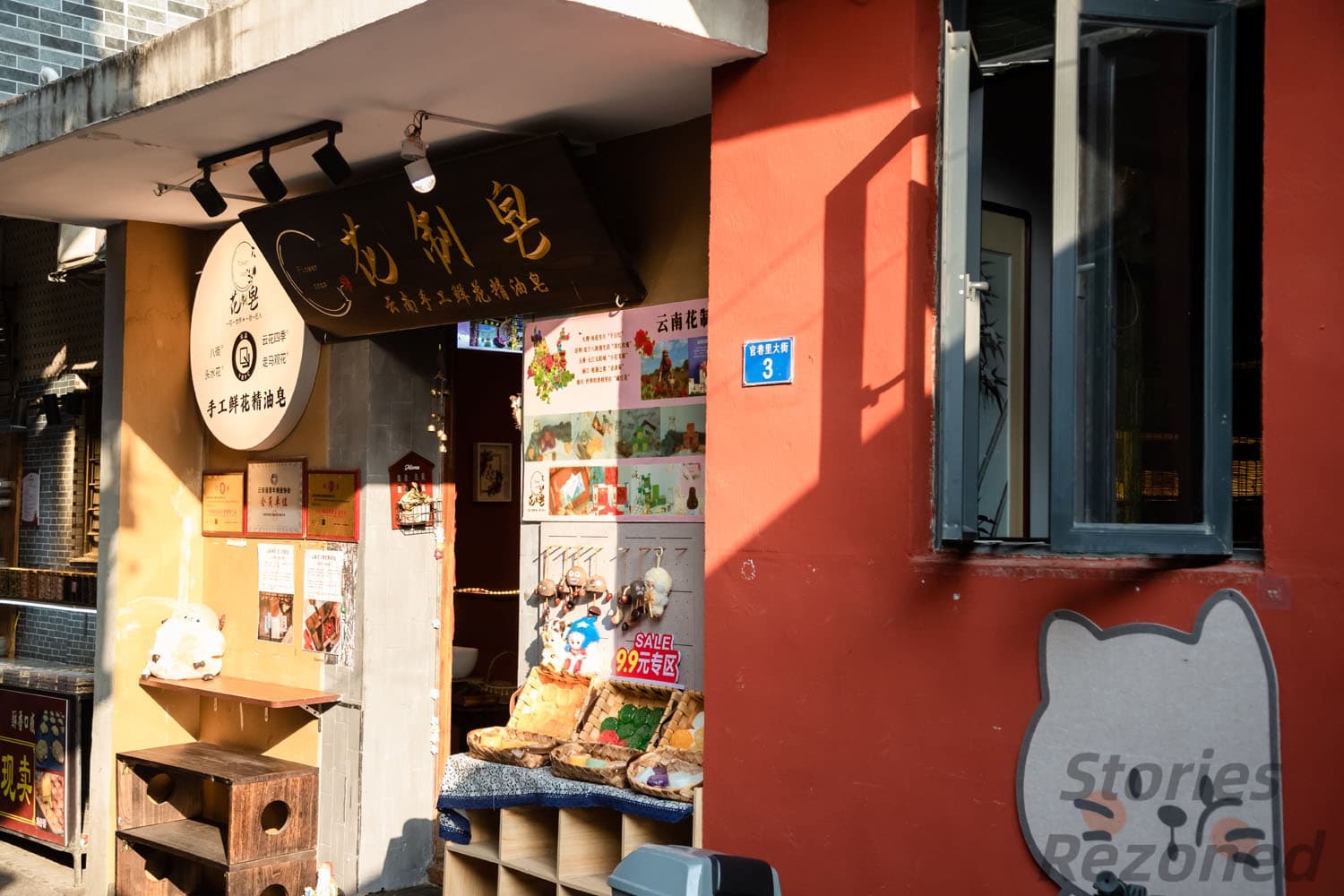
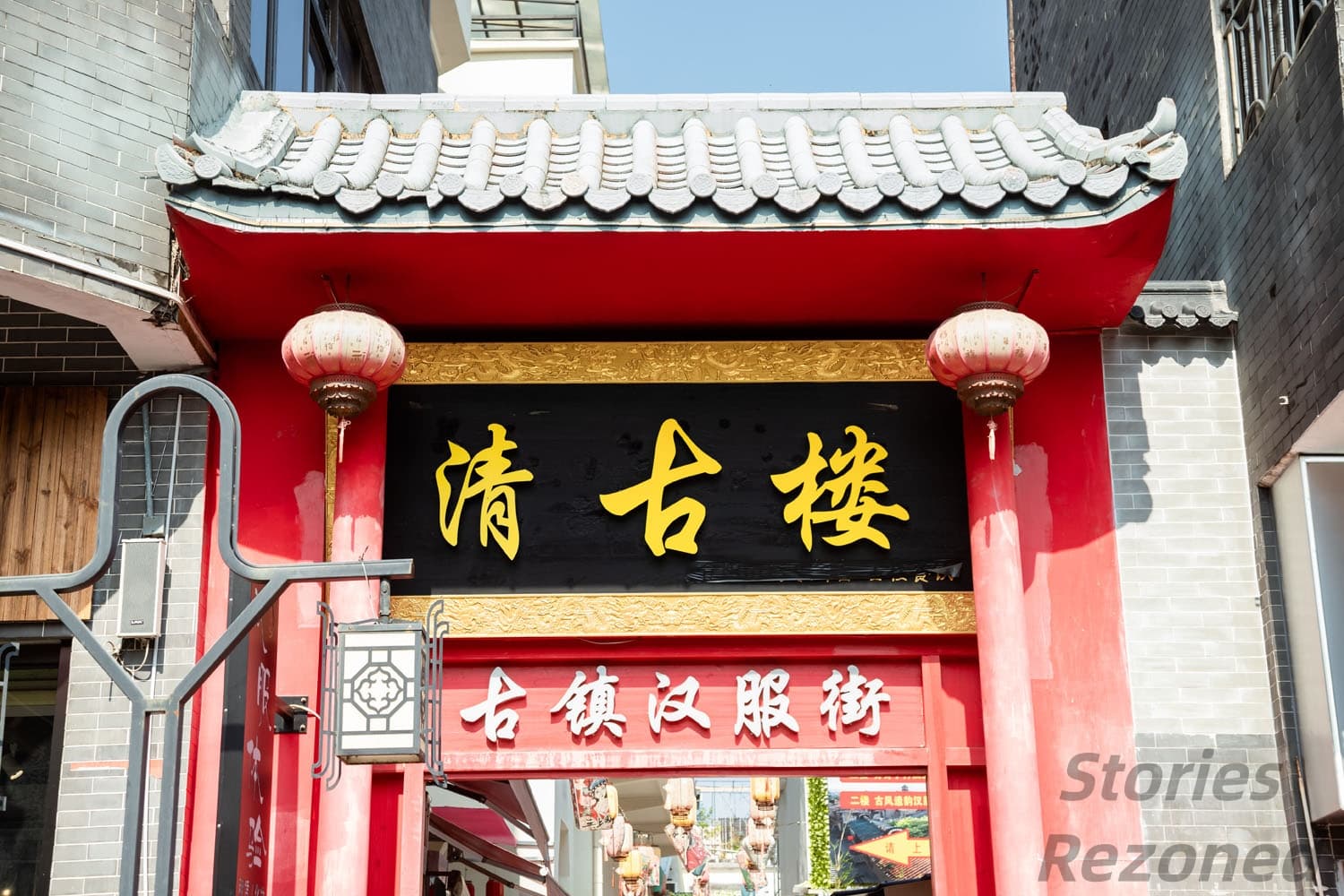
After renovation, the Shawan ancient town is positioned as the “main hall of Guangfu culture”. Based on the retention of local vitality of original villagers, traditional folk customs and ecological integrity of intangible heritage, the revitalized Shawan ancient town introduced diverse formats such as specialty foods, cultural and creative retail, boutique hotels, intangible heritage workshops, art exhibitions and cultural studies; not only did it continue the more than 800 year-long historical heritage and the warm atmosphere of Shawan, but also created new and exciting cultural tourism experiences; therefore, it attracts large numbers of tourists and young people, promoting the cultural vigor of Guangzhou, reviving the almost thousand-year-old Guangfu ancient village.
Historical and Modern Significance
Shawan ancient town is incredibly rich in Guangfu local culture, clan culture, commercial culture and intangible cultural heritage. Through small-scale renovation methods of light transformation, the original structures are well preserved or refurbished, yet the density of retail in the new Shawan ancient town is overwhelming compared to pre-revitalization photographs, meaning it could be over-commercialized. Nonetheless, this project can serve as a reference for the transformation of other Lingnan water-town ancient villages in the Guangzhou area and beyond.
Image References
All images not separately credited below filmed at location by Stories Rezoned team
- Anonymous. Liugeng Hall (He Ancestral Hall). 1995. Guangzhou Panyu Release, http://m.toutiao.com/group/6527405658050920967/.
- Anonymous. Shawan Ancient Alley and Traditional Houses. 1992. Guangzhou Panyu Release, http://m.toutiao.com/group/6527405658050920967/.
- Anonymous. Daxiangyong River Historic View. 1994. Guangzhou Panyu Release, http://m.toutiao.com/group/6527405658050920967/.
References
- People’s Government of Panyu District, Guangzhou. “Overview of the Protection and Revitalization of Shawan Ancient Town as a Famous Historical and Cultural Village.” 5 Oct. 2022, www.panyu.gov.cn/zt/shawan.html.
- Nanfang Daily. “Construction of the Protection and Renovation Project of Shawan Ancient Town Traditional Feature Area Officially Launched.” 3 Nov. 2011, www.southcn.com/city/20111103/524011244.shtml.
- Guangzhou Daily. “Shawan Ancient Town: The Revitalized Rebirth of a Lingnan Ancient Village.” 7 Jan. 2025, epaper.gzcankao.com/2025-01/07/content_rb_341579.htm.
- Panyu News Network. “Micro-Renewal of Shawan Ancient Town Renews Guangfu Local Context.” 24 June 2022, www.pynews.com.cn/content/2022-06/24/content_10373109.htm.
- People’s Government of Guangzhou Municipality. “Revitalization Practice of Shawan Ancient Town Historical Block in Panyu District.” 4 Aug. 2021, www.gz.gov.cn/ywdt/zwhd/qxdt/202108/t20210804_1024768.html.