
PAST: This Century of Shipbuilding, a Testimony to Industrial Civilization (1862-2005)
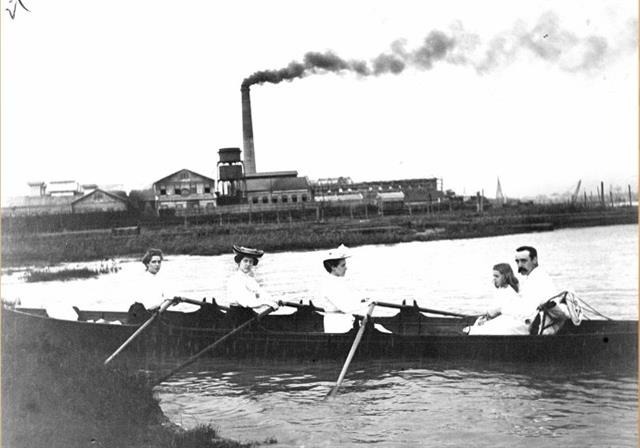
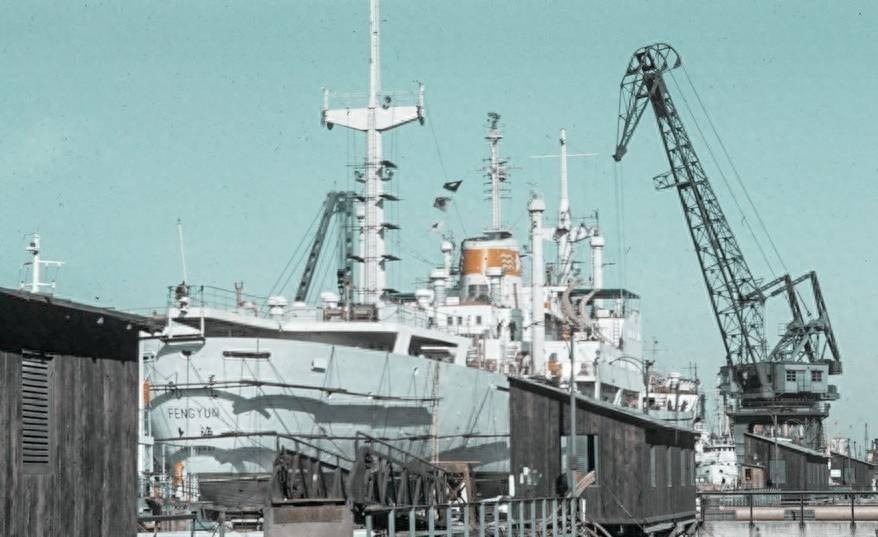
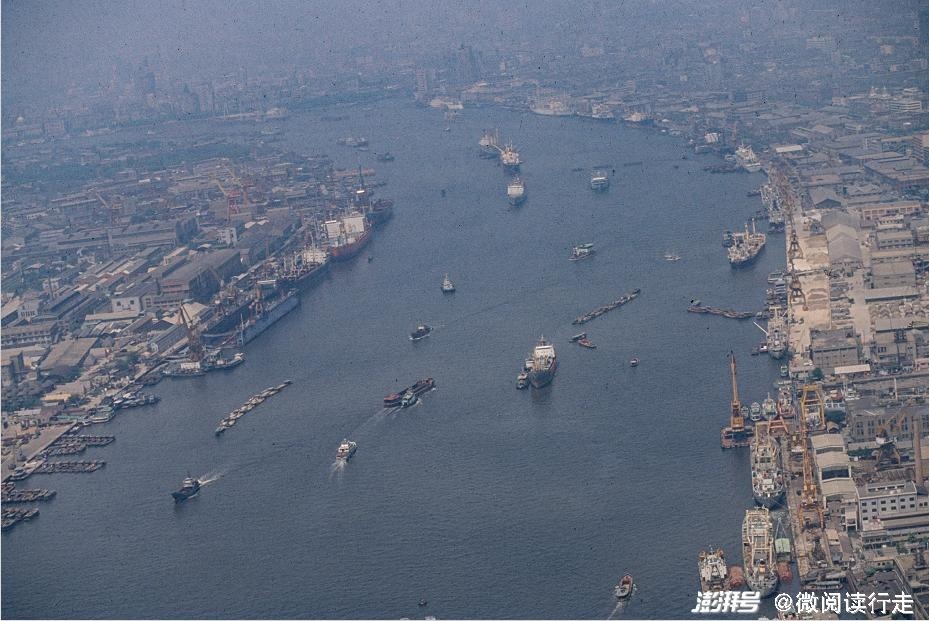
In 1862, British merchant Nicholson built the Xiangsheng Shipyard at Lujiazui, Pudong, starting the modern shipbuilding industry in China. It was merged with other British owned shipyards in 1936 to form the British-Chinese Shipyard, which had 4 large dry docks and a total land area and shoreline of 600,000 square meters and 1,500 meters respectively, becoming one of the largest shipbuilding bases in the Far East. It was expropriated after 1949 and incorporated into the Shanghai Ship Repair and Building Yard. In this yard the Shaoxing, weighing 10,000 tons, the first ocean-going freighter for export from China, was launched in 1978. In 2005 a complete relocation of the yard was made to Chongming Island, to facilitate the building of the Lujiazui Financial City, retaining a small kernel of the old yard for rebuilding.
PRESENT: Renovation by Kengo Kuma, Contemporary Rebirth of Industrial Heritage(2014-Present)
CITIC Pacific landed the district renewal project, and she started the revitalization planning under the concept of “preserving the old as it was, to achieve symbiosis between the old and the new”. Renowned Japanese architect Kengo Kuma was appointed as the consultant for the design and construction which commenced in 2014.
Renovation Philosophy and Methods
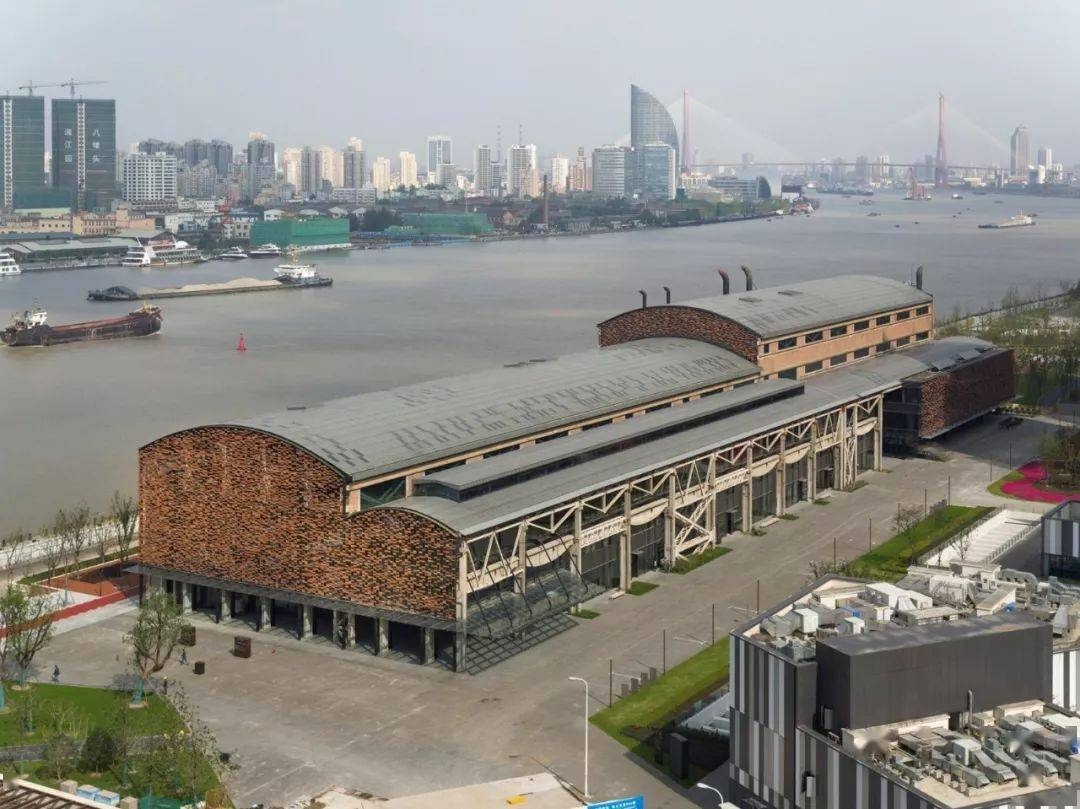
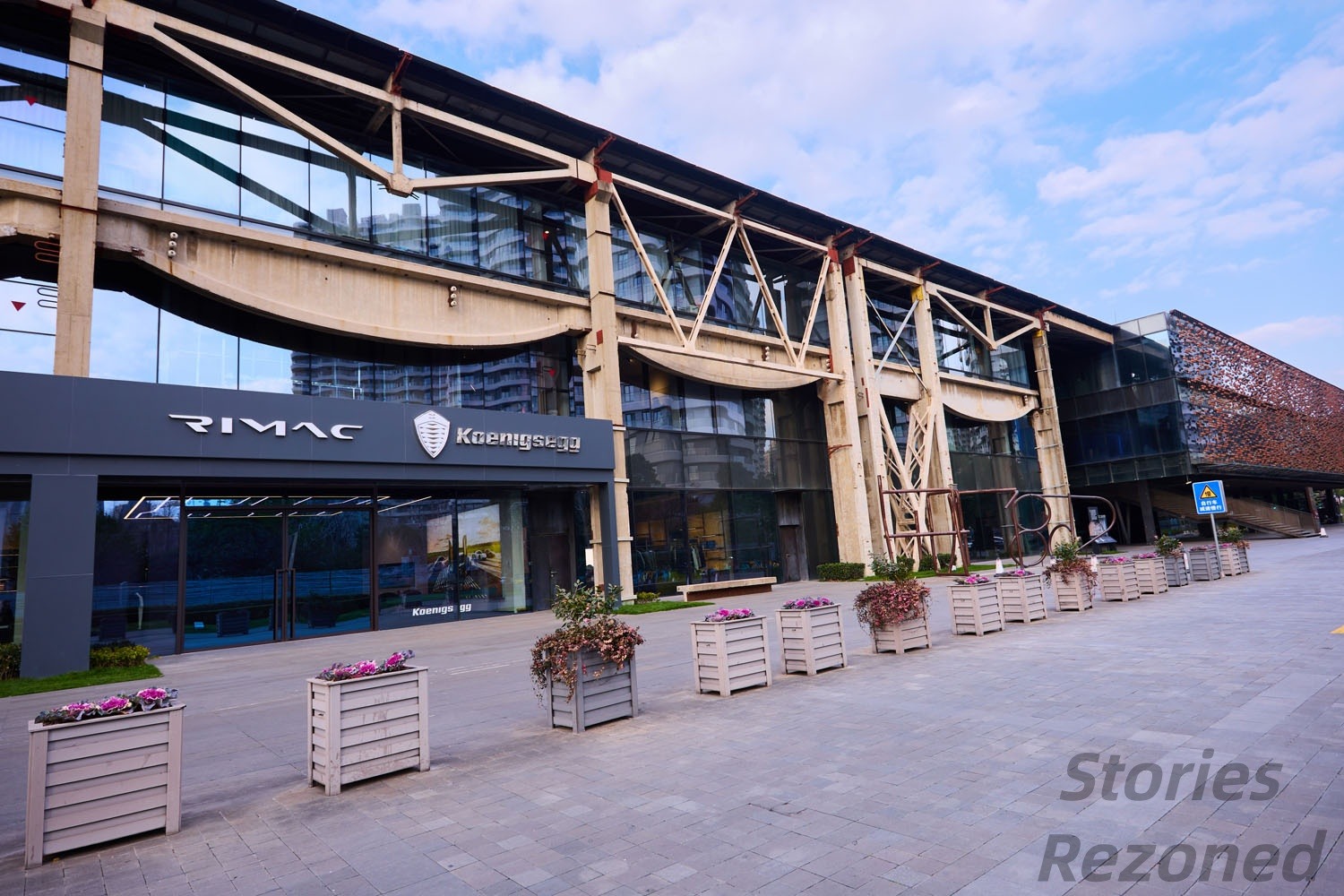
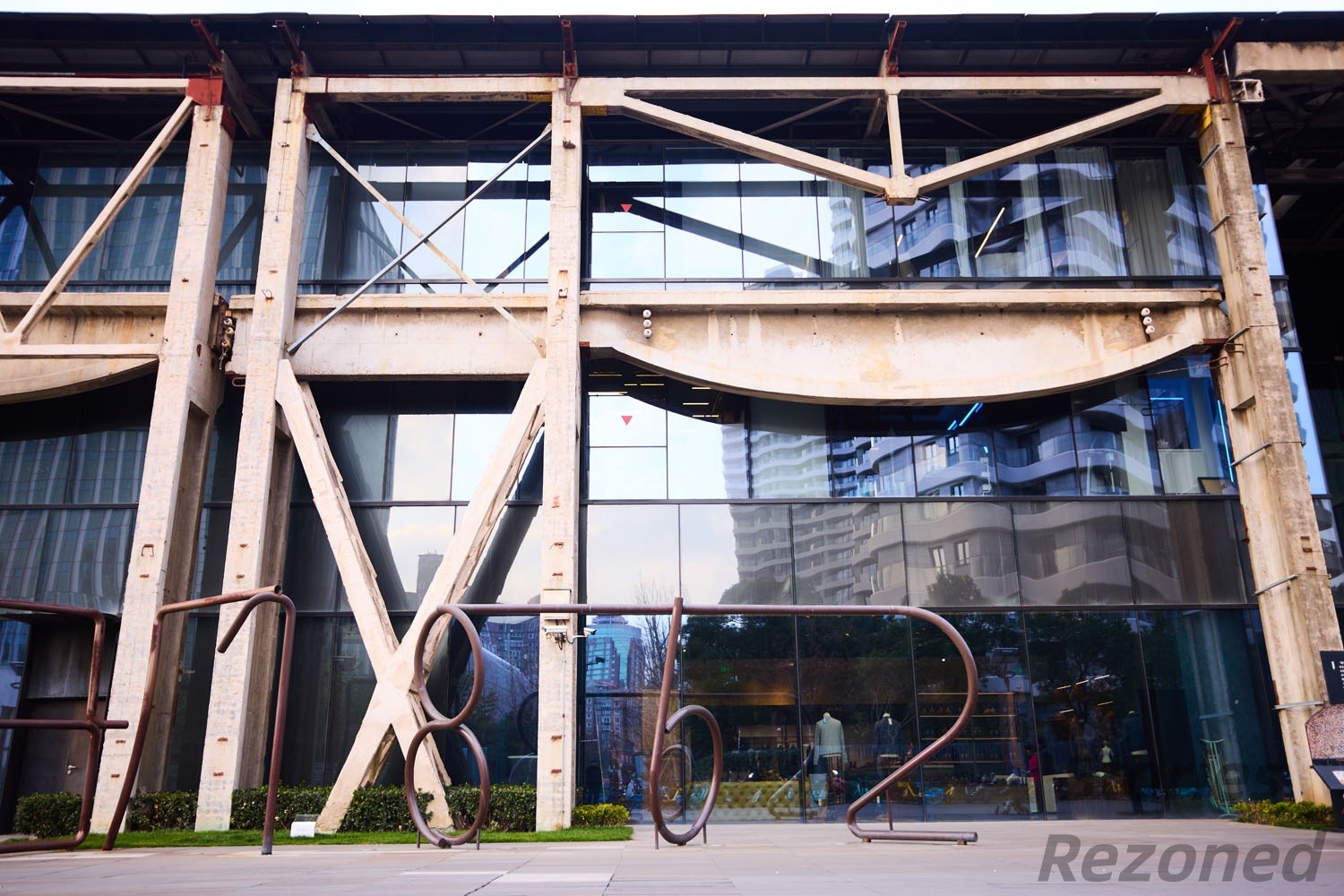
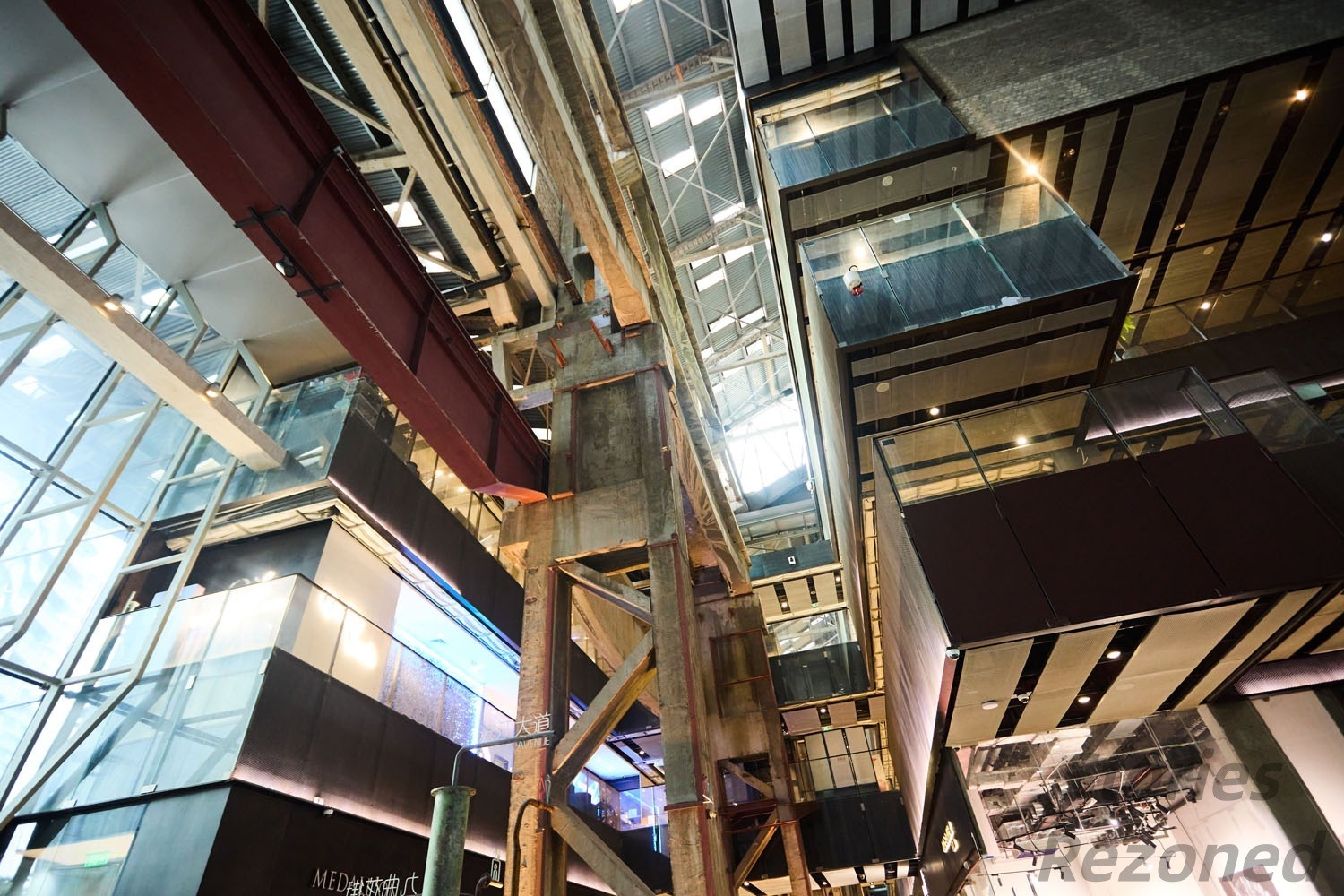
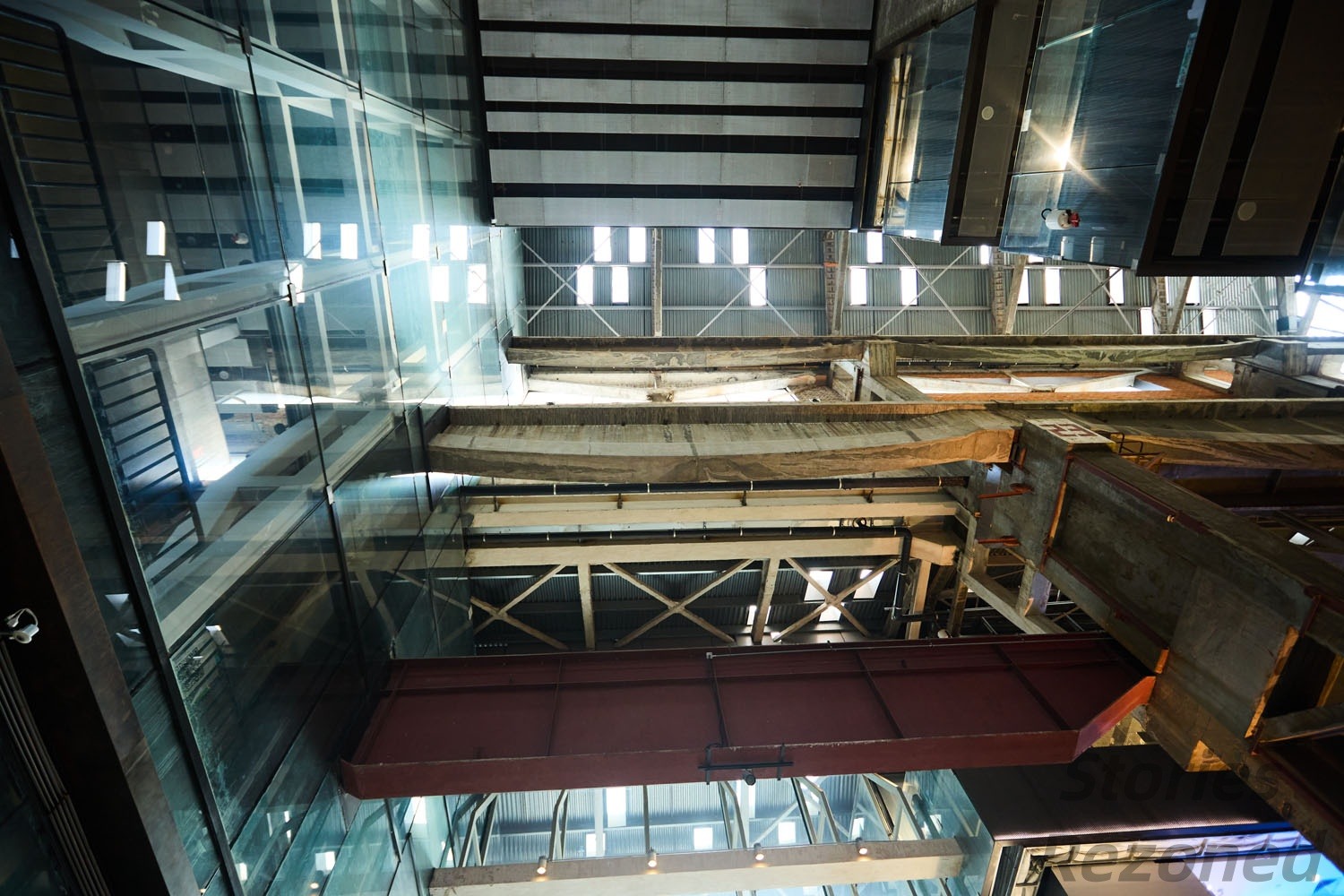
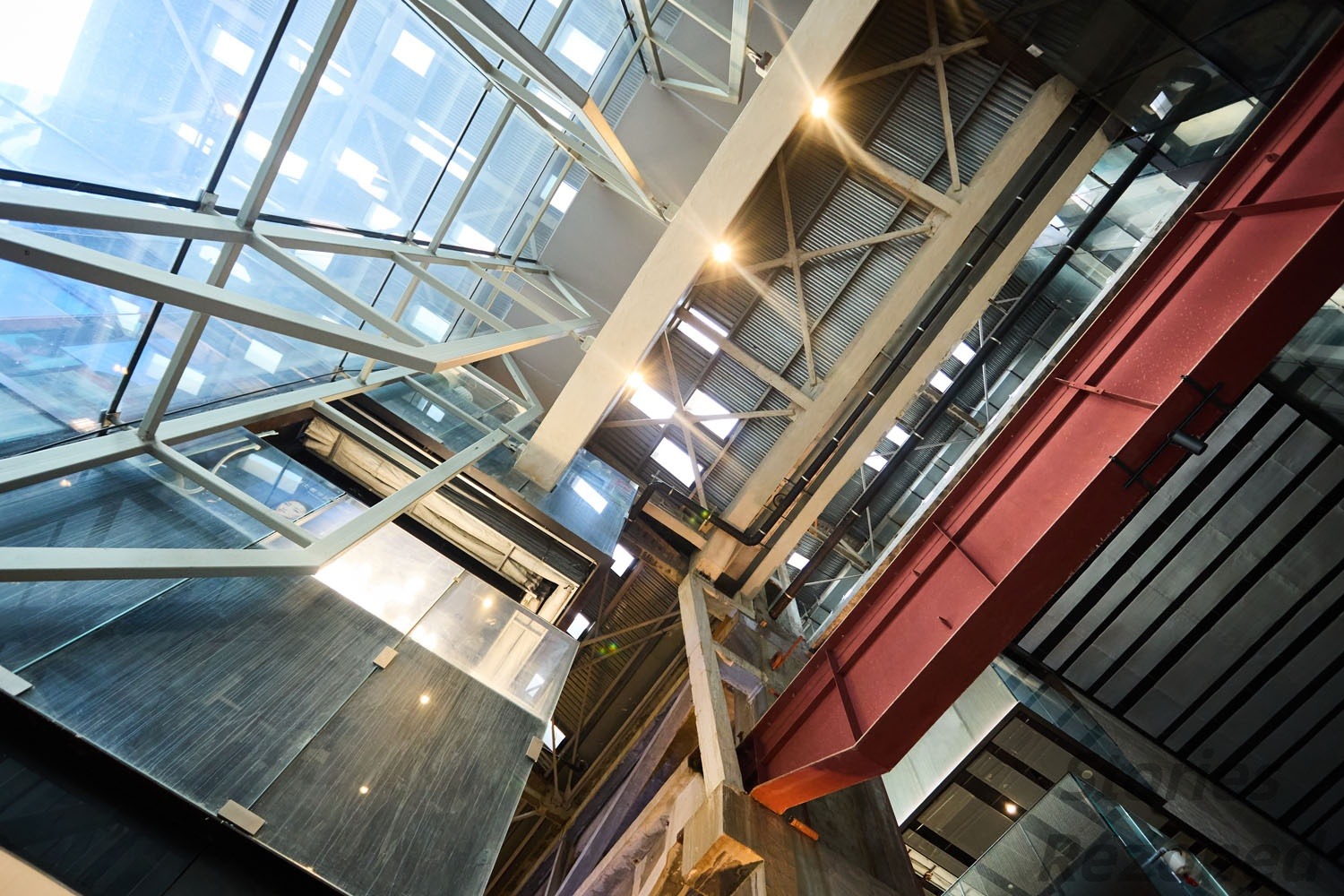
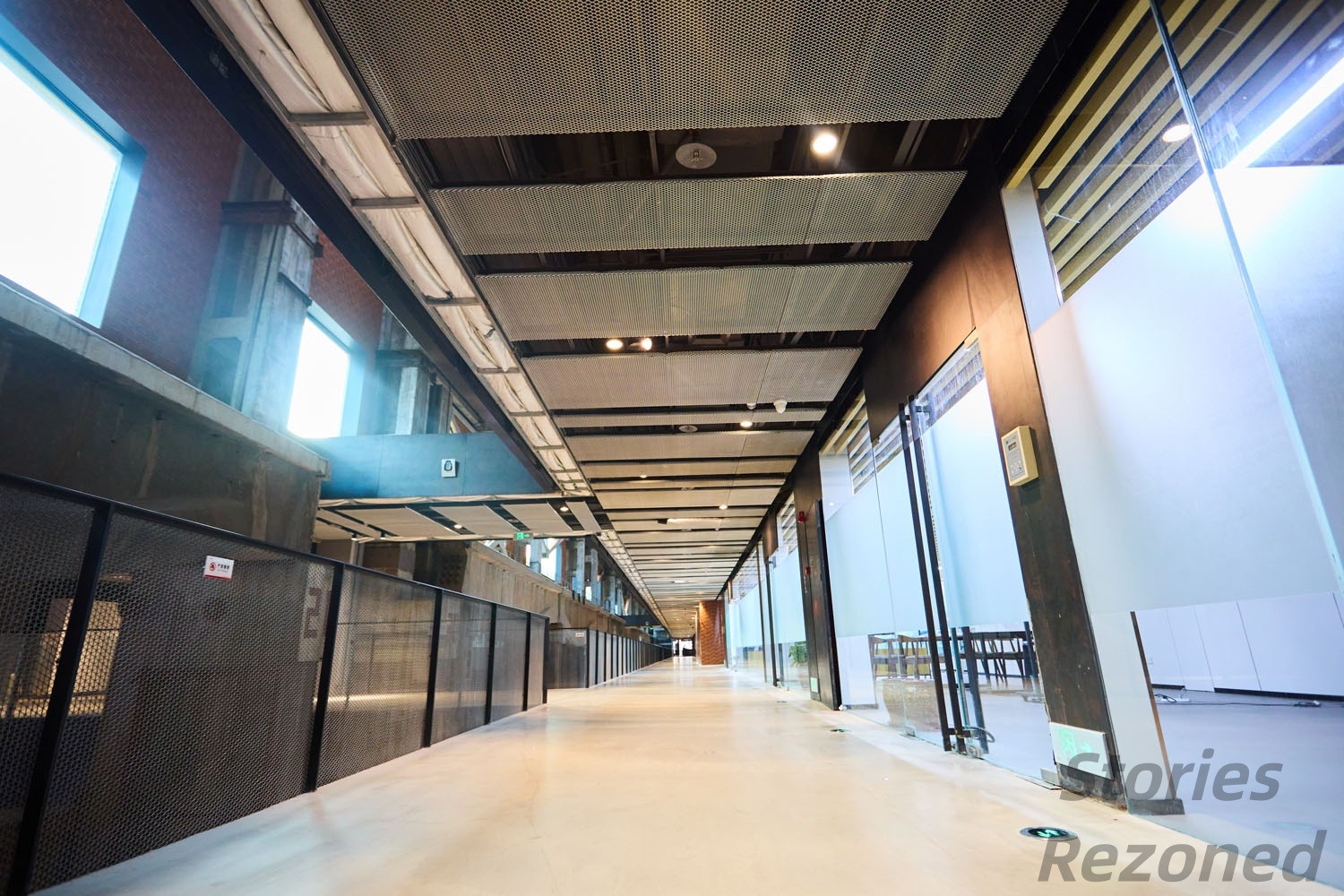
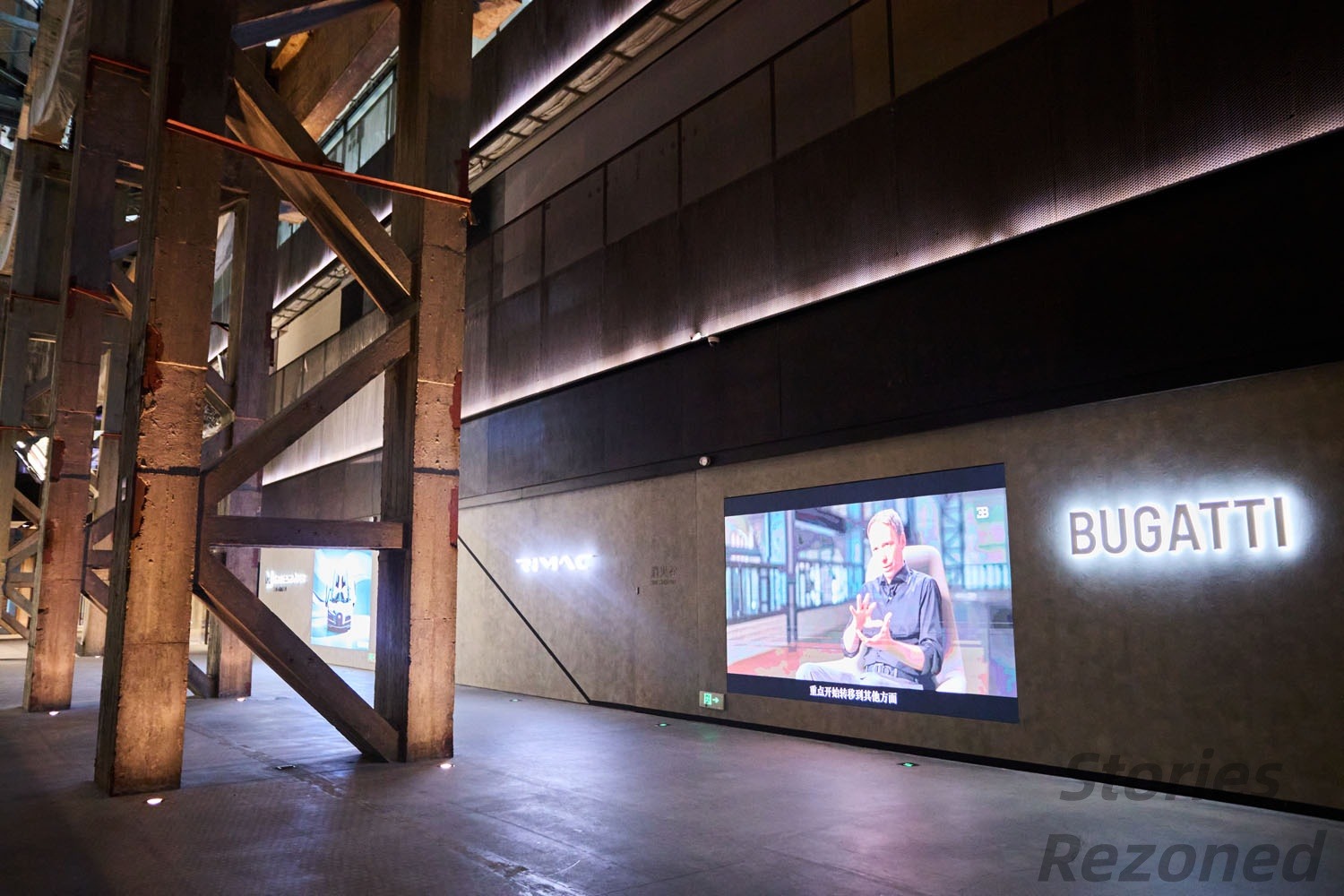
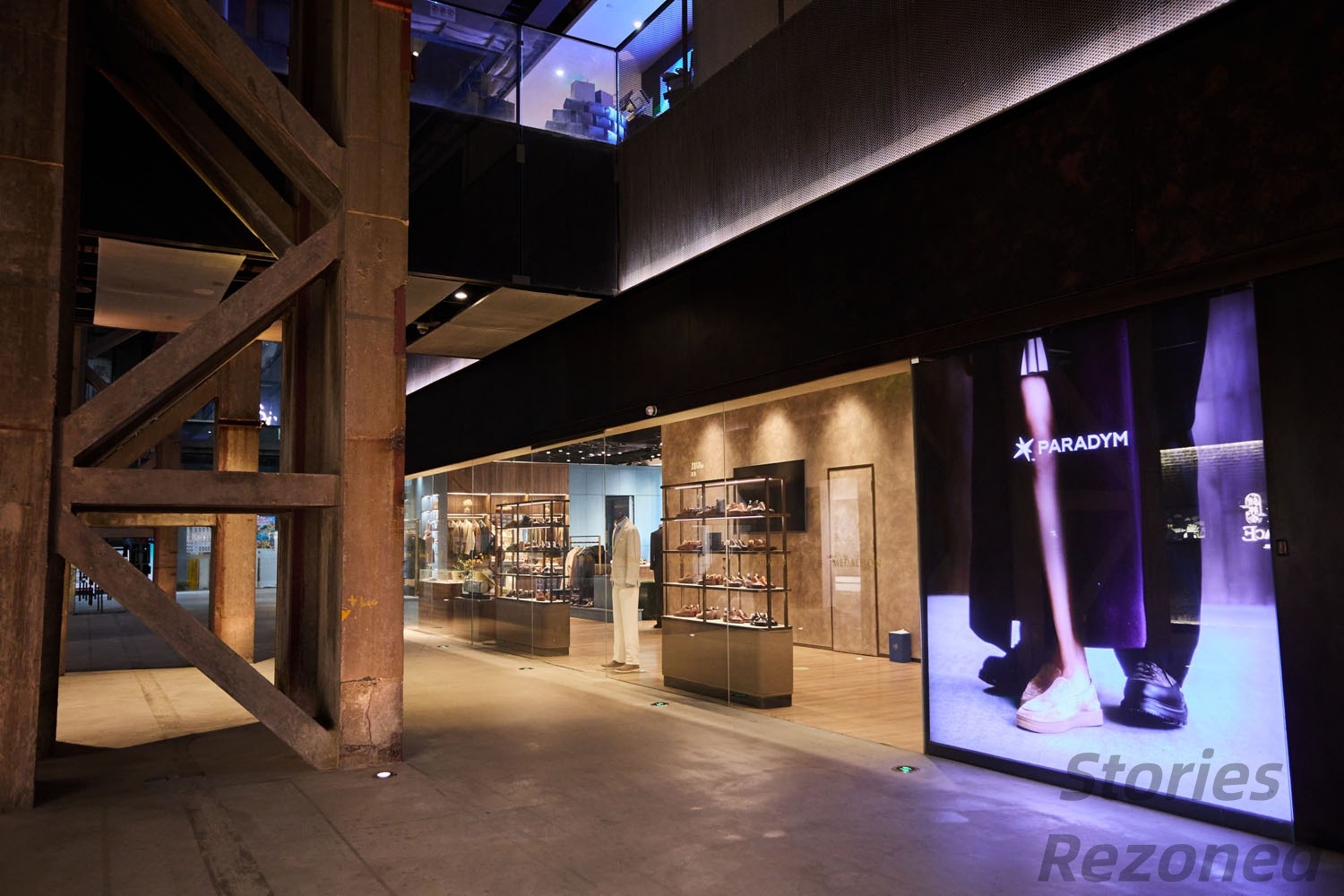
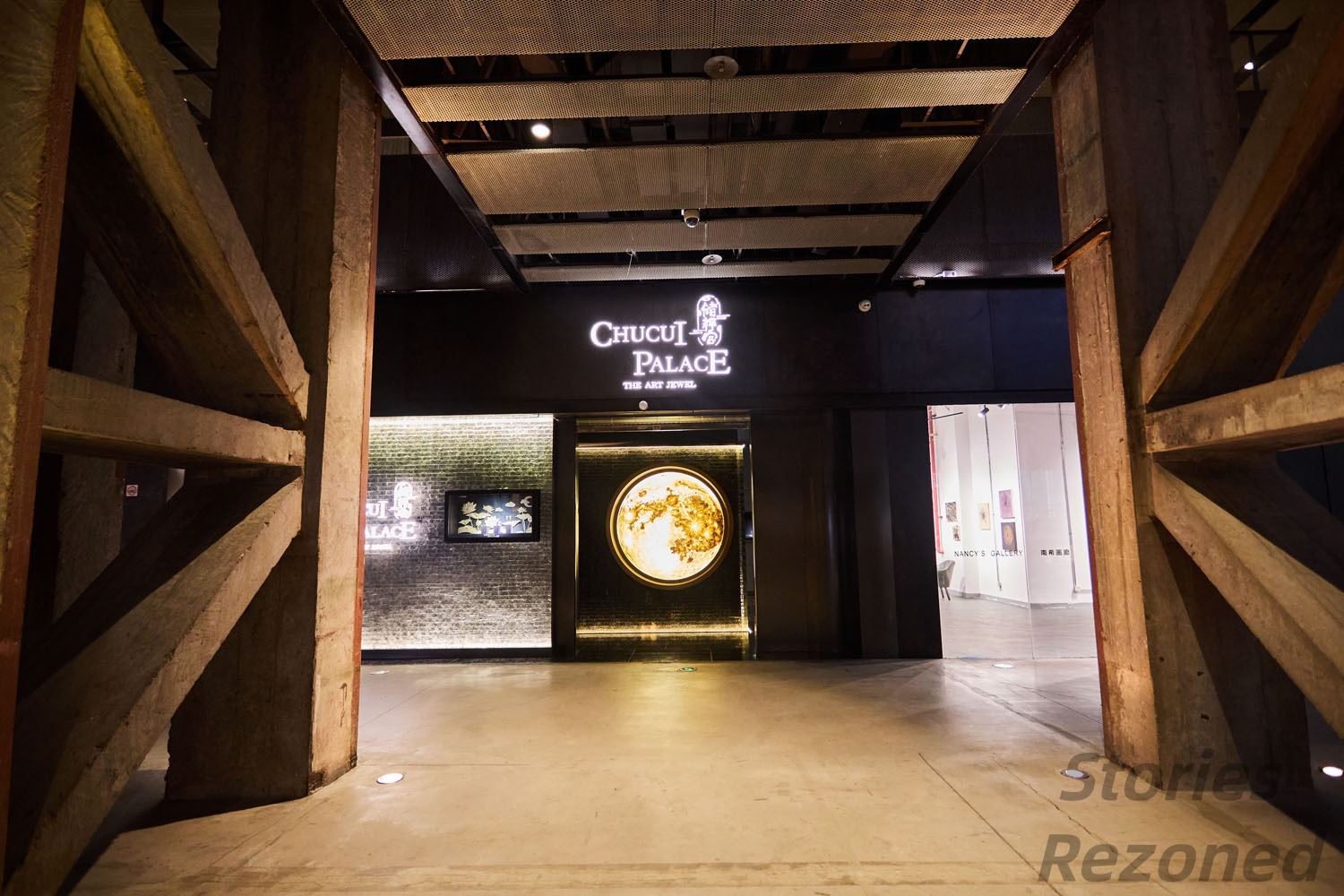
Following the core concept of “retaining industrial genes and tying modern functions”, Kengo Kuma attempts to keep the original building structures—including the bent frames of the reinforced concrete columns; triangular sawtooth steel roof trusses; triangular hollow columns and crane girders—activated these historical spaces with modern materials and spatial logic:
A. Preserving the spirit of the main structure: Keeping the advantage of the great span and high clear height (the highest 26meter) of the engine manufacturing workshop of 9,250 m2; if the components of the building scattered like steam pipes could not be kept, use them to recognize the time as they came, turning them into air conditioning ducts and decorative signs.
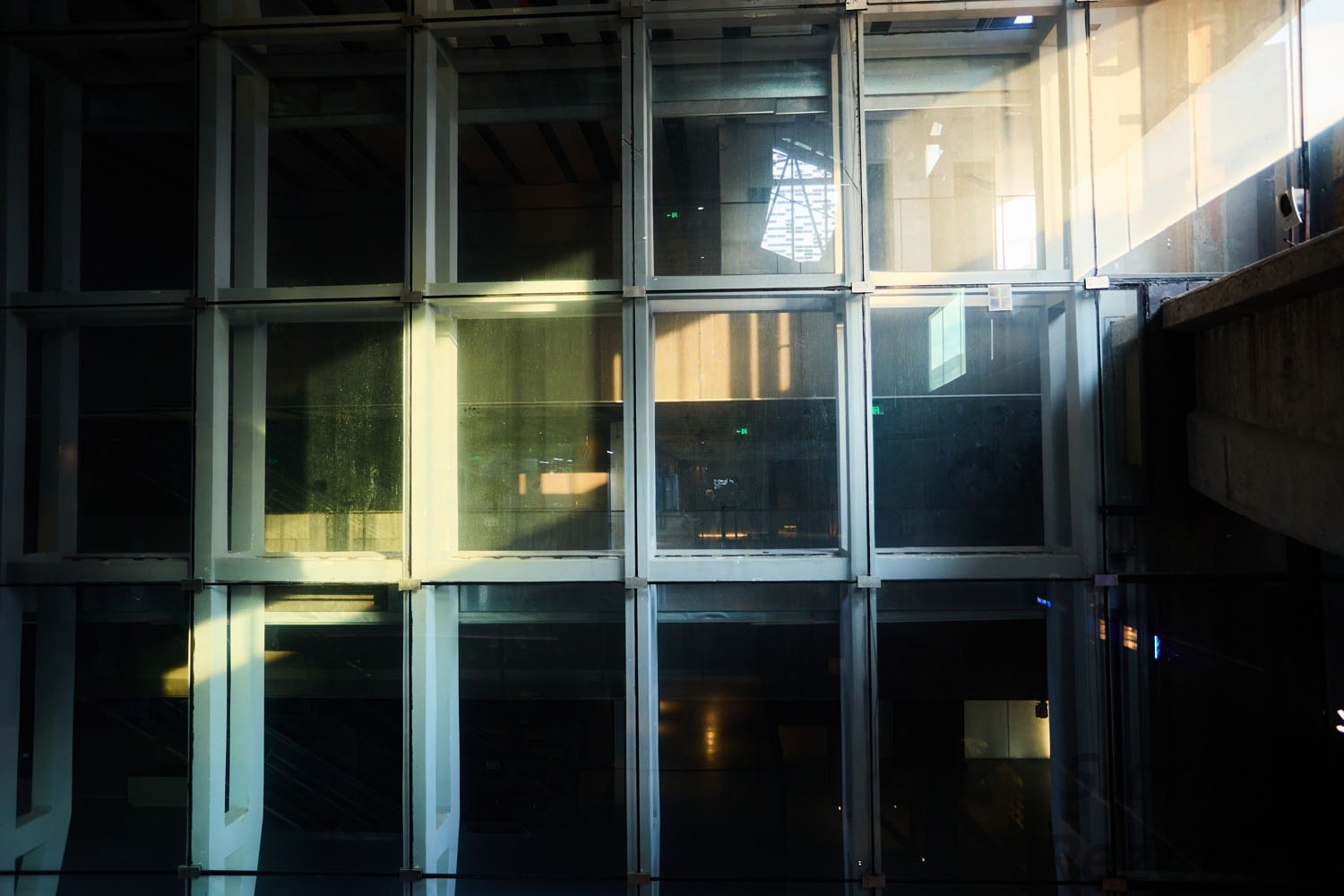
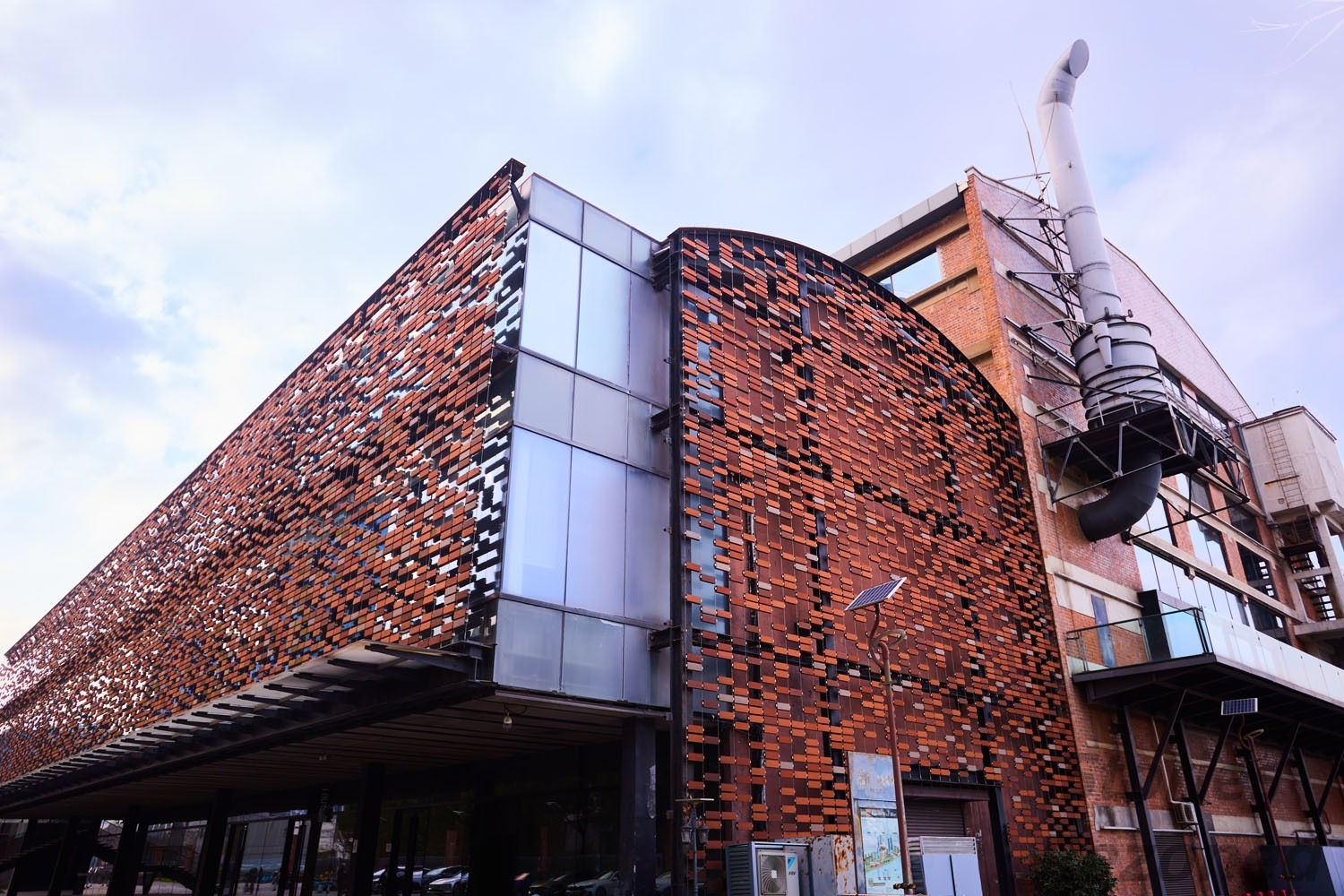
B. Mixing the old and new: Old brick wall kept on the north facade; on the west side “inclined pixelated modules” of weathered steel plates and aerated concrete blocks, juxtaposing the bewitching power of industrial style and modern aesthetics.
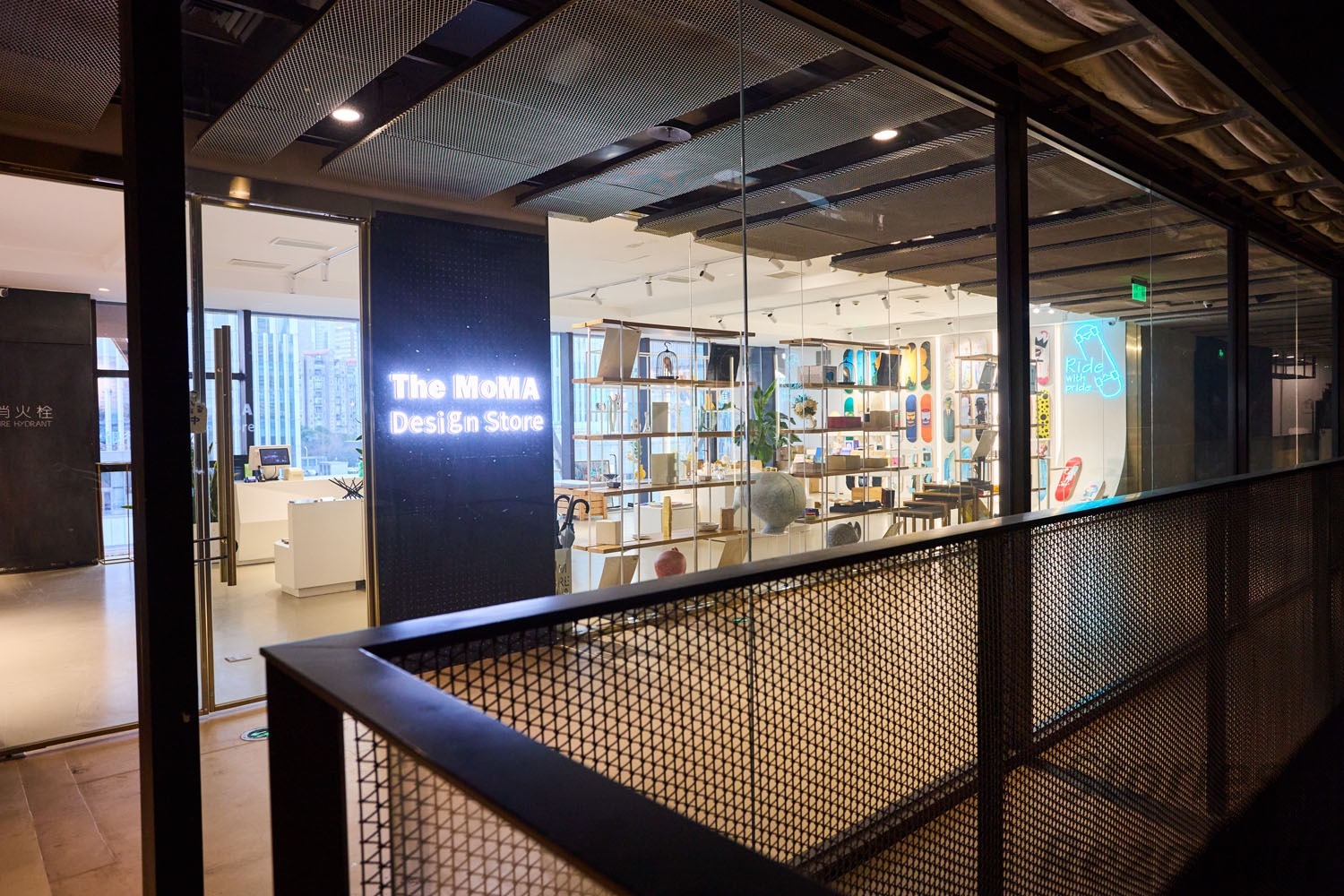
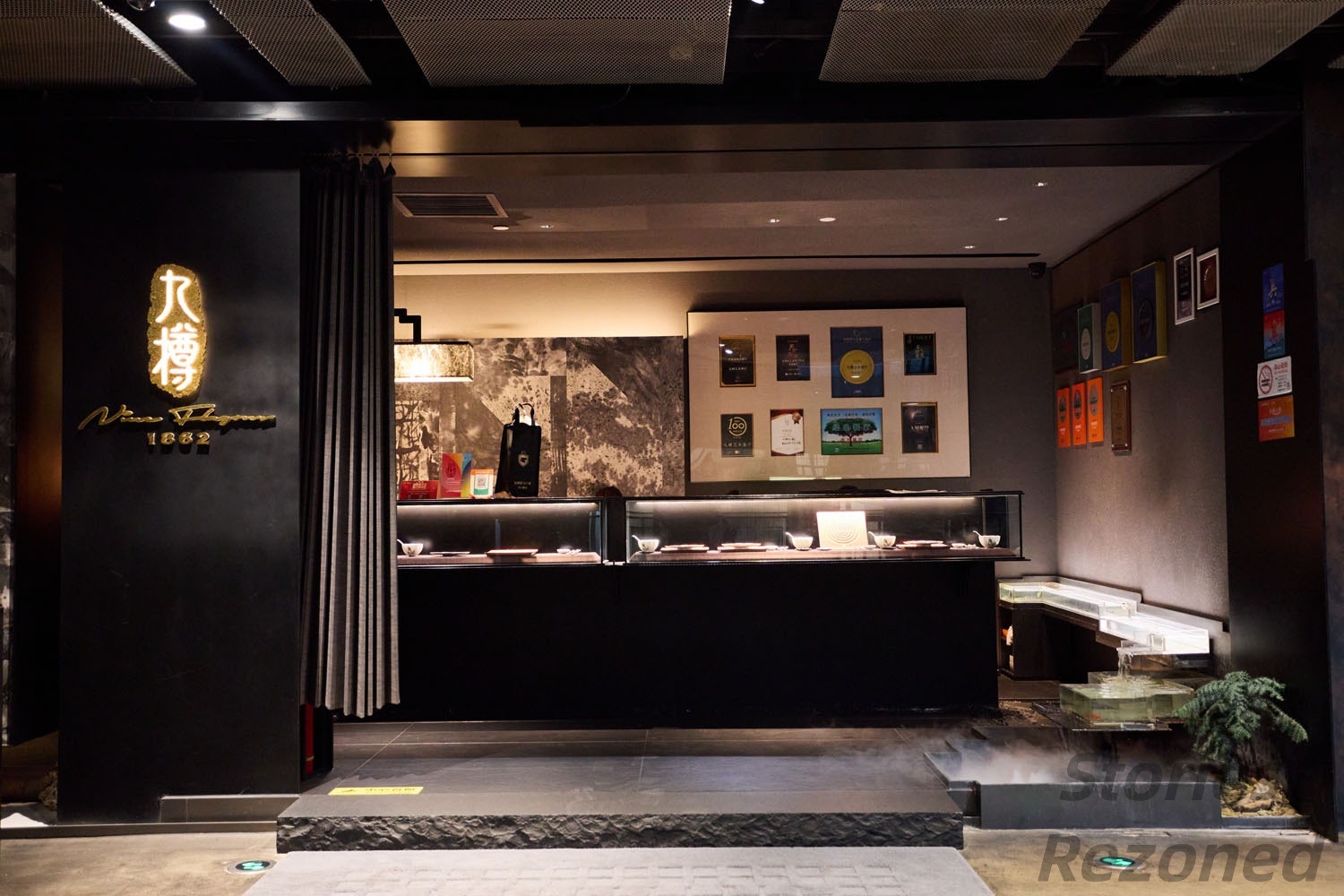
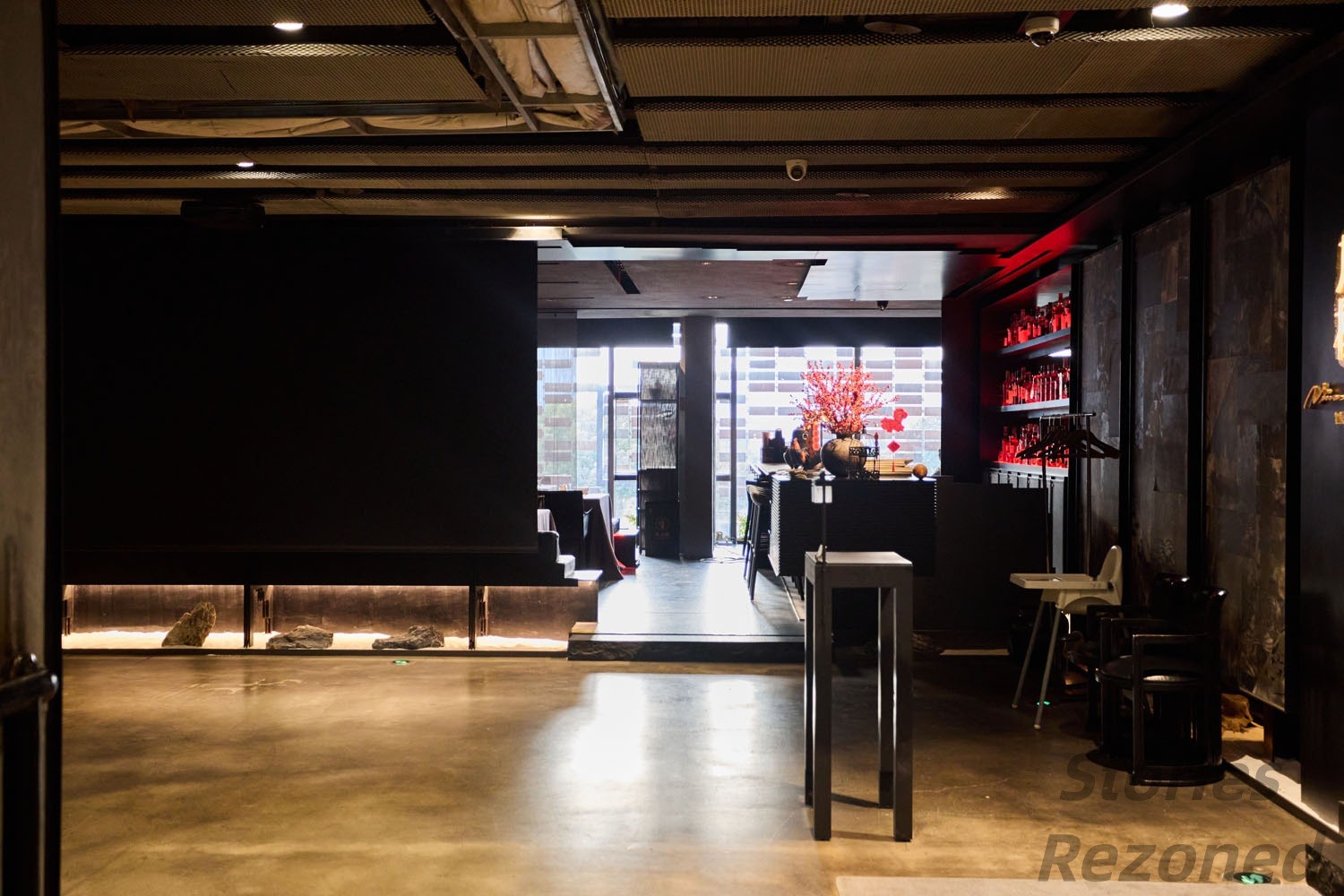
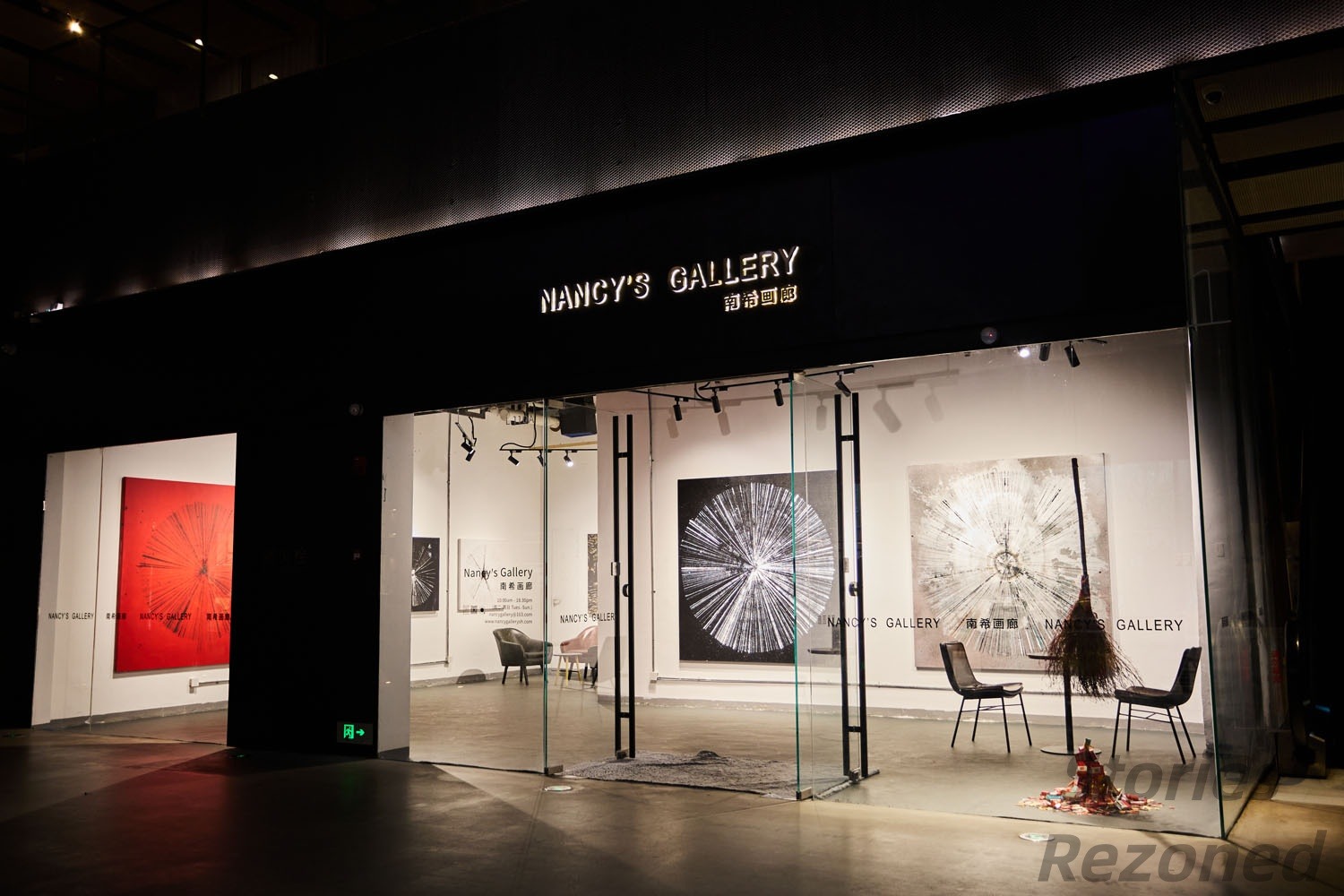
C. Reconstruction for composite functions: Covering a total construction area of 26,000 square meters, the Shipyard 1862 site contains an 1862 Fashion & Art Center (a medium entertaining theater with 800 seats) and an immersive art and commercial space of nearly 16,000 square meters which integrates theater, art galleries, high end catering, art workshops and other business formats.
Revitalization Results
Open to the public in September 2018, Shipyard 1862 has quickly developed into a new cultural landmark along the Lujiazui riverside. The process of its operation has experienced three phases:
Phase 1.0 (Art + Commerce): Drawing international stage plays to balance the operational costs with high end commercial events.
Phase 2.0 (Resident Performances + Immersion): Launching “the Abyss” and other immersive resident plays, grossing both box office and praise.
Phase 3.0 (Space + Platform + Production): Launching the “1862 Planet” brand turning itself into a content incubator for the performing arts to take diverse exploration of another cup manufacturer’s path.
Why It’s Beautiful
Shipyard 1862 preserves the memory of the industrial eras of Shanghai stretching from the Westernization Movement to modern industry, acting as a living fossil of the industrial civilization of modern and contemporary China. It’s an important benchmark of the “industrial heritage + culture + commerce” model for renewal of urban spaces.
Image References
All images not separately credited below filmed at location by Stories Rezoned team
- Anonymous. Nicholson and His Family Rowing a Boat at the Xiangsheng Shipyard (Predecessor of Shanghai Shipyard 1862). ca. 1862-1890. 360doc, 24 Dec. 2018, http://www.360doc.com/content/18/1224/22/13617959_804218502.shtml.
- Joseph, William A. The Ship “FENGYUN” at Shanghai Shipyard. 14 Mar. 1972. 360doc Library, 2 Feb. 2023, www.360doc.cn/content/23/0202/16/13617959_1065913343.html.
- Lu, Jie. Aerial View of Huangpu River and Shipyards in the 1980s. 1985. The Paper, 30 Dec. 2023, www.thepaper.cn/newsDetail_forward_25823457.
- China Daily. Shipyard 1862, Former Shanghai Shipyard, After Renovation. 28 Sep. 2018, https://cnews.chinadaily.com.cn/2018-09/28/content_36996561.htm.
Reference
- Shanghai Observer. “探秘上海工业遗产】来自船厂 1862 的蝶变重生.” 17 June 2024, web.shobserver.com/sgh/detail?id=1353481. Accessed 10 May. 2025.
- Shanghai Yangpu District People’s Government. “上海船厂的百年‘船’奇丨杨浦百年・工业印迹.” 1 Nov. 2023, www.shyp.gov.cn/shypq/shxd-gyyj/20231128/442704.html. Accessed 10 May. 2025.
- Shanghai Yangpu District People’s Government. “‘中国工业遗产保护名录(第二批)’发布 我区又有 5 处工业遗产入选.” 16 Apr. 2019, www.shyp.gov.cn/shypq/xwzx-tpyw/20190416/326169.html. Accessed 10 May. 2025.
- The Paper. “建筑可阅读丨集时尚、艺术、展演为一体,这座江边的时尚新地标以时间为名.” 25 Aug. 2021, www.thepaper.cn/newsDetail_forward_14199694. Accessed 10 May. 2025.
- The Paper. “行走陆家嘴系列第二季:从船厂到水上剧场.” 2 Dec. 2023, m.thepaper.cn/detail/25455620. Accessed 10 May. 2025.
- Wenhui. “‘中国工业遗产保护名录’第二批名单公布,上海哪些入选?” 13 Apr. 2019, wenhui.whb.cn/third/yidian/201904/13/255857.html. Accessed 10 May. 2025.
- Youth Daily. “最上海 | 沉浸式参观!1862 老船厂,跨越三个世纪的‘不朽神话’.” 30 June 2023, www.why.com.cn/wx/article/2023/06/30/16881052811116757515.html. Accessed 10 May. 2025.