
Past: Heyday and Decline of the 718 United Factory (1952-2000)
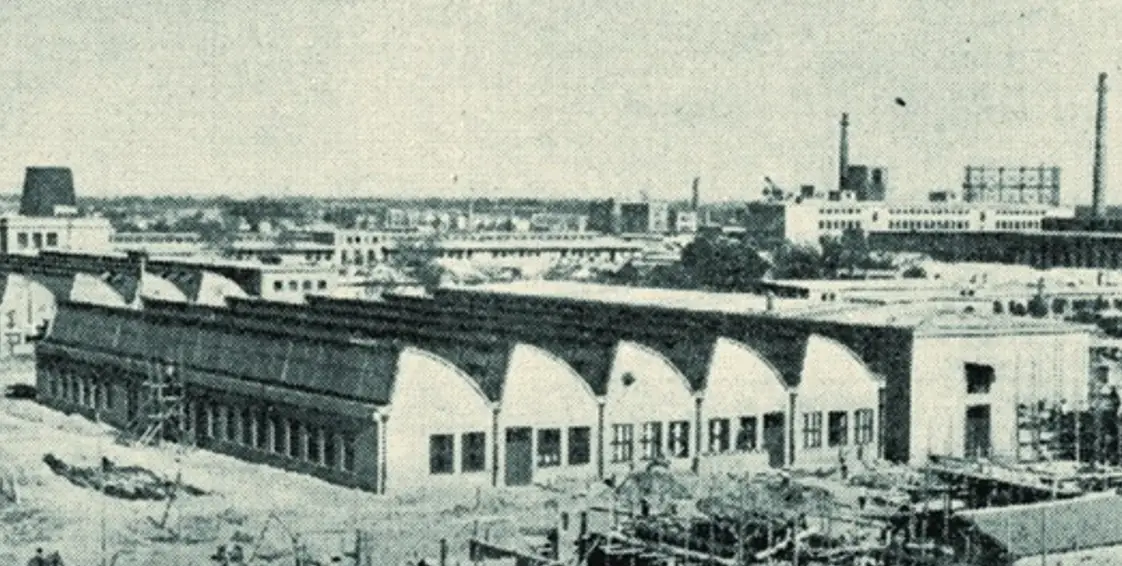
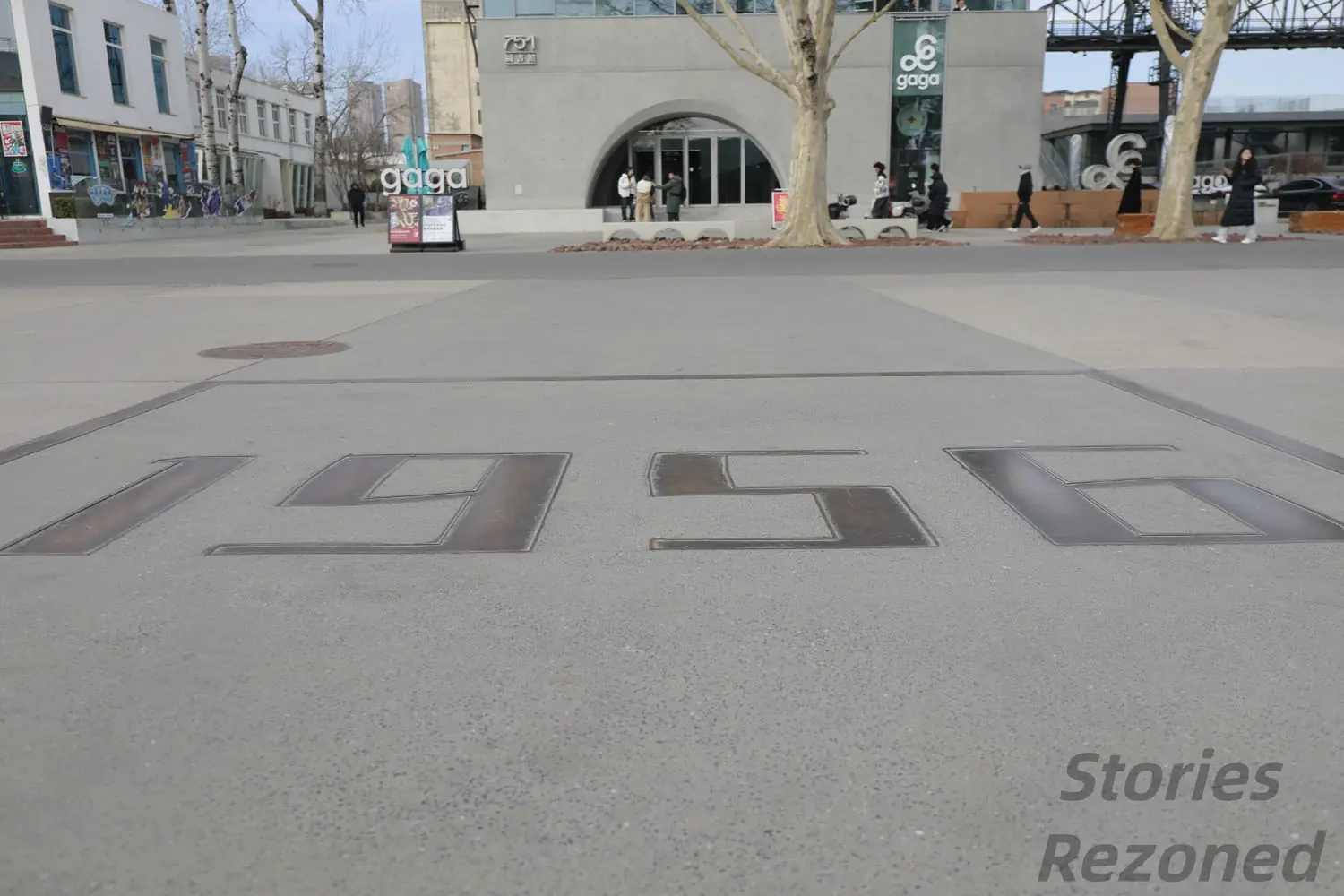
The original 798 Art Zone area is the Beijing North China United Radio Equipment Factory (718 United Factory) that was built starting in 1952 and went into operation in 1957. This was a major project assisted by East Germany as part of China’s First Five-Year Plan (the 157th assistive project). It was the first modern electronic component production base in China and one of the top-secret highest level confidential military electronics factories at the time.
- Industrial and Architectural Legacy:
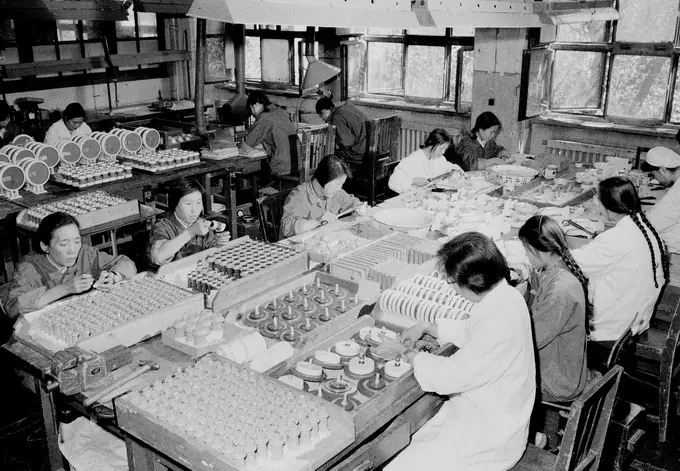
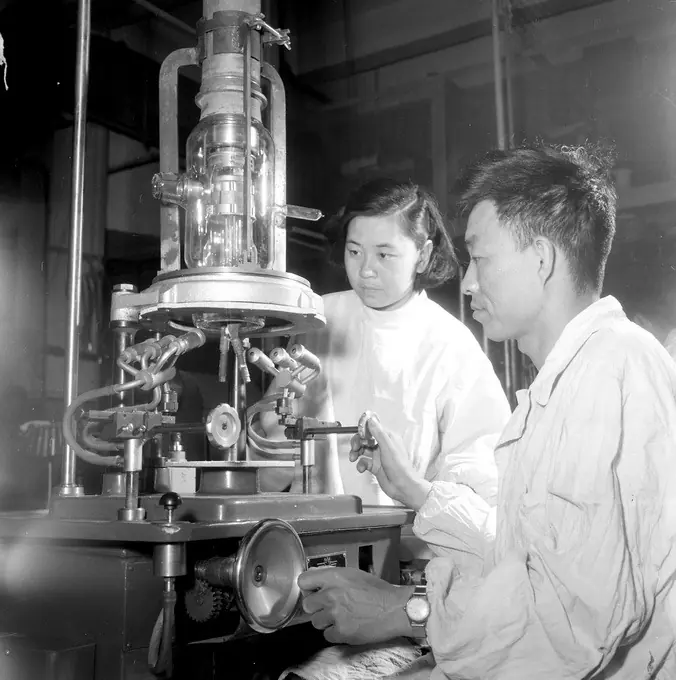
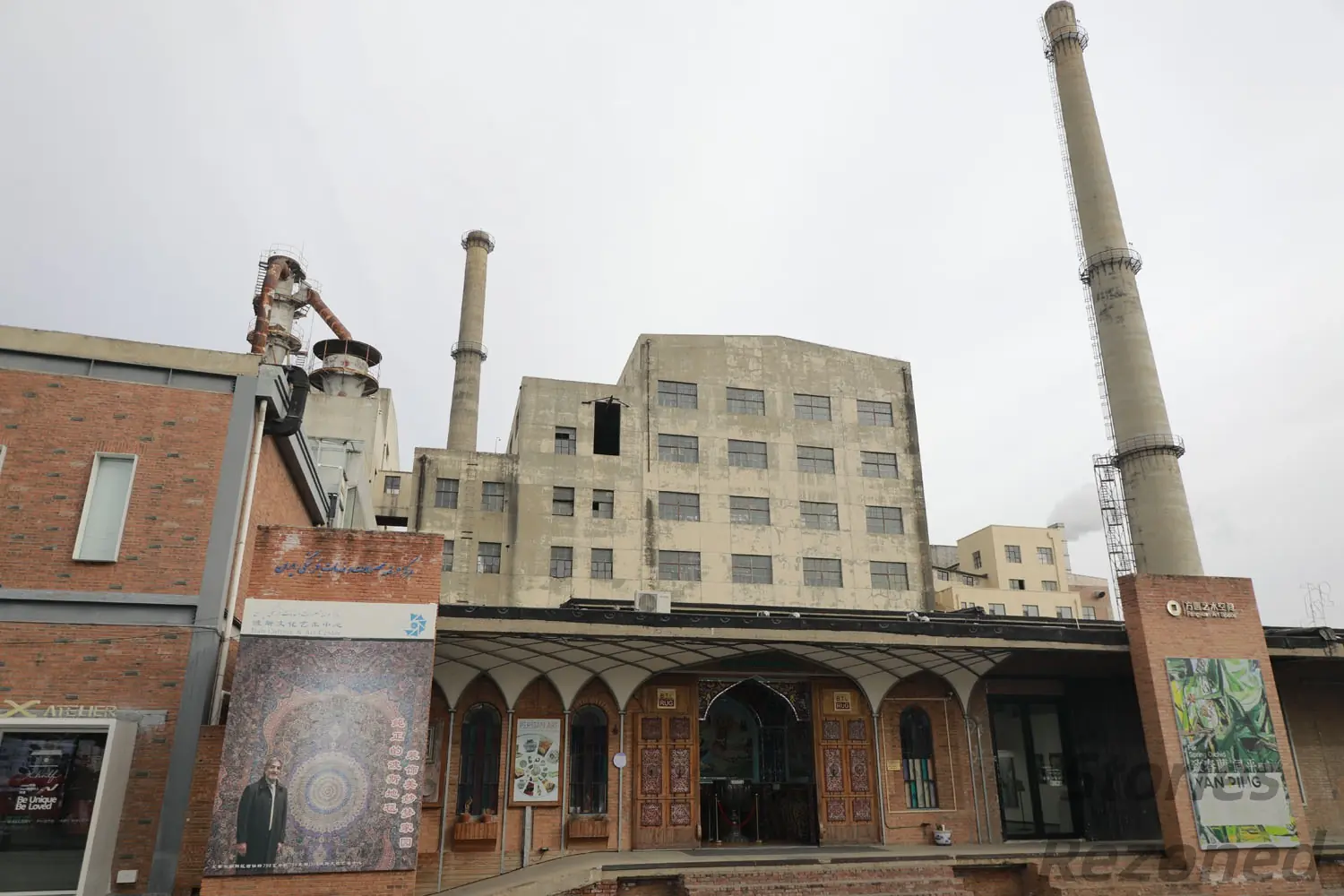
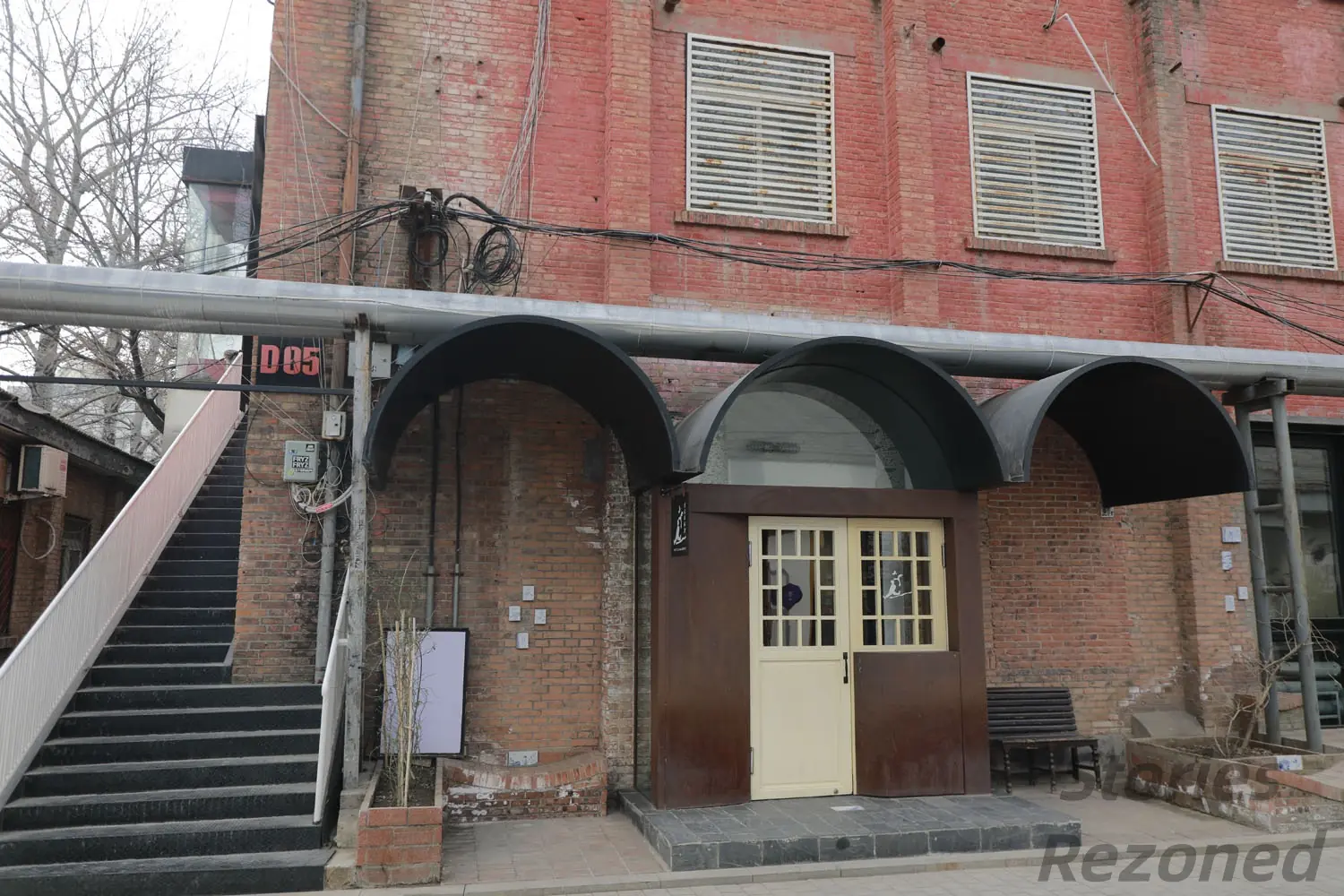
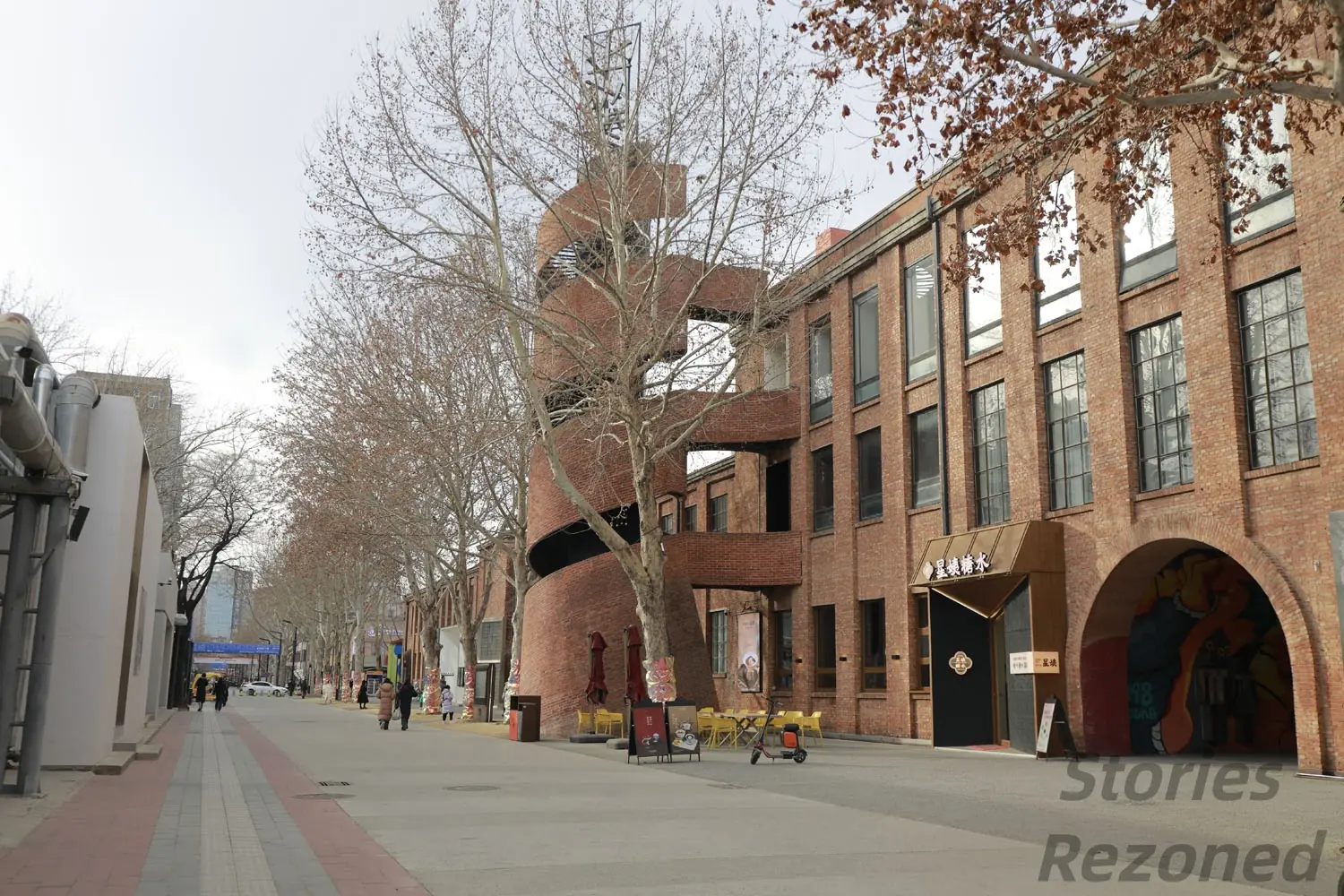
Built in the classic Bauhaus architectural style by German architects, the factory has saw-tooth north facing skylights, large open spaces, and high strength bricks, all ideal for precise manufacturing and later artistic conversion. The factory produced China’s first vacuum tube, first computer, and components for the “Two Bombs, One Satellite” technological program. - Change of Ownership and Decline:
In 1964, the 718 United Factory was divided into separate factories including 798 which was given the official name. After China’s reforms and opening-up, the old electronics industry began to decline and the buildings within the complex either stood empty and were in danger of being demolished or converted.
Present: Artistic Takeover and Revitalization (2001-Present)
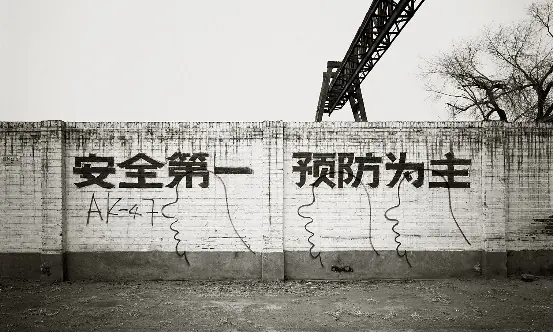
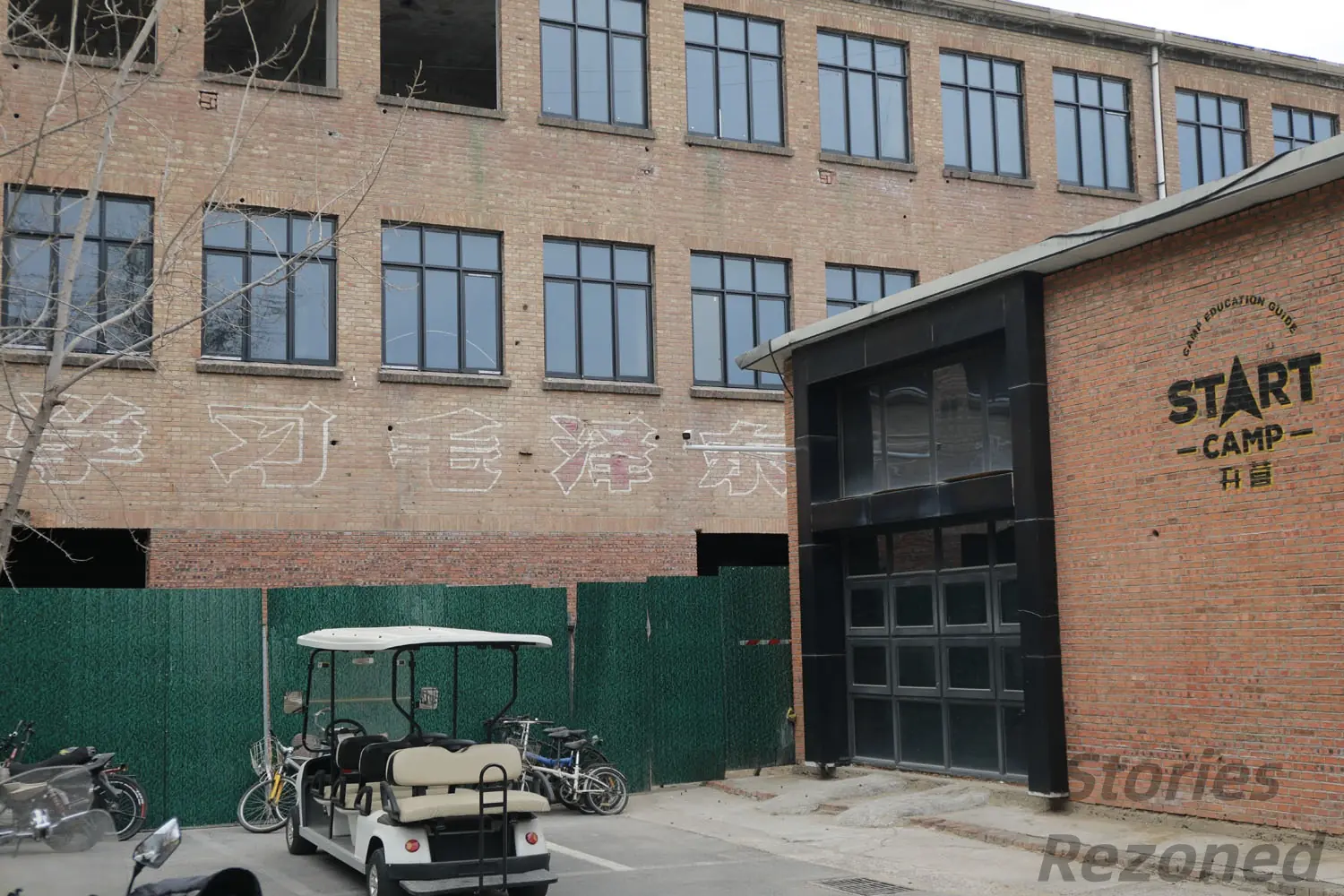
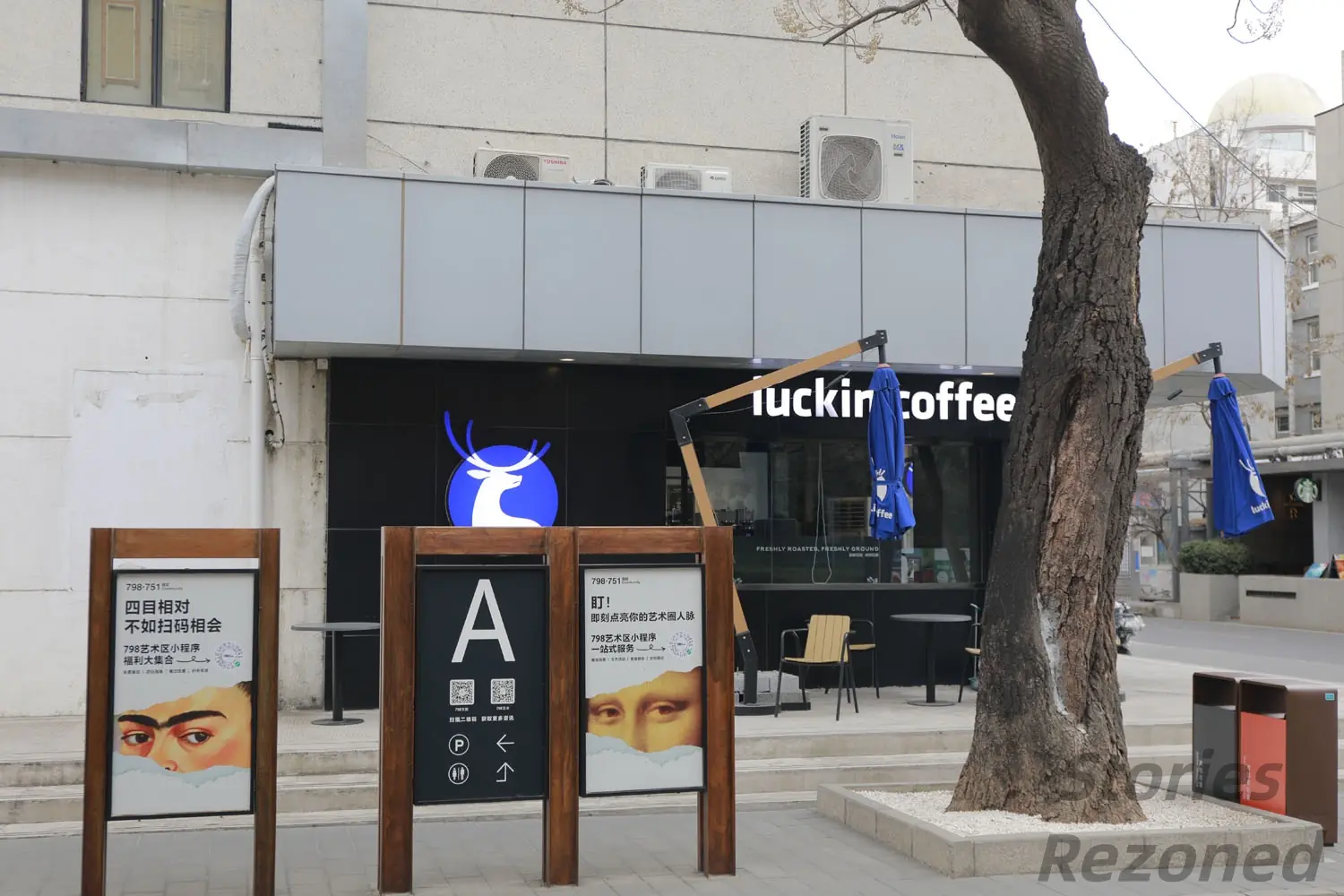
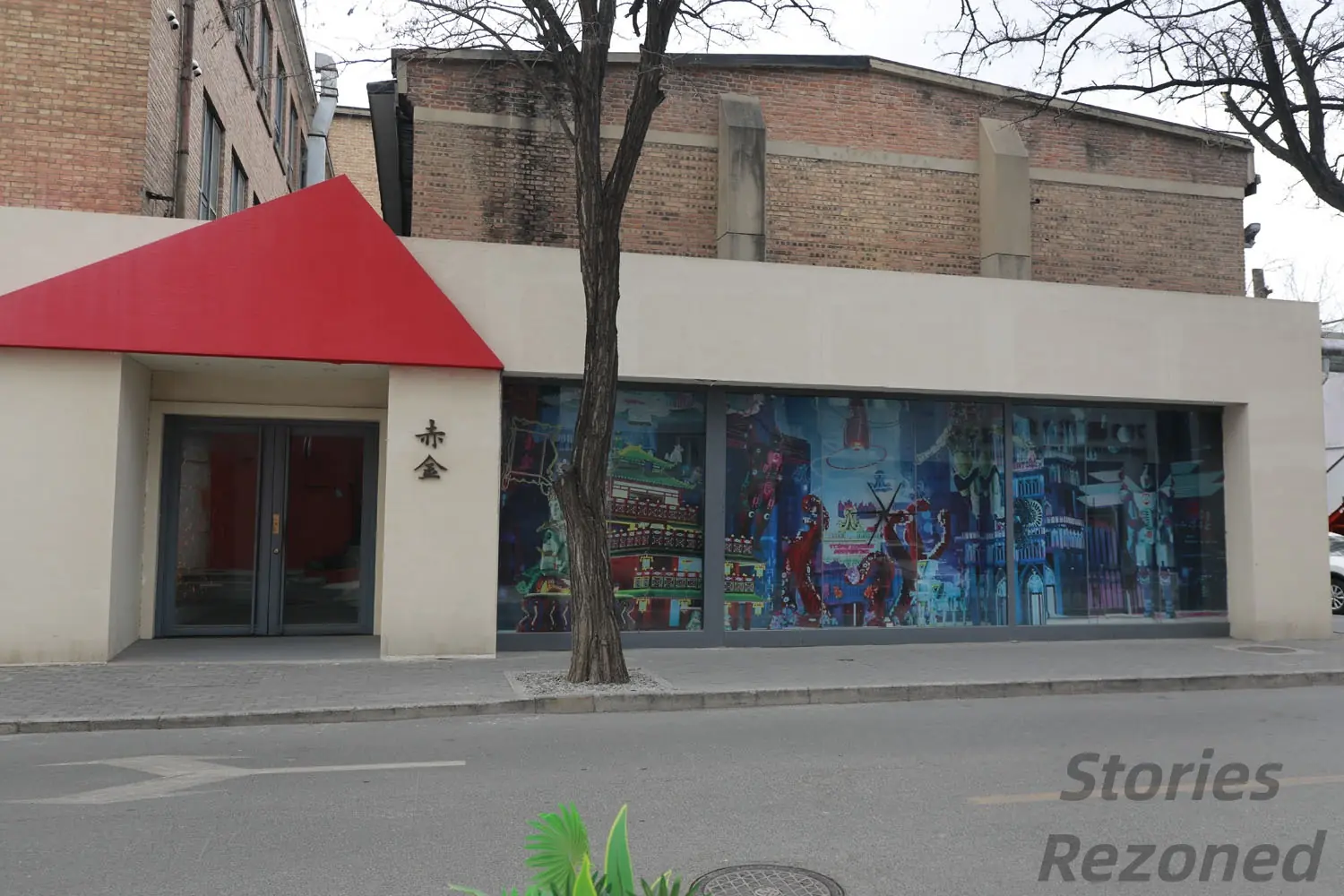
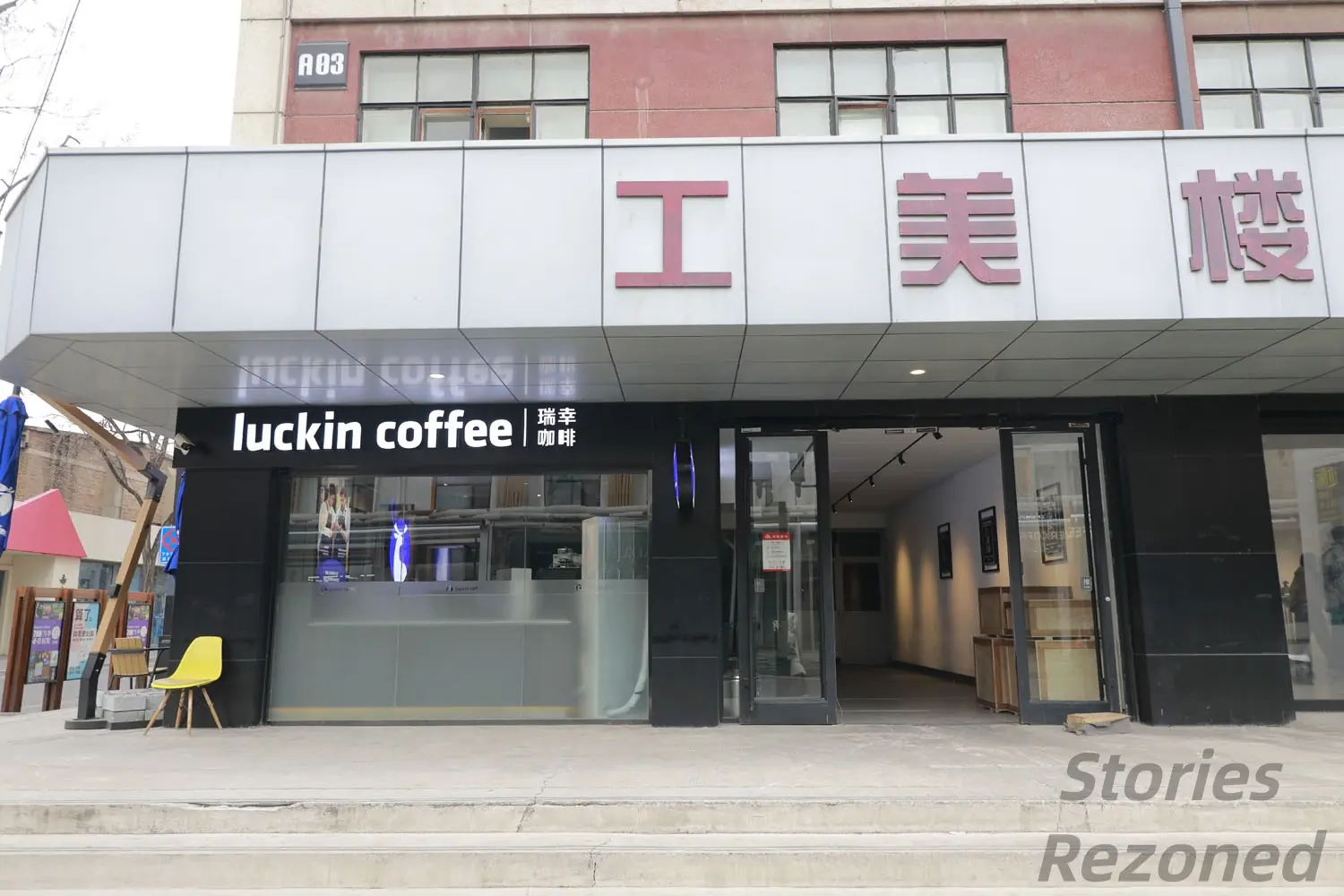
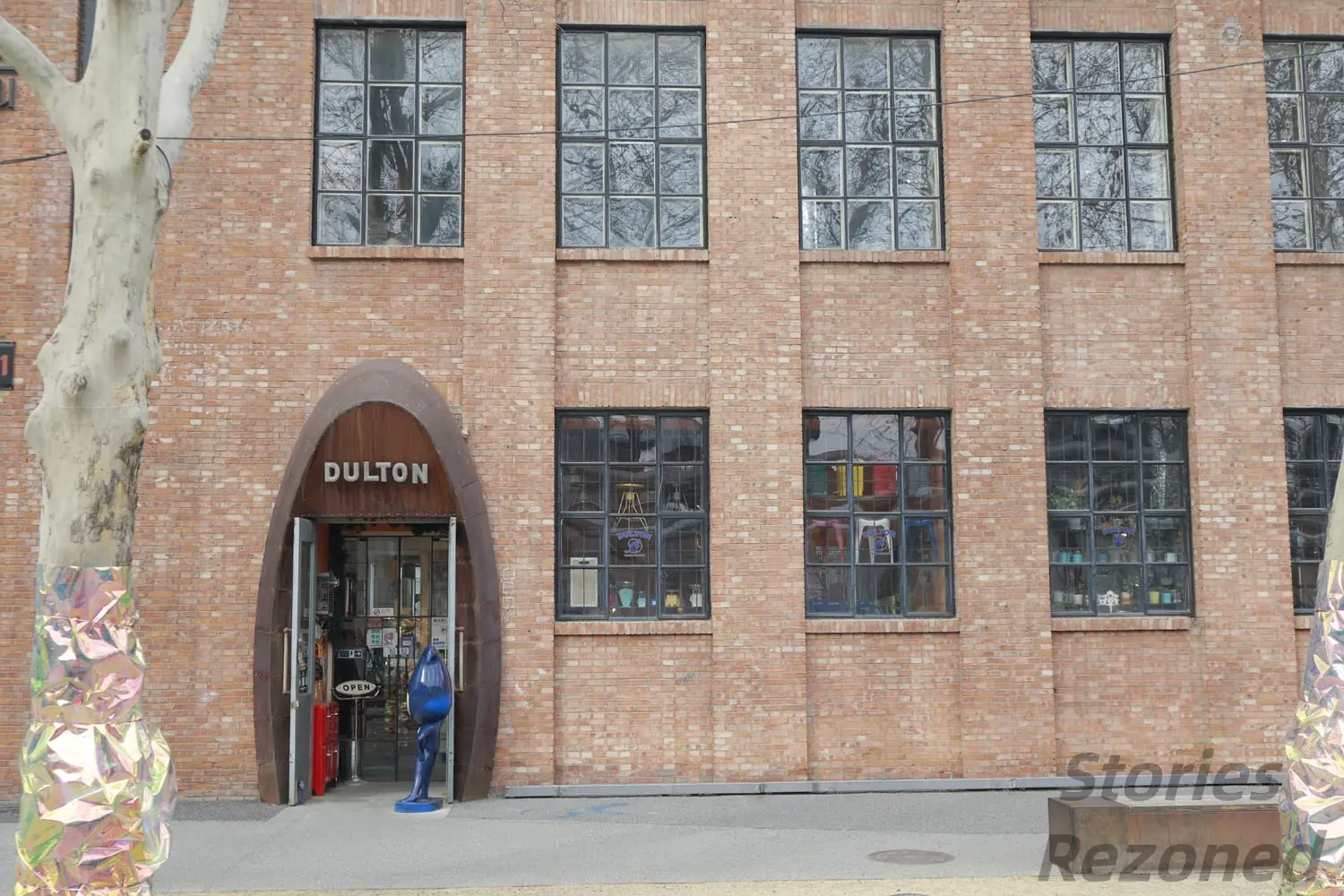
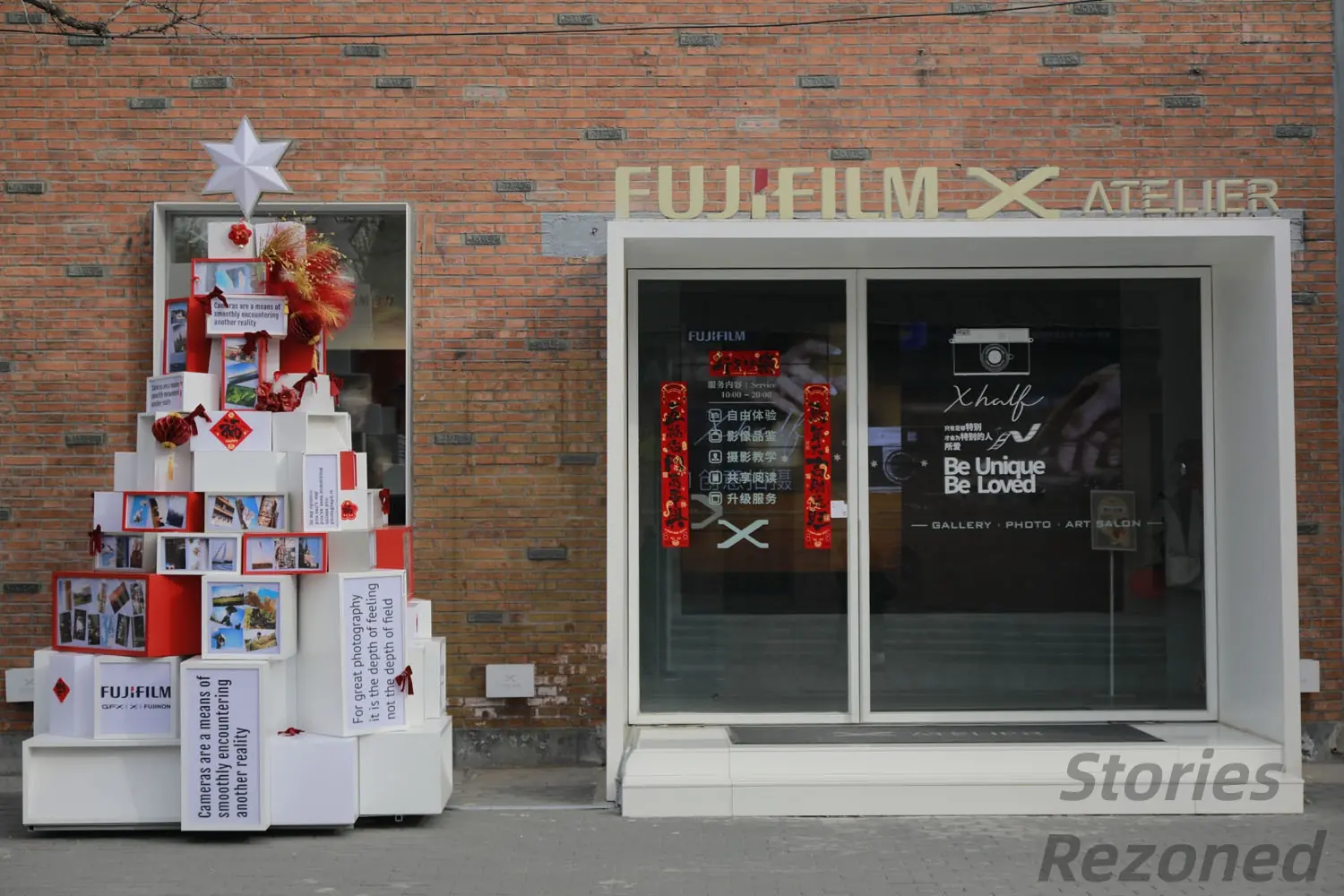
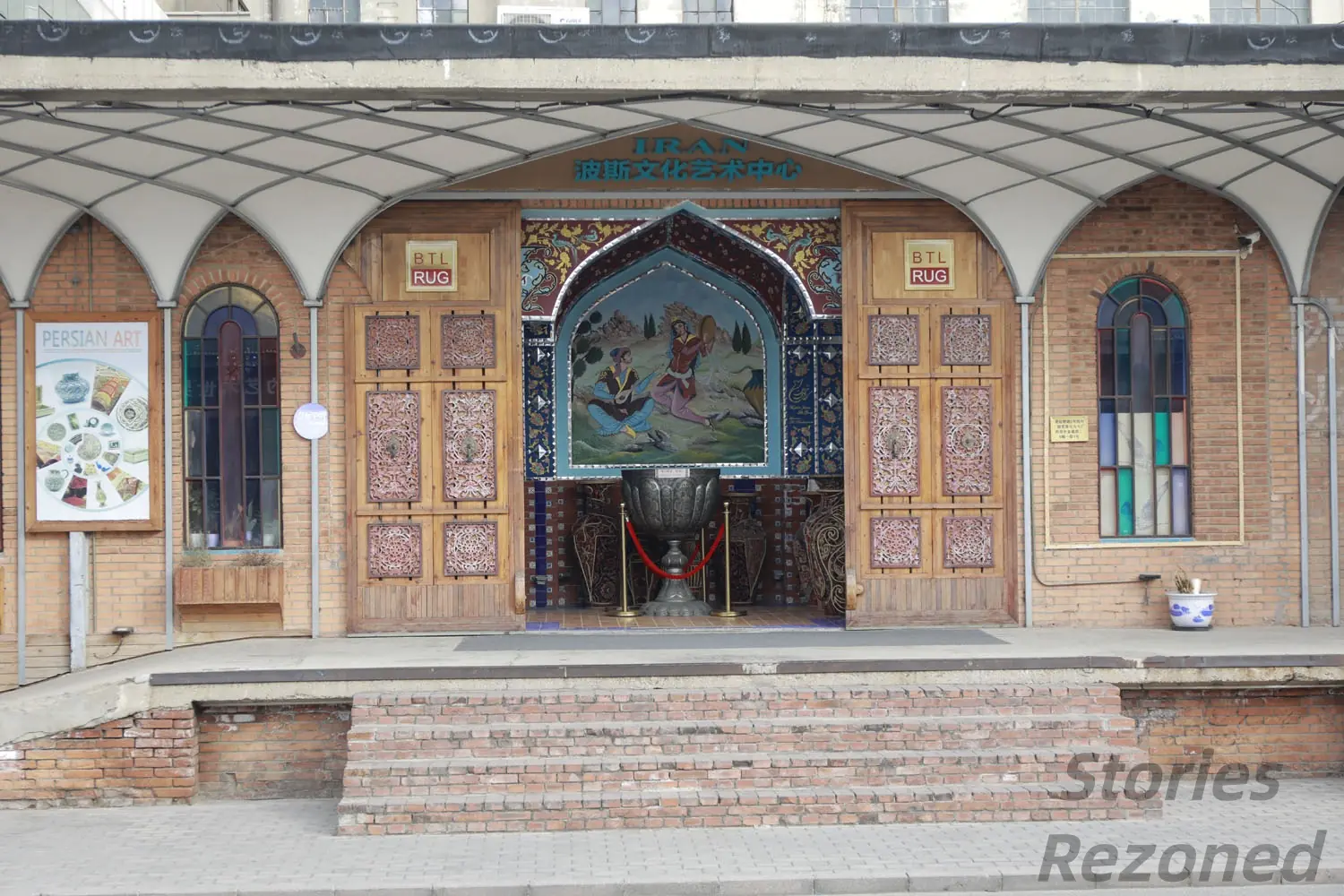
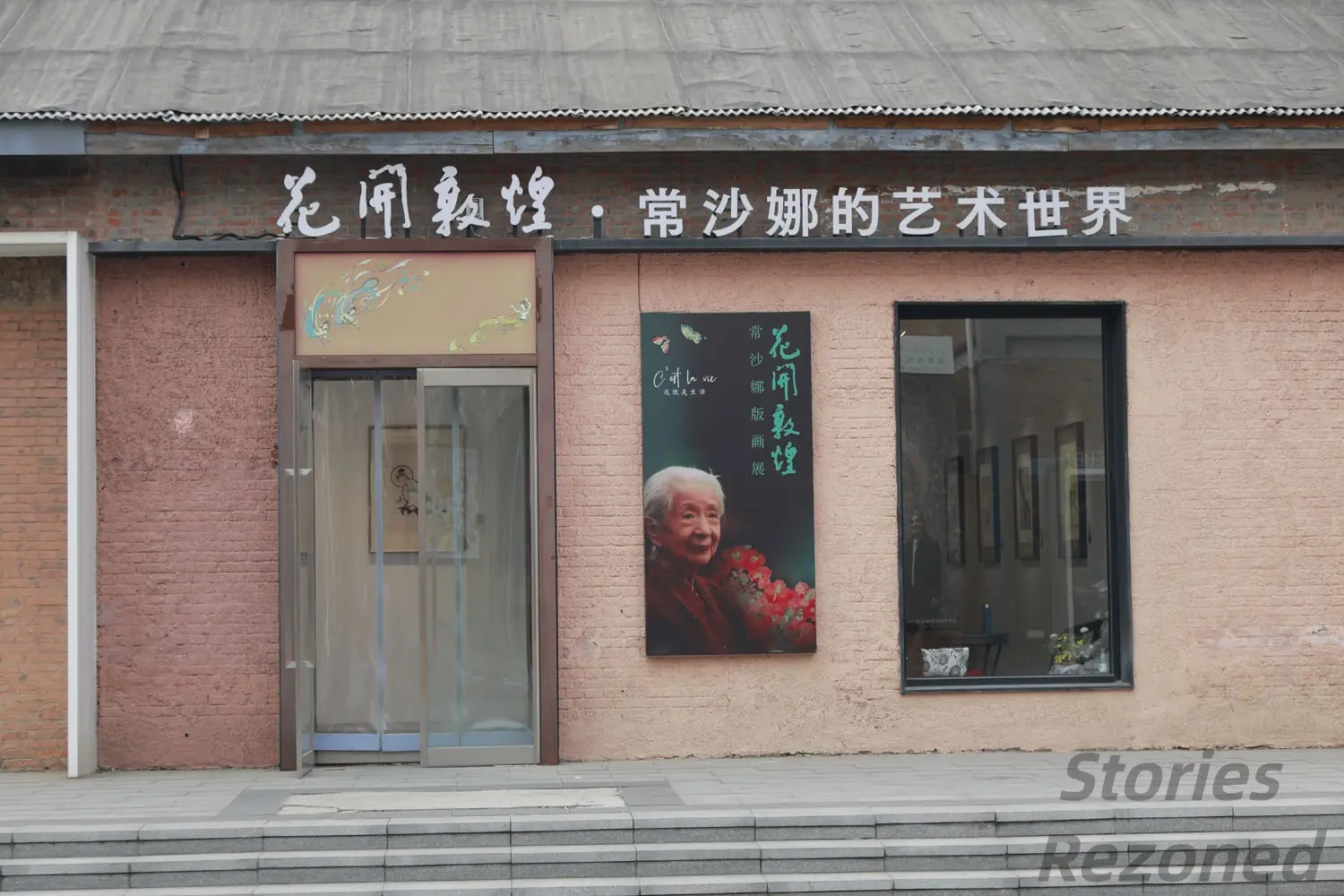
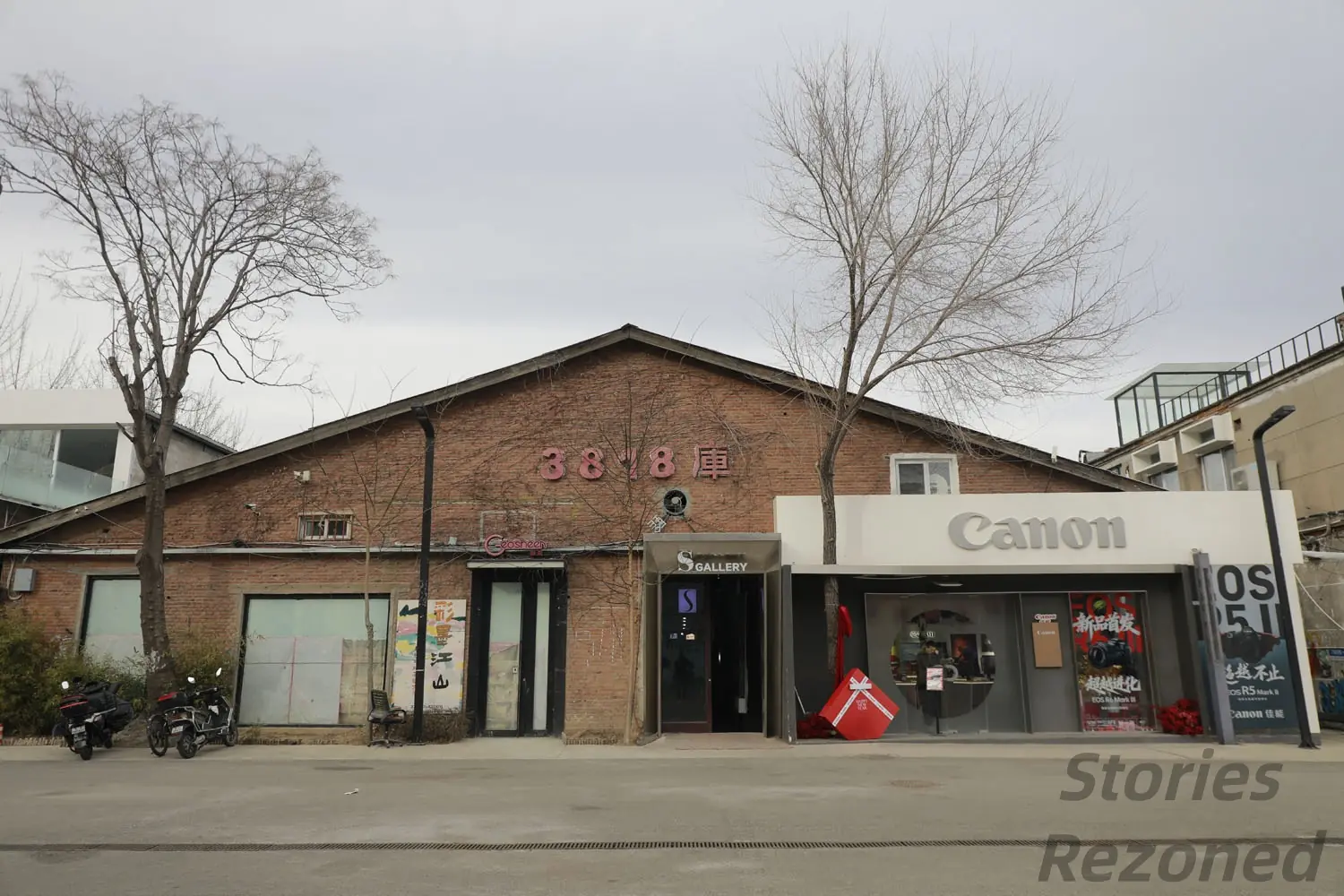
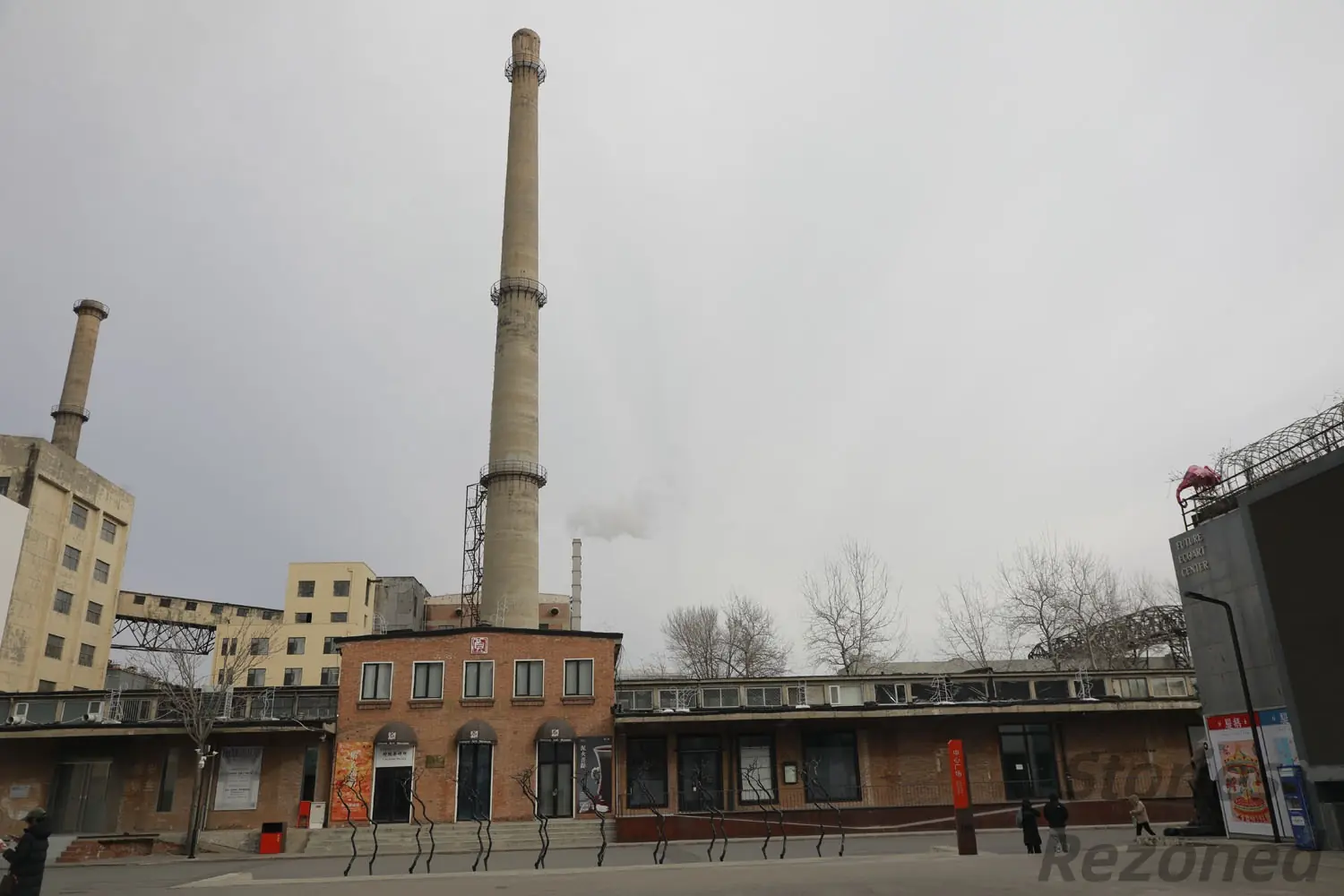
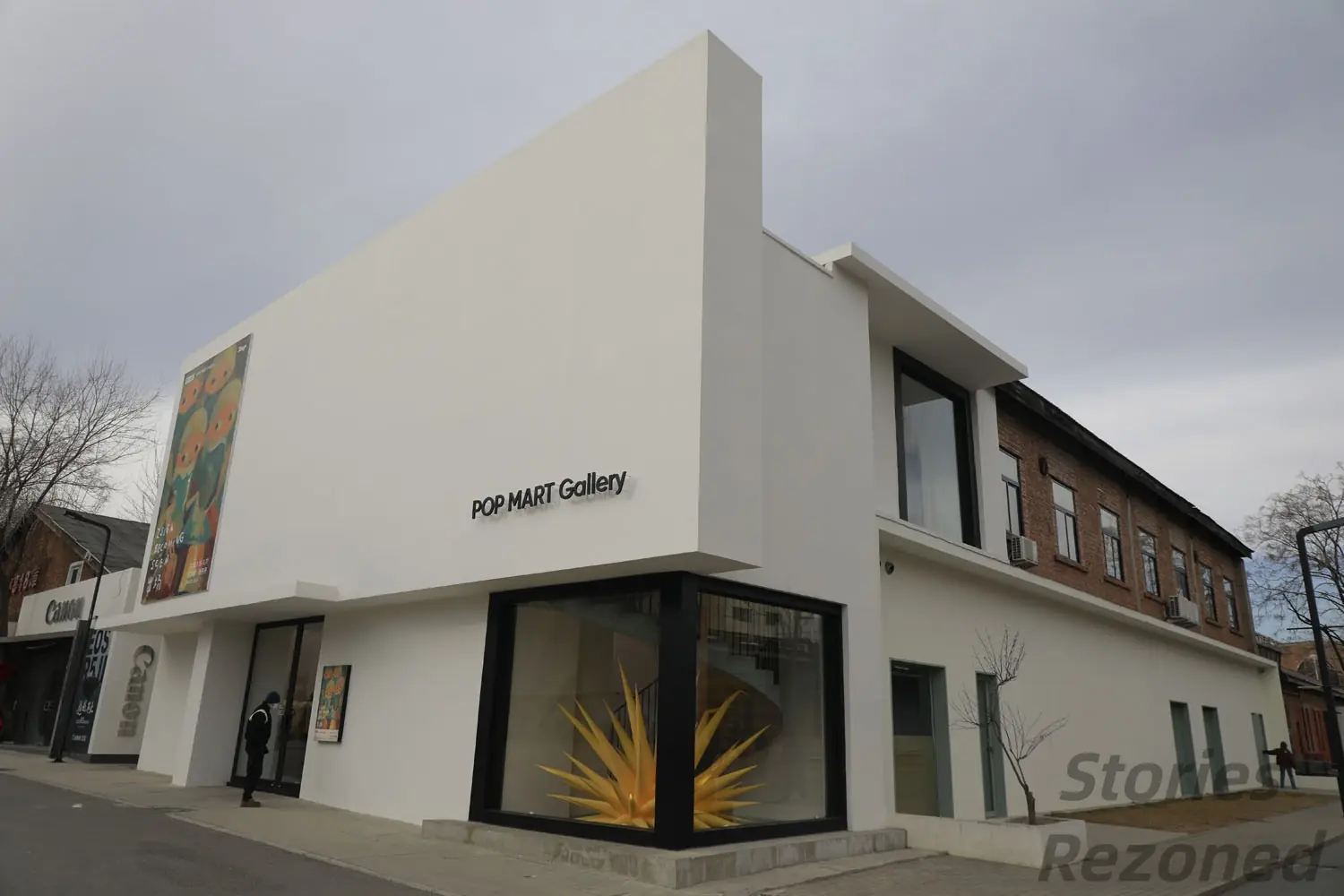
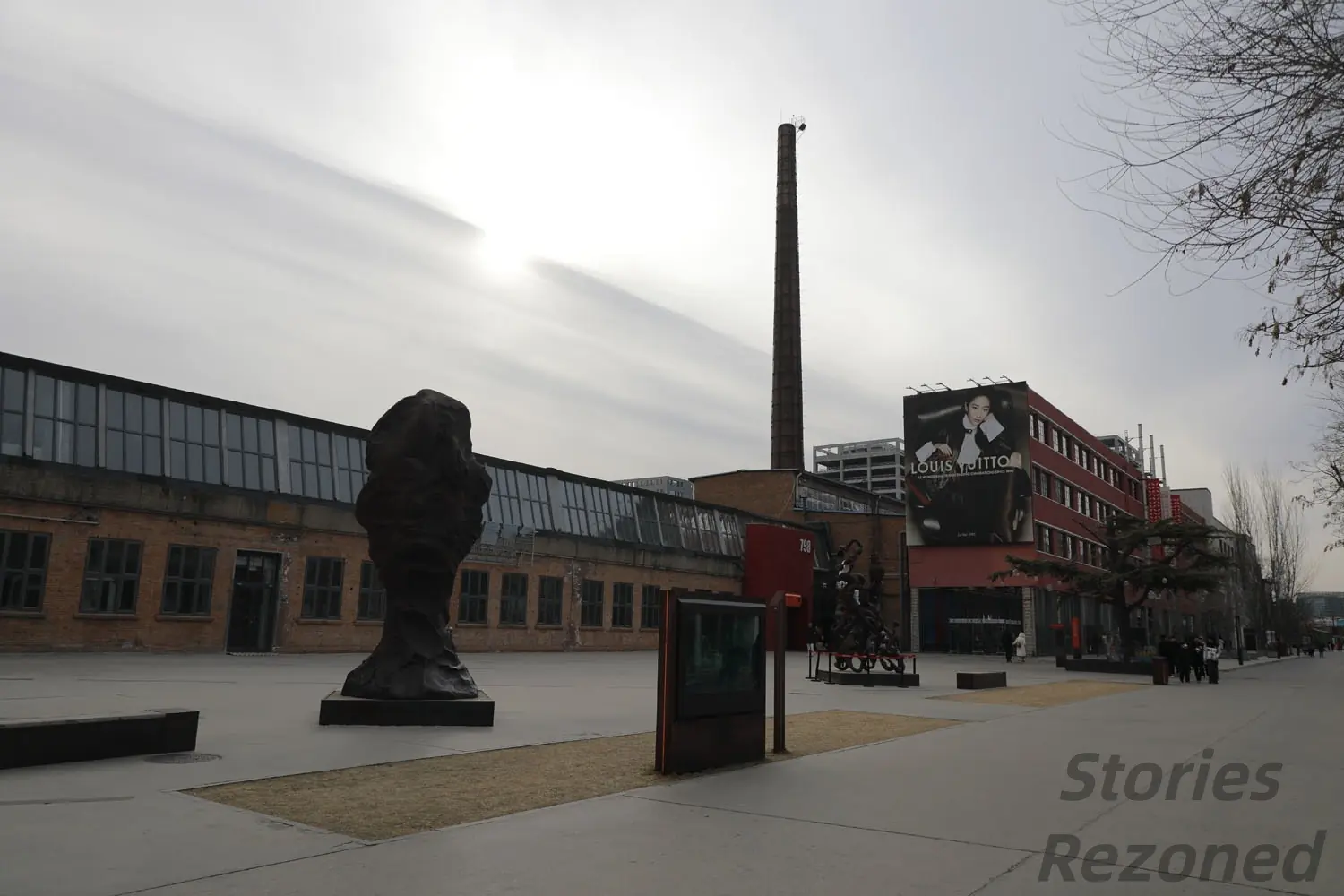
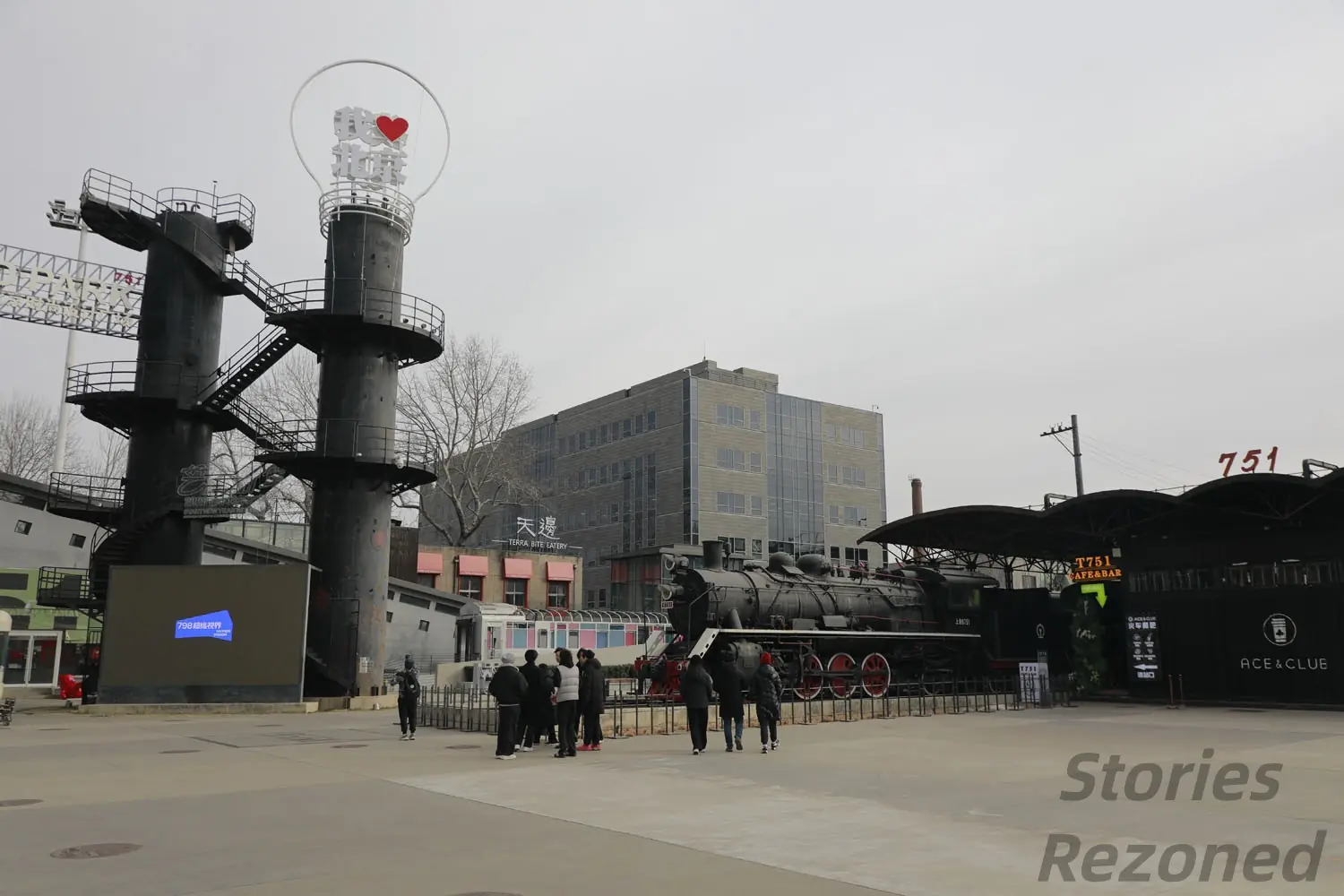
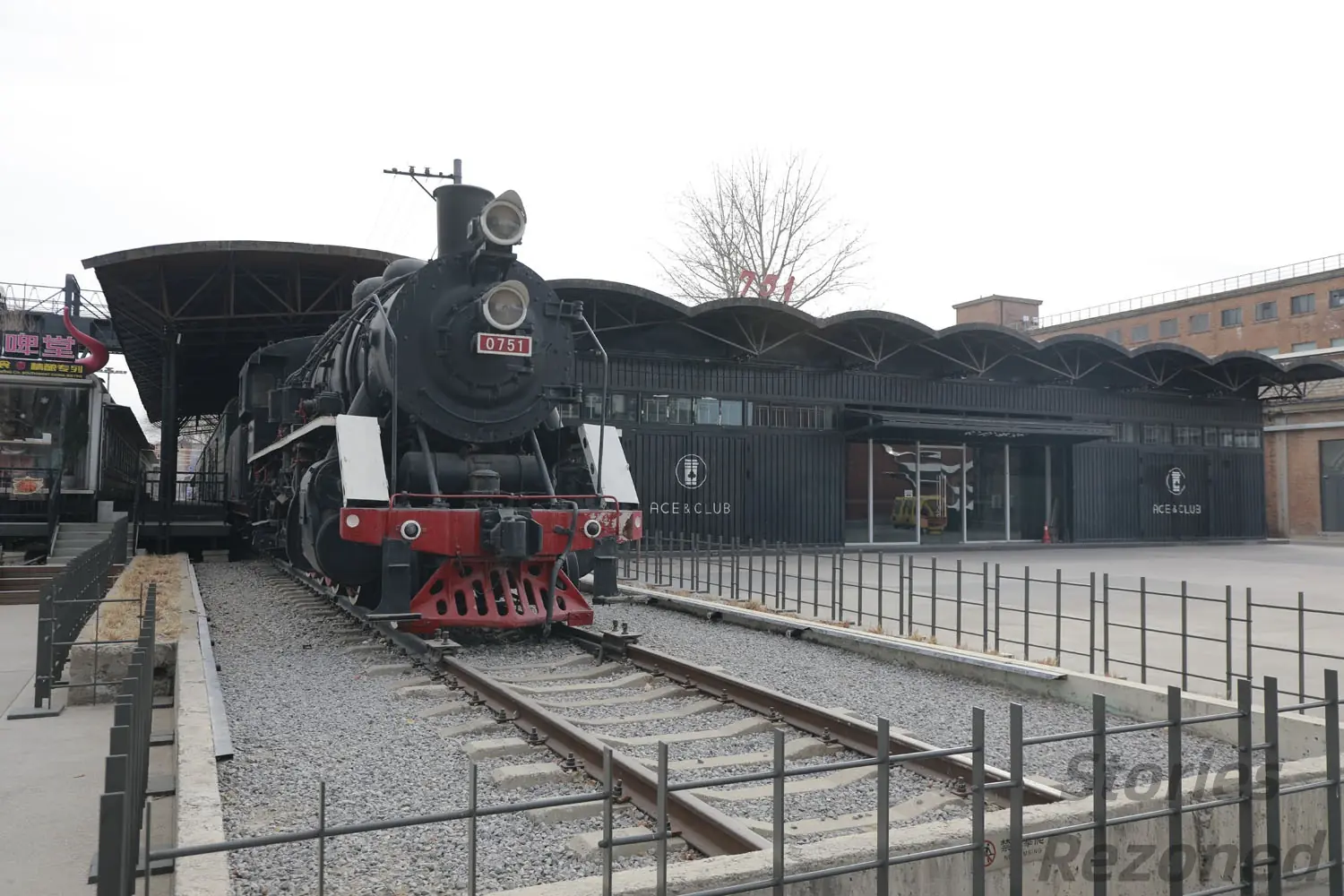
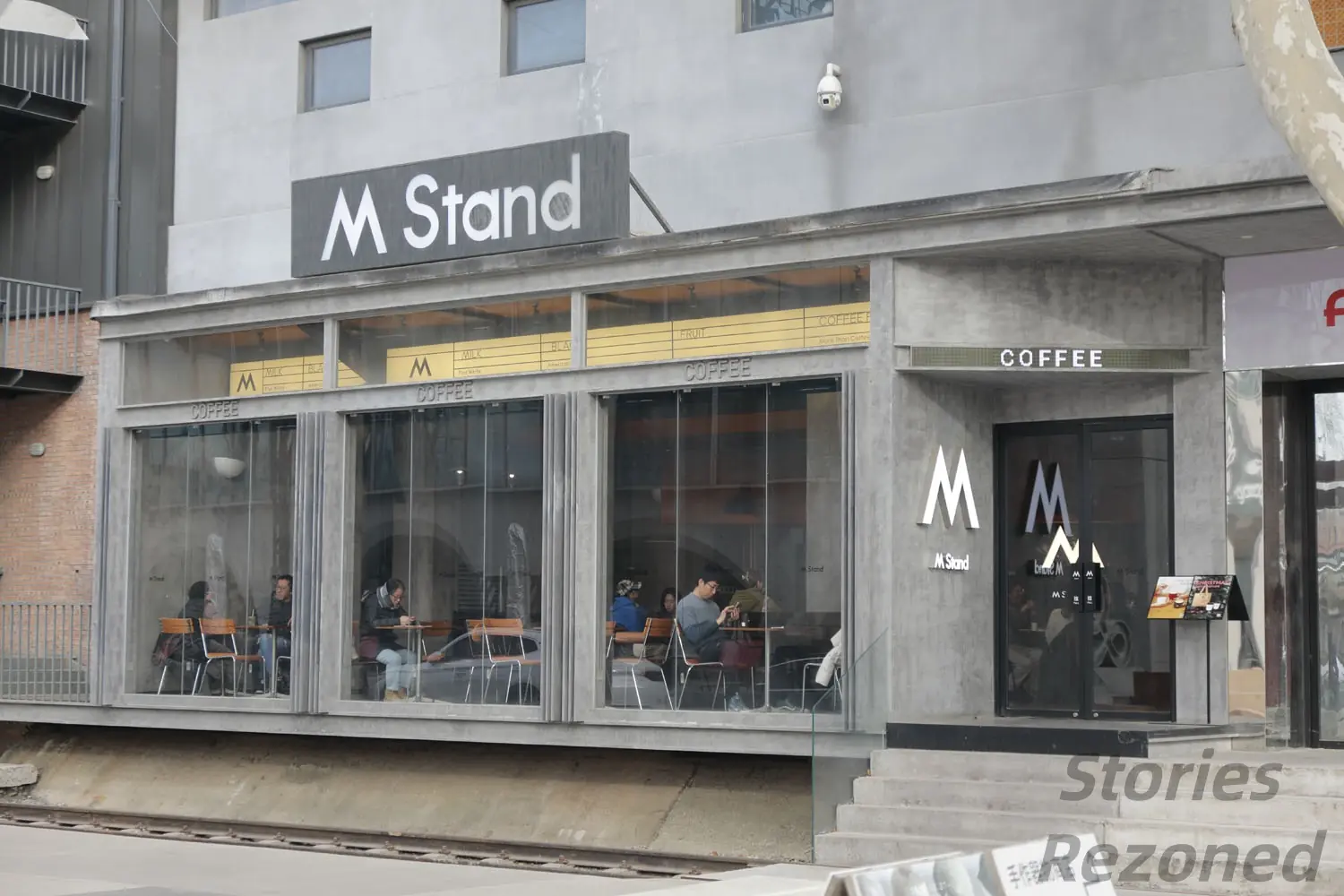
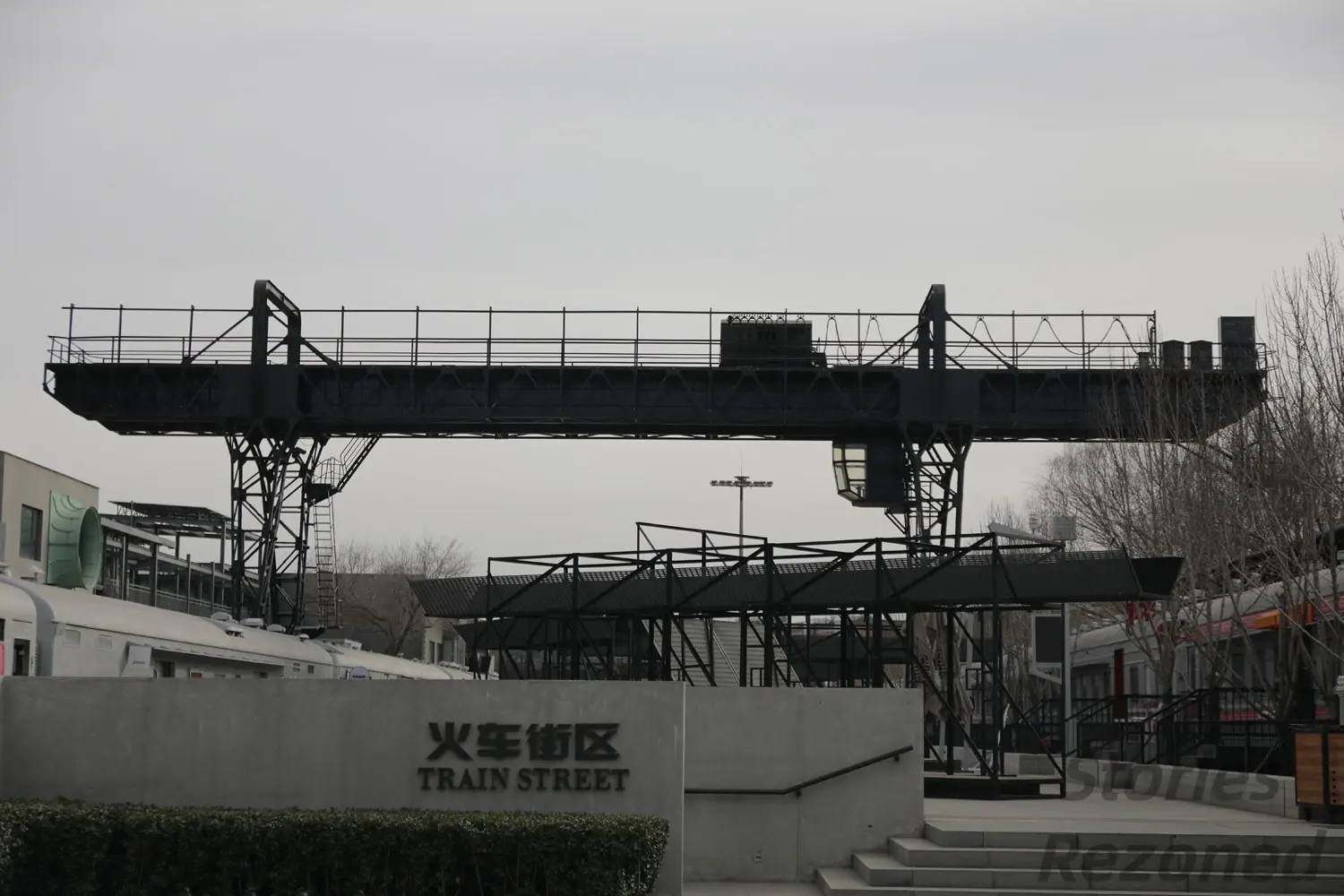
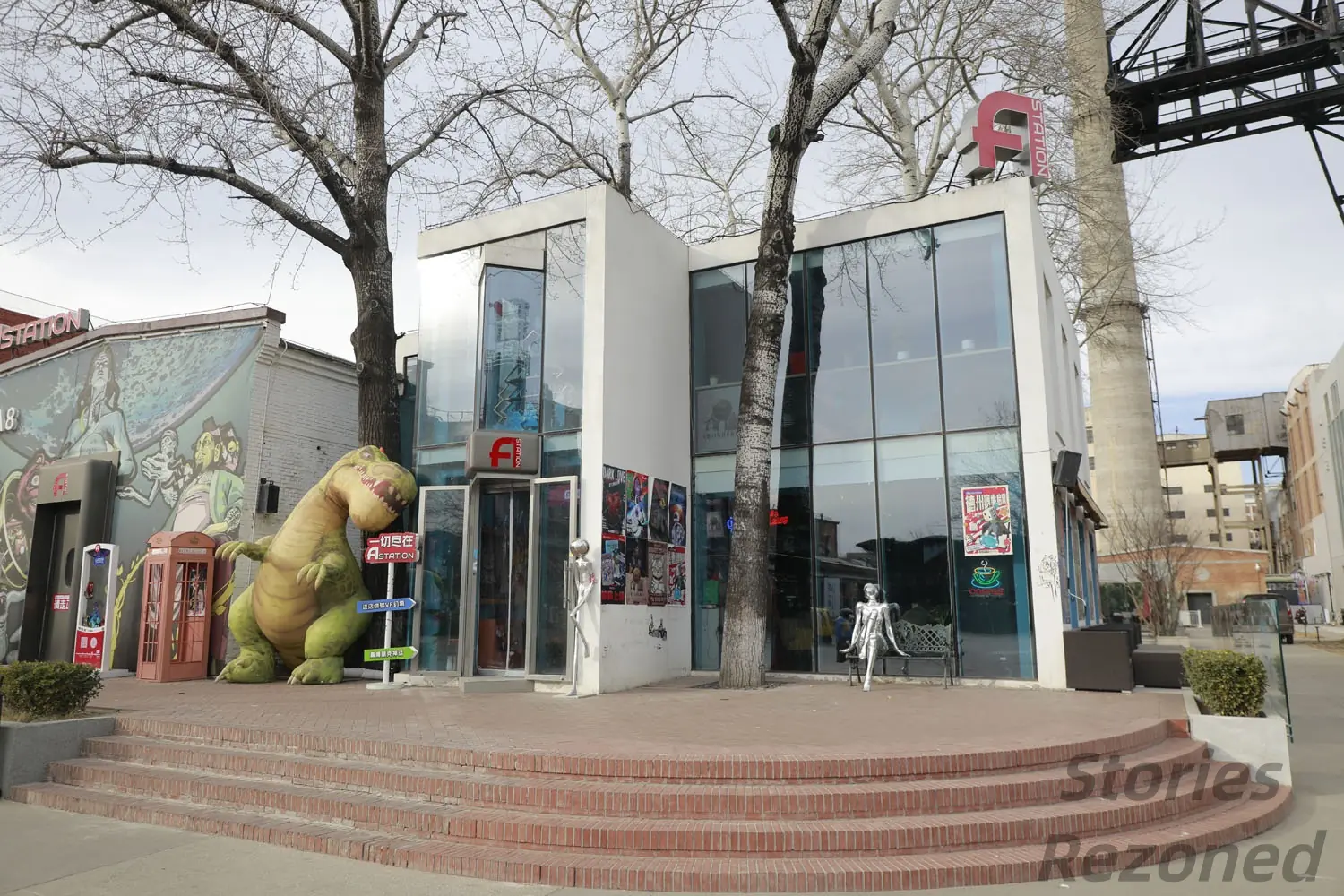
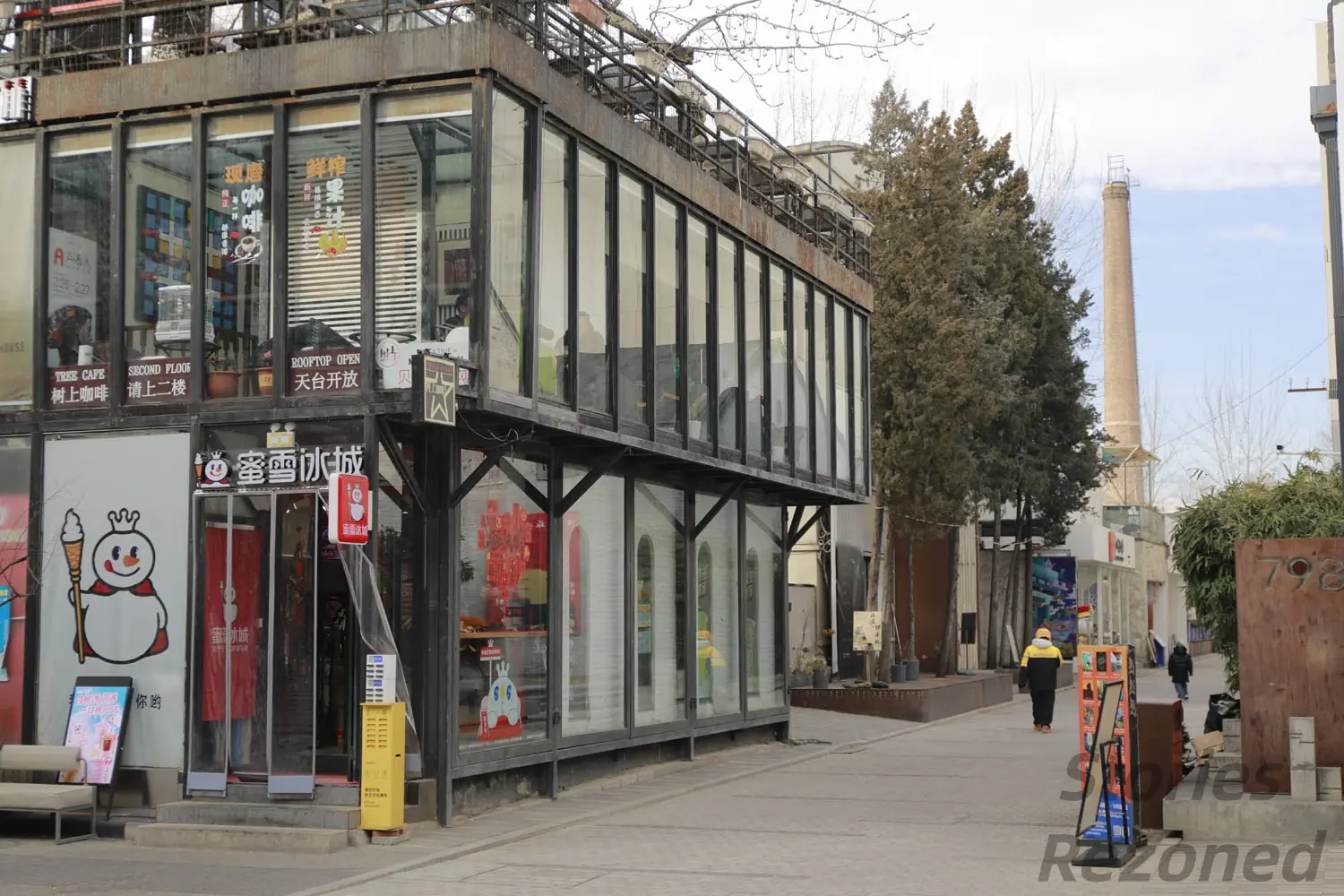
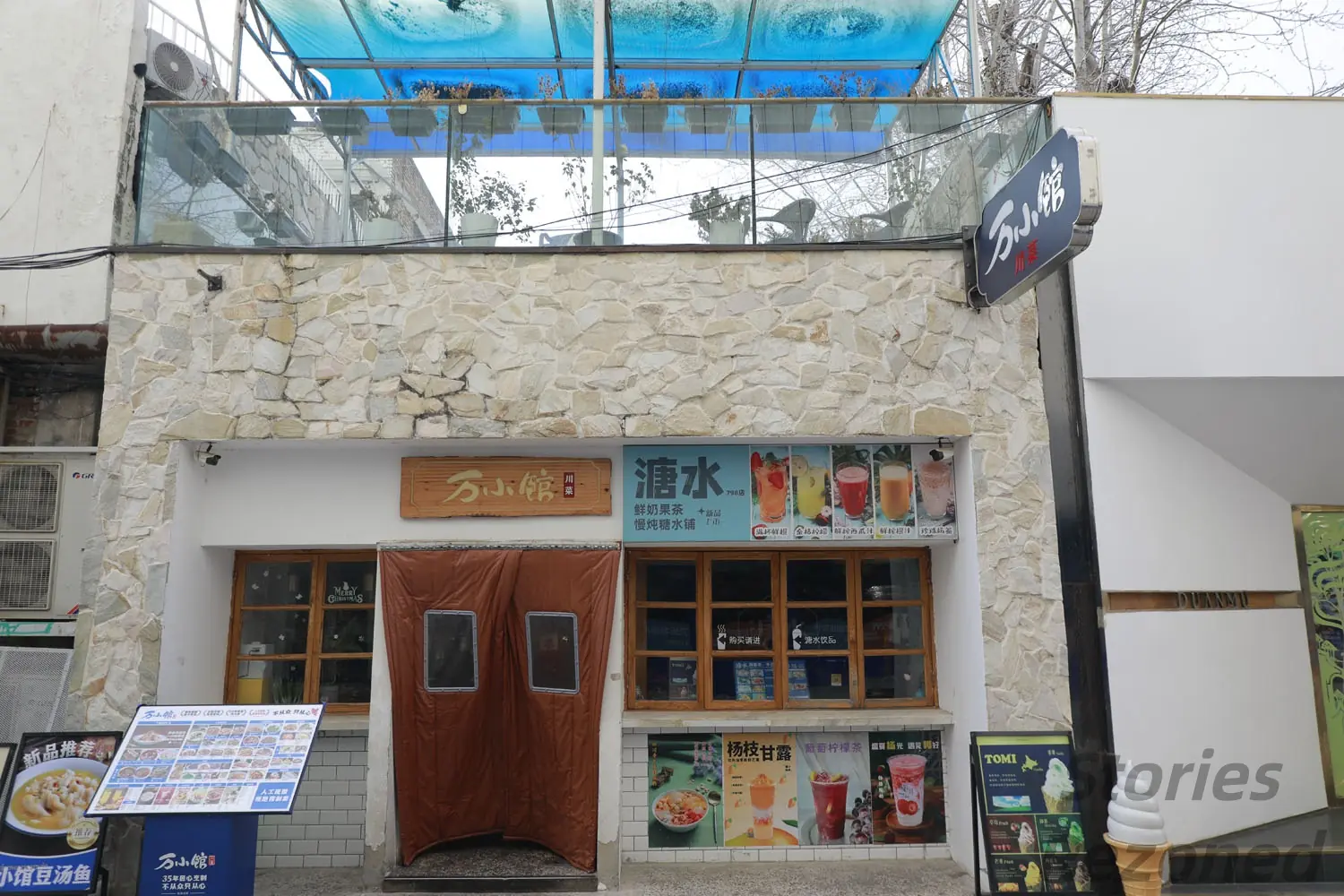
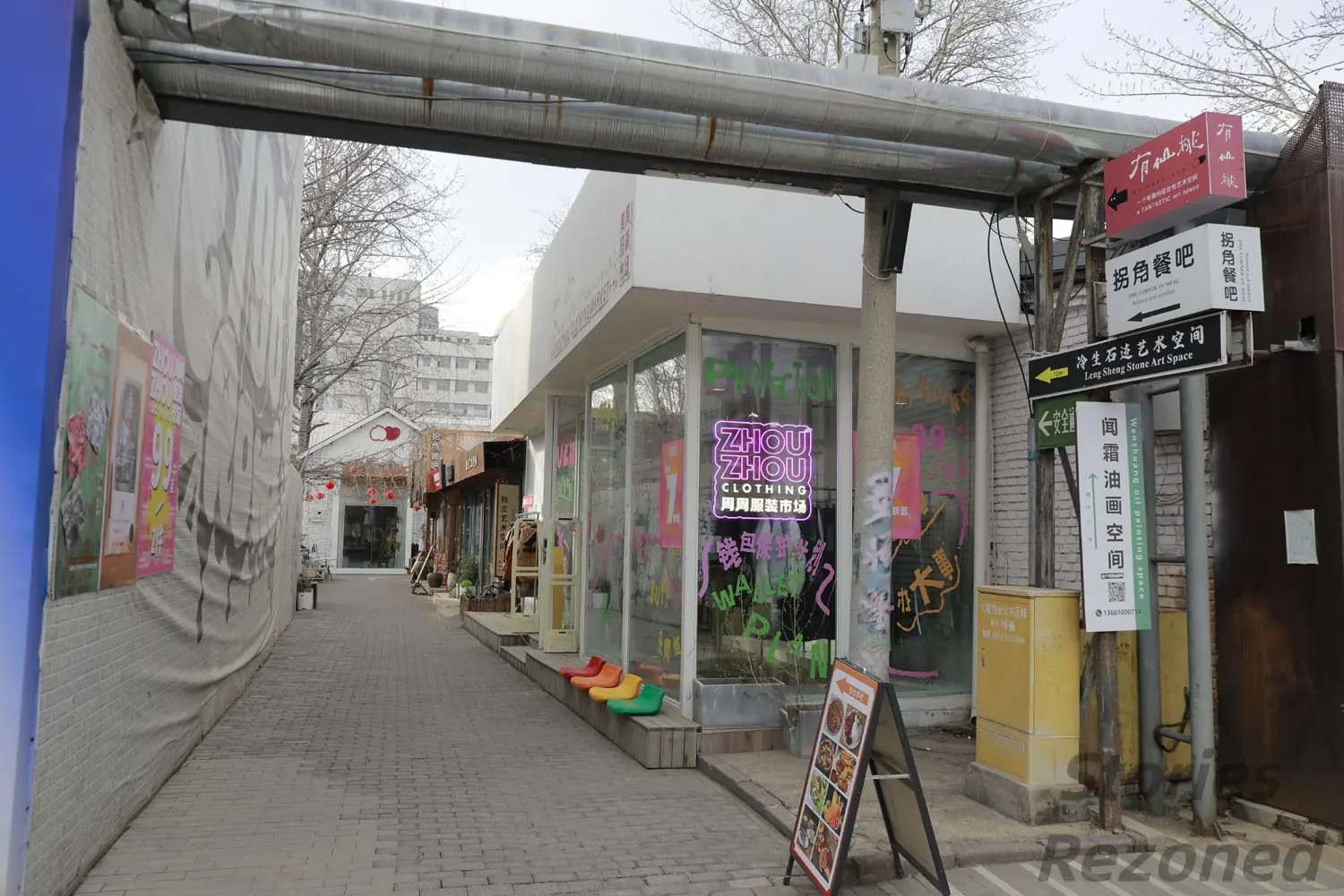
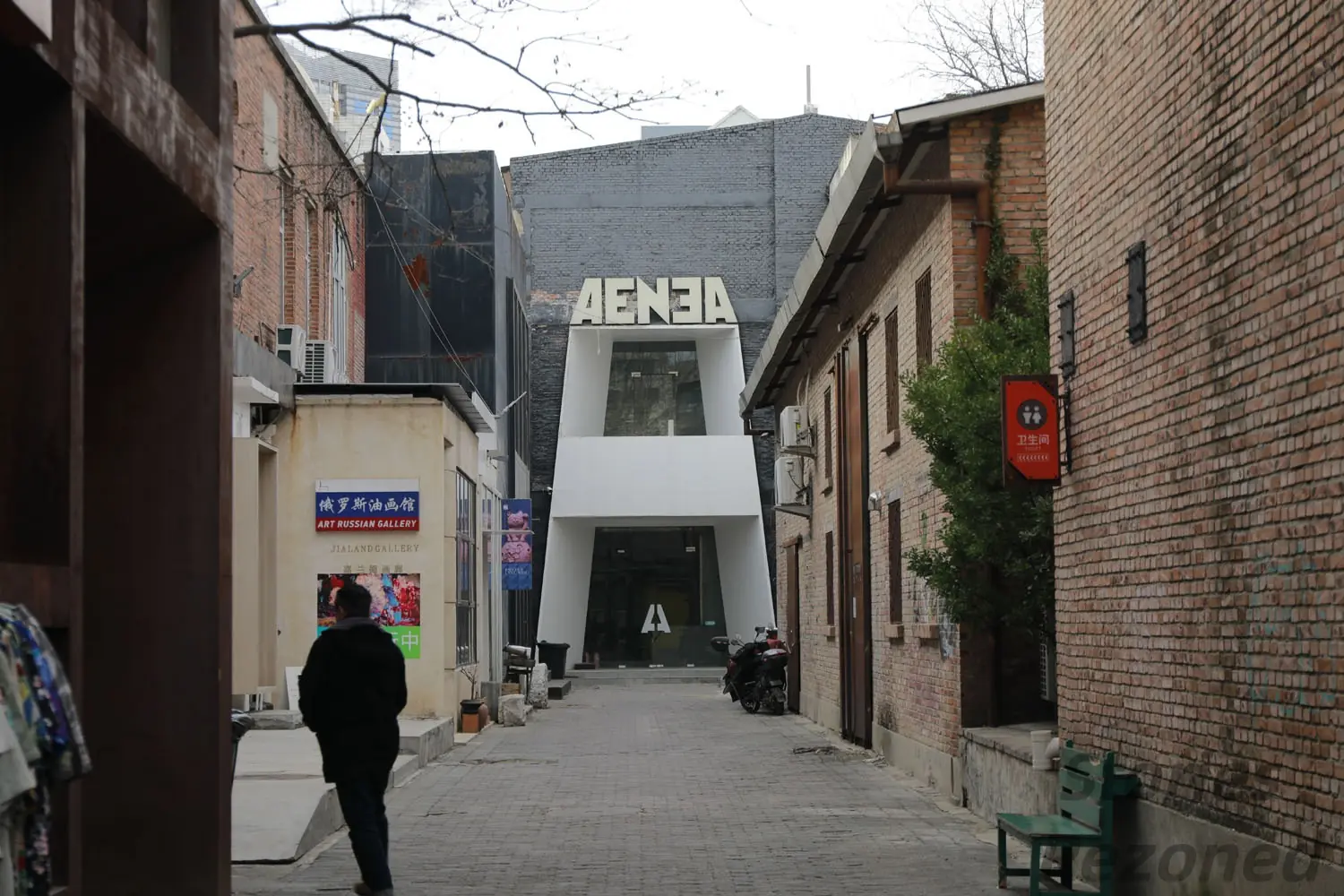
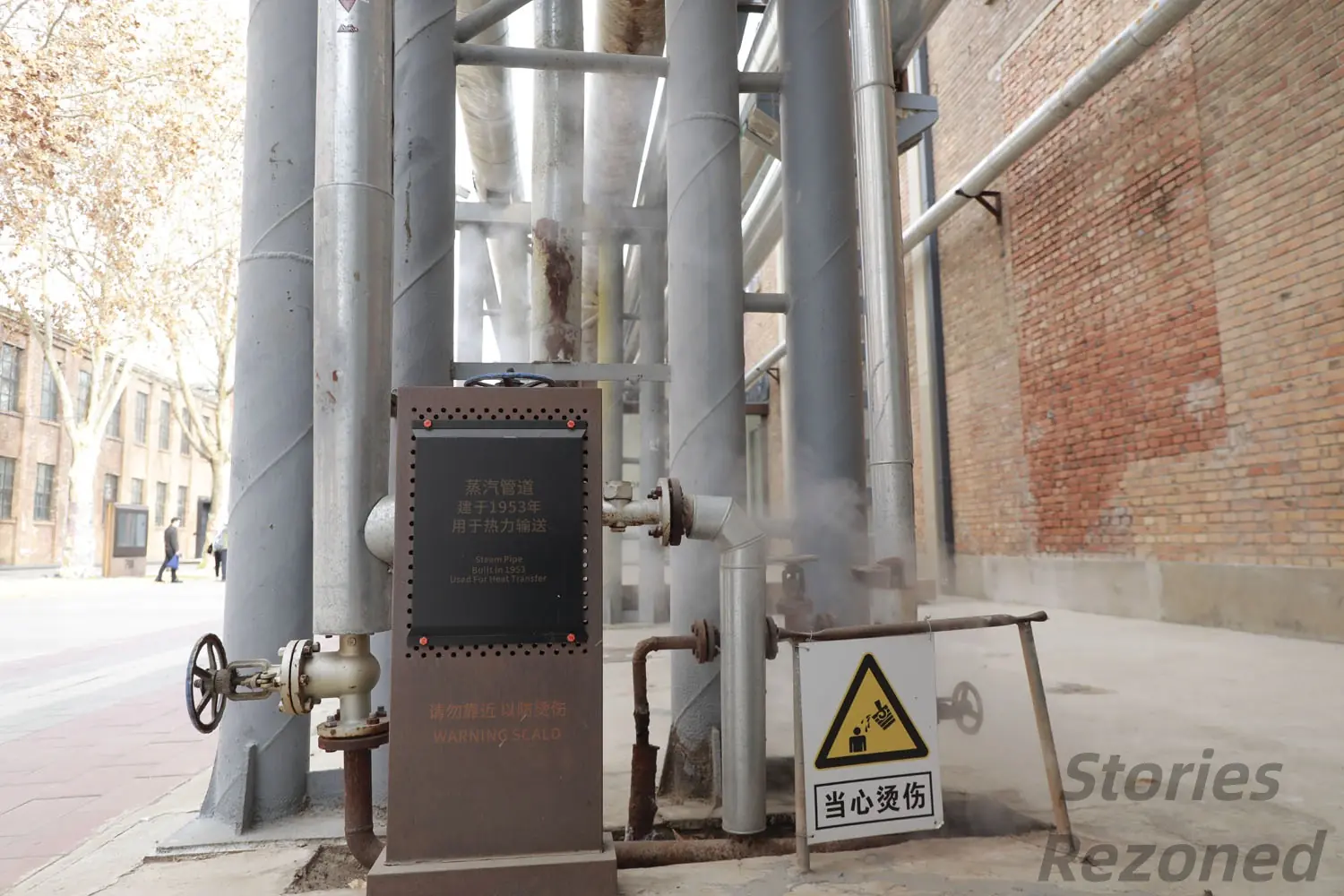
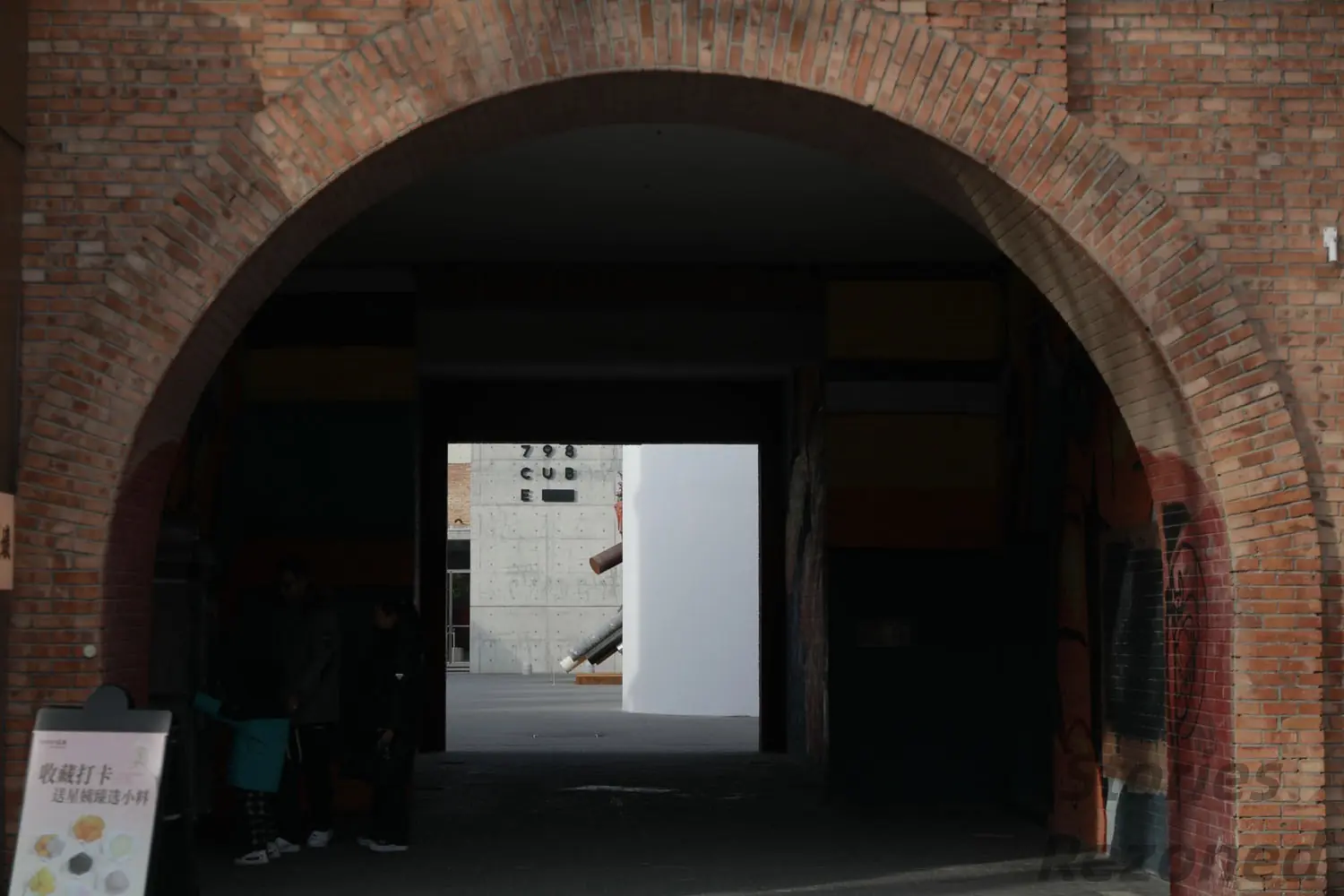
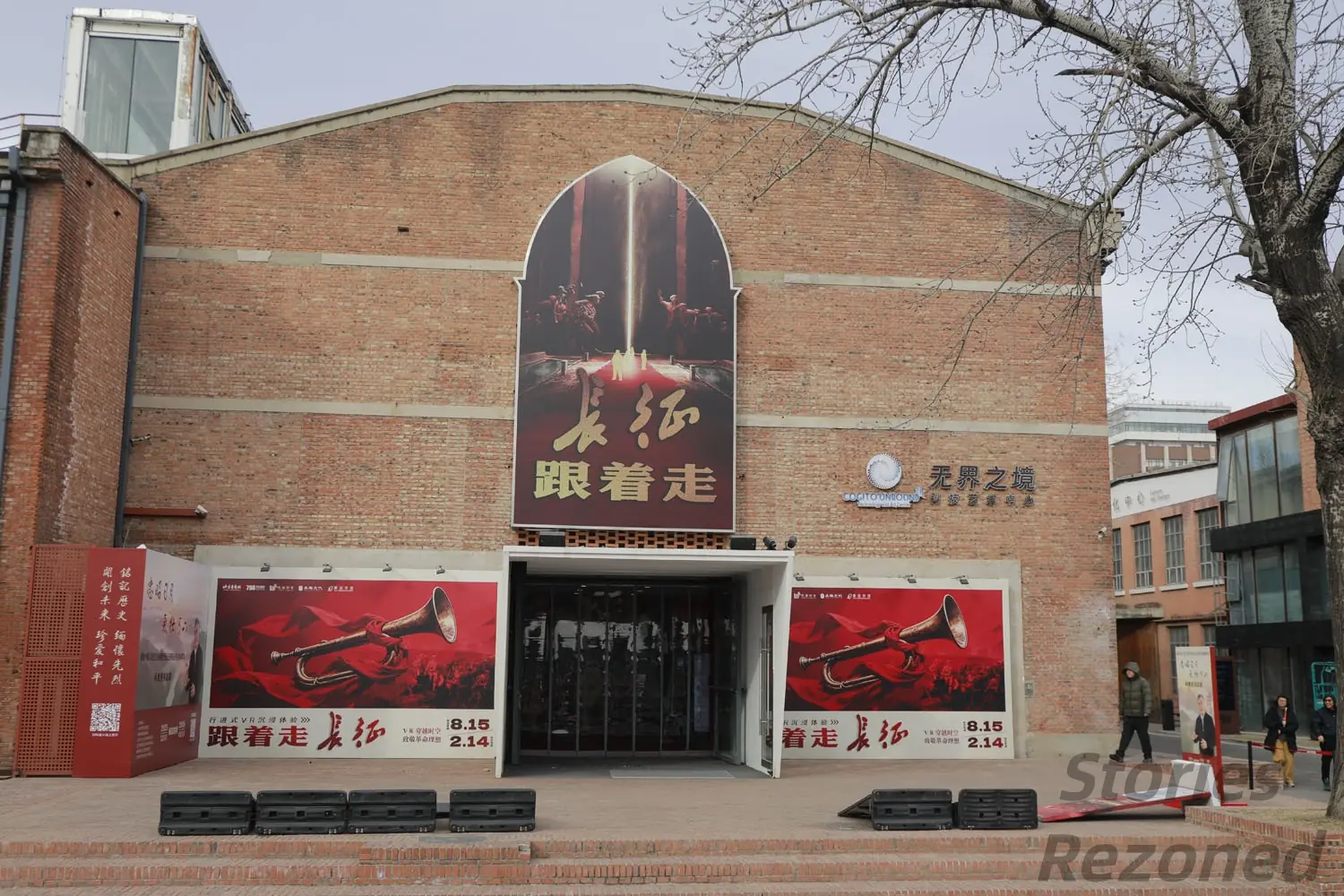
Since 2001, artists and organizations have been attracted to the area because of low rents, large areas and Bauhaus architectural style, which have led to the transformation from a former industrial complex to an arts district. The architecture, defined by textured bricks and saw-tooth roof surfaces, as well as industrial slogans and equipment, were preserved using minimal alteration. The interior spaces of the factory were altered for use as galleries, studios, and retail areas to create a combination of industrial exterior and artistic interior spaces. Former military production was changed to contemporary art, design, culture, dining, and retail. There are currently over 500 domestic and international art institutions located in this area, and there are over 3,000 resident artists and approximately 2,000 annual events. Factory streets and industrial relics were preserved, and public art and leisure areas were also created to form an open art district that combines the historic industrial area with modern artistic life.
Timeline and Major Milestones of the Revitalization of 798
Spontaneous Start (2001-2003):
Professor Sui Jianguo of the Central Academy of Fine Arts rented a 3000㎡(about 32,300 sq ft) workshop and started this trend of artist occupation in 2001. Time magazine named 798 as one of the “22 Most Cultural Iconic Urban Art Centers in the World,” in 2003.
Preservation and Regulation (2004-2007):
In 2004, a proposal was made for the preservation of the heritage site; in 2006, 798 became one of the first cultural and creative industry clusters in Beijing; in 2007, its Bauhaus buildings were named as “Beijing Excellent Modern Architecture,” thereby preventing them from being demolished.
Full Maturity and Upgrade (2008-present):
During the 2008 Olympics, it became an international cultural showcase. Since the post-2020 upgrade, the area has developed additional pedestrian zones, public areas, and integrated art, fashion and leisure activities to attract over 5 million visitors each year.
Historical and Modern Significance
Beijing 798 fully preserves the Bauhaus architecture and industrial history of China’s first electronics base, another example of successfully preserving industrial heritage in urban areas, showing how old factories can be transformed into new, creative uses. As a cultural icon in Beijing and a physical site for the global exchange of art, it promotes local creative industries, provides employment opportunities for aspiring artists, and helps shape China’s contemporary art image globally.
Image References
All images not separately credited below filmed at location by Stories Rezoned team
- Feng, Wengang. Bauhaus-style Sawtooth Roof Workshop of 718 Joint Factory (Former Site of 798 Art Zone). 1957. Beijing Daily Historical Photo Collection, 26 Nov. 2020, https://news.bjd.com.cn/read/2020/11/26/26803t172.html.
- Hu, Dunzhi. Workers Assembling High-power Capacitors in Workshop 3 of 798 Factory. 1975. Beijing Daily Historical Photo Collection, 26 Nov. 2020, https://news.bjd.com.cn/read/2020/11/26/26803t172.html.
- Feng, Wengang. Technicians Debugging East German-imported Precision Electronic Equipment in 718 Joint Factory. 1957. Beijing Daily Historical Photo Collection, 26 Nov. 2020, https://news.bjd.com.cn/read/2020/11/26/26803t172.html.
- Zhu, Yan. Dilapidated Factory Wall with Slogans at 798 Factory. Late 1990s. 798 Photo Album, 15 Mar. 2019, https://m.thepaper.cn/newsDetail_forward_7071170.
References
- 798 Art Zone Official Site. “About 798 Art Zone.” 5 Feb. 2025, www.bj798yishuqu.com.cn.
- Beijing Daily. “Electronic Cradle | 798 Art Zone: Industrial Soul Meets Art.” 4 May 2024, xinwen.bjd.com.cn/content/s6816a163e4b0380e186bb67e.html.
- China News Service. “The Story of Time: The Prequel of Beijing 798 Art Zone.” 30 Aug. 2024, www.chinanews.com.cn/cul/2019/08-30/8941999.shtml.
- Douyin Encyclopedia. “798 Art Zone.” 11 Jan. 2025, m.baike.com/wiki/798%E8%89%BA%E6%9C%AF%E5%8C%BA/2343929.