
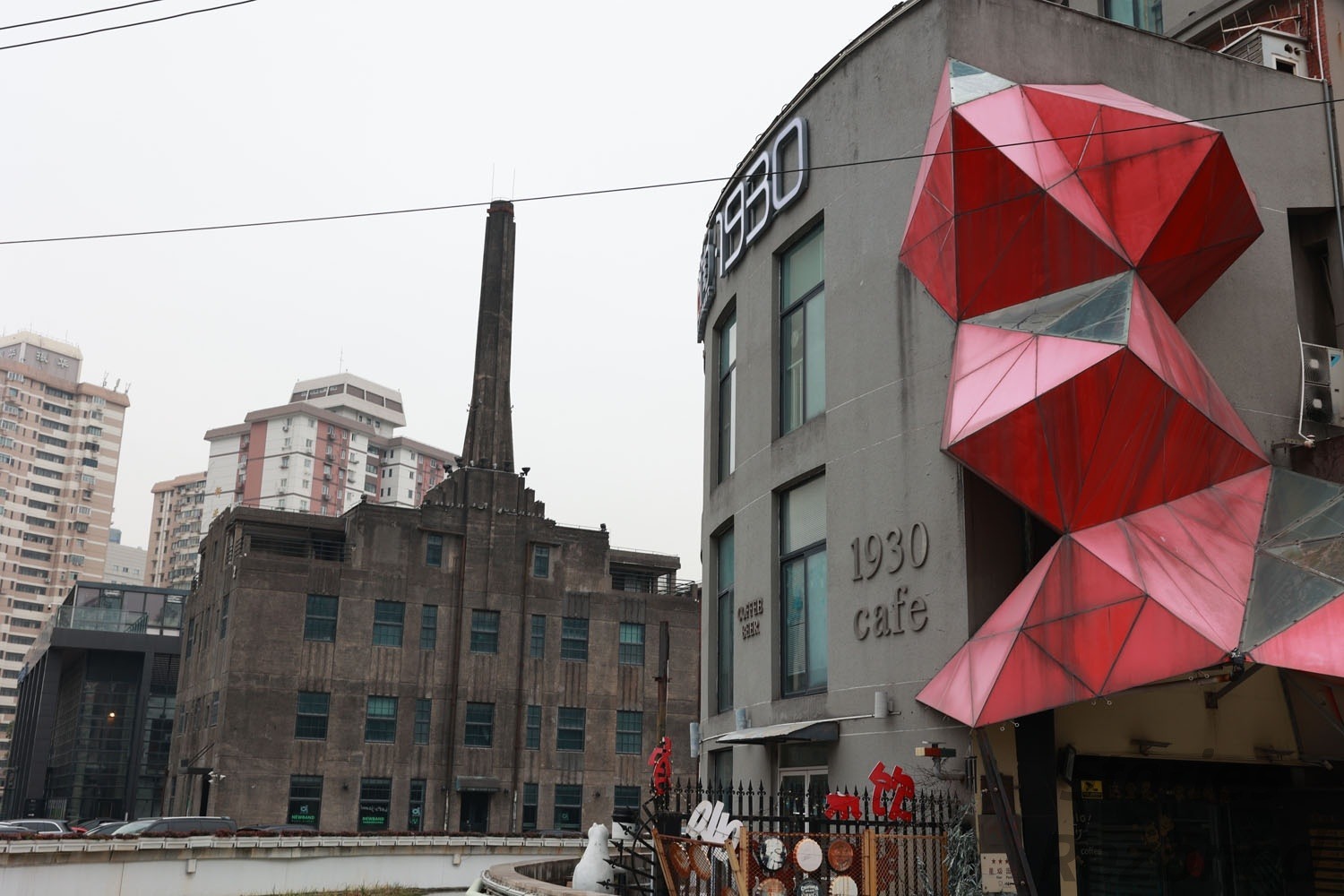
Past: The Largest Abattoir in the Far East and a Powerful Symbol of Industrialization (1931–2006)
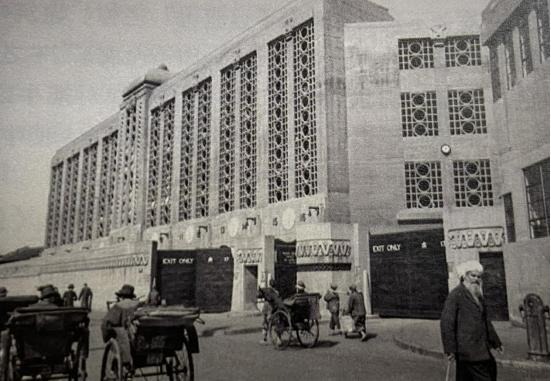
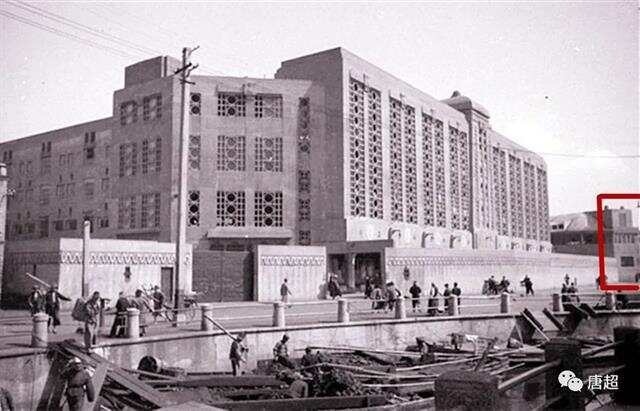
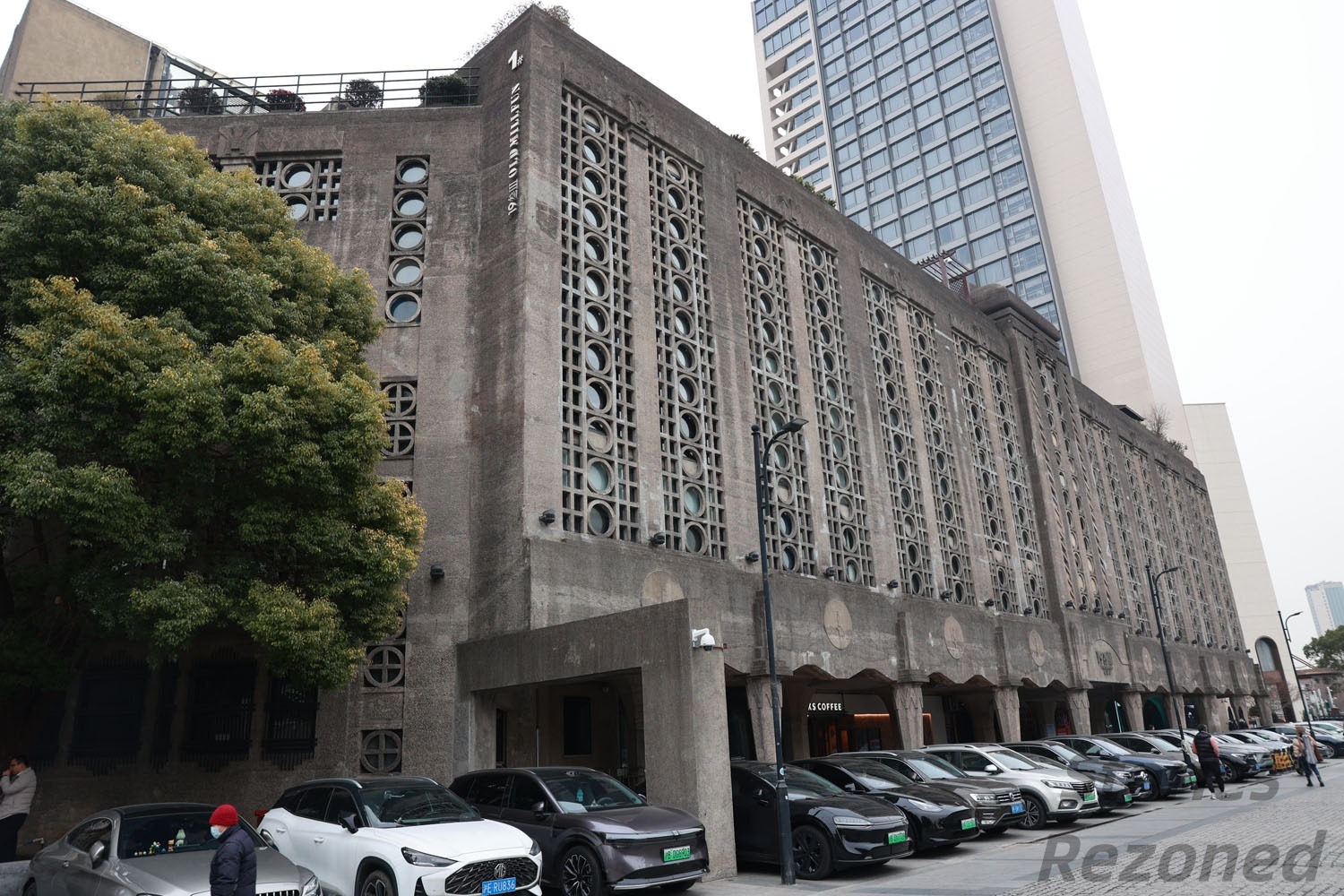
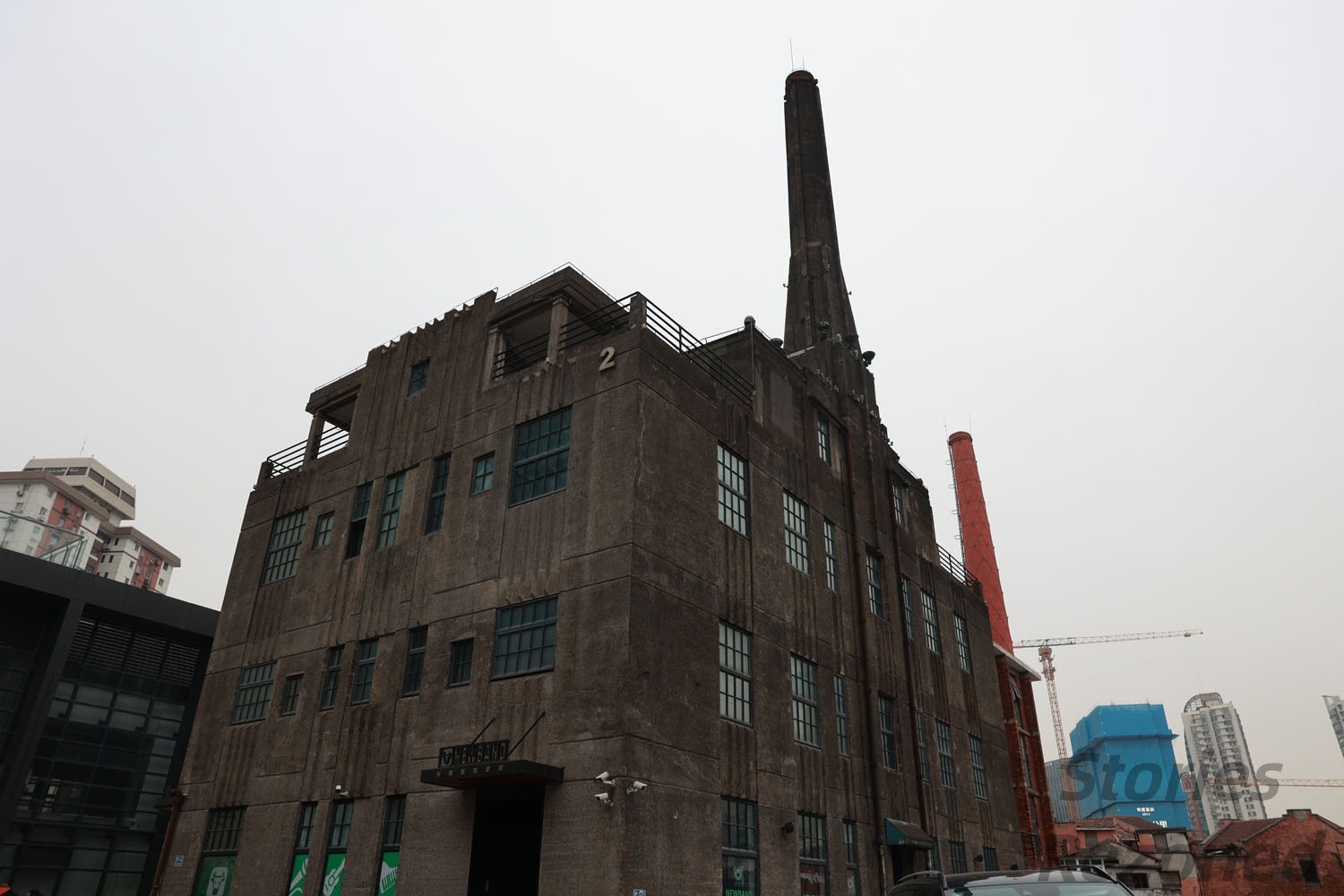
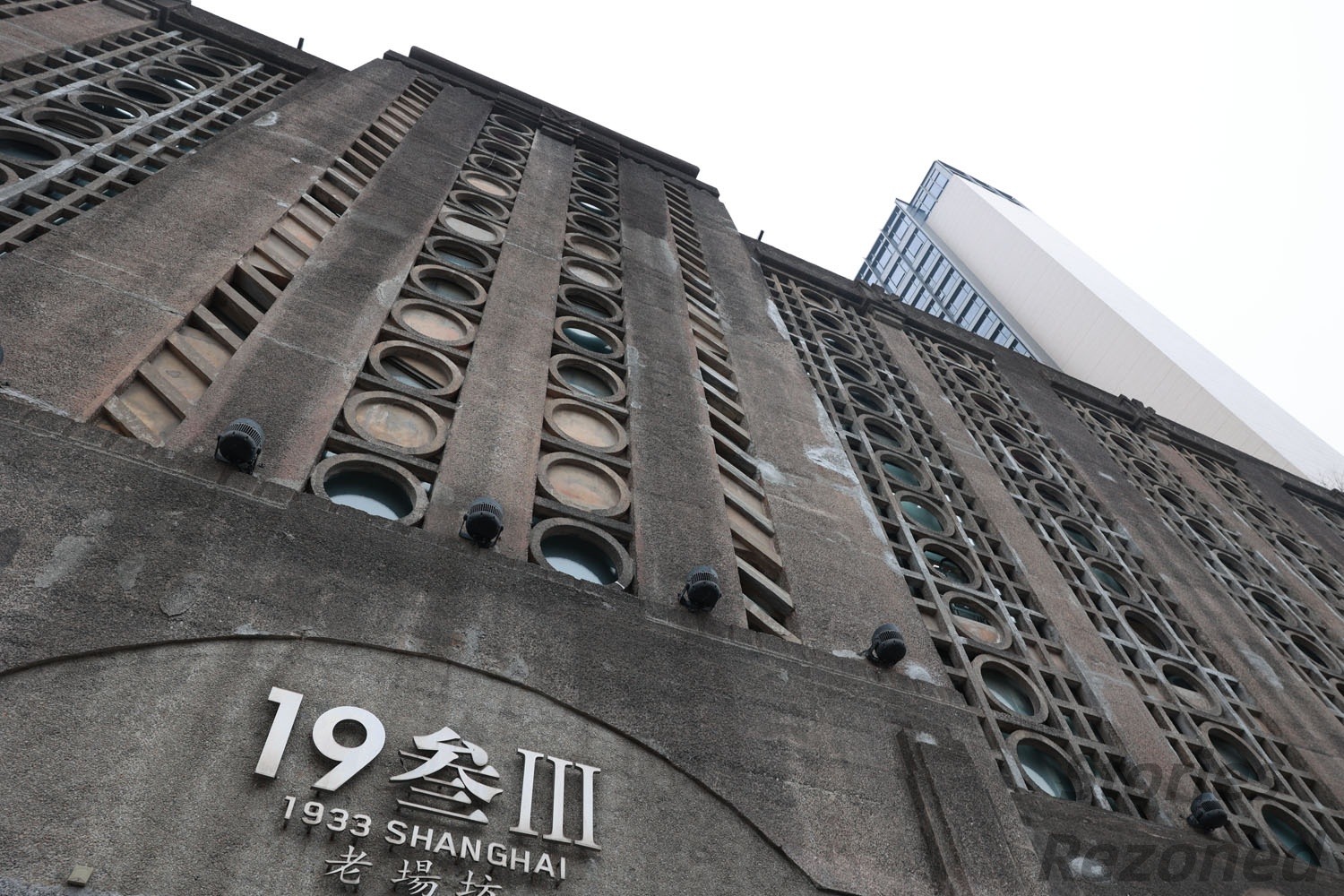
Shanghai 1933 was the largest abattoir in the Far East, a slaughterhouse built in 1933, located in Hongkou District, Shanghai. This project, designed by the British architects Balfours, and built by Shanghai’s famous Yuhongji Construction Factory, was completed in November 1933. The abattoir was then officially opened in 1933 by the Shanghai Municipal Council.
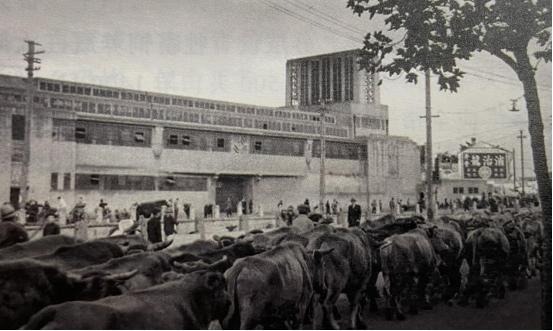
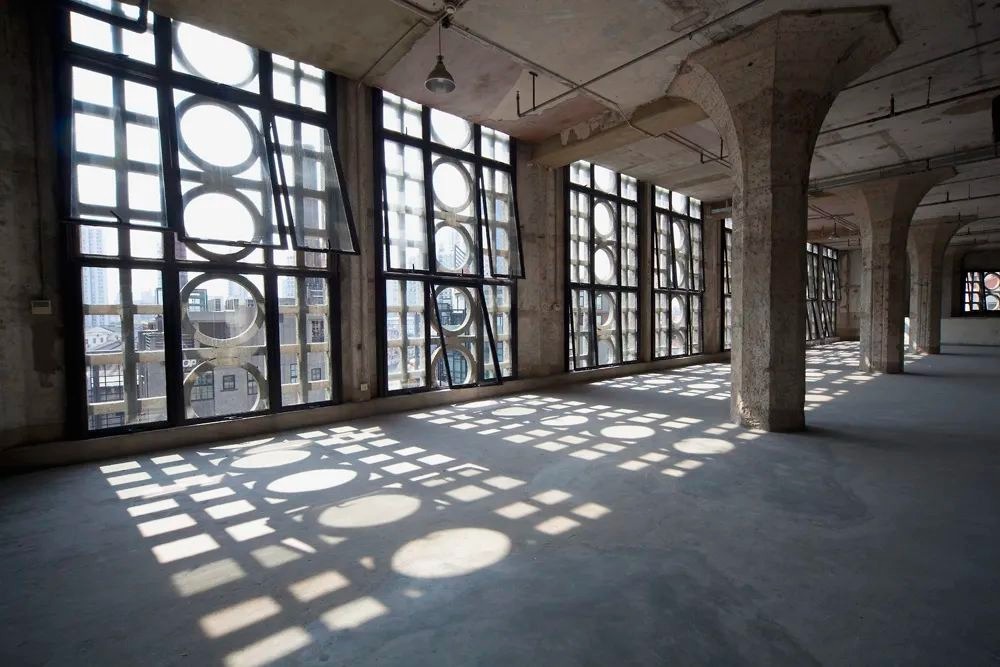
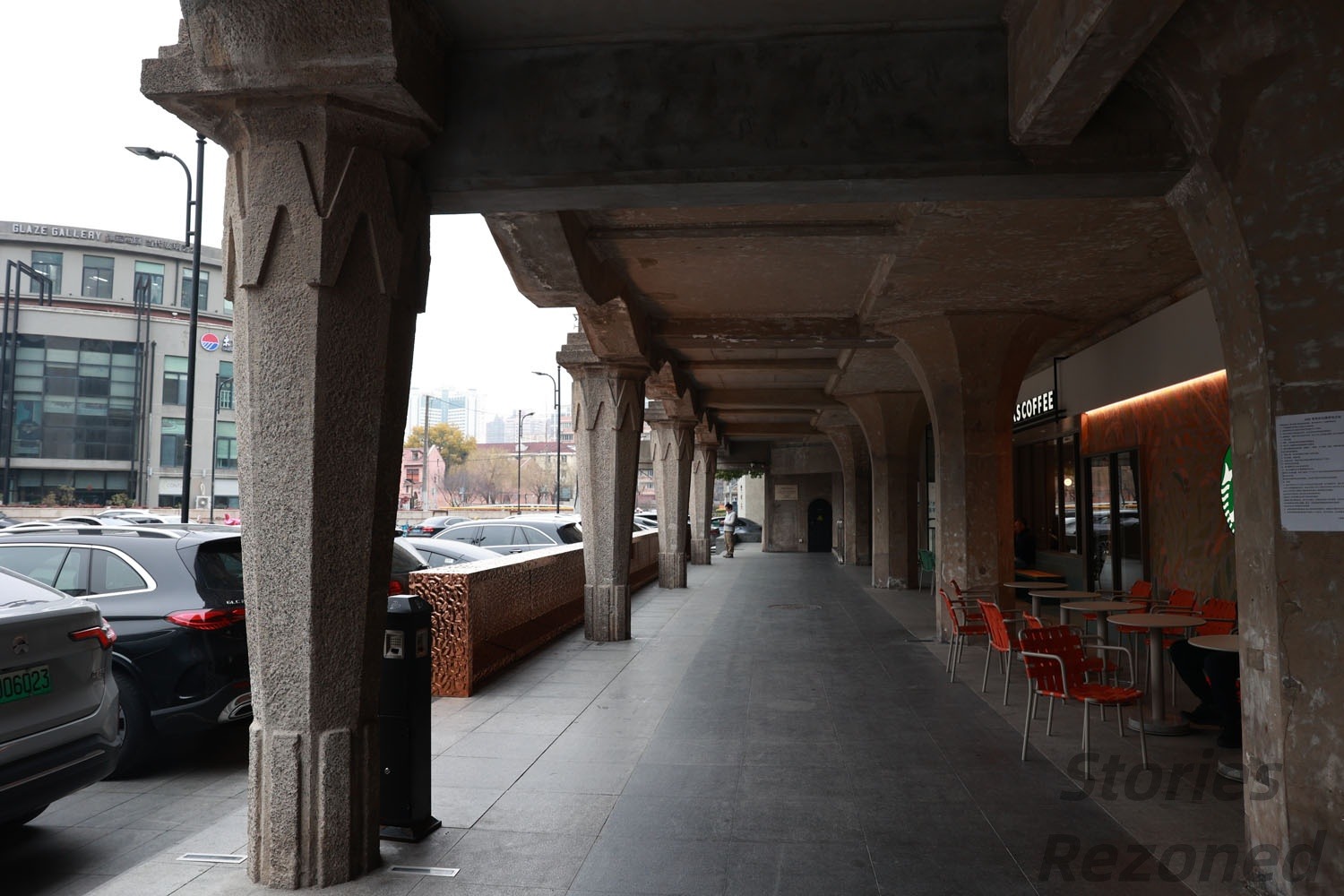
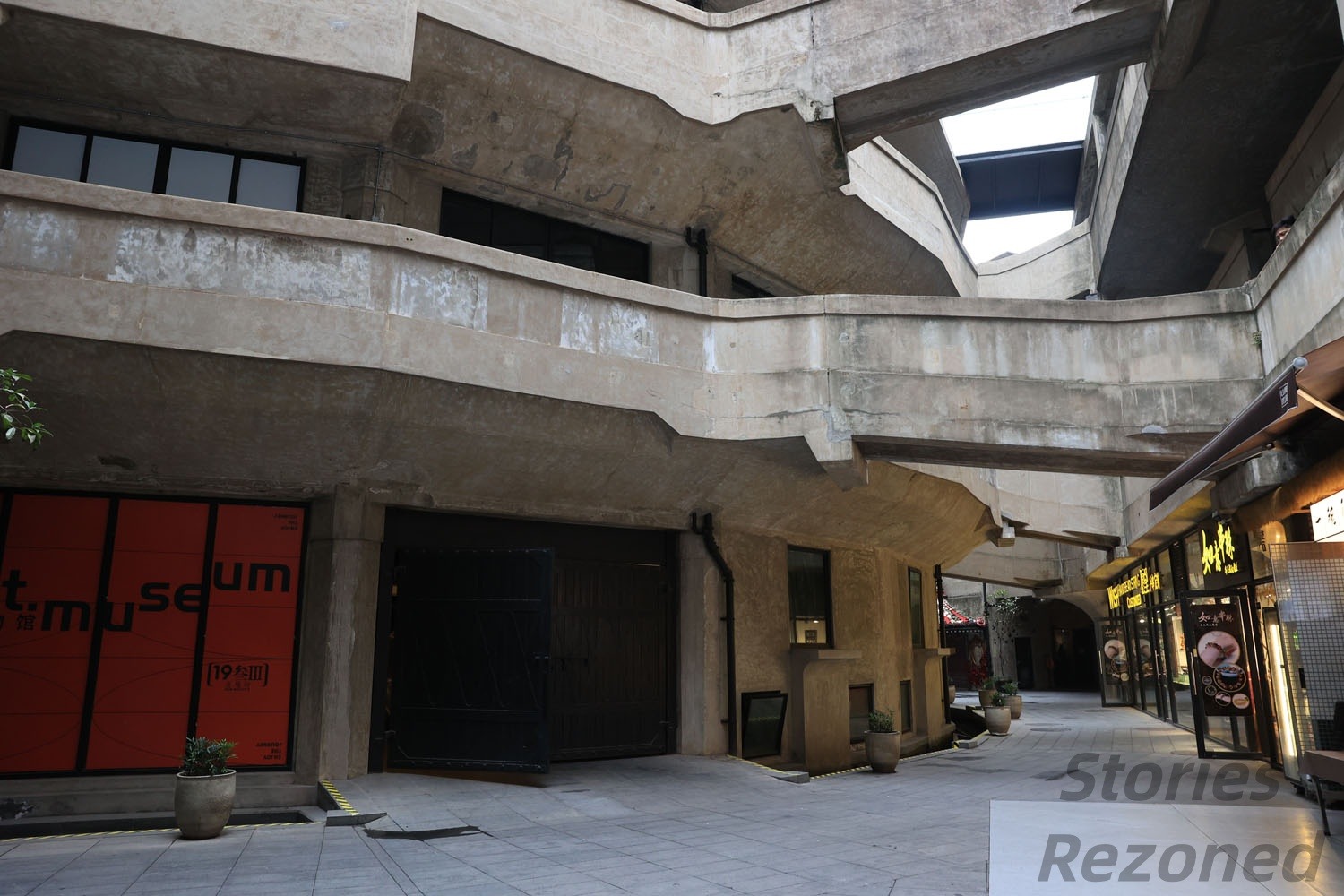
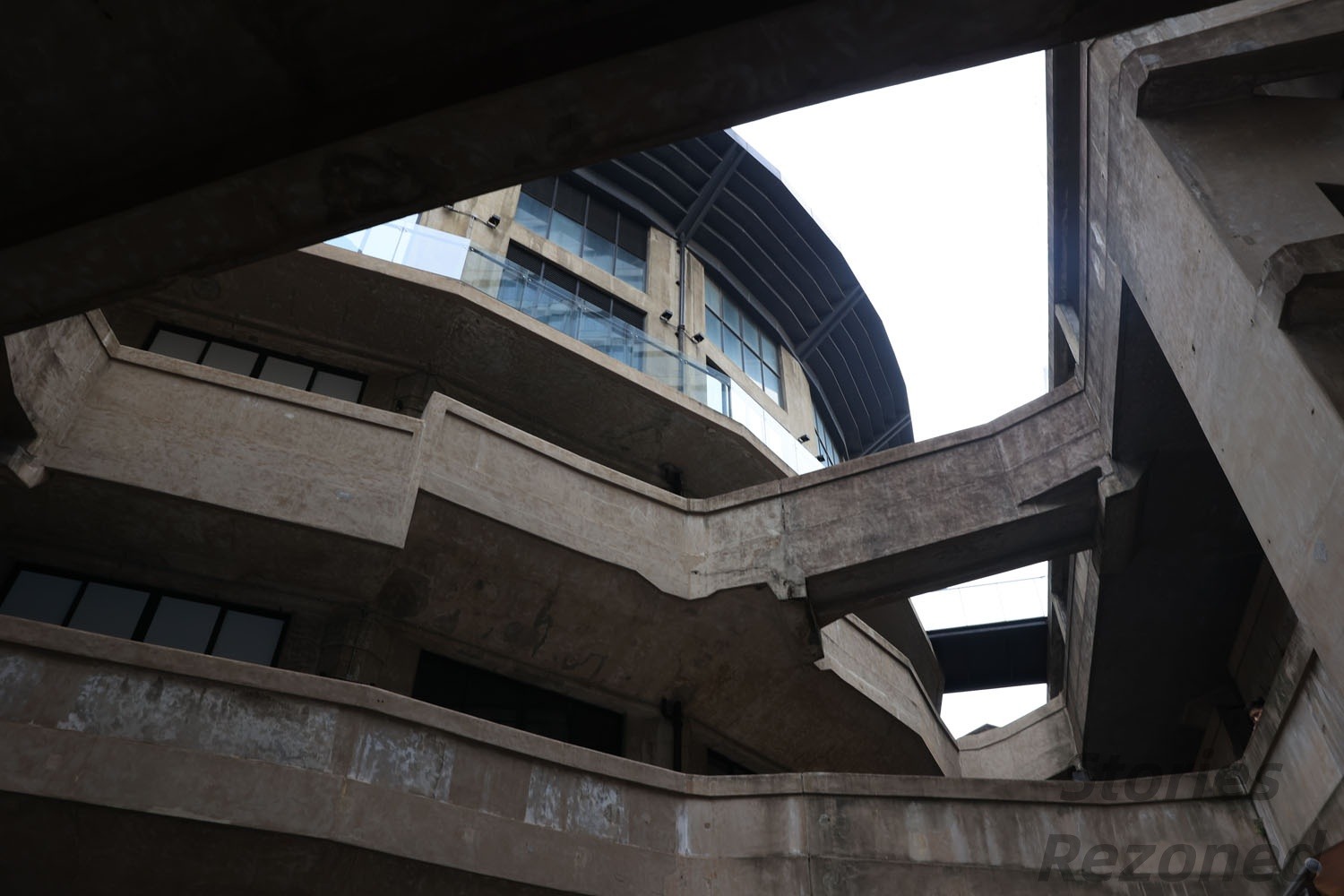
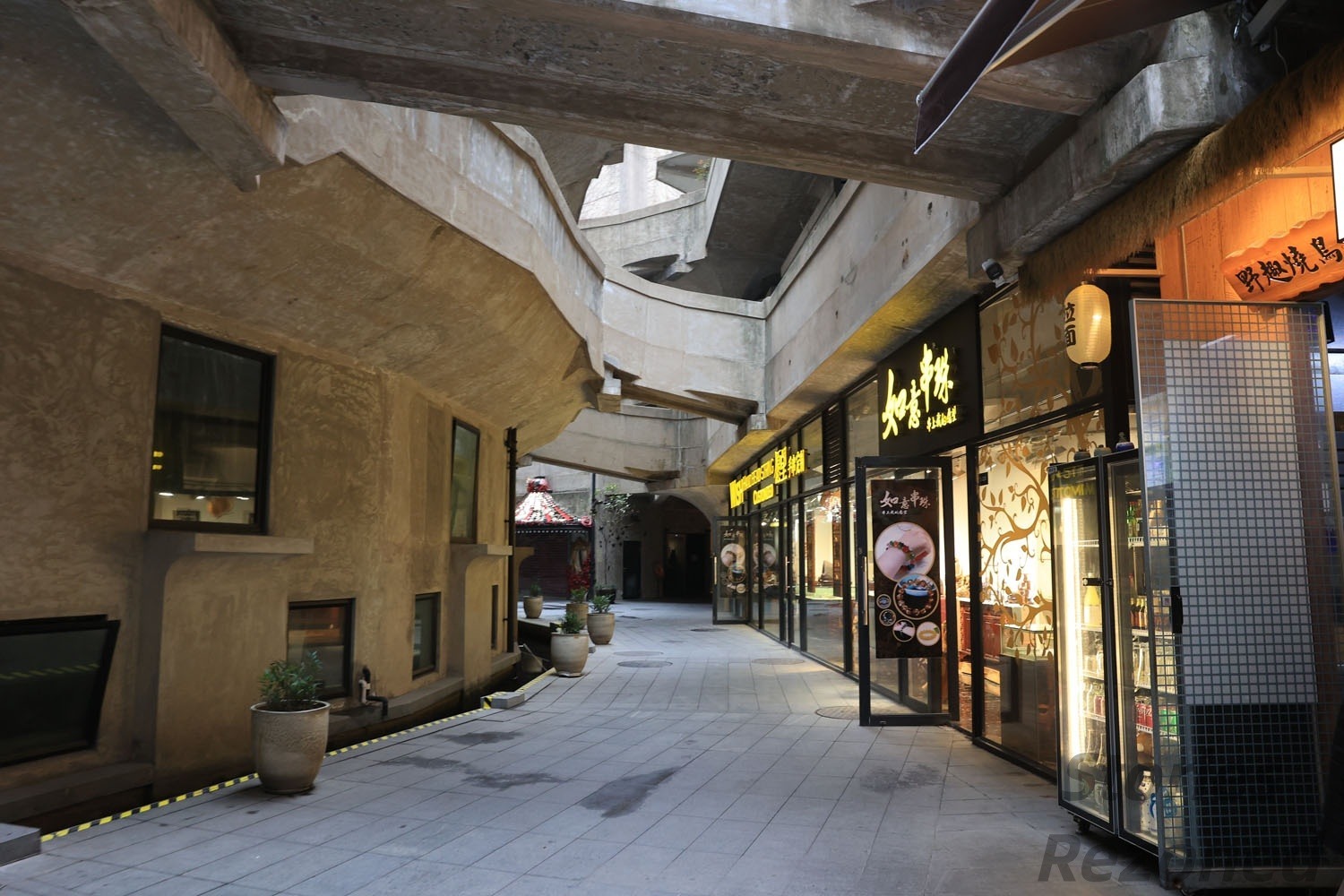
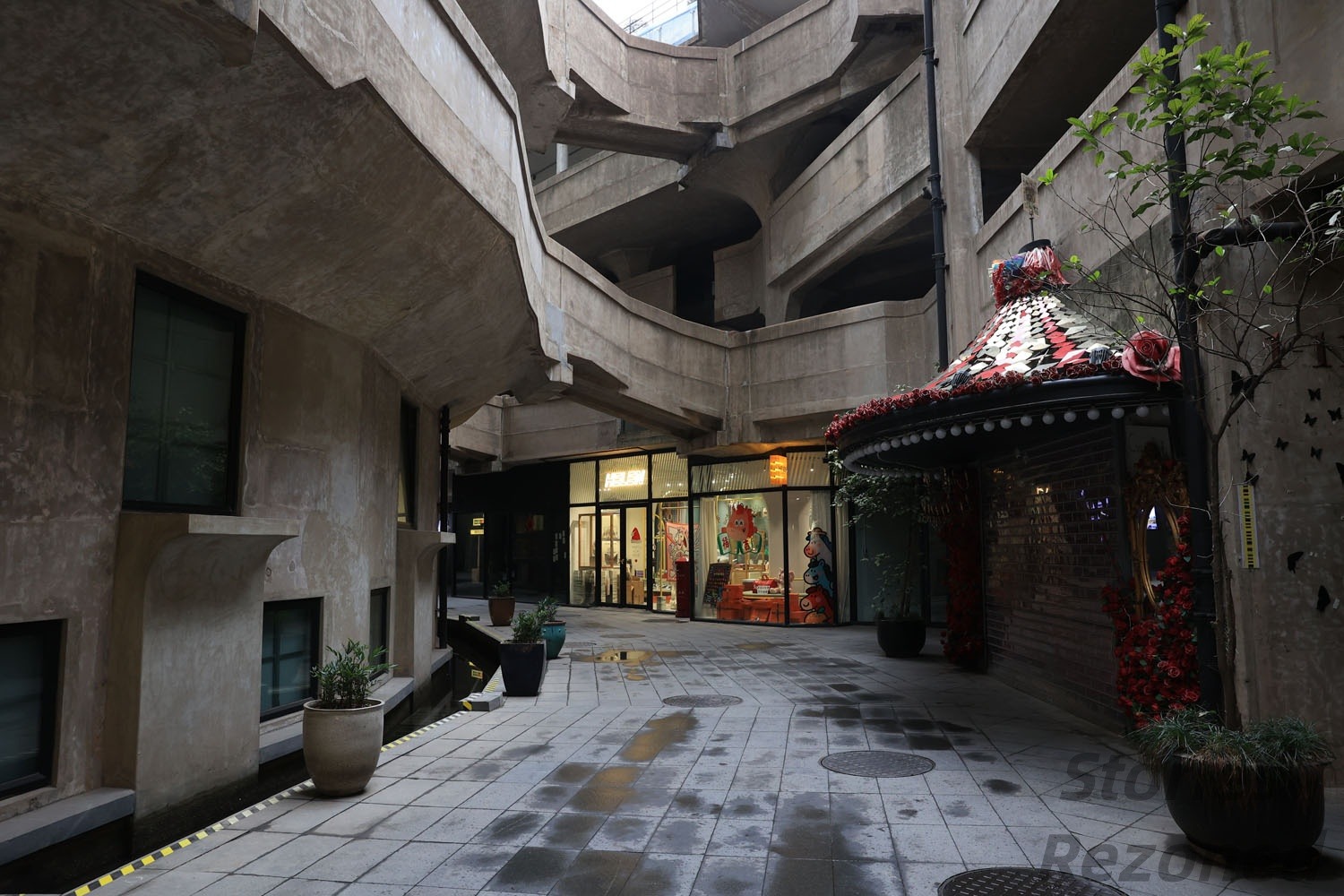
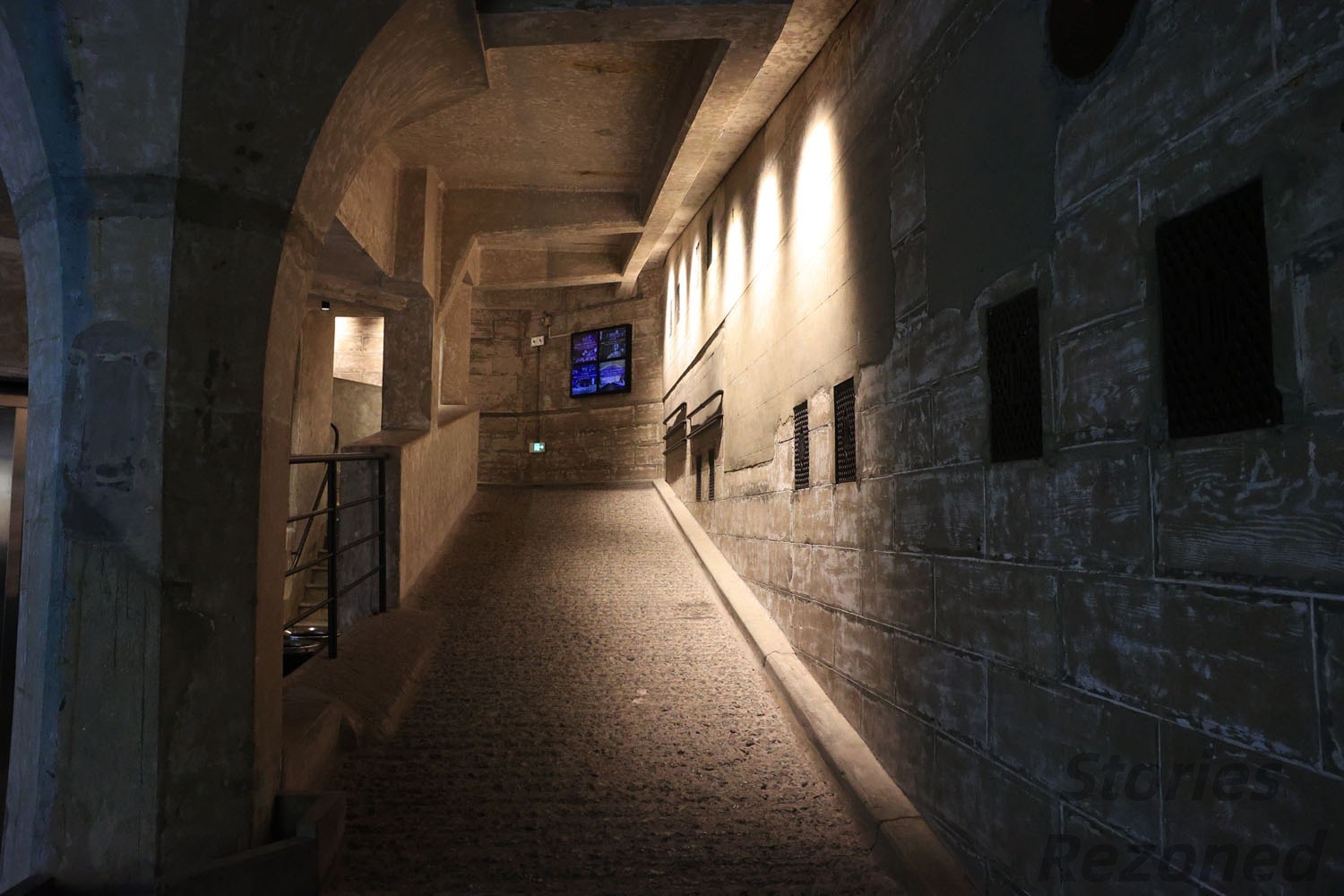
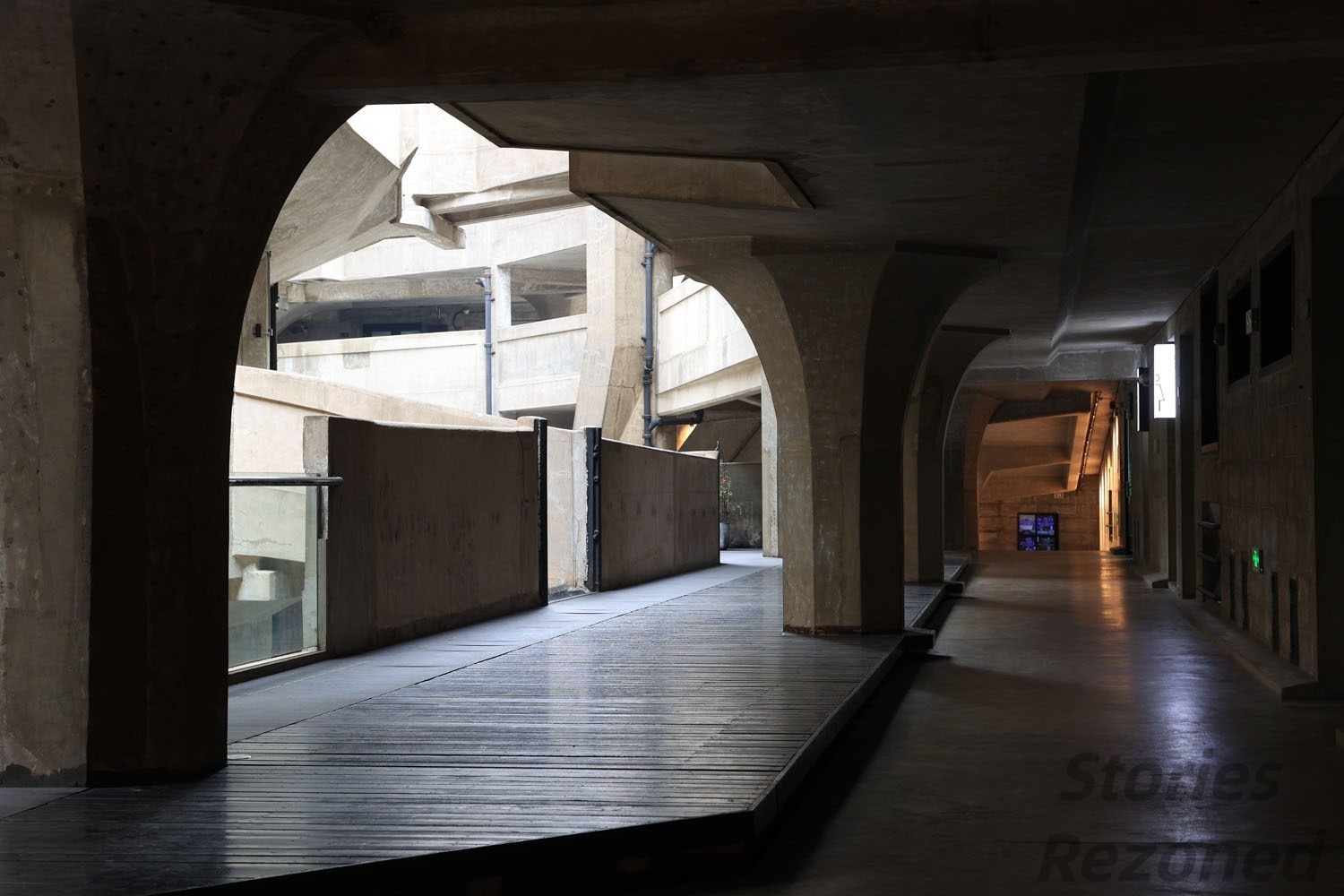
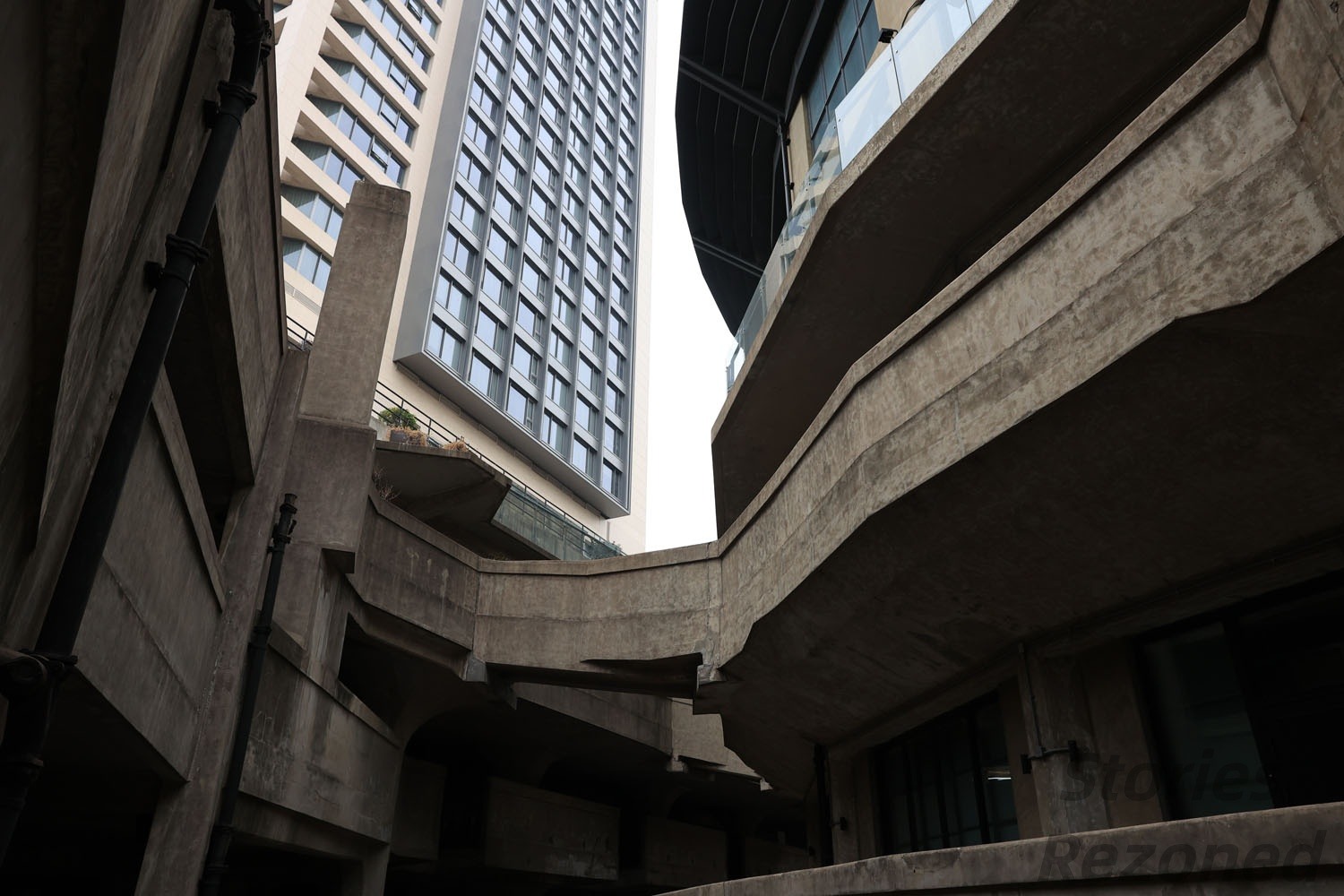
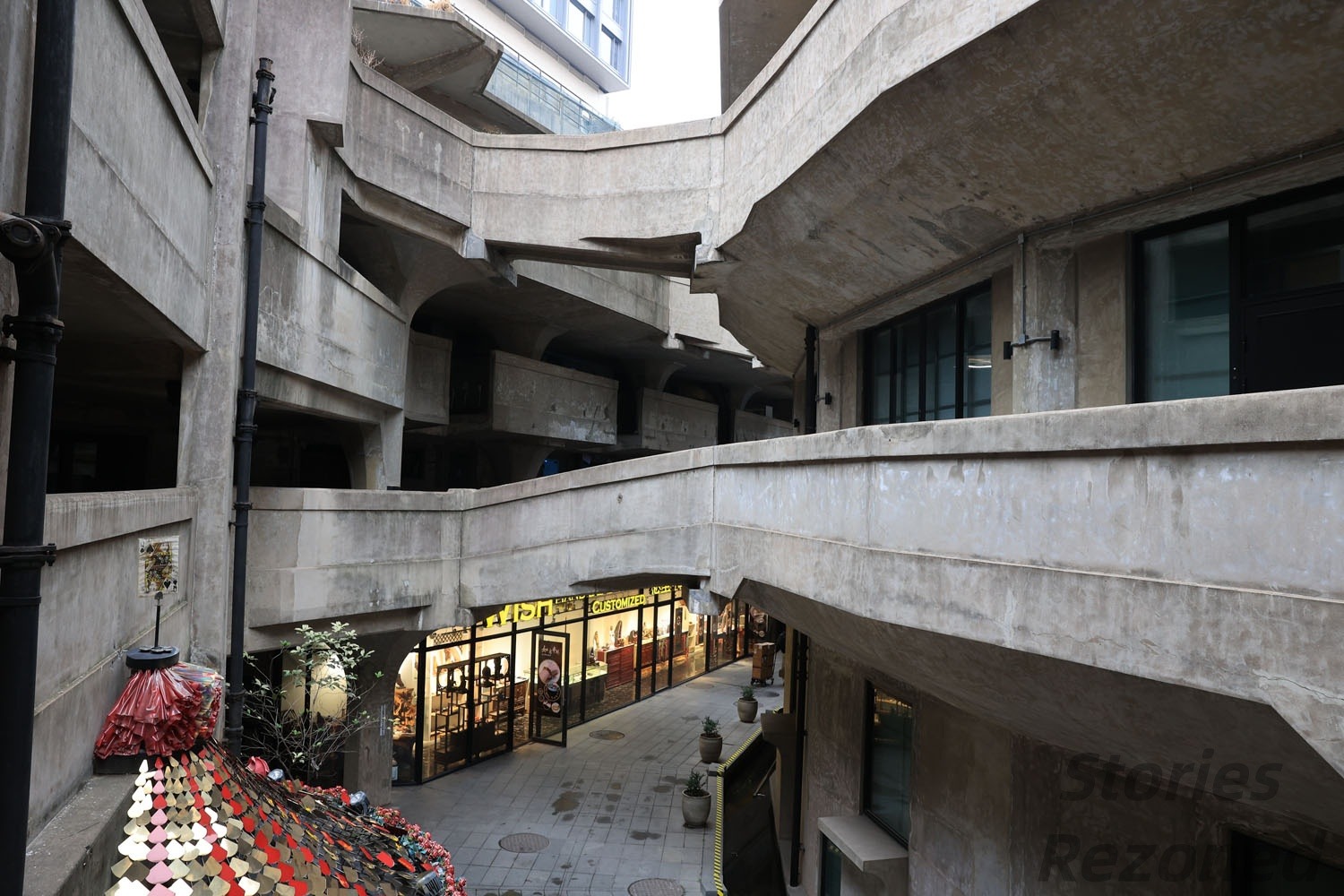
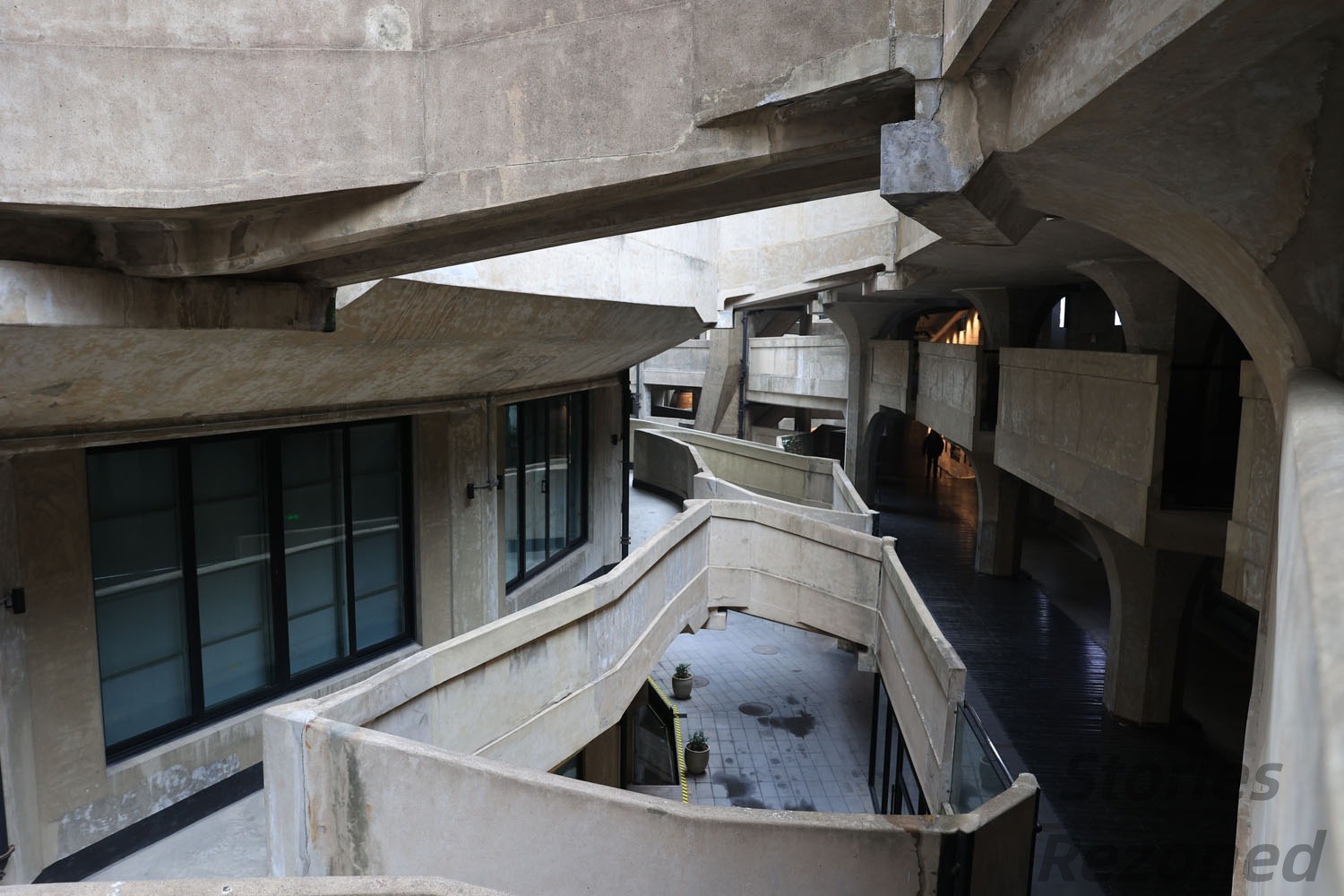
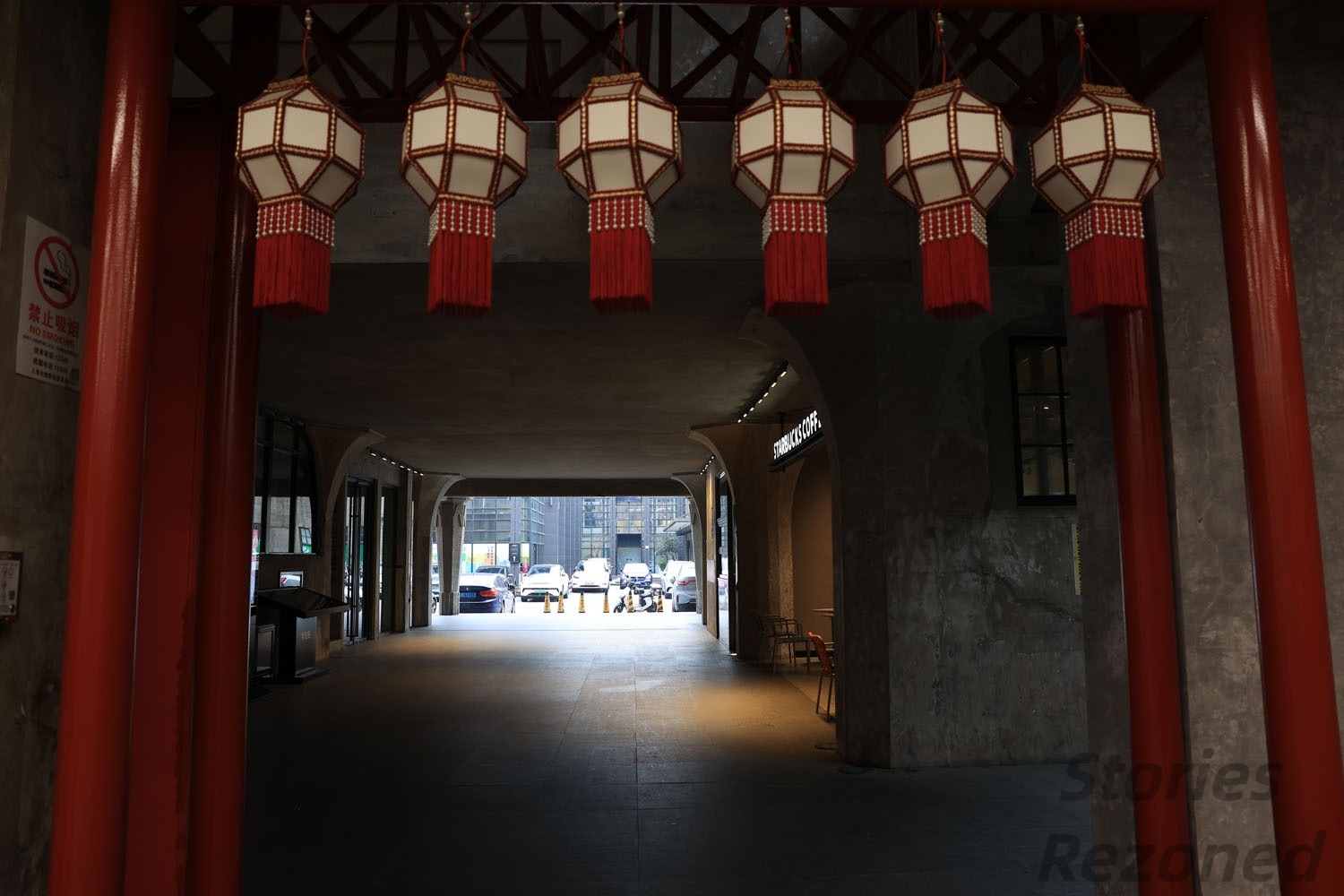
The abattoir features a unique combination of both Eastern and Western architectural styles. The overall form is based on the Roman Basilica style with a square exterior and a circular interior. This is reflective of the traditional Chinese philosophy of “Heaven is Round, Earth is Square”. The abattoir’s sophisticated design features include beamless floor slabs, umbrella-shaped columns, corridor bridges, and cattle paths. These not only reflect the practicality of the slaughtering process, but also exhibit a high level of architectural aesthetic appeal.
As the abattoir underwent historical changes, it was occupied by the Japanese in 1937, and taken over by the Health Bureau of the Shanghai Municipal Government in 1945. Following the founding of the People’s Republic of China in 1949, it was renamed the Shanghai Number One Abattoir. The abattoir operated for many years until it ceased operations in 2002. The abattoir’s industrial relics remained relatively intact, however, they were ultimately abandoned and required immediate conservation.
Present: The revitalization of the abattoir into a thriving creative industry cluster (2006-present).
On August 1, 2006, Shanghai Creative Industry Investment Co., Ltd. entered into a lease agreement with Shanghai Jinjiang International Industrial Development Co., Ltd. and formally launched the construction of the 1933 Old Millfun Creative Industry Cluster. In accordance with the principles of “utilizing and protecting the old and the new”, professional teams were appointed to oversee the restoration, effectively combining industrial heritage with contemporary creativity.
1. Design Concept & Key Strategies
Concept: By focusing on “preservation of industrial gene and implantation of creative function”, the renovation did not destroy the original structure or texture of the building, and instead transformed the abandoned factory into experiential, consumable, and inheritable creative spaces, allowing for dialogue between historical memories and modern life.
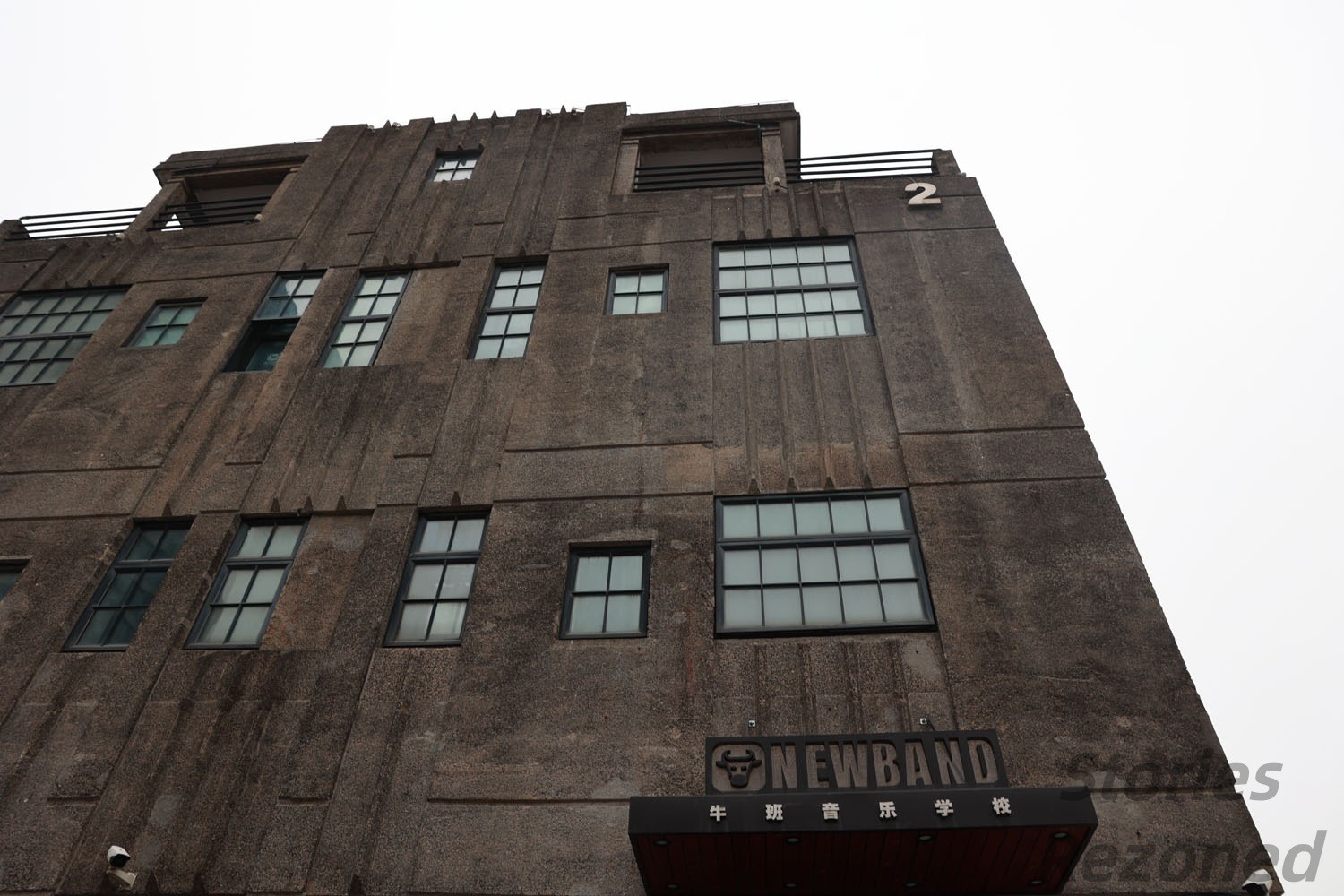
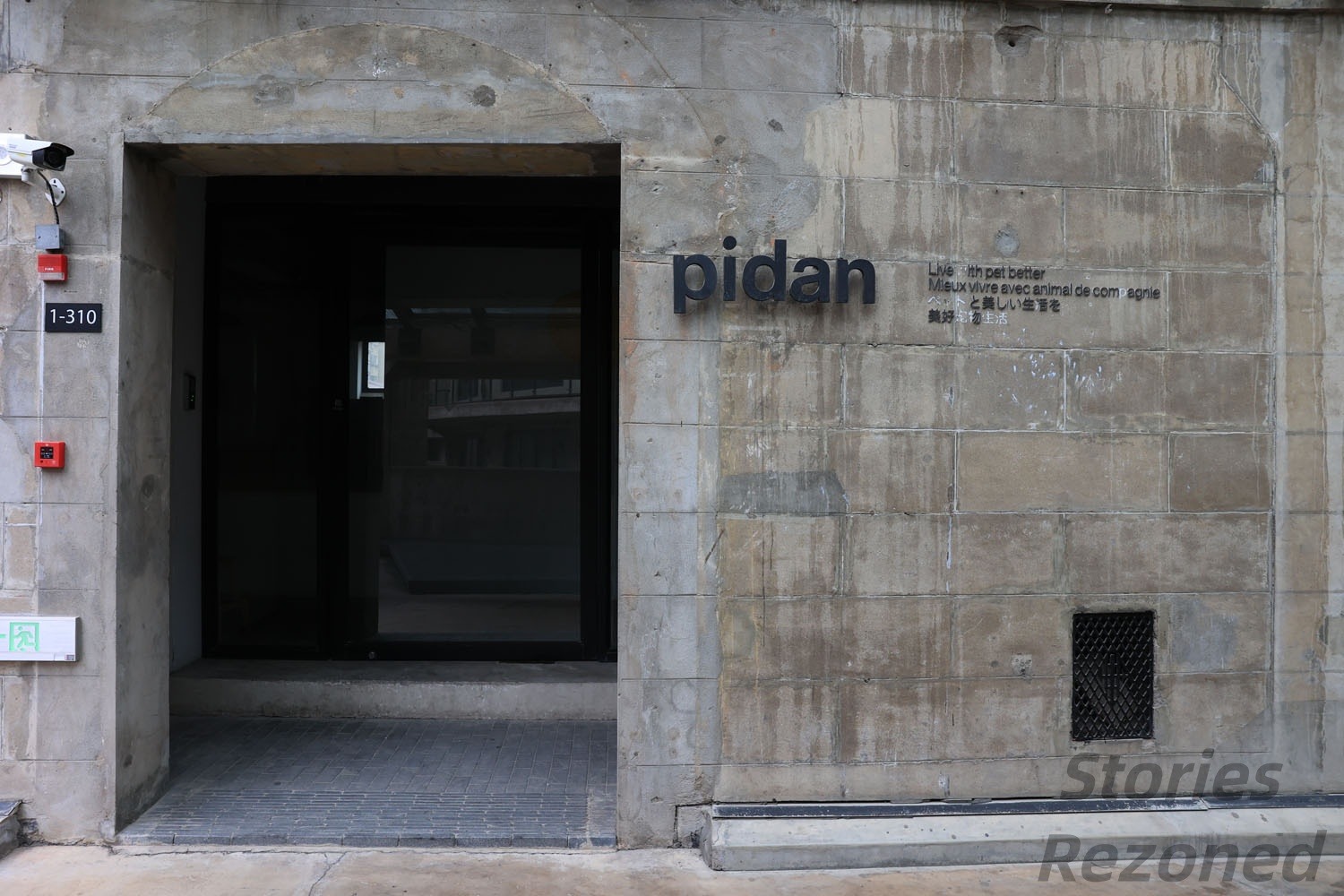
- Total preservation of texture. All of the architectural elements which are iconic to the building, including “beamless floor slabs”, “umbrella-shaped columns”, “corridor bridges”, and “cattle paths” have been completely preserved. When restoring damaged walls and components, traditional craftsmanship and similar materials have been employed to restore the original appearance of the building to the maximum degree possible, maintaining the rough texture of the industrial age.
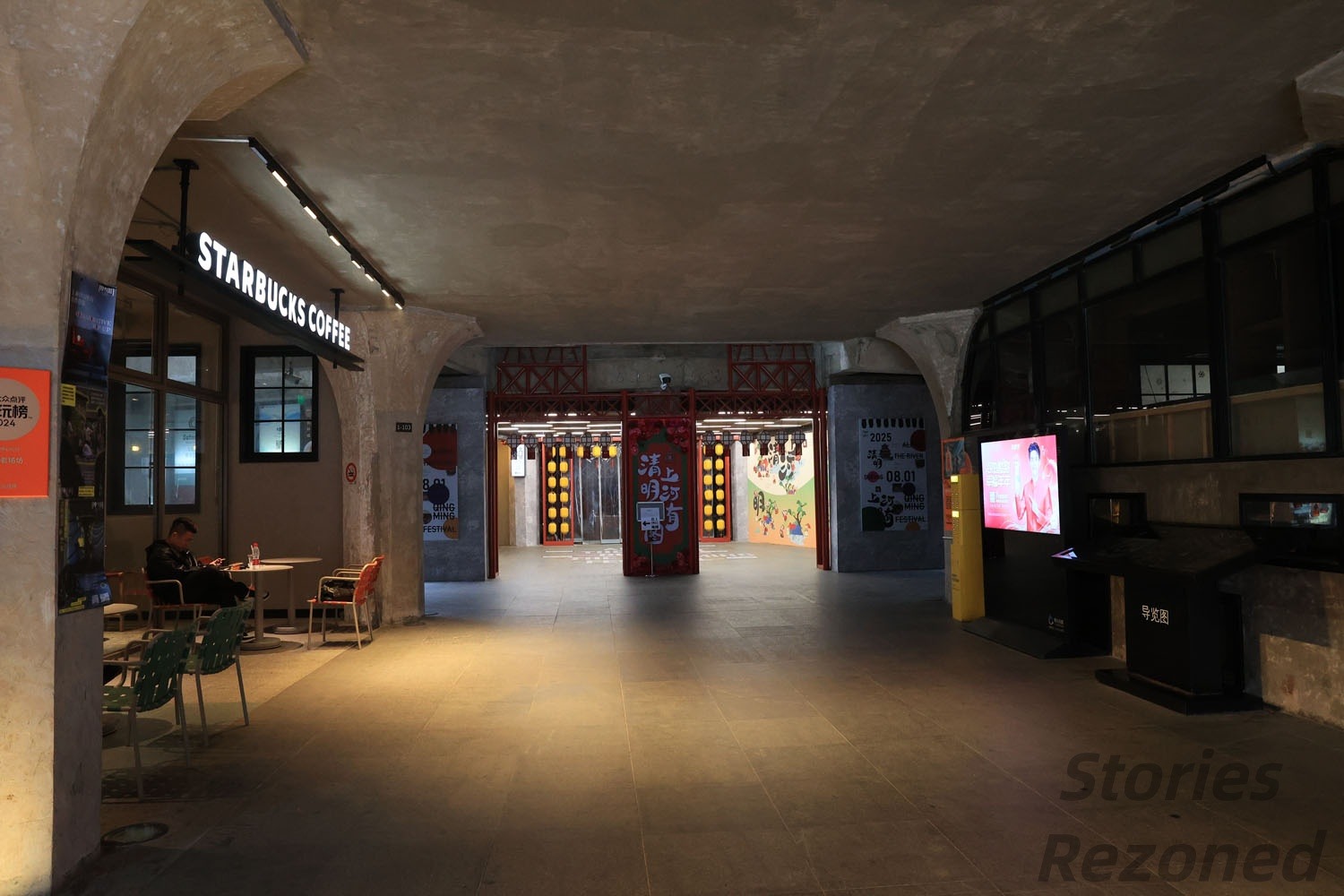
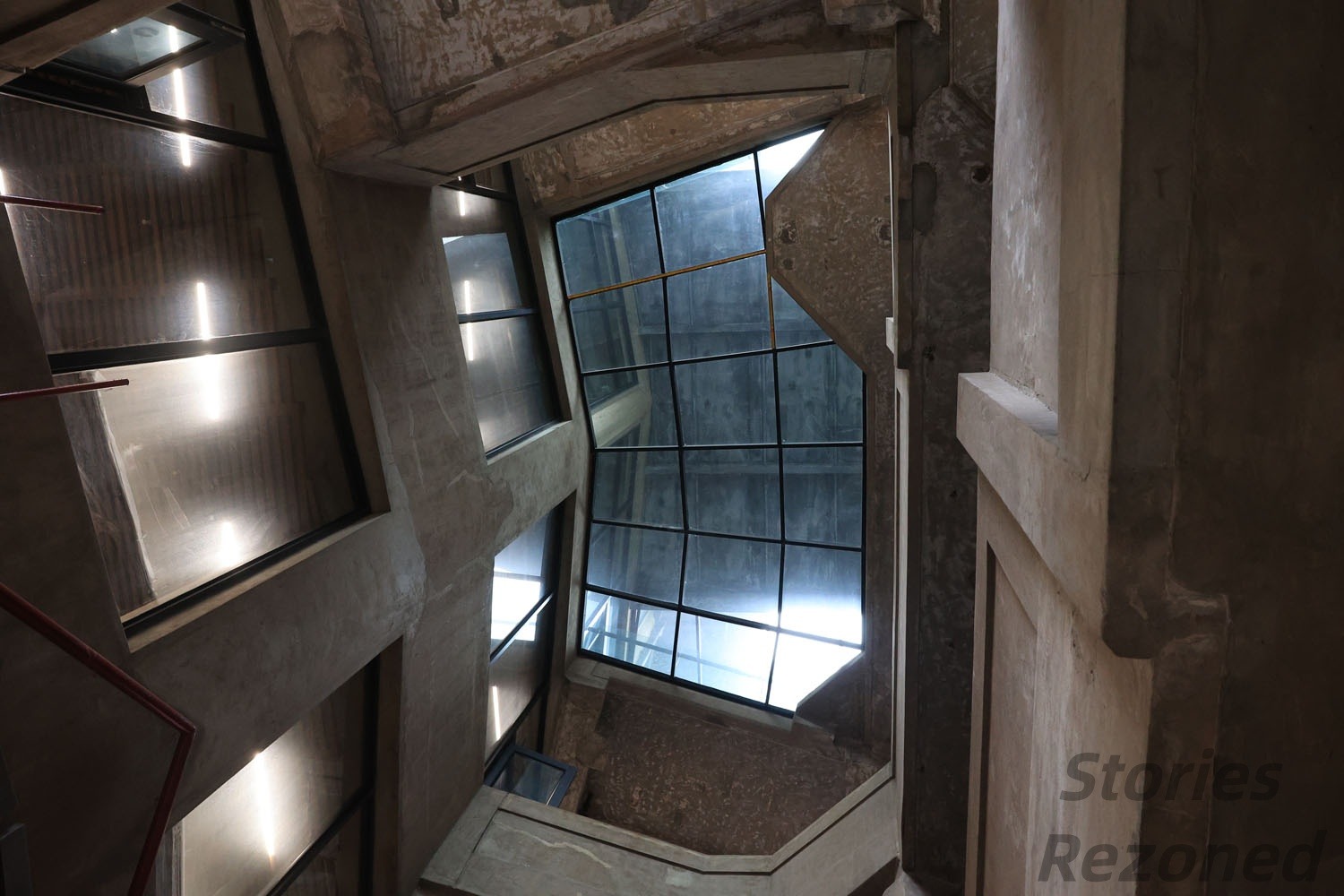
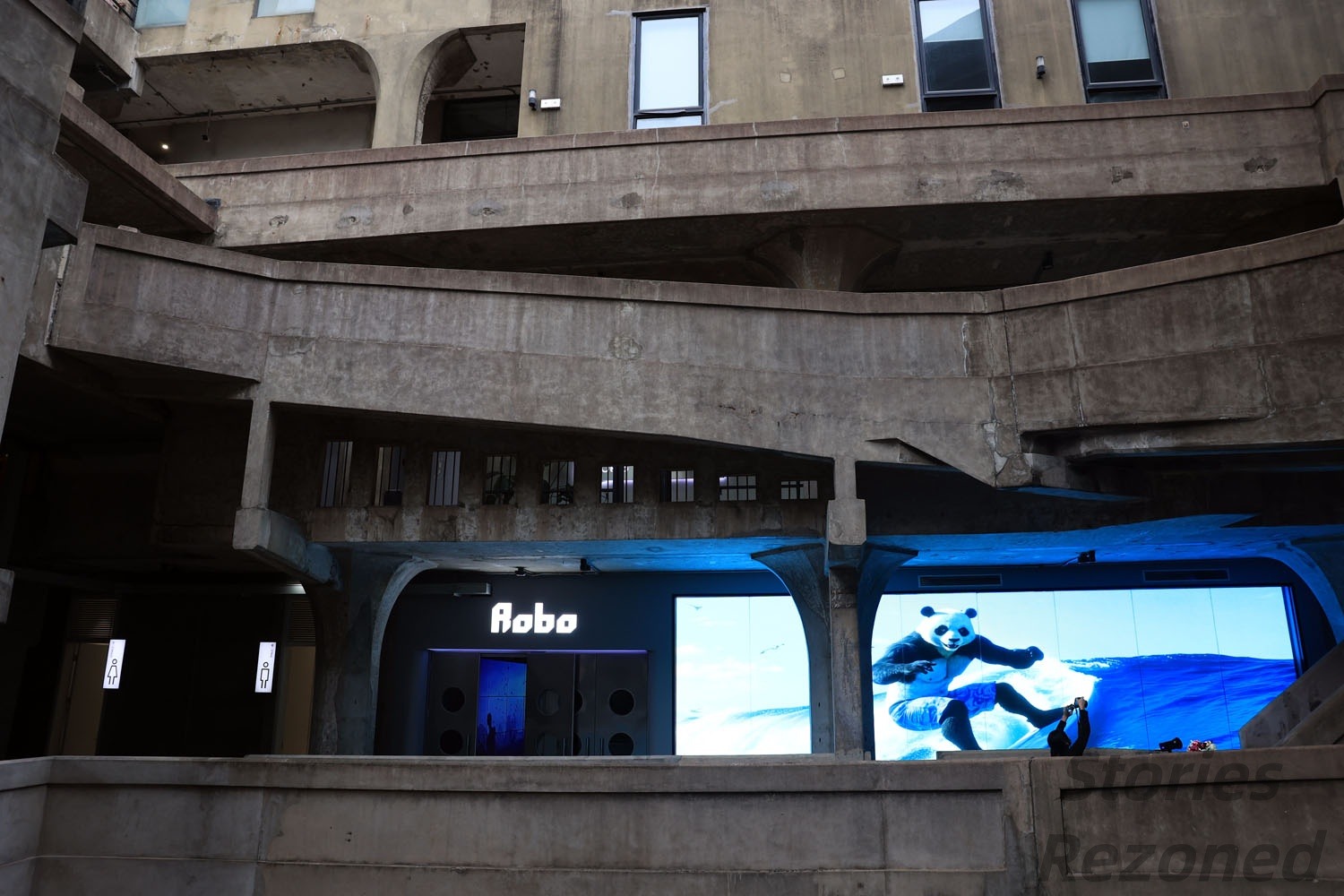
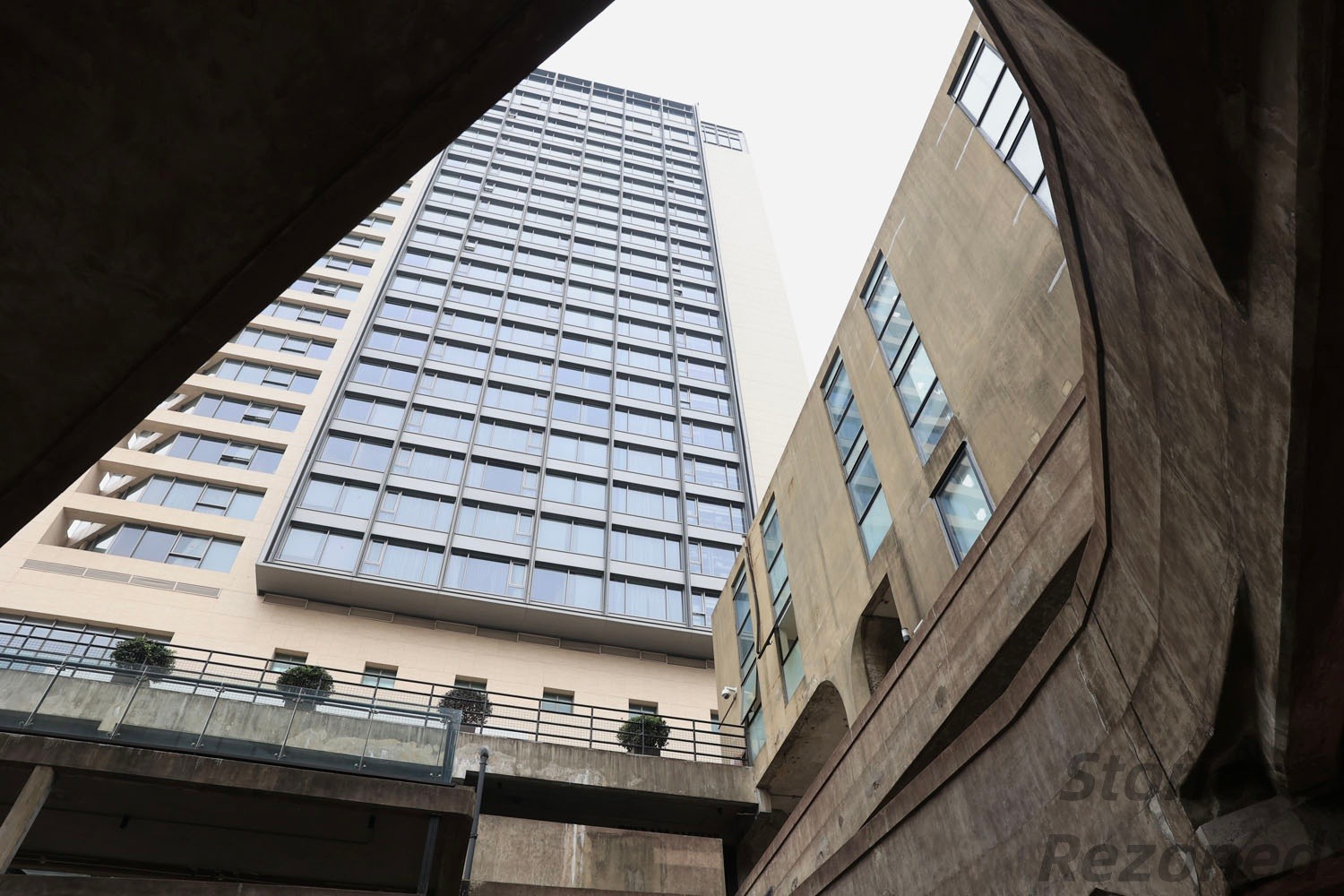
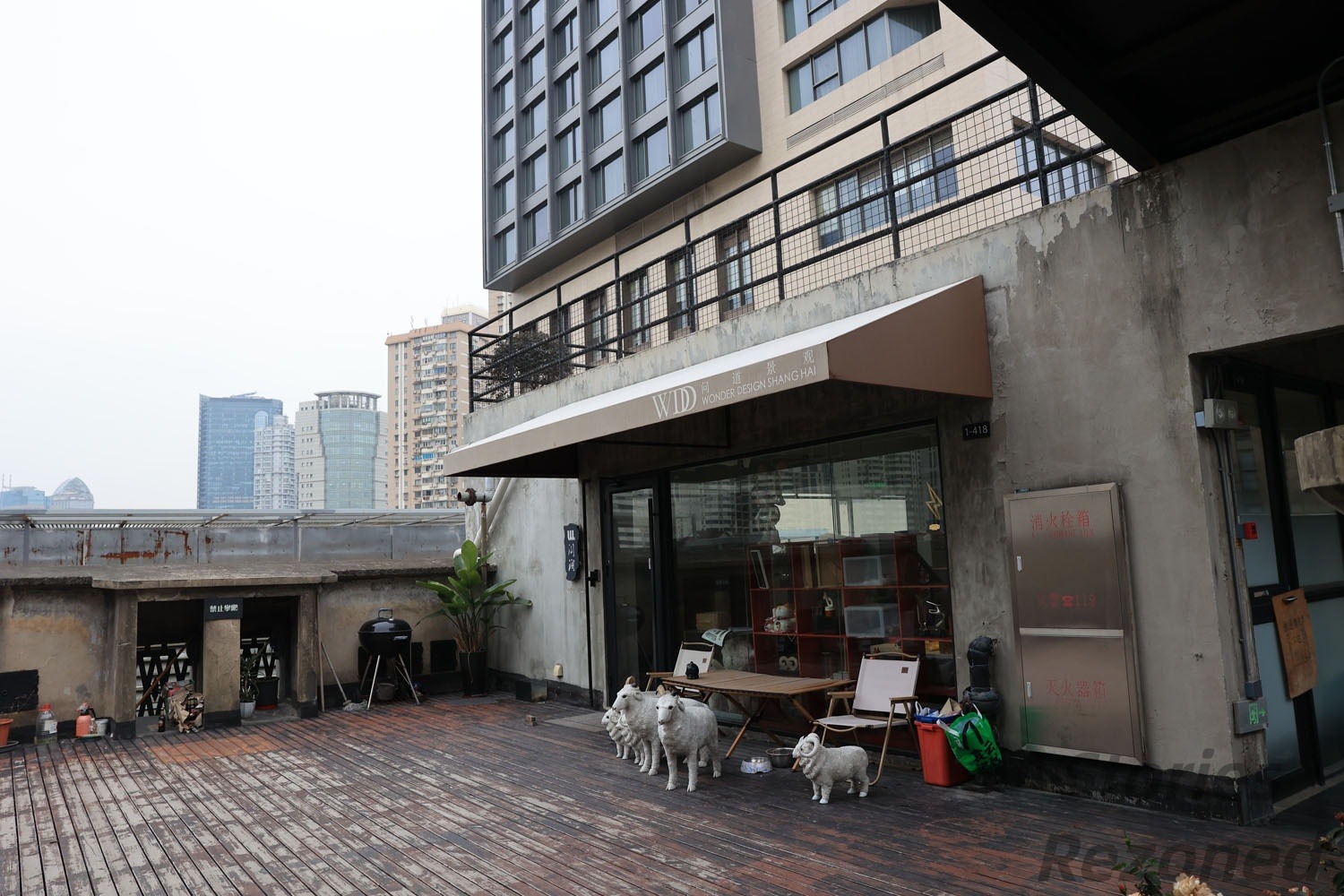
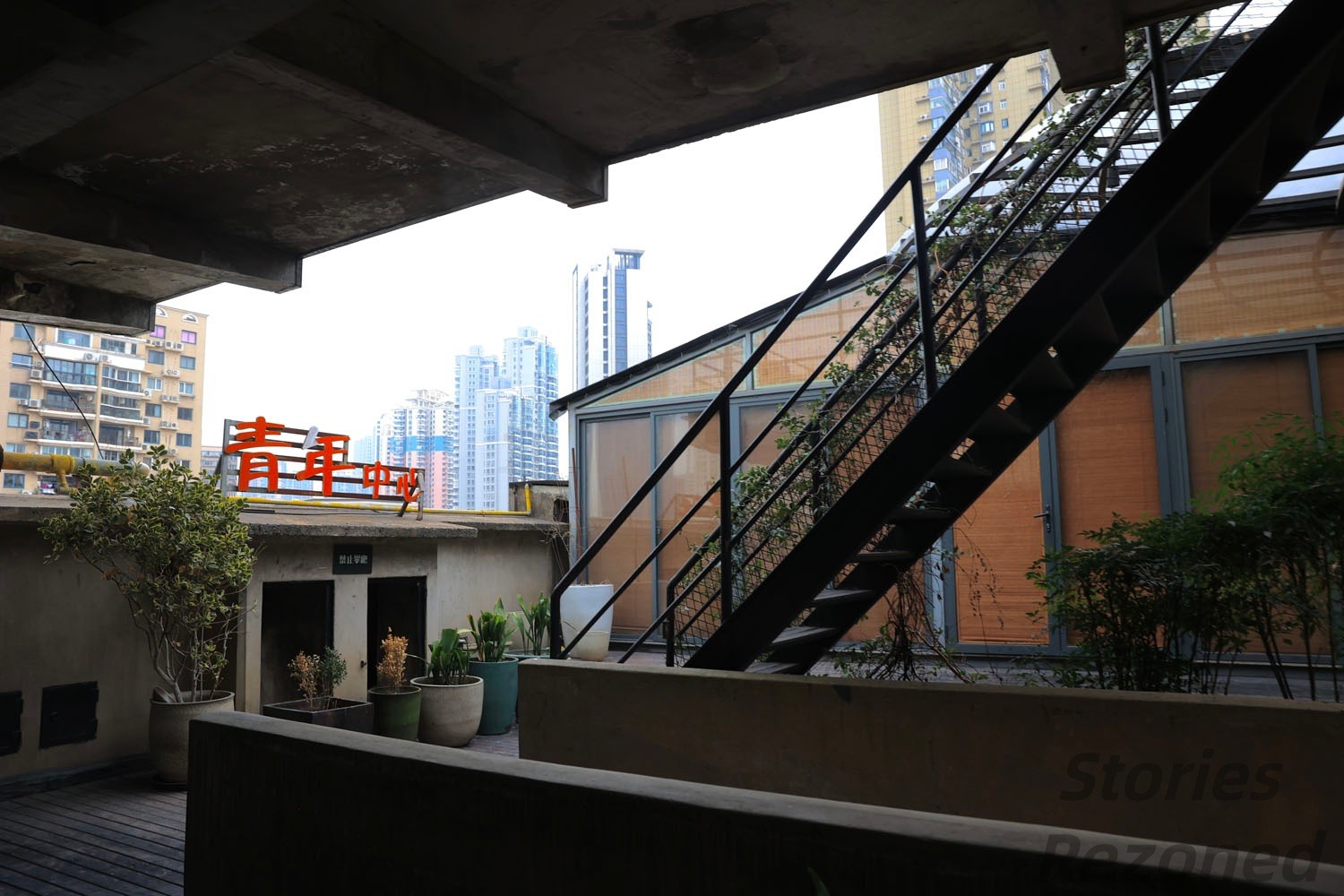
- Coexistence of old and new materials. Based on the retention of the original reinforced concrete and red brick textures, modern materials such as glass and steel structures have been introduced to renovate and upgrade the functional uses of the indoor spaces, emphasizing the historical significance of the industrial heritage, while meeting the needs of modern spatial use.
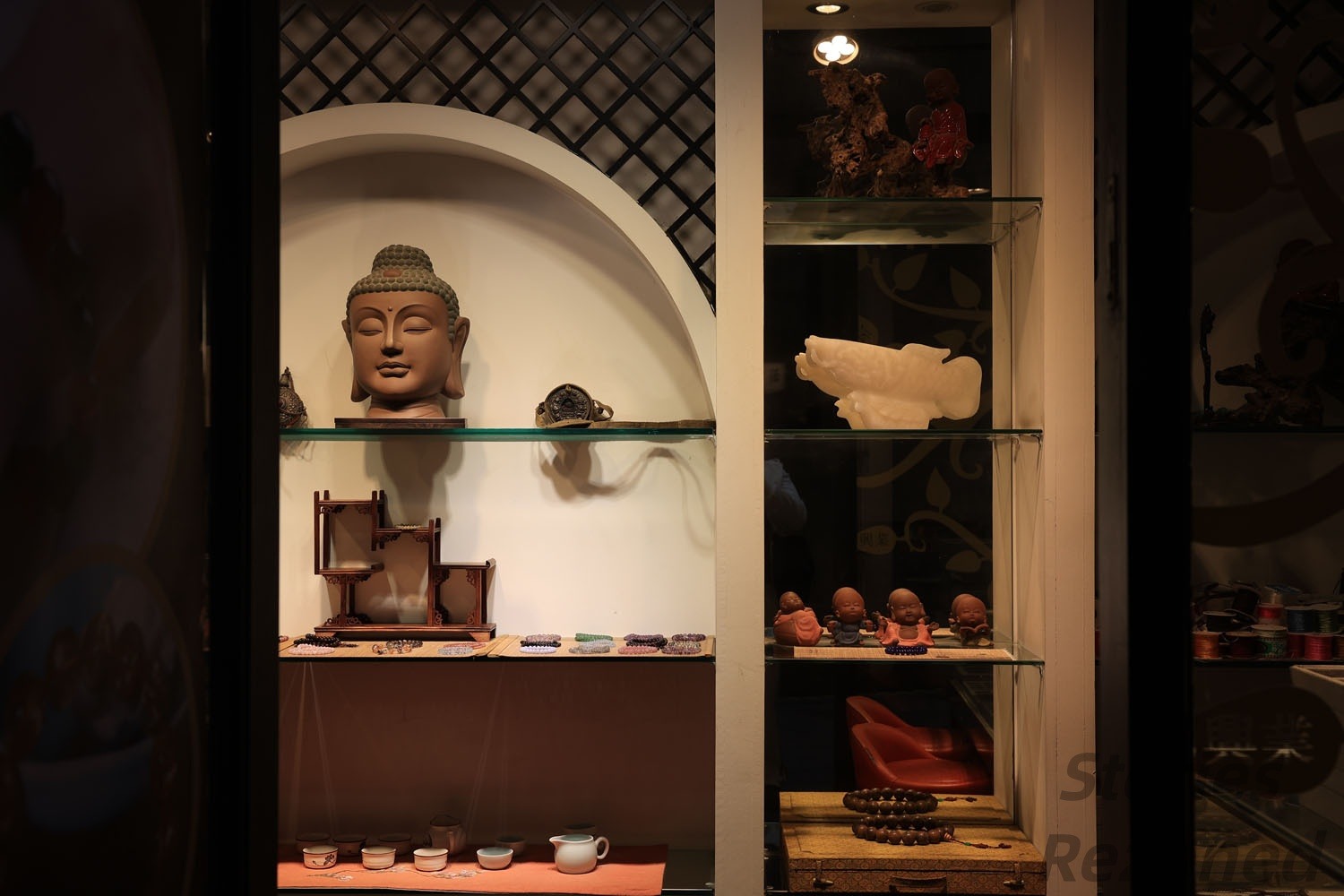
- Functional reconstruction. Approximately 31,700 square meters of construction space will be implemented with different formats, including creative design, fashion releases, cultural exhibitions, dining and entertainment, and immersive experiences, thereby creating a comprehensive space that integrates creativity, culture, commerce and tourism.
2. Revitalization outcomes & operational evolution
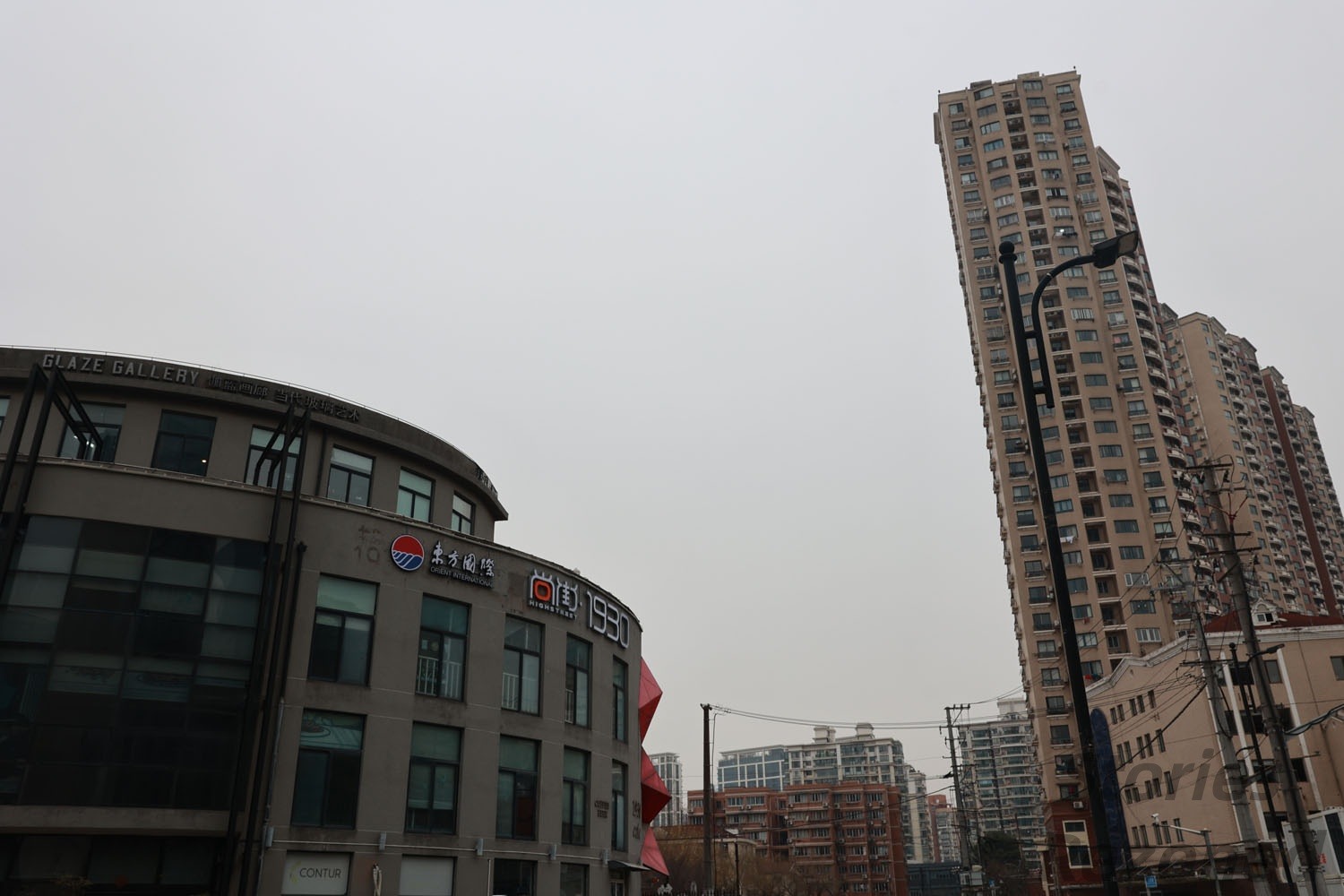
In February 2008, the project was officially handed over and put into operation, marking it as one of the first creative industry clusters in Shanghai. The project rapidly attracted artists and design institutions, and eventually formed a creative industry cluster. The same year, the project was identified as a National Industrial Tourism Demonstration Site.
Operational evolution: The project has undergone three stages – 1.0 (Creative Aggregation): Focuses on creative design and artistic creation, attracts creative institutions to settle in and builds a creative industry highland; 2.0 (Integration of Culture and Tourism): Organizes fashion releases, film and television shootings, and theme activities, becomes a filming location for works such as Tiny Times and increases popularity; 3.0 (Immersive Experience): Introduced immersive exhibitions, escape rooms, special cuisine and other formats, and creates a popular check-in location, achieves a balance between cultural communication and commercial interests.
In 2024, it was added to the Dazhong Dianping Must-visit list, becoming a new popular scenic spot in Hongkou. Simultaneously, it was designated as one of the Shanghai Global New Product Launch Landmarks along with the World Hall and North Bund International Cruise Terminal, and has continued to improve its operation, and become a local cultural card.
Historical and Modern Significance
The historical and aesthetic significance of Shanghai 1933 is multifaceted and has a significant impact on both the modernization of Shanghai’s industrial civilization and the creative city transformation of Shanghai. It serves as a living fossil of early modern industrial architecture in China and a visual representation of the evolution of Shanghai from being an industrial city to becoming a creative city. The site preserves the industrial DNA of “the largest abattoir in the Far East” and serves as a vital resource for understanding modern Shanghai’s industrial and architectural development.
I really appreciate the aesthetic value of the original Abattoir, its brutalist architecture being complemented by renewed shops, preserving the raw industrial texture of the building and its natural light and shadow, while activating the space for living and bringing a sense of warmth to an otherwise cold industrial building.
Image References
All images not separately credited below filmed at location by Stories Rezoned team
- Anonymous. Art Deco Commercial Building on Nanjing Road, Shanghai. ca. 1930s. Alamy, 12 Oct. 2022, www.alamy.com/stock-photo-shanghai-1930s-art-deco-building-with-rickshaws-on-the-street-2209573870.html.
- Anonymous. Cattle Herd at the Former Shanghai Municipal Council Slaughterhouse (1933 Laochangfang). ca. 1940s. CPANet, 12 Oct. 2010, http://www.cpanet.cn/cms/html/zixun/yejie/20101012/48690_2.html.
- Anonymous. Shanghai Municipal Council Slaughterhouse (1933 Laochangfang) Under Renovation. ca. 1950s. WeChat Public Account “Tang Chao”, 15 Mar. 2021, https://mp.weixin..qq.com/s/abc123xyz.
- Anonymous. Interior of 1933 Laochangfang Creative Park, Shanghai. 2019. ArchDaily, 20 May 2019, www.archdaily.com/987654
References
- People’s Network. “Brand Shanghai: 1933 Old Millfun: From Abattoir to Fashion Show Venue, ‘Old House Has Joy’.” *People’s Network Shanghai Channel*, 26 Nov. 2024, sh.people.com.cn/GB/134952/354847/366204/.
- Xinmin Evening News. “Popular Internet-famous Landmarks Converted from Old Factories in Shanghai, Have You Checked In?” *Xinmin Evening News*, 29 Apr. 2024, m.toutiao.com/group/7498612478041915954/.
- Shanghai Hongkou District People’s Government. “2024 Must-Visit Spots in Hongkou, Here They Are→.” *Shanghai Hongkou District People’s Government Official Website*, 1 Jun. 2024, www.shhk.gov.cn/xwzx/002008/002008040/20240624/87b3a0cb-2864-446f-934a-5c33cde8e231.html.
- Douyin Encyclopedia. “1933 Old Millfun.” *Douyin Encyclopedia*, 2 Jan. 2025, m.baike.com/wiki/%E5%8D%81%E4%B9%9D%E4%B8%89%E4%B8%89%E8%80%81%E5%9C%BA%E5%9D%8A/2516364?.