
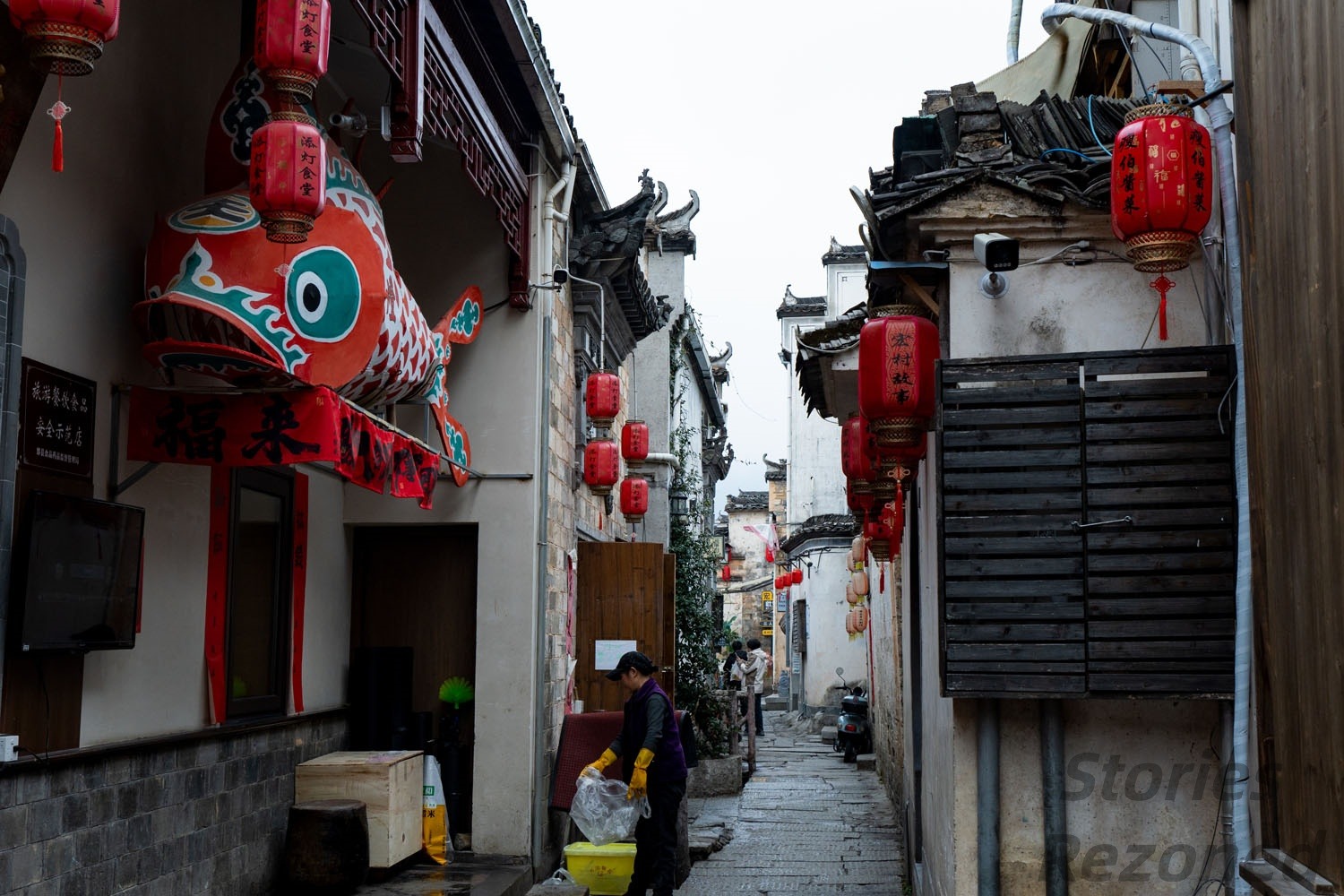
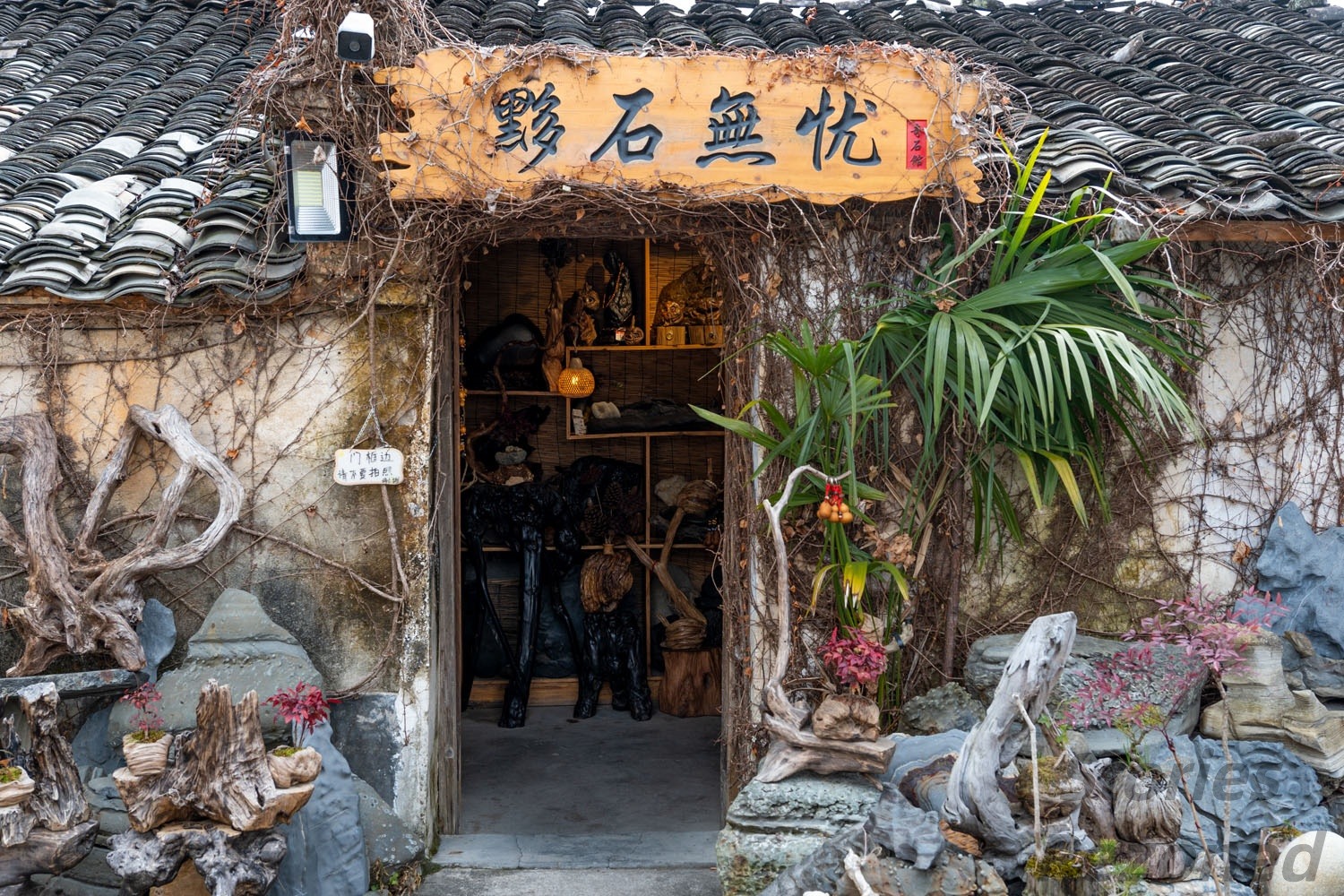
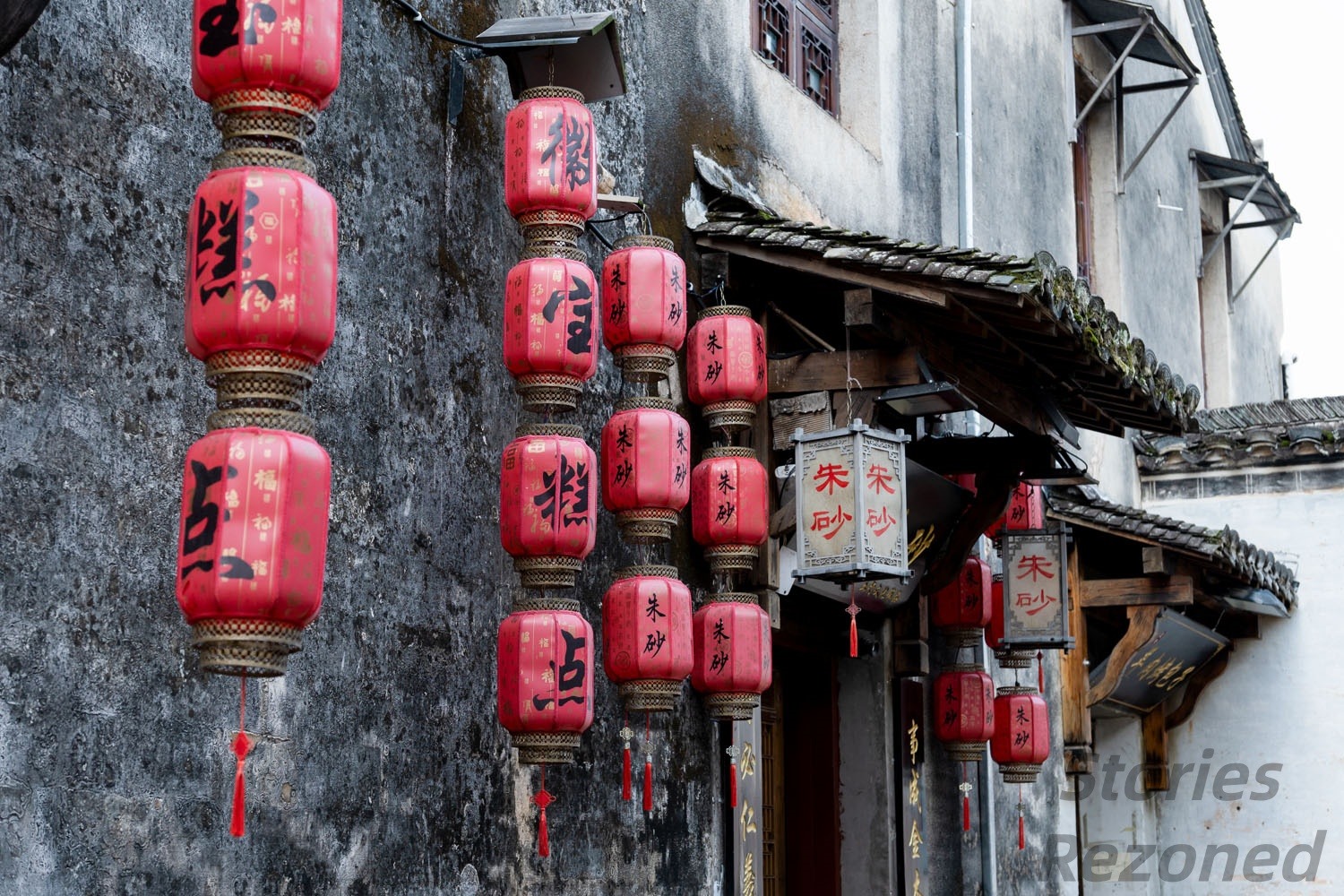
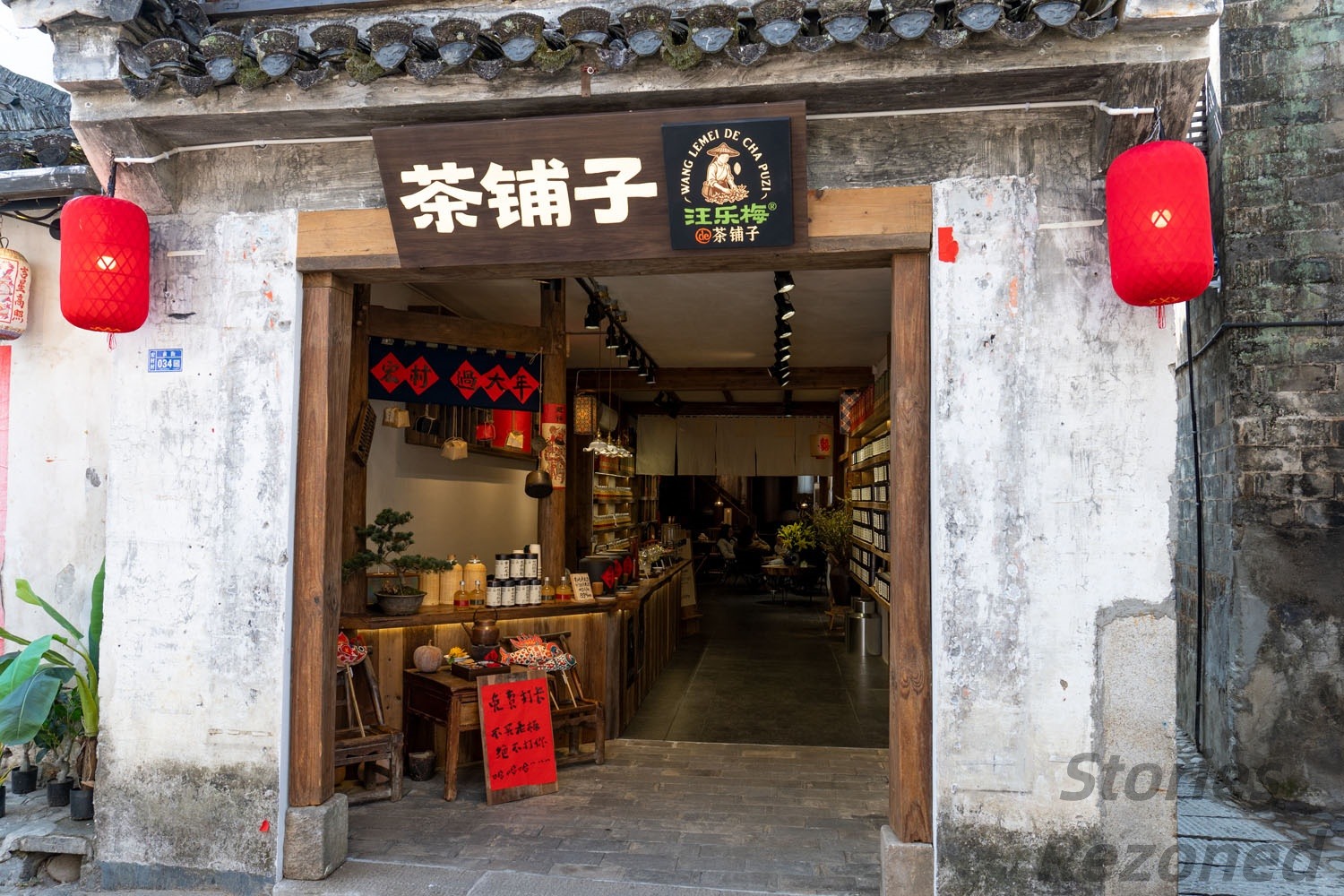
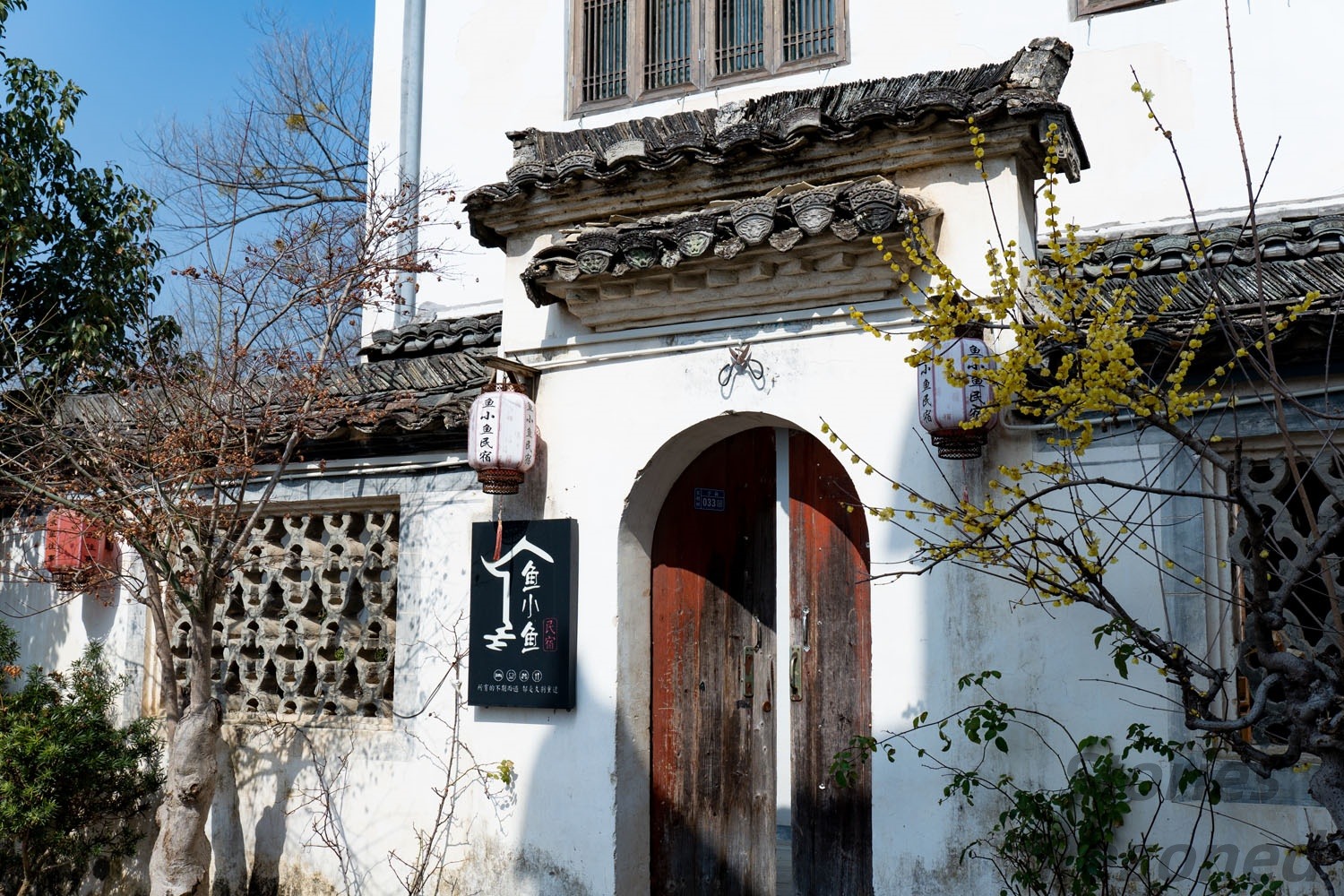
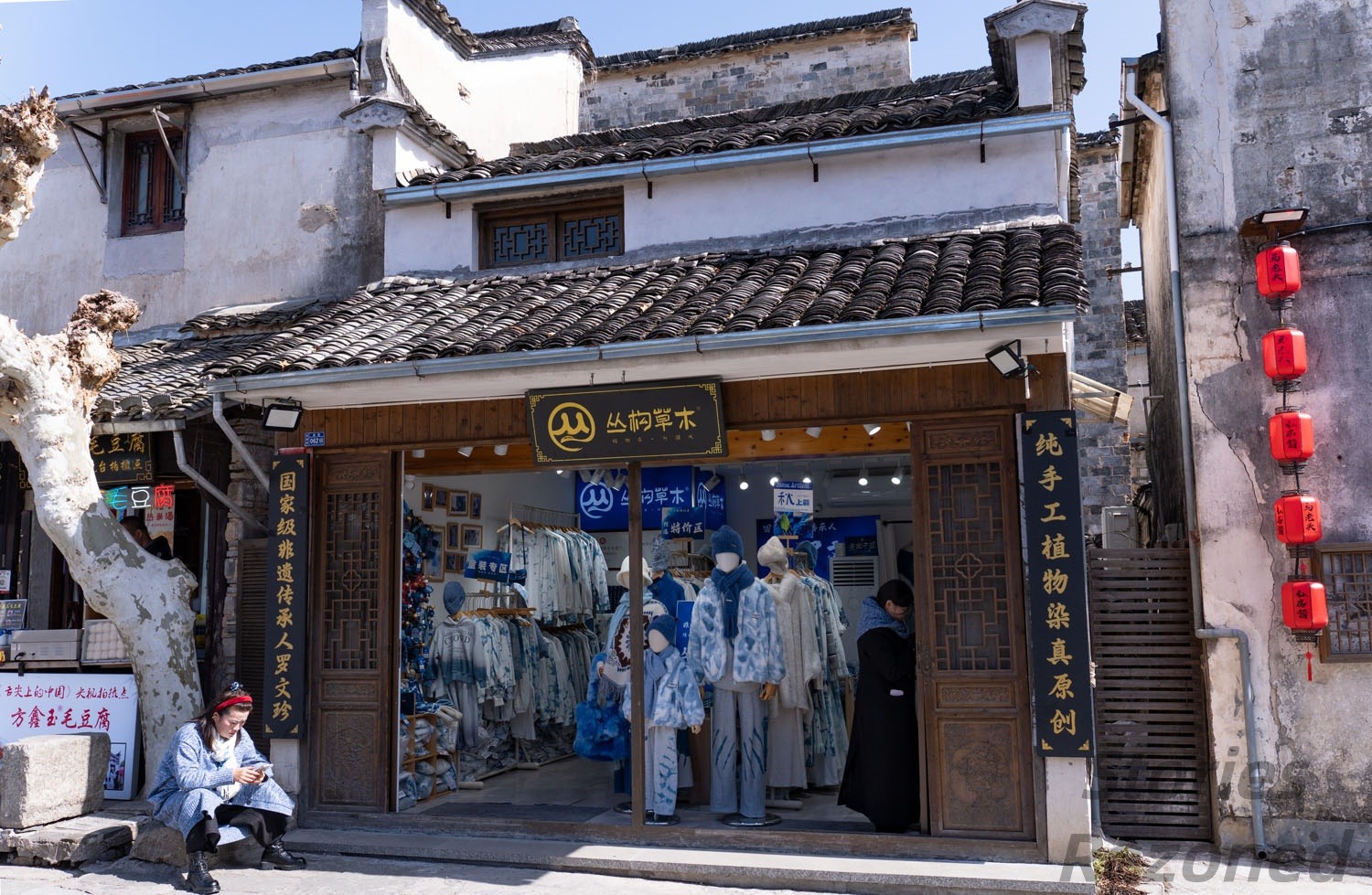
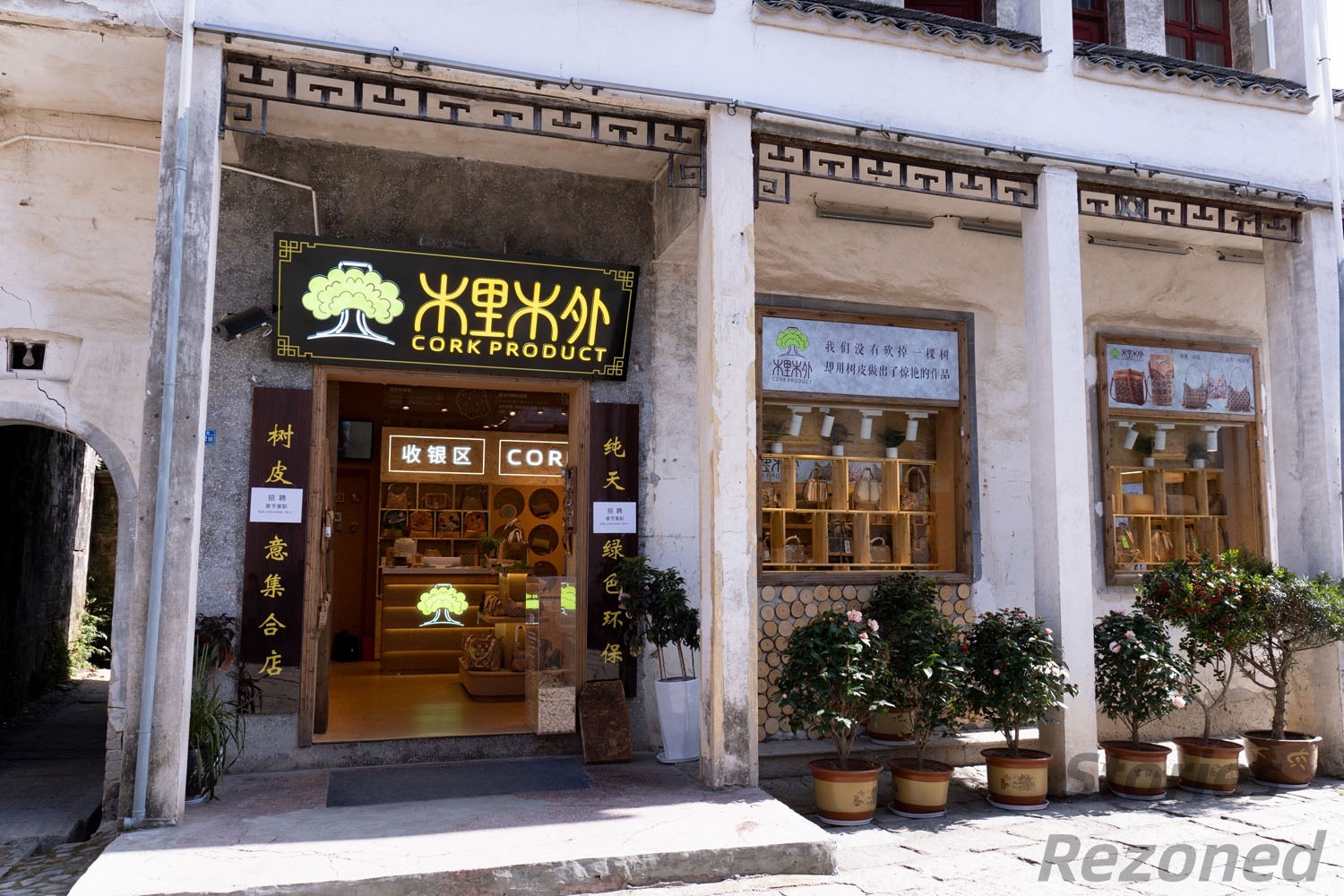
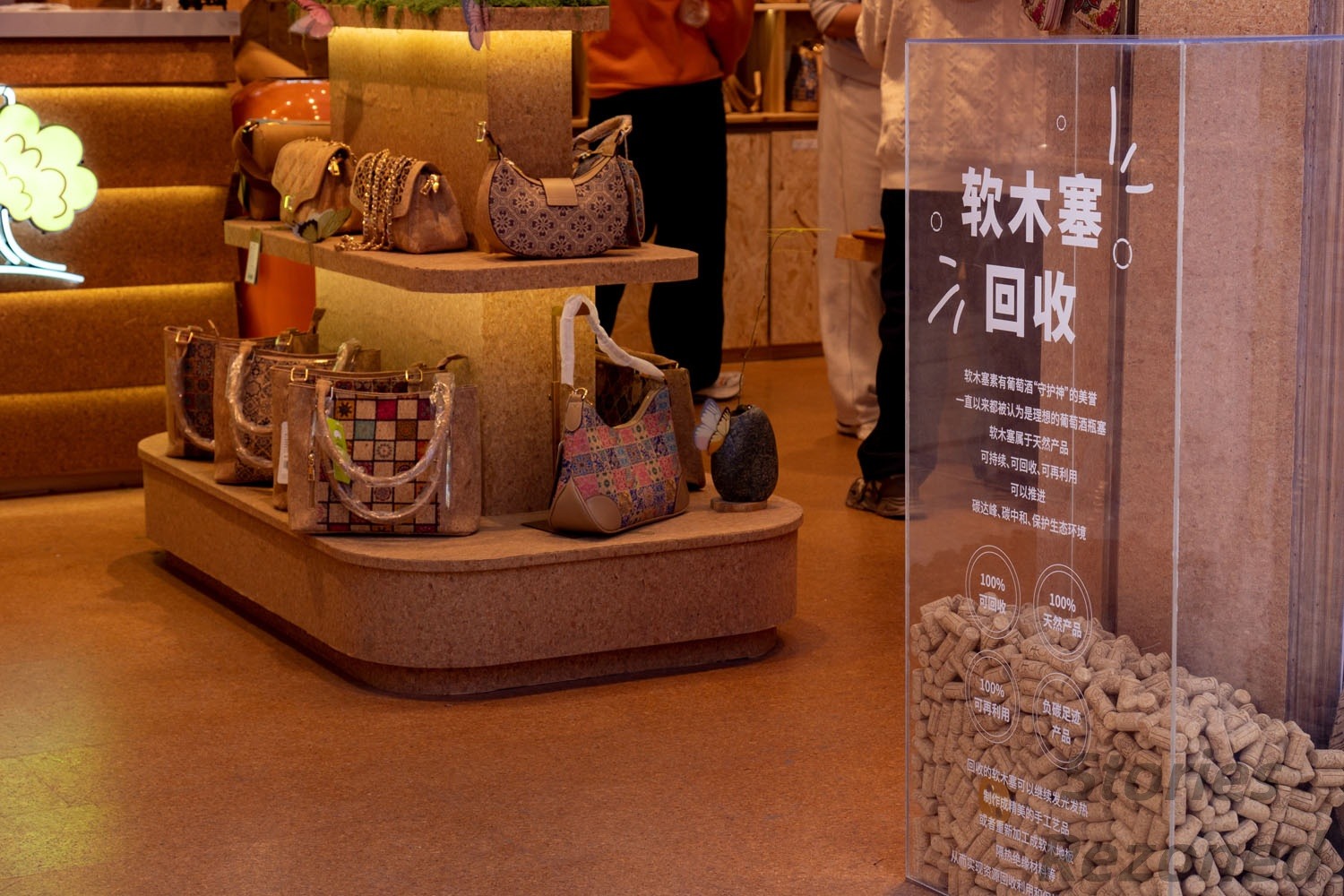
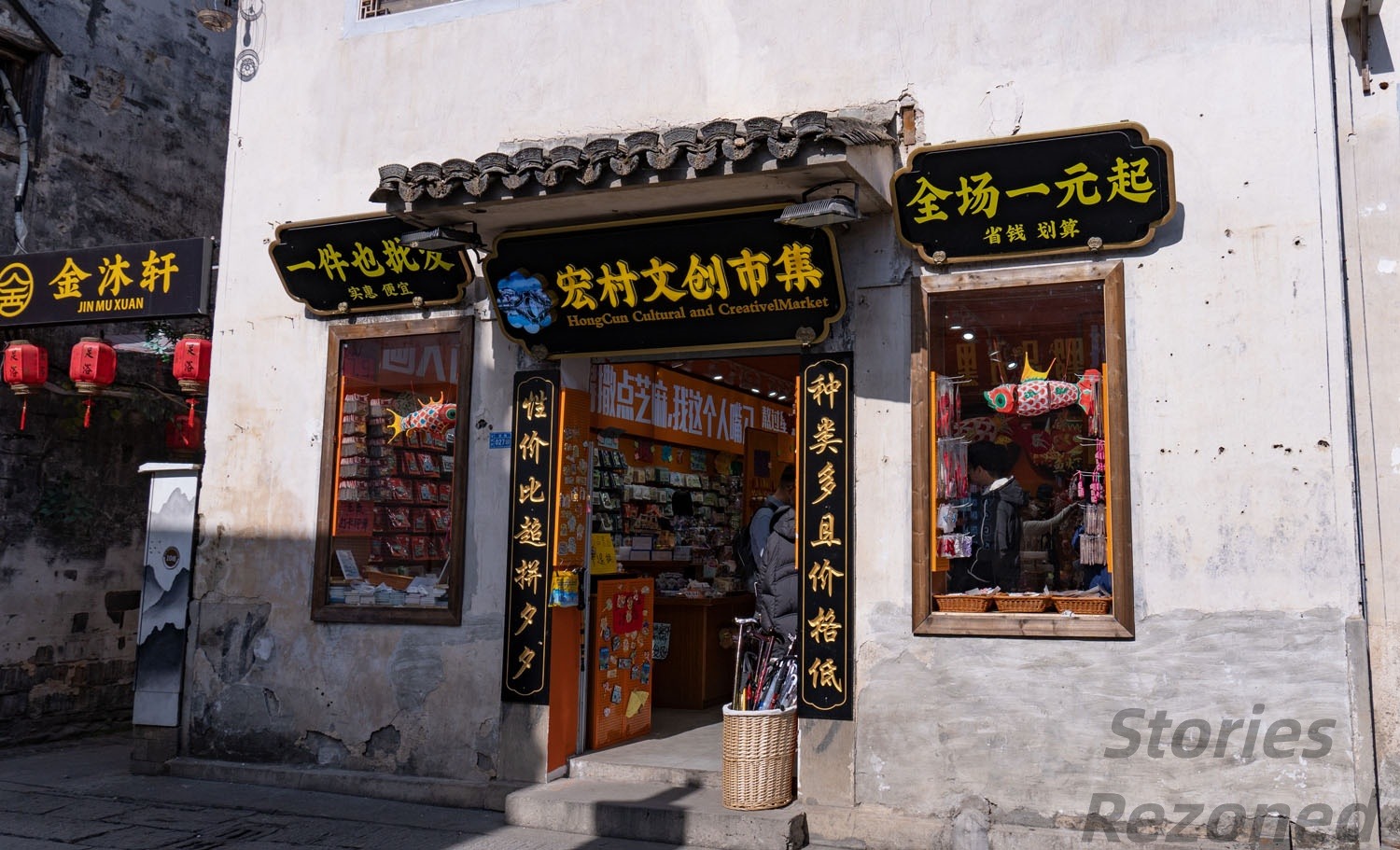
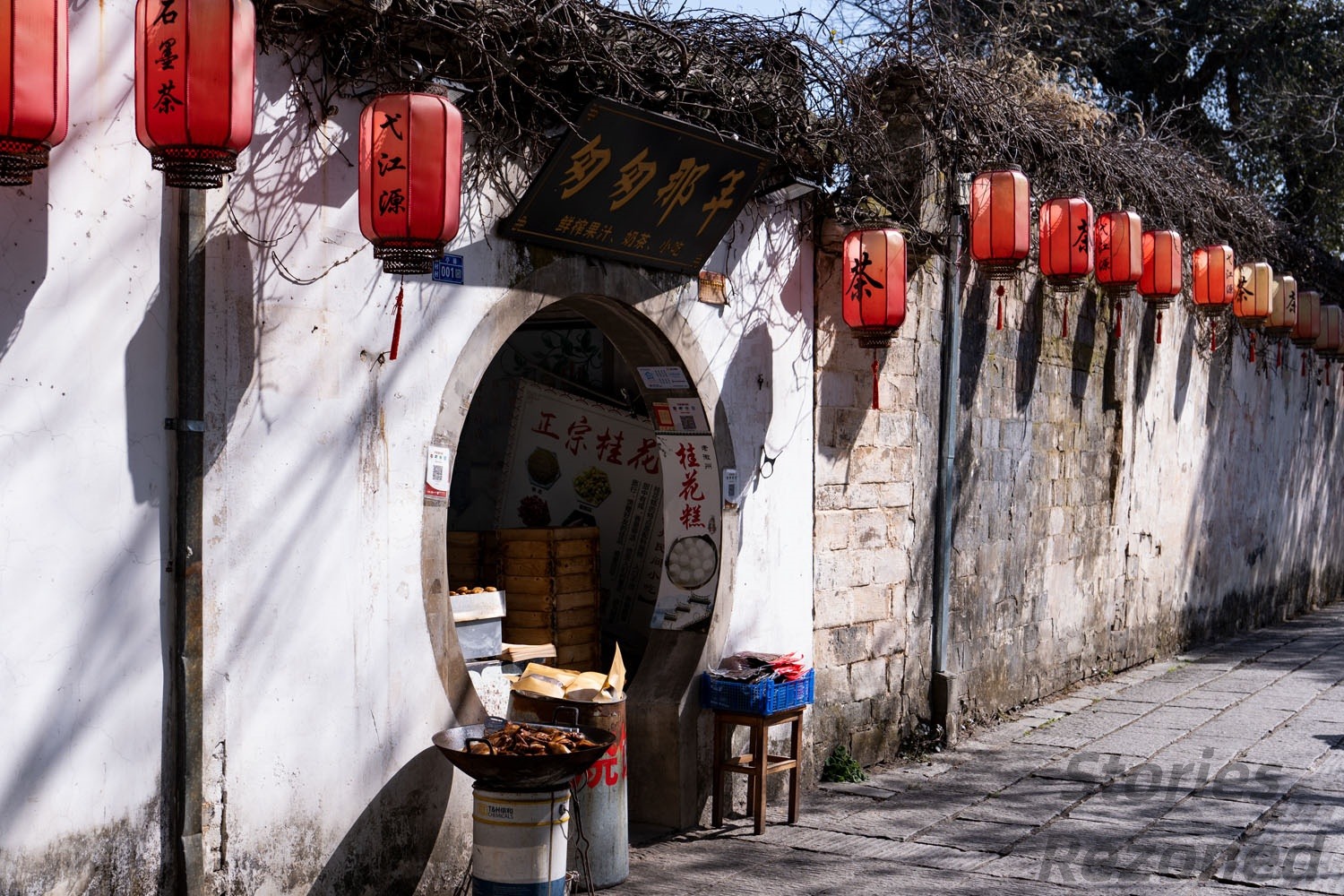
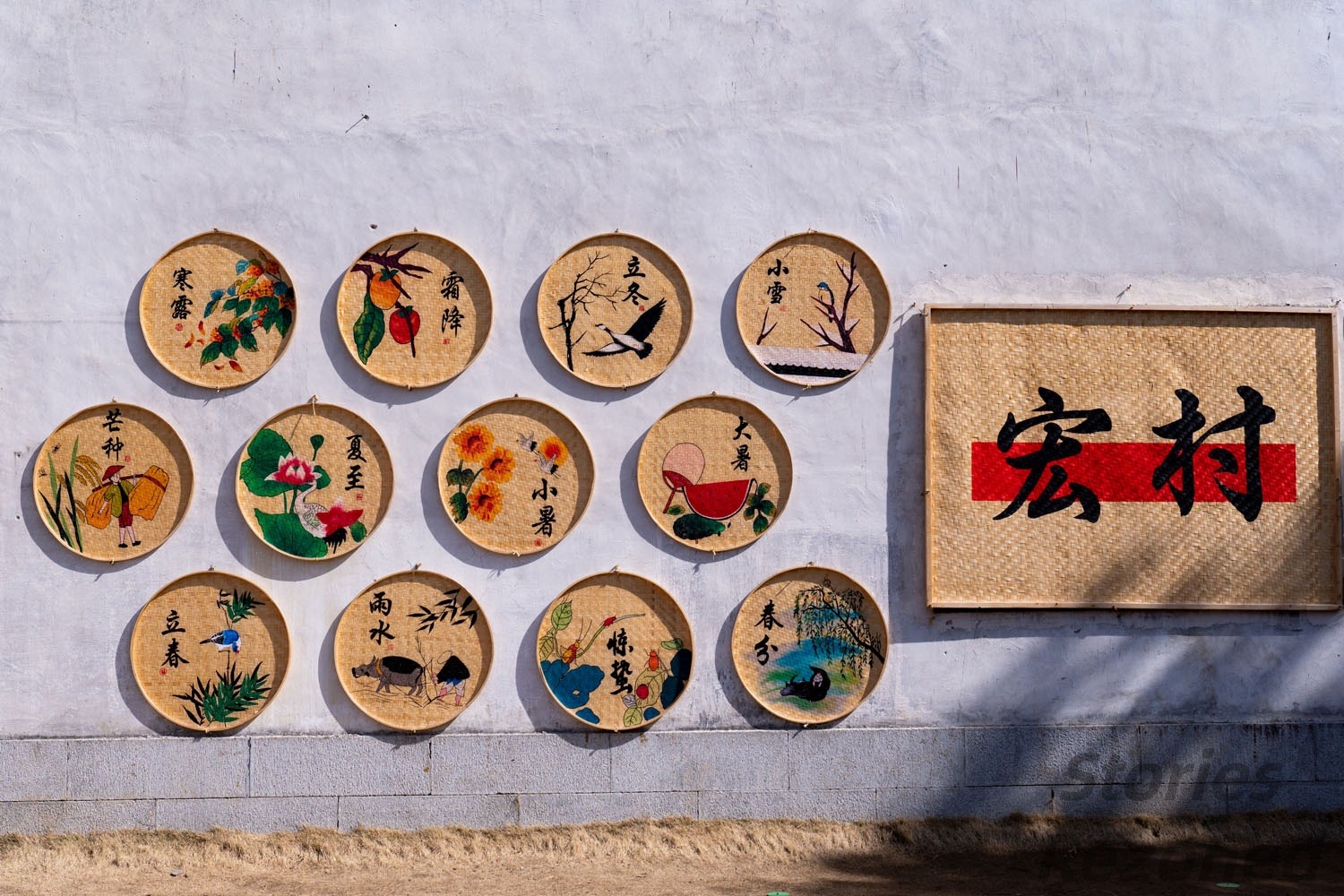
Past: The Rise and Fall of an 800-Year-Old Ox-Shaped Village
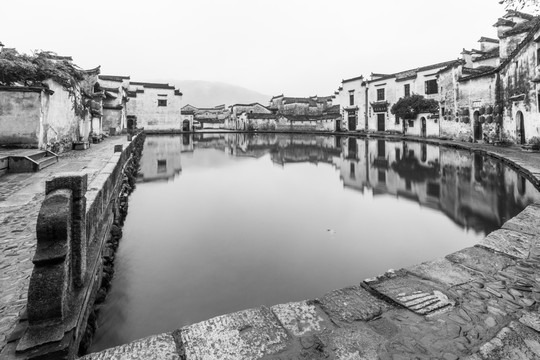
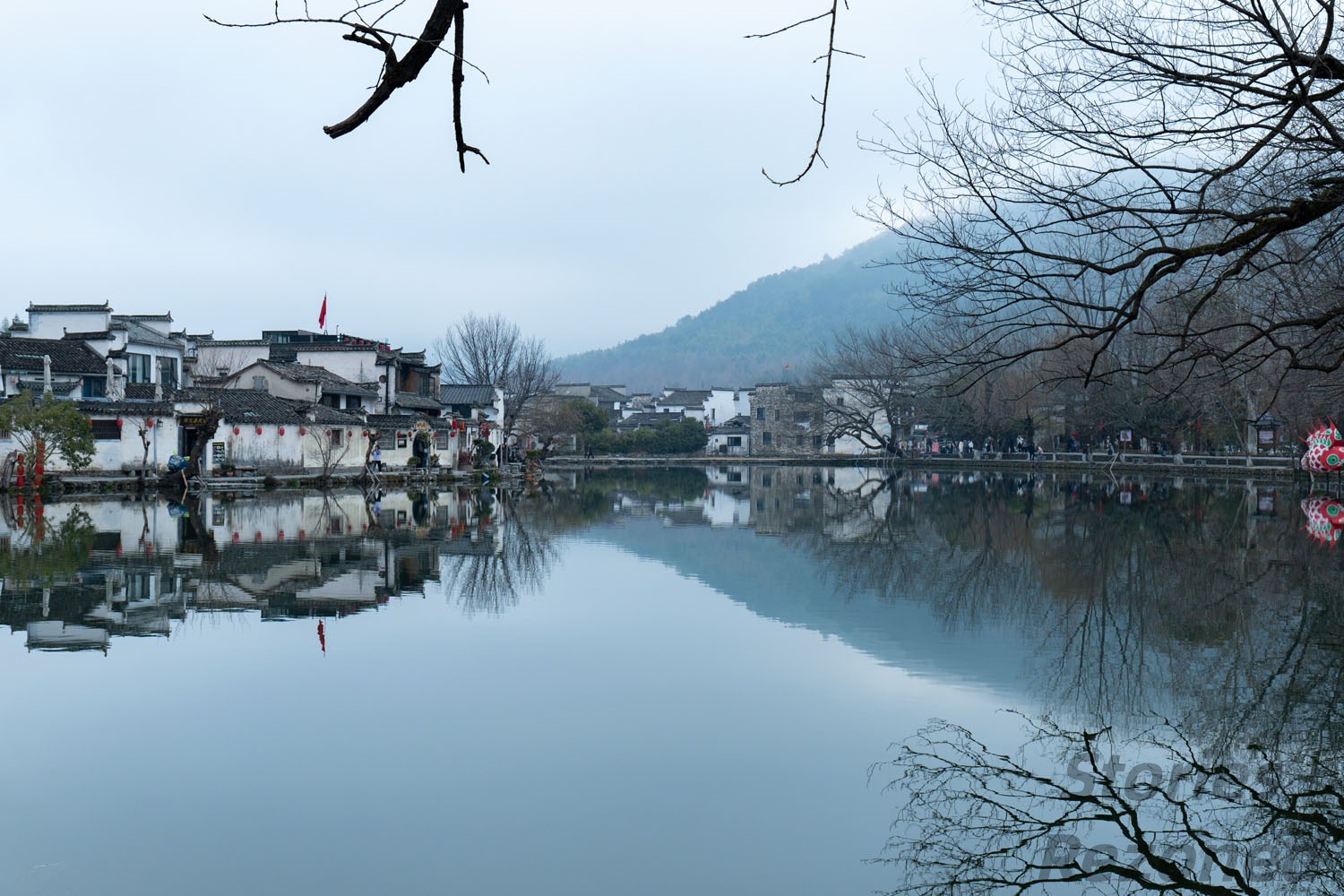
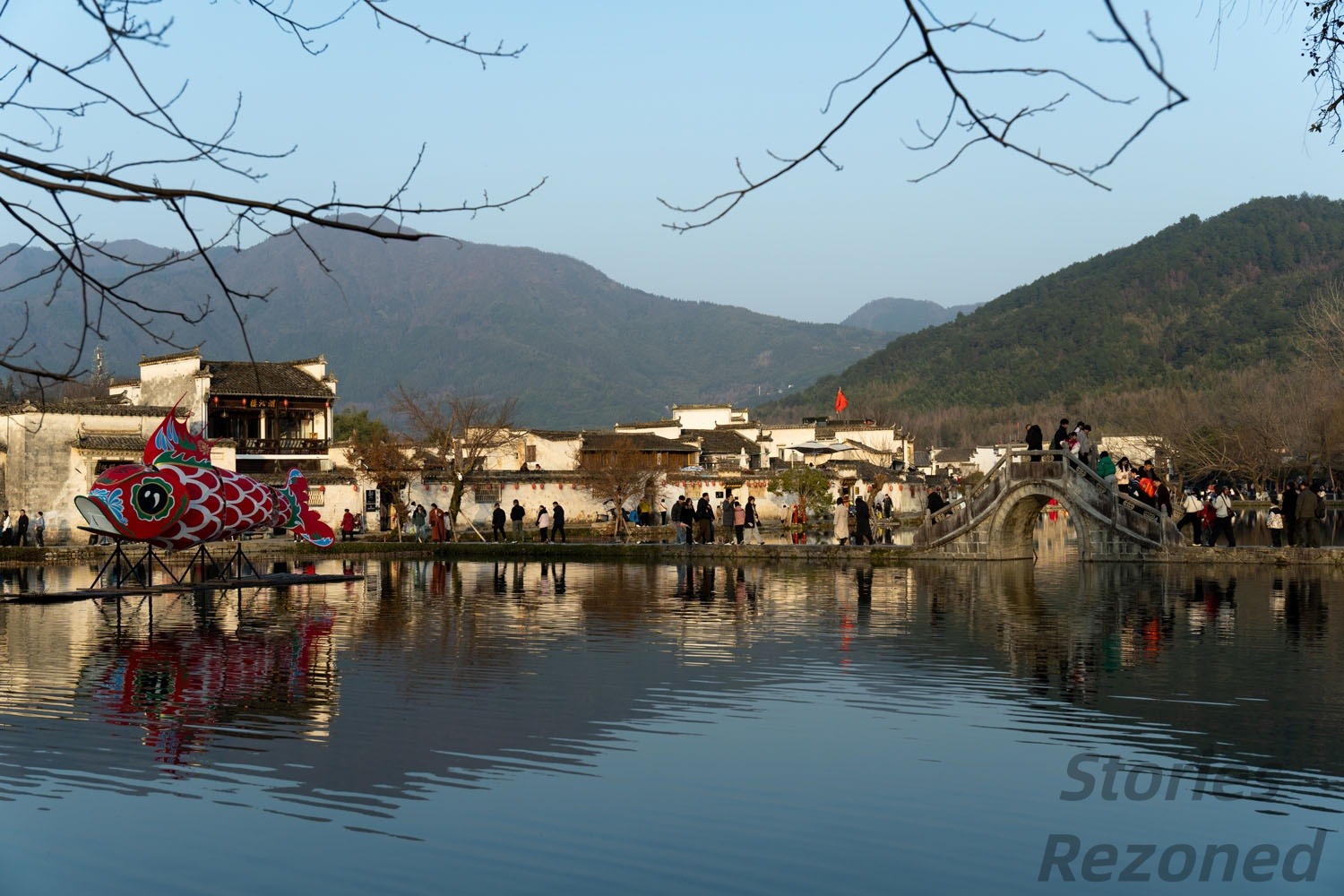
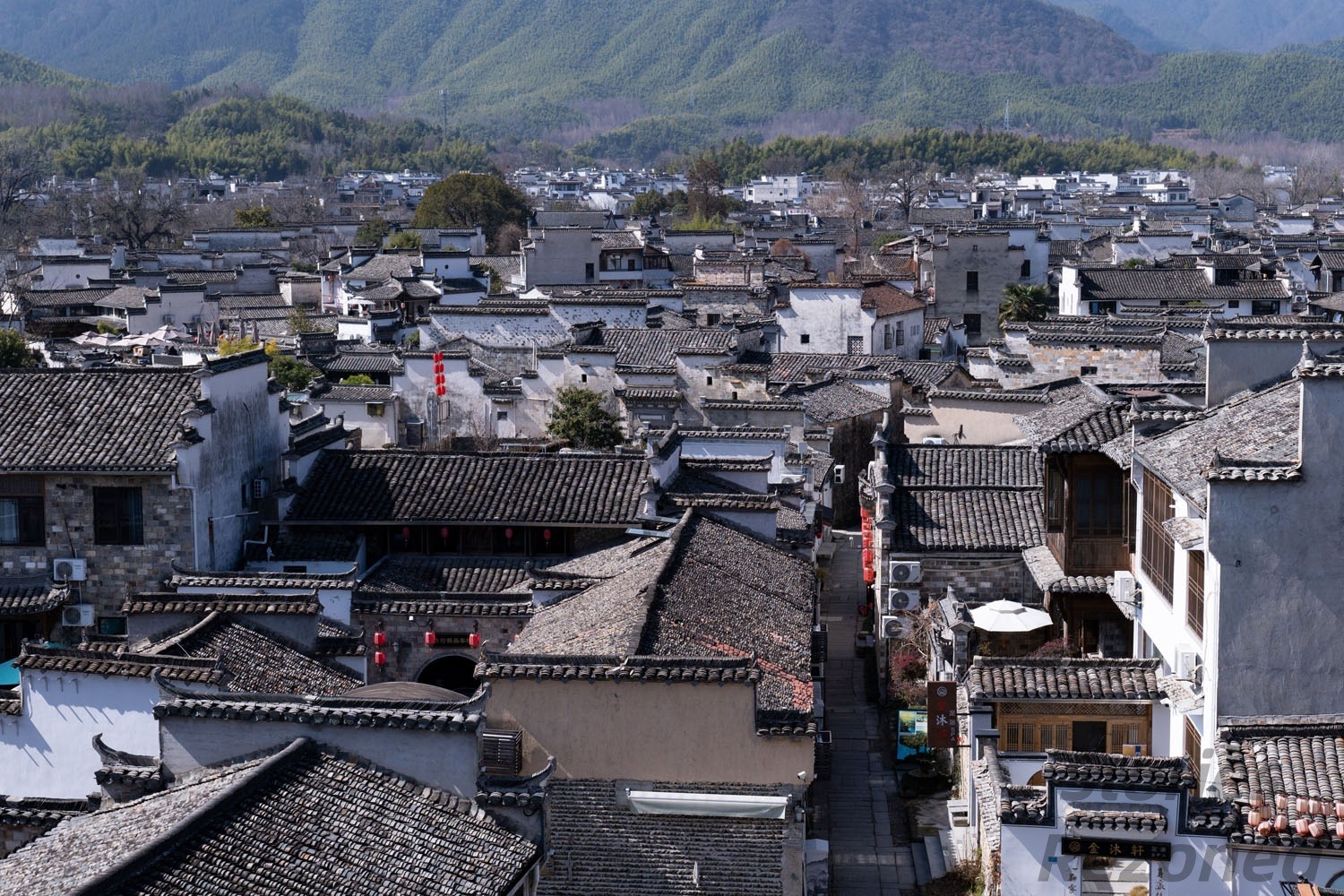
Anhui Hongcun, an 800-year-old ox-shaped village located on Leigang Mountain in China, began its history in the first year of Shaoxing in the Southern Song Dynasty (1131 AD). It was founded by Wang Yanji, who was the ancestral founder of the Wang Clan. He had moved his residence there after a fire destroyed his previous home. During the Yongle reign of the Ming Dynasty, the plans for the water system of the “Ox-Shaped Village” were finalized. The water system consisted of “Ox Intestines” (canals), which were made by channeling clear mountain spring water through them. Then, the water flowed into Moon Marsh as the “Ox Stomach”, then into South Lake to become the “Ox Belly.” This created a one-of-a-kind human settlement pattern.
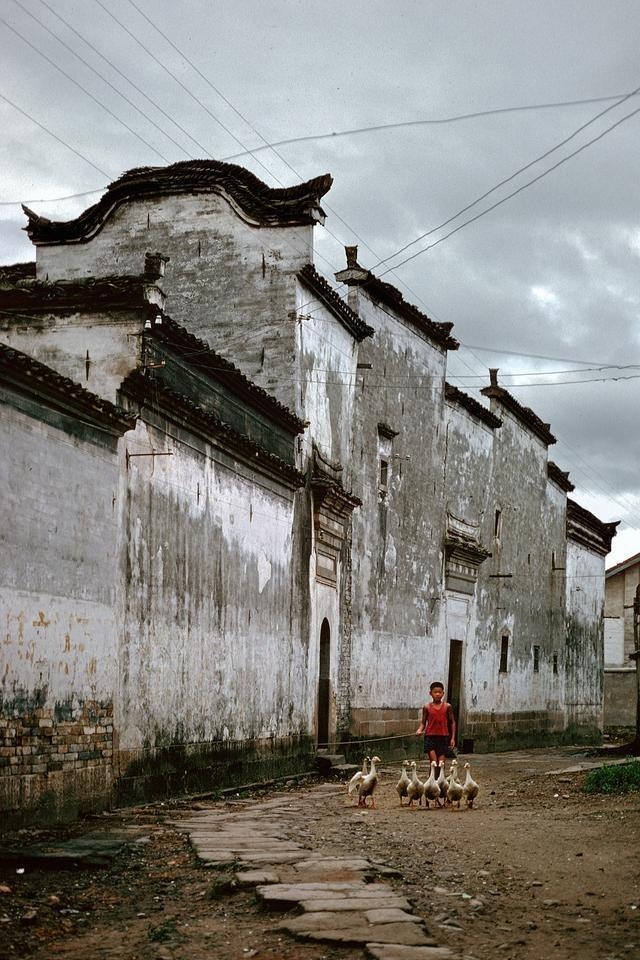
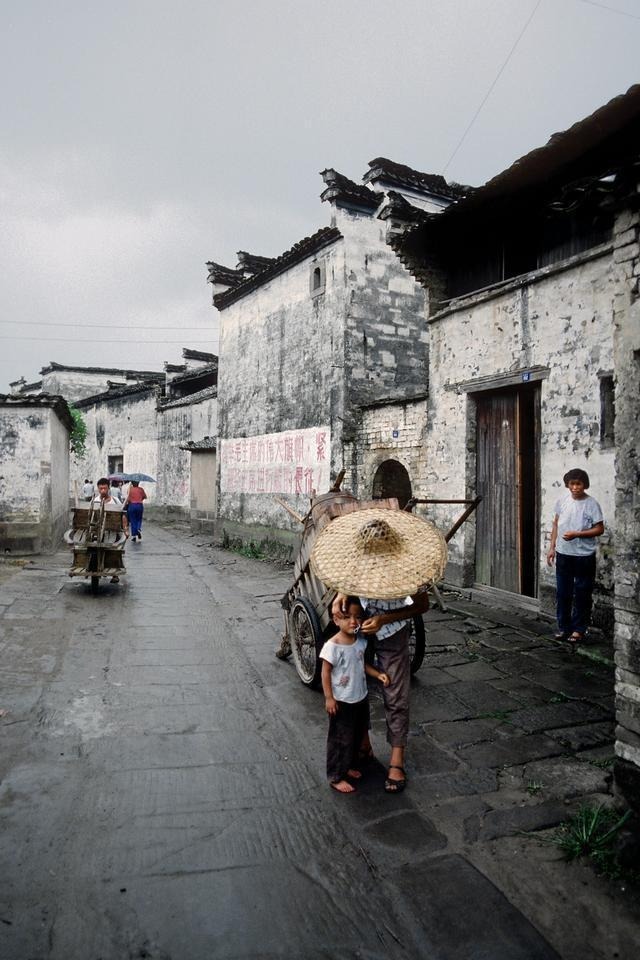
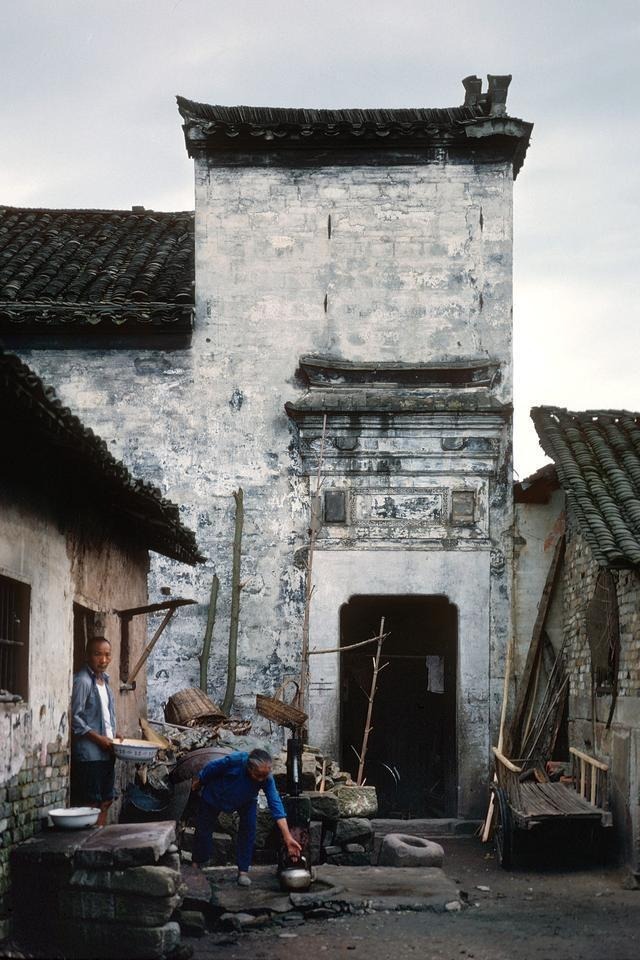
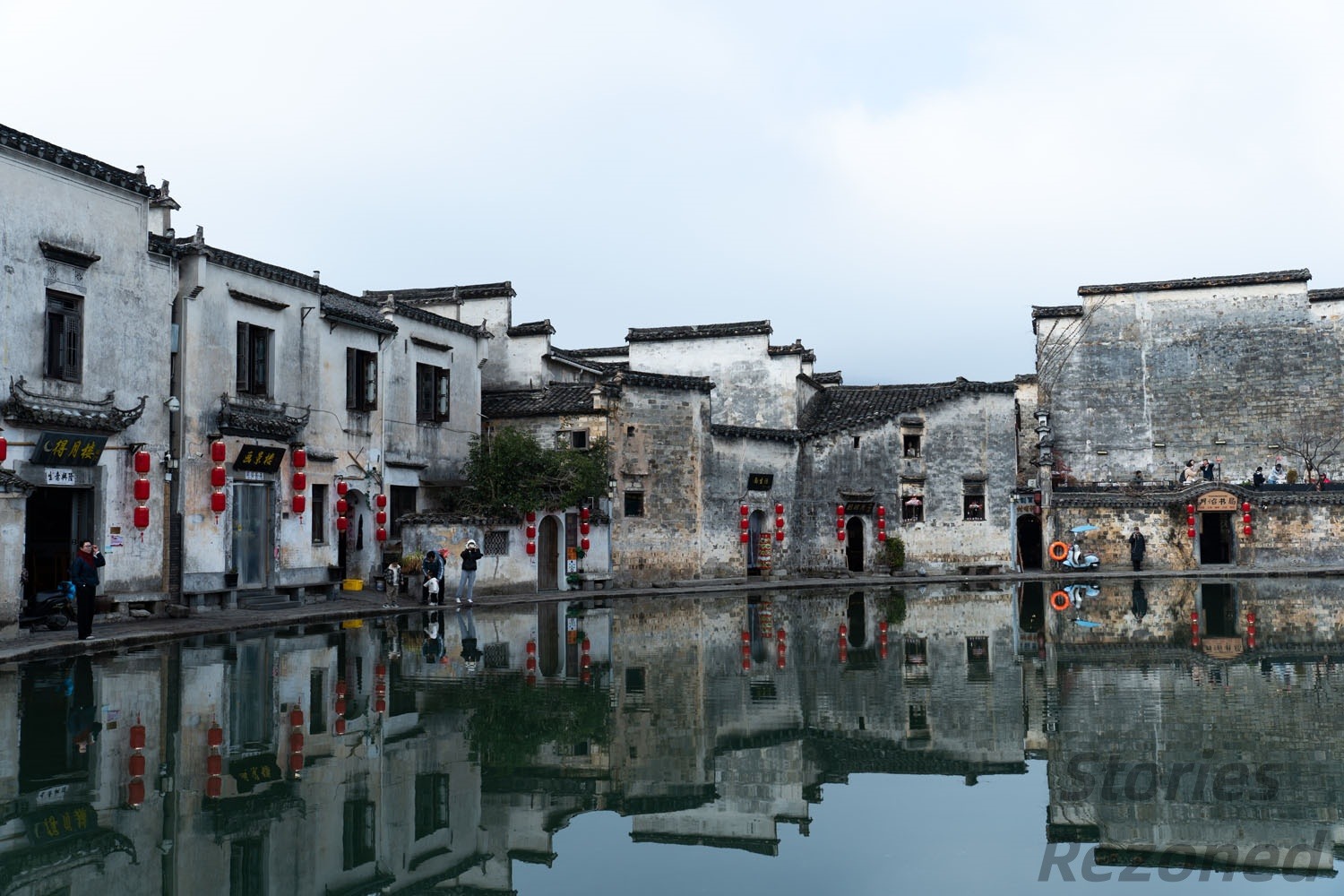
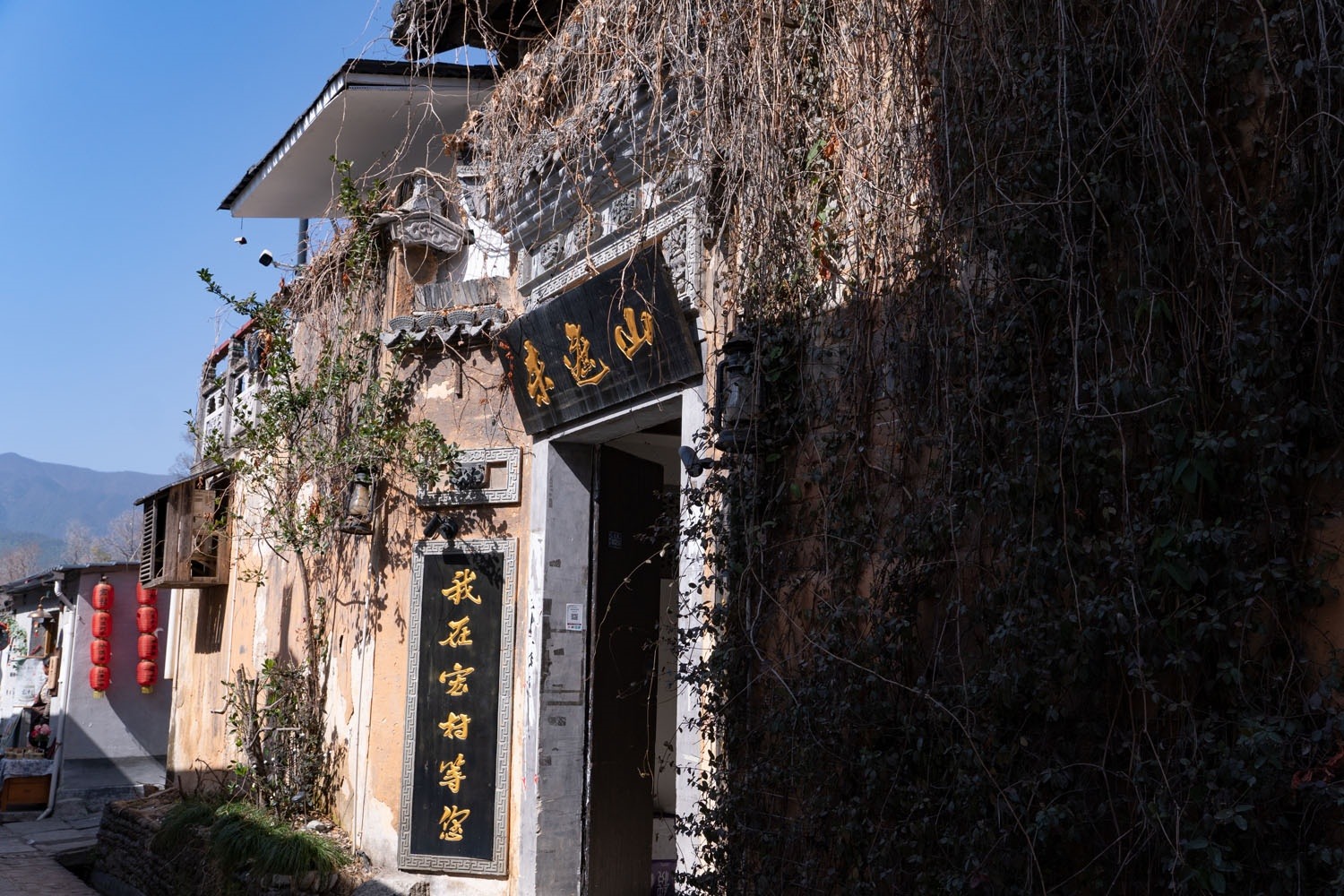
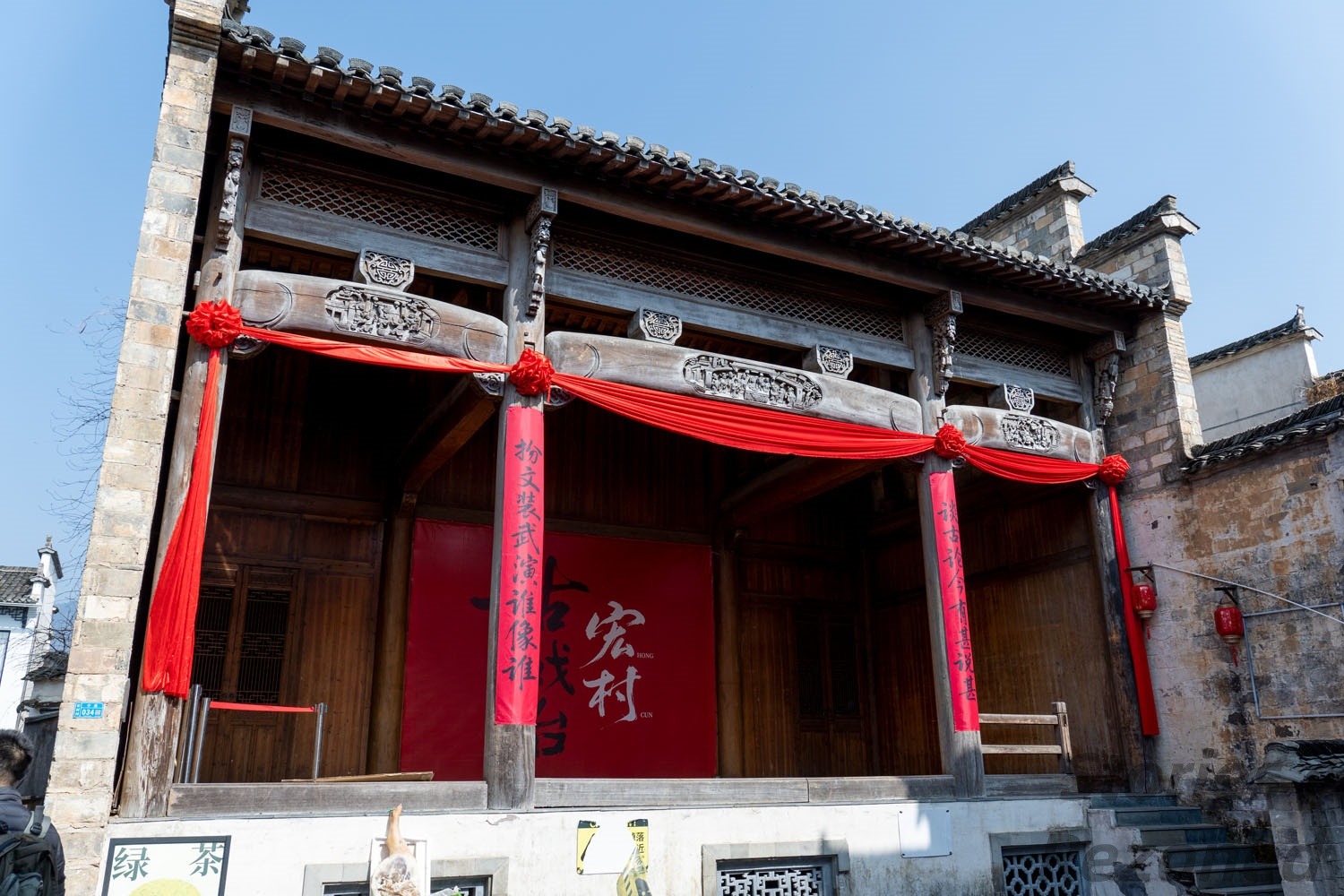
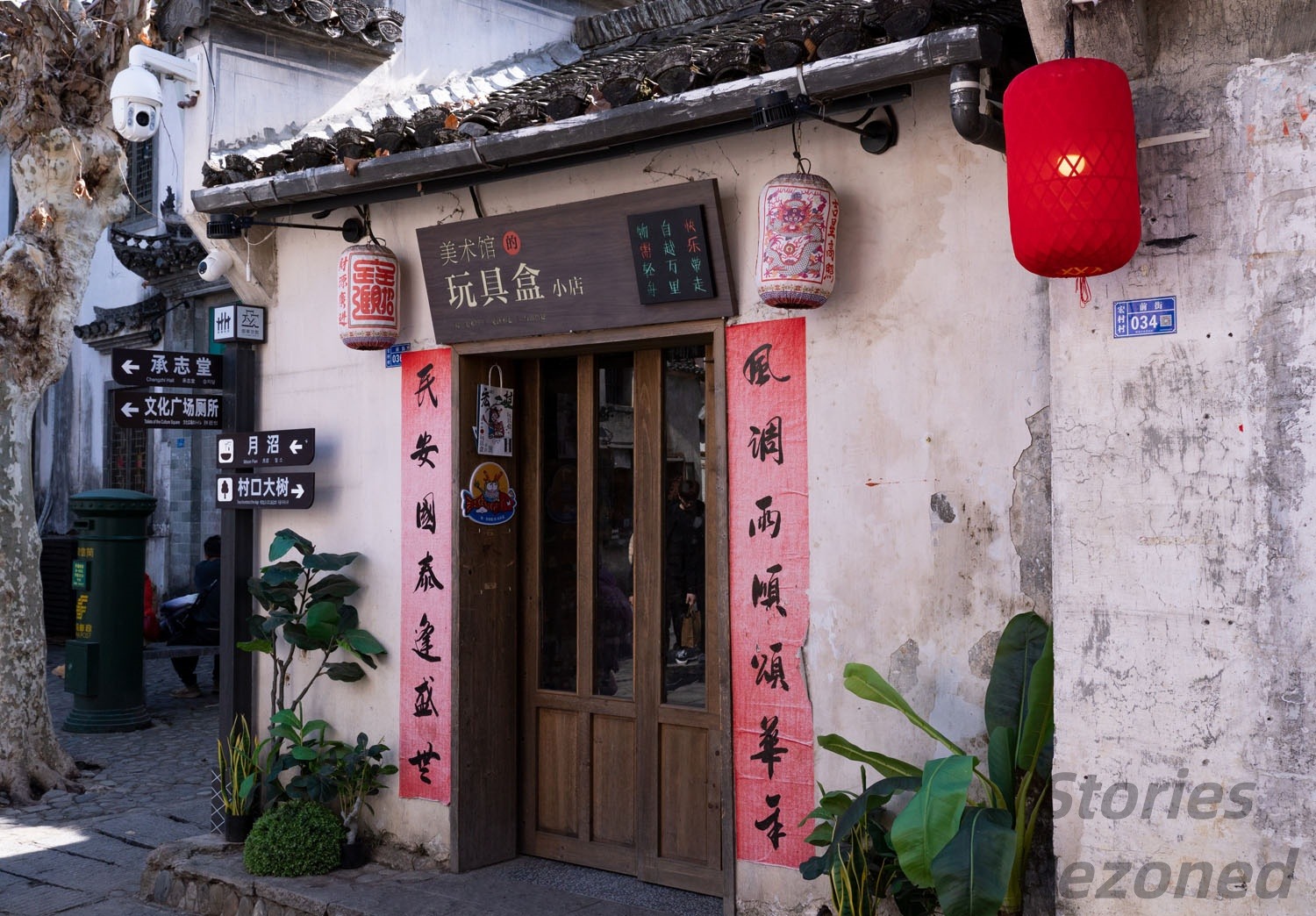
Hongcun experienced great prosperity during the time of the Huizhou merchants in the Ming and Qing dynasties. The Wang family clansmen returned to their hometown and built many mansions and public buildings, including the Chengzhi Hall, known as the “Palace of the Common People,” and the South Lake Academy. However, during the late Qing dynasty and modern times, due to the decline of Huizhou merchants and poor transportation, the ancient village fell into poverty. Many ancient buildings fell into disrepair, the water system became polluted and the villagers lived in extreme poverty, even though they had a rich cultural heritage.
Present: The Four-Stage Evolution of the Revitalization Drive
In 1986, a cultural relic protection institution was created in Yixian County, where the village is located. Funds were allocated to restore the Chengzhi Hall and Lexu Hall using the principle of “restoring the old as it was.” After restoration, the official opening of tourism occurred in 1997. Only 8,000 tourists visited the village in 1997. In 2000, the village of Hongcun was designated as a UNESCO World Heritage Site, along with Xidi, making it a significant milestone in the village’s revitalization efforts.
From 2001 to 2015, the village transitioned from being a tourist destination to becoming a market-driven business. In 2001, a professional tourism company was contracted to develop a mechanism called “ticket revenue sharing (20% goes back to the village collective as dividends) + employing villagers.” The “Thousand Dwellings in a Hundred Villages” ancient residential protection project was initiated and 68 old houses were restored. Due to its popularity as a film location for Crouching Tiger, Hidden Dragon, the village received 850,000 tourists in 2015 and generated over 500 million yuan in tourism revenue.
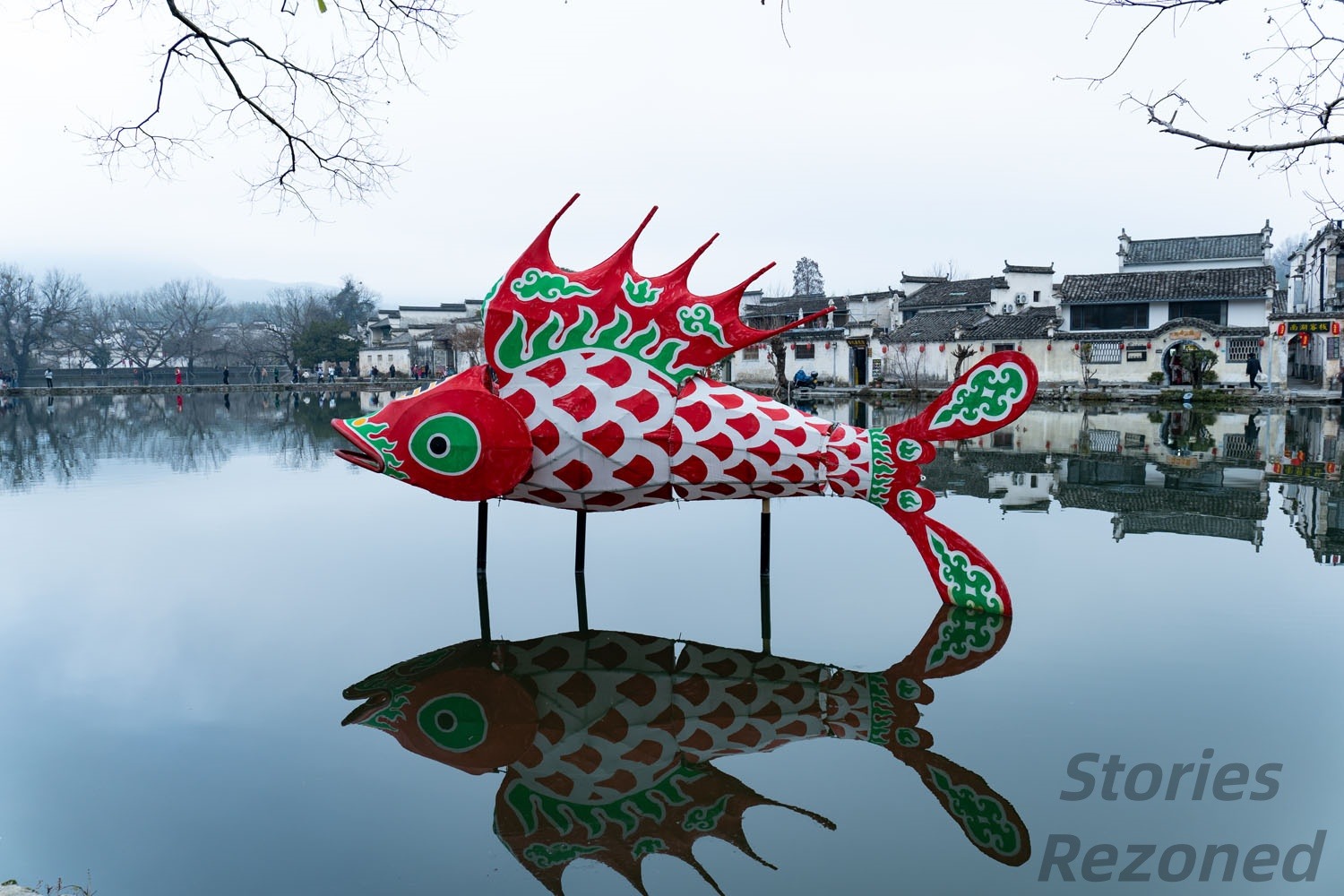
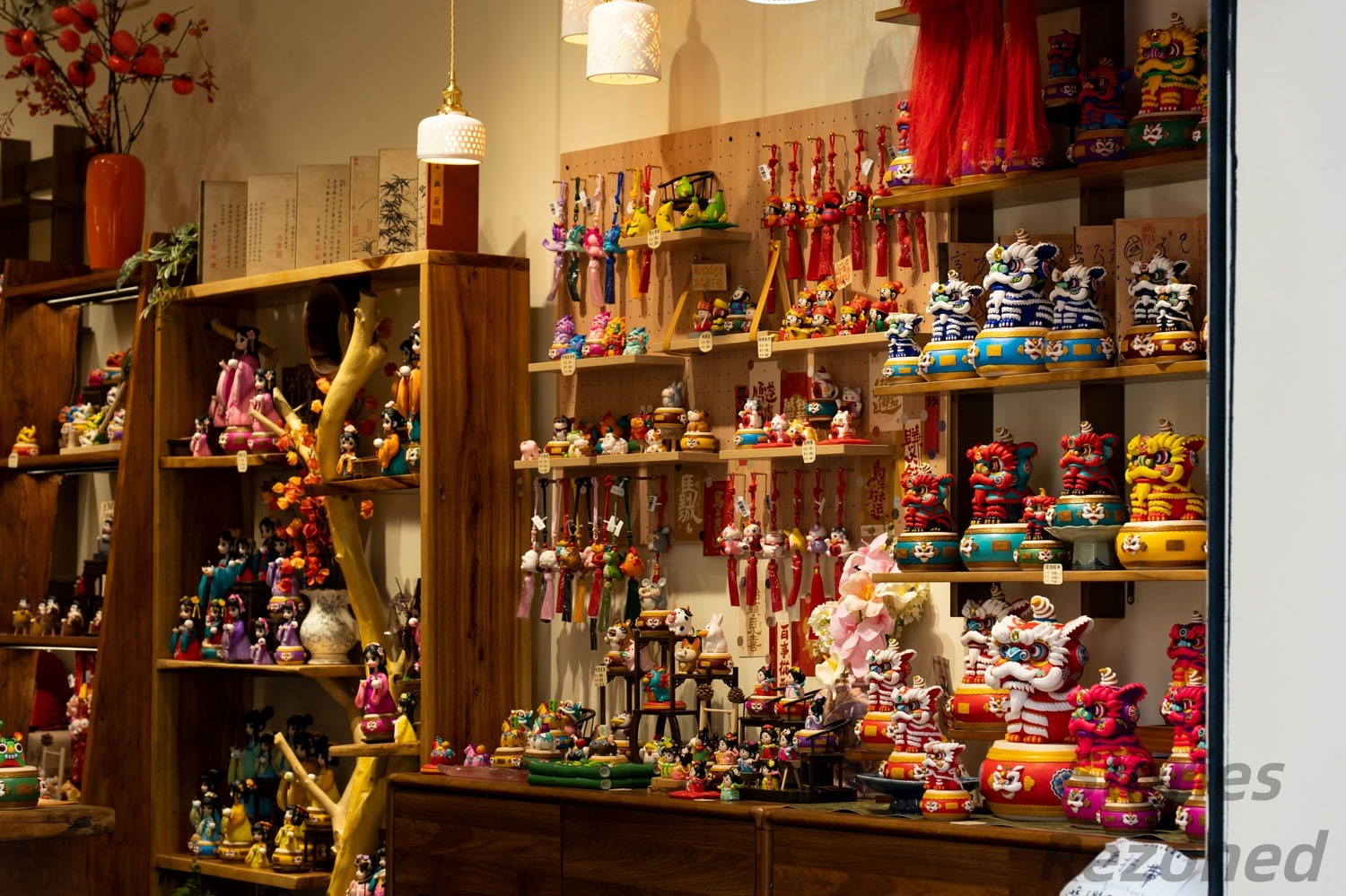
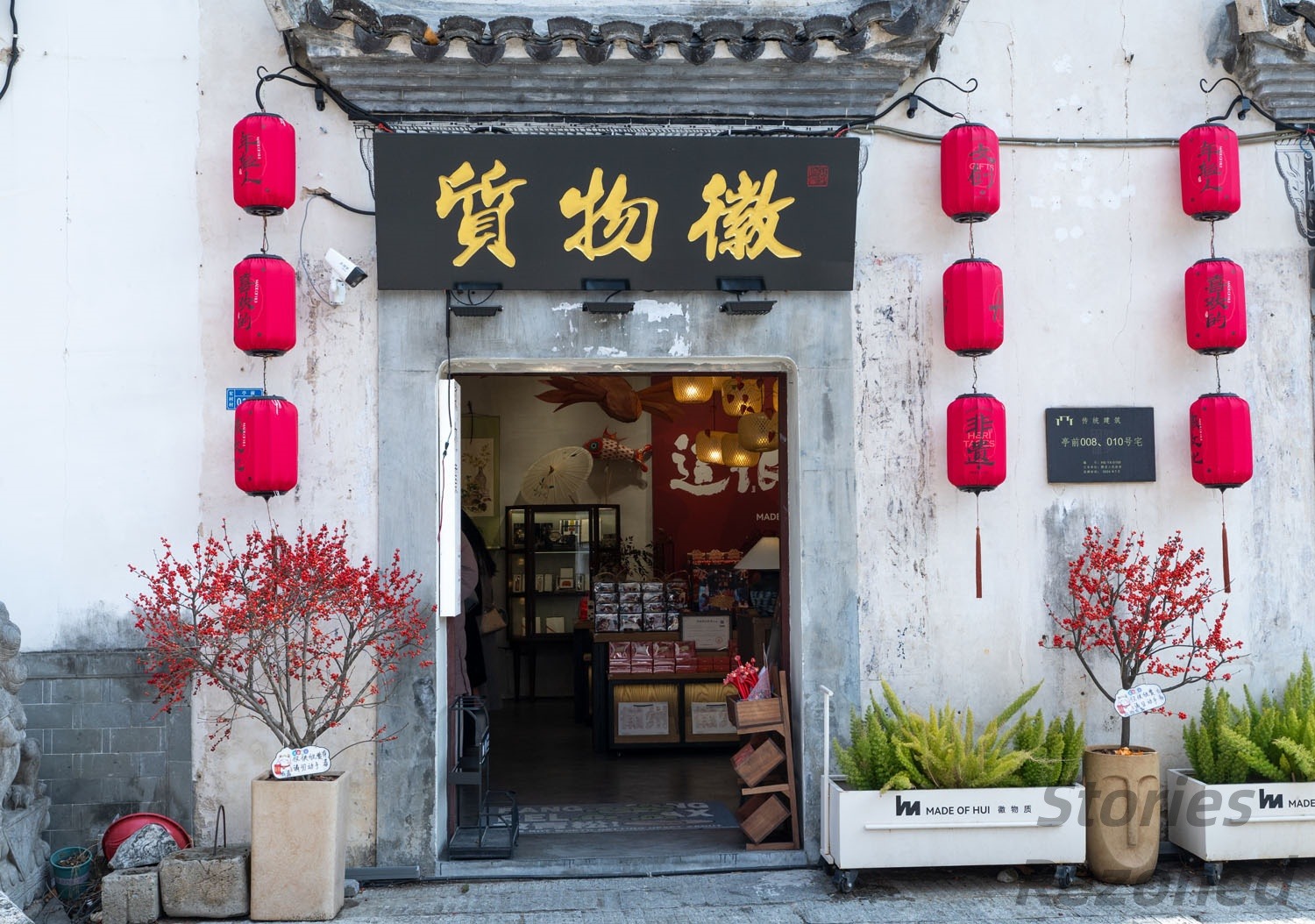
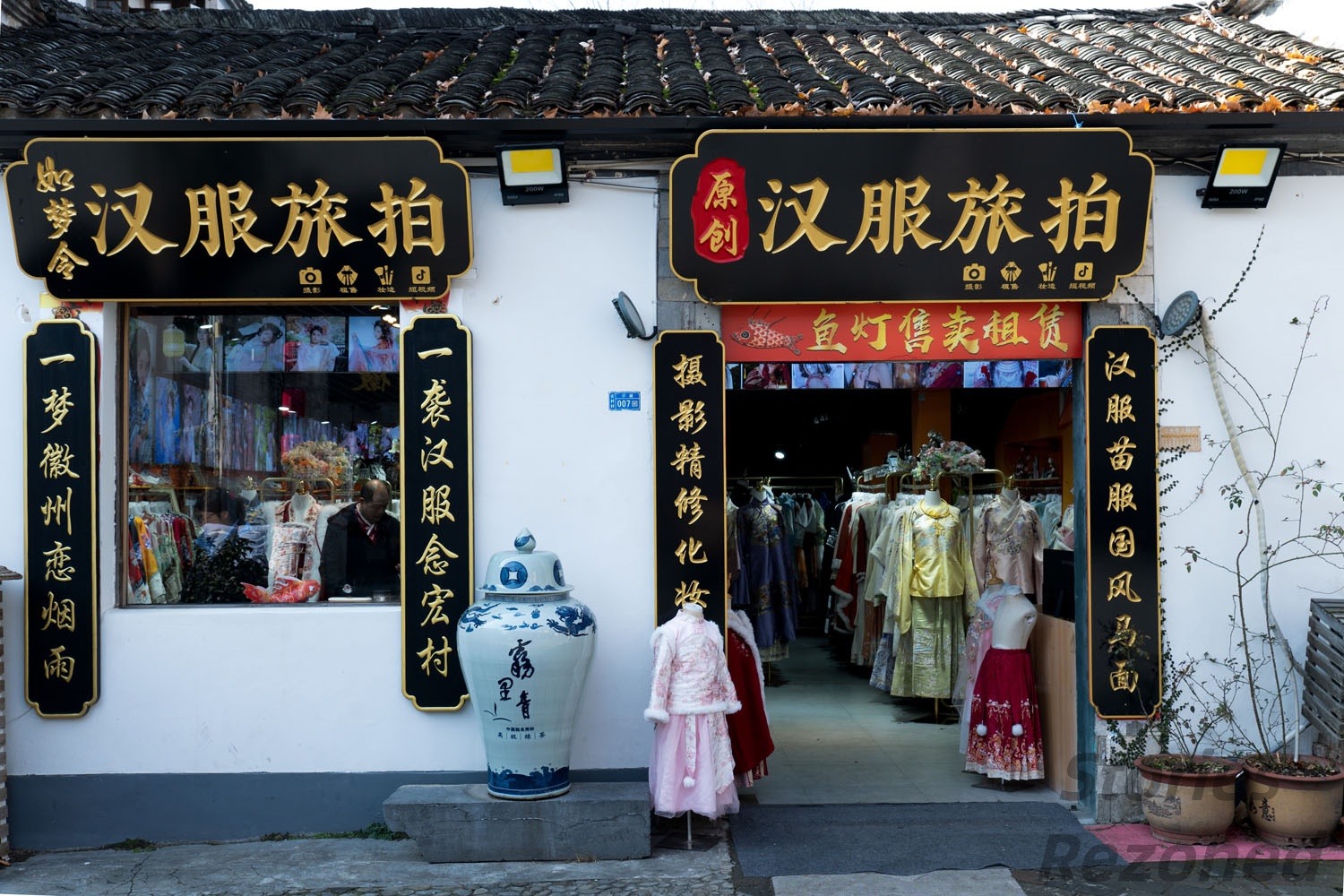
Between 2016 and 2020, the village transformed from sightseeing tourism to Huizhou culture experience/research study/Intangible Cultural Heritage (ICH) tourism. Workshops for bamboo weaving, Huizhou opera, and the three Huizhou carvings of wood, stone, and brick, were established and a smart tourism system was developed. In 2020, Hongcun was recognized as a UN Best Tourism Village and folk customs, including the “Lantern Show for the Lantern Festival with a Hundred Children,” were restored in the same year.
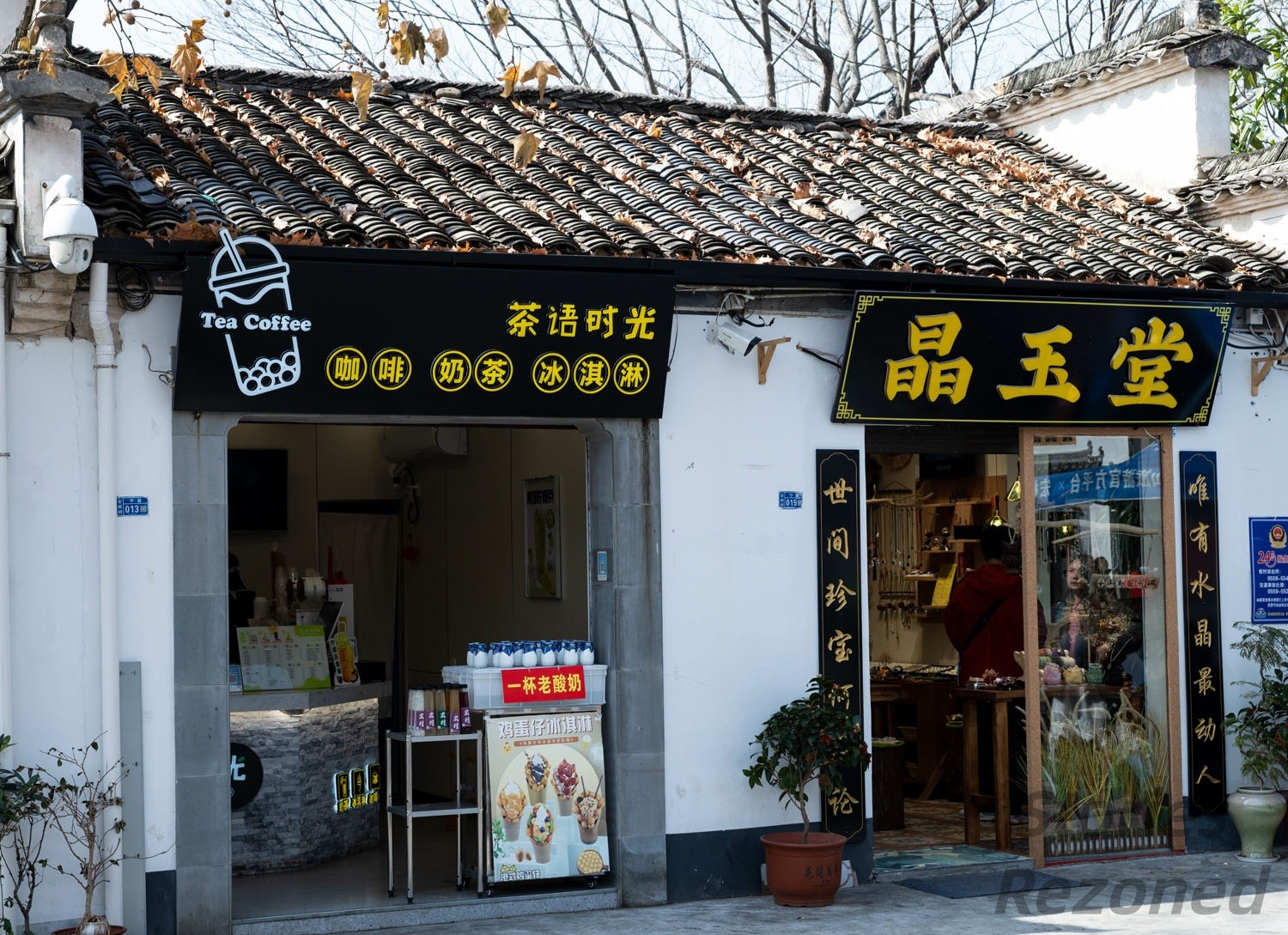
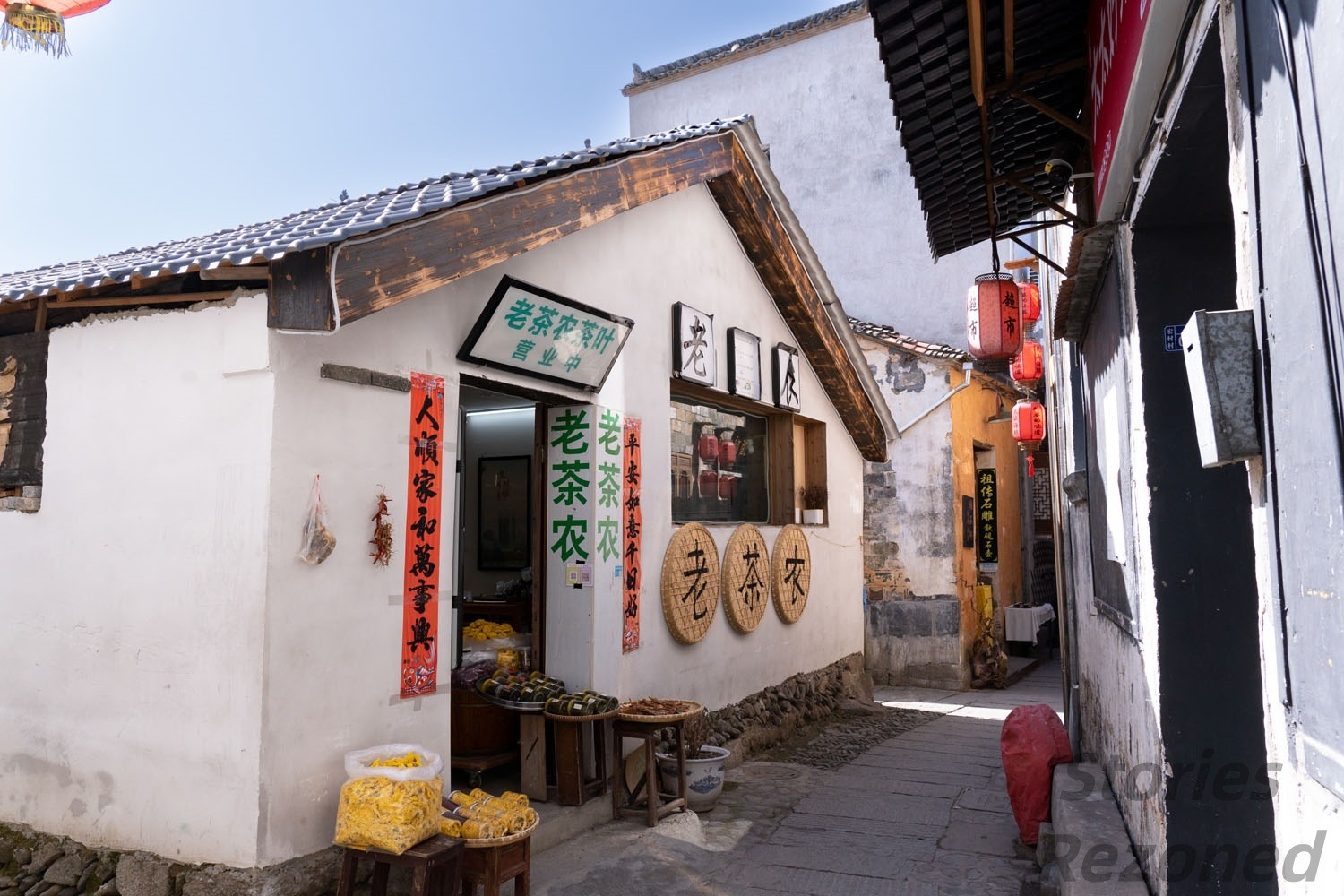
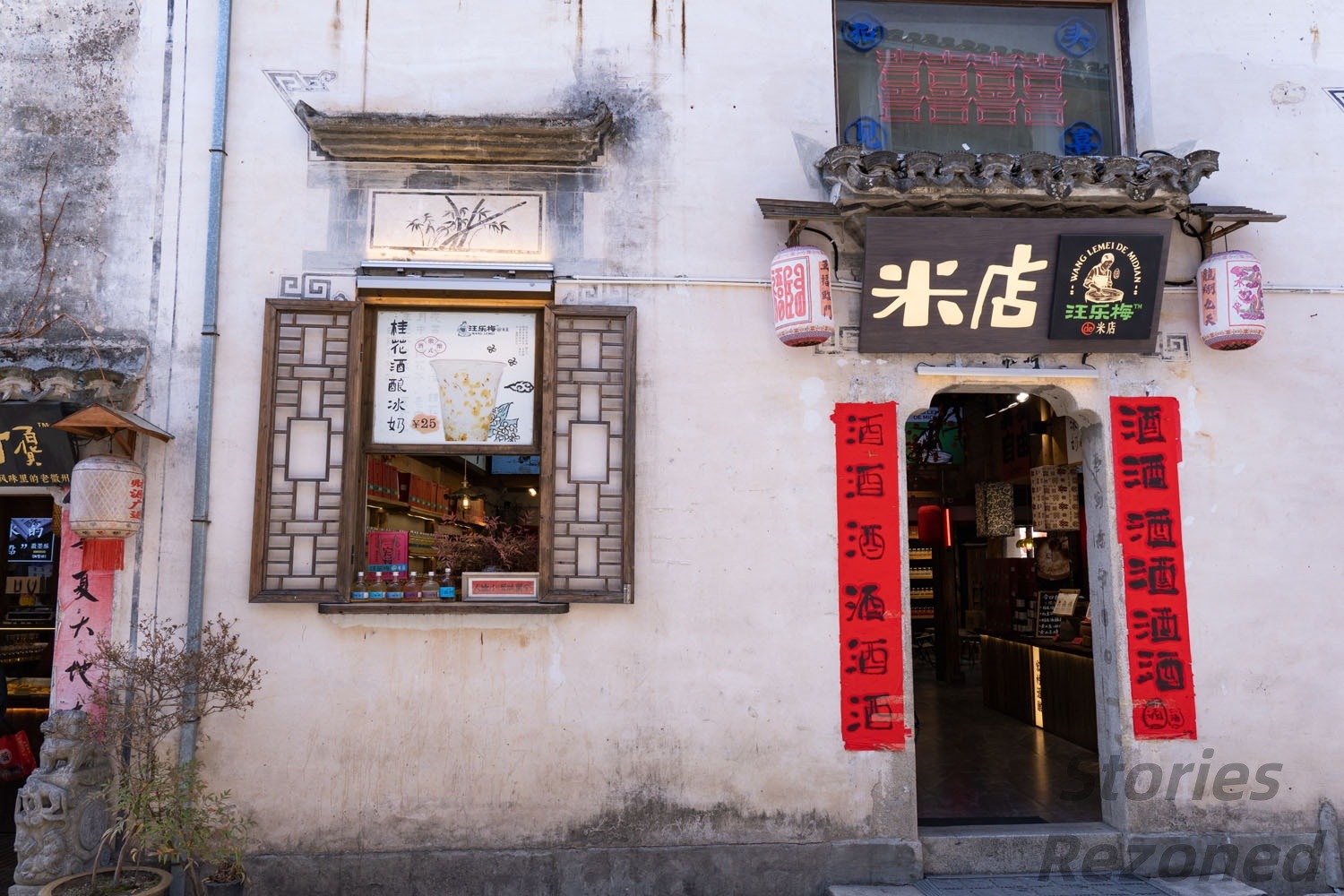
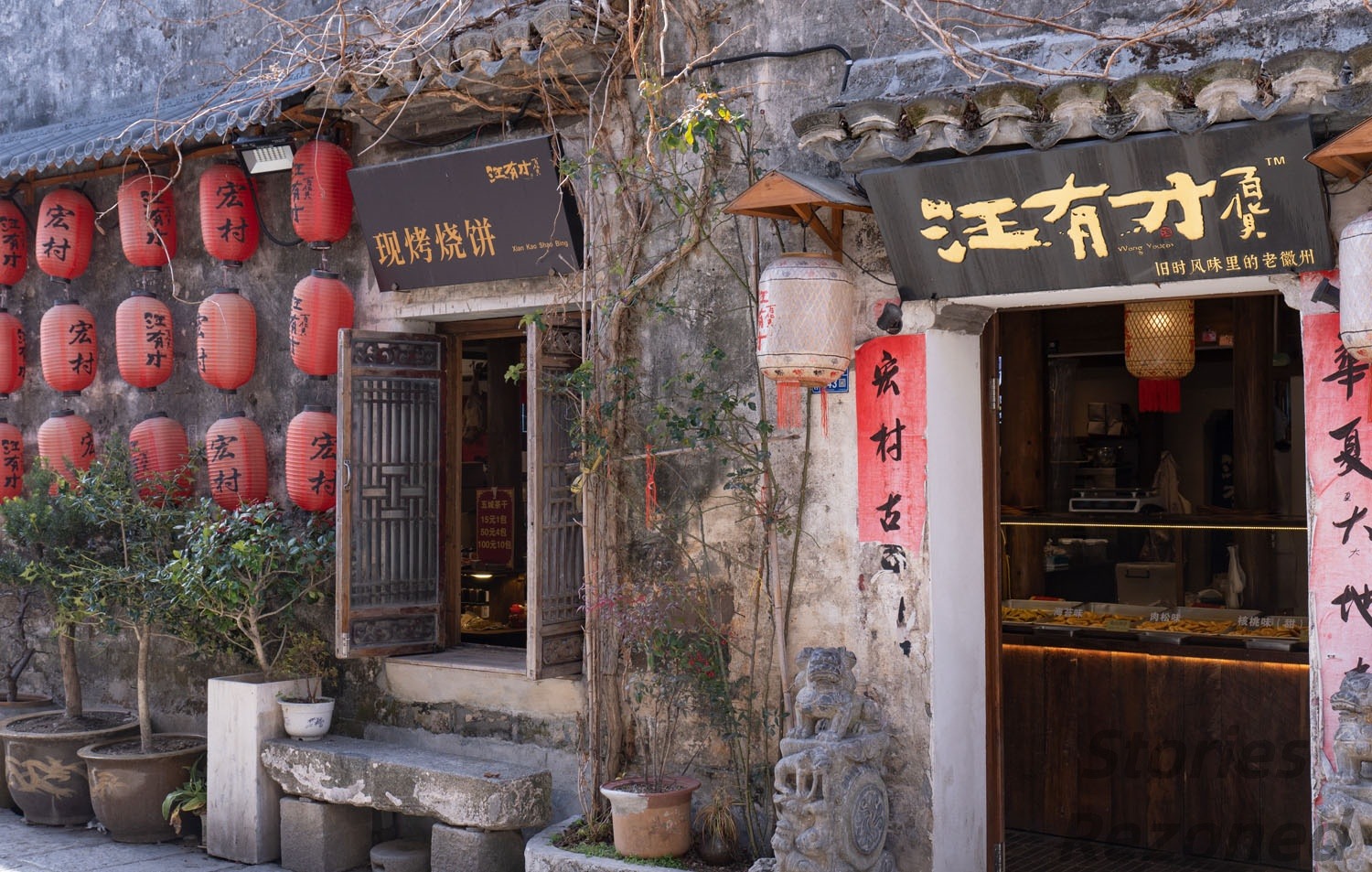
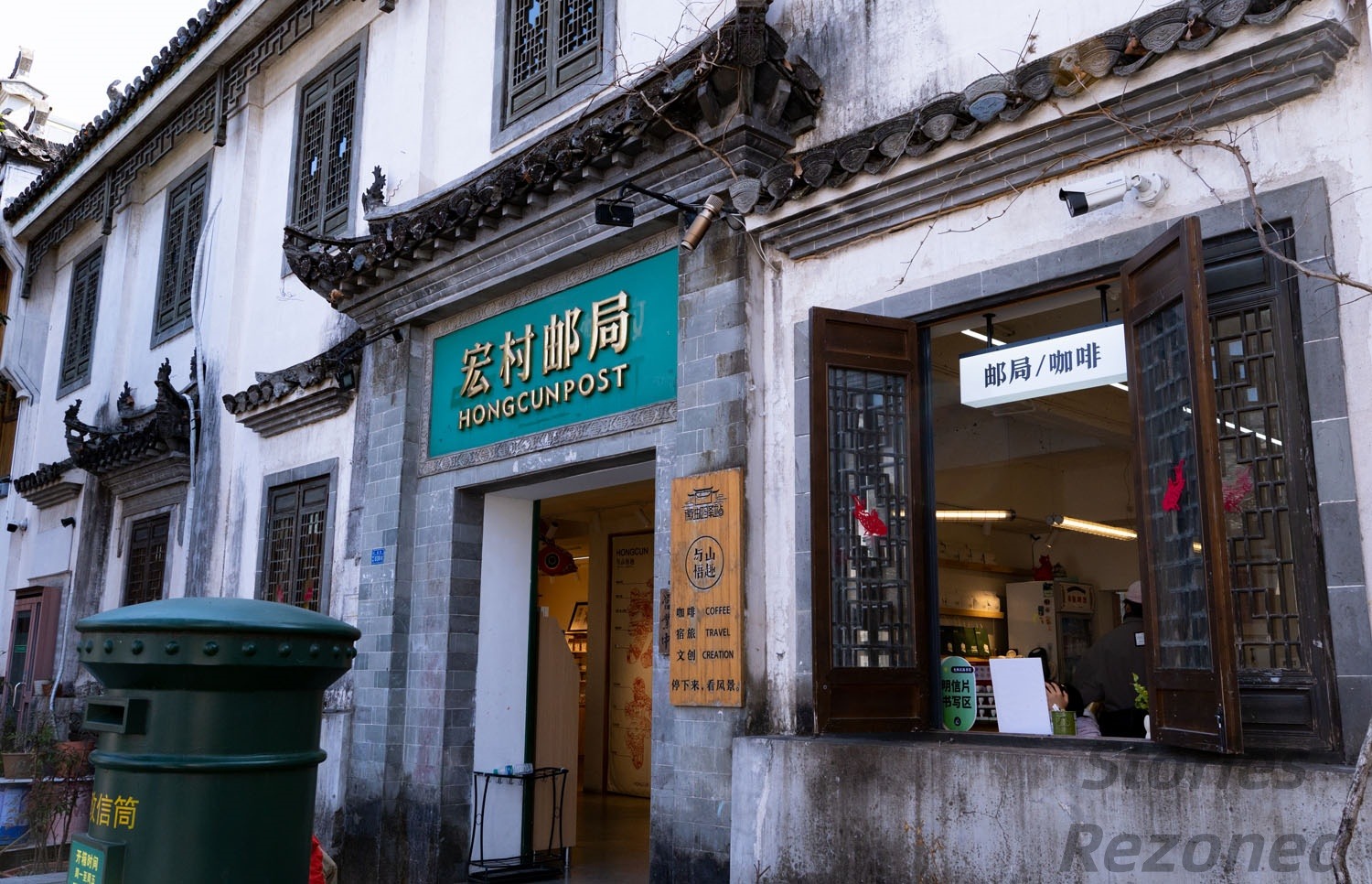
Since 2021, the village has focused on integrated regional development and sustainable growth. An ancient village tourism alliance was established to link surrounding villages. Millions of yuan have been invested in the protection of ancient buildings and water system management. Additionally, the proportion of shops within the central village area are strictly limited to preserve the traditional way of life of the original residents. By 2024, the total tourism revenue was approximately 860 million yuan and the average annual disposable income of the villagers exceeded 30,000 yuan.
There are three key elements of Hongcun’s revitalization mechanisms:
- Government-led planning: The local government provides long-term strategic planning for the village to ensure that all stakeholders are working towards common goals.
- Professional Enterprise Operations: The village operates as a for-profit business, with revenue generated by ticket sales, food and beverage sales, etc., and those profits are shared among stakeholders.
- Benefit Sharing for Villagers: Villagers receive a portion of the profits generated by the village’s operations.
An additional key element is the unwavering commitment to “restore the old as it was,” when protecting the ancient architecture of the village.
Finally, the village integrates the preservation of cultural heritage with the promotion of tourism to create a sustainable and economically viable ICH research economy that is based upon the living inheritance of ICH.
Challenges:
- Ancient Buildings and Ecological Environment: Peak tourist season creates pressure on both the ancient buildings and the environmental sustainability of the village.
- Commercialization vs Cultural Authenticity: There is always a risk of losing the cultural authenticity of the village as it becomes increasingly commercialized.
- Generational Gap in Traditional Skills: Younger generations are no longer interested in learning traditional skills, including Huizhou craftsmanship.
Significance:
Hongcun rejects massive demolitions and constructions and uses protection as the premise, culture as the core, industry as the support and villagers as the main body. It illustrates that world heritage is not just a museum piece but a living space that generates continued economic returns while improving the quality of life of the people who live in the community.
Image References
All images not separately credited below filmed at location by Stories Rezoned team
- Tan, Shaolu. Moon Pond (Yue Zhao) in Hongcun Ancient Village, Anhui. 2017. Huitu, 6 Apr. 2017, www.huitu.com/photo/20170406/161302811013.html.
- Hocker, Bill. Boy Herding Geese in a Huizhou Village. 1981. The Paper, 29 June 2020, www.thepaper.cn/newsDetail_forward_7898459.
- Hocker, Bill. Street Scene in Tunxi Old Street, Anhui. 1981. 360doc Library, 16 Mar. 2022, www.360doc.cn/article/58395974_1021712848.html.
- Hocker, Bill. Daily Life in a Huizhou Village, Anhui. 1981. 360doc Library, 16 Mar. 2022, www.360doc.cn/article/58395974_1021712848.html.
References
- Anhui Jianzhu Daxue Xuebao. “Digital Display of Intangible Cultural Heritage of Ancient Villages in Anhui Province—Take Hongcun as An Example.” 安徽建筑大学学报,8 Oct. 2025,https://xuebao.ahjzu.edu.cn/ch/reader/view_abstract.aspx?file_no=20210707001&flag=1. Accessed 7 Feb. 2026.
- Anhui Provincial People’s Government Information Office. “安徽黄山古建筑国家文物保护利用示范区建设实施方案.” Anhui Provincial People’s Government Information Office, 21 Mar. 2025, http://fbh.anhuinews.com/project/wjxgzc/202503/t20250321_8339858.html. Accessed 7 Feb. 2026.
- Huangshan Municipal People’s Government. “古村新生 文脉永续.” Huangshan Municipal People’s Government, 14 Nov. 2025, https://www.huangshan.gov.cn/zxzx/qxdt/8416995.html. Accessed 7 Feb. 2026.
- Huangshan Municipal People’s Government Office. “《宏村・阿菊》2025 全新升级版震撼上演:沉浸式体验徽州女性传奇.” 黄山市人民政府,14 July 2025, https://www.huangshan.gov.cn/zwgk/public/6615714/11844974.html. Accessed 7 Feb. 2026.
- Liangjie Zhiku. “安徽宏村 ‘ 文旅活化 ‘ 乡村振兴案例研究:水墨古村的破茧之路.” 亮节智库,22 Nov. 2025, https://www.sohu.com/a/925373372_723766/. Accessed 7 Feb. 2026.
- Rddl.com.cn. “旅游驱动下的传统村落城镇化研究 – 以世界文化遗产宏村为例.” 热带地理,29 June 2025, http://www.rddl.com.cn/CN/10.13284/j.cnki.rddl.002944. Accessed 7 Feb. 2026.
- Sohu. “安徽宏村 ‘ 文旅活化 ‘ 乡村振兴案例研究.” Sohu, 18 Aug. 2025, https://m.sohu.com/a/925373372_723766/. Accessed 7 Feb. 2026.
- Yi County People’s Government. “关于对政协黟县第十一届委员会第四次会议第 3 号提案的答复.” Yi County People’s Government, 24 June 2025, https://www.yixian.gov.cn/zwgk/public/6615714/11844974.html. Accessed 7 Feb. 2026.