
Past: Rise & Fall of a Historic Shanghai Shikumen Lilong and the Downfall of an Older Community (1930-2018)
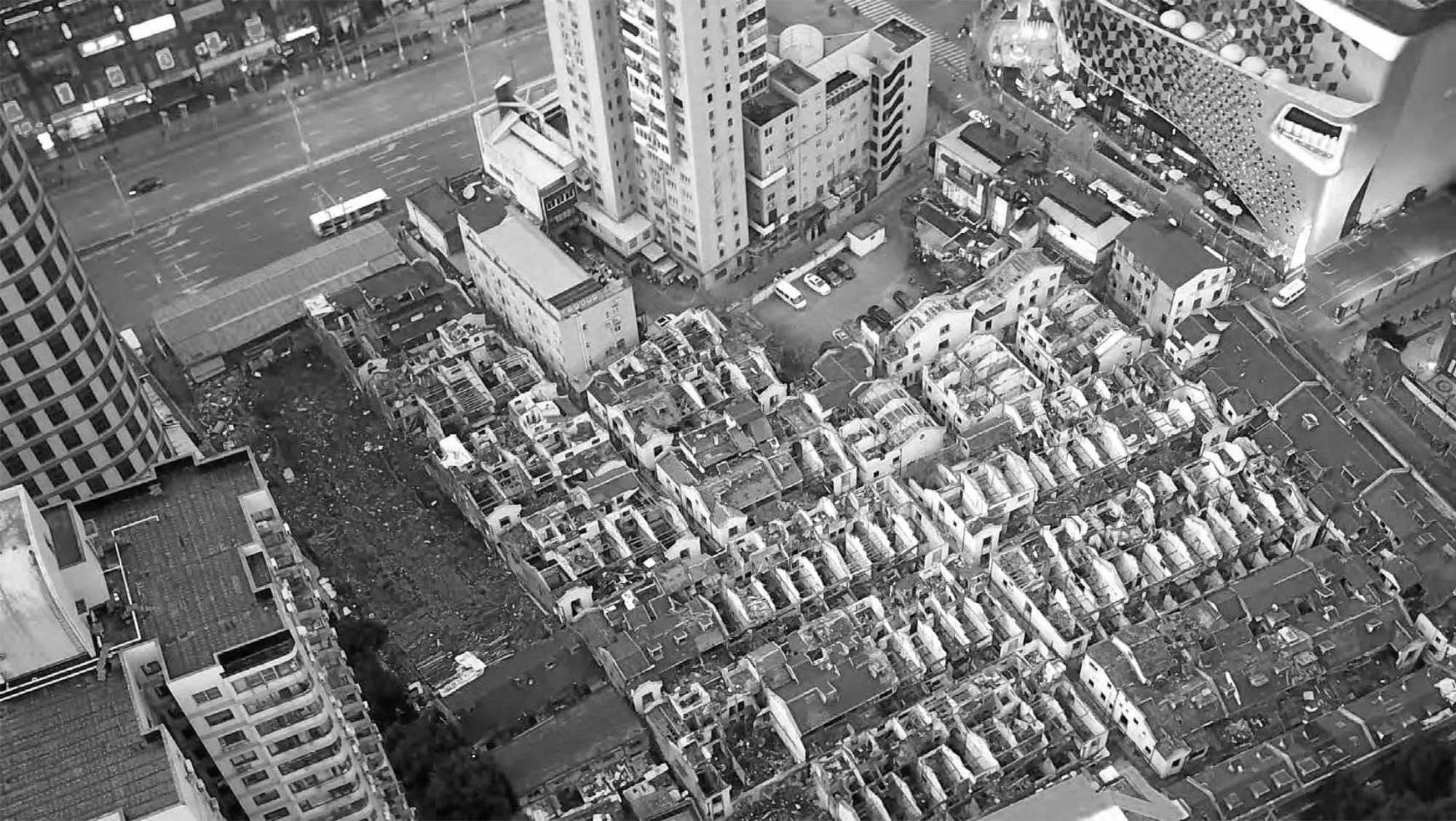
Built in the early 1930s, Hongshou Fang is a classic example of the Shanghai Shikumen lilong, which consists of rows of attached houses, connected by narrow alleys. It is one of the few remaining examples of this type of lilong that still maintains all of the traditional elements of this style of architecture, including brick facades, Shikumen door frames, and sloping roofs. In addition to the individual homes, the lilong has a number of shared spaces, which include the courtyards and alleyways, where residents could gather and socialize. Throughout its history, Hongshou Fang has been home to many families who have lived there since the construction of the lilong and have witnessed the transformation of the area from a small neighborhood to a major urban center in Western Shanghai.
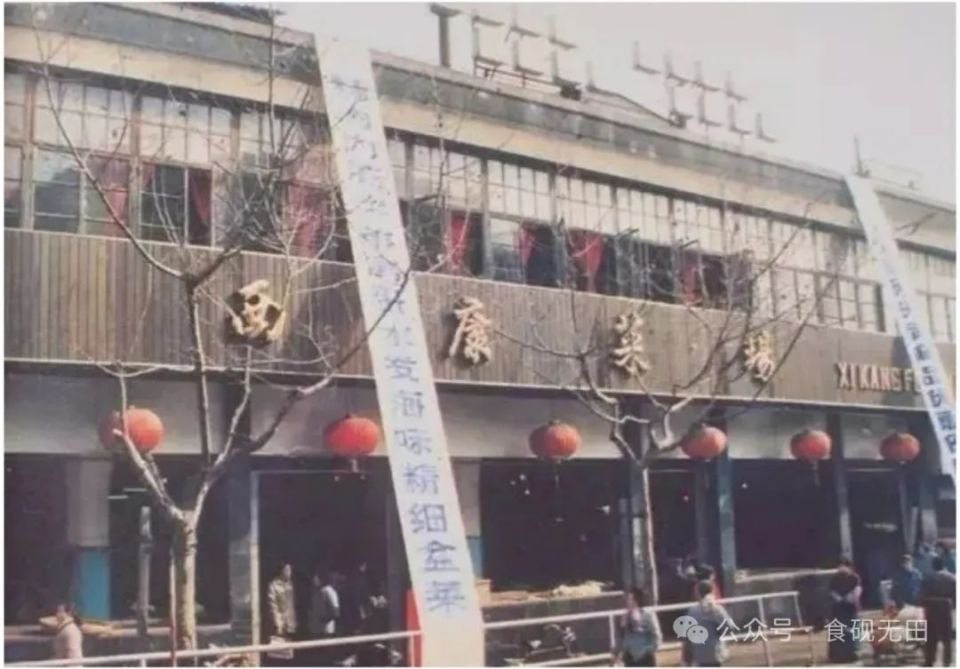
As the urban area has expanded rapidly over the years and the lilongs have aged significantly, Hongshou Fang has experienced a gradual decline in terms of living conditions. Many of the housing units in the lilong have been deemed unsafe due to their age and lack of maintenance. Additionally, the shared spaces within the lilong have become overcrowded and unsightly due to inadequate waste management practices. As a result, the lilong no longer reflects the original characteristics that made it so desirable. The lack of proper maintenance and the failure to update the lilong’s housing stock have created a large disconnect between the living conditions and the overall economic growth in the region. Although Hongshou Fang possesses significant cultural and historical value, including the lilong itself and the deep-rooted cultural traditions of the neighborhood, it had been underutilized for many years and therefore, its potential to preserve its cultural heritage and provide a unique urban living experience was limited.
Present: The Restoration and Revitalization of a Classic Shanghai Lilong and Urban Living Space Through Conservation and Rehabilitation (2018-Present)
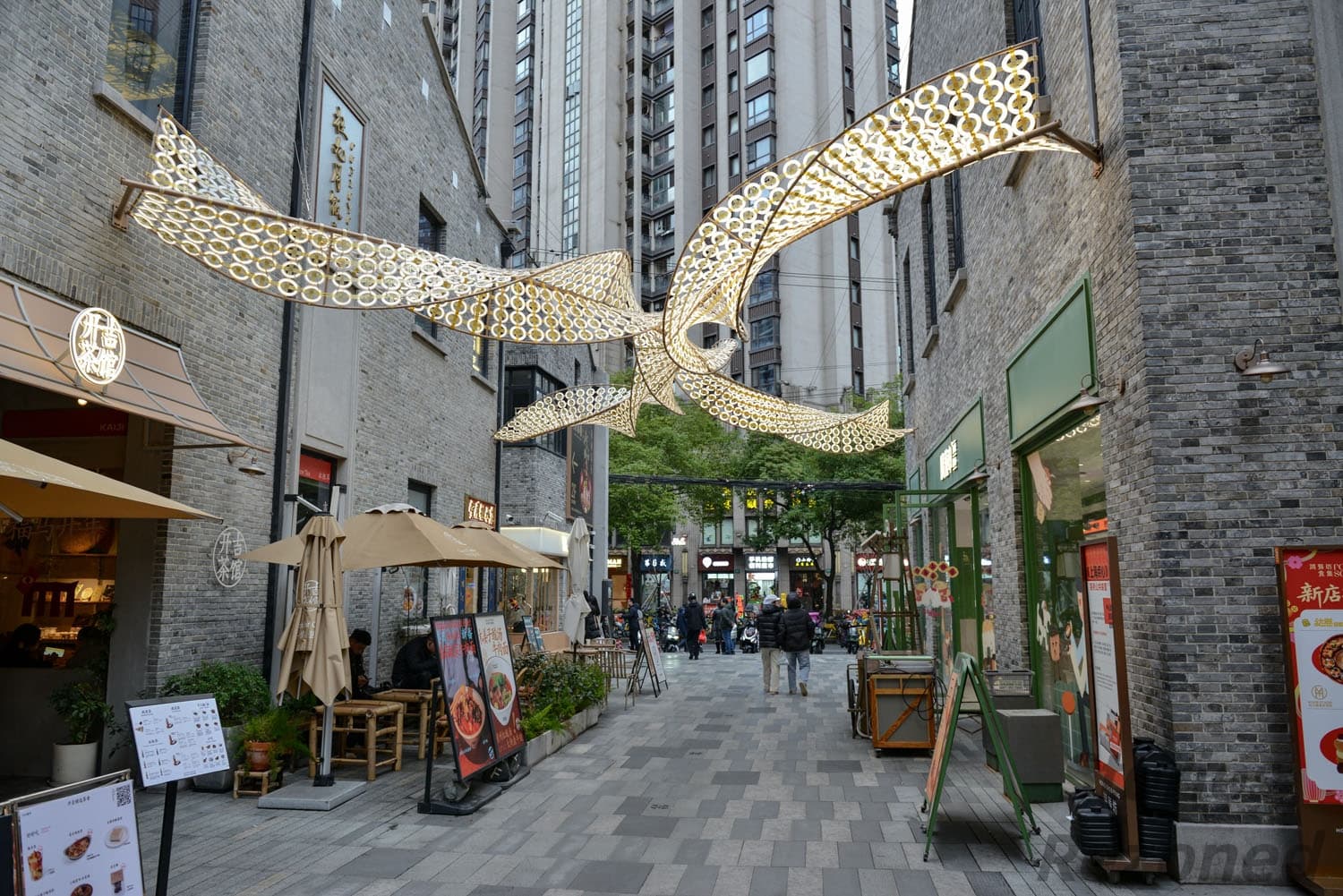
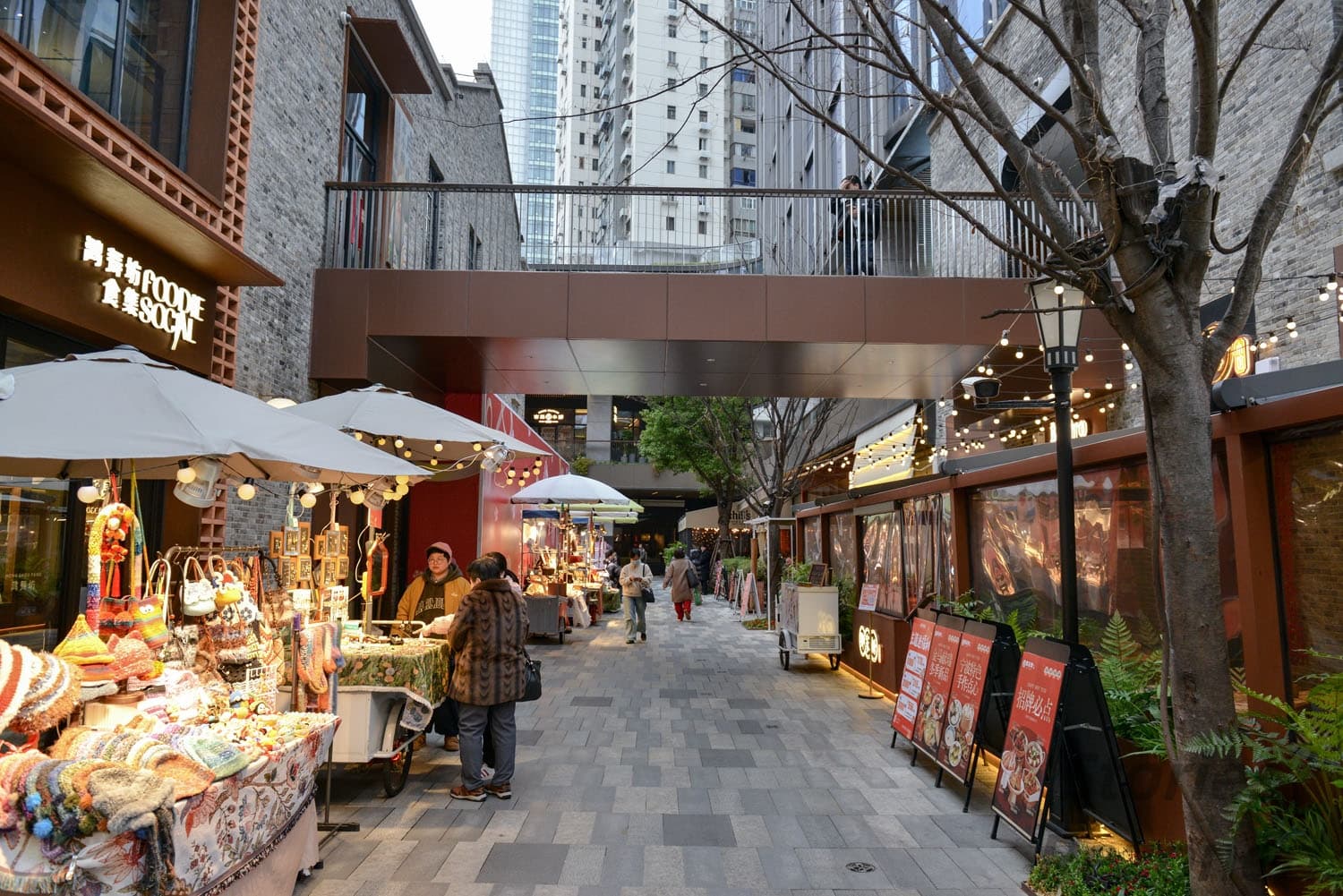
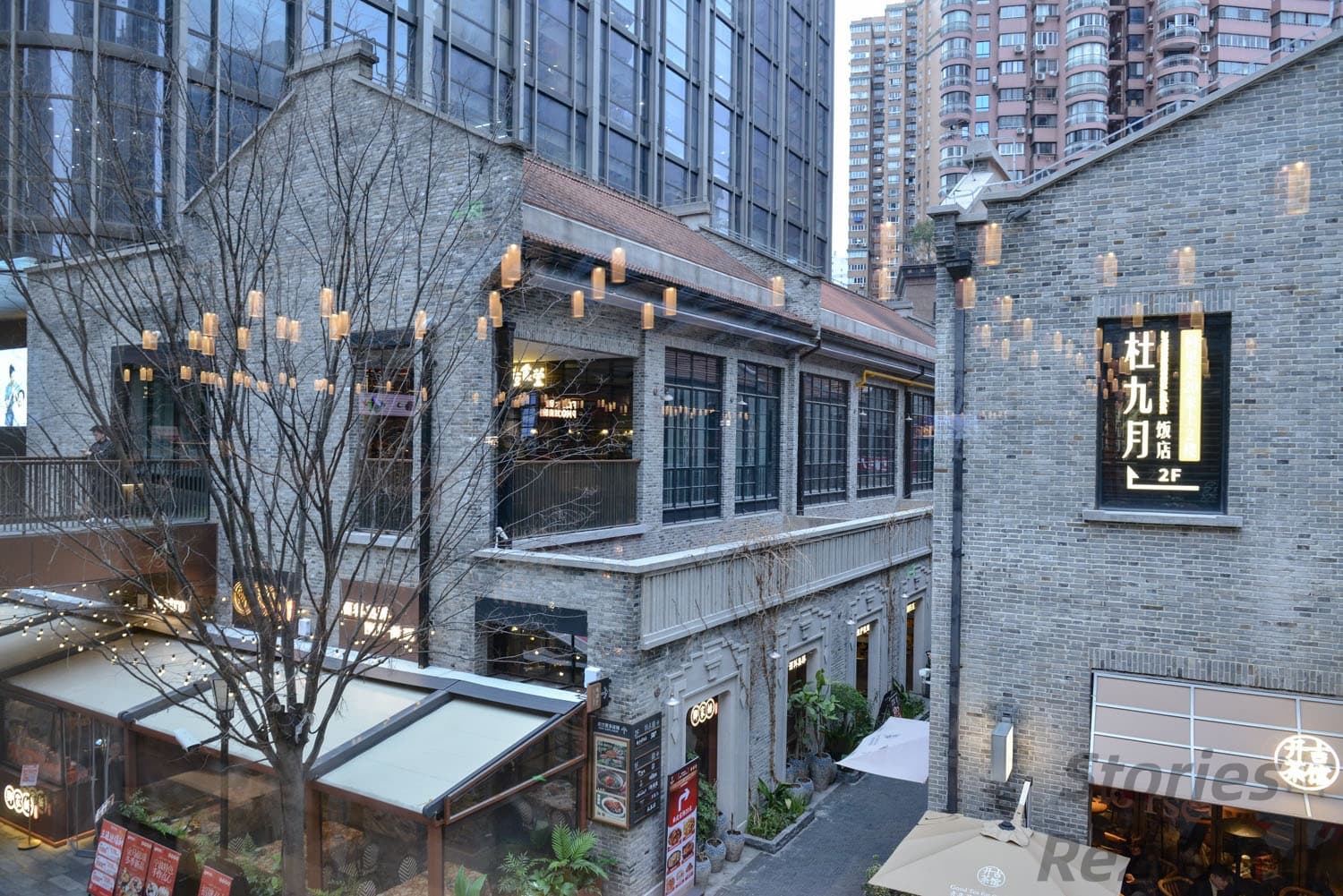
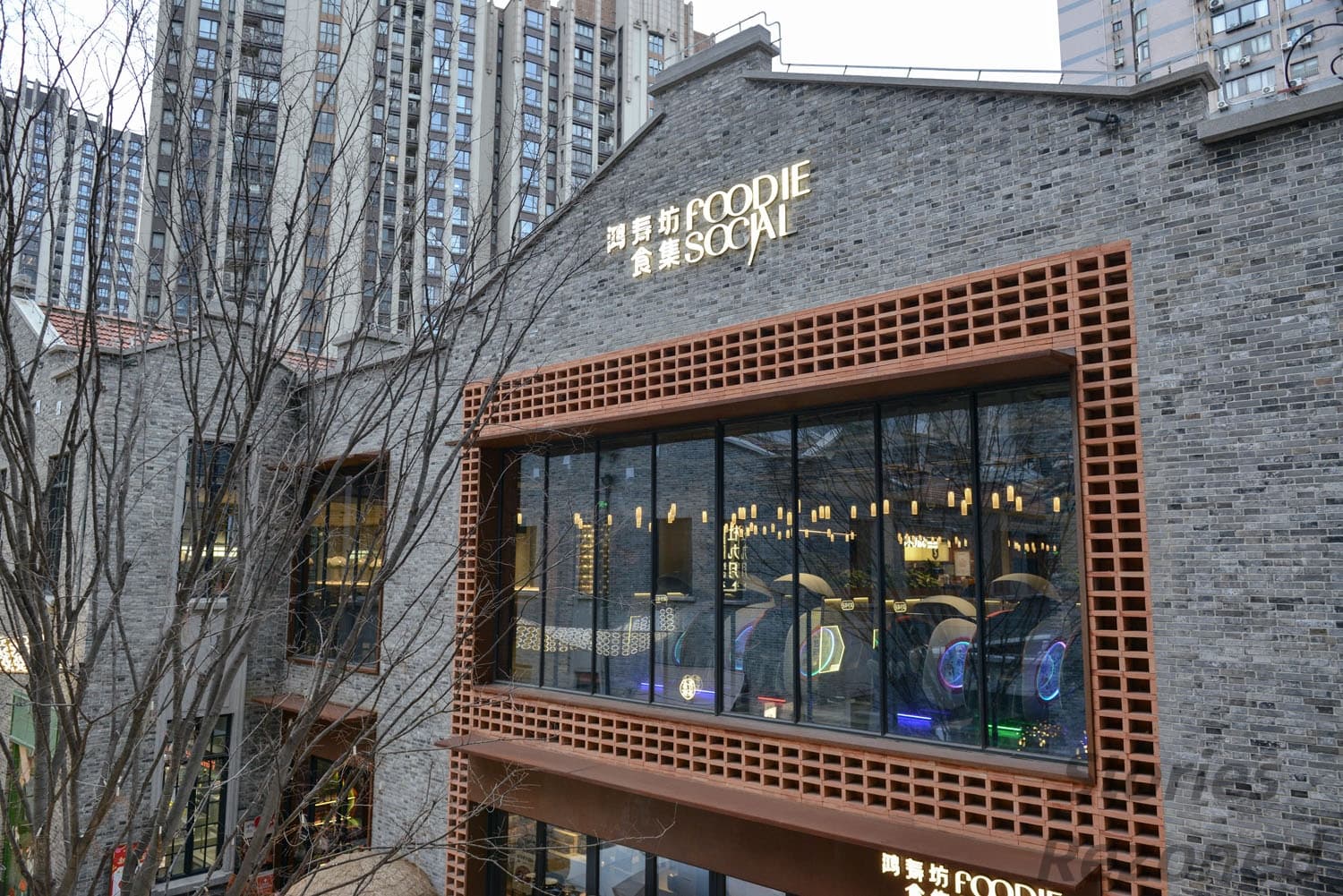
Since 2018, the Hongshou Fang Historical and Cultural Area Protection and Revitalization Project has formally begun. The renewal project seeks to “protect first, functionally adapt structures and continue culture”. This method involves the detailed restoration of the original Shikumen lilong buildings, restoring the original details of the buildings such as door heads, brick walls, windows, courtyards, etc., and maintaining the spatial structure of the lilong and the characteristic features of the Shikumen architecture. At the same time, the project will replace the underground piping, fire safety systems, public spaces, landscaping, etc., to remove the potential hazard factors and enhance the quality of the space.
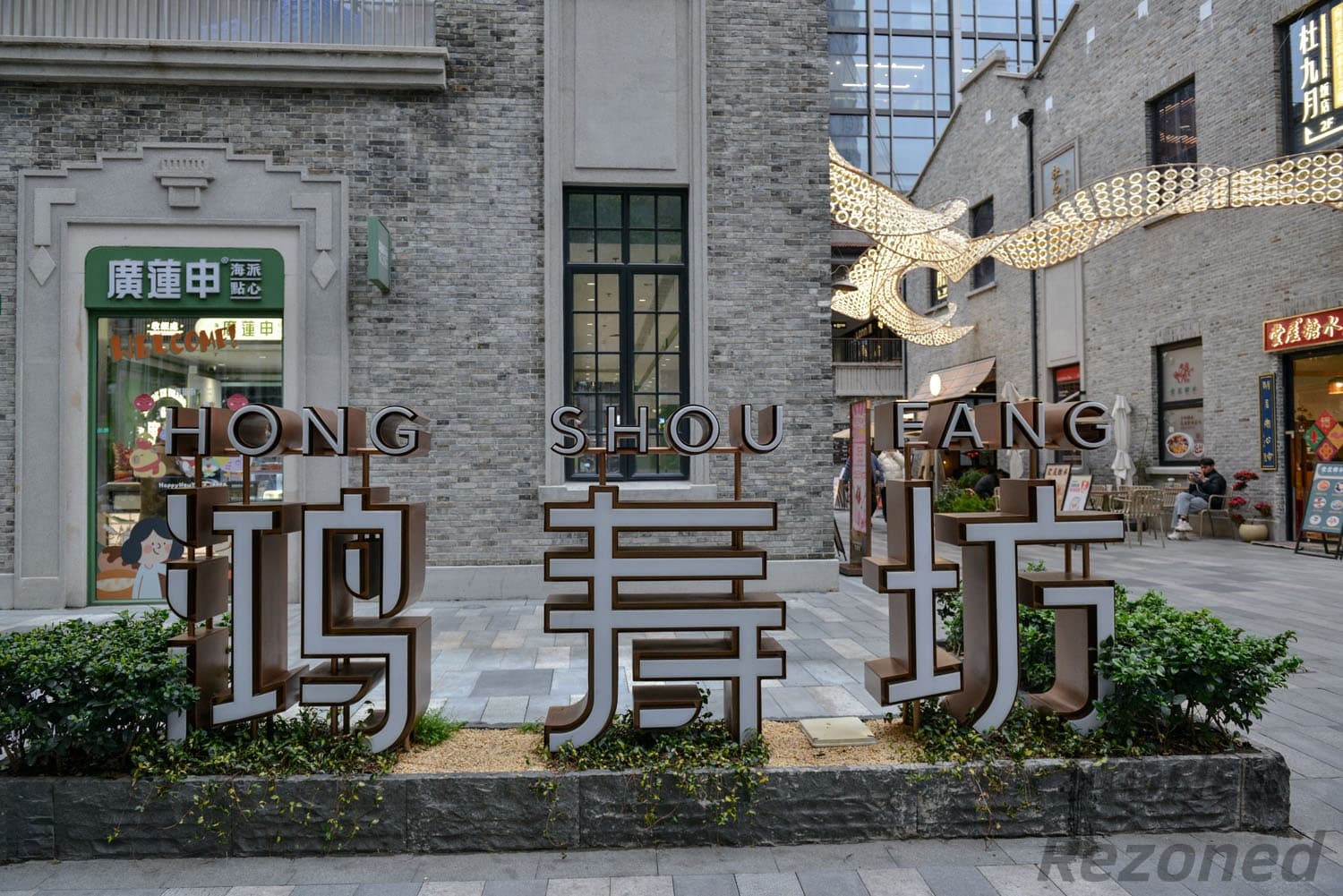
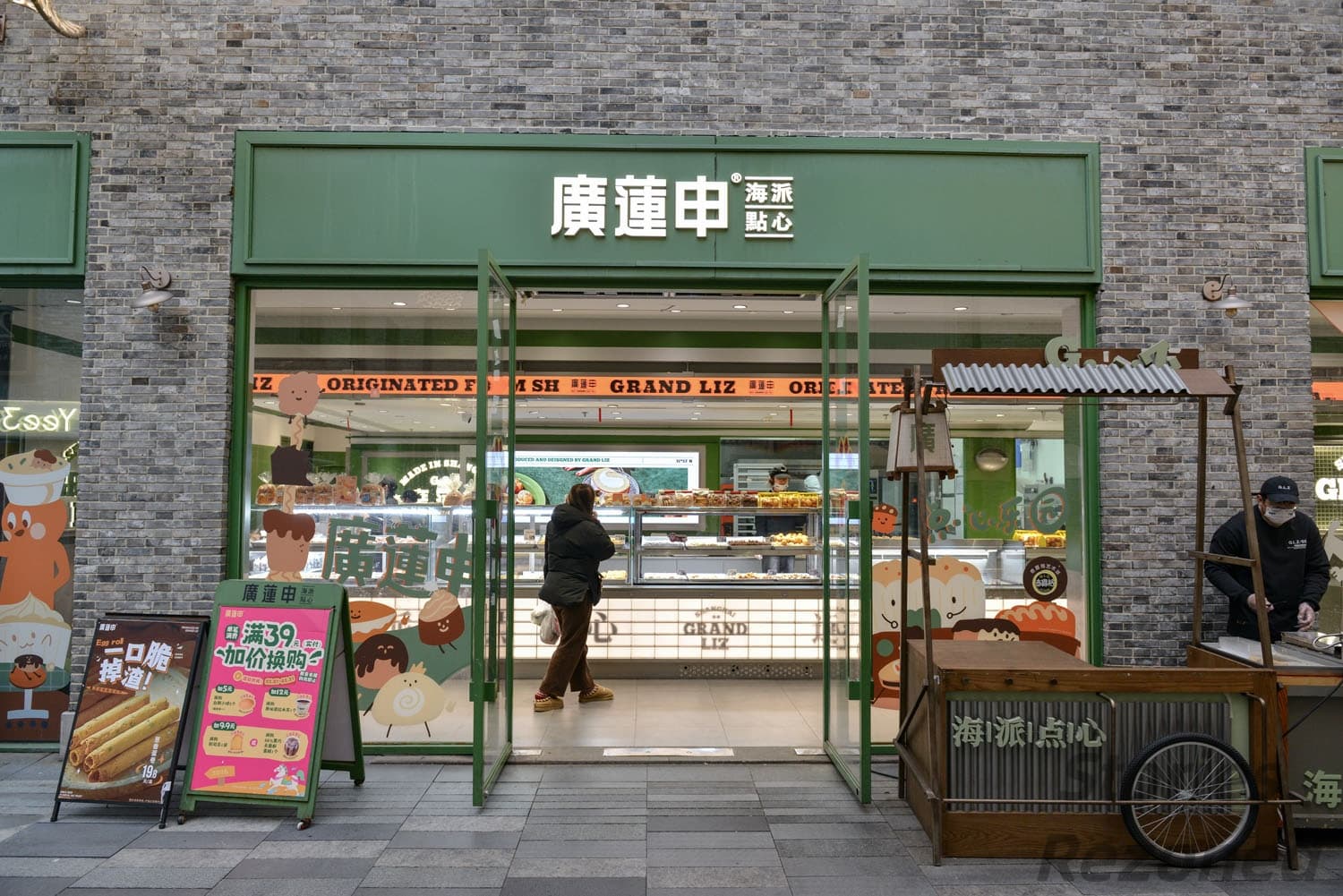
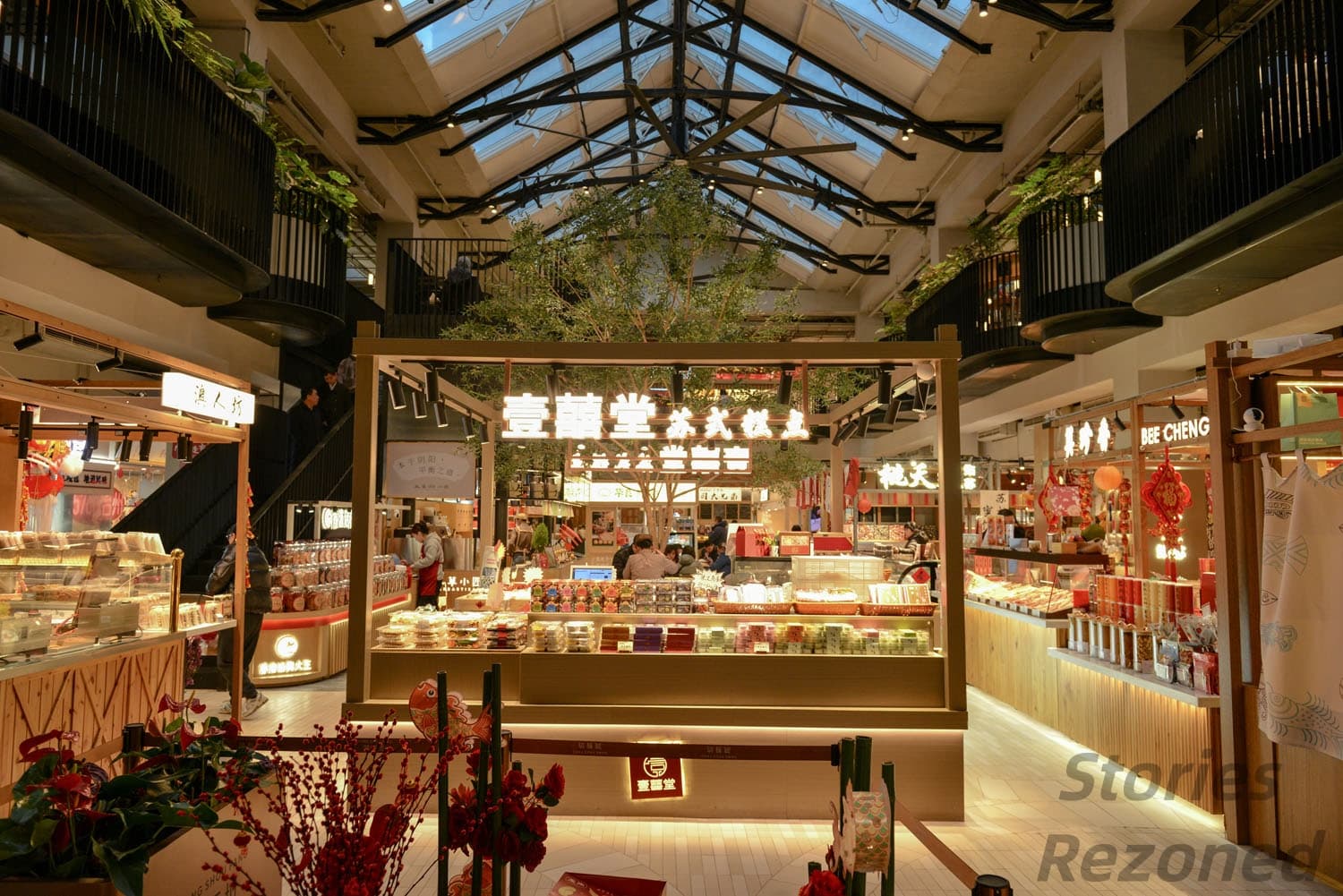
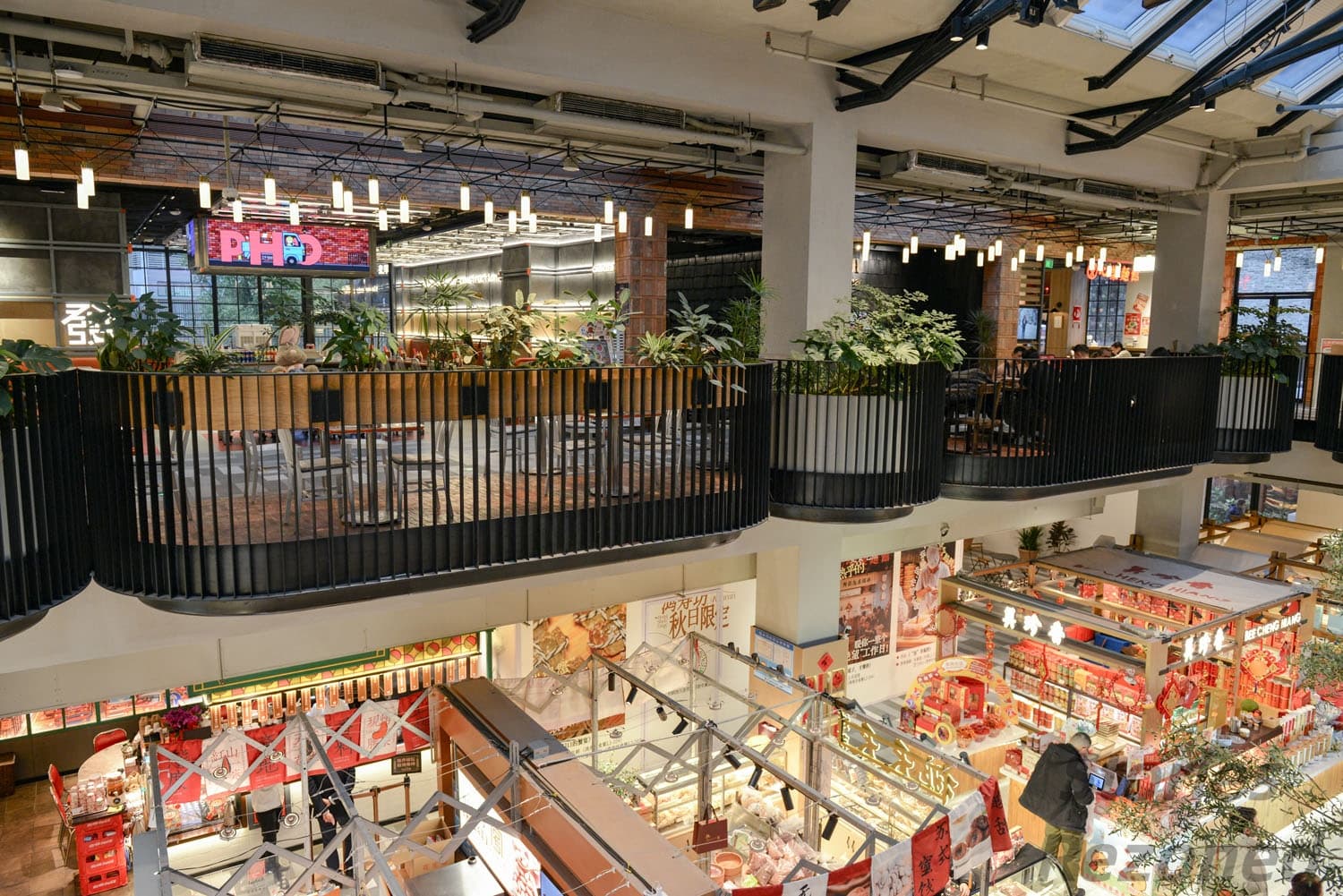
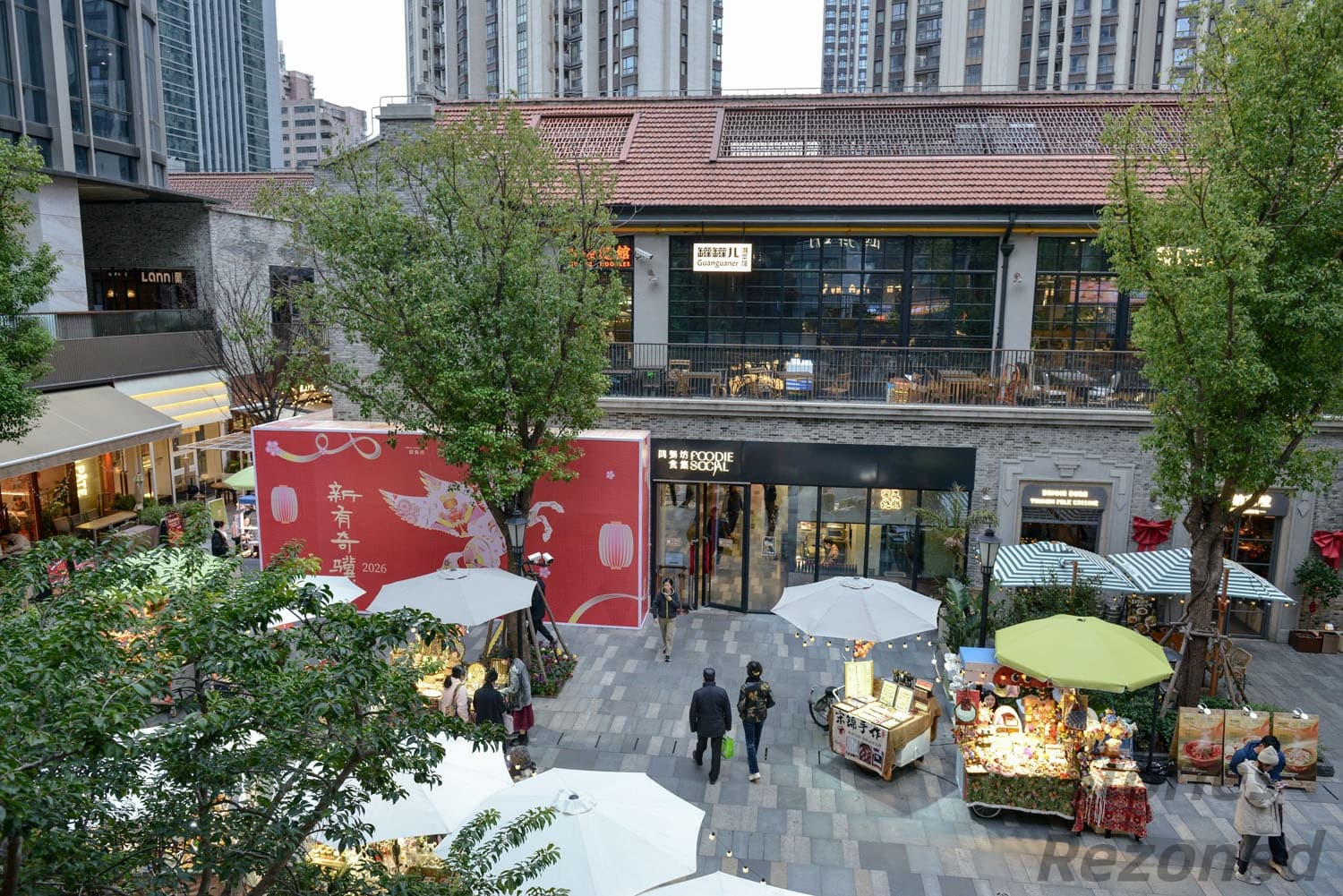
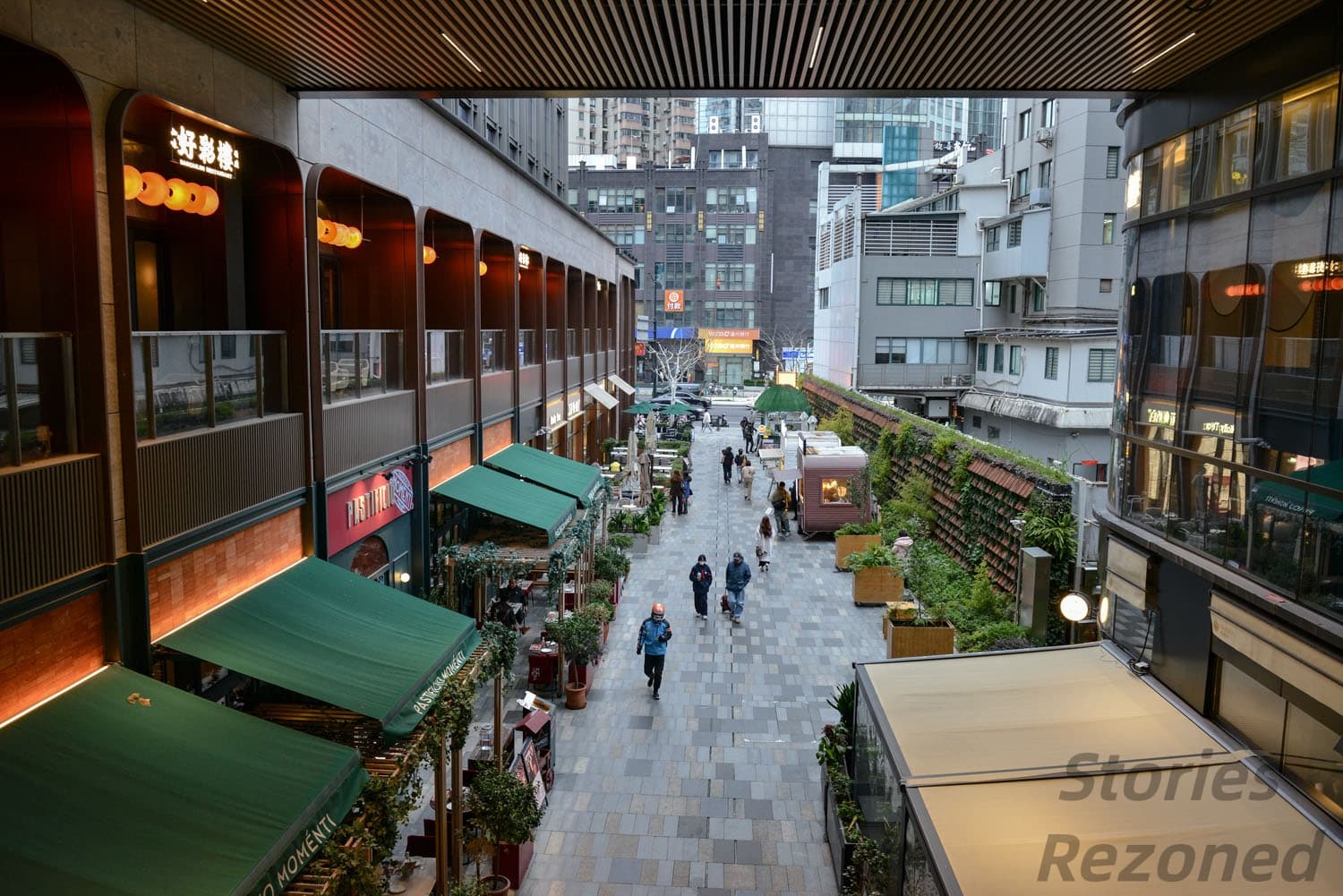
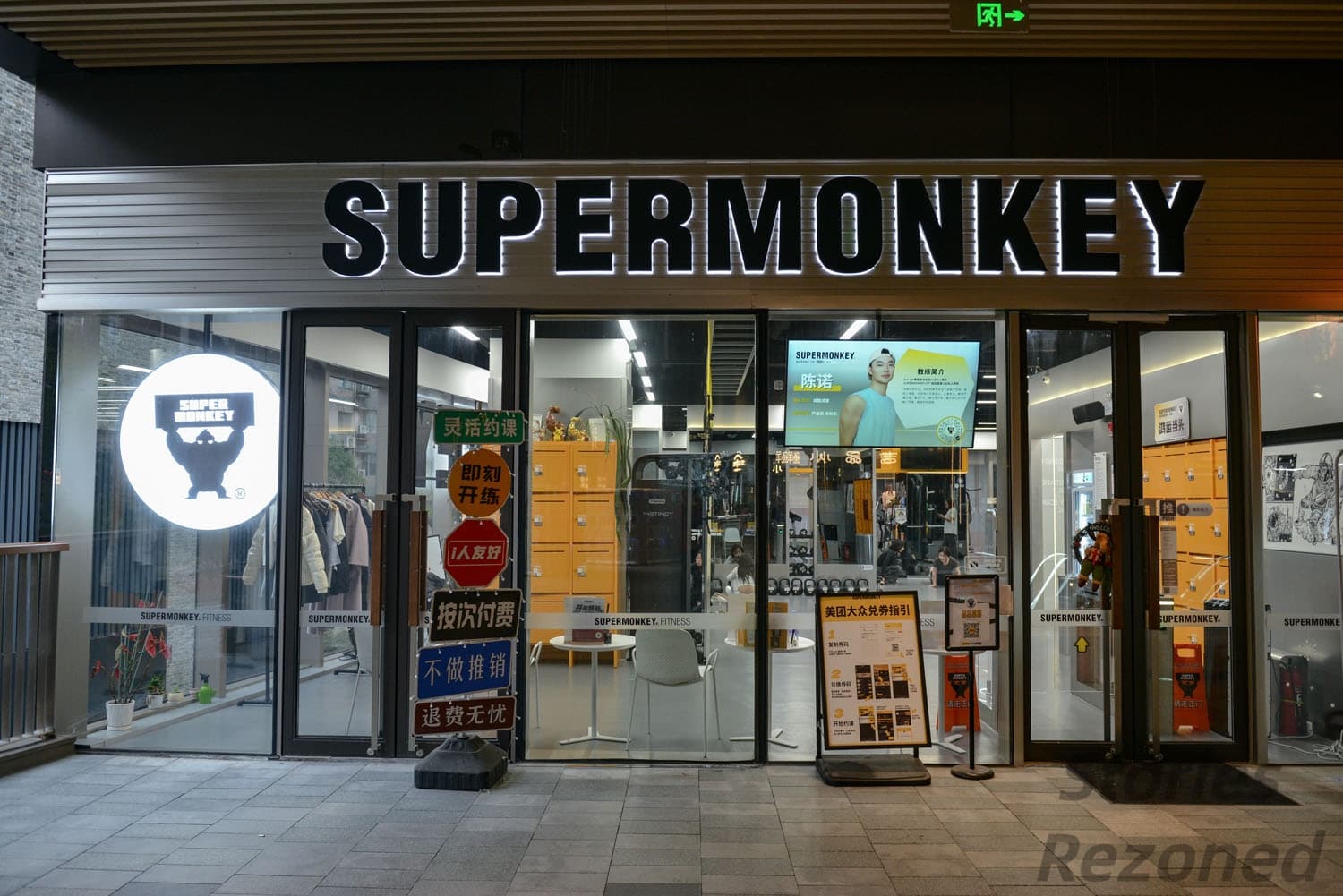
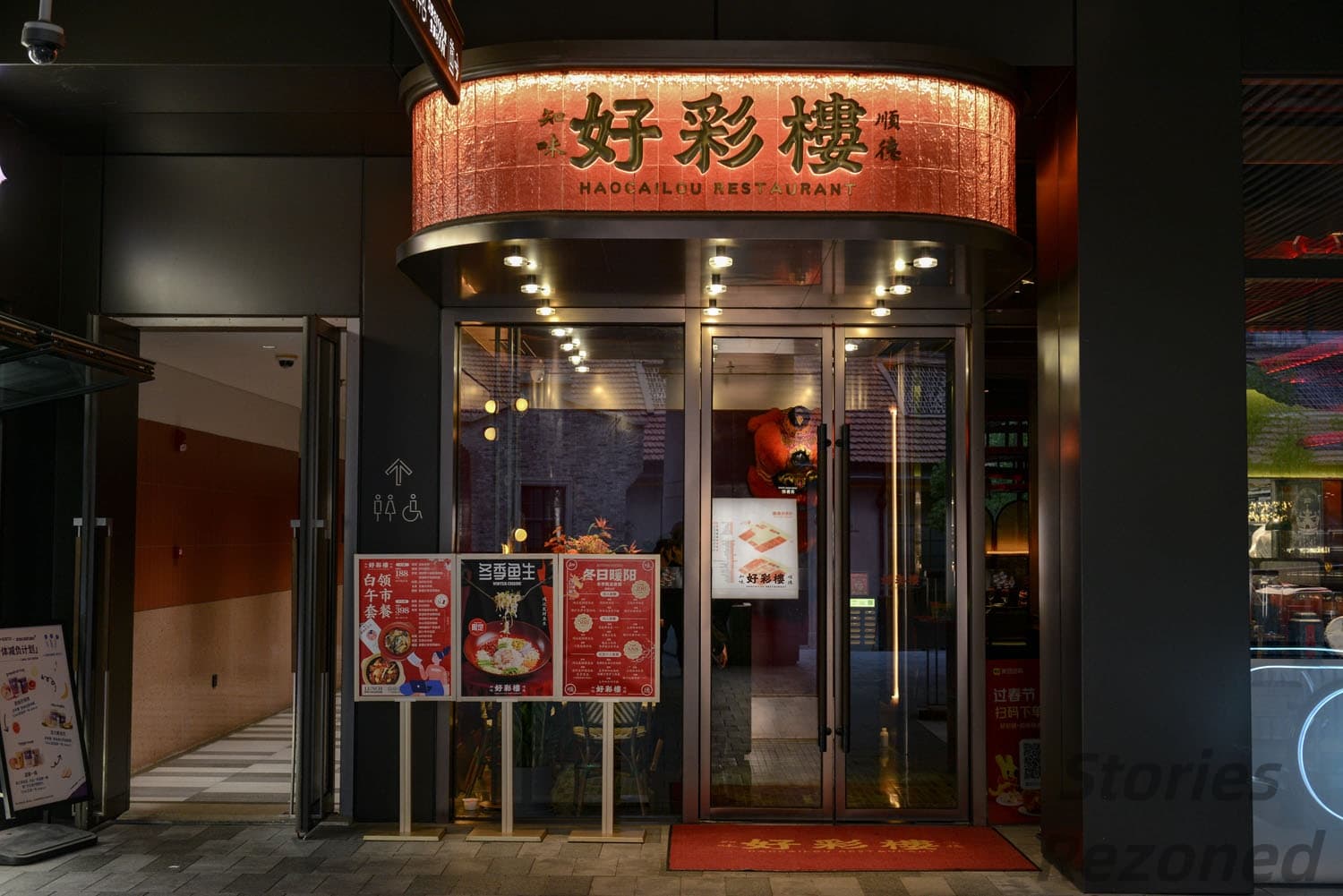
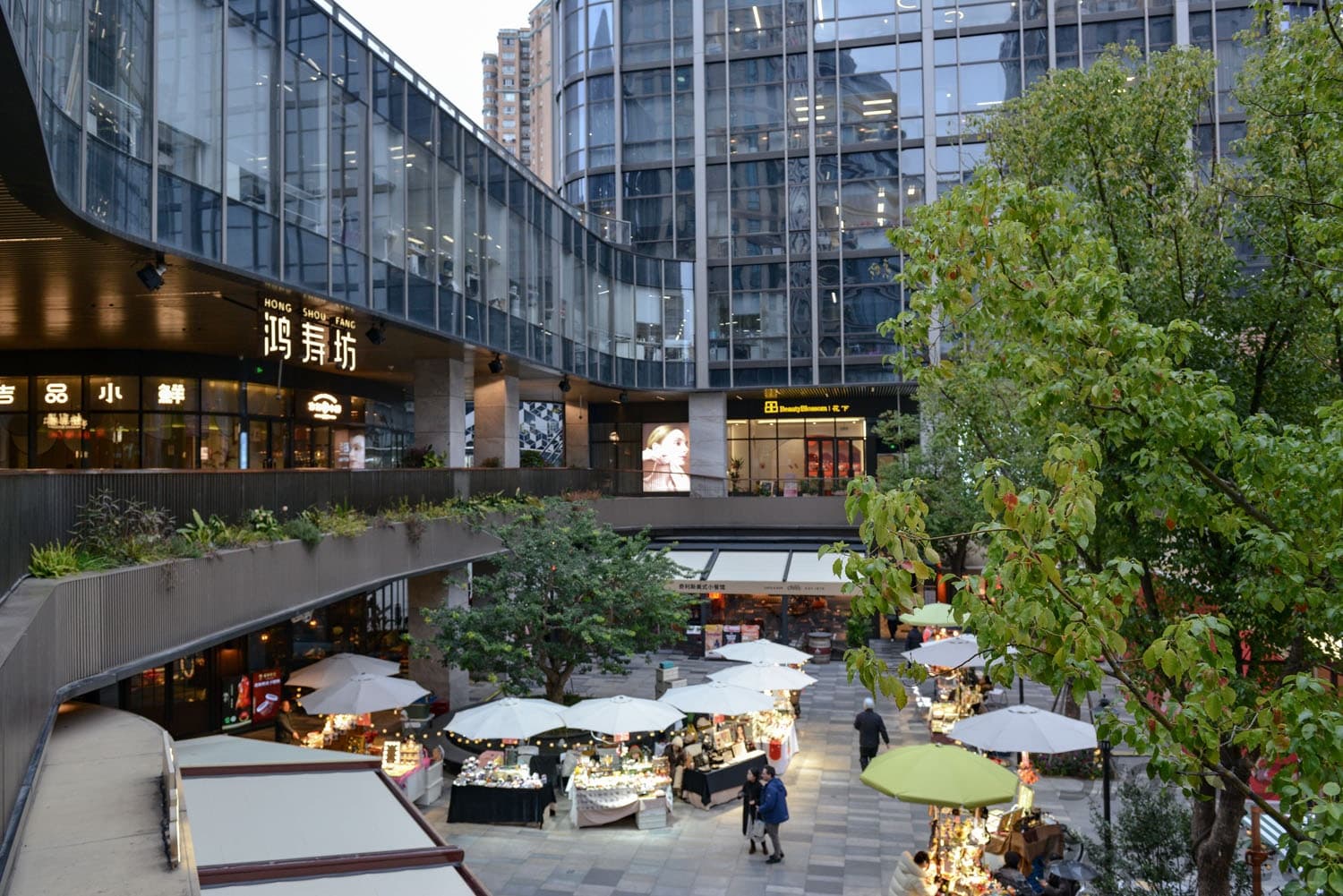
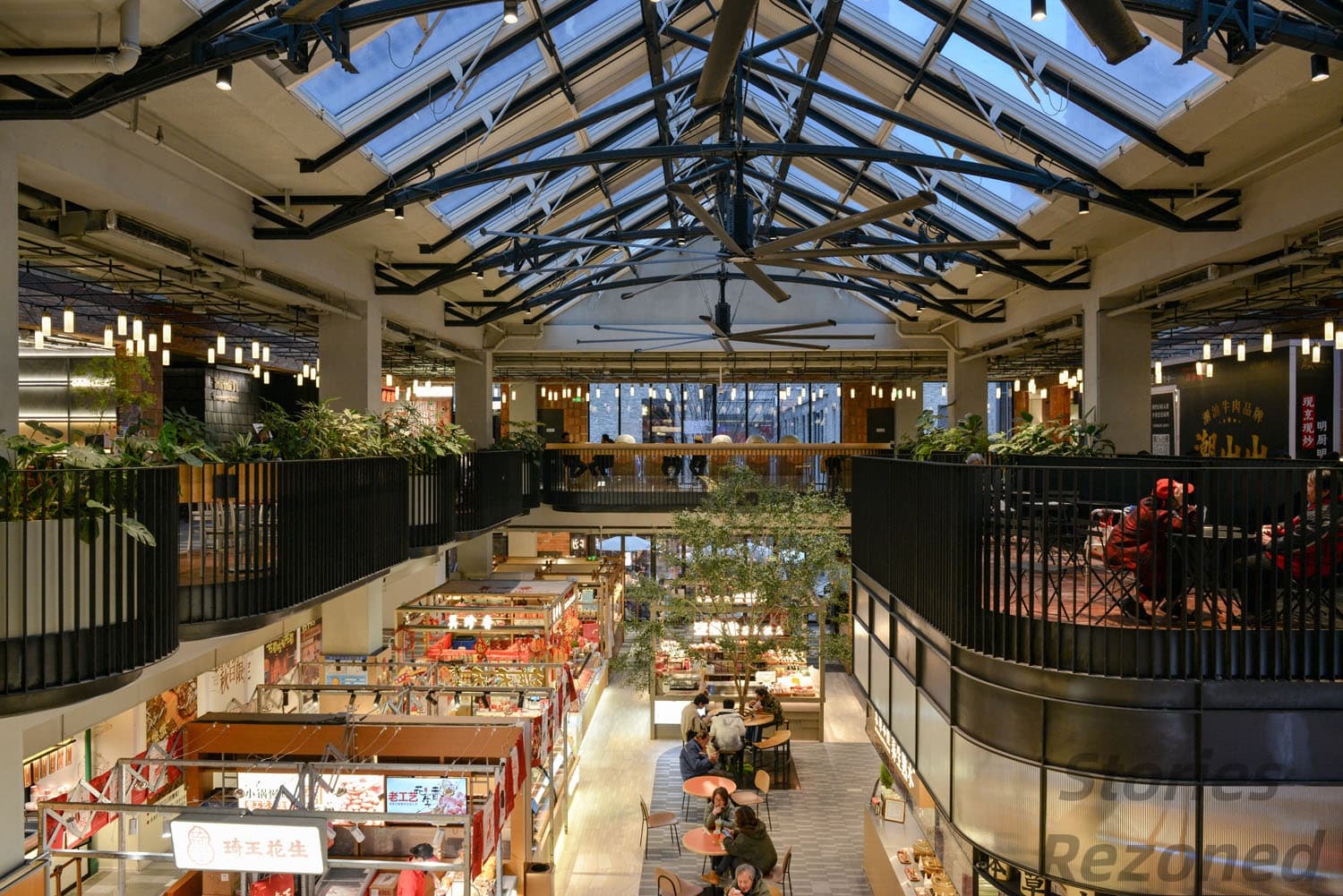
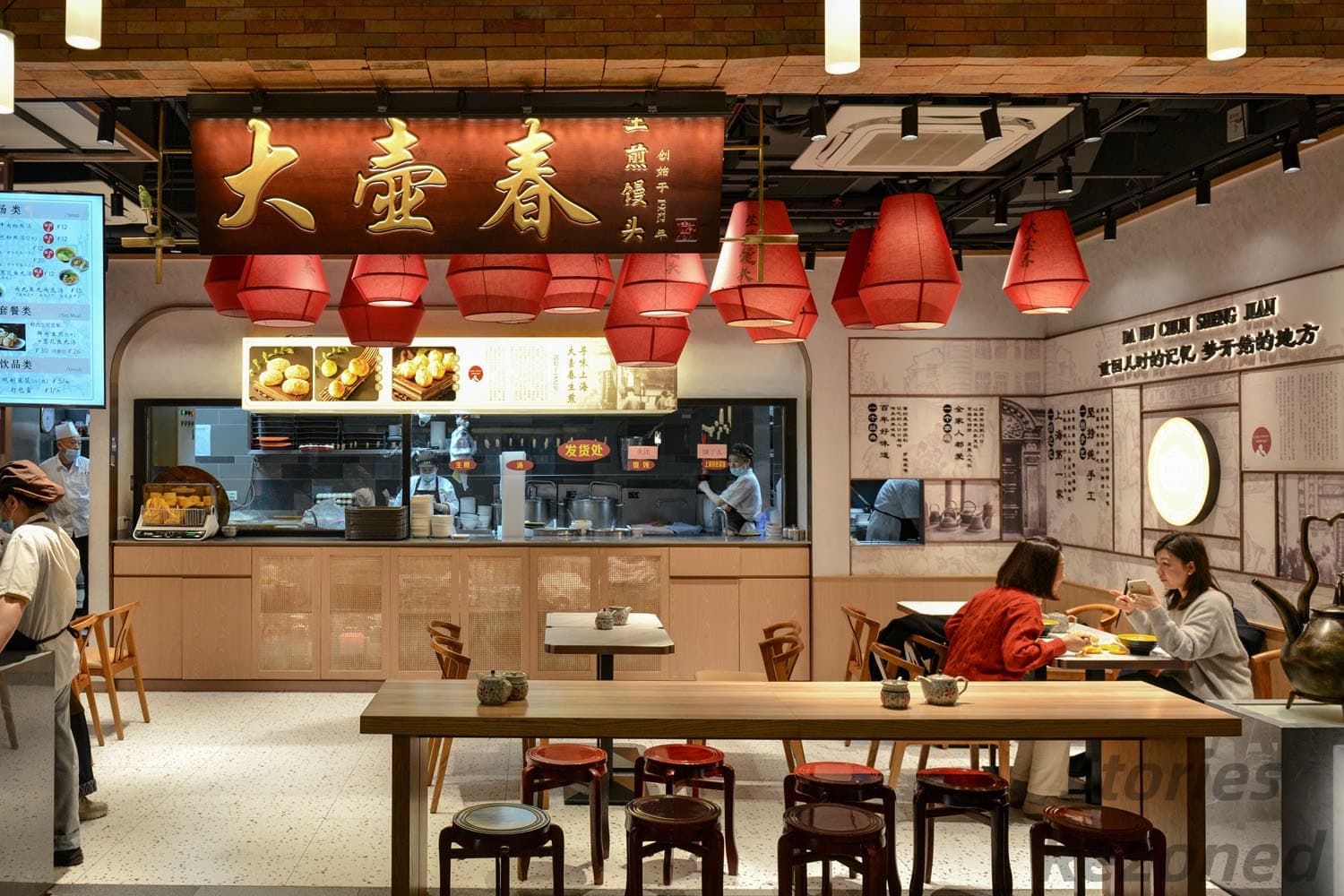
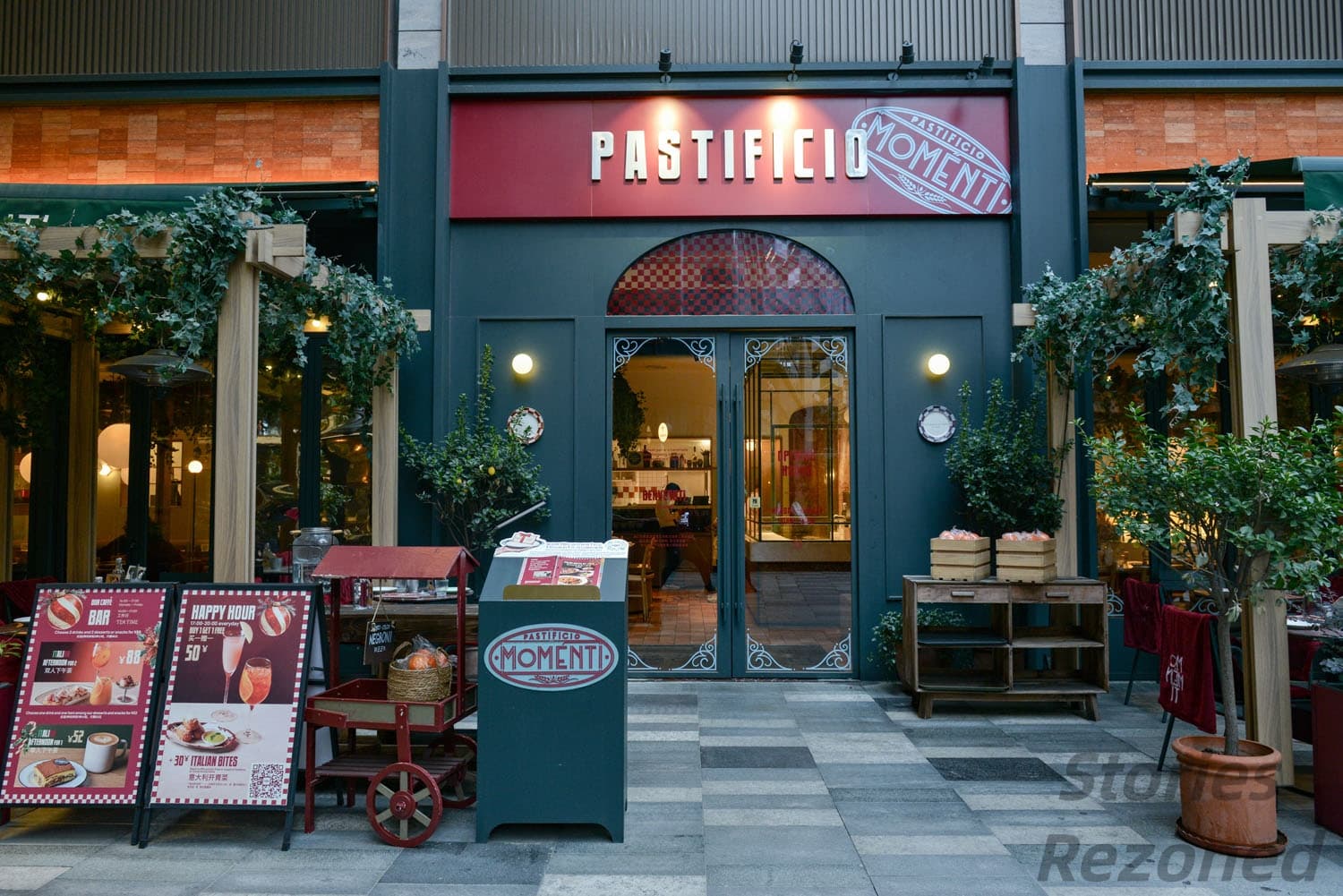
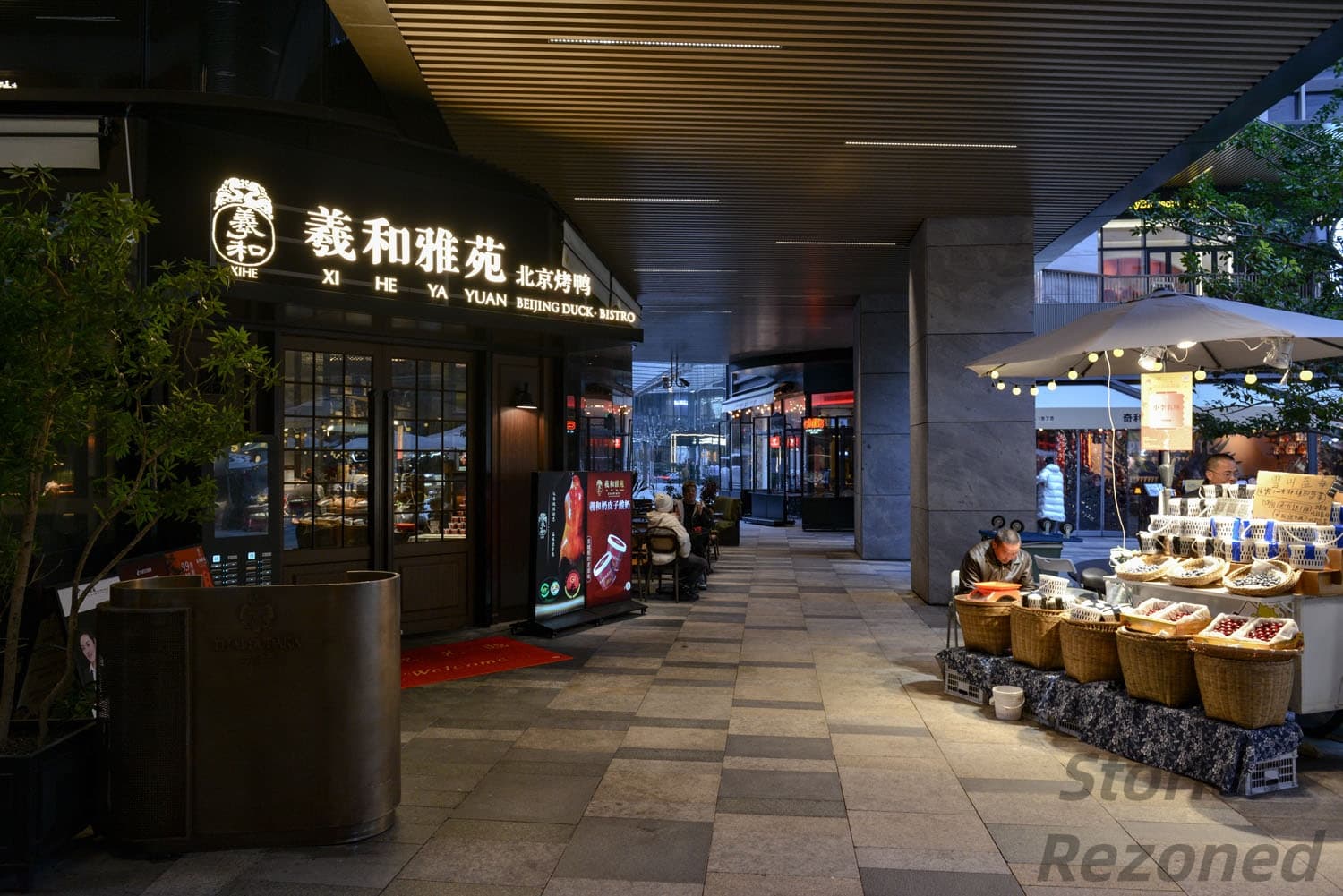
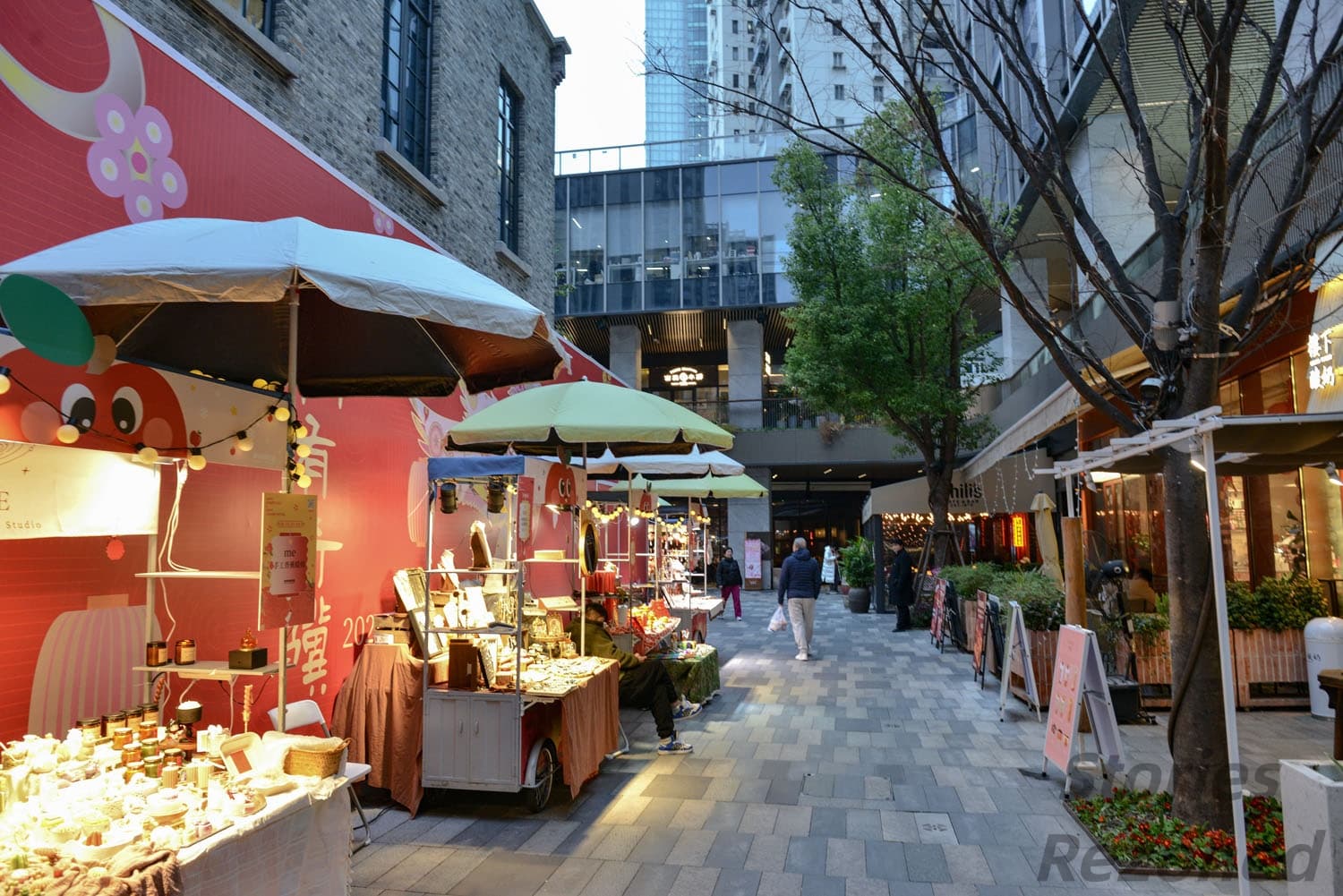
Based on preserving the original texture of the lilong and the local atmosphere, the project will transform its function and format. The project will be centered around the theme of “refined local life and new Shanghainese lifestyle”, and introduce a variety of commercial activities, such as specialty restaurants, independent designers, boutique coffee shops, art exhibitions, lifestyle services, etc. By doing so, the project will create a commercial lilong block that is open, relaxed and fashionable. Hongshou Fang was officially opened to the public in 2023 and quickly became a famous online landmark and high-quality life destination in Western Shanghai with its rich historical heritage and trendy attitude. Not only does Hongshou Fang retain the warm and nostalgic feelings associated with the lilongs of old Shanghai, it also brings new business vitality and urban charm to the area.
Historical and Contemporary Importance
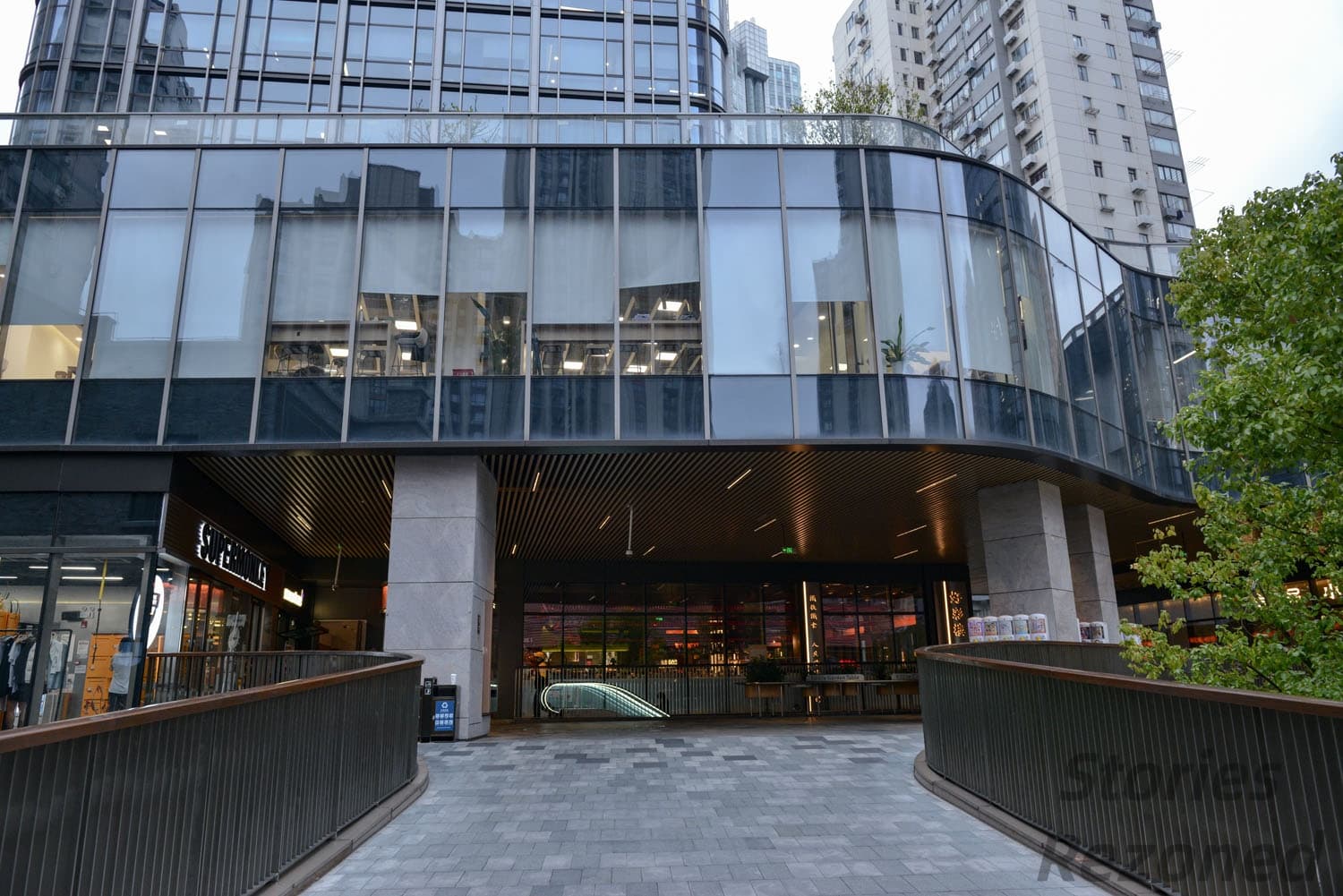
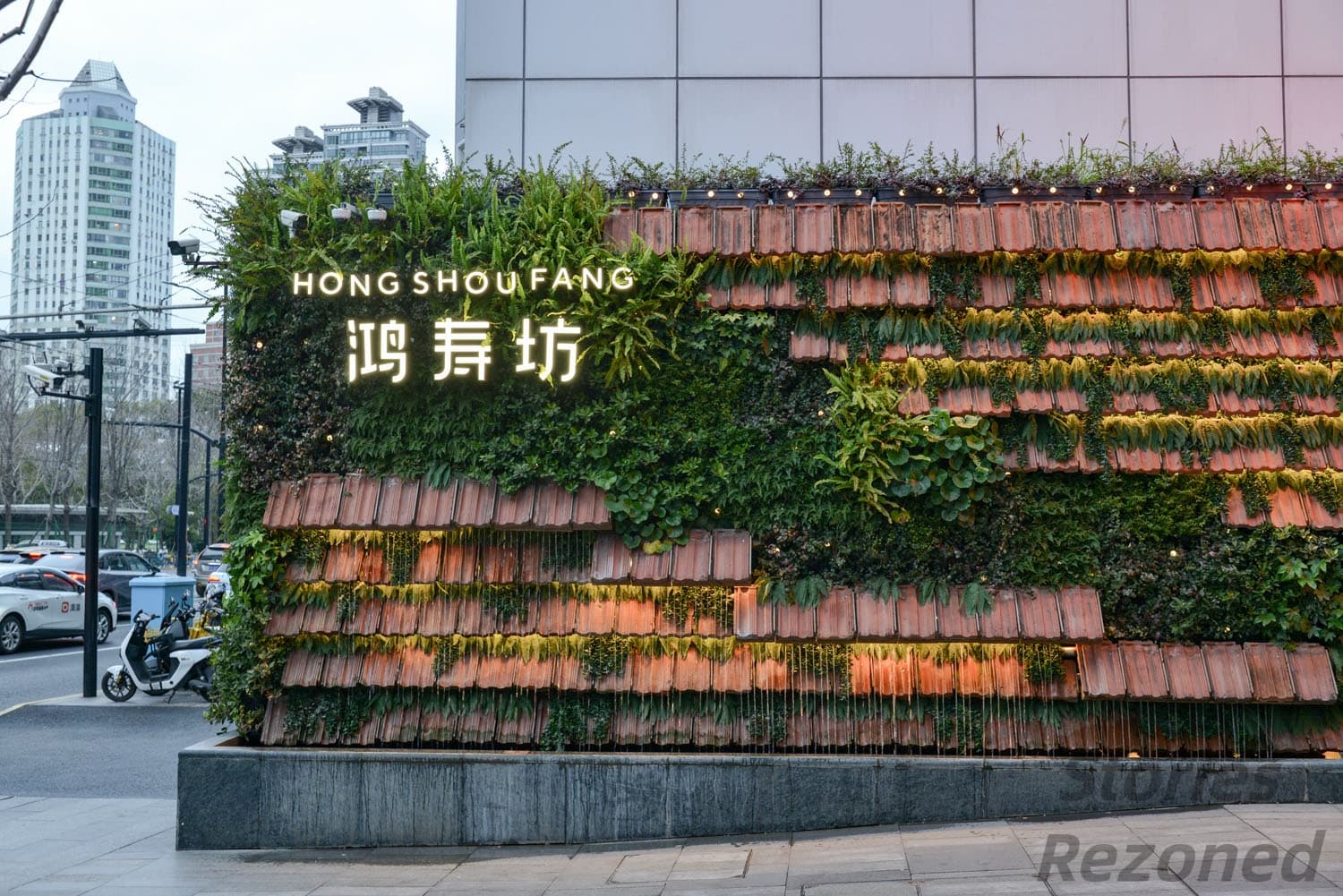
Hongshou Fang’s revitalization project offers replicable insights for other historic blocks across China, embodying urban renewal that integrates cultural continuity into modern design and function. Though it inevitably ended up demolishing and modifying many of the original lilong buildings for practical reasons, being a mall type development, Hongshou Fang communicates elements of lilong culture by adapting its architectural features to modern mall design, which still creates a uniquely Shanghainese space to shop in.
Image References
All images not separately credited below filmed at location by Stories Rezoned team
- Lab D+H Shanghai. Aerial View of Hongshoufang Before Renovation. 2015. Shanghai Hongshoufang Renovation Project Archives, Shanghai Urban Construction Archives, 2016.
- Zheng, Xianzhang. Residents’ Cramped 4-Square-Meter Home in Hongshoufang. 12 Jan. 2013. Shanghai Shikumen Photography Collection, Shanghai Literature & Art Publishing House, 2019.
References
- People’s Government of Putuo District, Shanghai. “Overview of the Protection and Renewal of Hongshoufang Historical and Cultural Area.” 12 May 2023, www.shpt.gov.cn/zt/chengshigengxin/hongshoufang.html.
- Jiefang Daily. “Hongshoufang: The Delicate Rebirth of a Century-Old Lilong.” 18 Oct. 2023, www.jfdaily.com/2023/1018/145627.shtml.
- The Paper. “Prioritizing Preservation, Renovation and Demolition: Hongshoufang Renews Urban Memory.” 25 Nov. 2023, www.jfdaily.com/shguan/2023/1125/112345.html.
- Shanghai Municipal Bureau of Planning and Natural Resources. “Guidelines for the Protection and Renewal of Historical and Cultural Areas in Central Shanghai.” 10 Jan. 2024, zrzyj.sh.gov.cn/ghzl/202401/t20240110_189654.html.
- Putuo District Bureau of Planning and Natural Resources. “Practice and Summary of Hongshoufang Block Renewal.” 5 Mar. 2024, www.ptghzyj.sh.gov.cn/ghzl/20240305/123789.html.