
Past: A Modern Railway Transport Hub and Silent Cultural Relic (1914-2021)
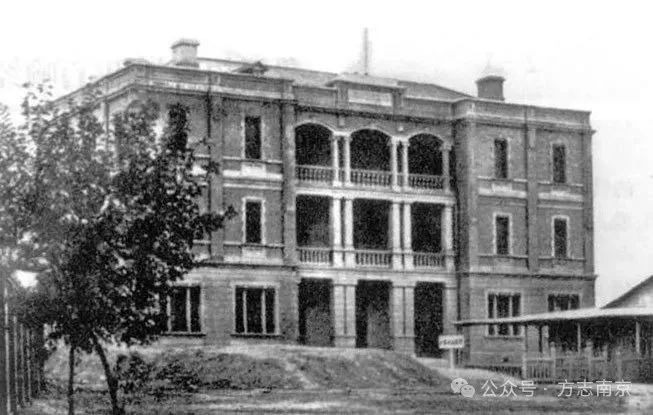
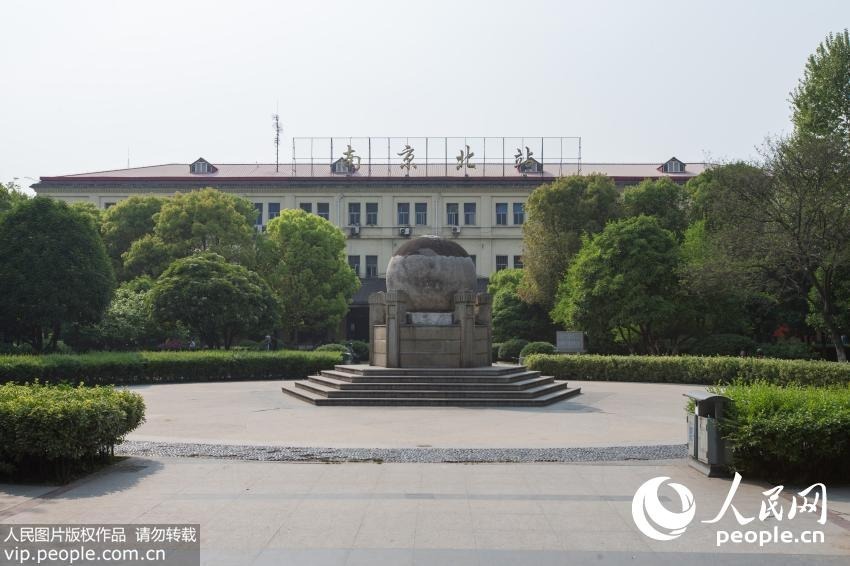
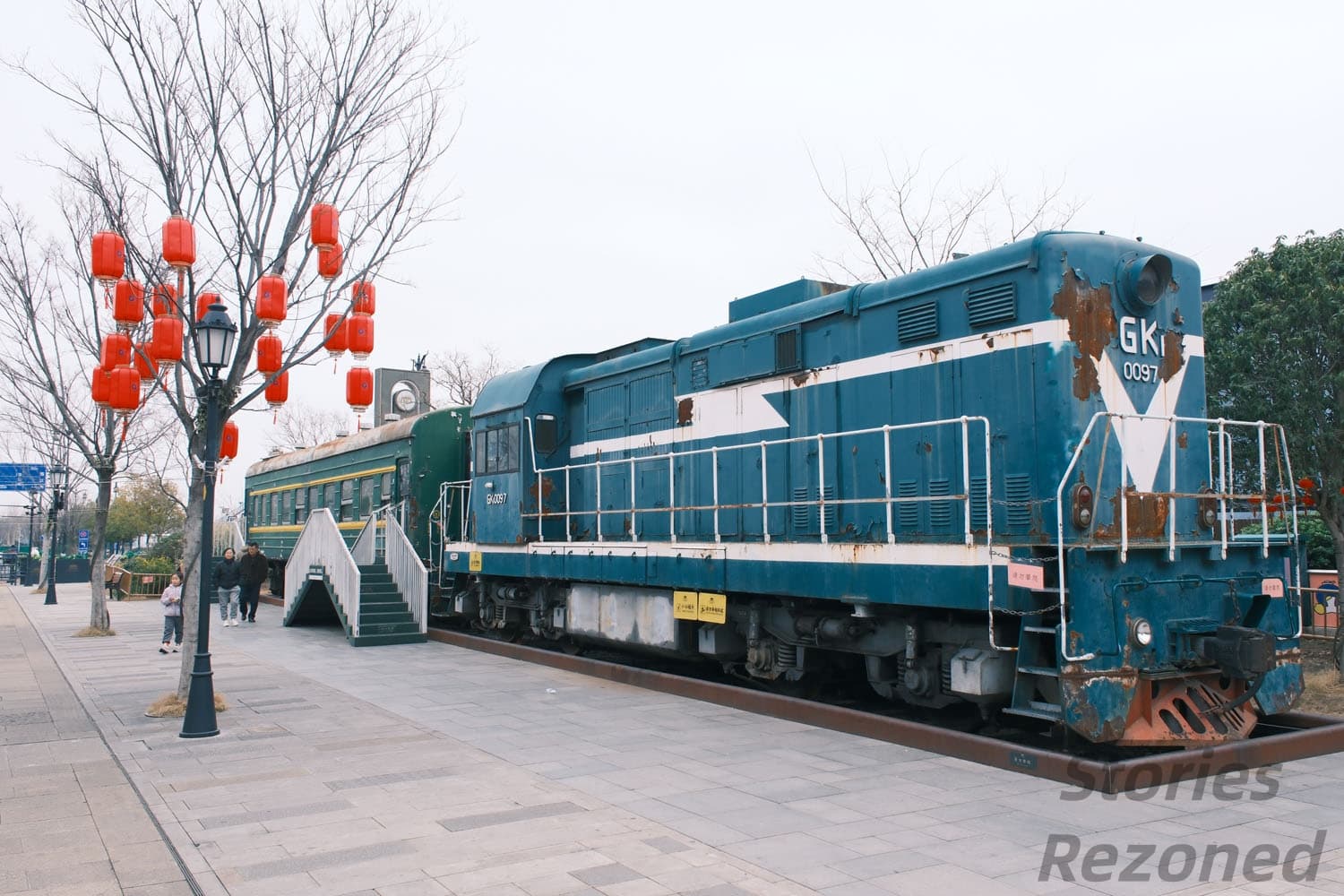
Pukou Railway Station was constructed in 1908 and formally opened to rail traffic in 1914. At that time, it was the southern end of the Jinpu Railway, which became a primary transportation hub linking north and south in modern China. The station was constructed using a unique architectural design combining British Classical architecture and Chinese elements; thus, it is a prime example of an early twentieth-century Sino-British joint venture. The railway station was also a key location for many important events in Chinese history. For instance, it was the final station on Dr. Sun Yat-Sen’s coffin train when his body returned to Nanjing, and it is the place that inspired Zhu Ziqing to write his famous essay Bei Ying, containing profound revolutionary, railway and national memories and emotions.
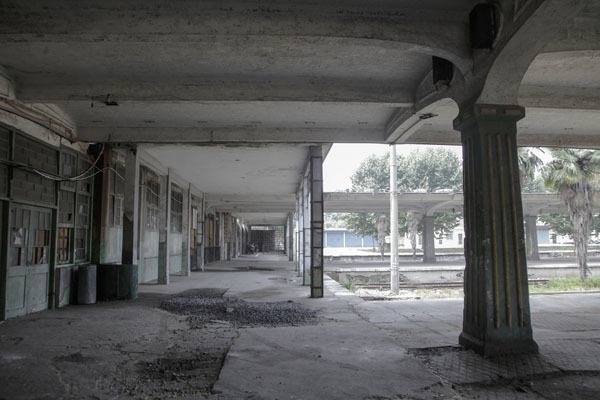
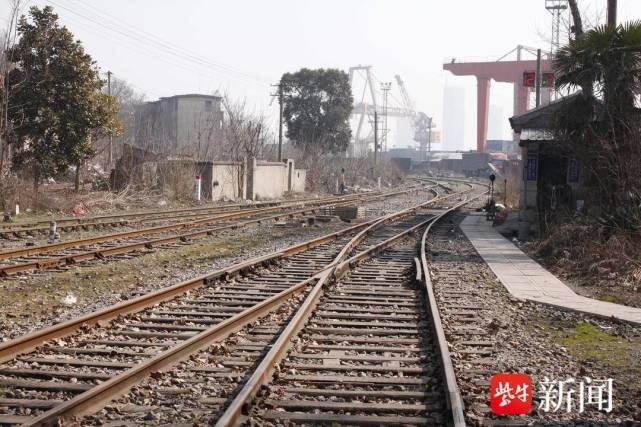
Following the completion of Nanjing Yangtze River Bridge in 1968, the railway station’s passenger operations declined significantly. Passenger operations were formally terminated in 2004. As the facilities became outdated and the vitality of the area began to decline, the buildings were left to deteriorate over time. Prior to its eventual closure, the historic site was designated as a major historical and cultural site protected at the national level, as well as being placed on the list of major sites to be protected and renovated in 2013. Thus, this once prominent railway complex remained silent waiting for restoration or renewal during the latter half of the twentieth century and the twenty-first century, and became a valuable cultural and historical resource that required preservation and revitalization within the city of Nanjing.
Present: A Revitalized Republic of China-Era Cultural Block Through Progressive Micro-Renewal (2021-Present)
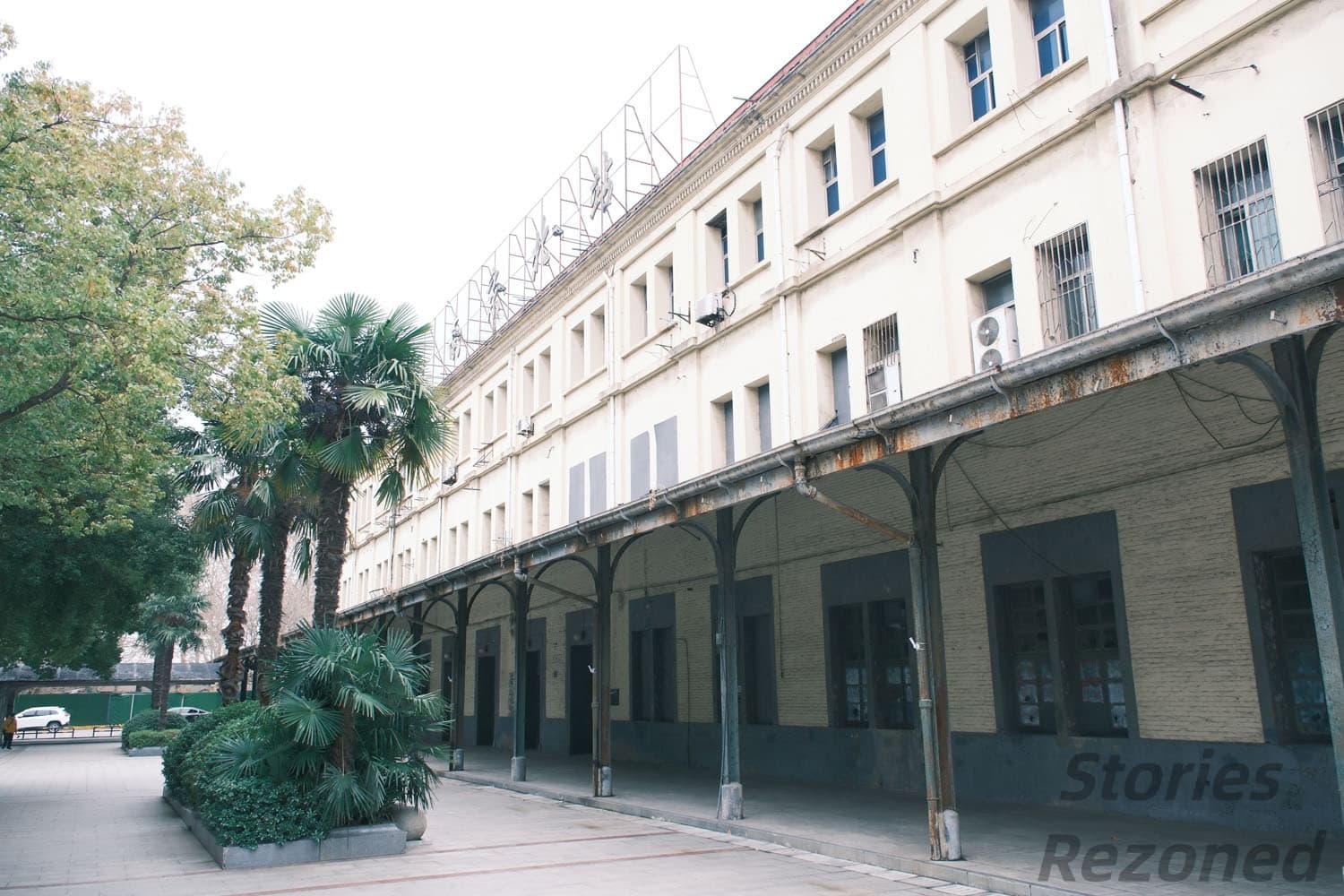
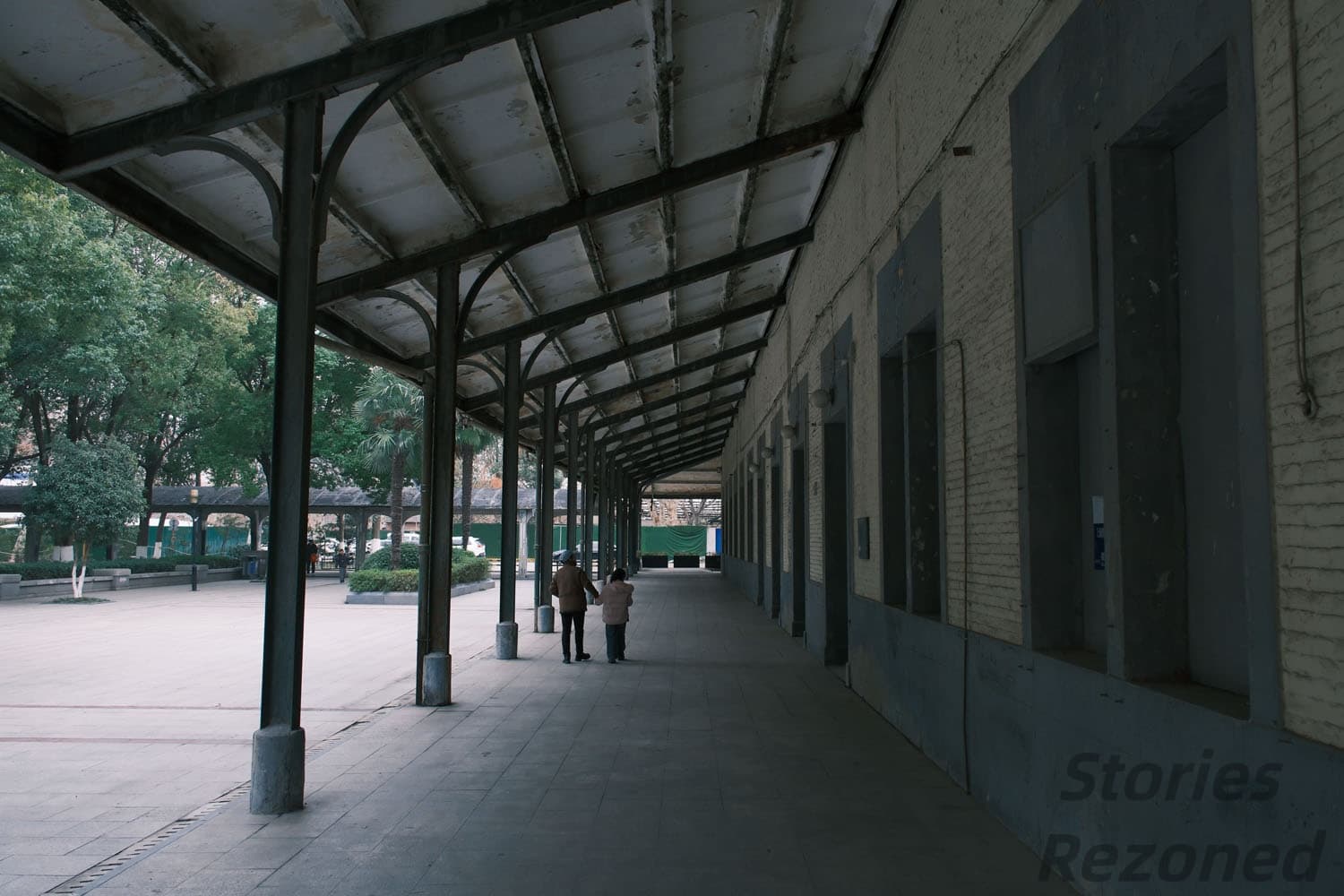
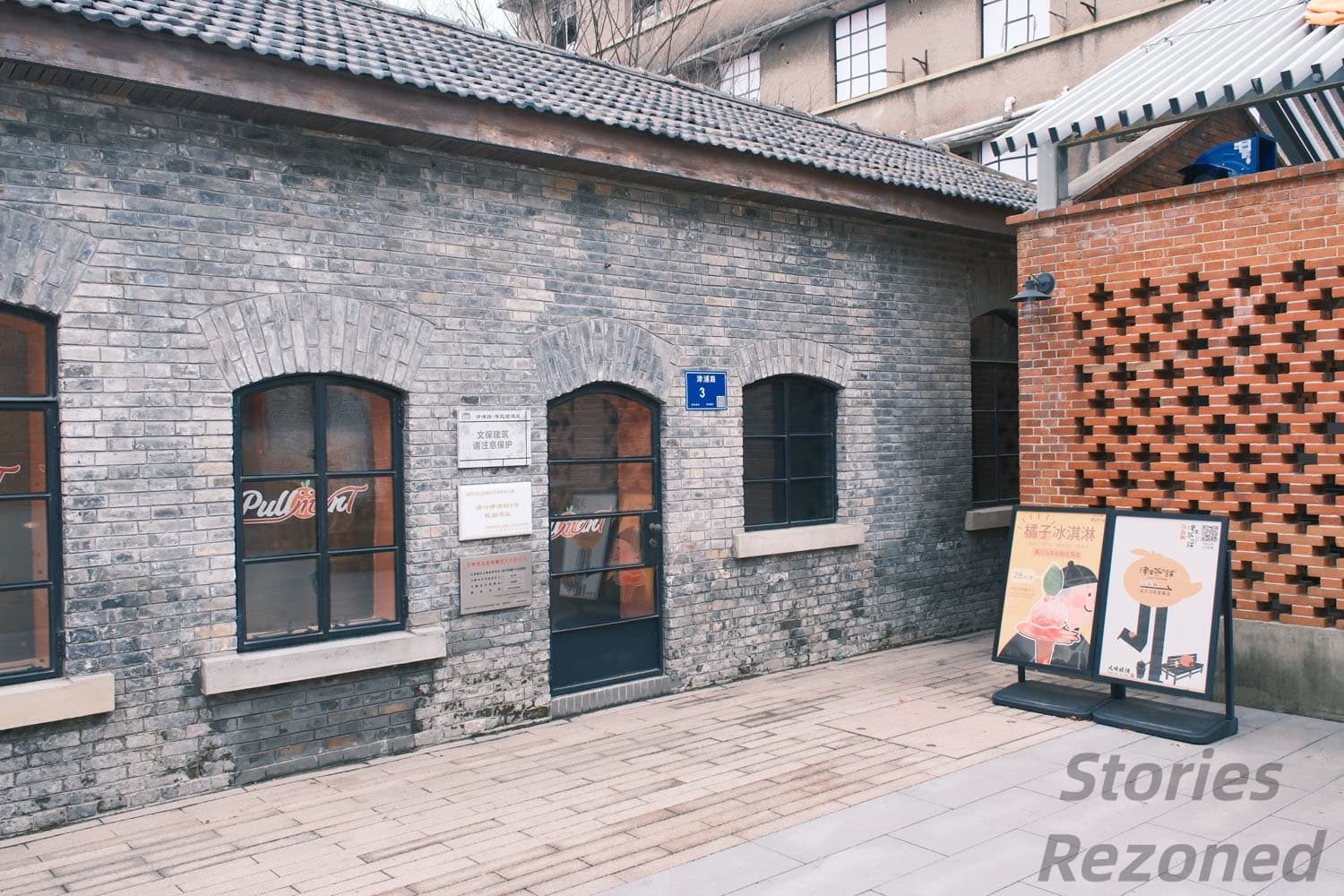
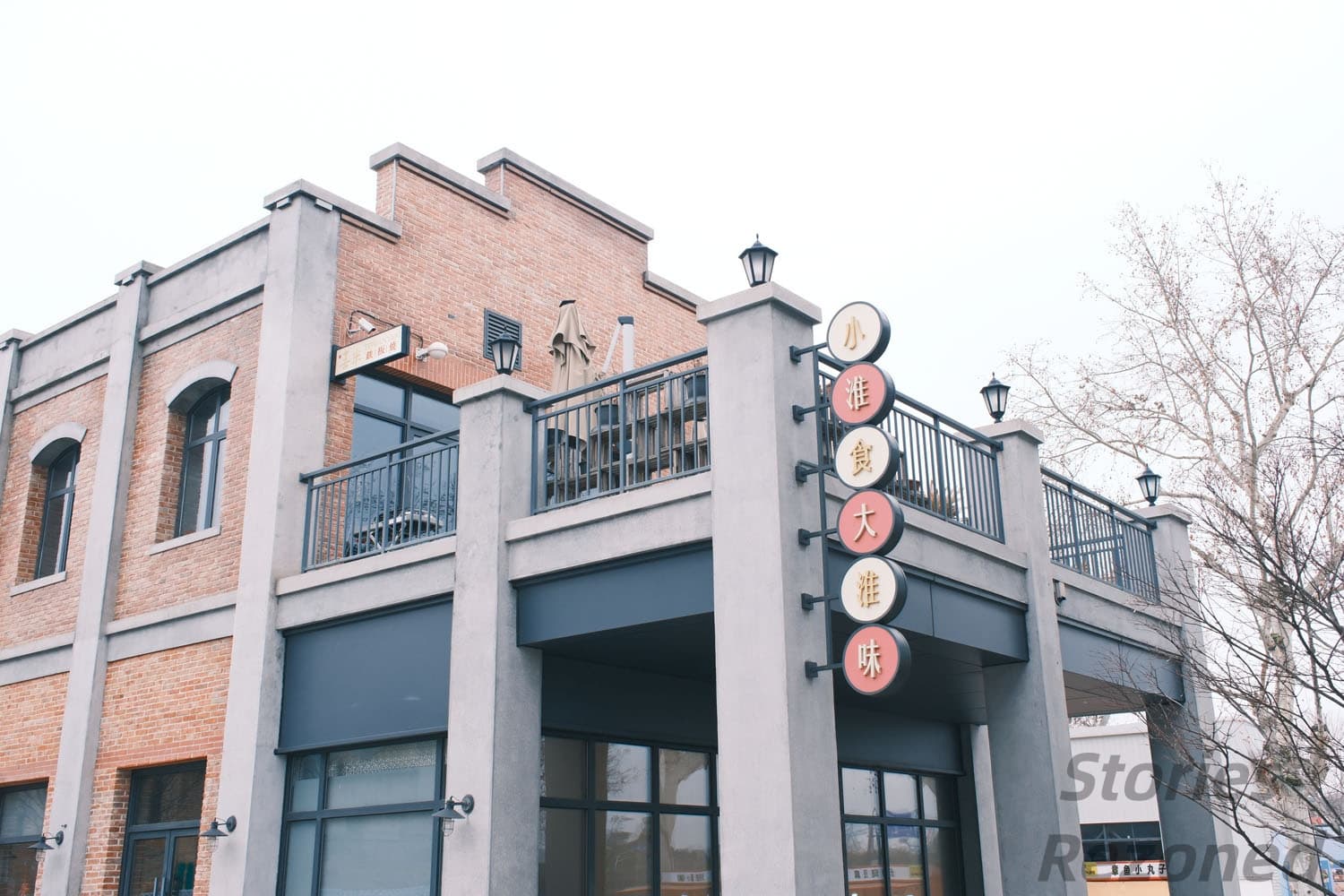
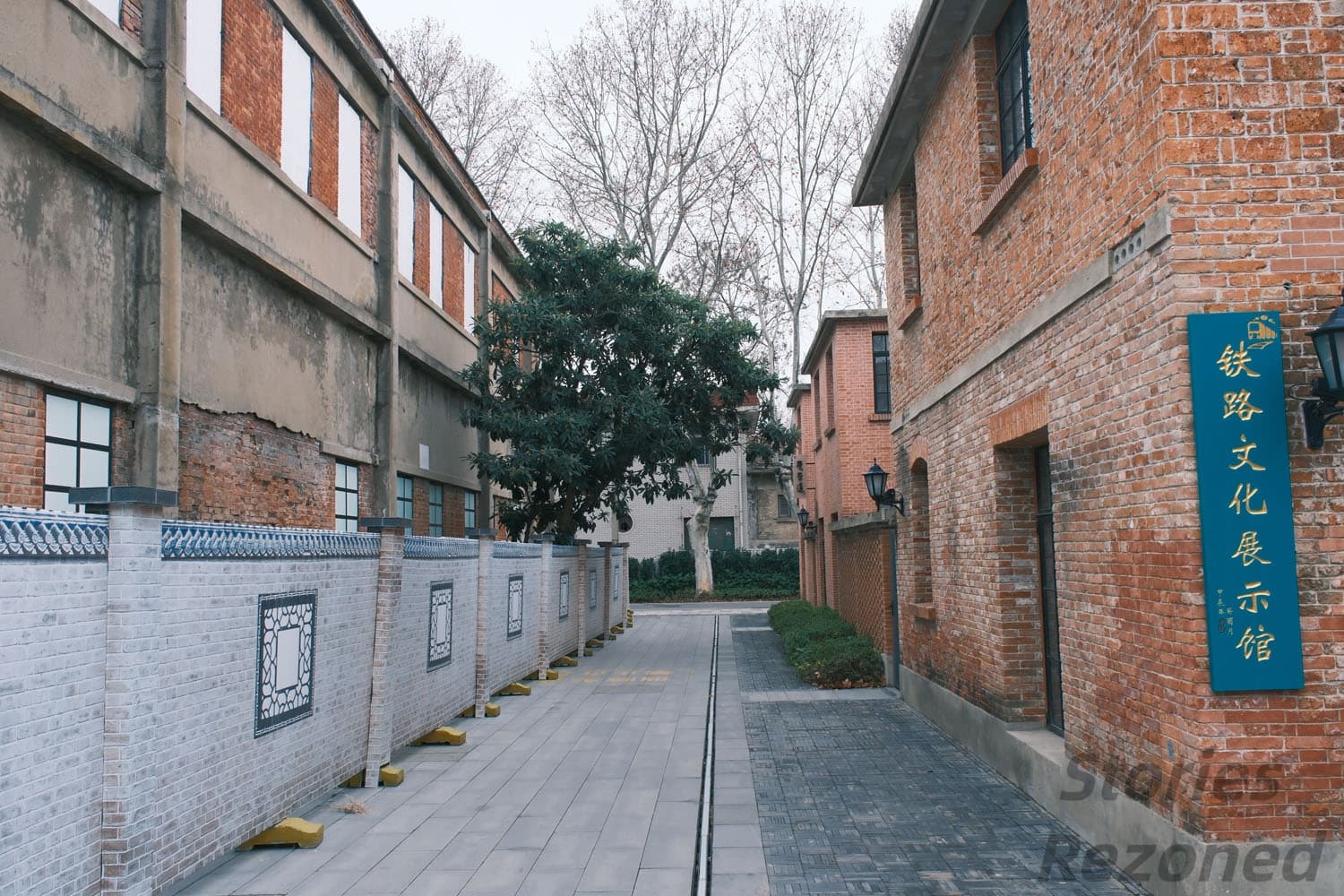
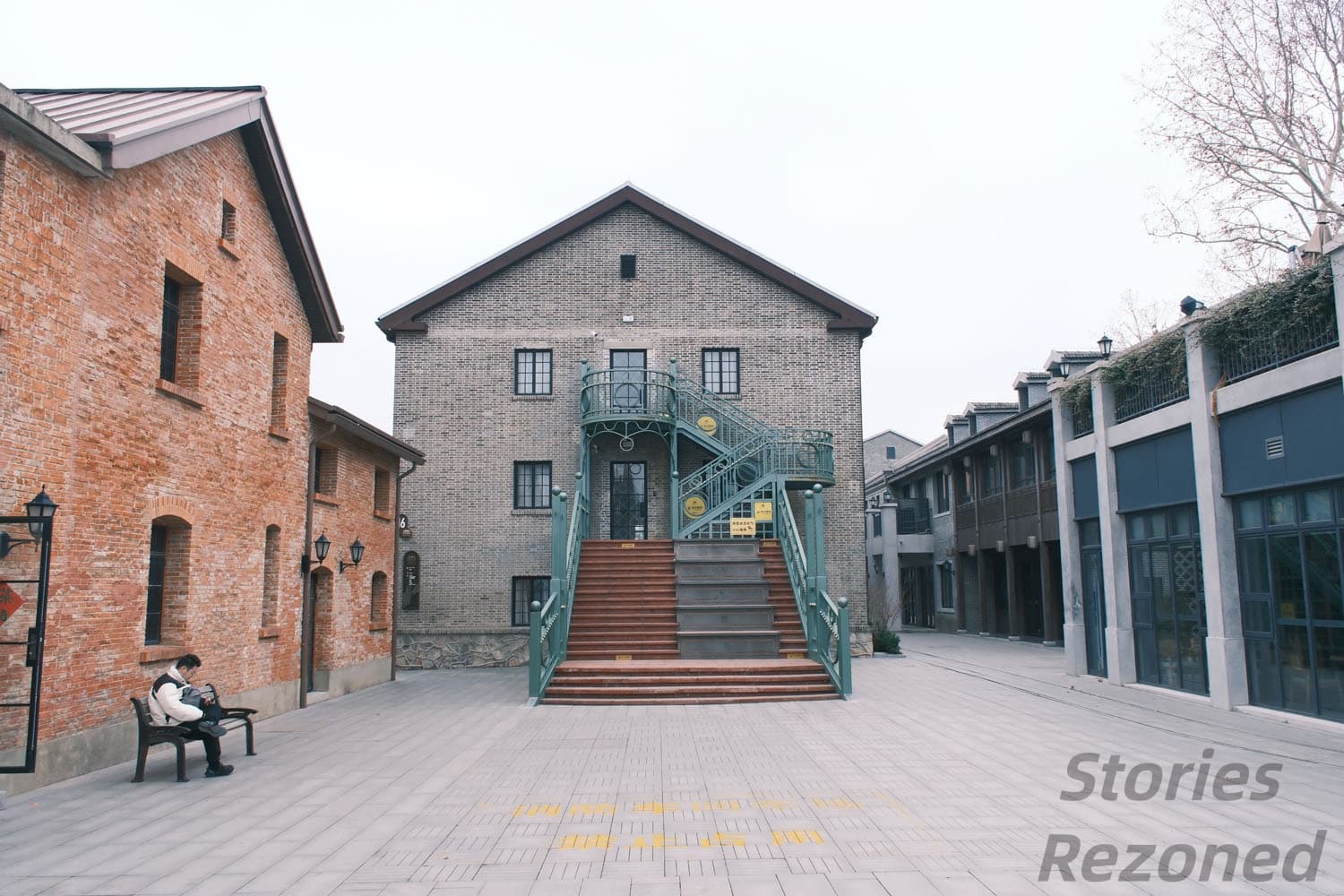
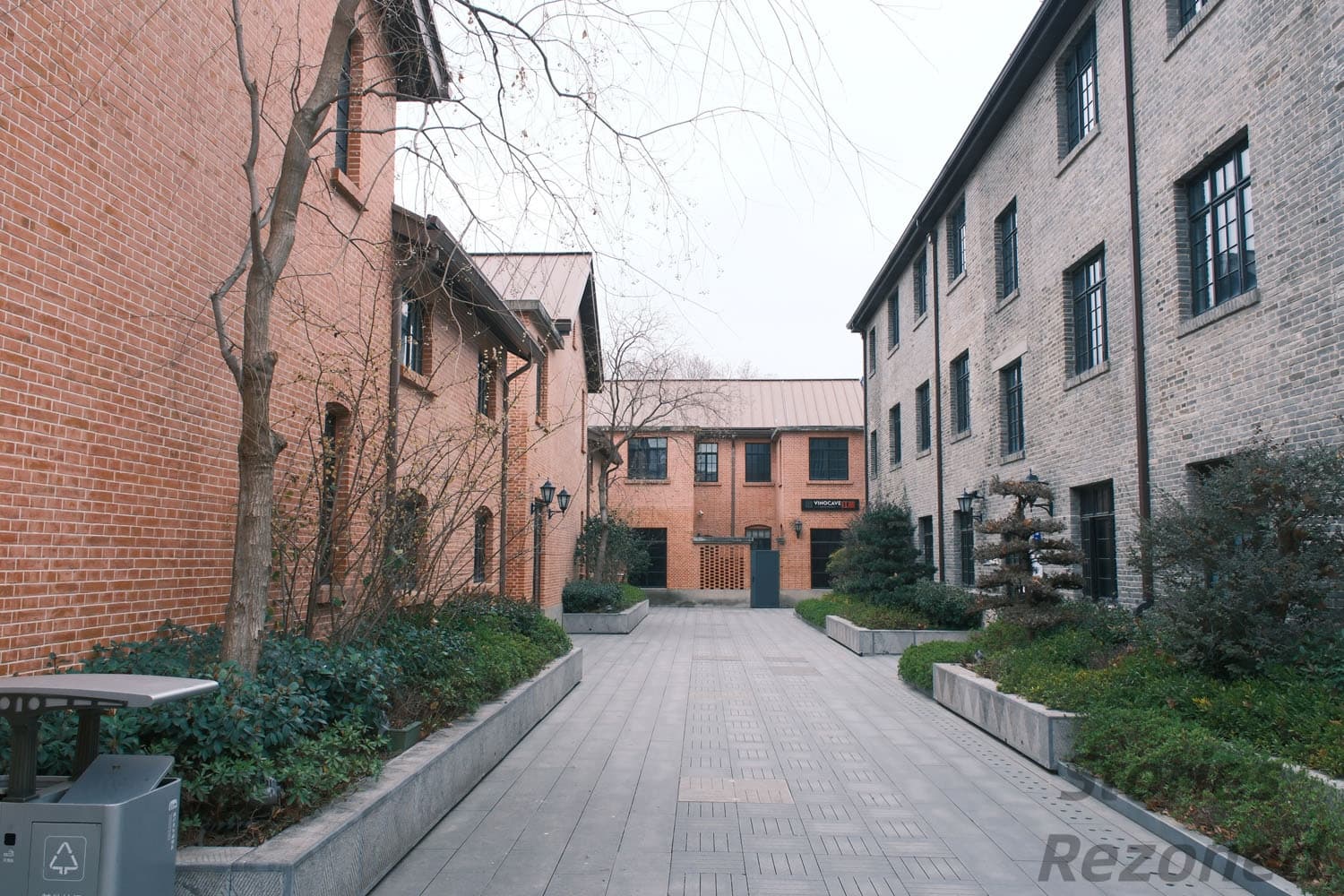
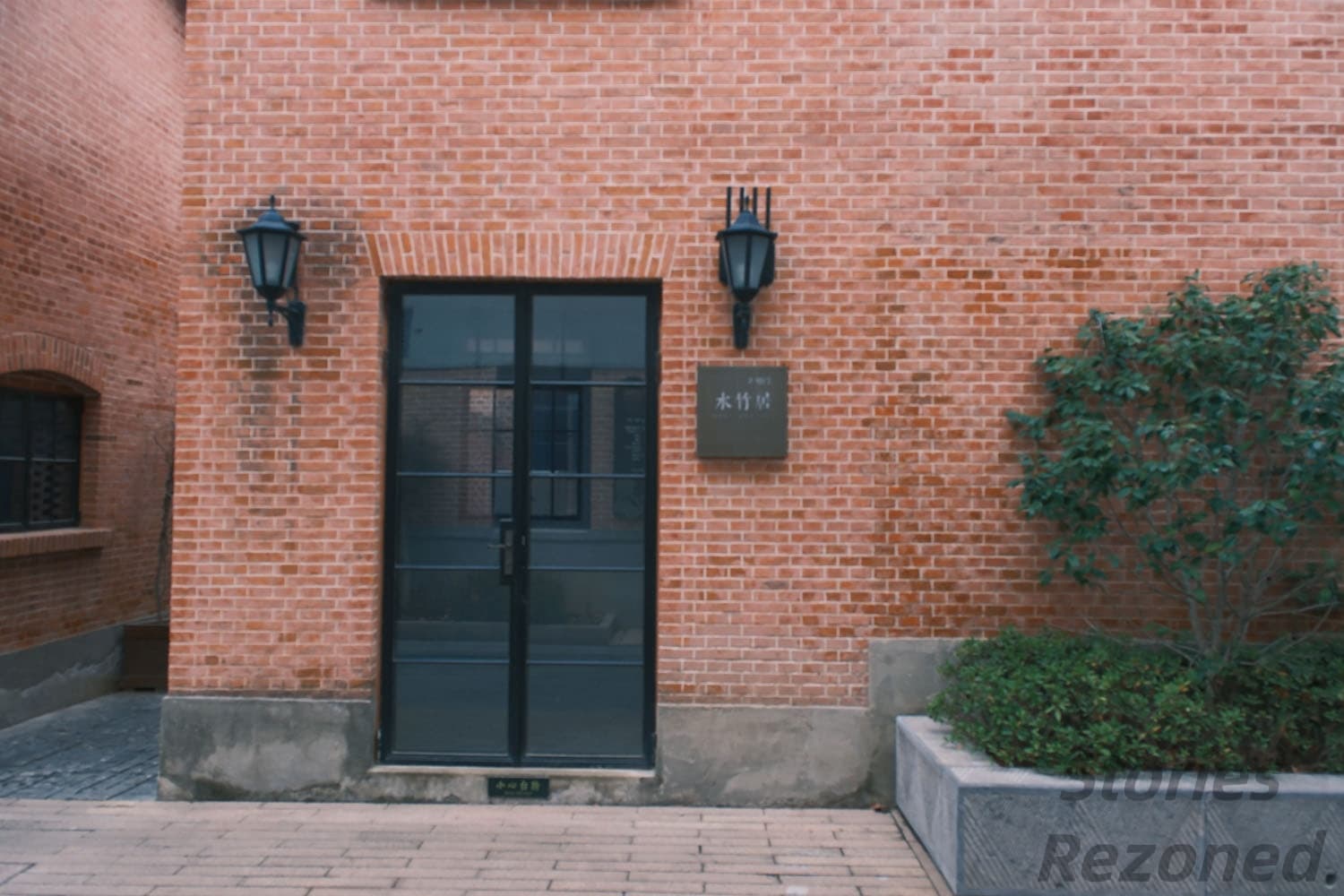
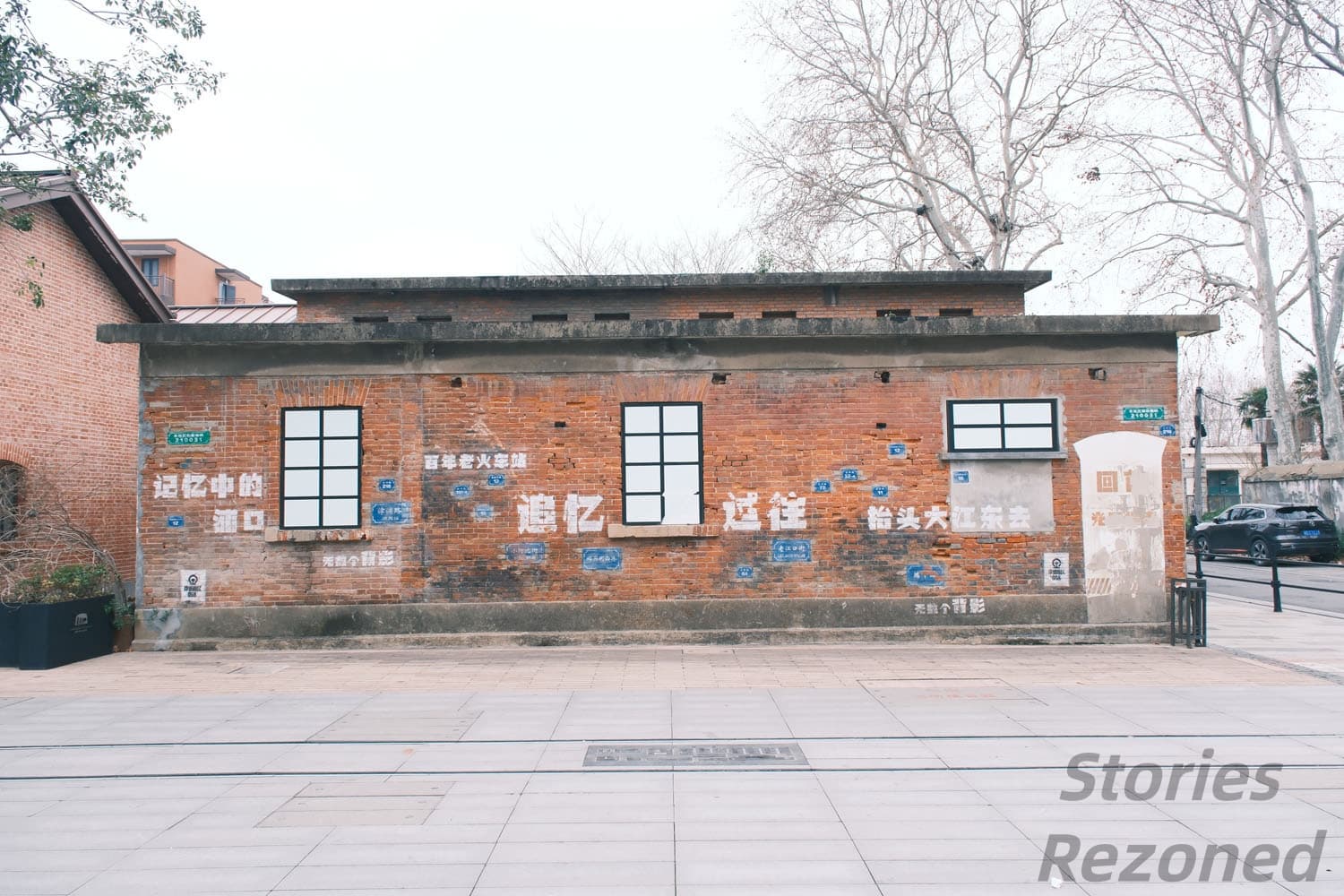
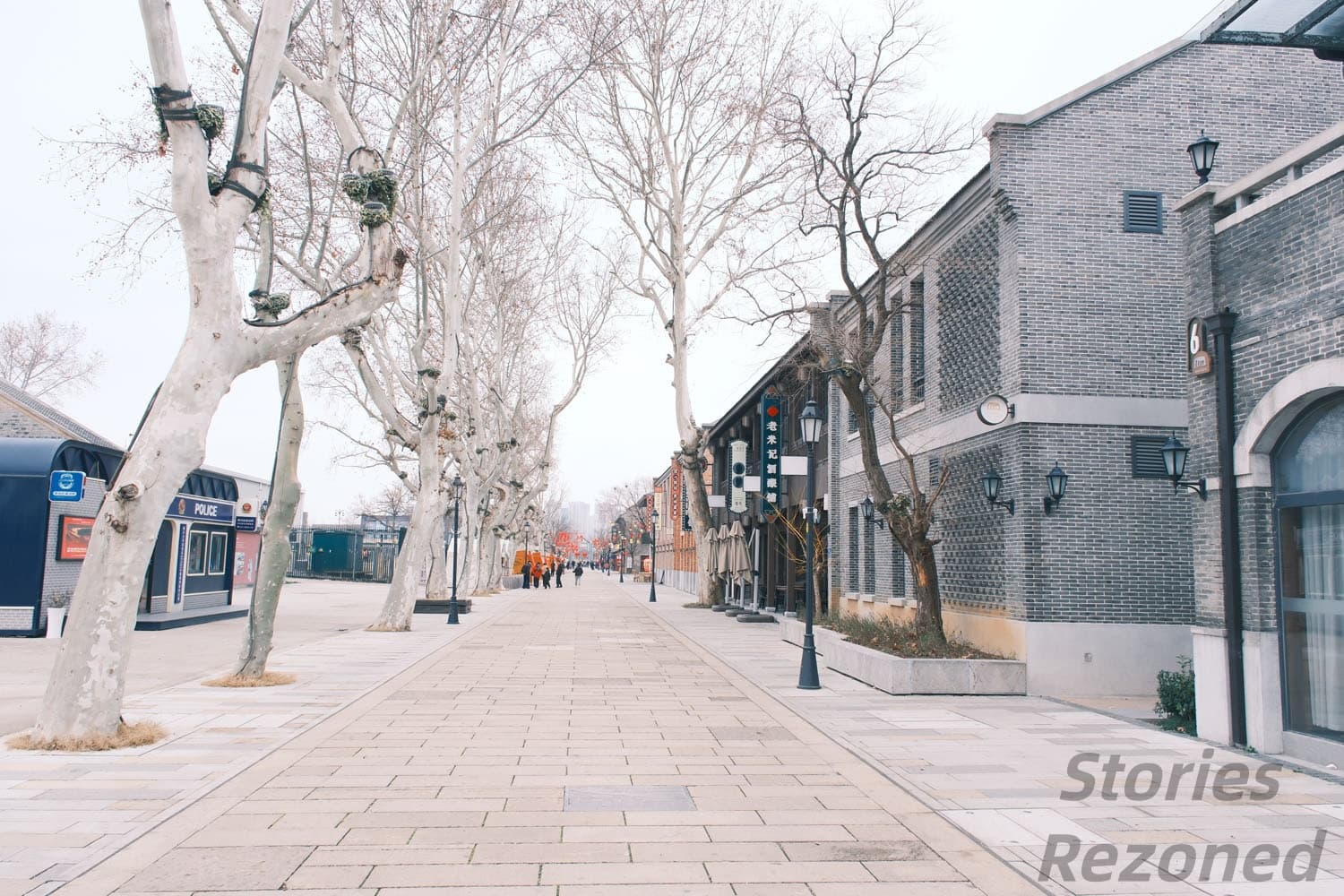
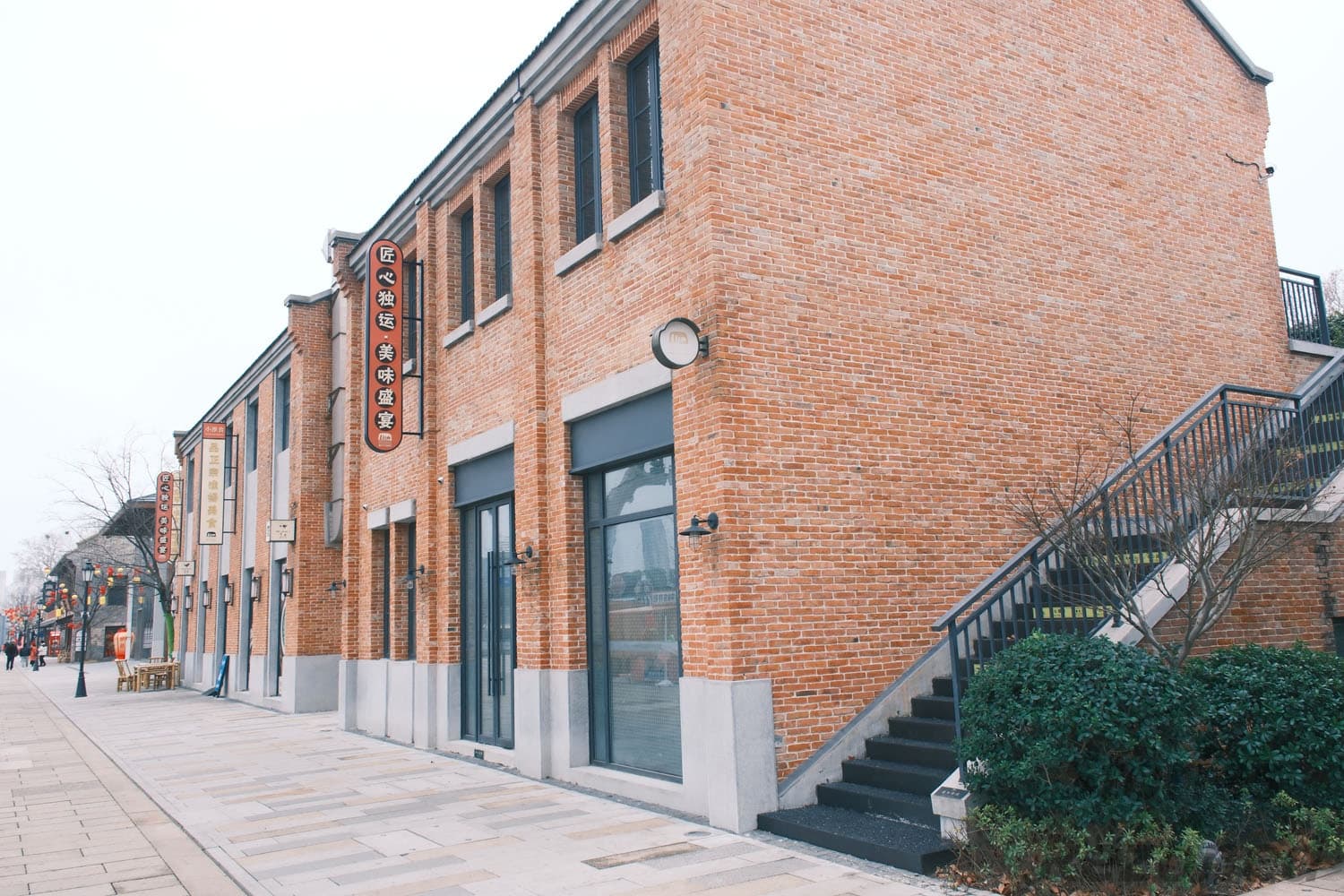
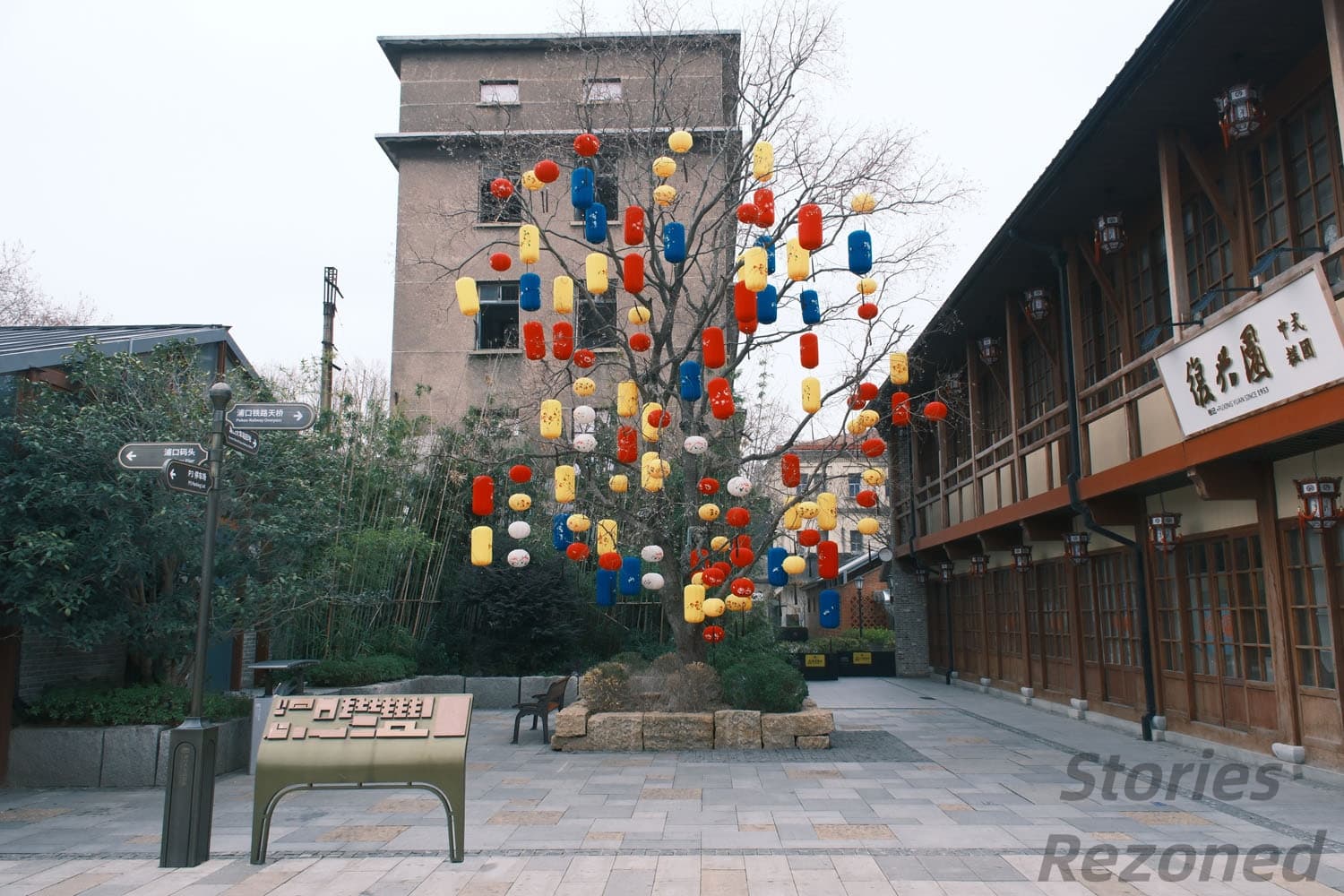
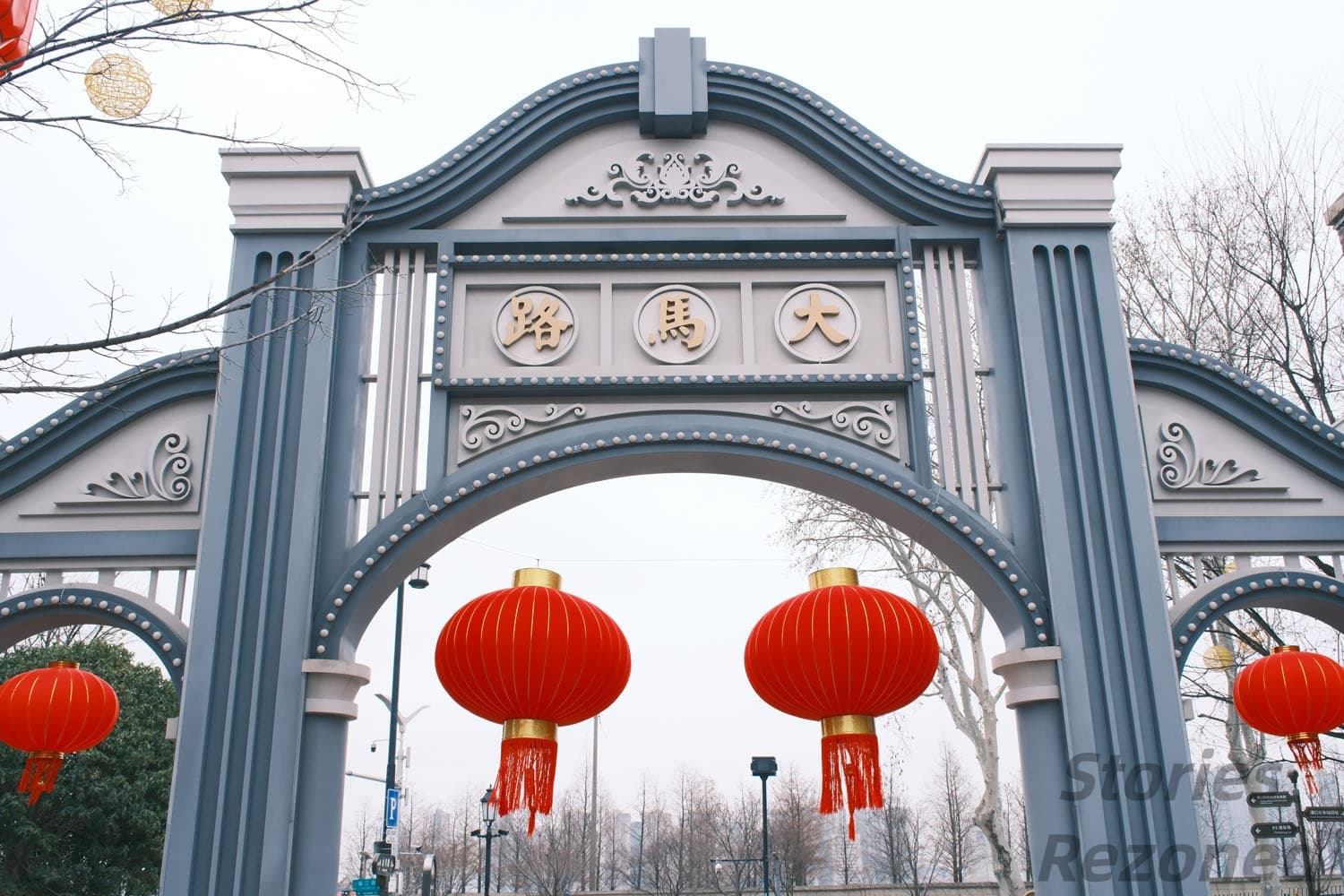
In 2021, the Pukou Railway Station area was chosen as one of the first round of urban renewal pilot projects in Jiangsu Province. In accordance with the principles of “respecting history, protecting characteristics, and reshaping value,” the project used a progressive and mending micro-renewal approach, instead of a large-scale demolition and construction method. The project retained the original historic structures by renovating them back to their original condition, while carefully restoring the station main building, platforms, covered corridors, and 23 adjacent historical buildings. The project restored the original stone pavement, bronze carvings and street design of the Republic of China era, and preserved the historical texture of the century-old station.
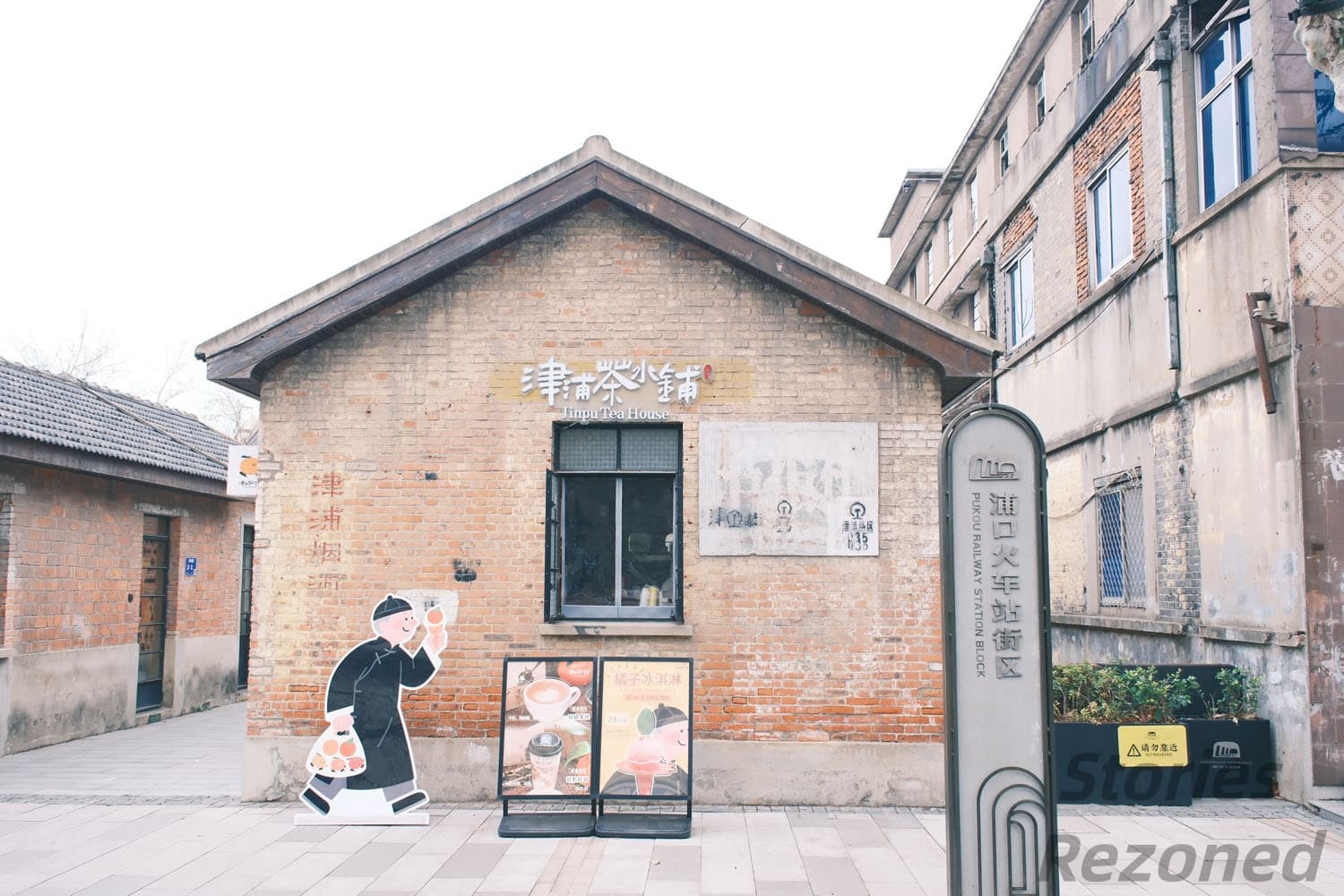
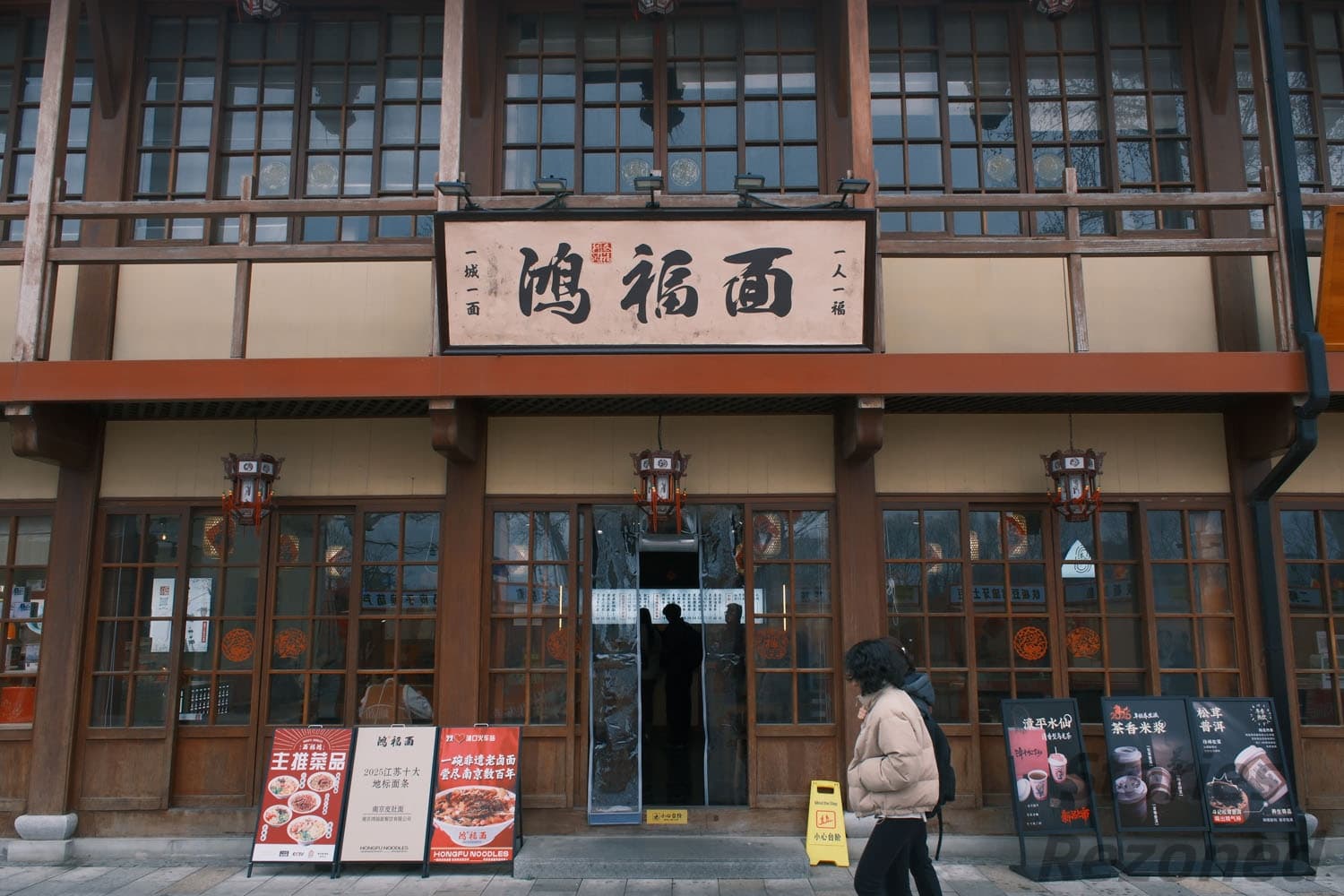
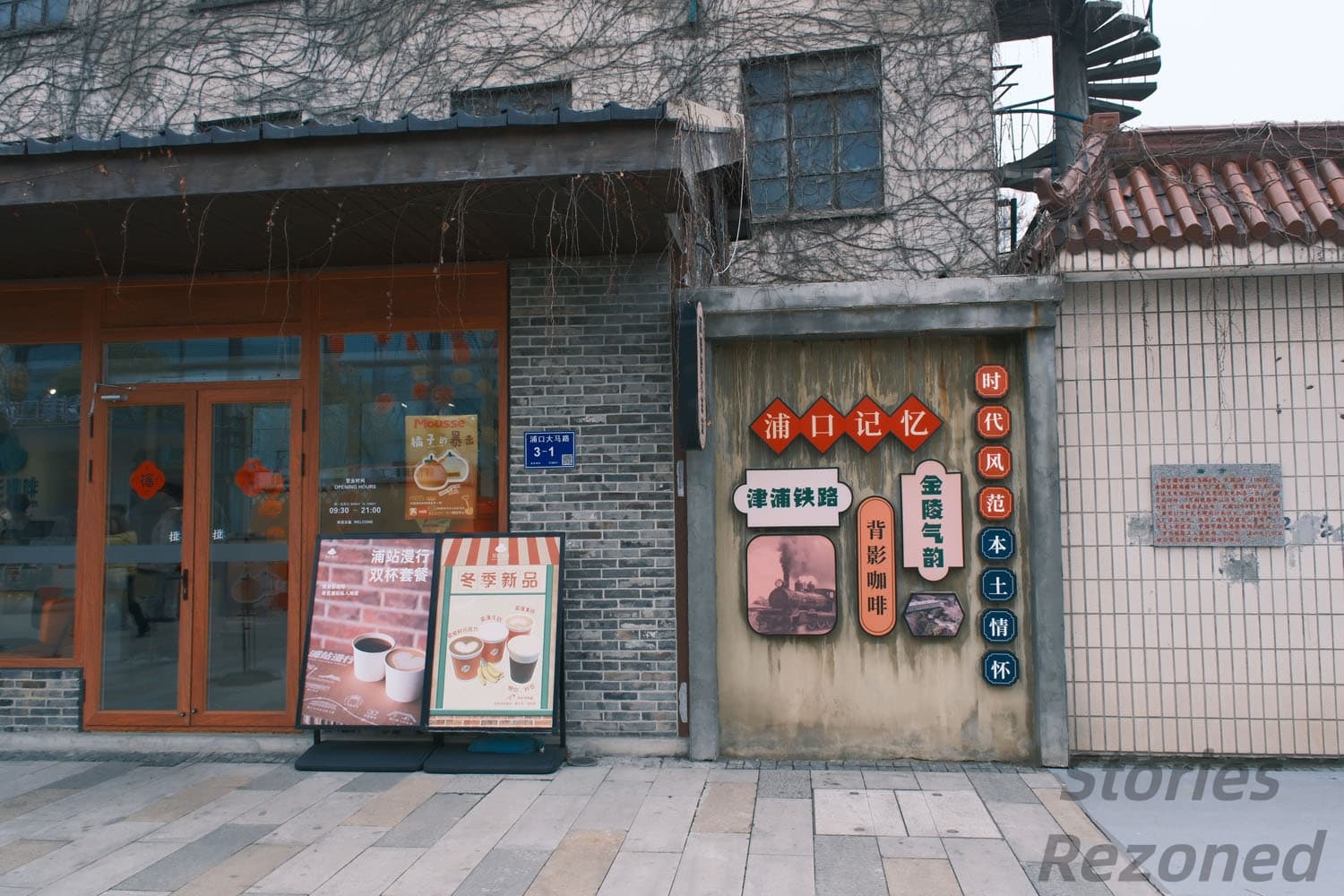
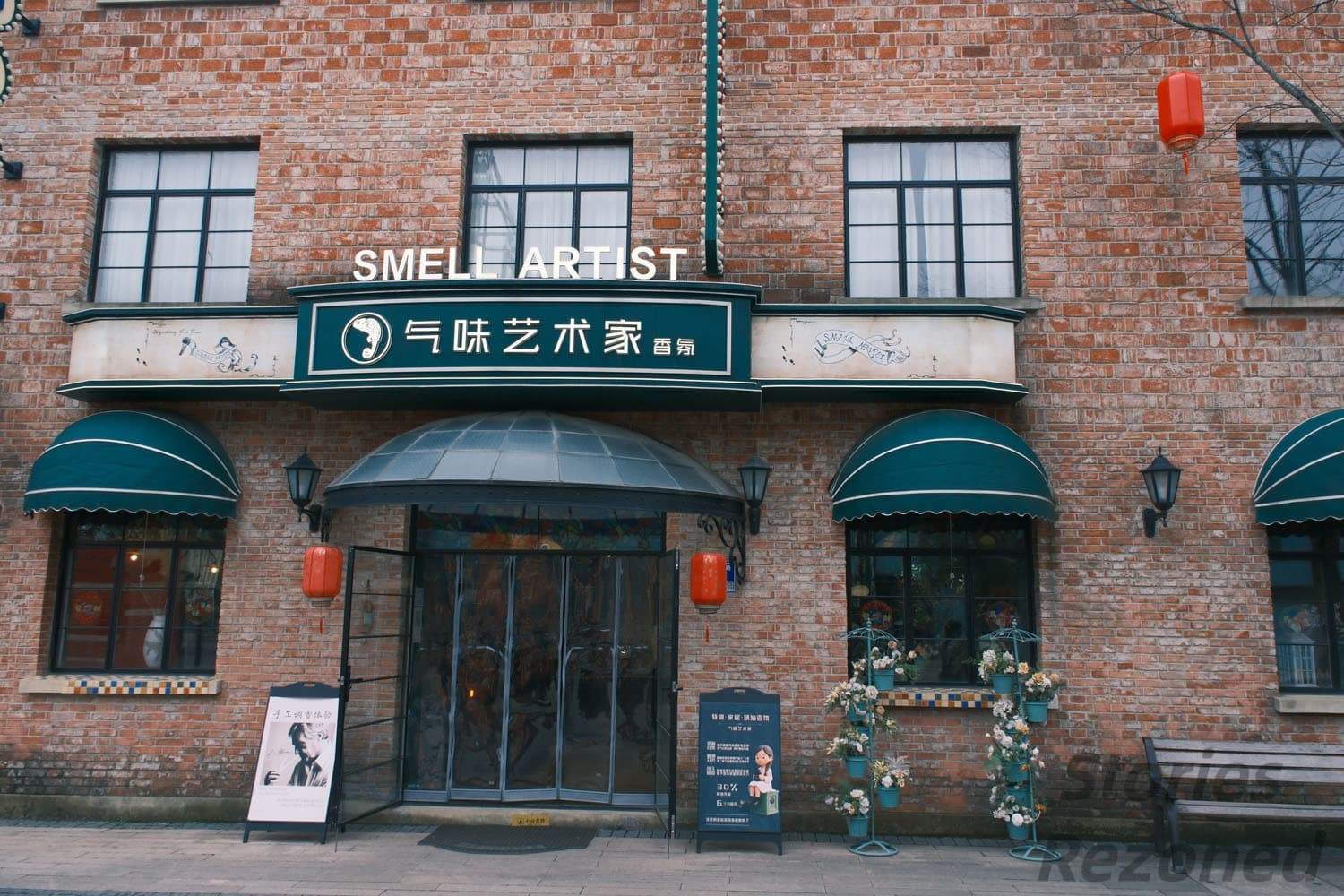
In October 2024, the Pukou Railway Station Historical and Cultural Block officially opened. The block utilizes the railway station’s core IP to develop a comprehensive cultural tourism space that includes cultural exhibitions, literary bookstores, characteristic homestay accommodations, trendy food service options, and experiences centered around the Republic of China era. The space provides a platform to deeply explore the literary IP of Back View and the railway history and culture, and hosts a variety of cultural and creative events. The Pukou Railway Station Historical and Cultural Block rapidly became one of the most popular cultural tourism destinations in Nanjing following its opening, hosting more than one million visitors collectively, and has undergone a dramatic transformation from an abandoned transportation hub to a vibrant urban living room.
Historical and Modern Significance
The Pukou Railway Station is a tangible representation of the development history of the modern Chinese railway system and a rare cultural relic of railway stations in the Republic of China era, embodying history, culture, and emotion, a key cultural landmark in Nanjing’s urban environment. The micro-renewal approach that only modified sections of the historical structures at a time makes it stand out among other renewal projects, better preserving the station’s structure and its significance in recent Chinese history.
Image References
All images not separately credited below filmed at location by Stories Rezoned team
- Anonymous. Pukou Railway Station Upon Completion. 1914. Jiangsu Provincial Situation Network, https://jssdfz.jiangsu.gov.cn/n99/20251009/i43517.html.
- Lan, Hui. Dilapidated Platform Interior of Pukou Railway Station. 14 July 2014. The Paper, https://m.thepaper.cn/wifiKey_detail.jsp?contid=1256036.
- Su, Yang. Pukou Railway Station Main Building and Square. 25 Apr. 2015. People’s Daily Online Photo Channel, http://picchina.people.com.cn/n/2015/0427/c213236-26908721-2.html.
- Zhang, Ke. Abandoned Railway Tracks Outside Pukou Railway Station. 2022. Tencent News, https://new.qq.com/rain/a/20221229A07WZ000.
References
- Nanjing Municipal People’s Government. “Urban Renewal of Pukou Railway Station Area Highlights Cultural Charm.” 23 Mar. 2023, www.nanjing.gov.cn/zzb/ywdt/njxx/202303/t20230323_3869764.html.
- Xinhuanet Jiangsu Channel. “Over One Million Tourists Visit Pukou Railway Station in Two Months After Opening.” 4 Dec. 2024, www.js.news.cn/20241204/536bbd4839d94993958ce792530dd986/c.html.
- Jschina. “The Old and New of Pukou Railway Station.” 1 Nov. 2024, jsnews.jschina.com.cn/hxms/202411/t20241101_s67b2b083e4b0403ba658bf23.shtml.
- Nanjing Daily. “A Probe into Pukou Railway Station Block.” 15 Aug. 2025, njrb.njdaily.cn/njrb/h5/html5/2025-08/15/content_103_223514.htm.
- Sohu. “Nanjing Pukou Railway Station: From a Literary Platform to an Urban Cultural Tourism Living Room.” 5 Dec. 2025, m.sohu.com/a/961684792_121455647/.