
Past: An Ancient Hillside Alley in Yuzhong and the Struggle of an Ancient Community (Ming & Qing Dynasties-2017)
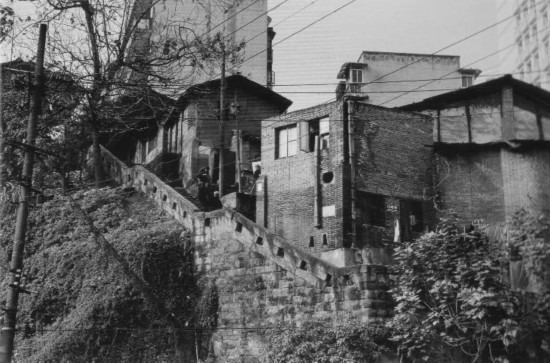
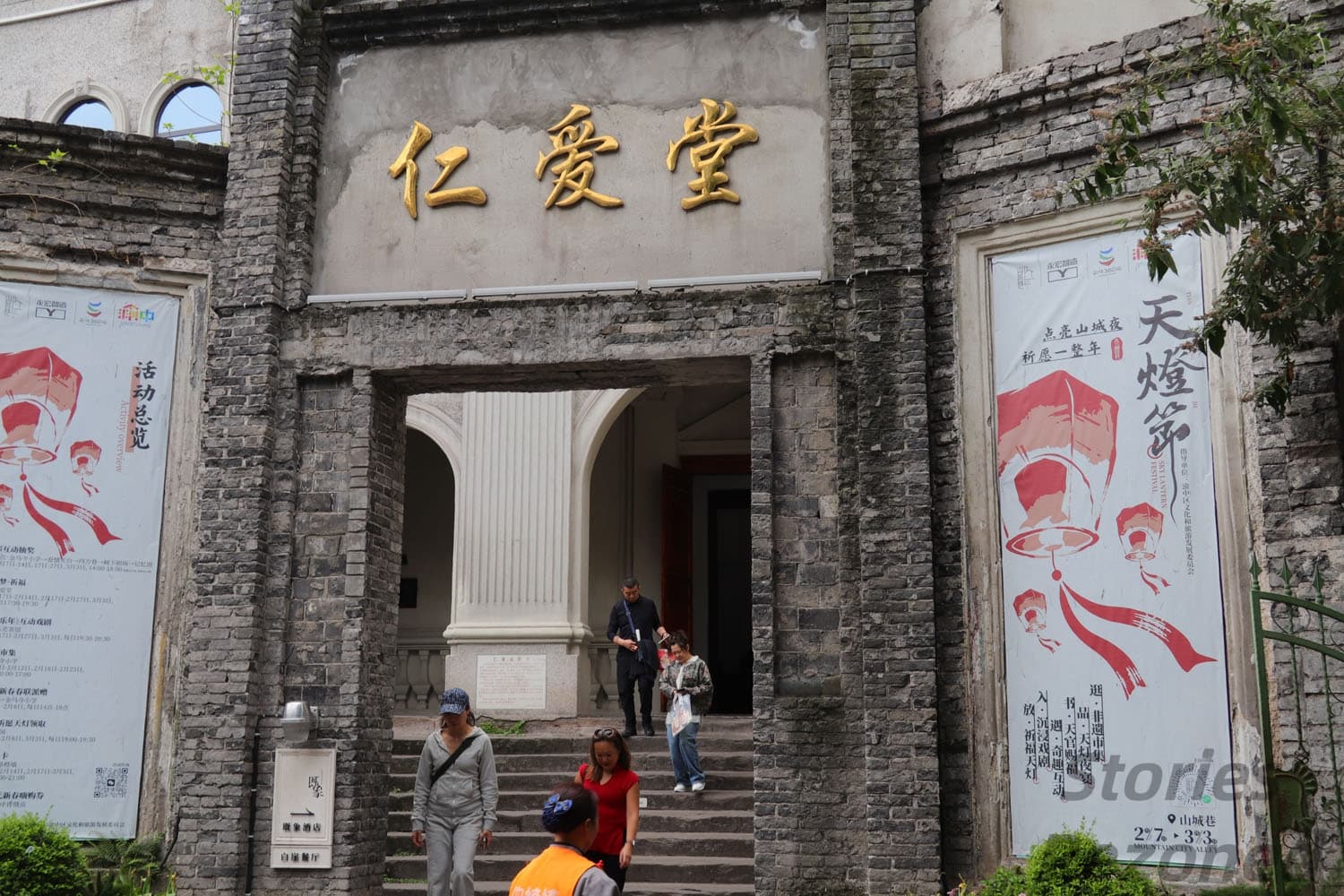
Built along the cliffs of Nanjimen Subdistrict, Yuzhong District, Chongqing, Shancheng Lane is a vital artery connecting the upper and lower parts of Chongqing. For centuries, there have been numerous historical records physically located in the alley. It was known as Tiandeng Street in the Ming and Qing Dynasties and was an important alley along the ancient city wall of Chongqing and had military defense and residential functions. Following the opening of Chongqing as a Treaty Port in the late Qing Dynasty, it was renamed Tiandeng Lane. Many French Charity Halls and Foreign Consulates were located near this lane and thus, it became a place where many foreign diplomats and immigrants lived and worked. As a result, Western architectural styles started to appear in the alley’s buildings. During the Sino-Japanese War wartime capital period, it was named Ren’ai Tang Street and housed official residences of Sichuan army generals and literary residences. The stilted houses of Shikumen, the traditional stilted houses and air raid shelters formed a unique style combining Chinese and Western elements. Shancheng Lane was officially named in 1972 and after that, it was gradually transformed from an old residential community to a normal one.
As the urban area around it modernized, Shancheng Lane gradually declined. Buildings in the lane have been in disrepair for decades with cracked and crumbling walls and infrastructure which is backward and outdated, making it functionally obsolete compared to modern developments surrounding it. Despite having 15 cultural relics and historical buildings that retain the most authentic mountain alley environments of Chongqing, Shancheng Lane became an old area in dire need of renovation in the center of the city.
Present: A Mountainous Historical and Cultural Tourism Block Rebuilt by Micro-Renovation (2018-Present)
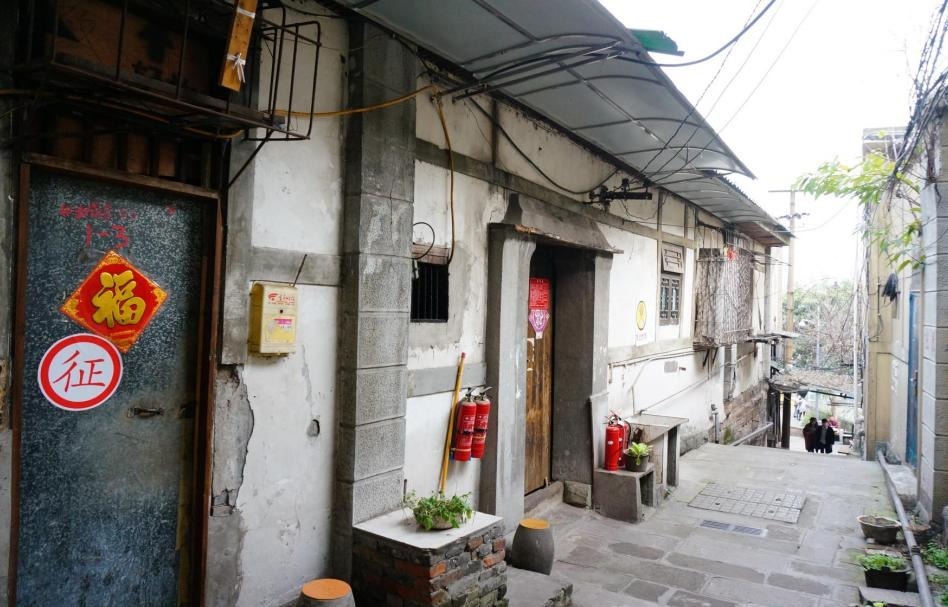
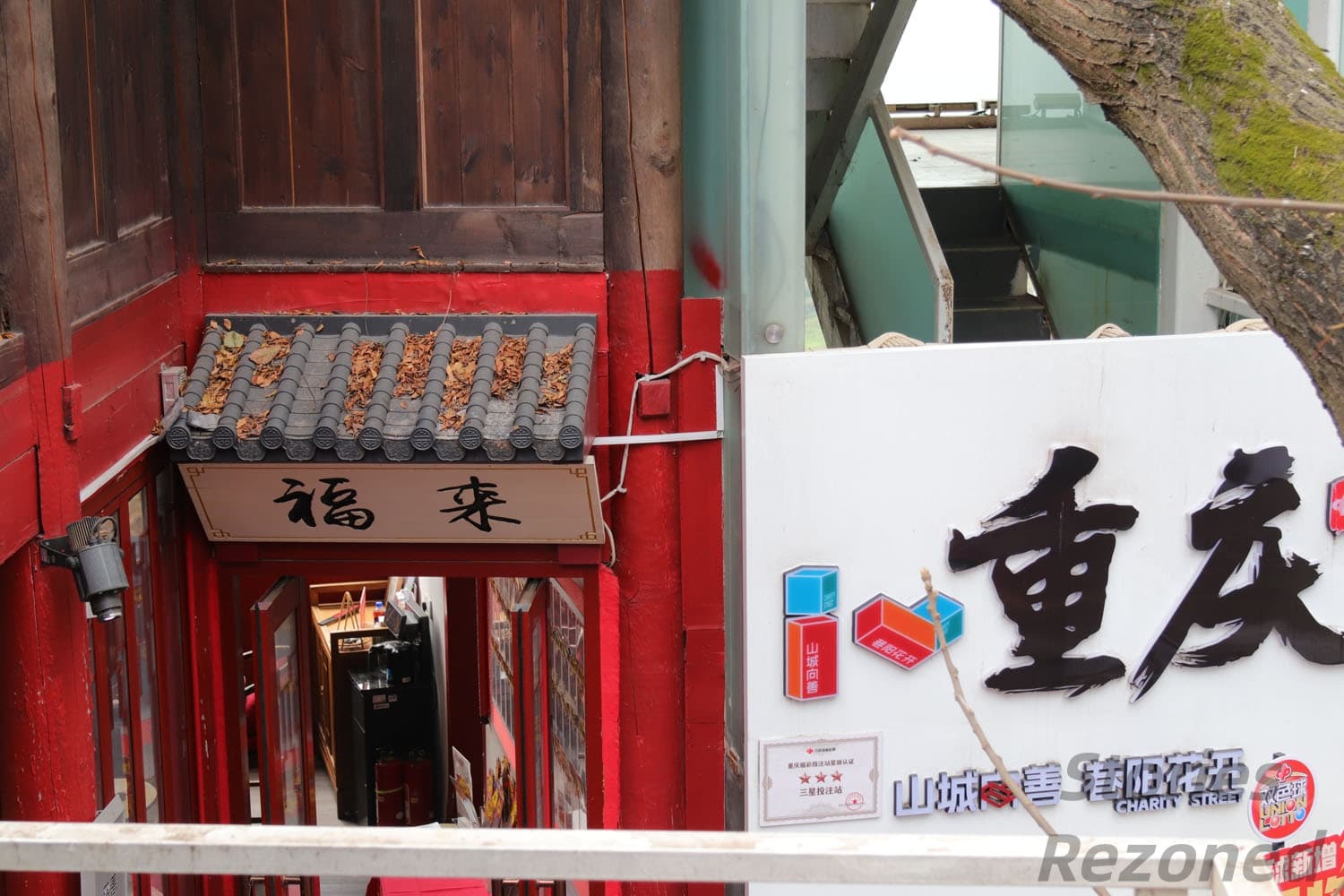
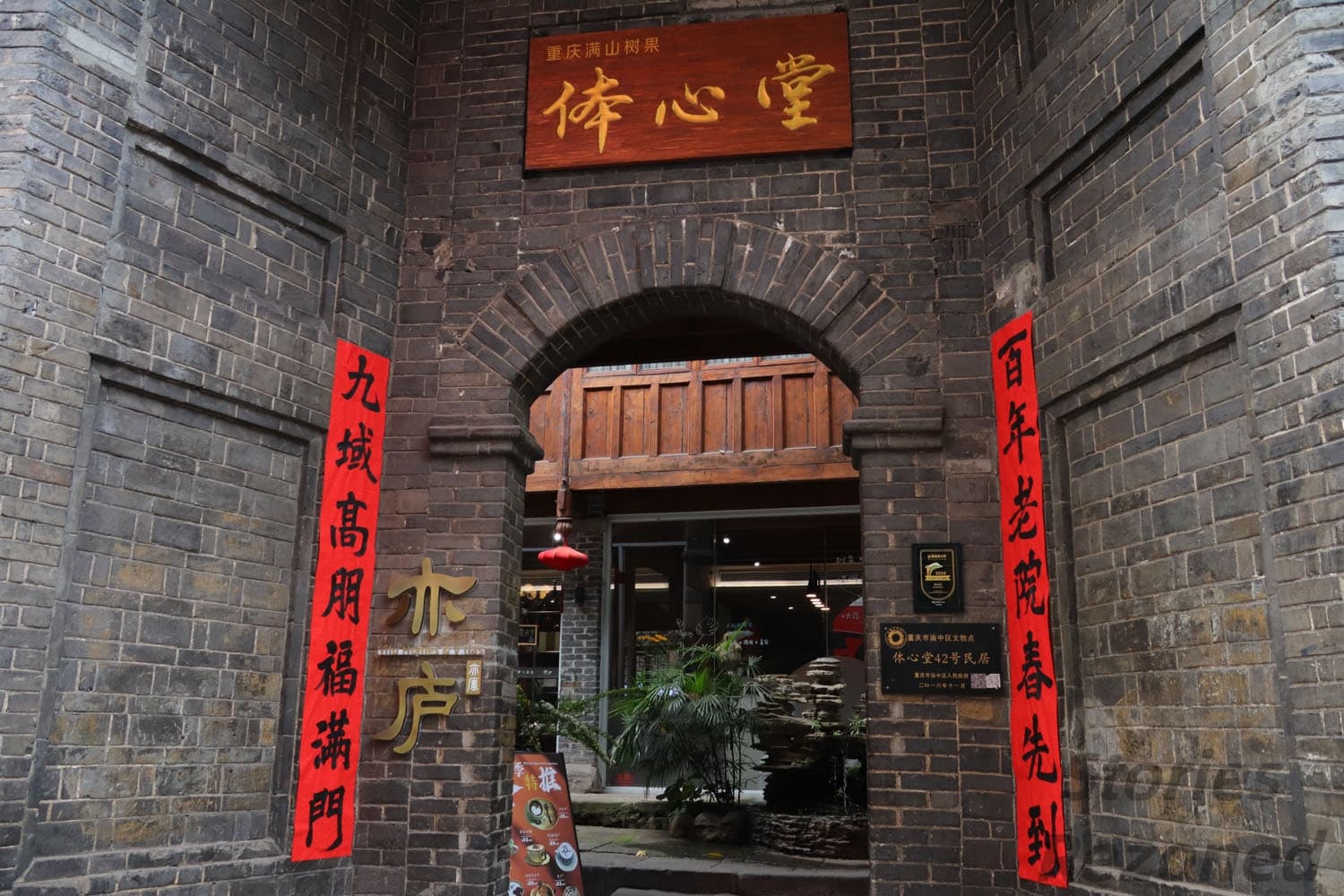
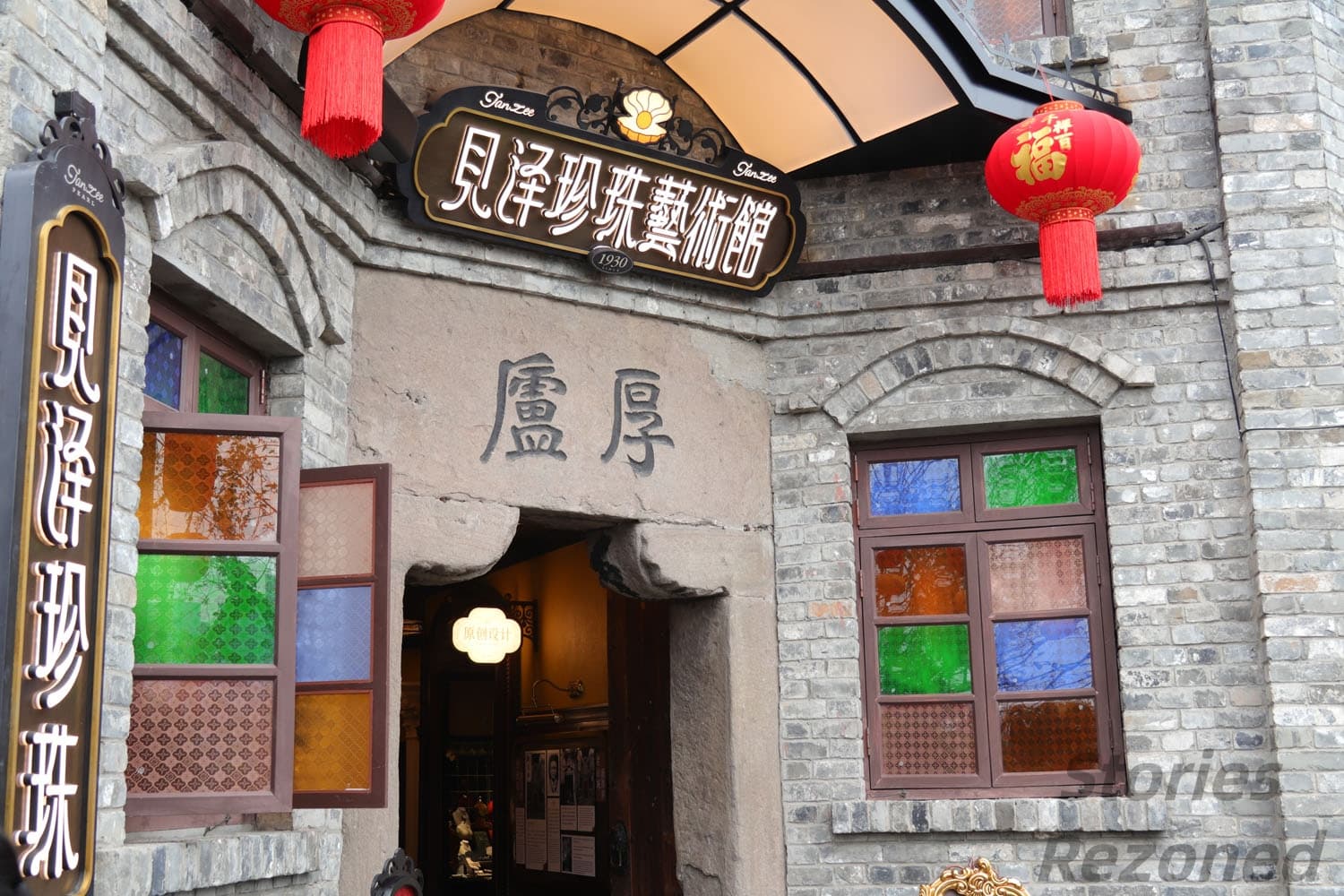
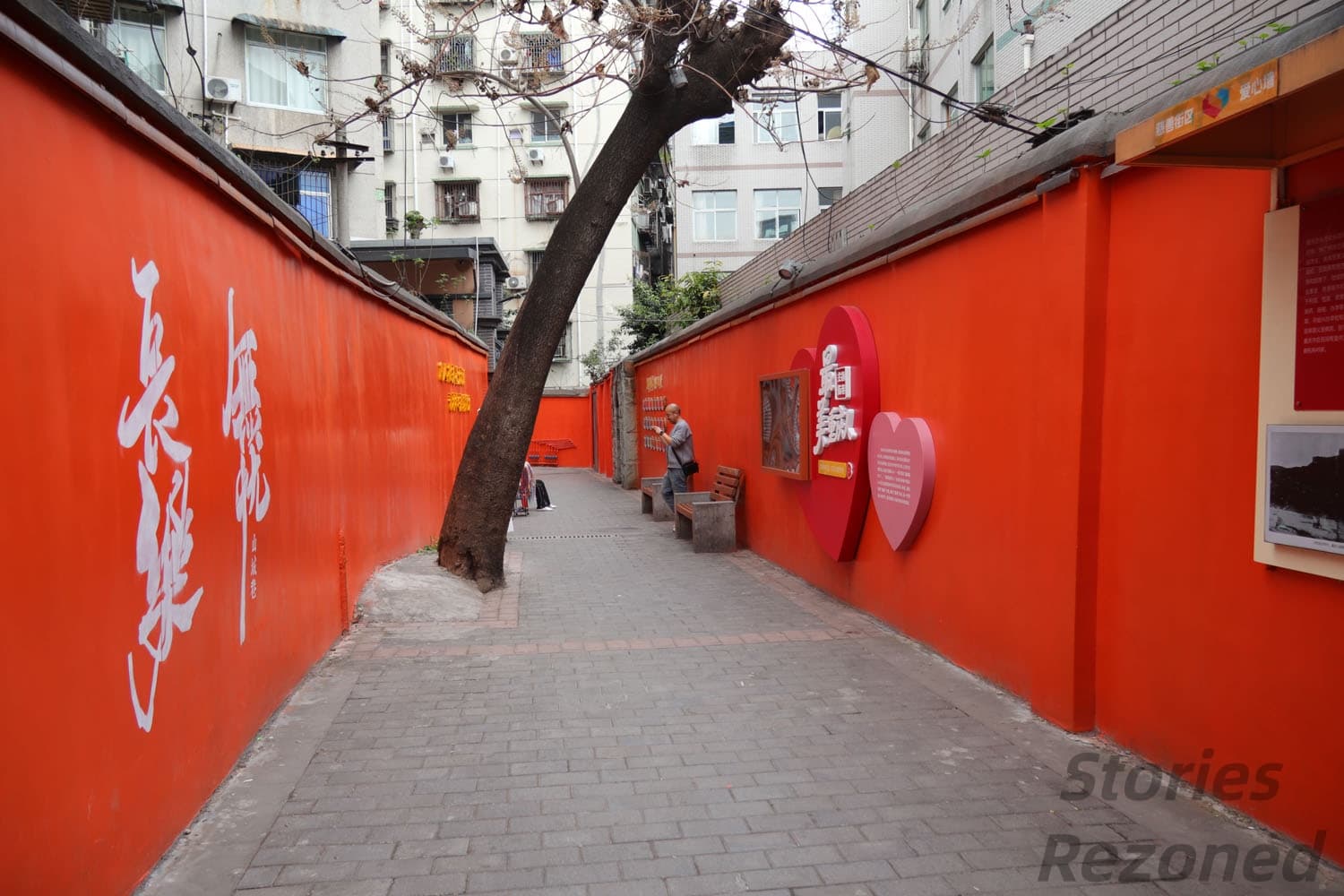
The revitalization and renovation of the Shancheng Lane Traditional Feature Area broke ground in November 2018. The project provided a 15-year franchise agreement to a private owner for approximately RMB120 million to promote the overall renovation of the lane. The entire renovation strictly followed the principle of “protection first” and rejected the destruction of the old structures. The renovation of the historical relics such as the bluestone road, the stilted house, the Houlu Residence, the Charity Hall and the remains of the ancient city wall ruins were all carried out with great care so as to preserve the winding texture of the mountainous alleys and the characteristics of the Bayu residential features. At the same time, the renovation of pipe systems, the illumination of alleys, the optimization of public space and the improvement of support facilities were completed in order to remove potential environmental hazards from decades of neglect.
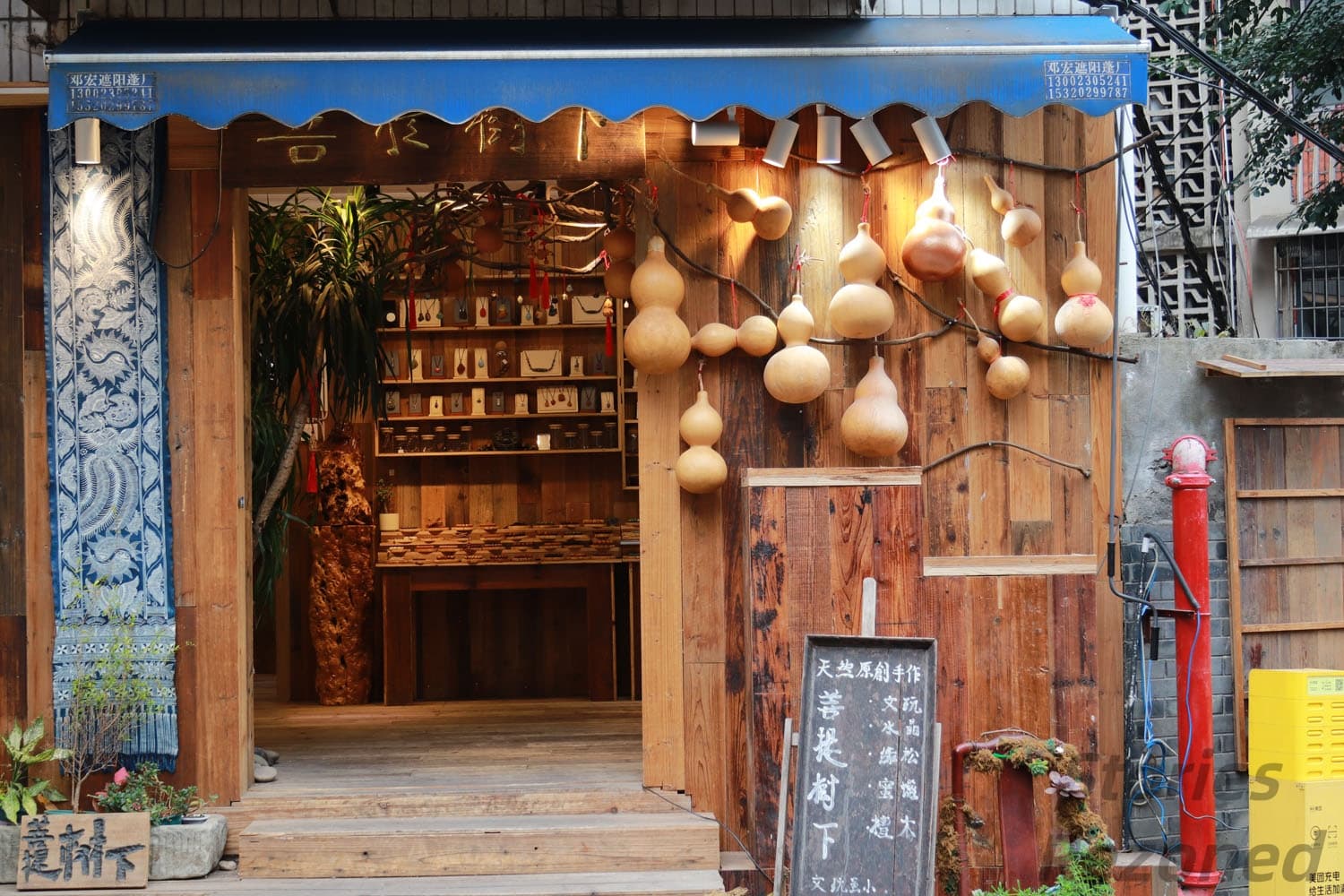
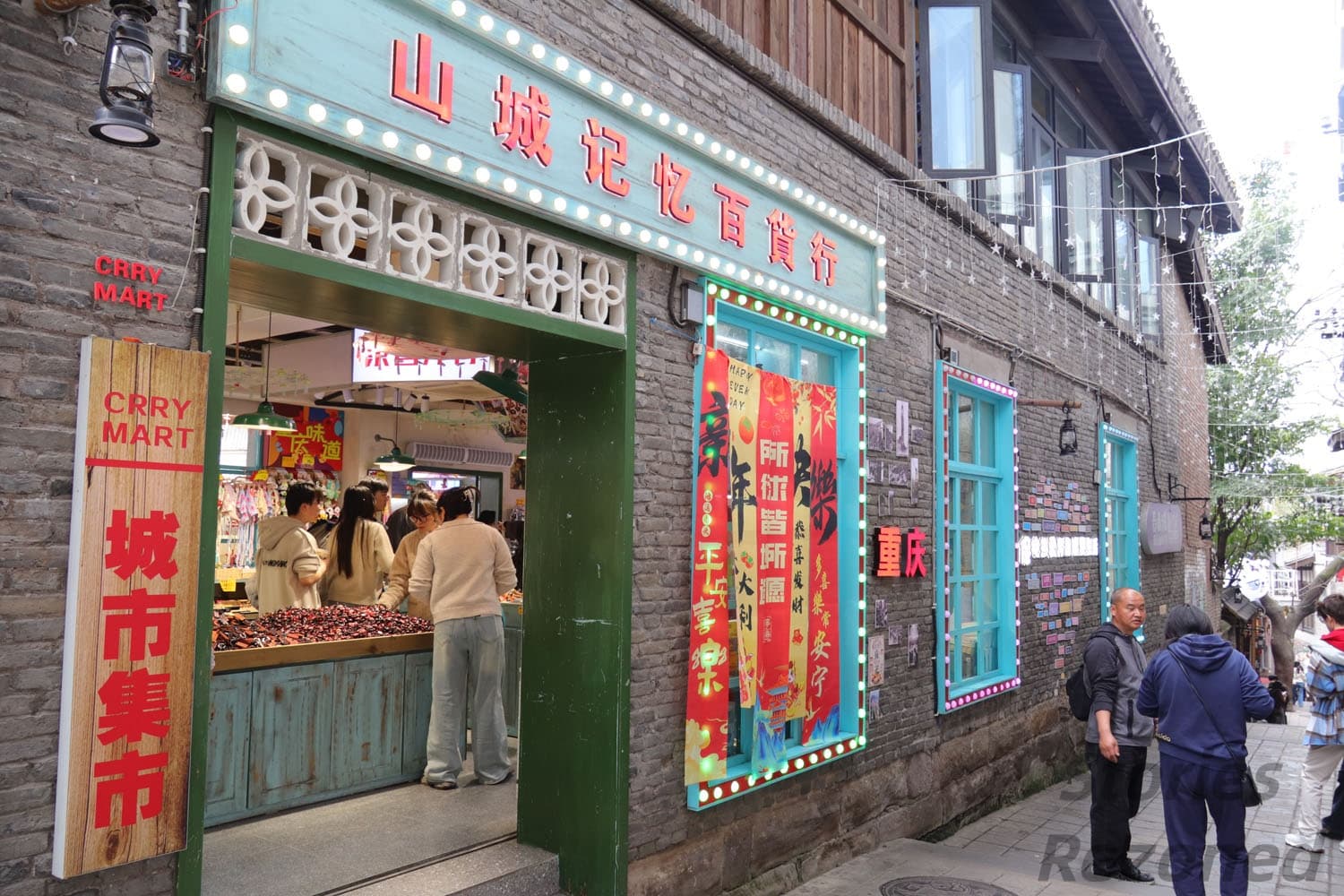
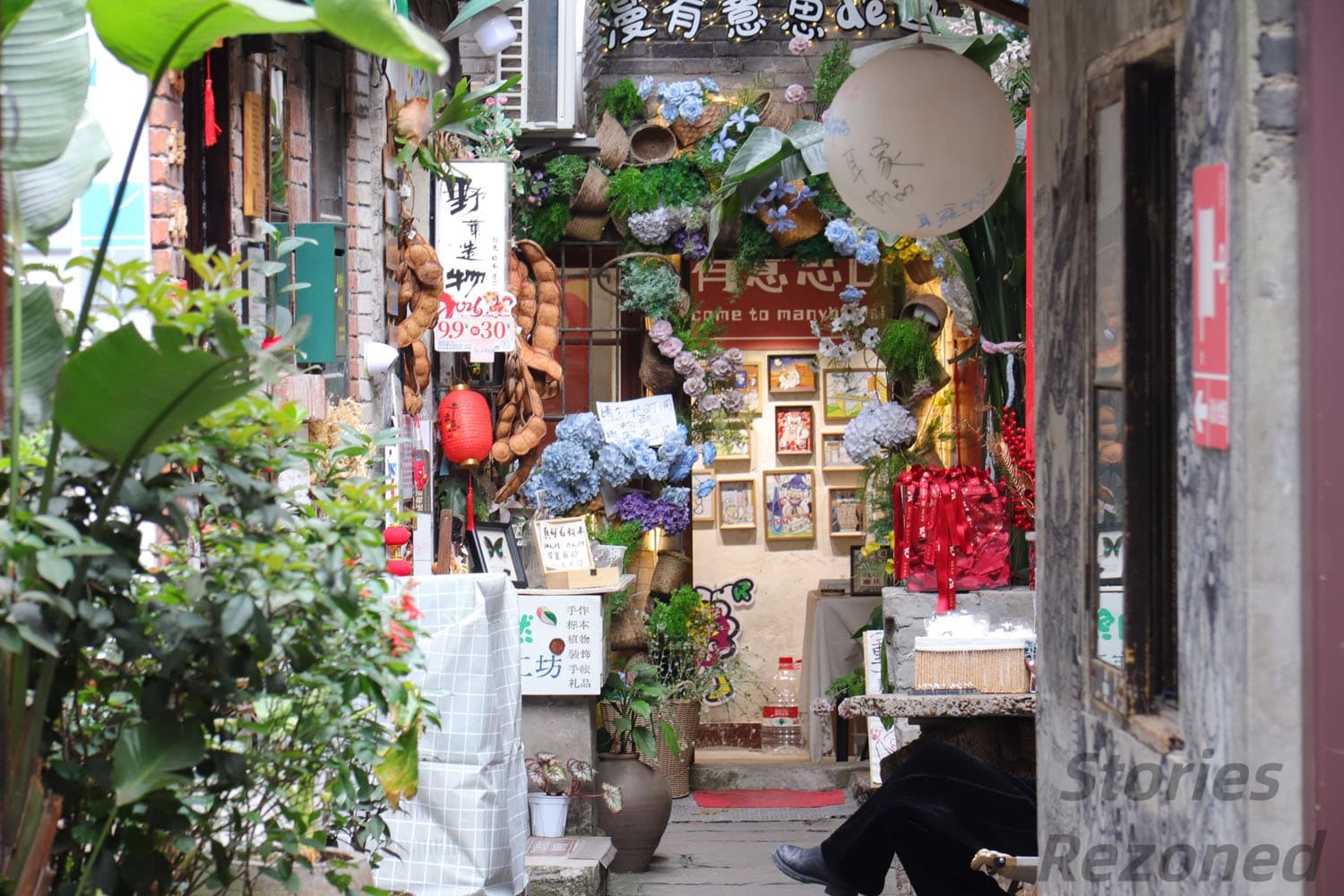
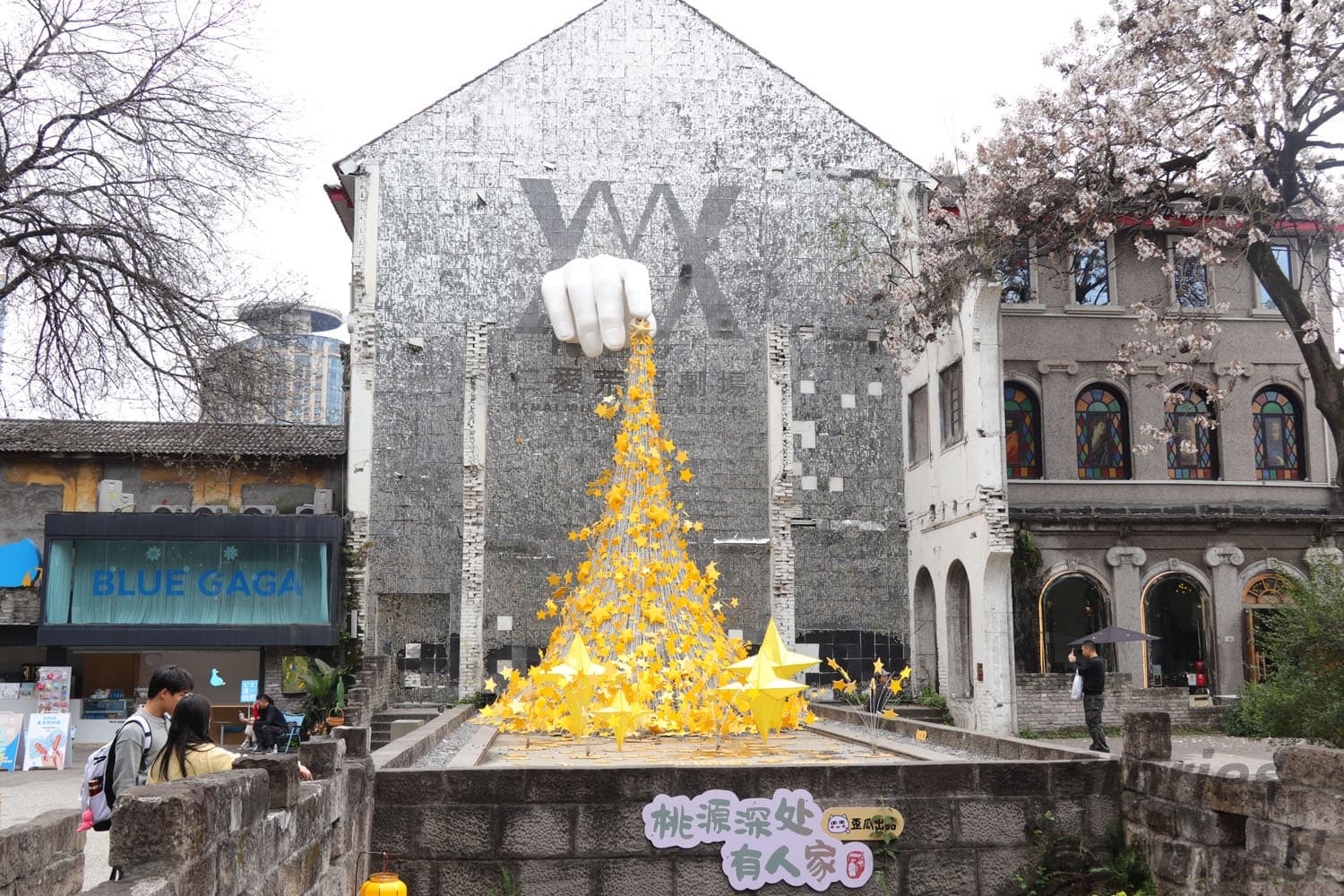
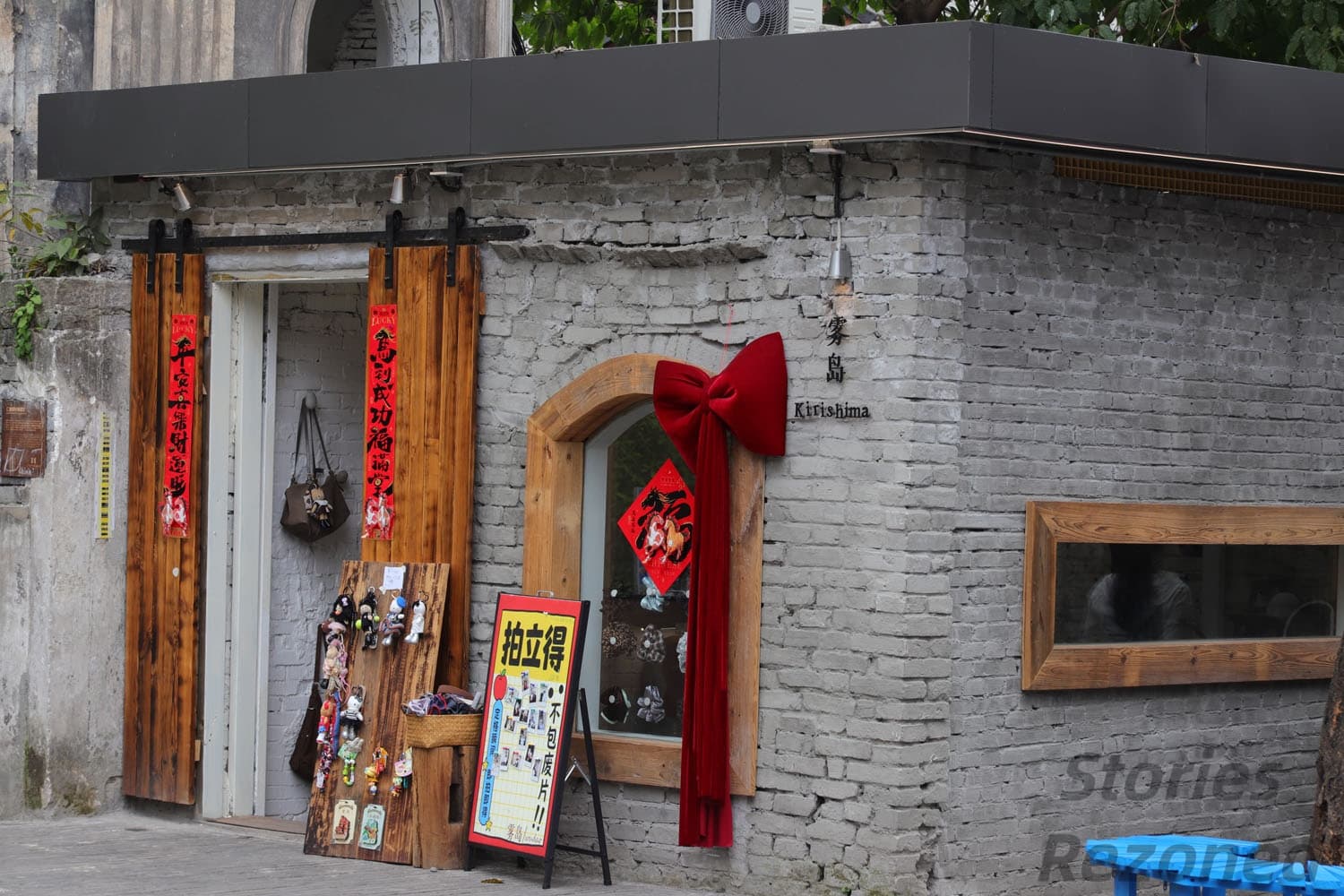
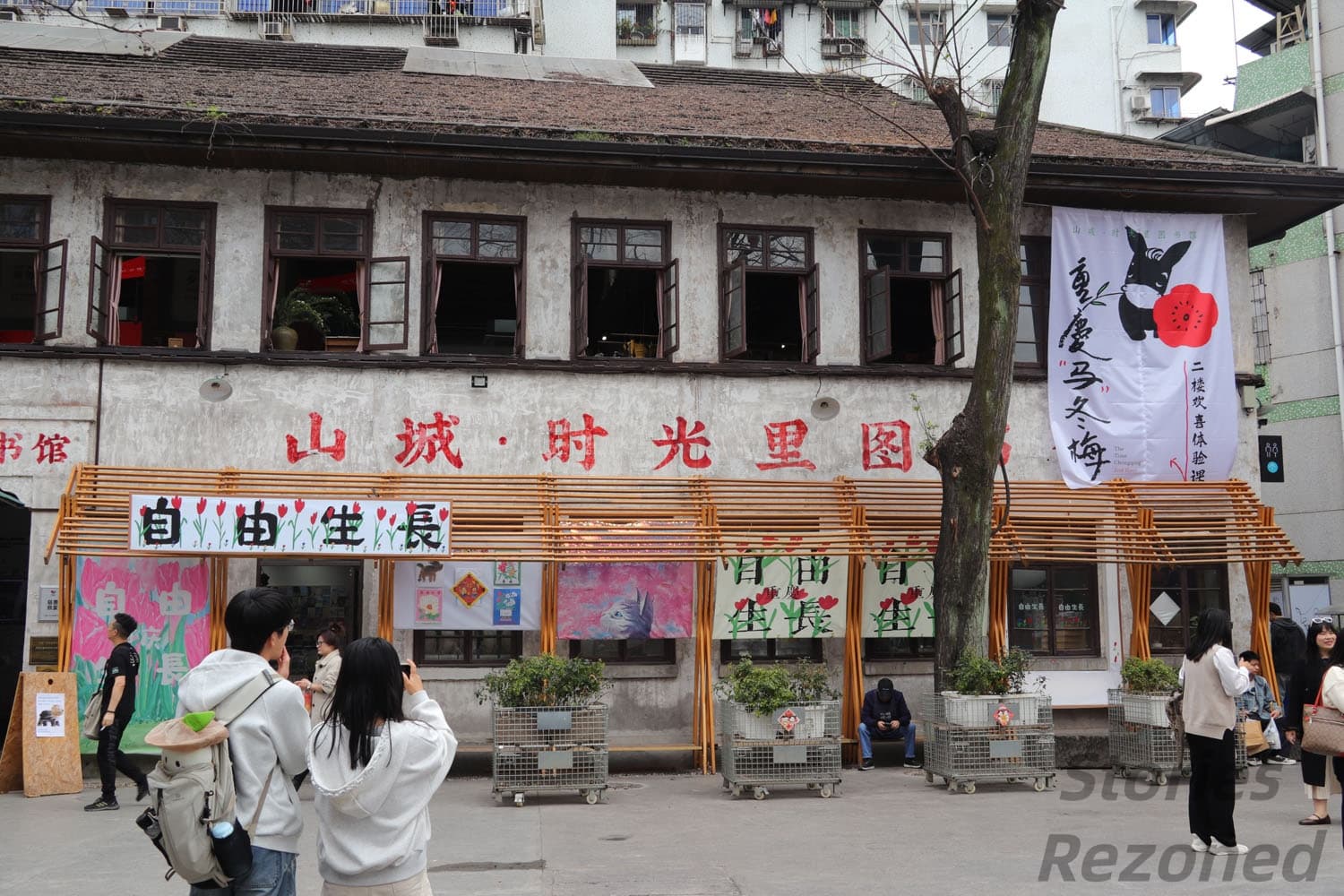
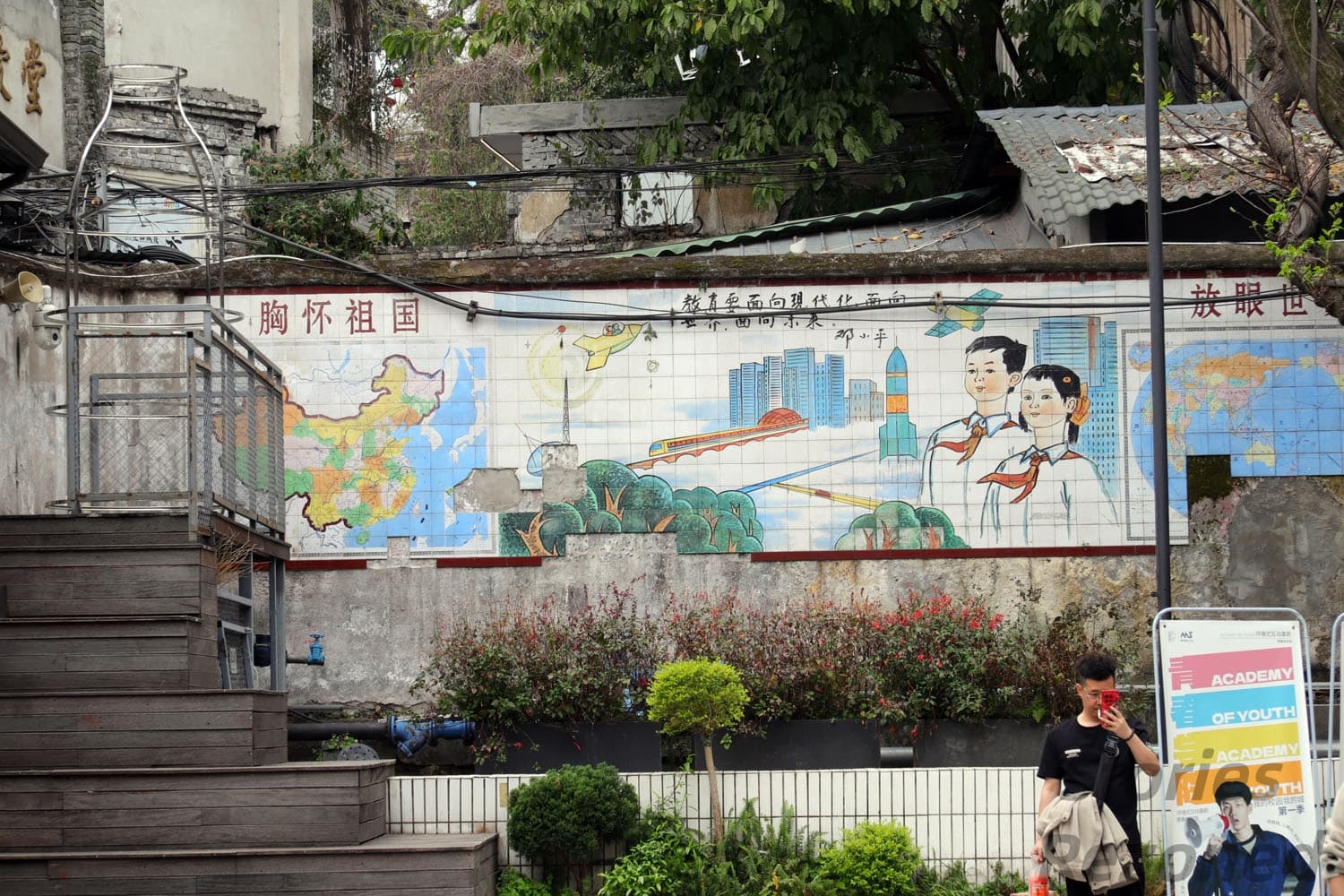
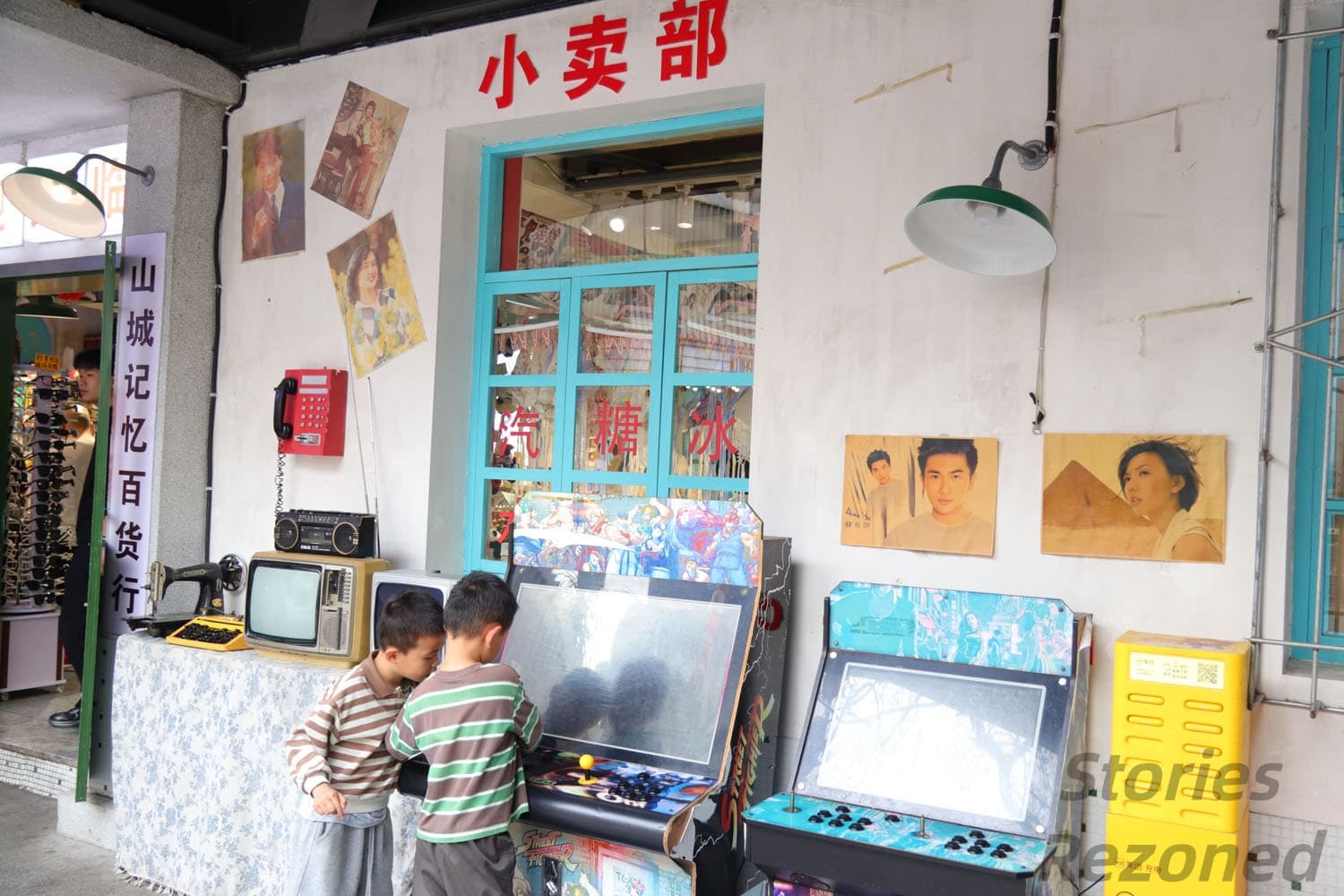
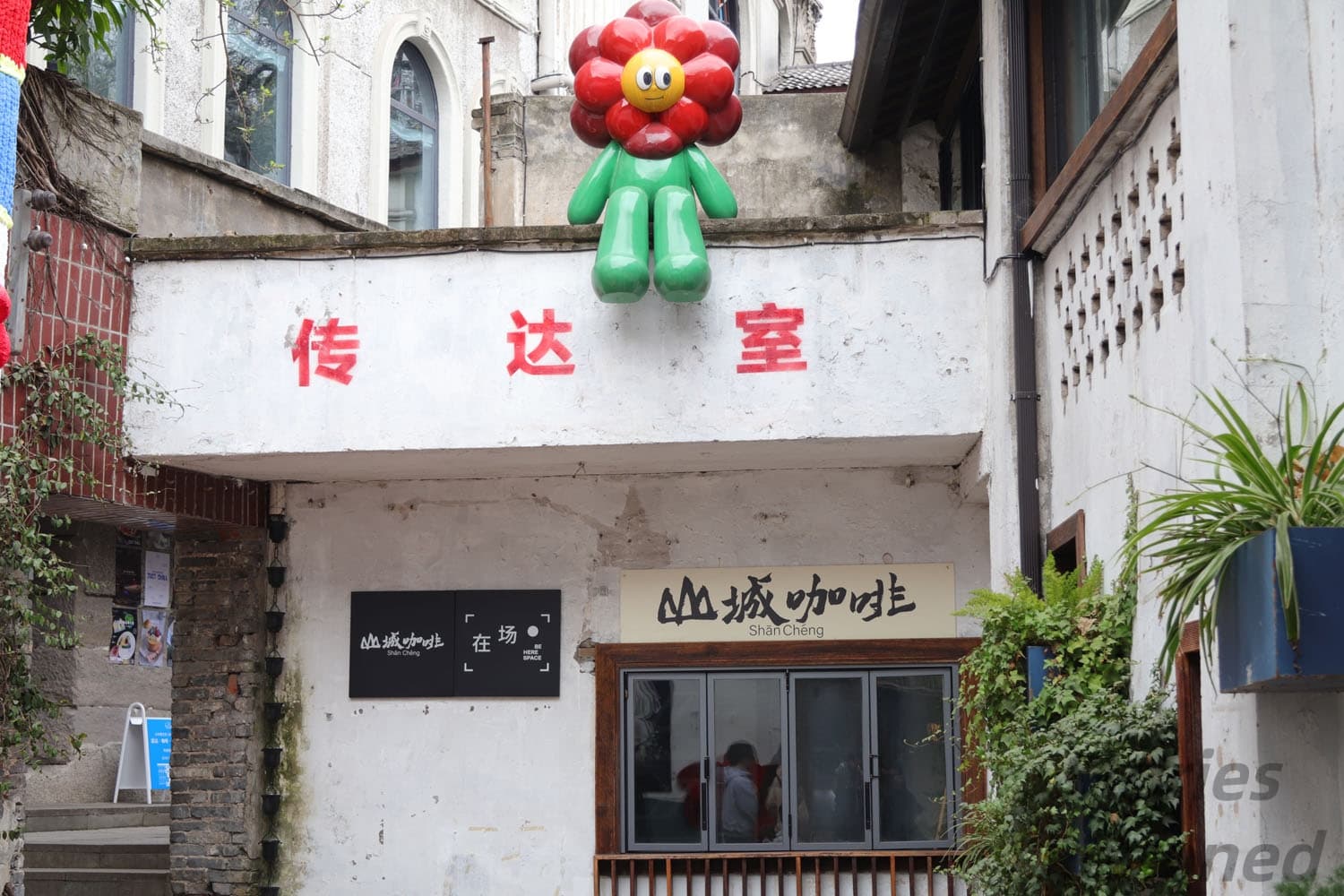
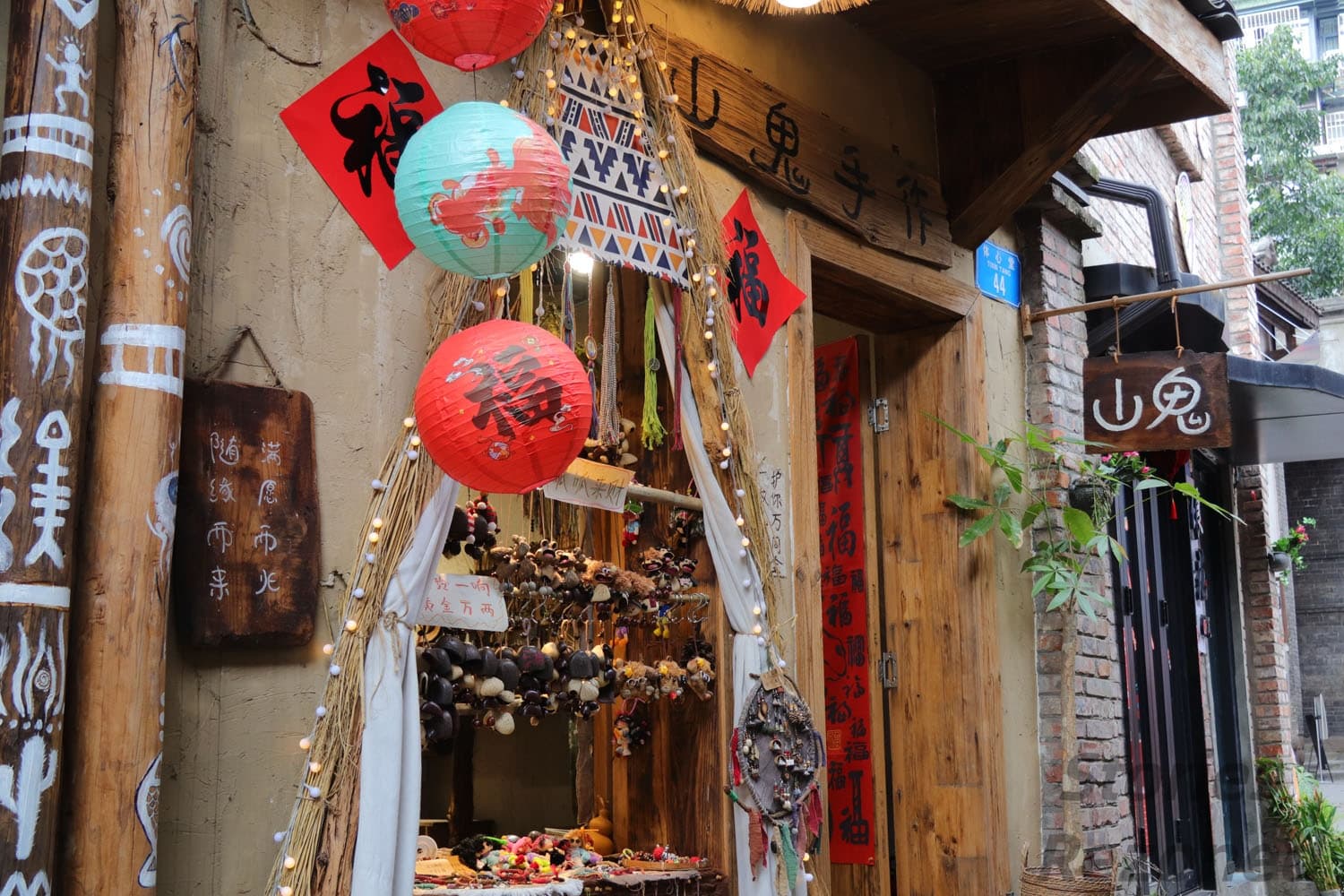
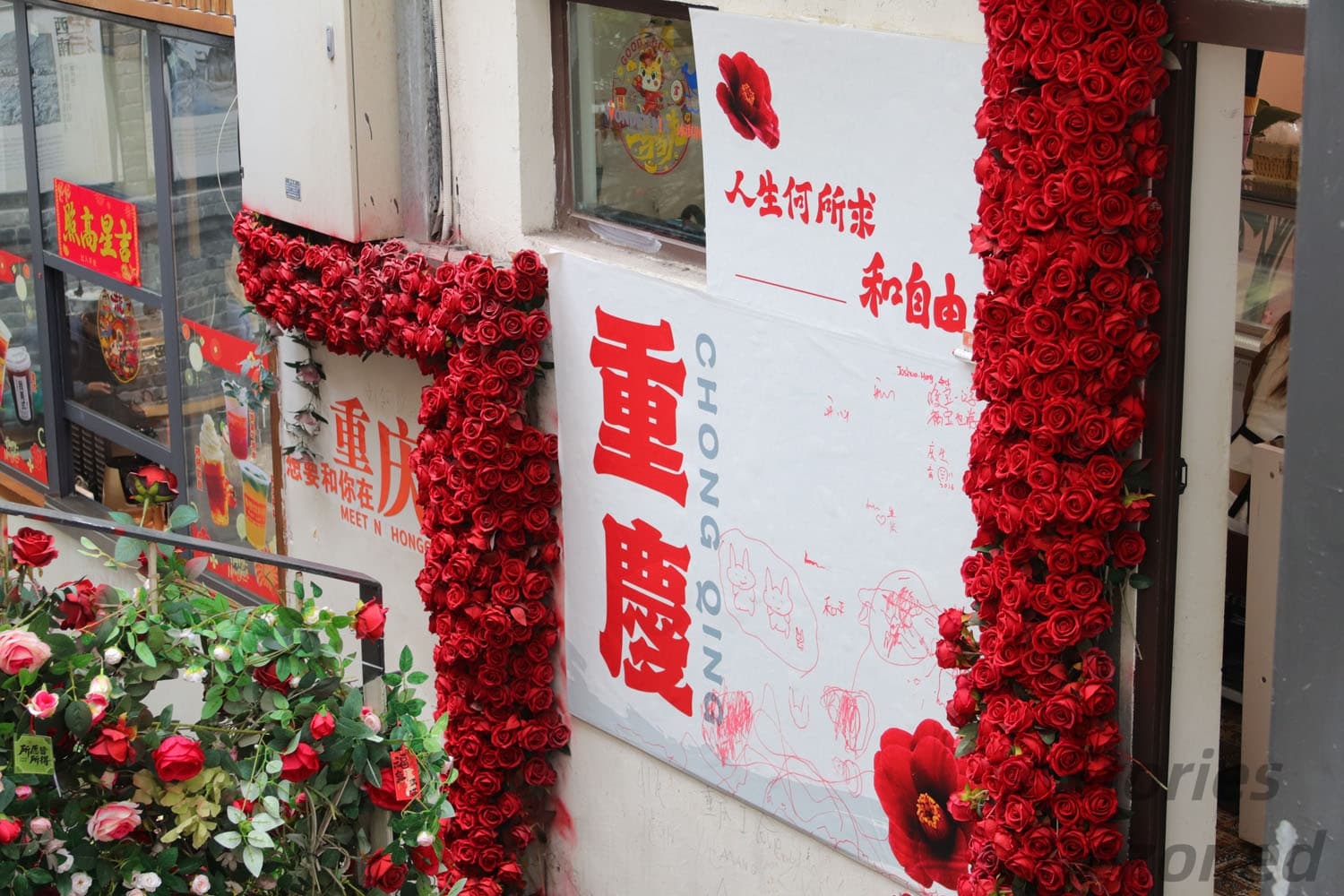
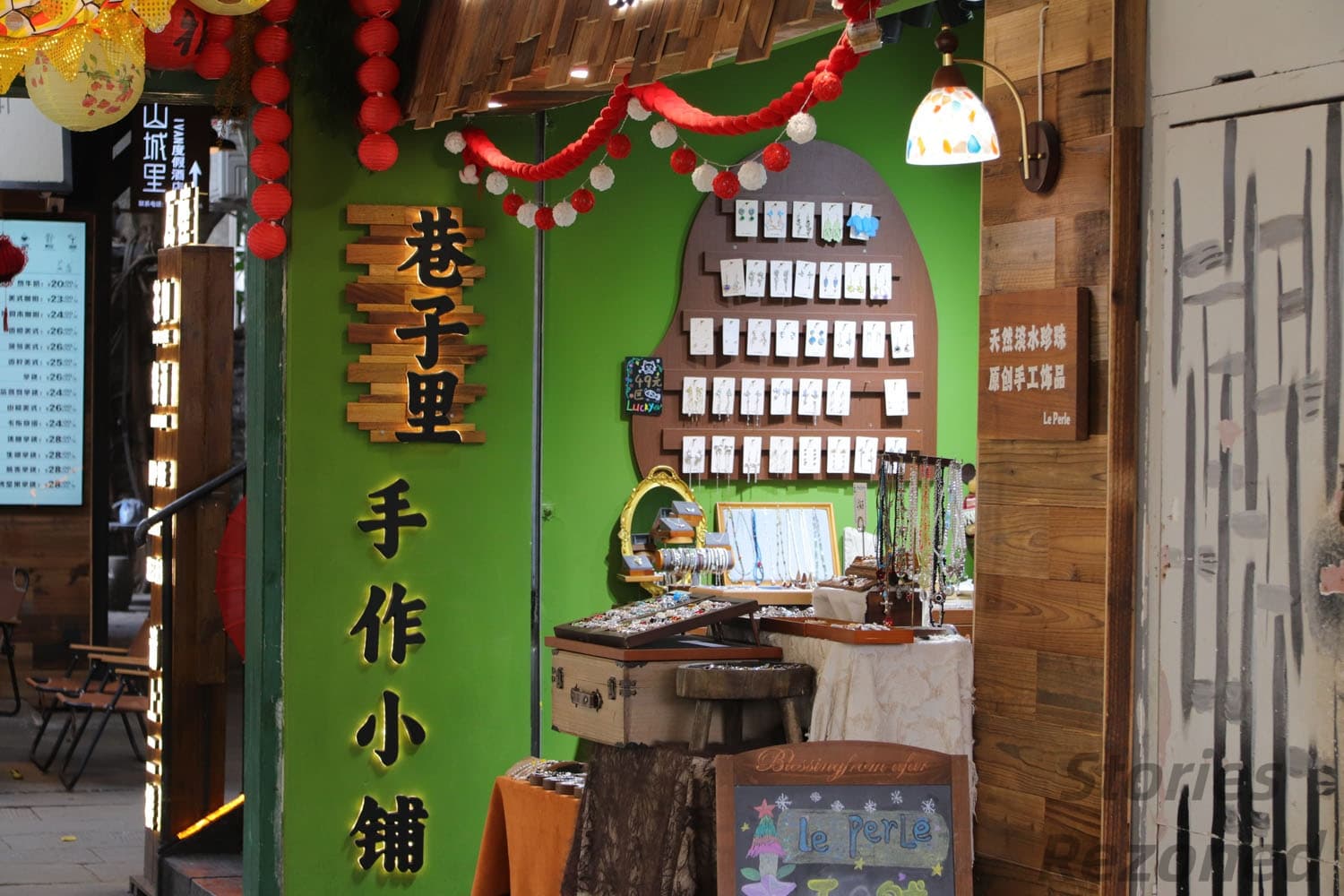
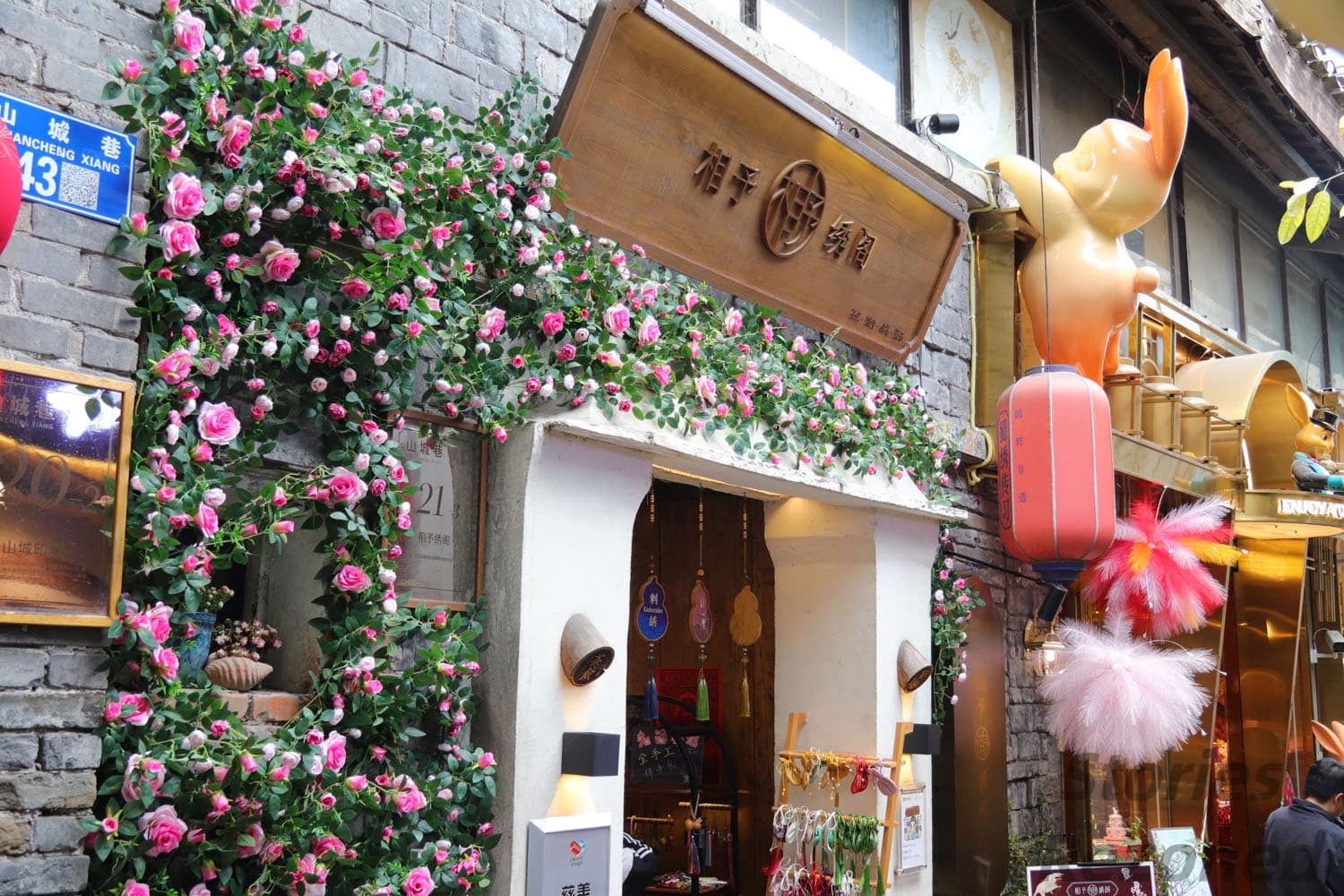
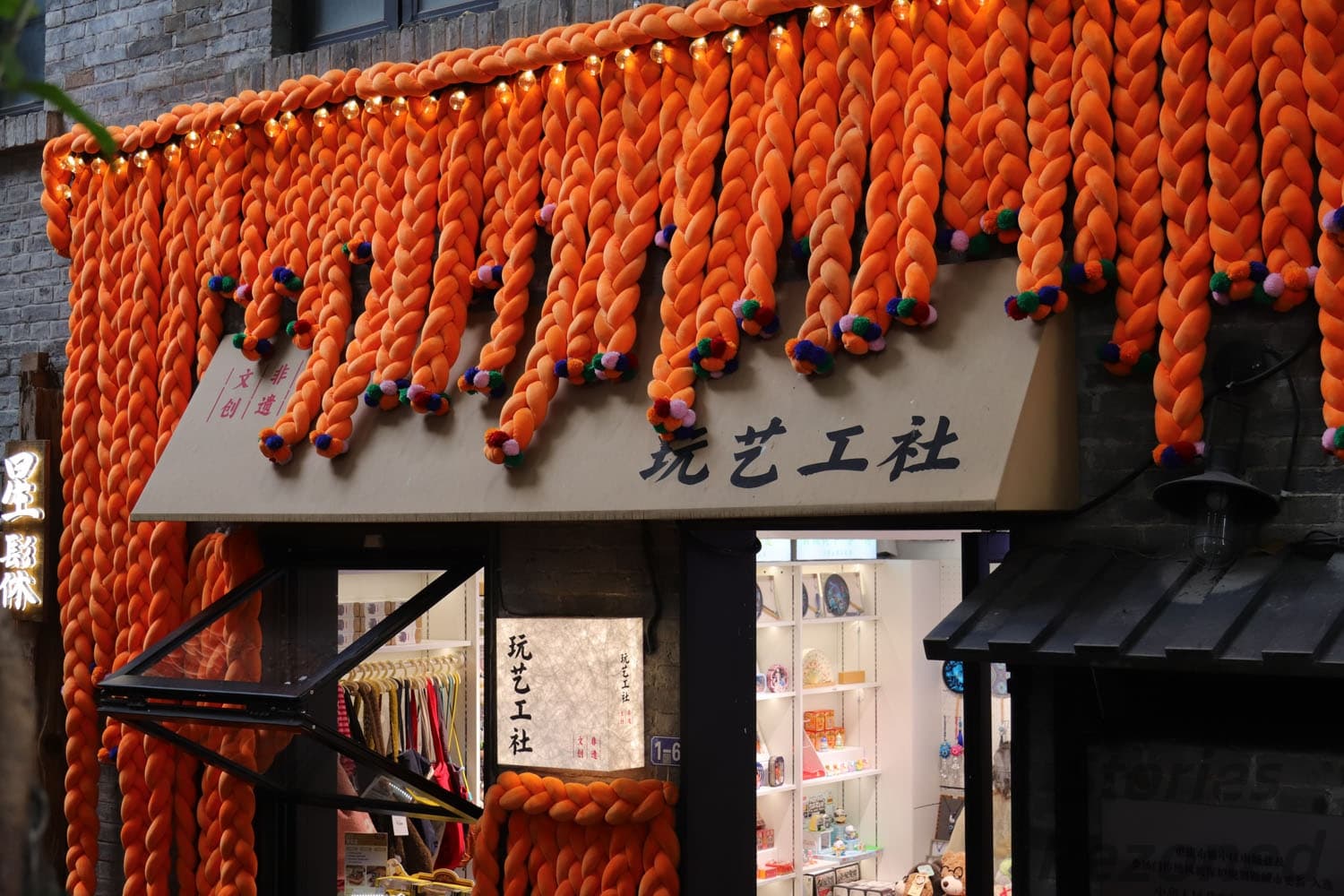
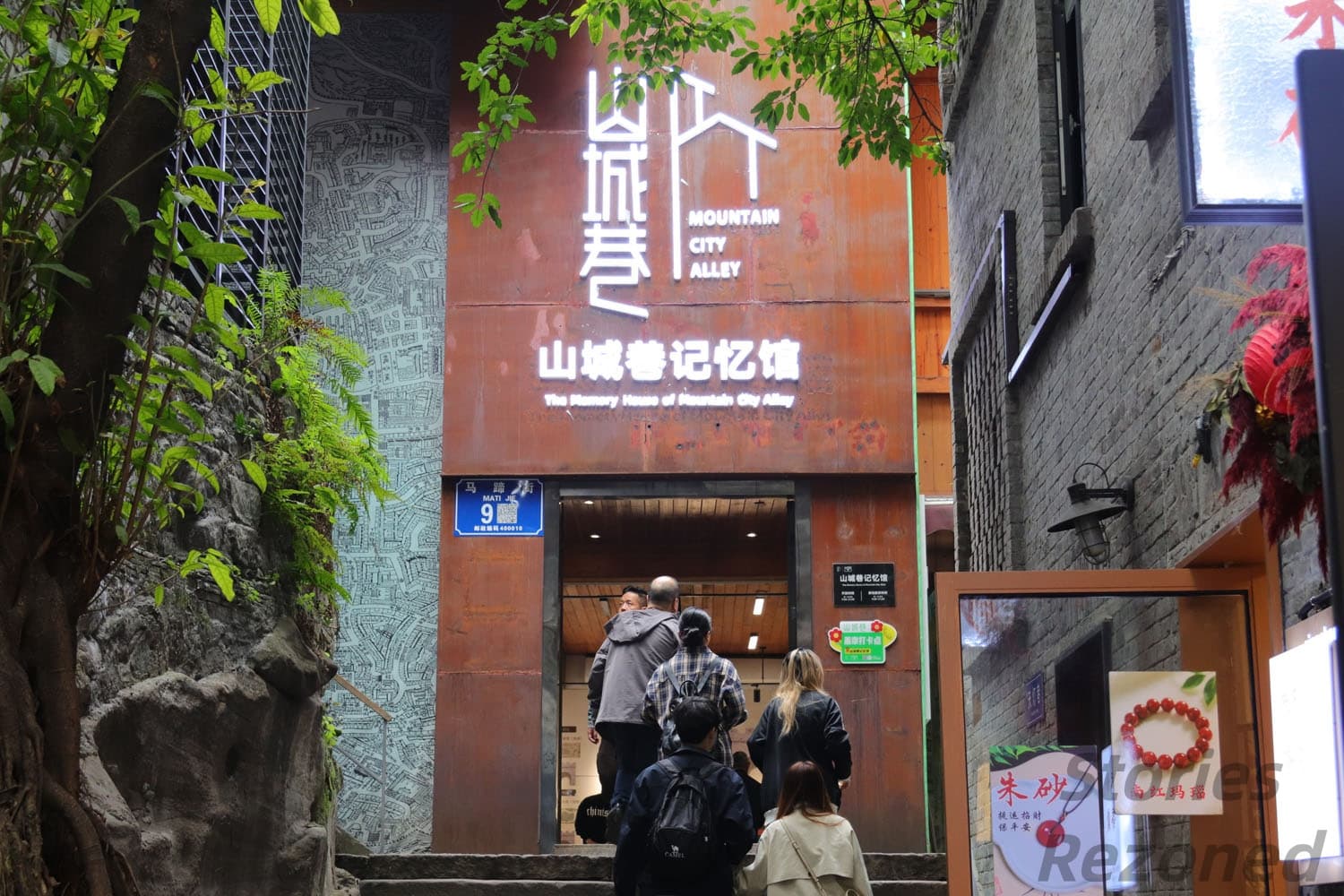
The front section of Shancheng Lane opened on September 21st, 2021, and the back section fully opened in 2023, marking the final completion of the project. Shancheng Lane has since been known as the “Cultural Courtyard of Chongqing’s Mother City”. The restored Shancheng Lane retains the lived-in feeling of the original residents and long-established stores, while introducing diversified formats such as boutique homestays, cultural and creative retail, art exhibitions, and cliffside views. In addition to maintaining the historical legacy and local warmth of old Chongqing, the revitalized Shancheng Lane has created trendy selfie spots attracting young tourists.
Historical and Modern Significance
Shancheng Lane is a living fossil of Chongqing’s mountain history and culture, representing its Bayu, treaty-port and wartime-capital periods. Through micro-renovation, the project resulted in a remarkably pristine town that stands out among other ancient towns across China, finding a balance between commercialization and allowing the culture and history of its old buildings to bloom. Hopefully, other ancient town renewal projects across China can take from Shancheng Lane’s success in revitalization that imposes limits on retail development, where historical structures are still able to speak for themselves.
Image References
All images not separately credited below filmed at location by Stories Rezoned team
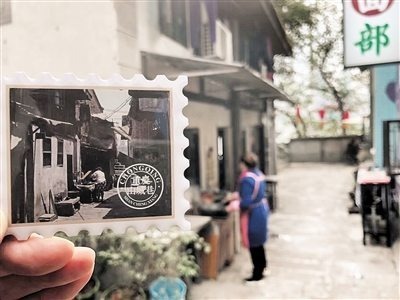
- Anonymous. Mid-Section Residential Buildings and Street Stalls. 1993. Chongqing Urban Construction Archives, 2024.
- Dai, Qianfeng. Shancheng Lane Stone Stairs and Stilt-House Complex. 1986. Gucheng Photo Collection, Chongqing Press, 2014.
- Chen, Yan. Old Shop at the Corner of Shancheng Lane and Jintang Street. 2016. Chongqing Evening News Photo Archives, 2017.
References
- People’s Government of Yuzhong District, Chongqing. “Overview of the Protection and Renovation of Shancheng Lane Traditional Feature Area.” 5 Oct. 2022, www.cqyz.gov.cn/zjyz/lyyz/ctjq/202210/t20221005_11164462.html.
- CNR.cn. “Construction of Shancheng Lane Traditional Feature Area Project Officially Launched.” 3 Nov. 2017, cq.cnr.cn/jr/20171103/t20171103_524011244.shtml.
- Chongqing Daily. “Shancheng Lane: The Revitalized Rebirth of an Old Block.” 7 Jan. 2025, epaper.cqrb.cn/cqrb/2025-01/07/004/content_rb_341579.htm.
- Yuzhong News Network. “Micro-Renewal of Shancheng Lane Renews Urban Context.” 24 June 2022, www.cqyznews.com/yzq_content/2022-06/24/content_10373109.htm.
- People’s Government of Chongqing Municipality. “Revitalization Practice of Shancheng Lane Historical Block in Yuzhong District.” 4 Aug. 2021, www.cq.gov.cn/ywdt/zwhd/qxdt/202108/t20210804_1024768.html.