
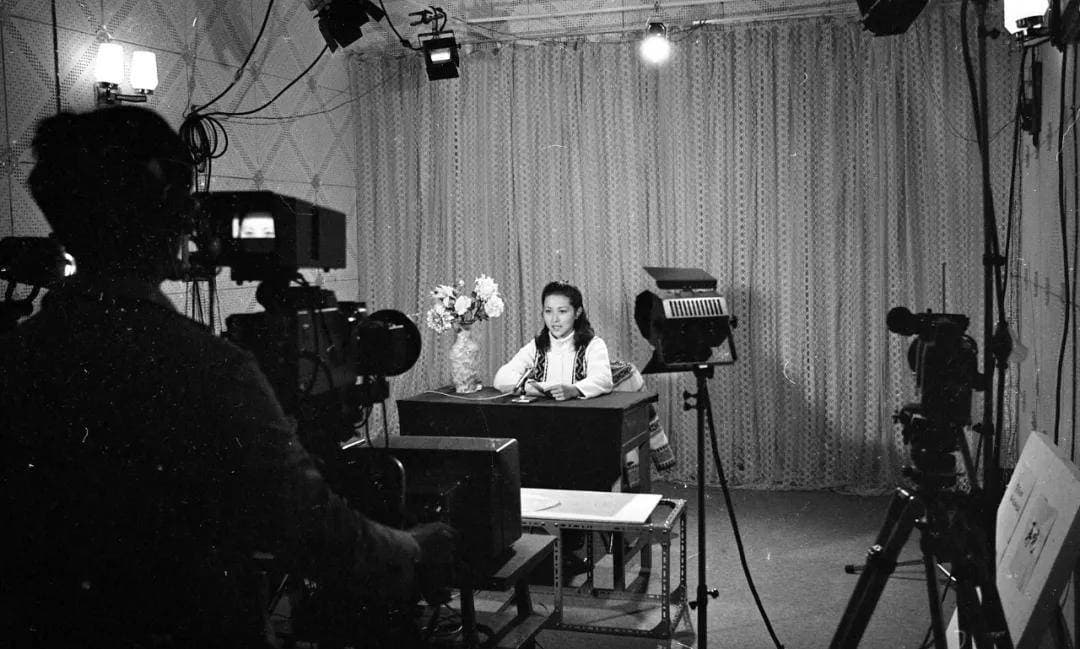
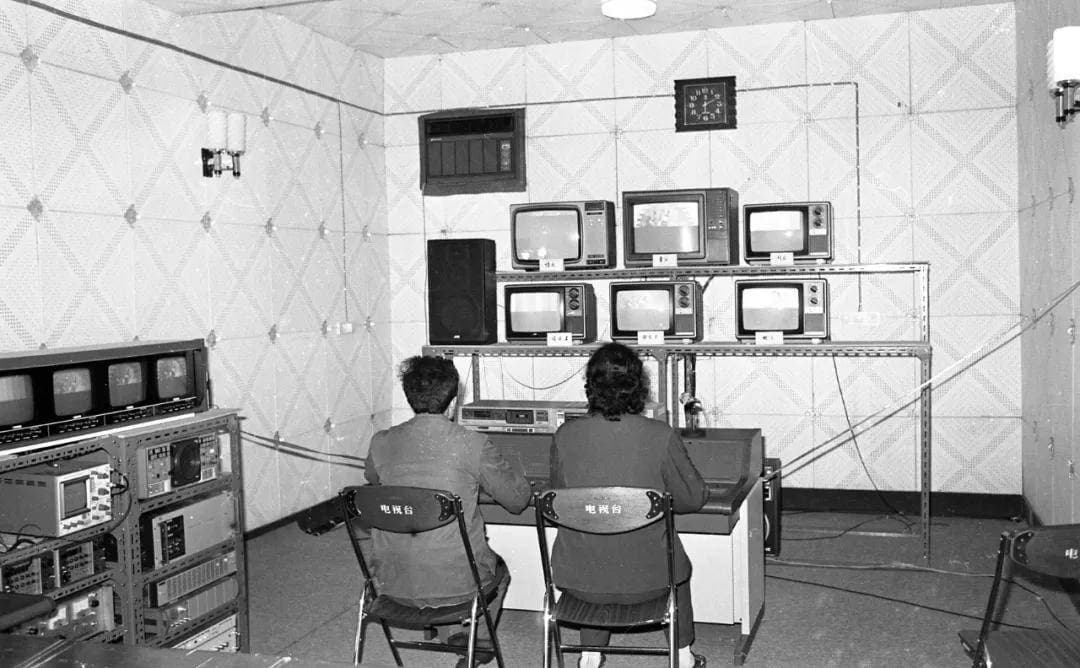
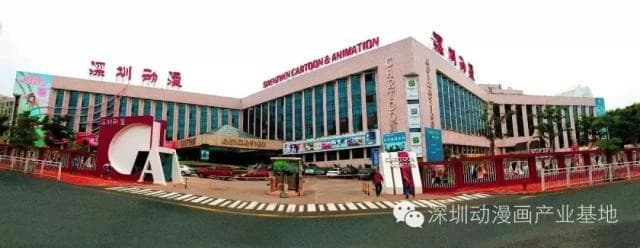
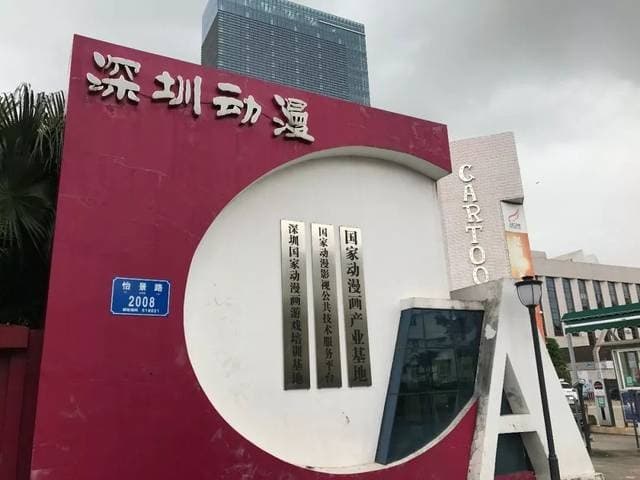
Past: The Pioneering Starting Point of Shenzhen’s Broadcasting and Cultural Industry (2005–2023)
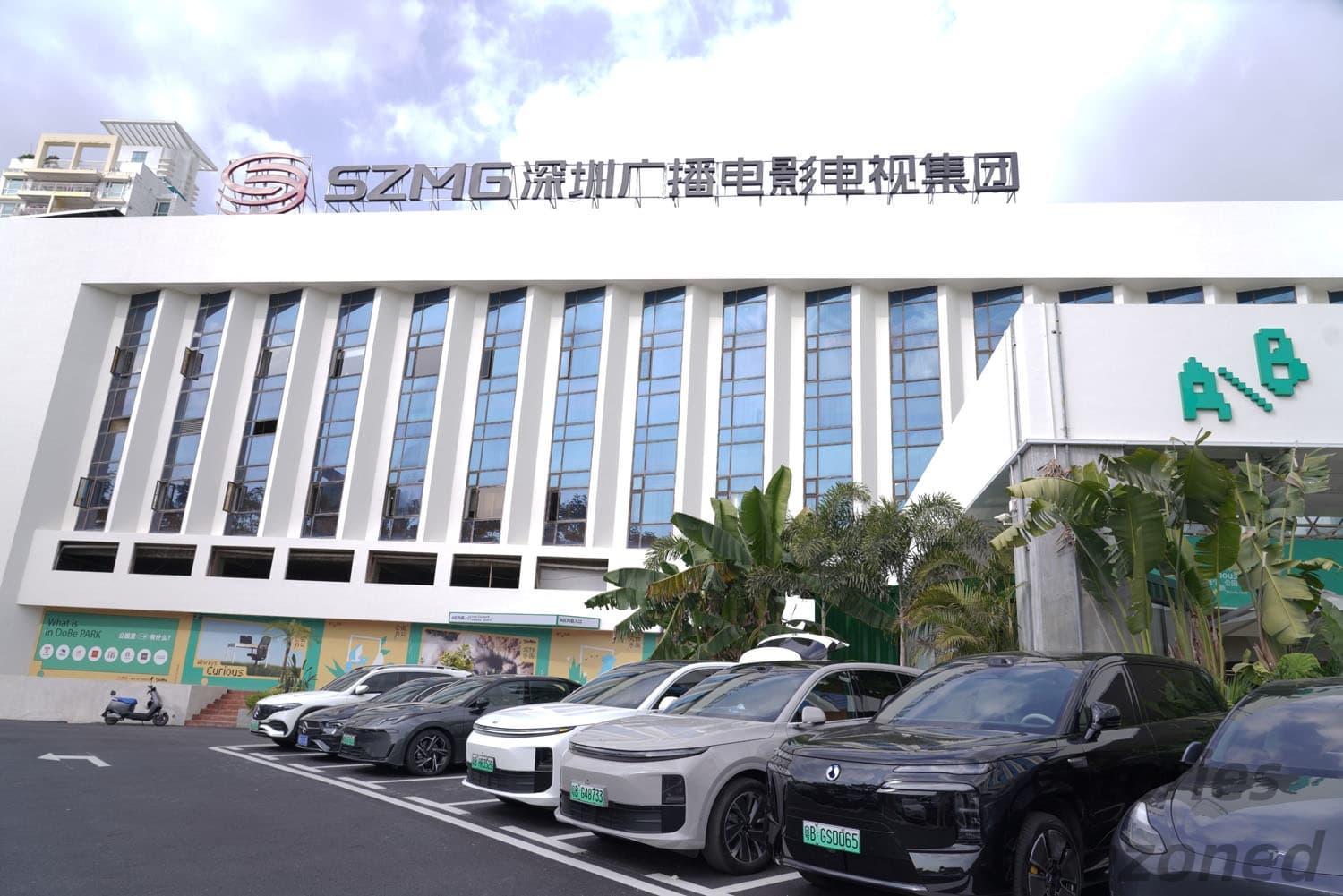
Beginning in 2005, the Shenzhen National Animation & Comic Industry Base became a national-level animation and comic industrial base in the old Shenzhen TV Station building, planned by the Shenzhen Media Group. As such, it served as a central hub for the early stages of cultural and creative development in Shenzhen and across southern China.
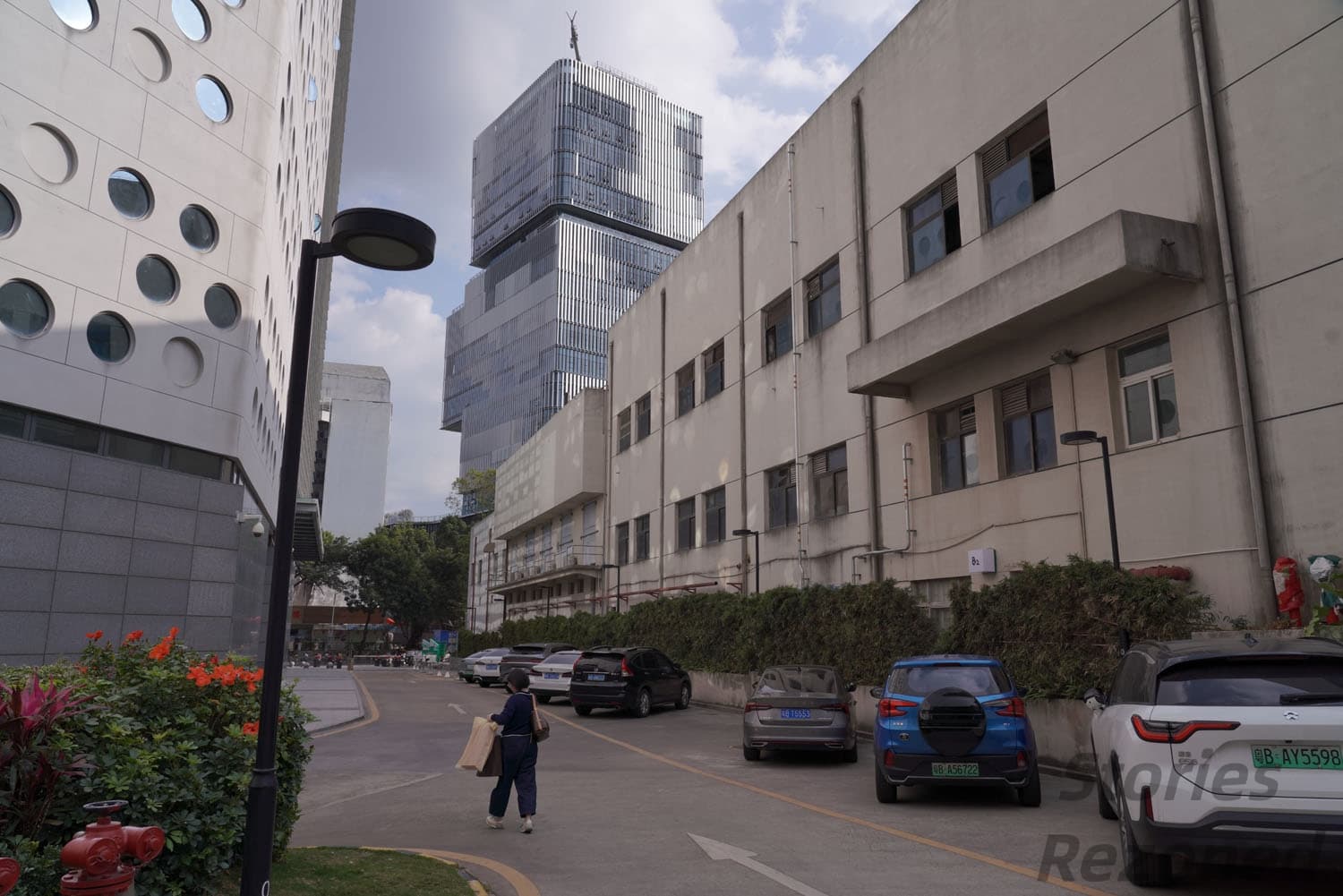
As a pioneering force in Shenzhen’s cultural and creative industries, the base was instrumental in launching the growth of local animation, film and television production. The base’s distinctive studio spaces, transmission room, and production workshop spaces carry the collective memory of generations of creators and represent an essential chapter in Shenzhen’s urban cultural history. As the base underwent the transition from traditional broadcasting to digital creative industries, it increasingly faced outdated facilities and inflexible spaces, necessitating a renovation.
Present: A Vibrant New Landmark for the Digital Creative Industry (2024–Present)
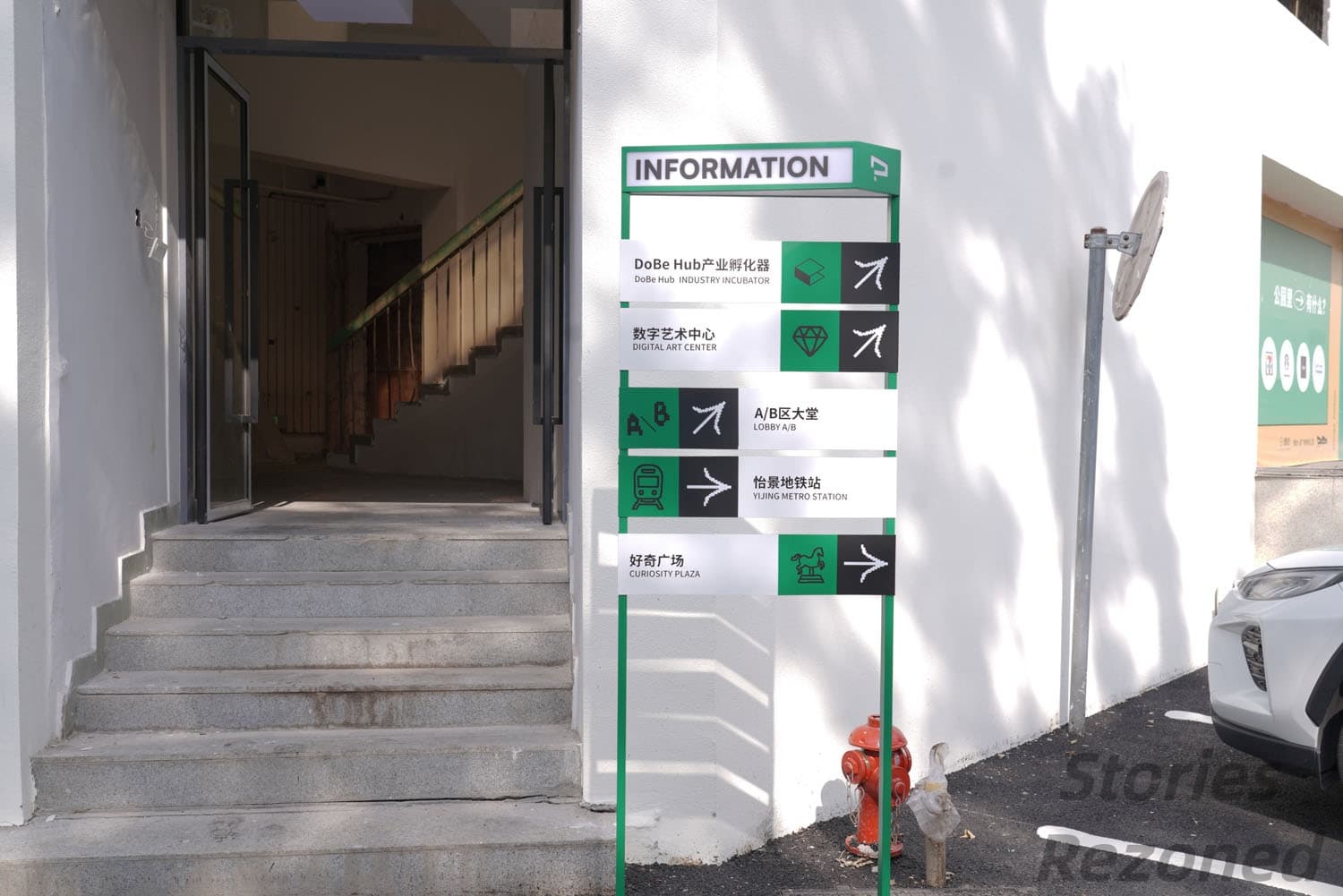
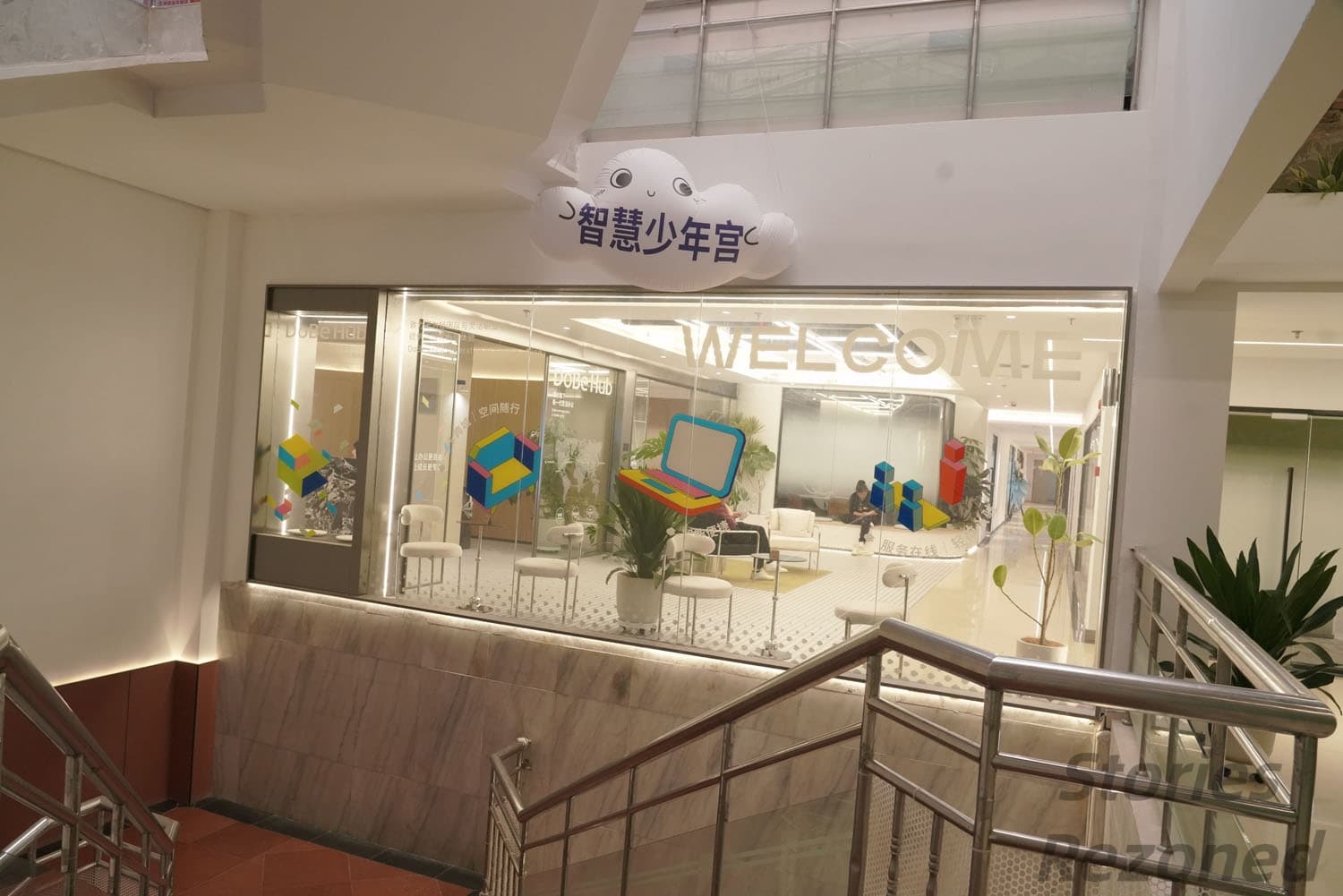
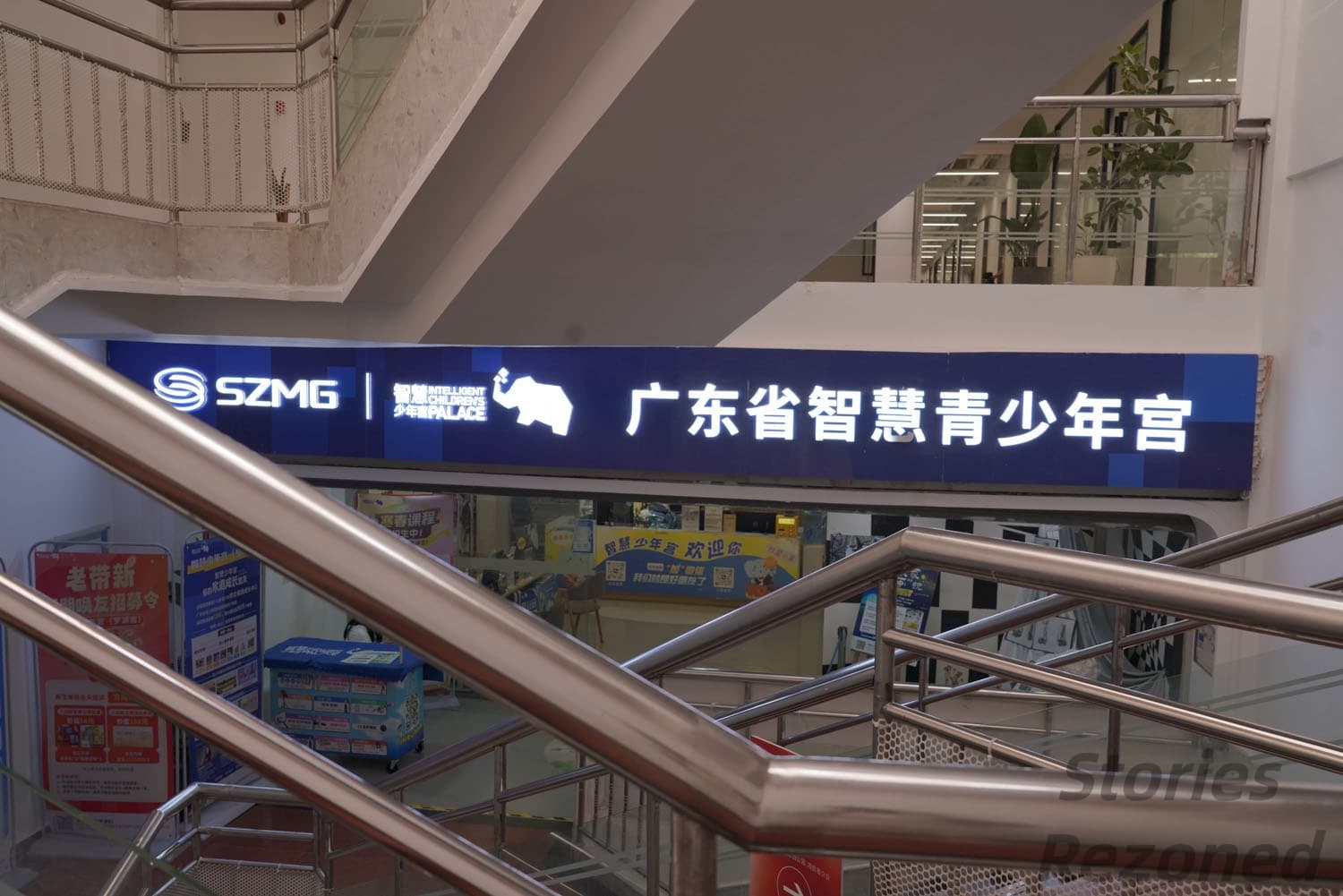
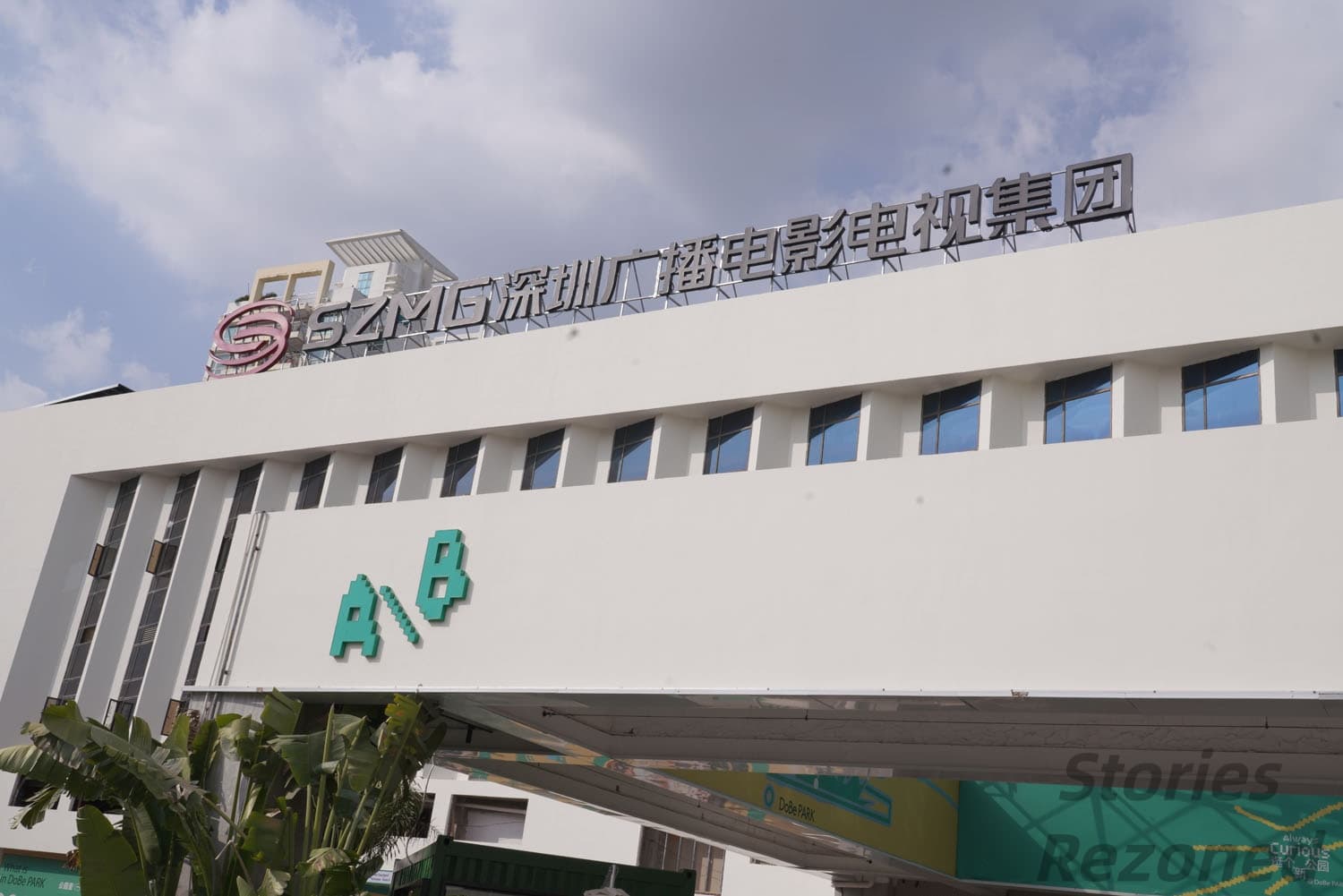
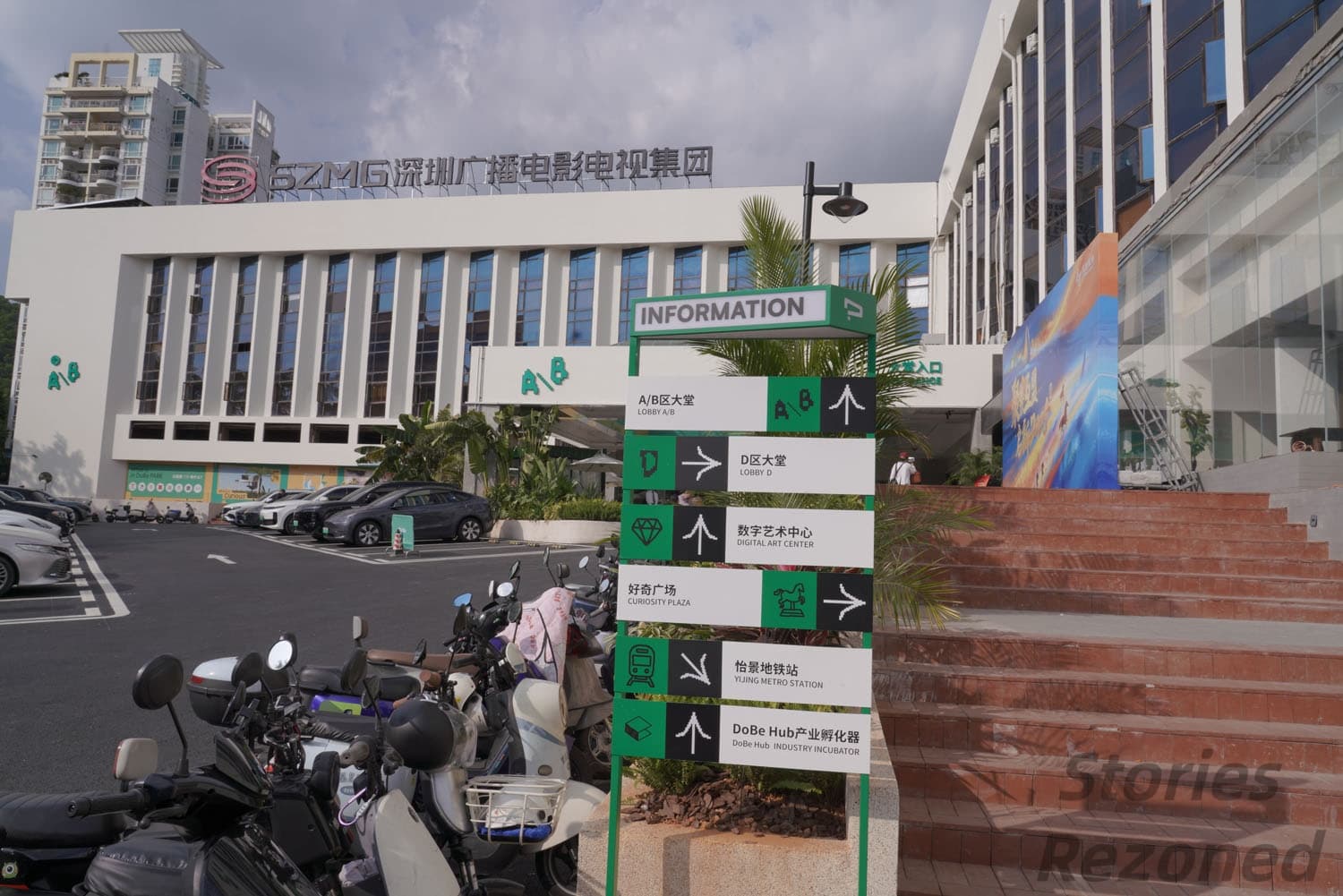
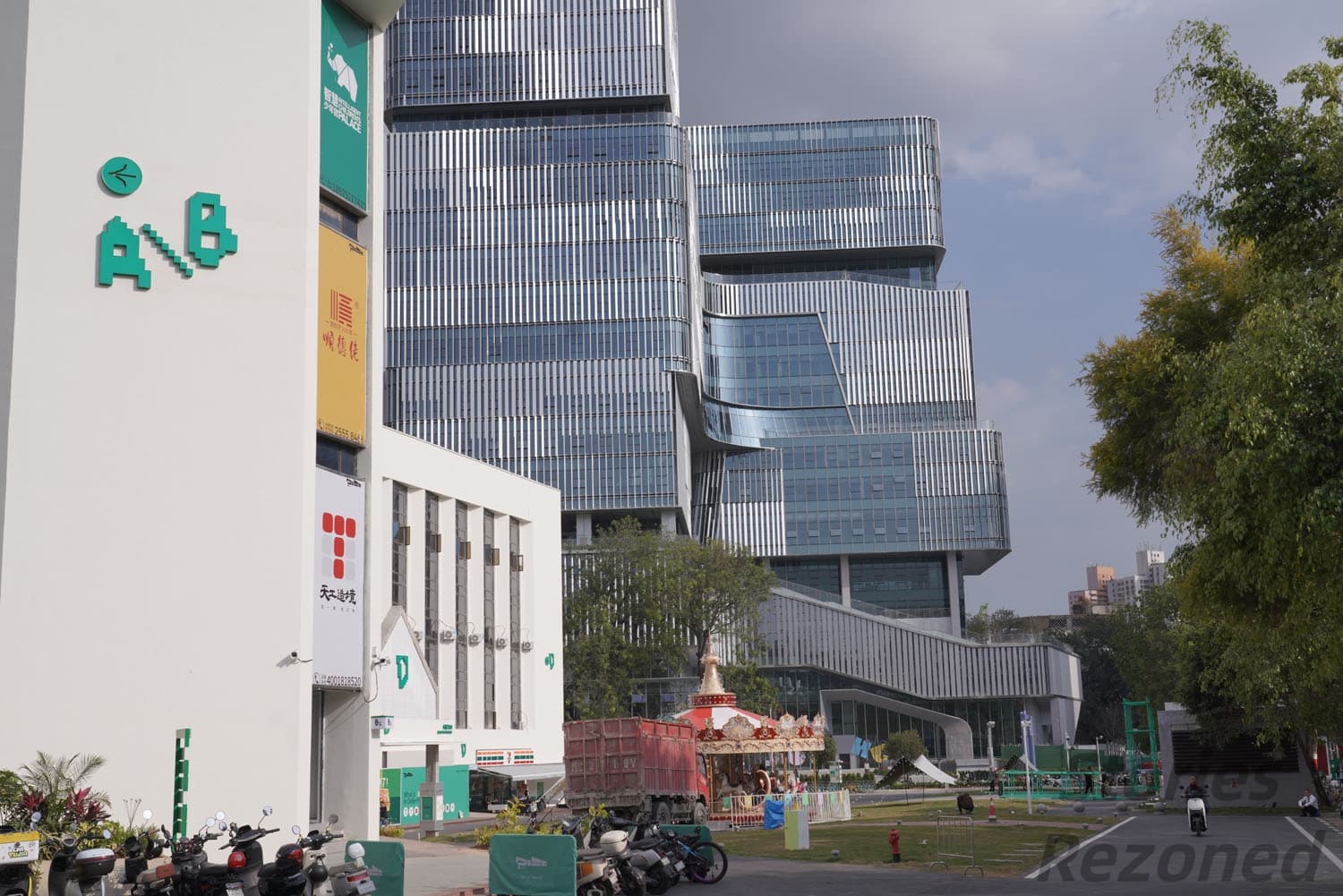
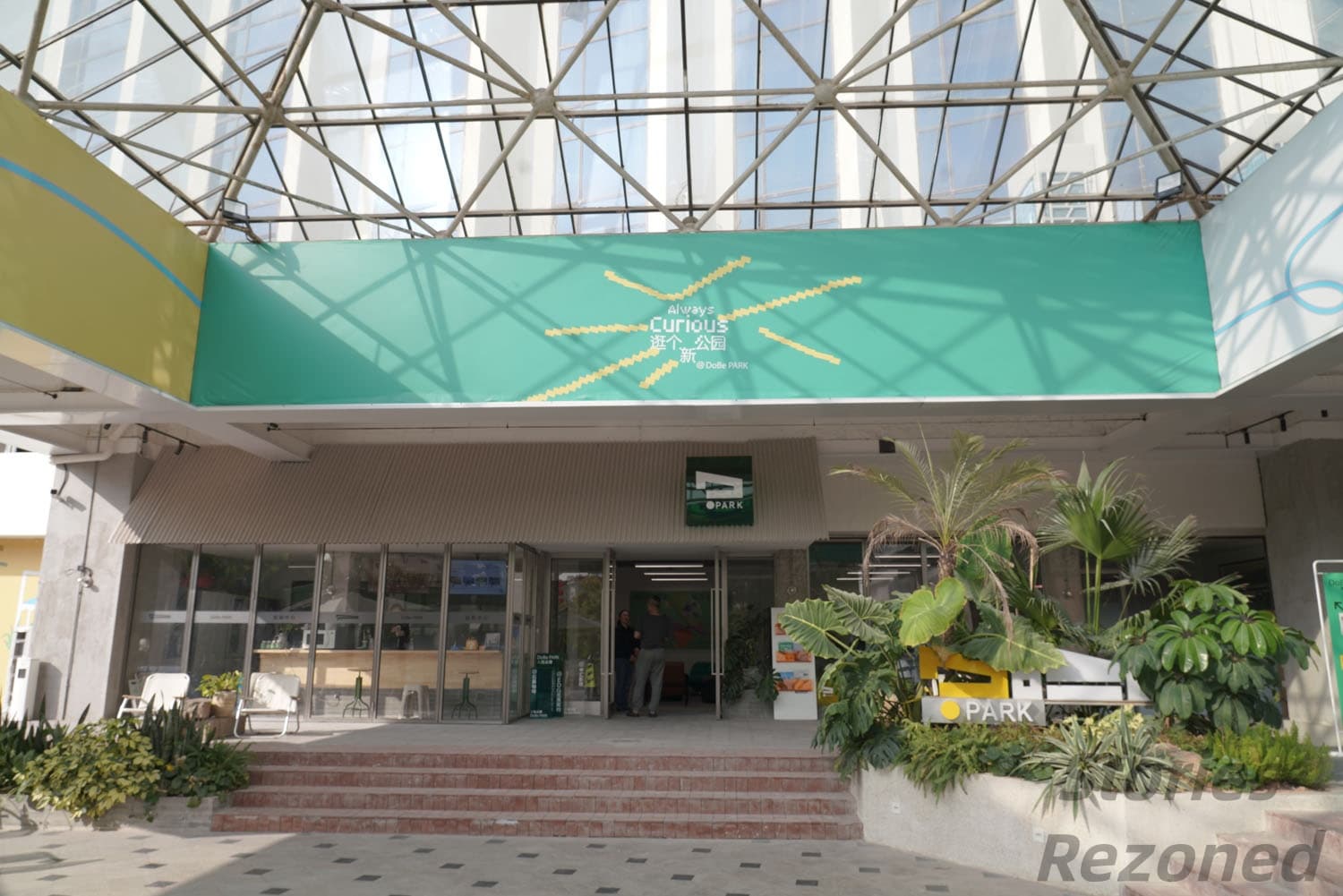
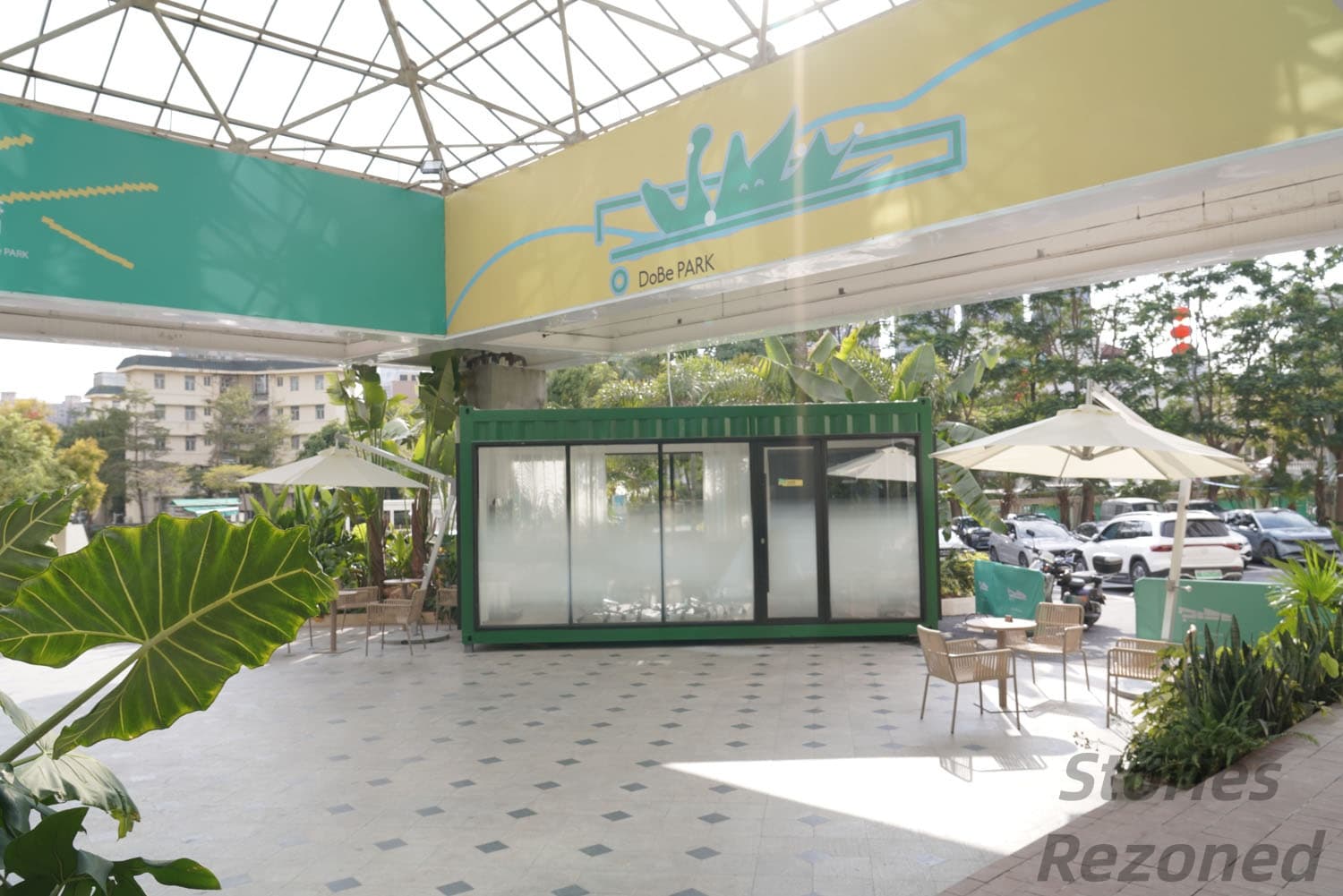
Beginning in 2024, DoBe Group and Shenzhen Media Group collaborated in the redevelopment of the site. Following a guiding philosophy of “innovate while preserving,” the group successfully developed the former TV station and animation base into DoBe Park: Shenzhen Radio & Television Digital Creative Park, creating a leading digital creative cluster in the Greater Bay Area.
- Revitalizing Space: Old/New Hybrid Model for Urban Redevelopment
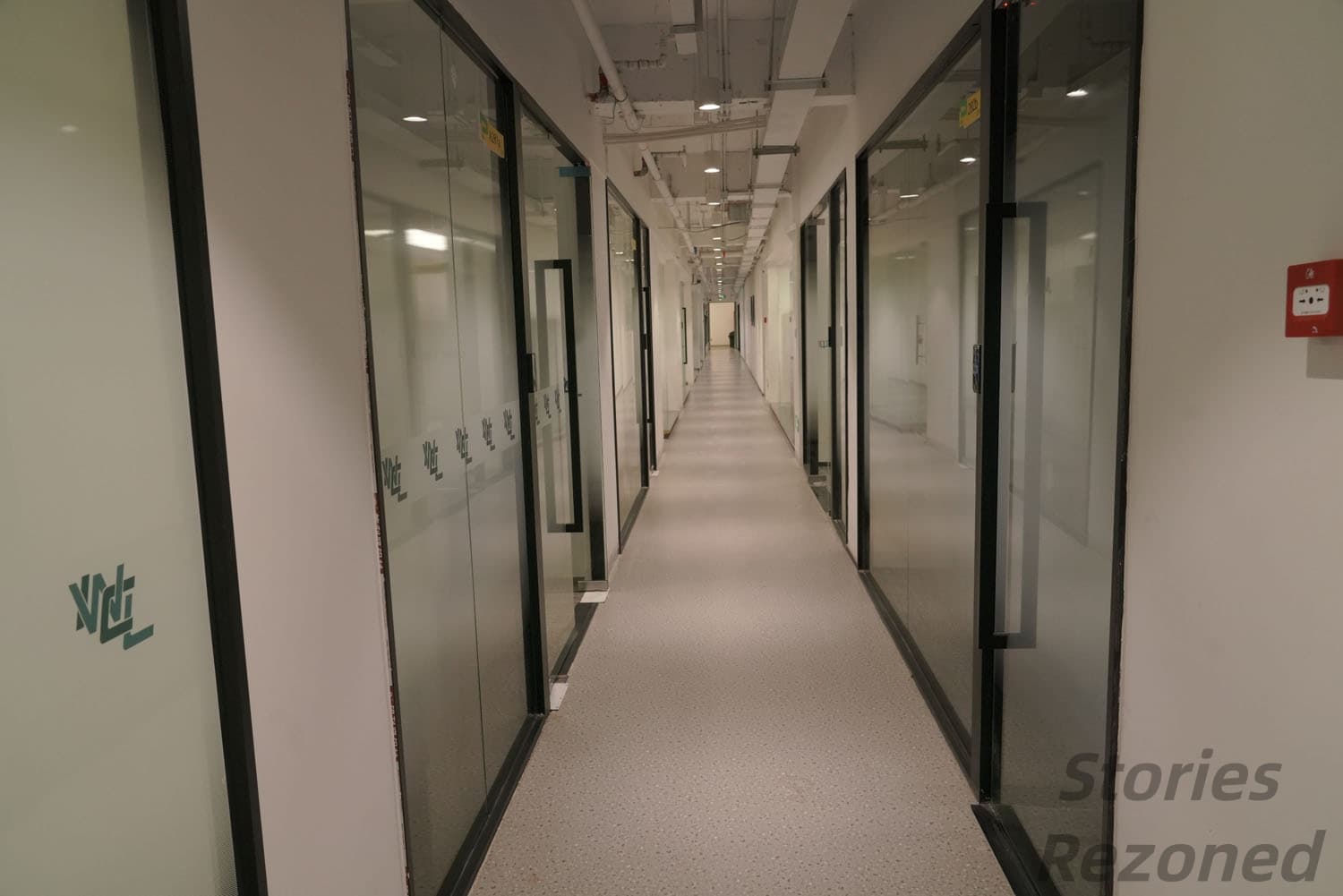
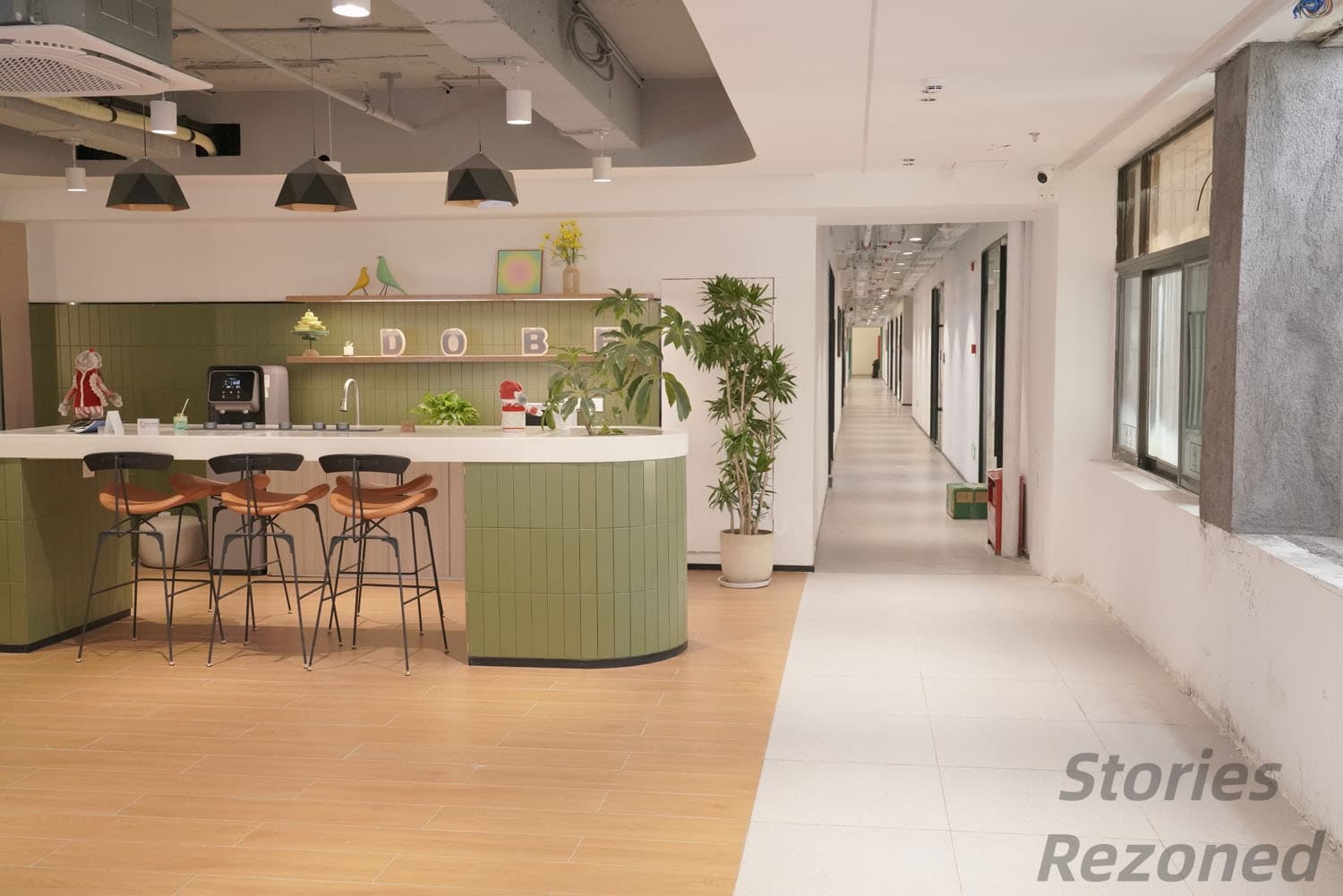
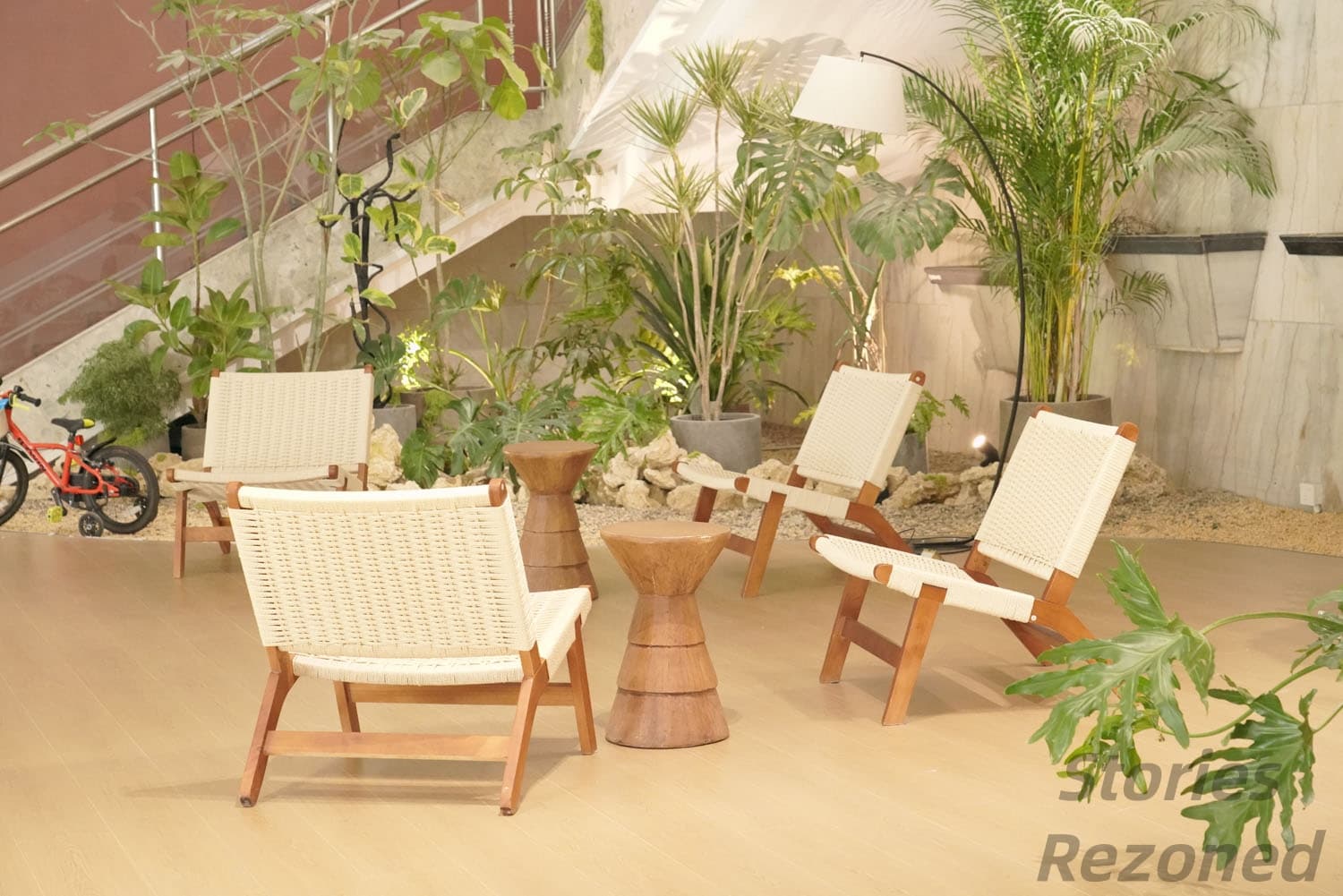
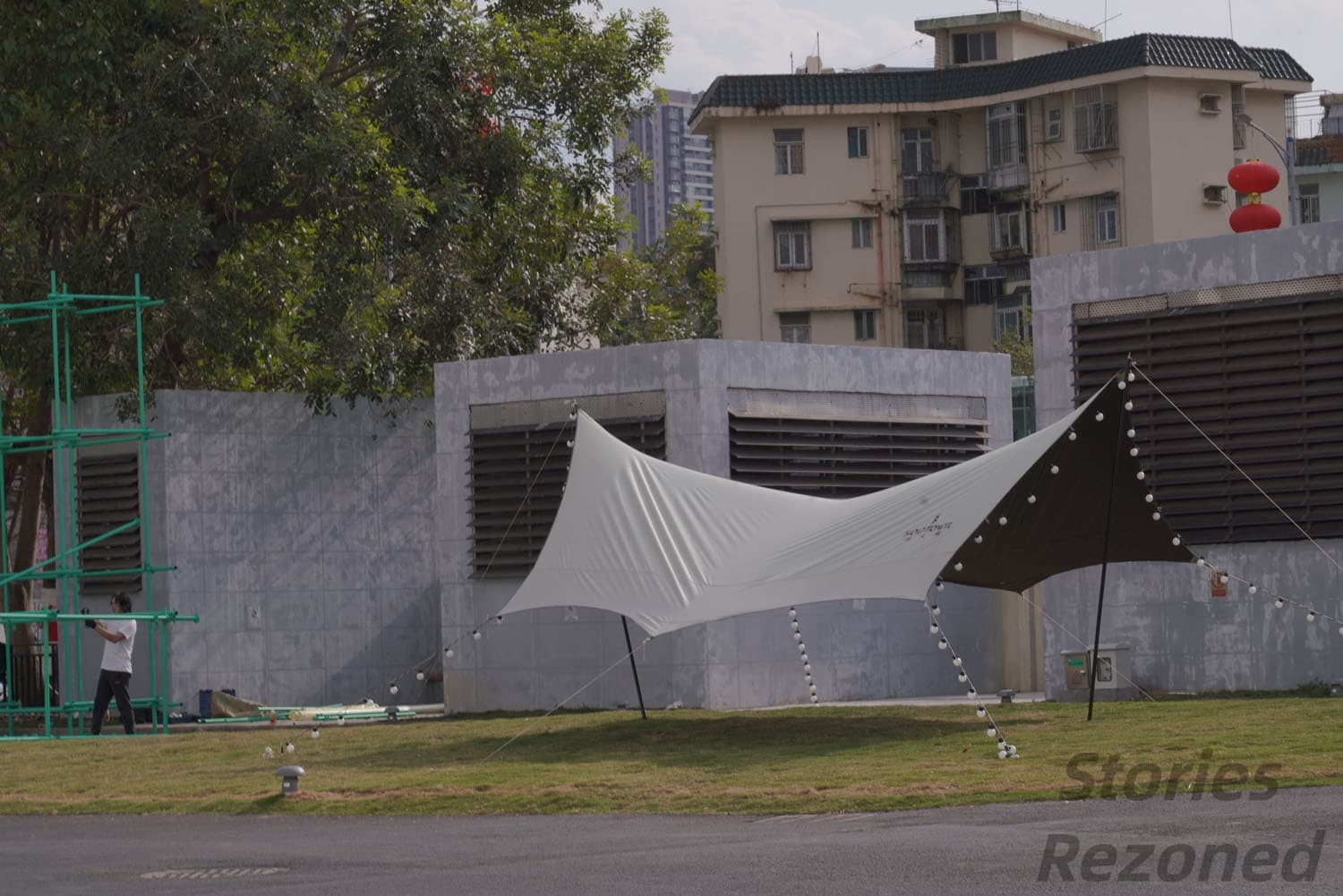
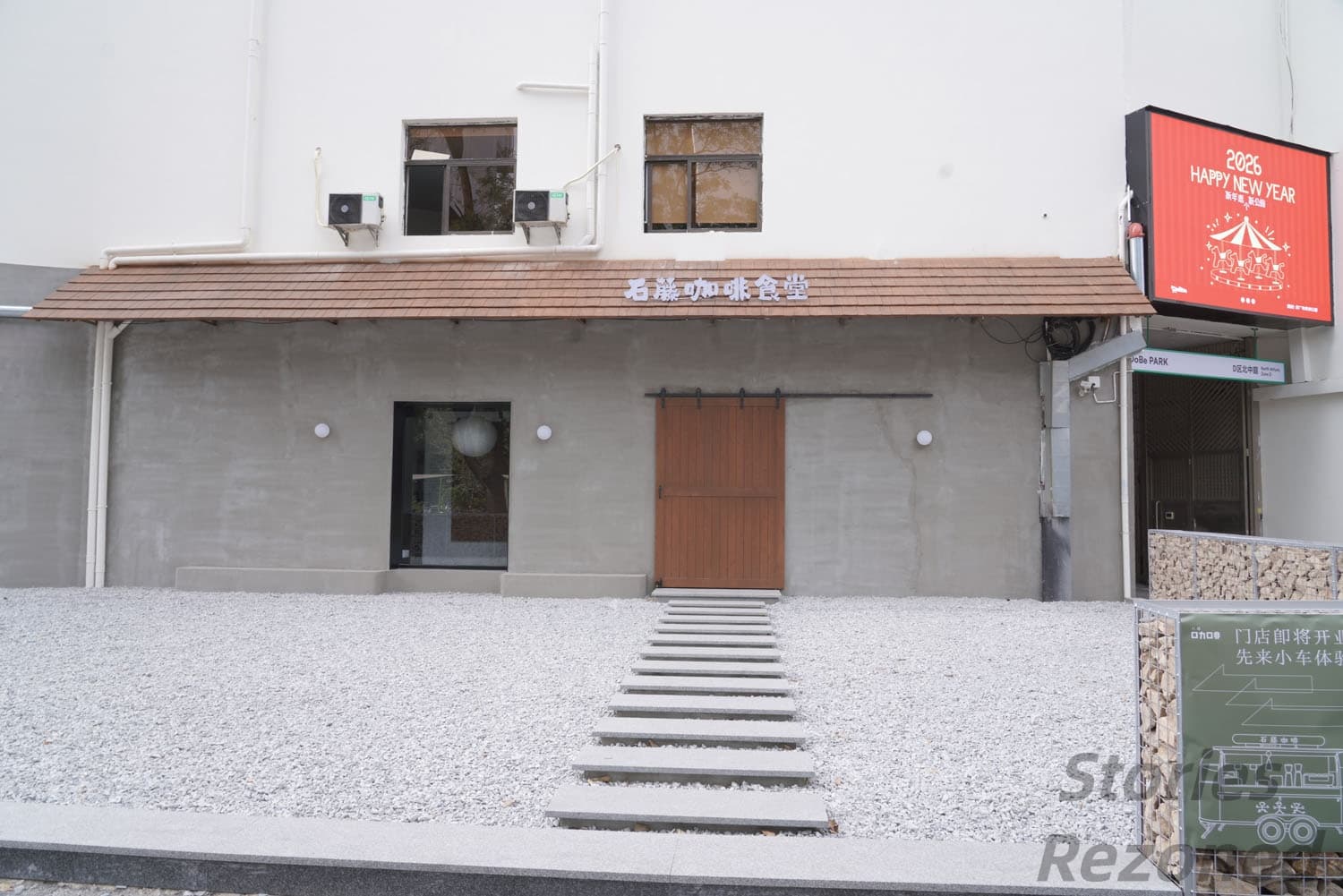
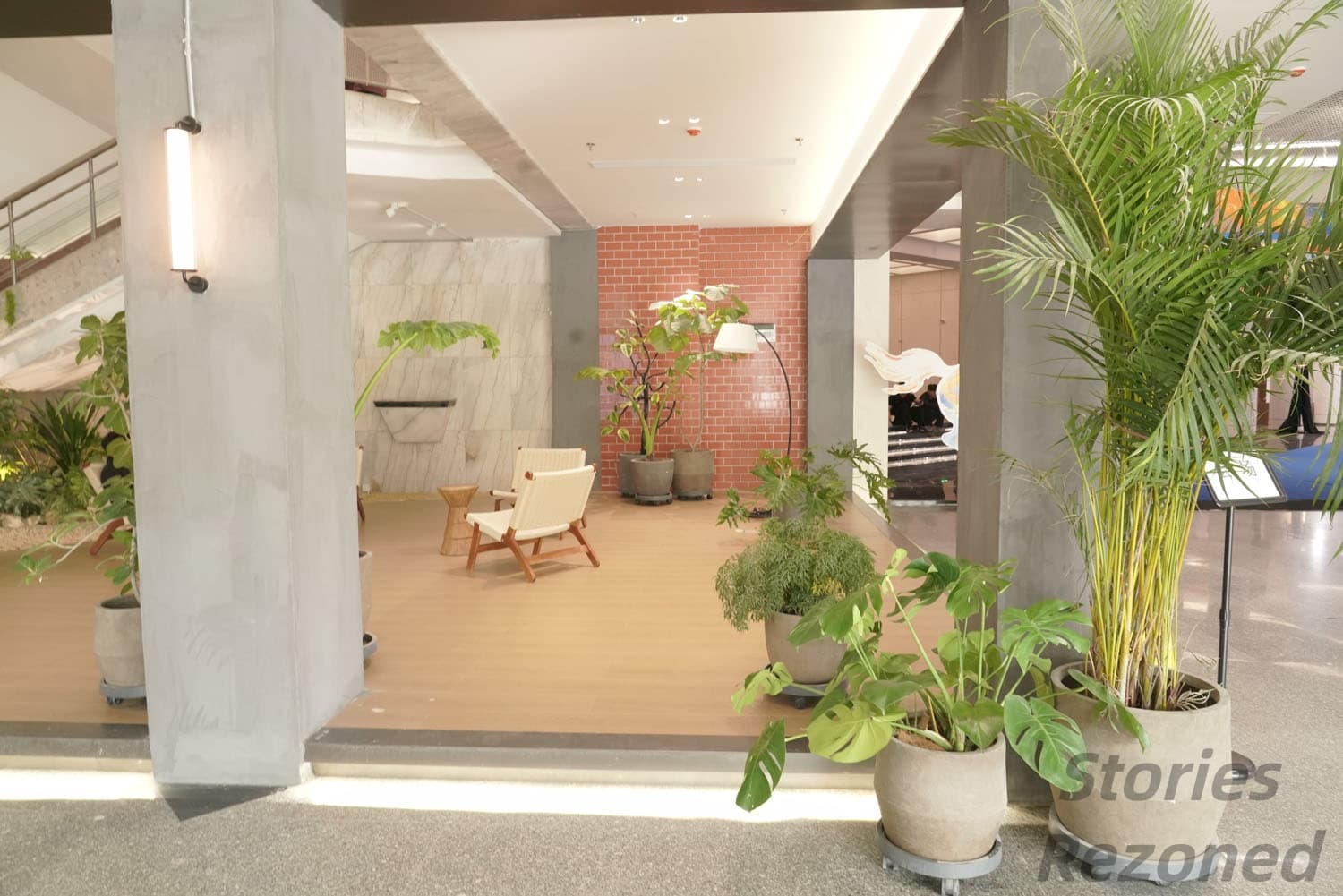
Preservation: The historic facilities, broadcast spaces and Modern Lingnan architectural features were all retained in full. The façade was renovated using light-colored small tile that reflect the historical neighborhoods and architecture of Guangzhou. - Redeveloping Functionality: The old studios and equipment rooms were repurposed into creative office space, digital production studios, exhibit spaces, and public communication areas. More than 3000 square meters of open-air green space have been created with lawn, recreational areas, and over 20% coverage of plant life – creating a park-like micro-vacation destination.
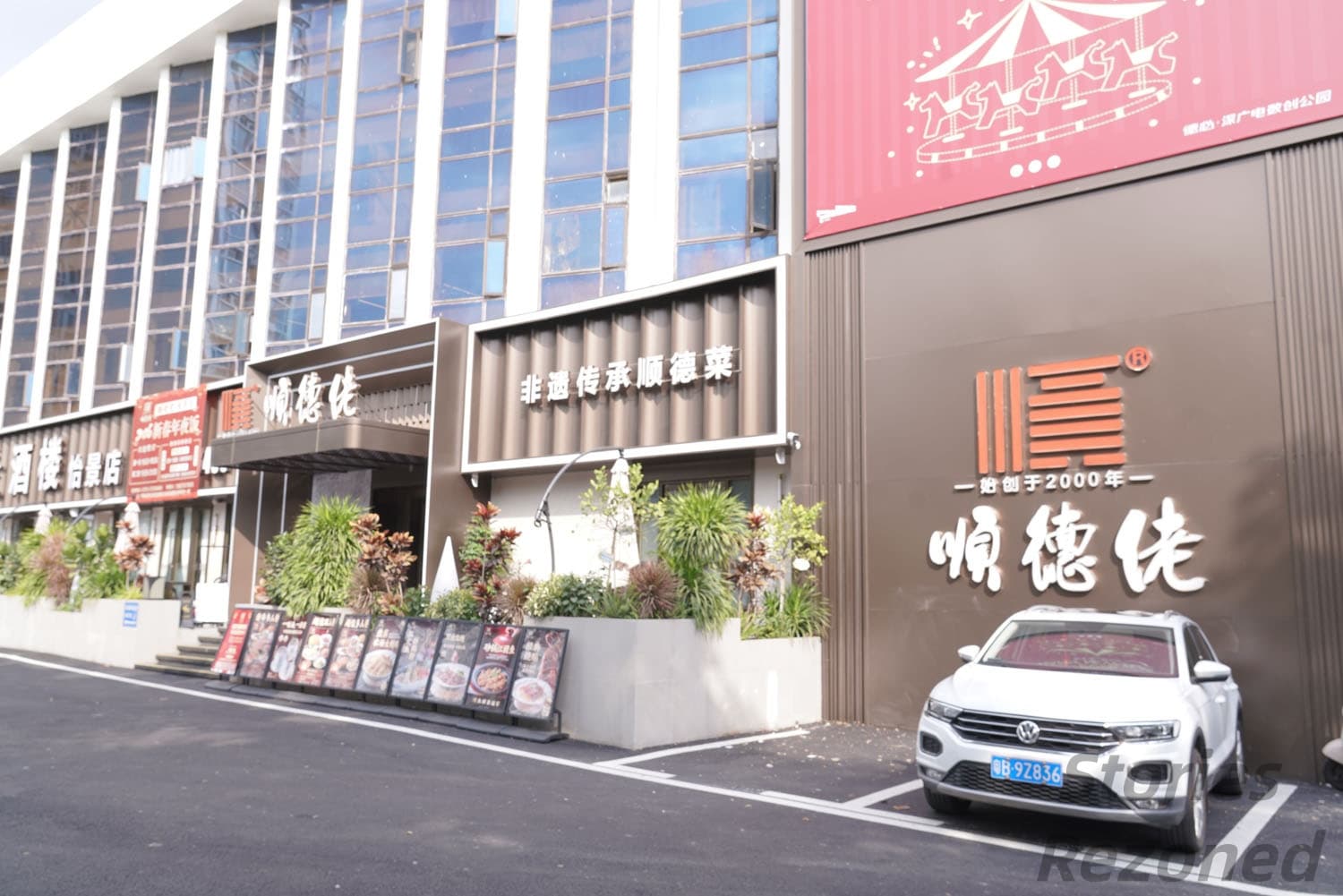
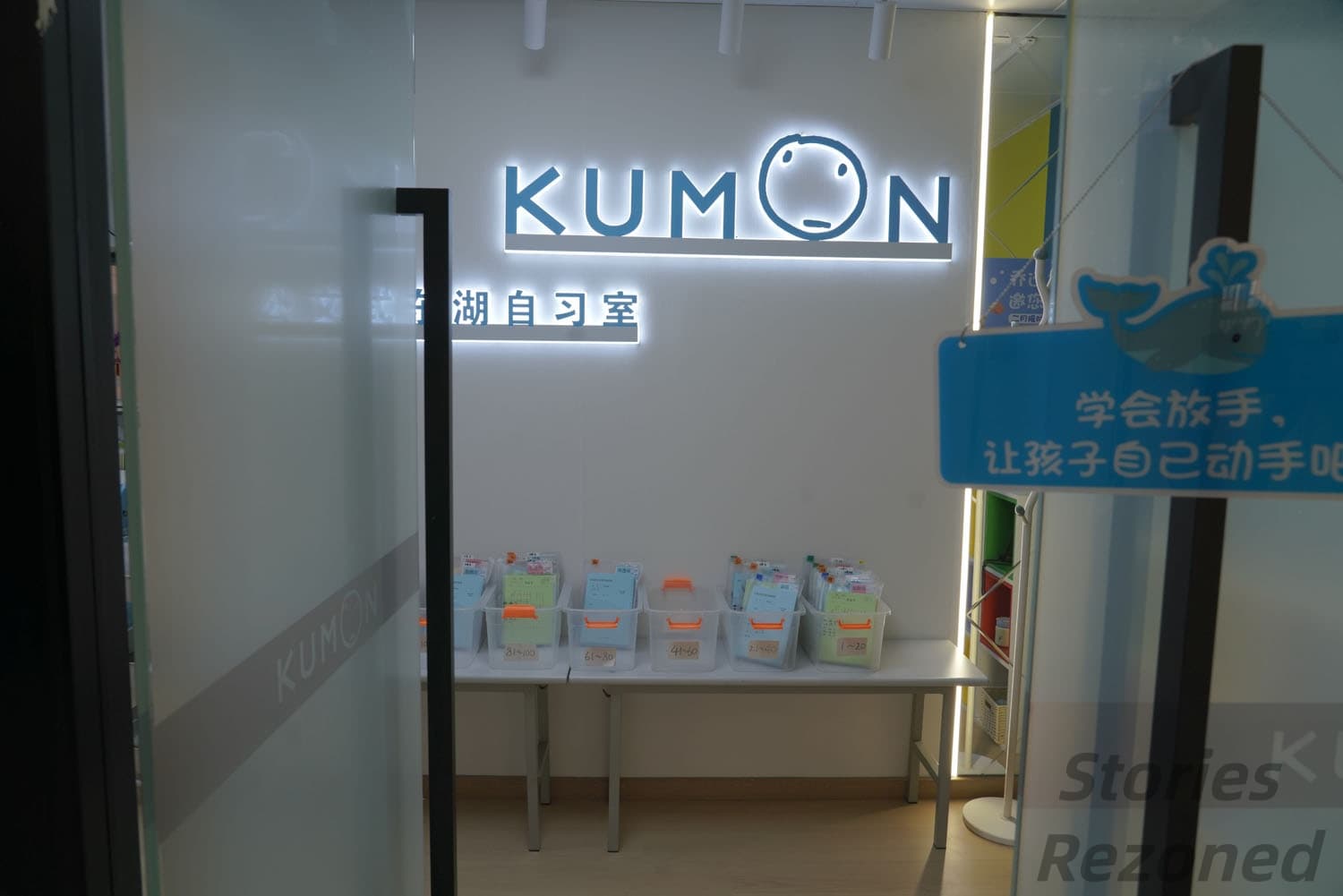
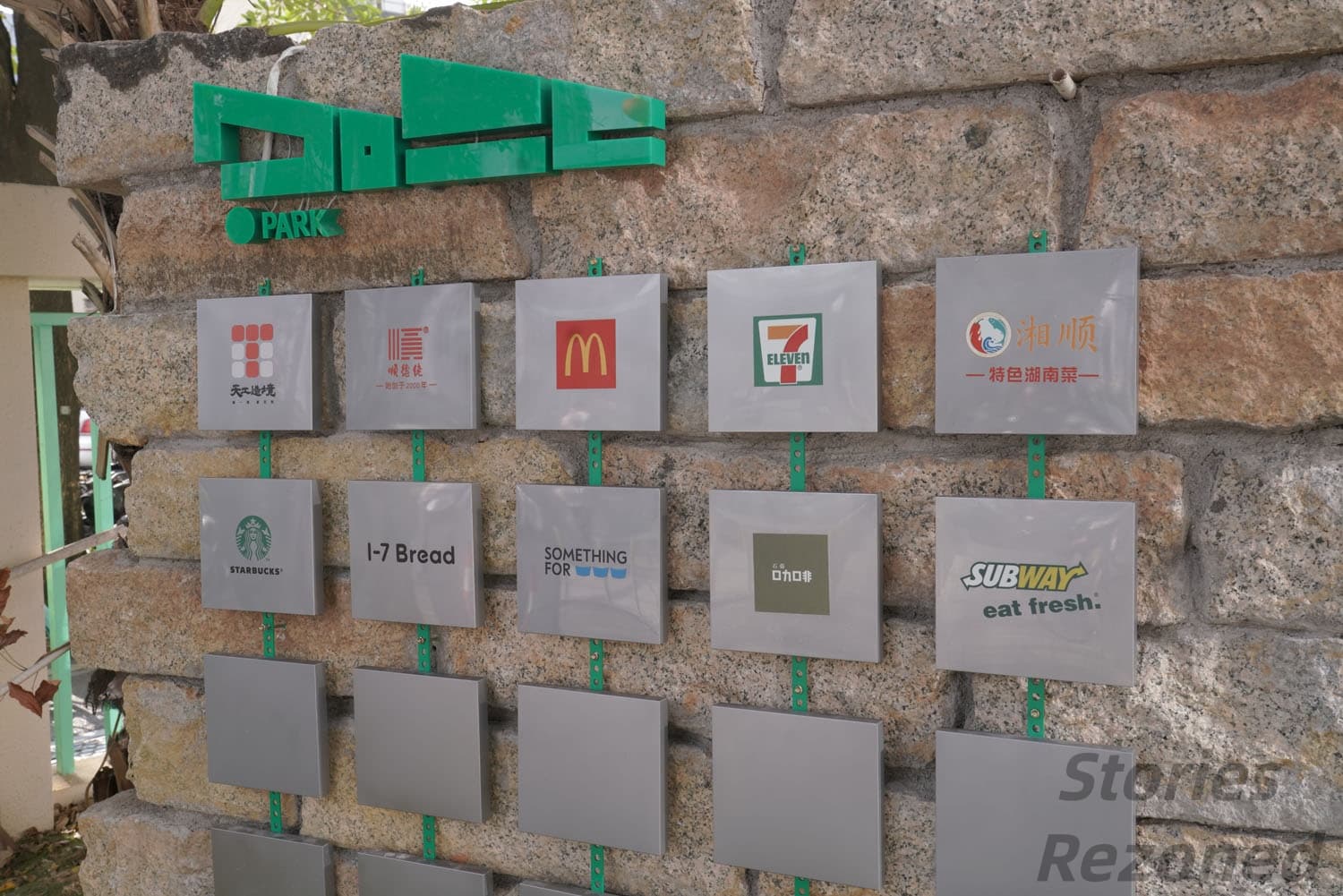
- Integrating Three Zones: Through its implementation of a “park production, neighborhood consumption, urban empowerment” model, over 80 percent of the businesses in the area fall within digital creative sectors, while commercial venues provide services to both park-based businesses and more than 100,000 neighboring residents.
- Evolving Industry: The Development of a Full Chain Ecosystem for Digital Creation
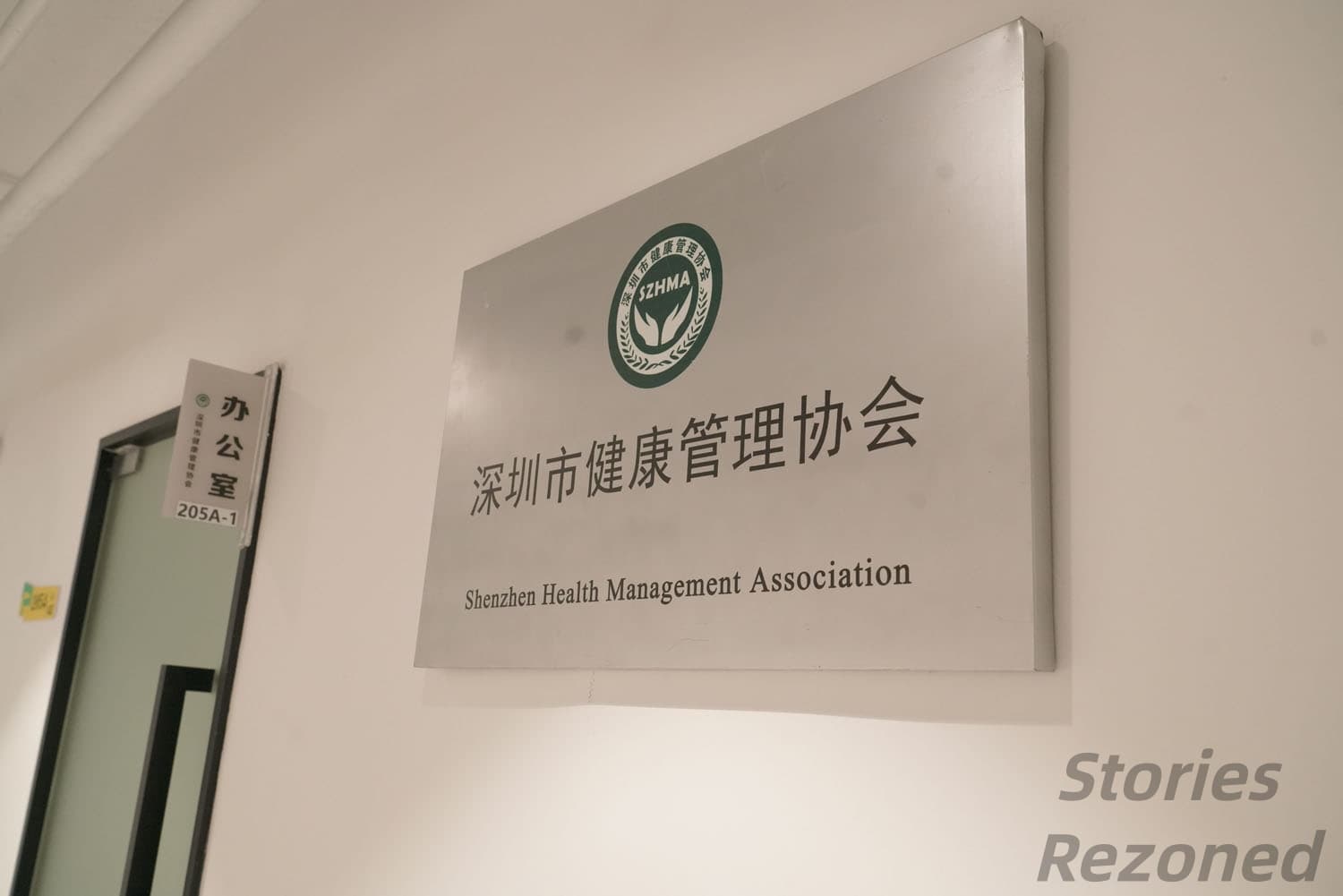
Using a “one-park, two-core” model, the project has established a “micro-short drama incubator” and a “Greater Bay Area Digital Creative Public Service Platform.” Additionally, the project is also backed by the district government’s industrial policy support, which includes providing one-stop service for the park’s tenants, including content creation, intellectual property development, and funding.
With a 180-degree holographic digital art center and XR virtual studios, the park utilizes AI, VR, and virtual production technologies, focusing on digital film and television, advertising, micro-short dramas, and esports. Currently, there are approximately sixty digital creative businesses operating in the park, including many well-known content and esports companies. A Shenzhen-Hong Kong incubation zone will also connect the park to regional resources.
Historical and Modern Significance
Shenzhen is the first test case for cultural heritage revitalization + digital creative industry upgrade in the country, combining preservation of urban culture with the use of technology to empower traditional spaces, unique in showing how local governments promoted digital innovation through favorable policies specifically for users of this redeveloped media site. Would similar streamlining of bureaucracy for shops and commercial spaces help other renewed sites become more successful?
Image References
All images not separately credited below filmed at location by Stories Rezoned team
- Anonymous. Shenzhen TV Station Studio during Trial Broadcast. 1983. Sohu, 2 Jul. 2020, https://m.sohu.com/a/405376528_120722737/.
- Anonymous. Early Control Room of Shenzhen TV Station. 1983. Sohu, 2 Jul. 2020, https://m.sohu.com/a/405376528_120722737/.
- Anonymous. Panoramic View of M-shaped Buildings of Shenzhen National Animation Base with Animation Tower Behind. 25 Jul. 2019. Sohu, https://m.sohu.com/a/329276482_100003097/.
- Anonymous. Giant Red Gate and Mural Wall of Shenzhen Animation Base. 10 Jun 2015. Sohu, https://www.sohu.com/a/329065316_777946
References
- Tencent News. “Two Major Cultural Industry Parks of Shenzhen Radio & Television Upgraded.” 6 Nov 2024, view.inews.qq.com/k/20241106A0A82M00.
- Shenzhen Longgang Intelligent Audio-Visual Research Institute. “Guangdong-Hong Kong-Macao Ultra-HD Digital Creative Industrial Park Officially Launched.” 1 June 2025, www.iiva.org.cn/newsinfo/7720208.html.