
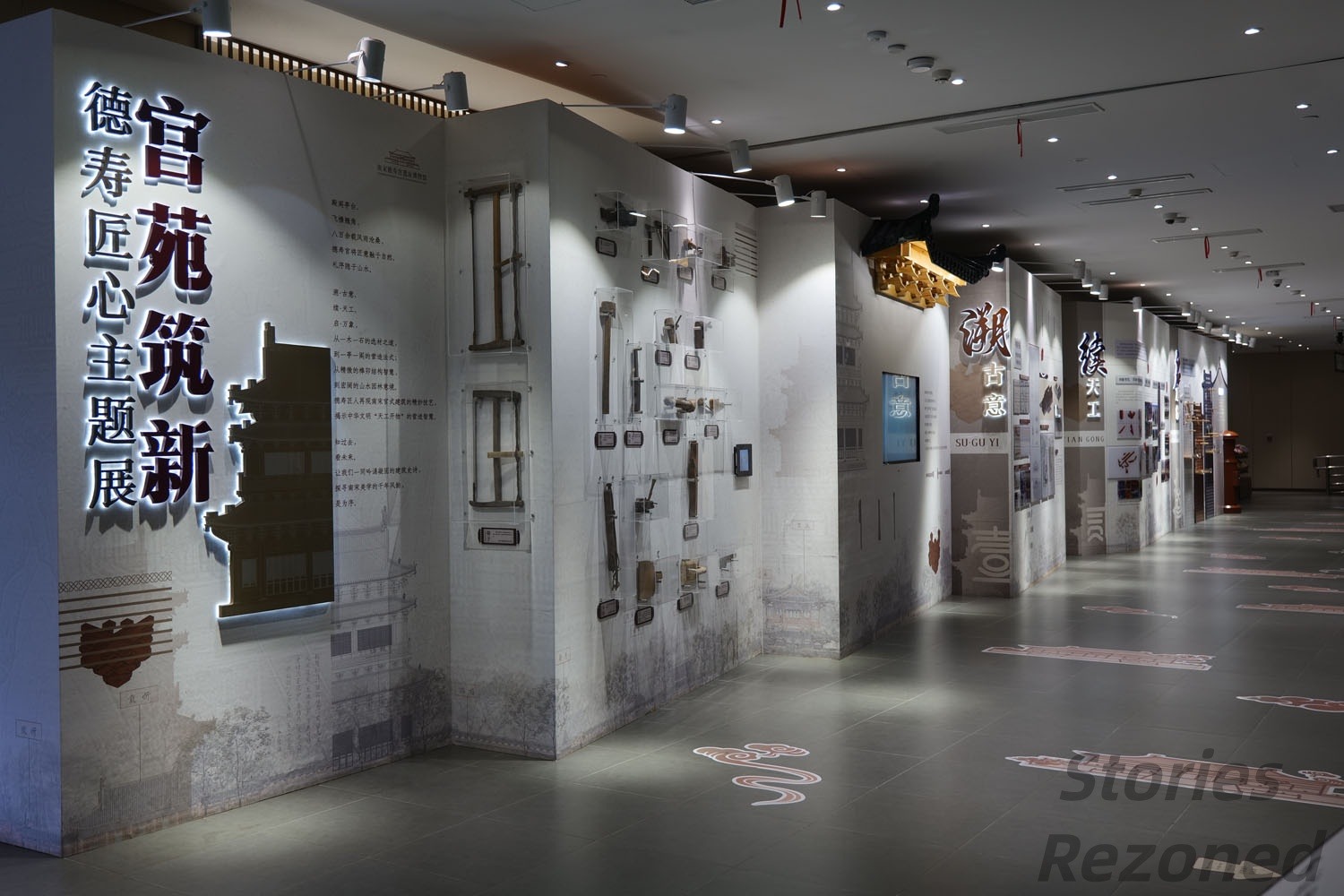
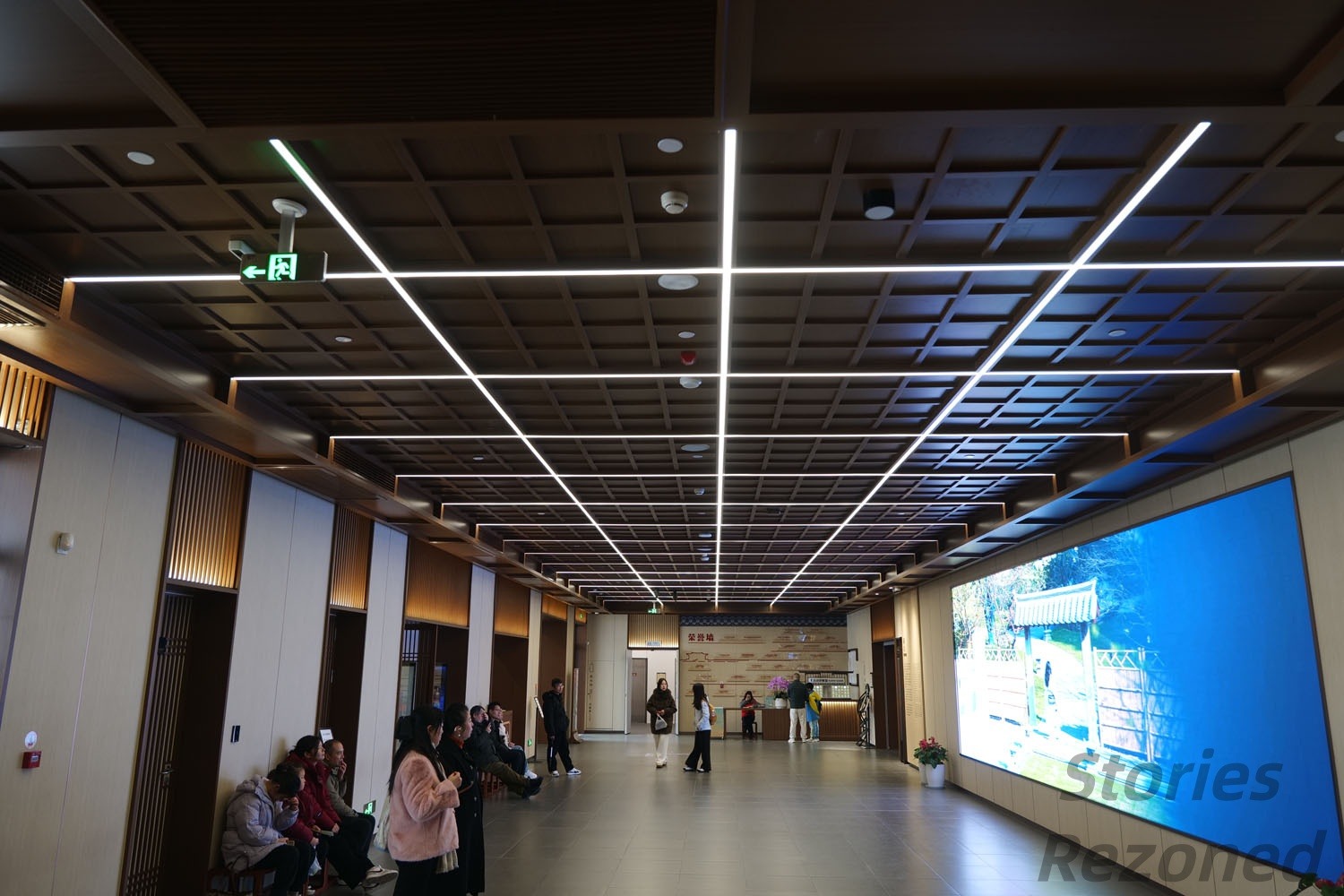
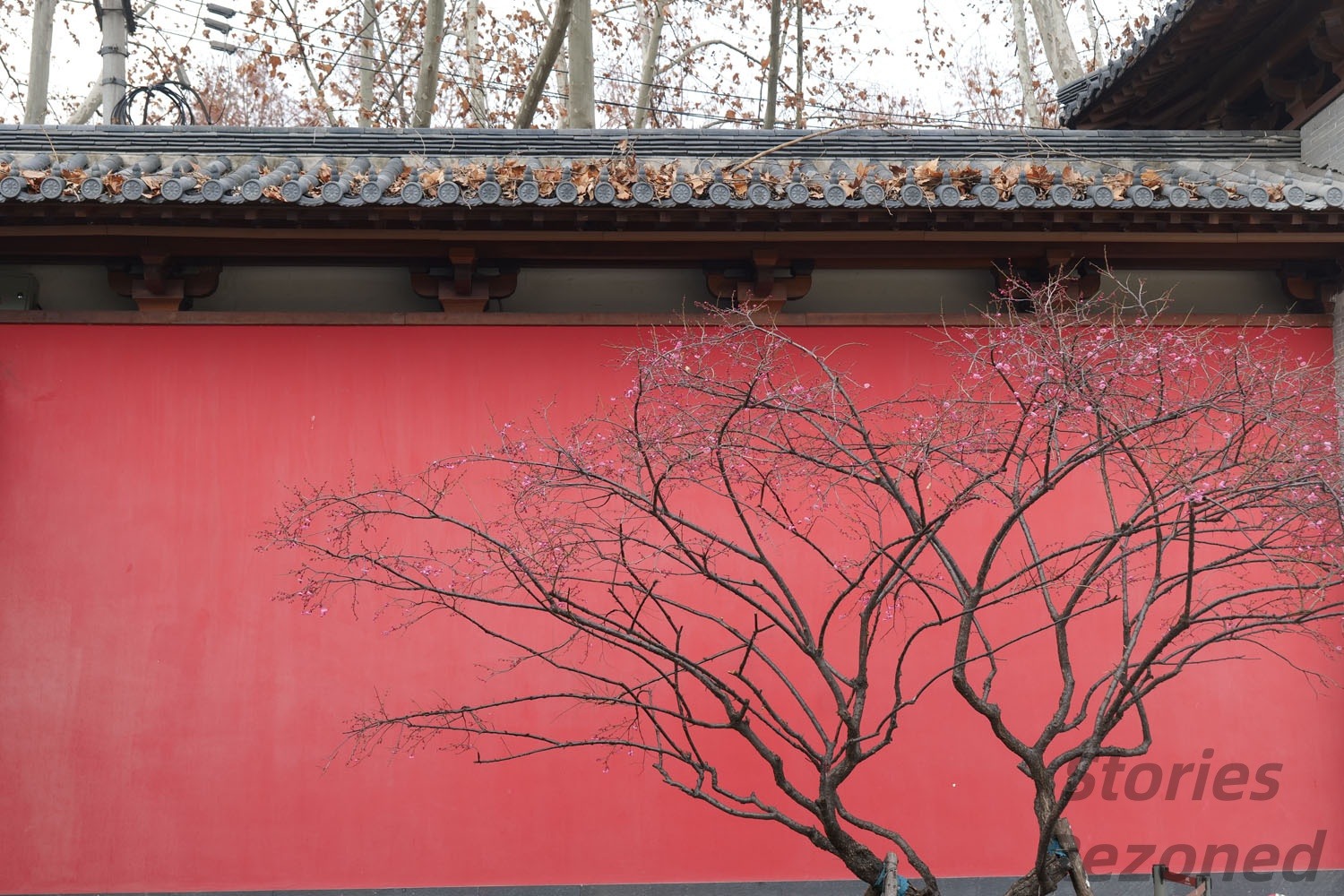
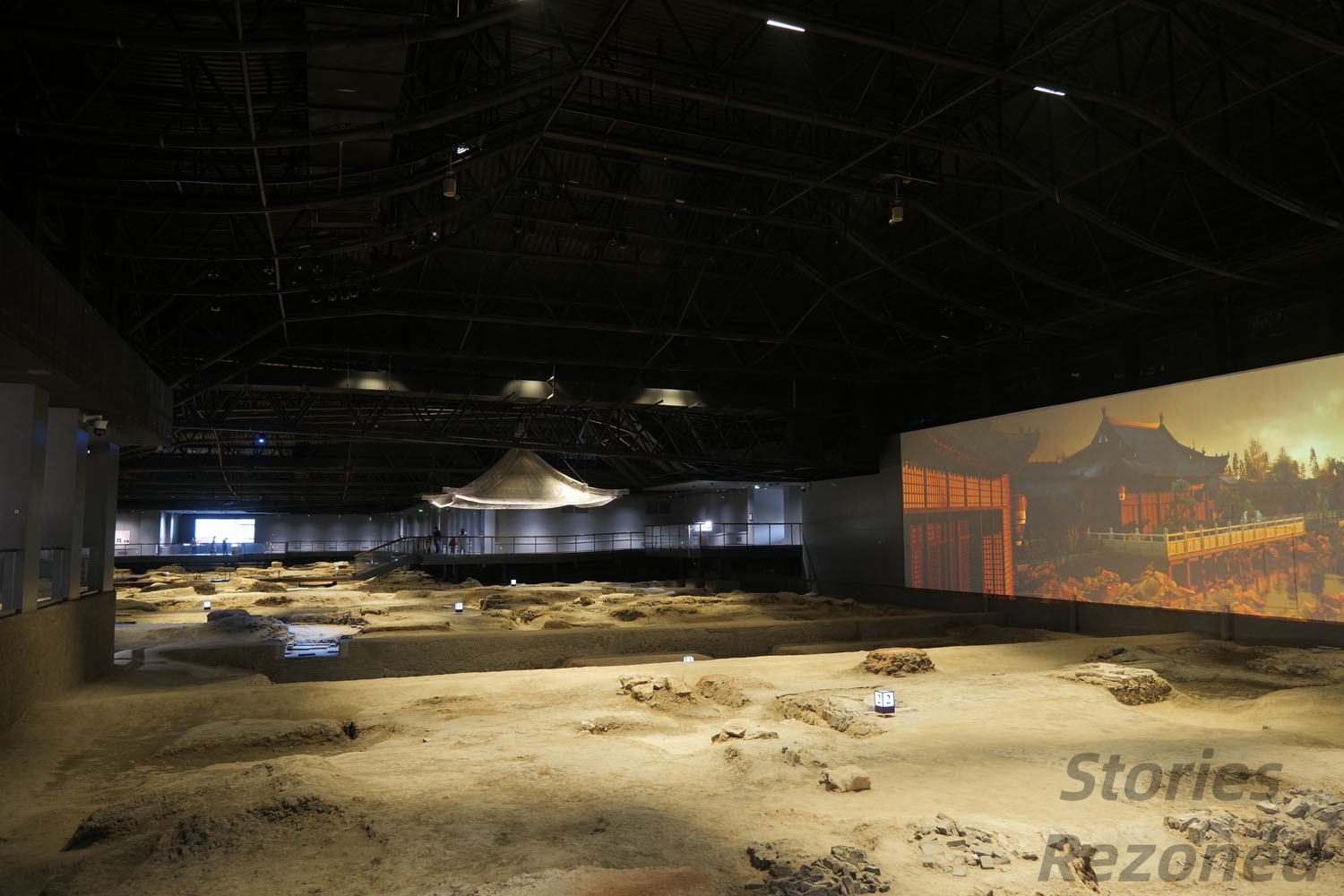
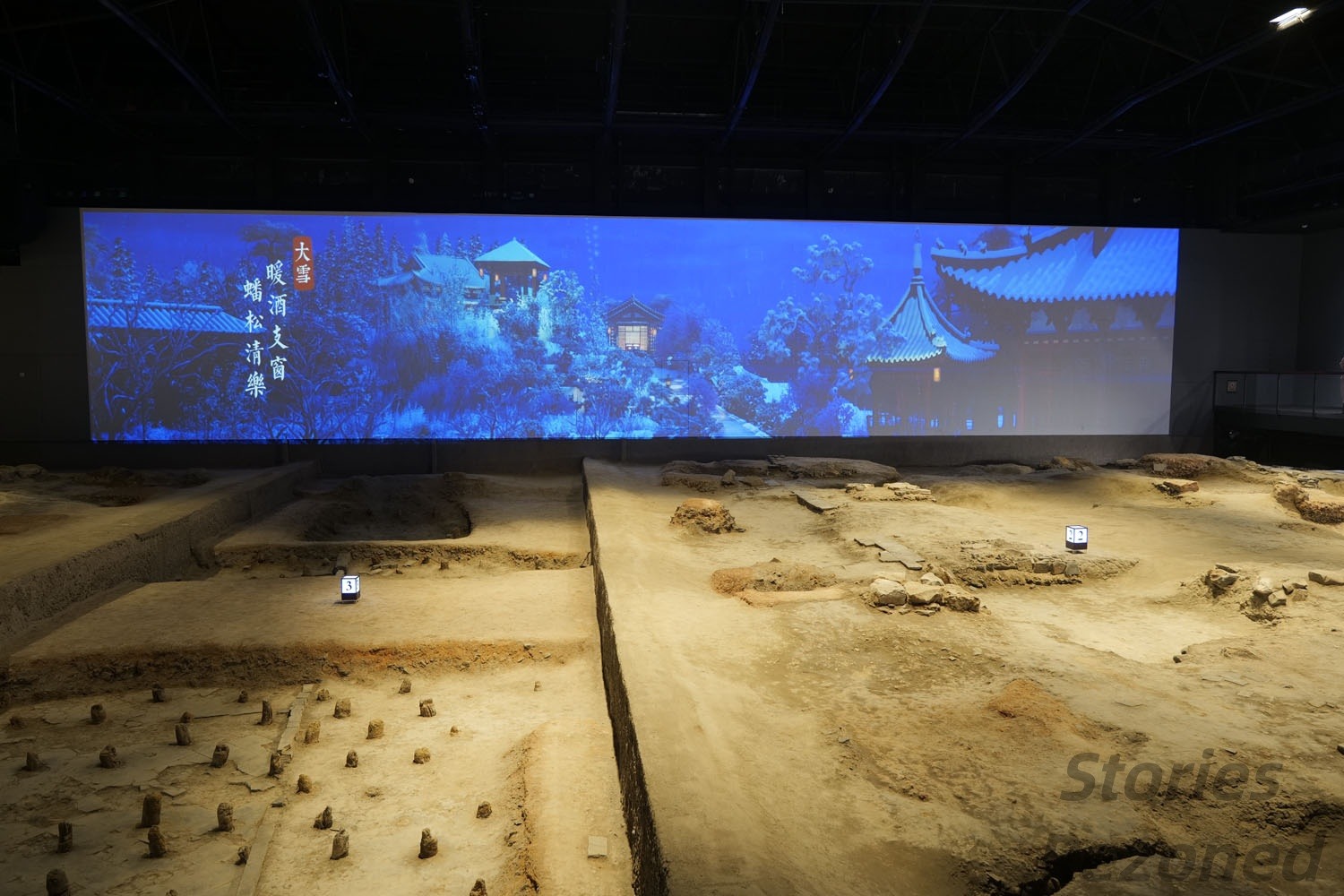
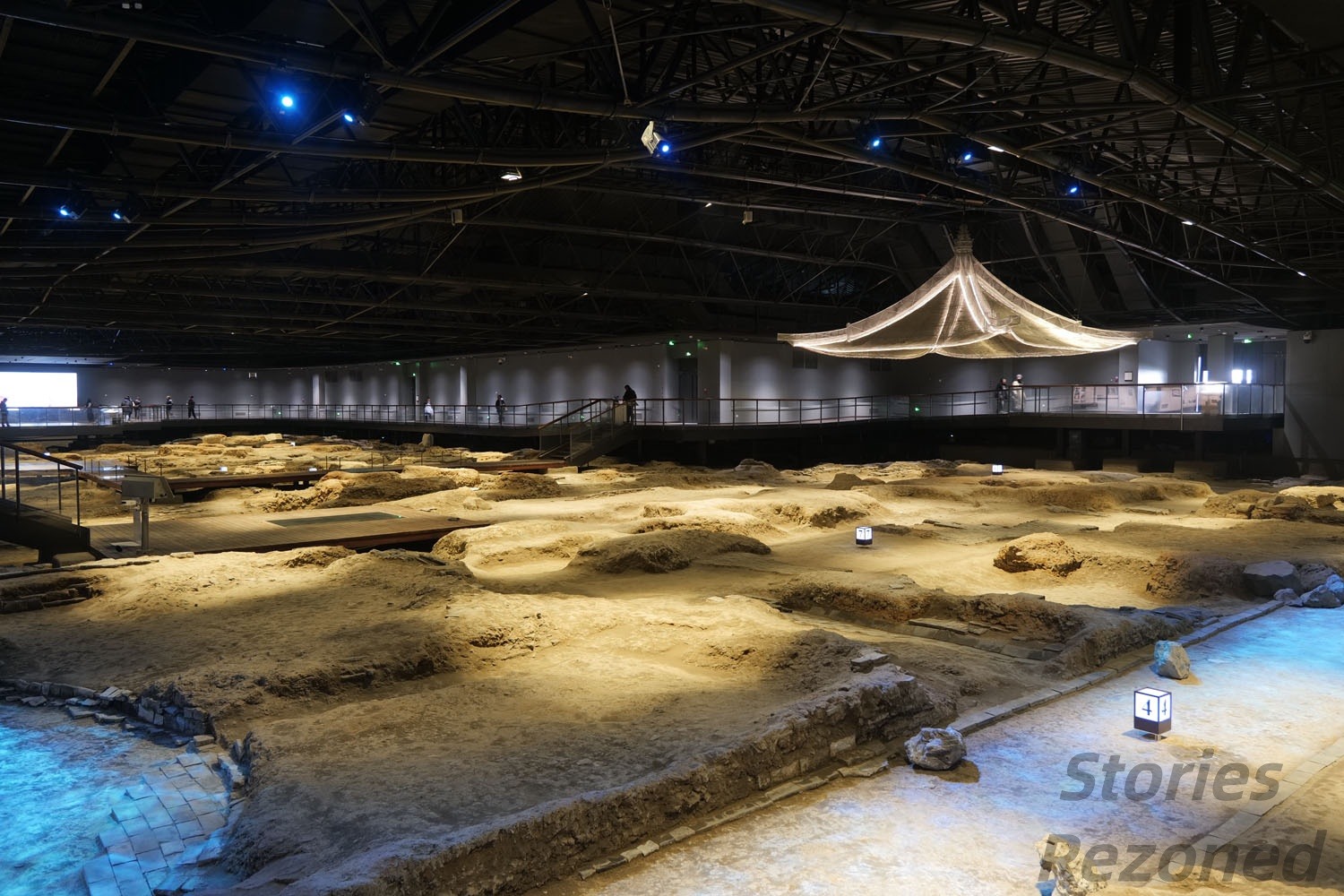
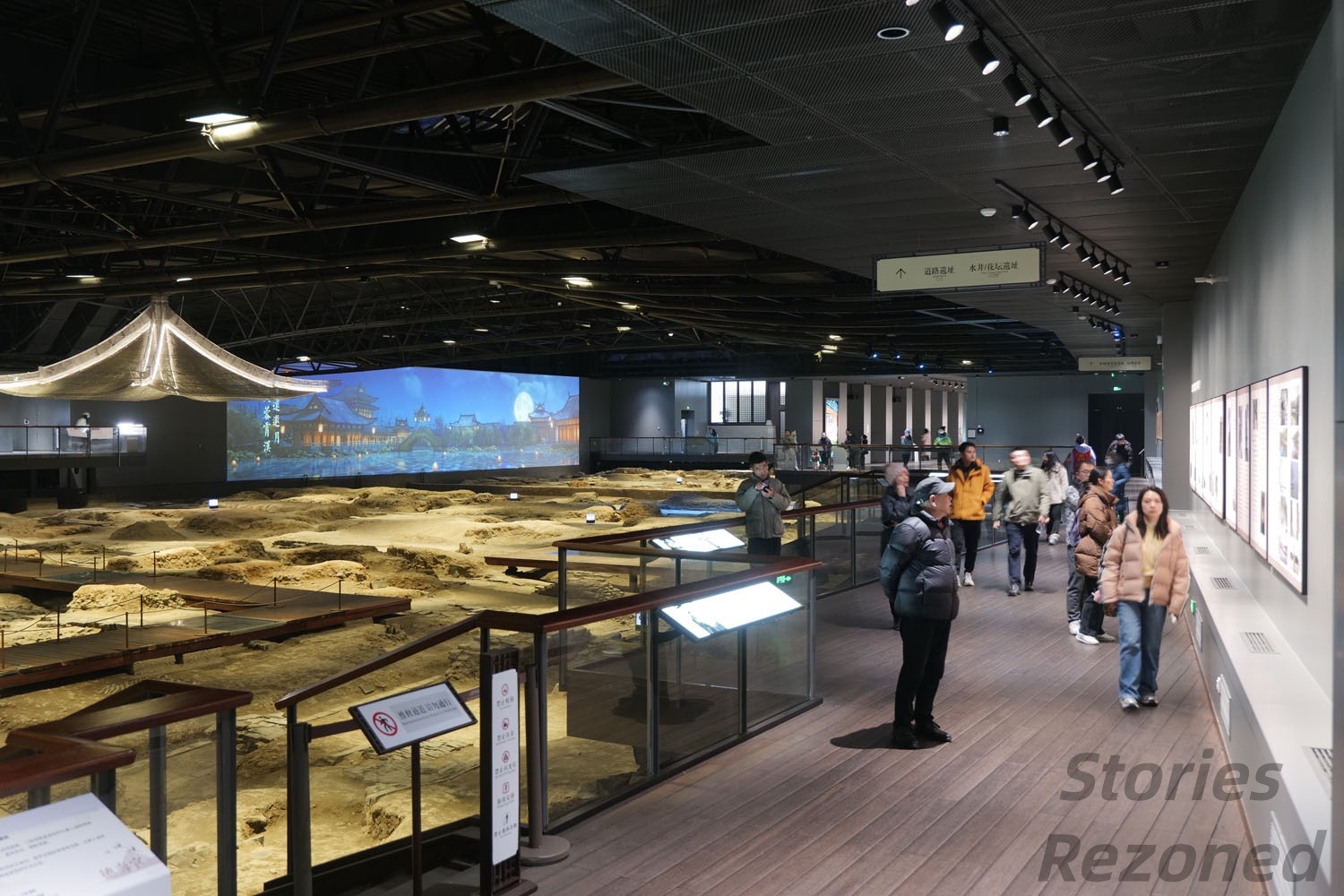
Past: Cultural Heritage of the Old Street and a Neglected Space (Southern Song Dynasty – 2020)
Historical background and significance of Lin’an in the Southern Song Dynasty
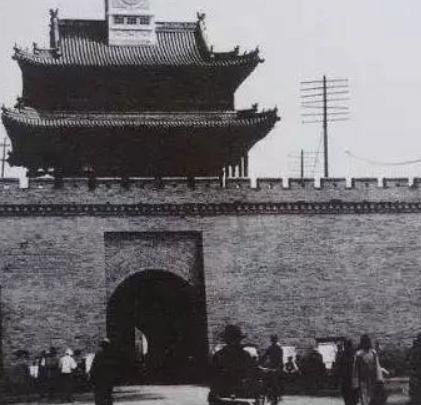
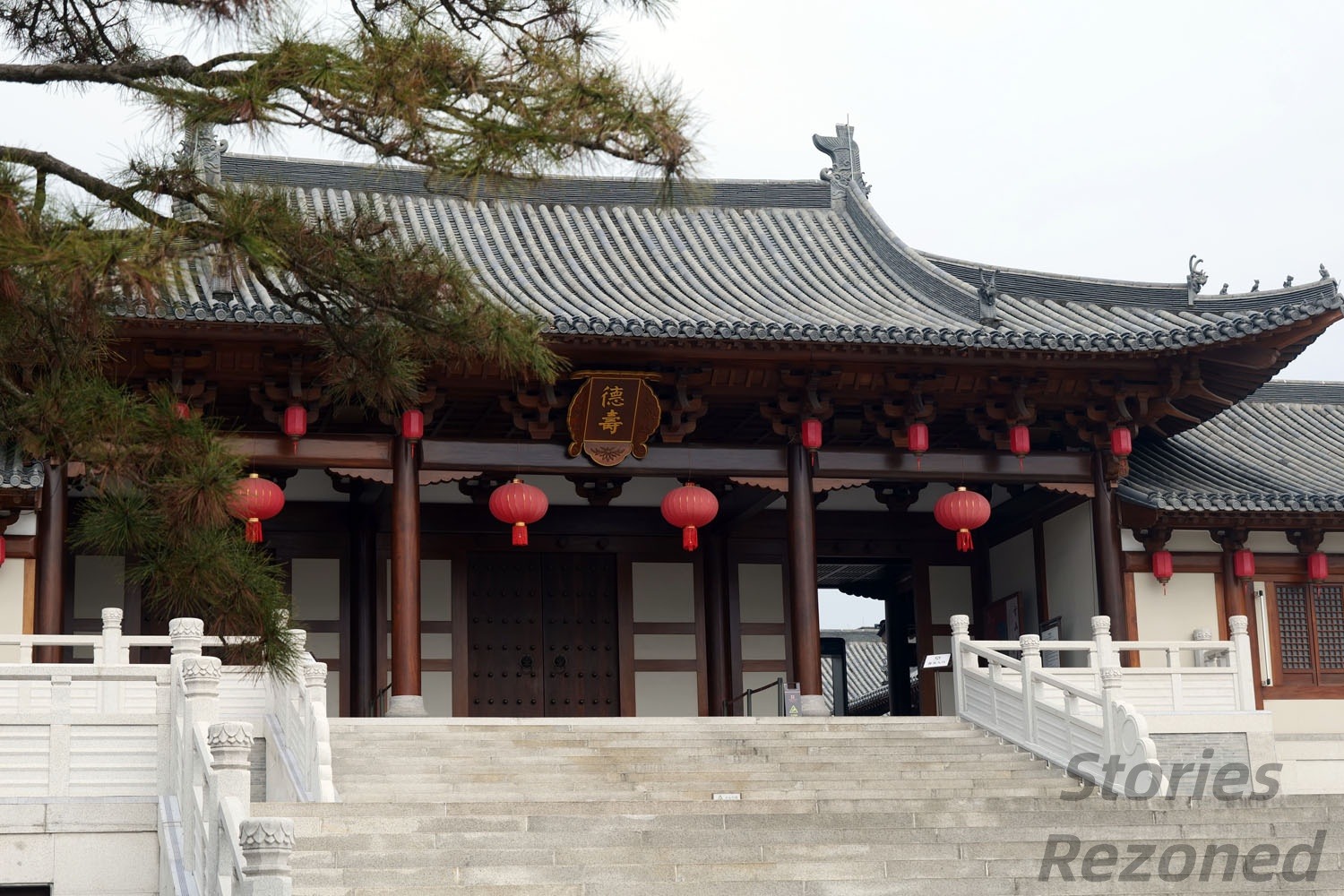
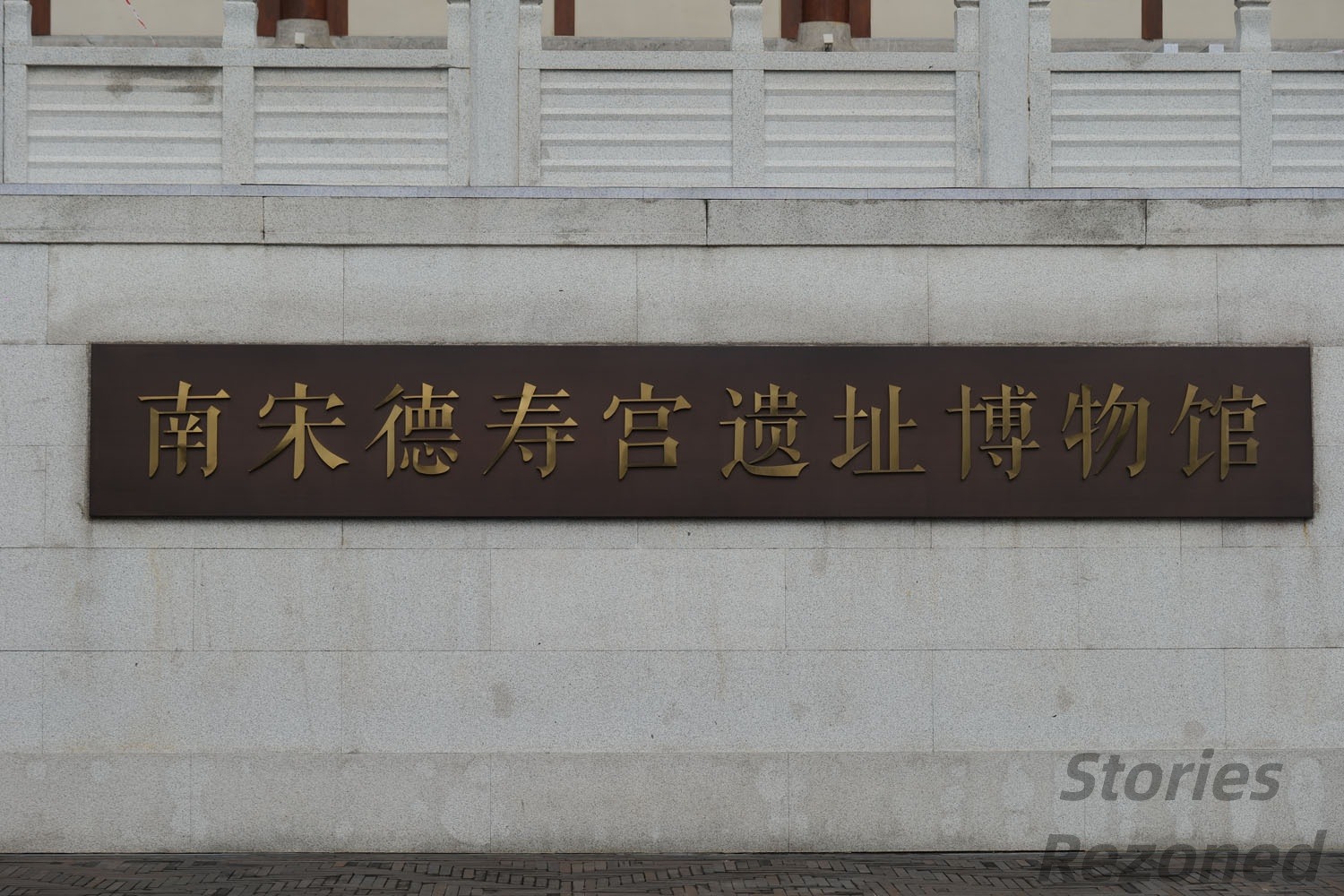
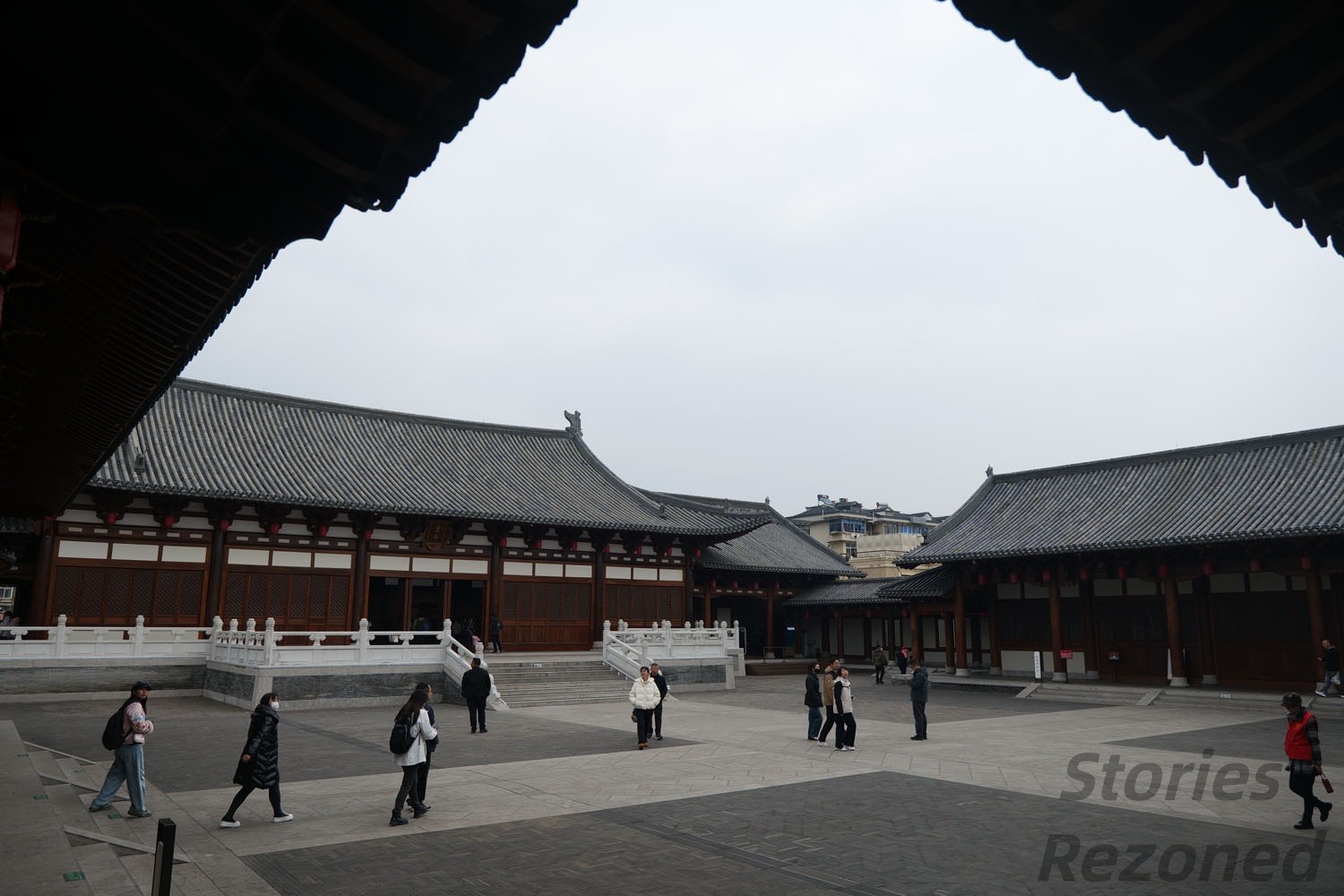
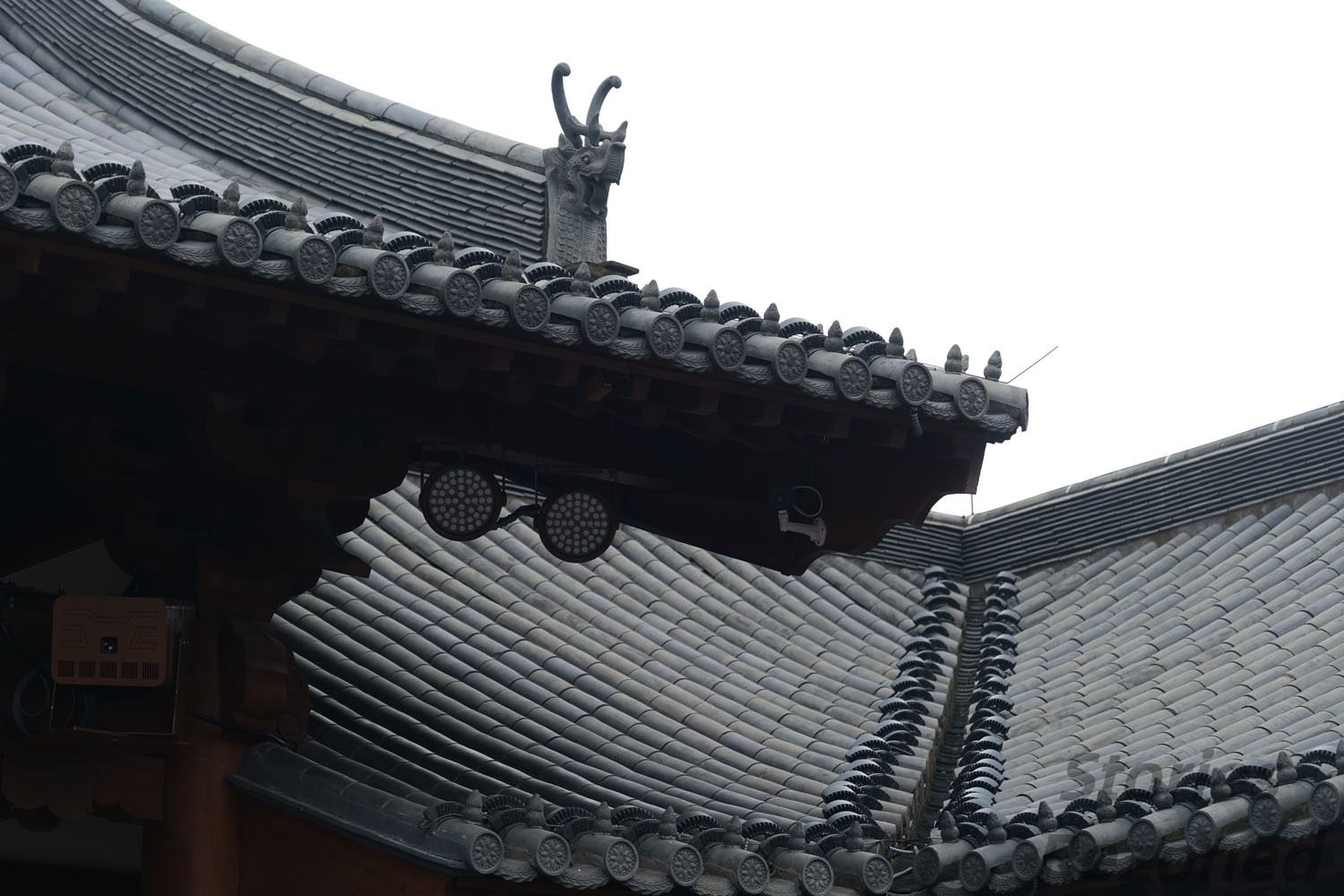
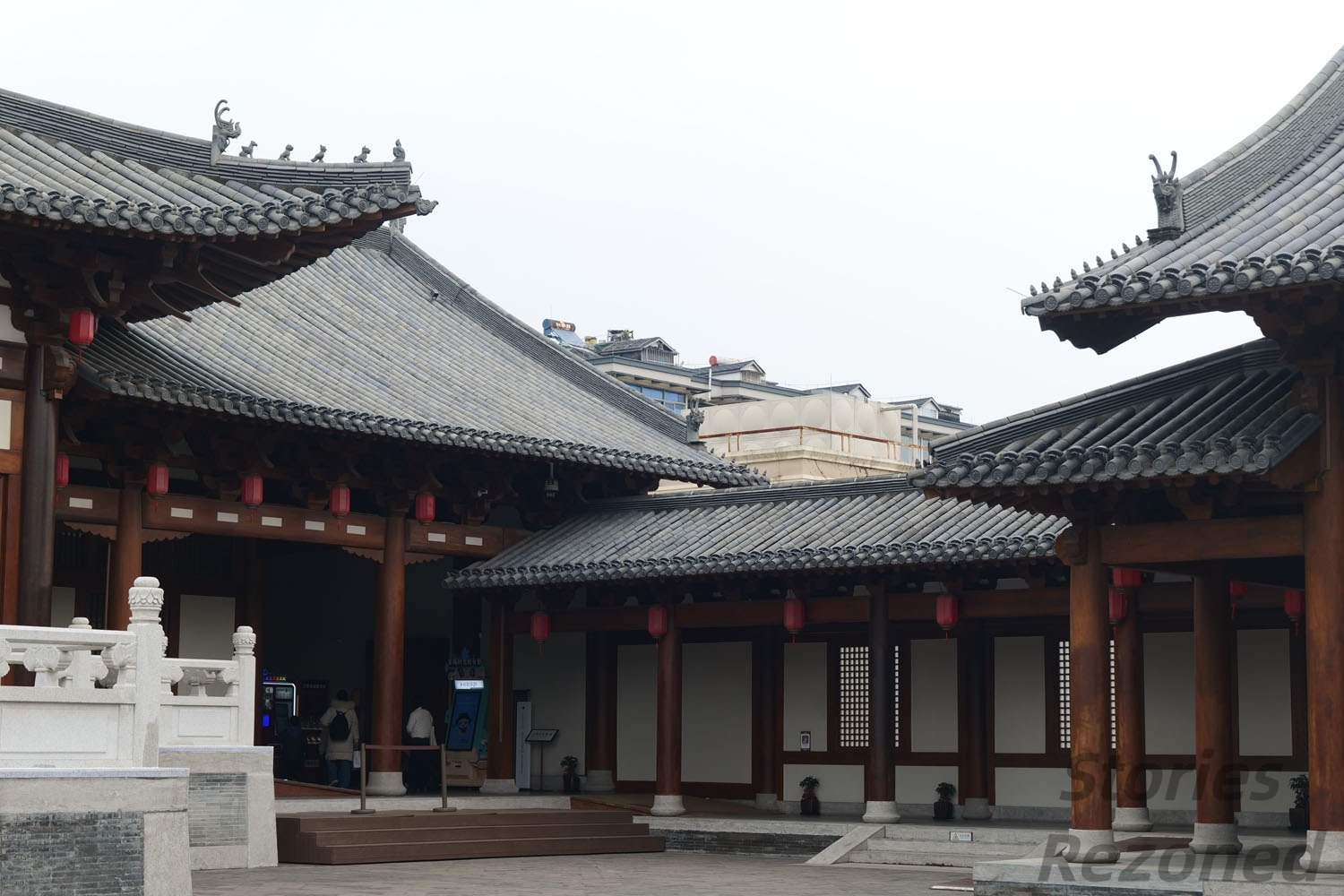
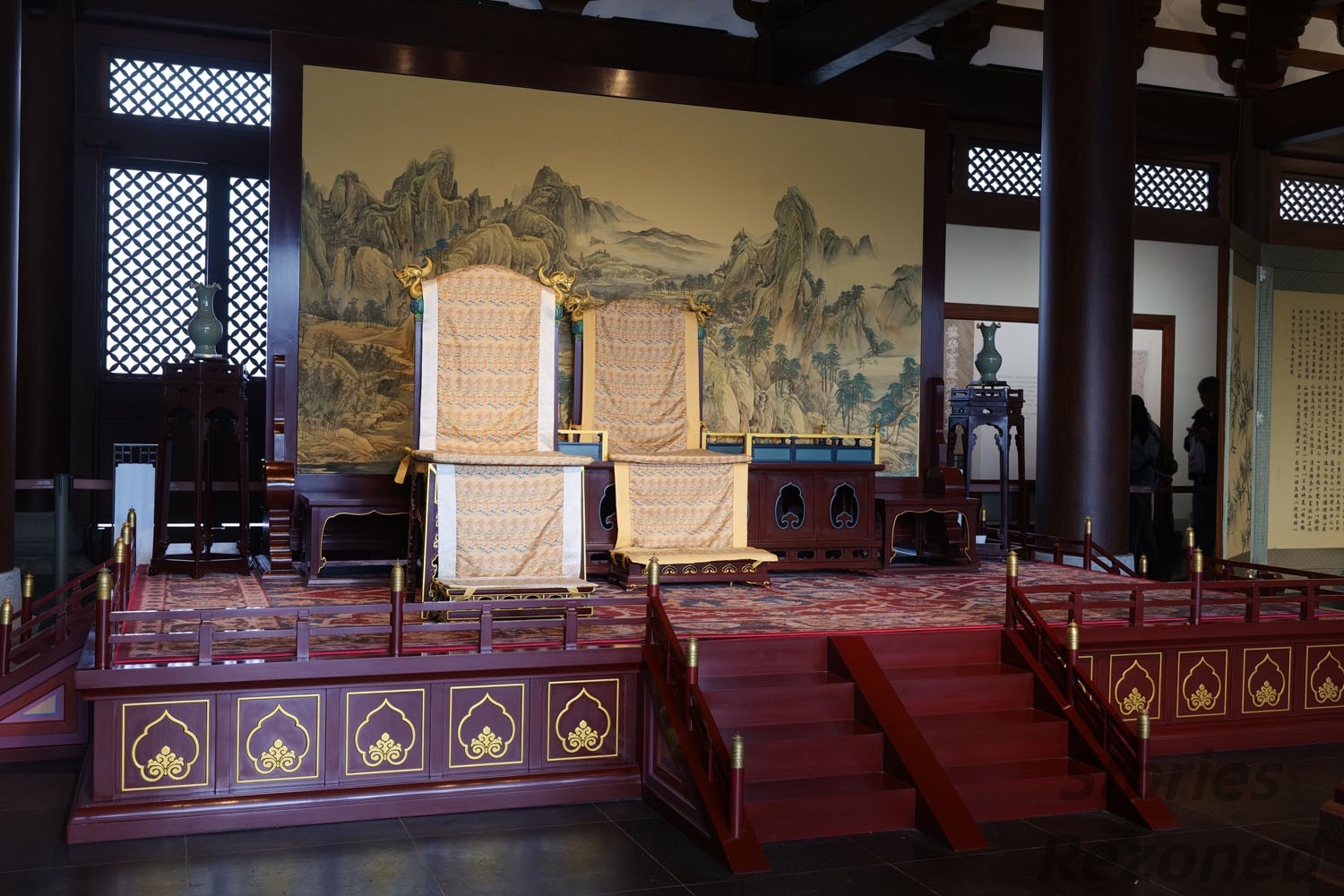
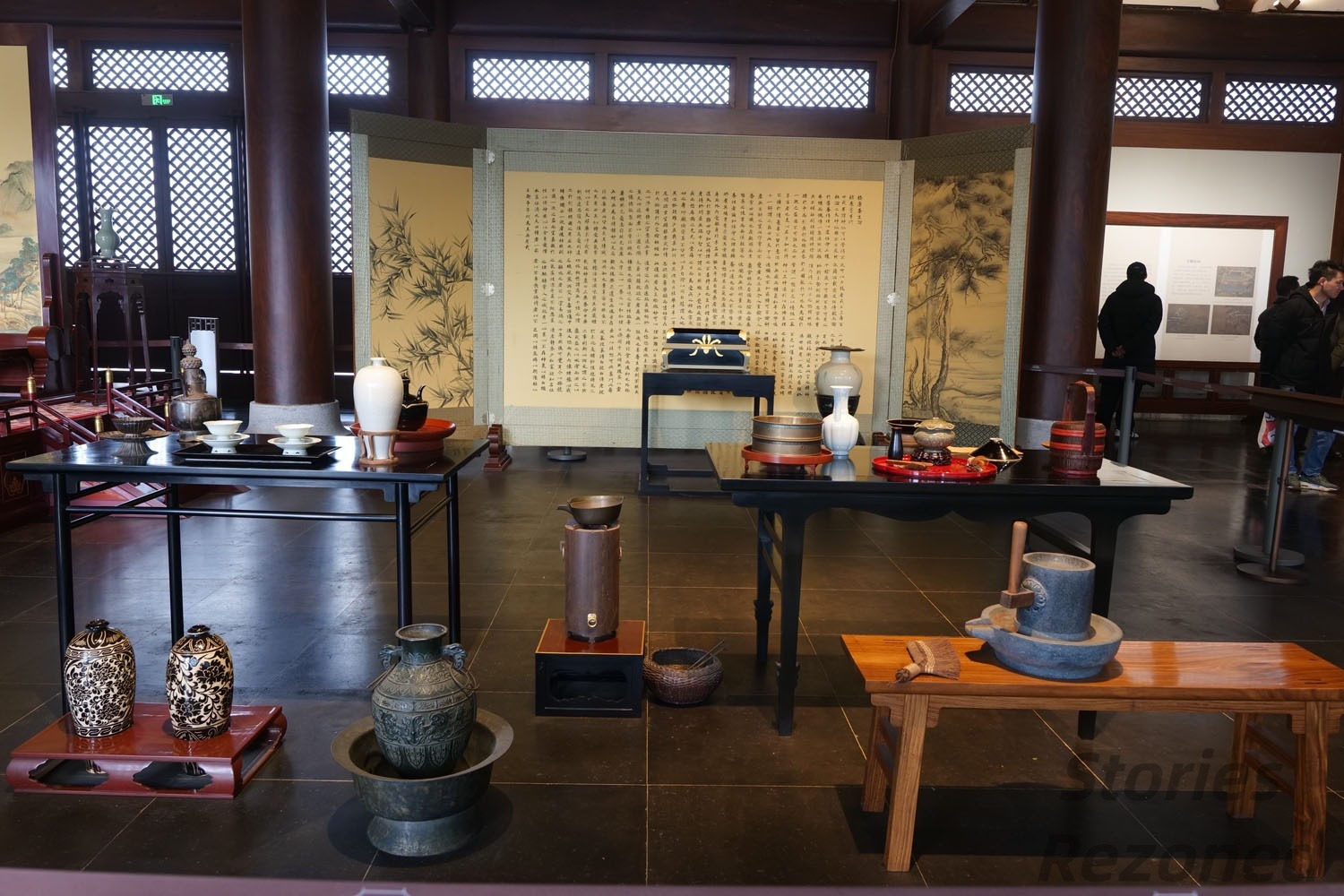
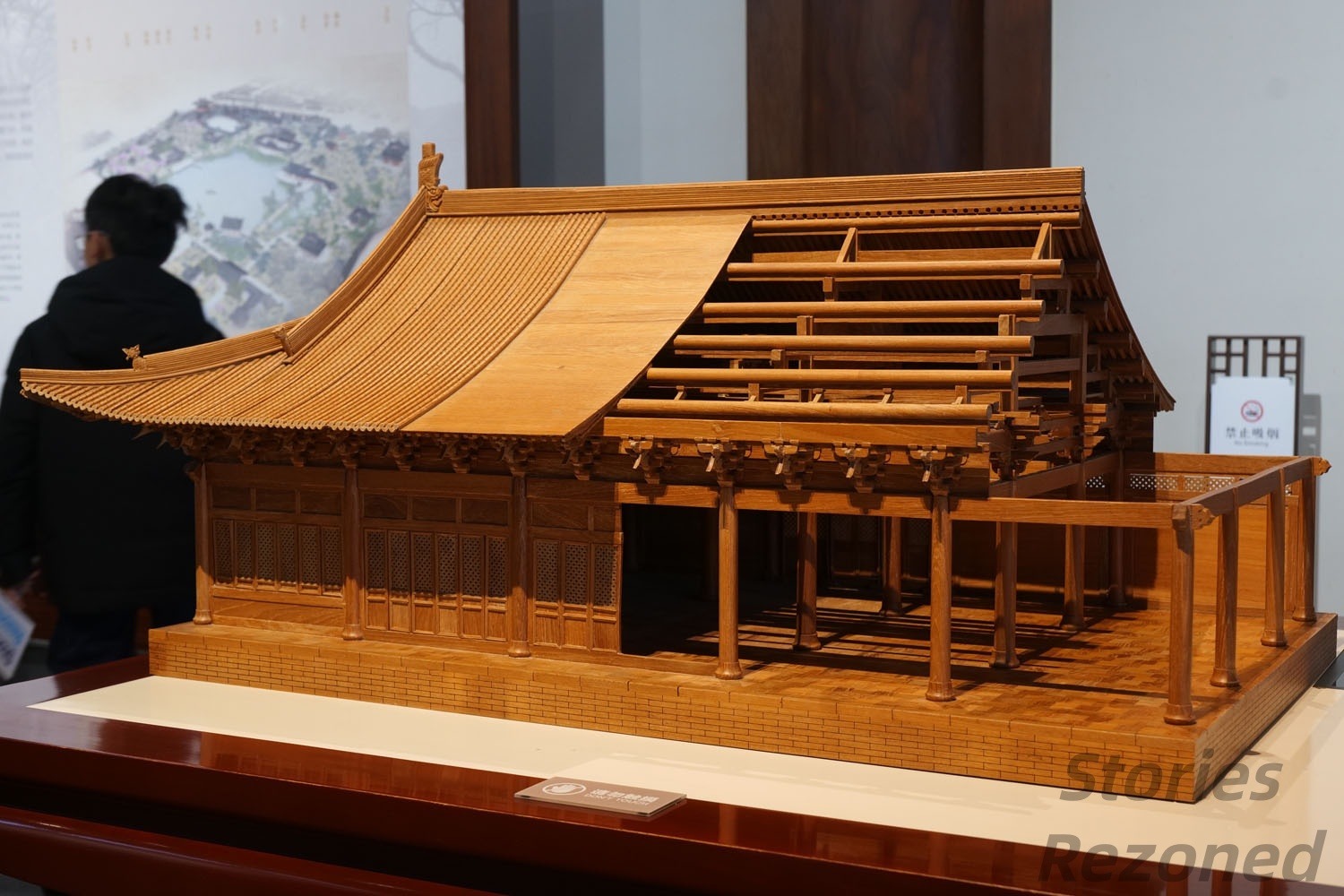
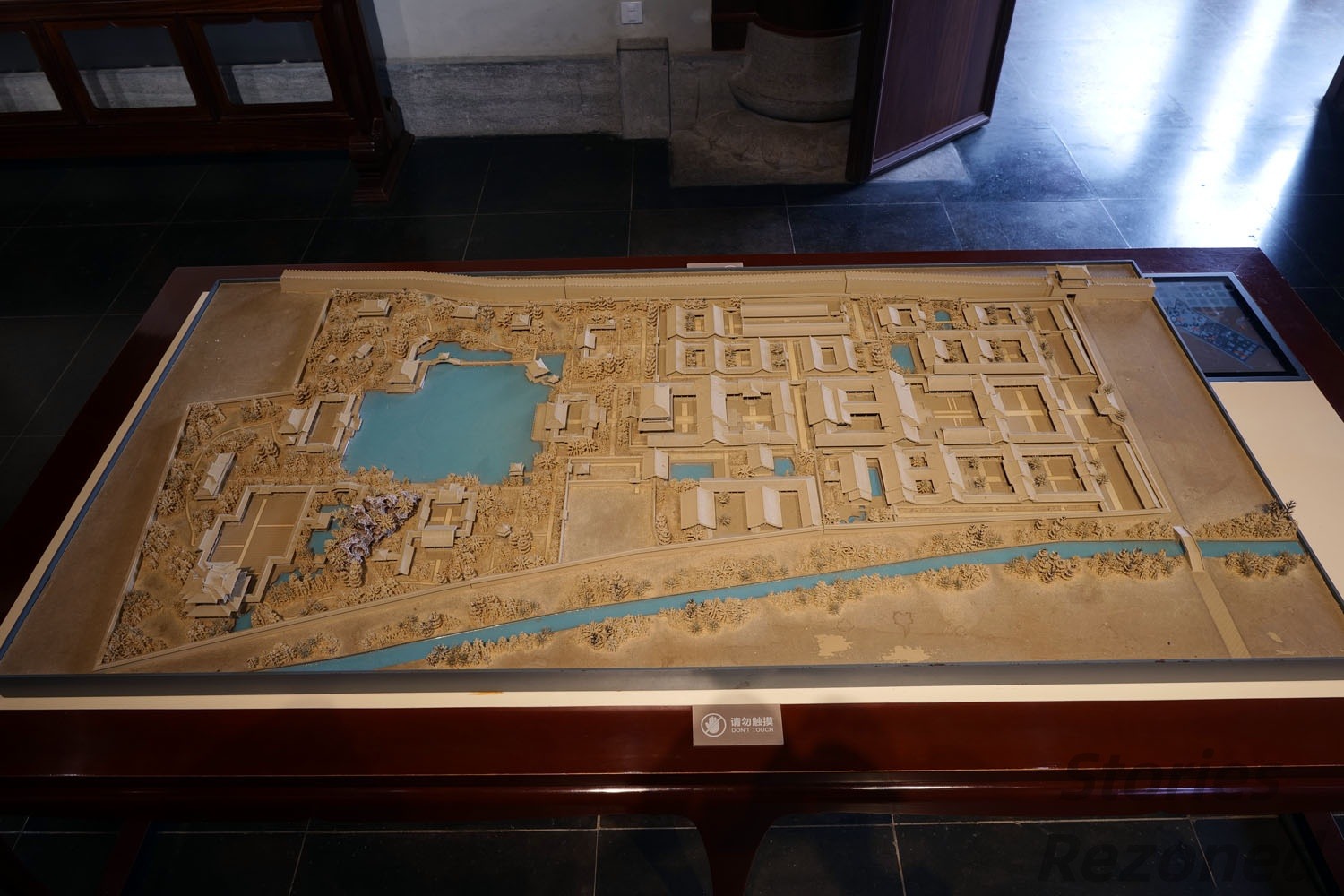
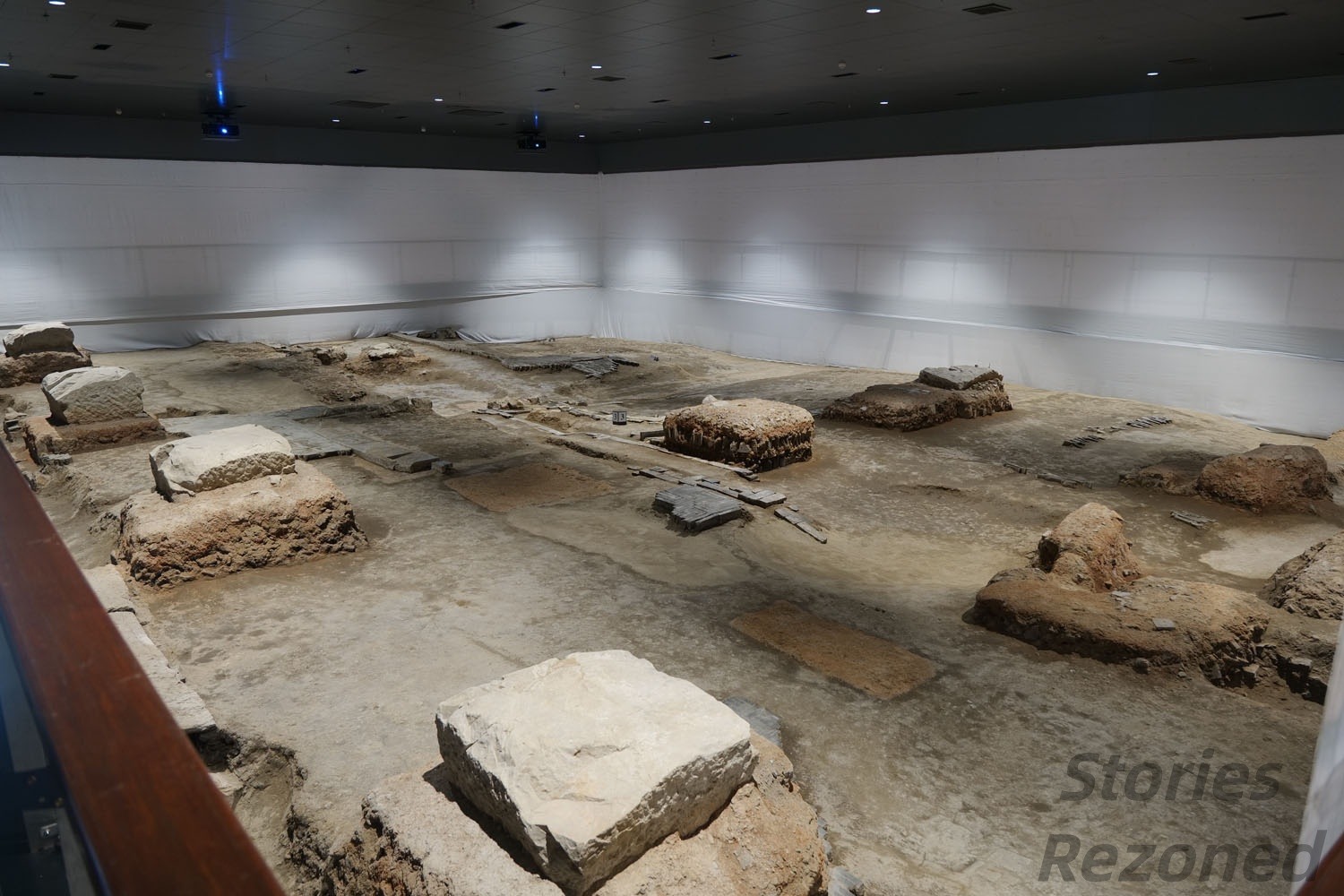
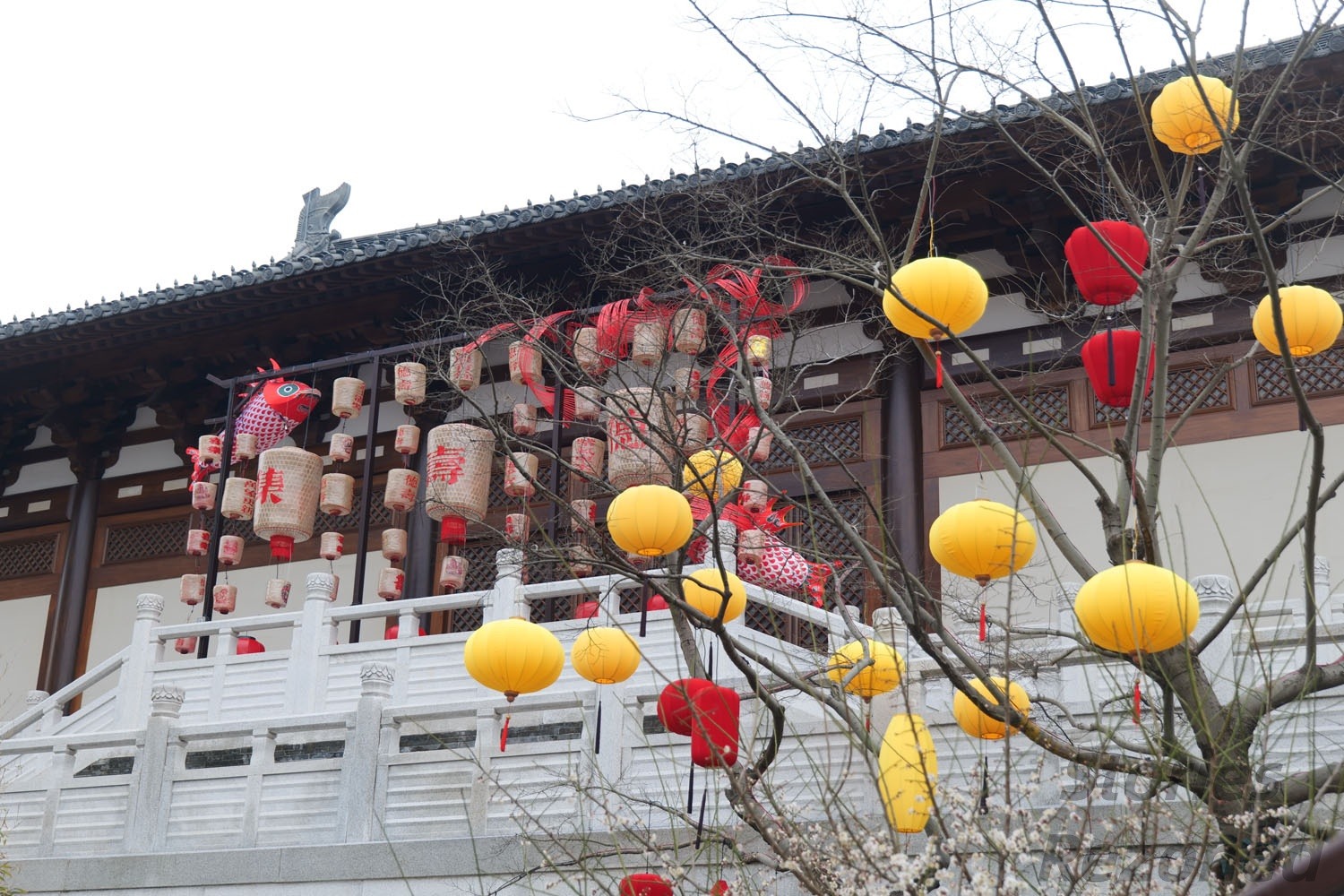
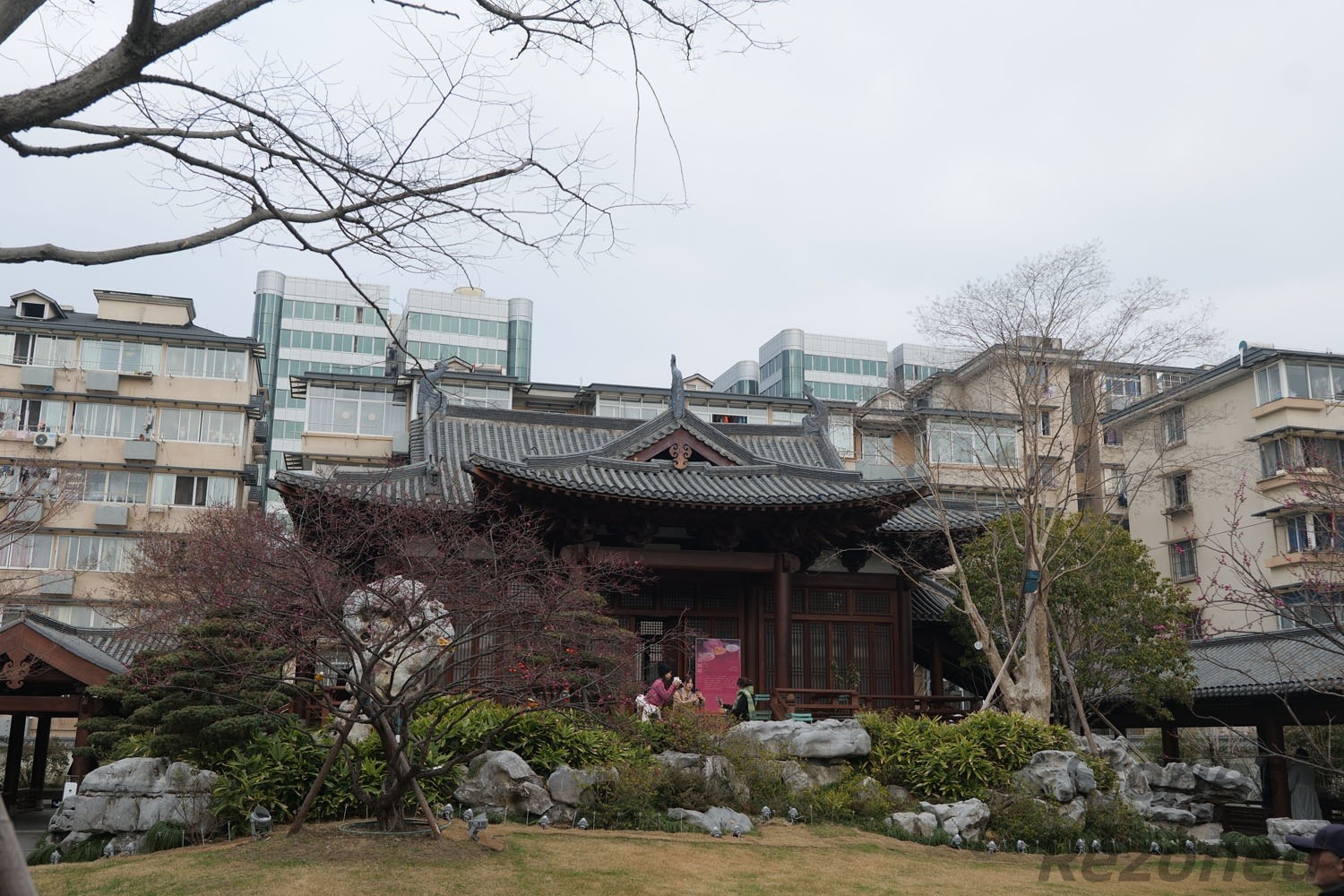
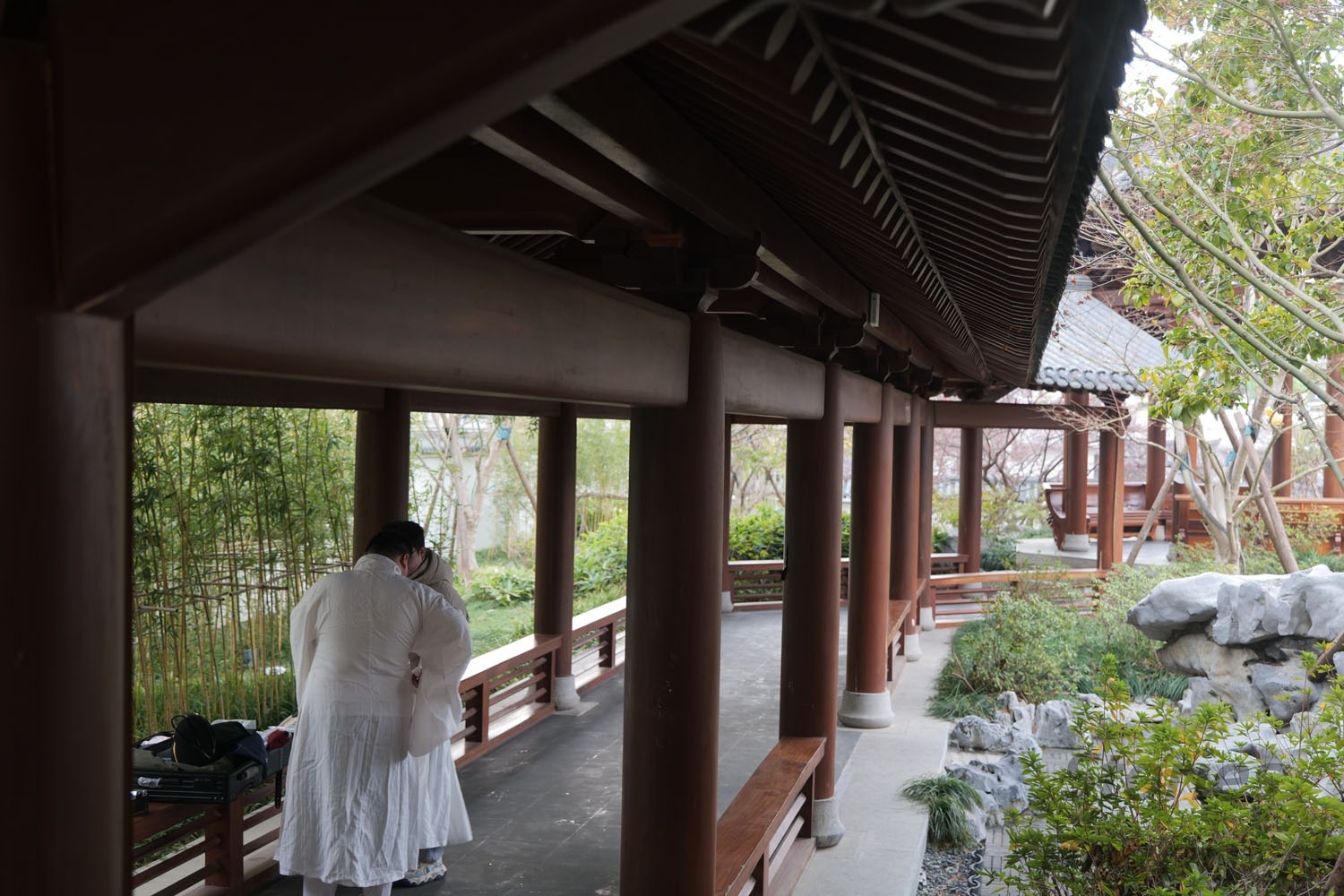
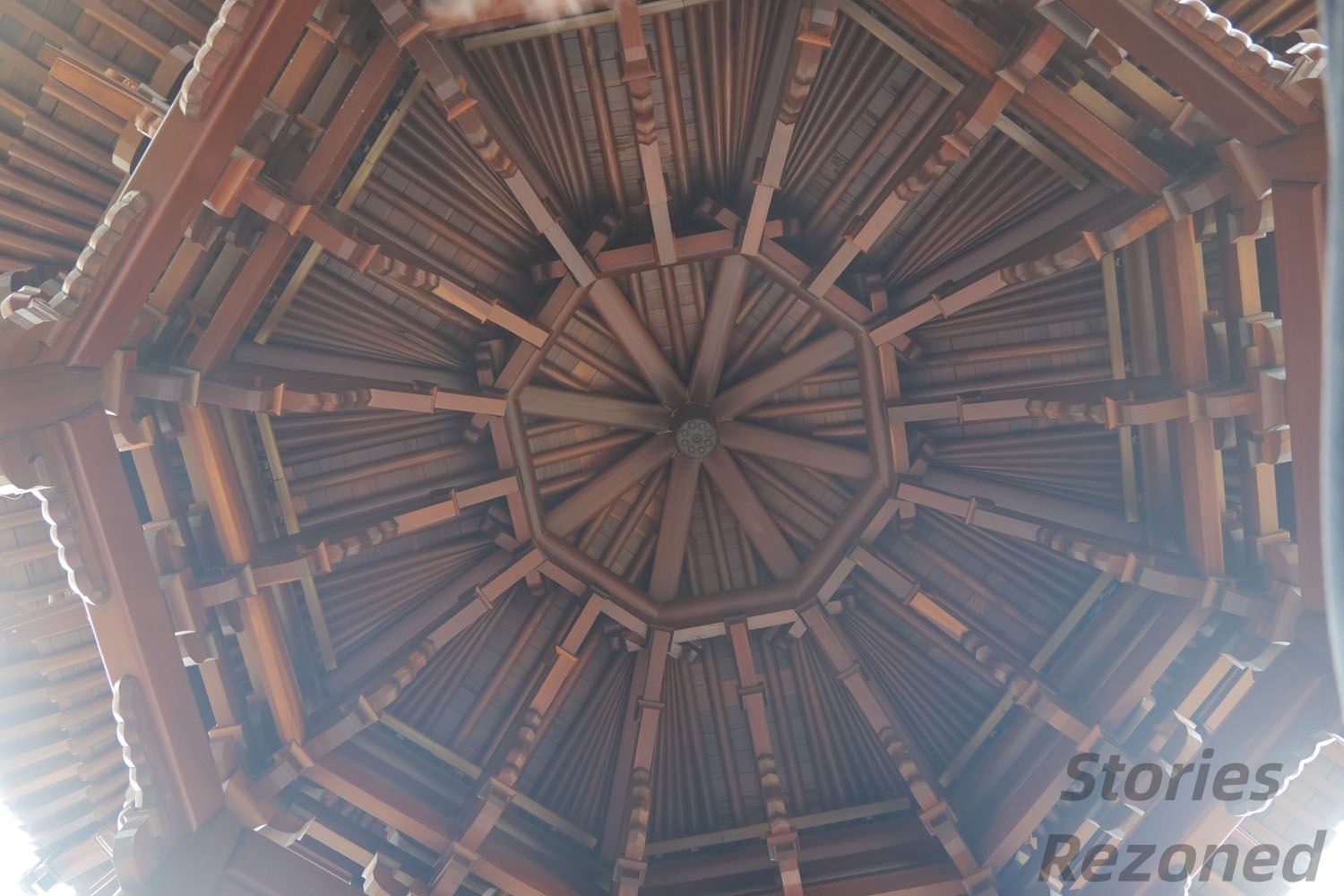
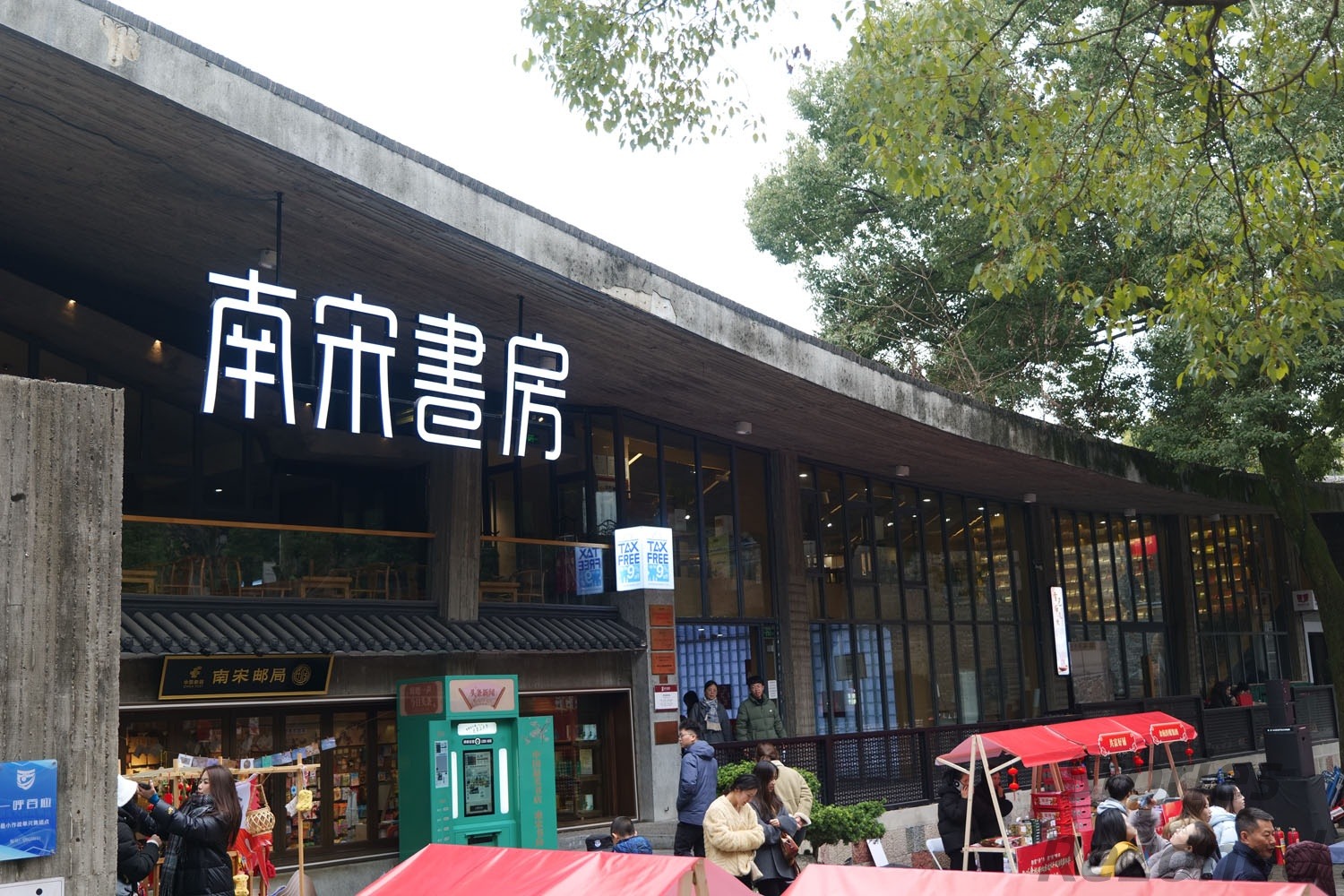
Lin’an was the capital of the Southern Song Dynasty; the Southern Song Study was located in the heart of Lin’an’s central shopping district, where commerce and culture flourished during the imperial days of the South Song. The Southern Song Study is a personal study that experienced the vibrant urban life of Lin’an, continuing its cultural legacy. From the Yuan to the Qing dynasty to modern times, the Southern Song Study has served as an essential cultural-commercial hub in Hangzhou’s Old Town; it has preserved the majority of the old town’s traditional street structure and remains rich in architectural relic sites.
Pre-restoration space: A former community cultural venue, now obsolete
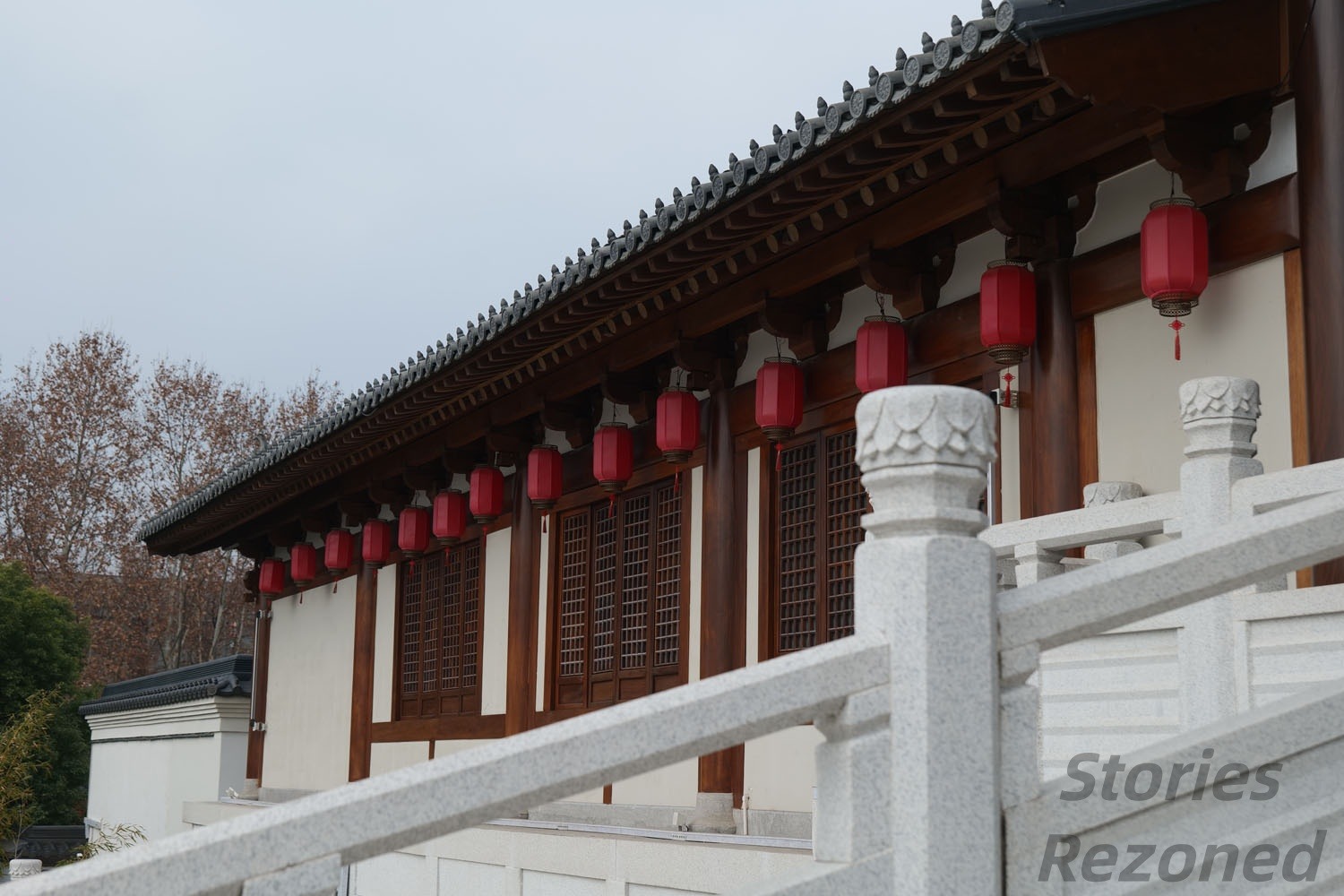
Prior to restoration, the space was already a cultural center. The space had limited use and outdated equipment and could no longer provide the cultural services required today. As the Song-era structure itself was not particularly rare in Hangzhou, it had been underutilized for years.
Initiating Restoration and Main Plan Development (2020-2022)
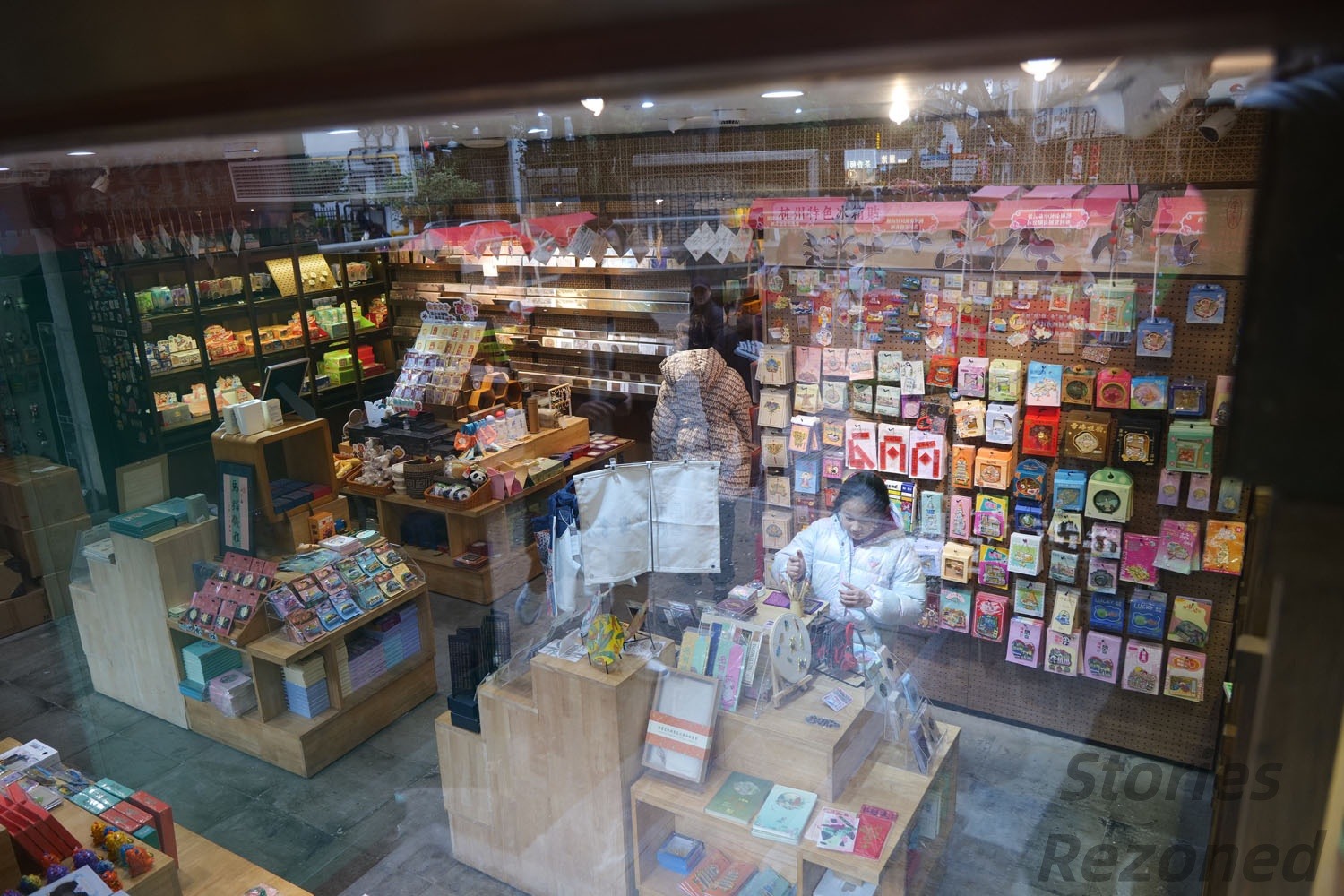
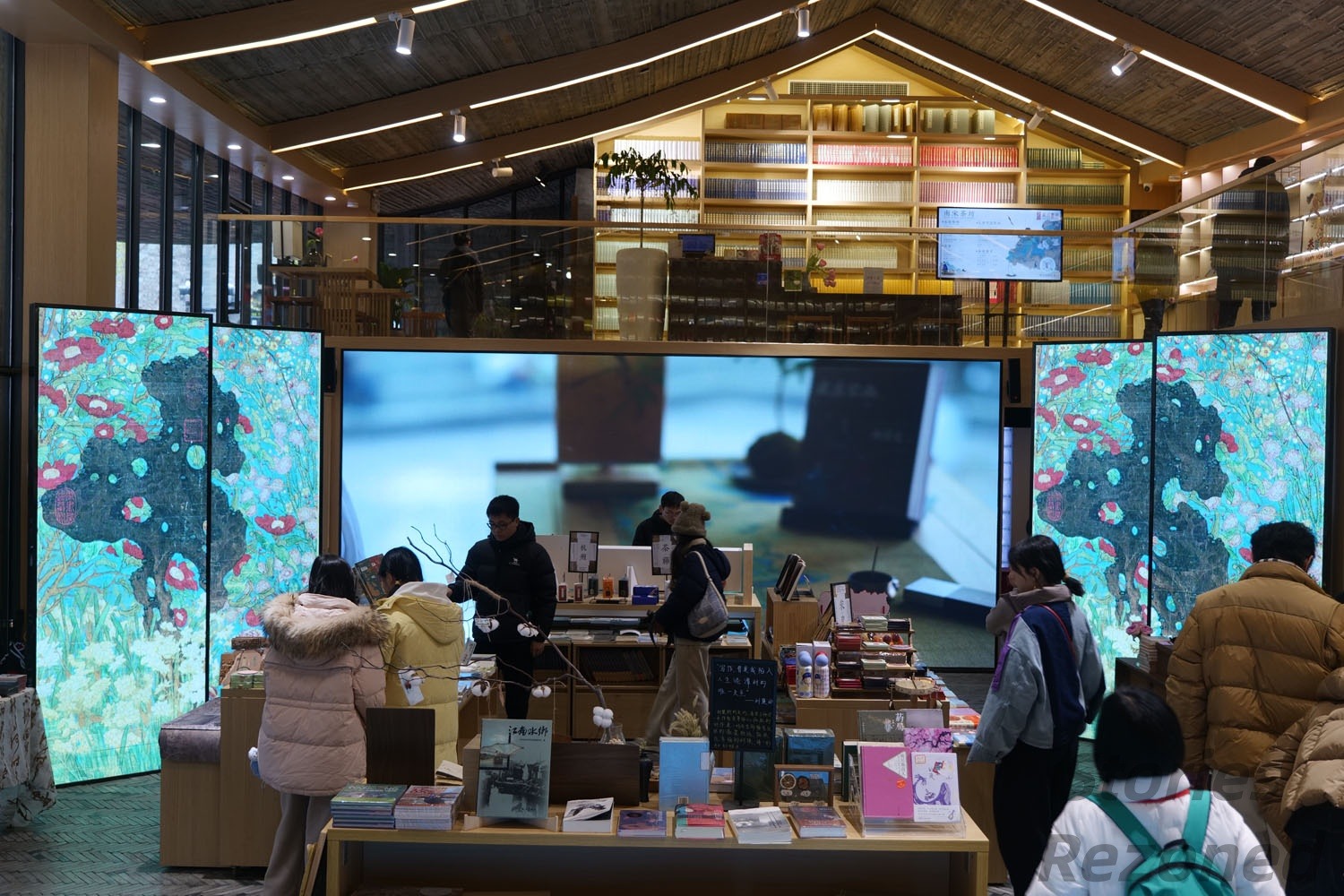
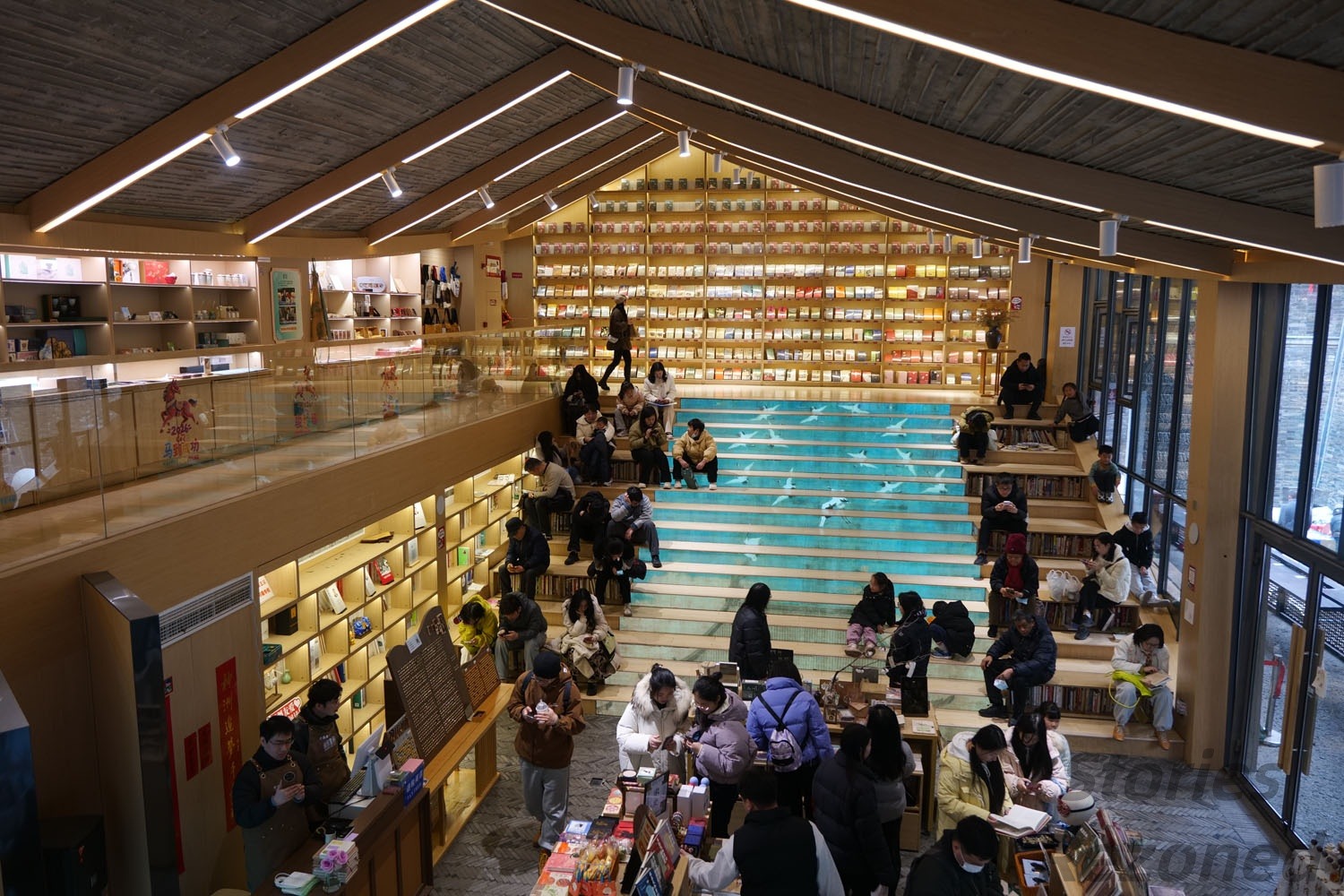
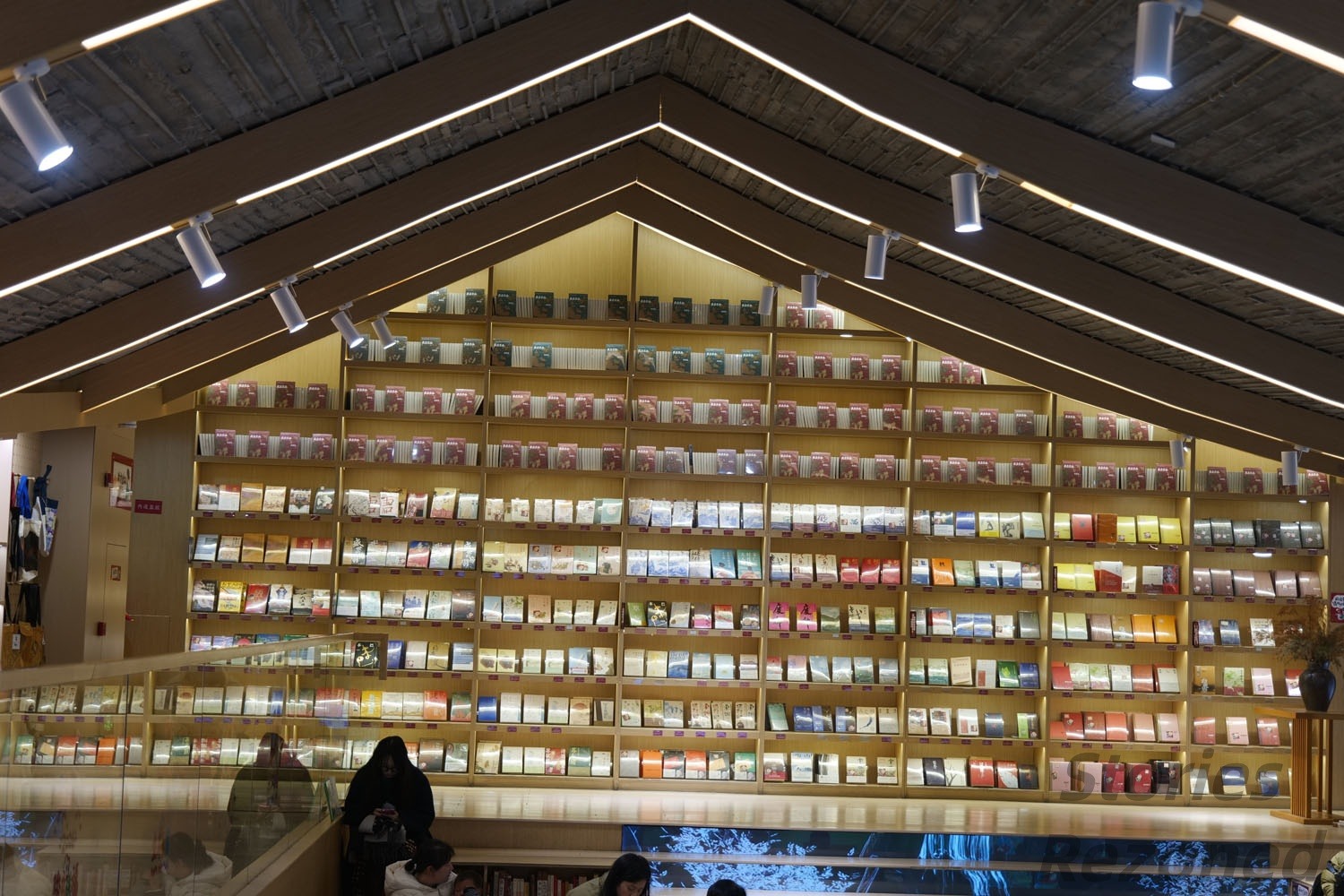
The restoration process was initiated in 2020 and was developed by Pritzker Architecture Prize Laureate Wang Shu. The restored space utilized a combination of the traditional gray brick and black tile material, as well as modern elements like glass curtain walls and stepped bookshelves. The restored space spans around 1,250 square meters. The project was positioned as “a Version 6.0 composite-format bookstore featuring Southern Song culture.” Six programs were created to include: book exhibition, cultural lecture hall, cultural-creative product development, thematic publishing, the Southern Song Post Office, and new media communication. The goal was to establish China’s largest library focused solely on Southern Song culture.
Spatial transformation and implementation of the program (2022-2023)
Architectural design:
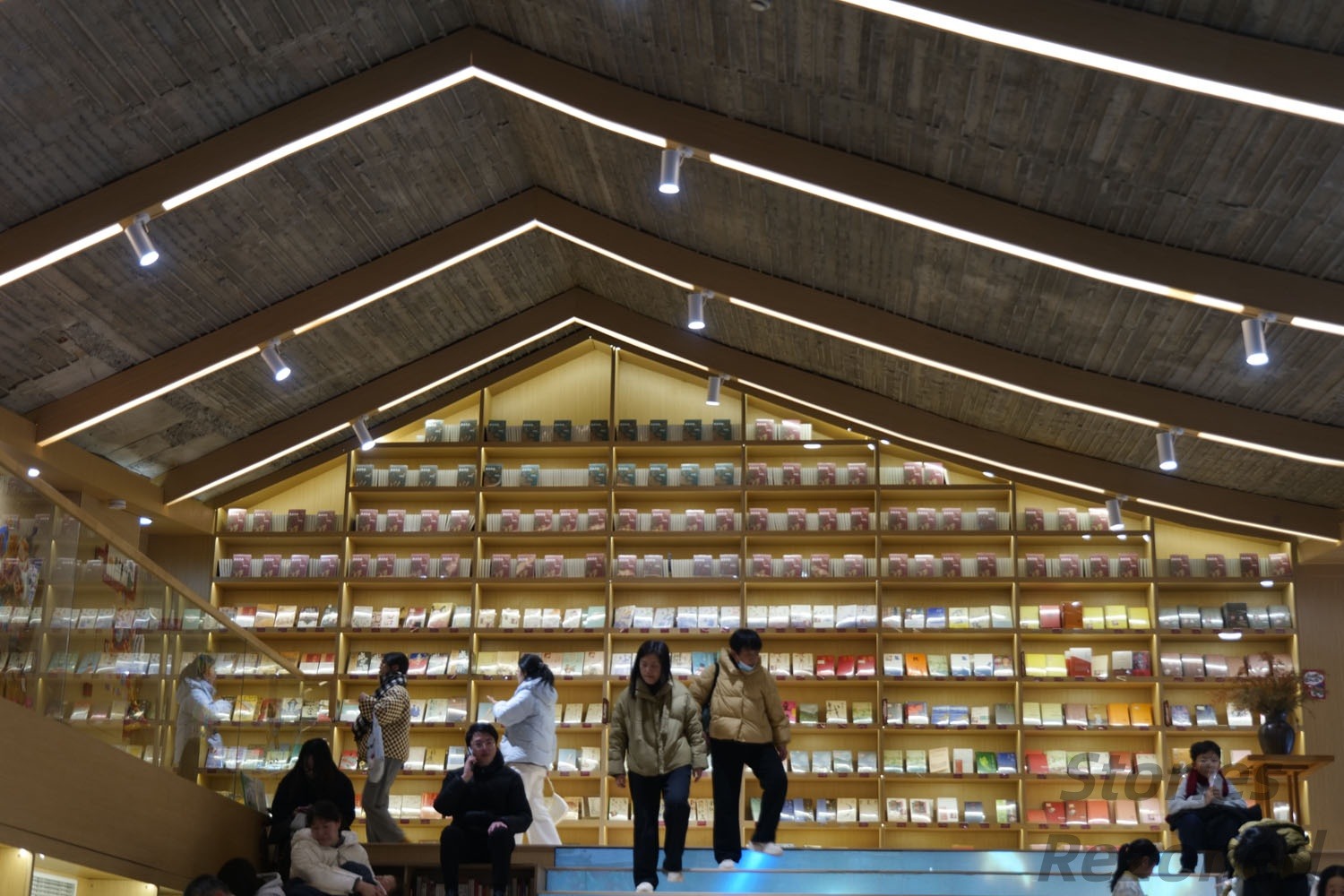
The exterior form of the original building was preserved; however, reinforced concrete and glass were introduced. The second story bookshelves rise up toward the gable roof, establishing a spatial quality similar to that of a traditional book repository. Modern elements, such as LED-integrated staircases, are combined with classic Chinese aesthetics.
Programmatic core content:
The study houses over 20,000 volumes related to Southern Song culture, history, military, education, etc. These volumes include special collections related to Hangzhou, West Lake, and Lin’an. Additionally, the new programs, such as the art cafe and cultural lecture hall, provide an integrated ‘six-in-one’ service model that provides experiences through reading, experiential learning, research, communication, social interaction, and creative production.
Expansion of operations and innovation of cultural content (2023-Present)
The Southern Song Study has become a significant tourist and resident attraction and currently is the sole study location in Hangzhou providing storytelling performances.
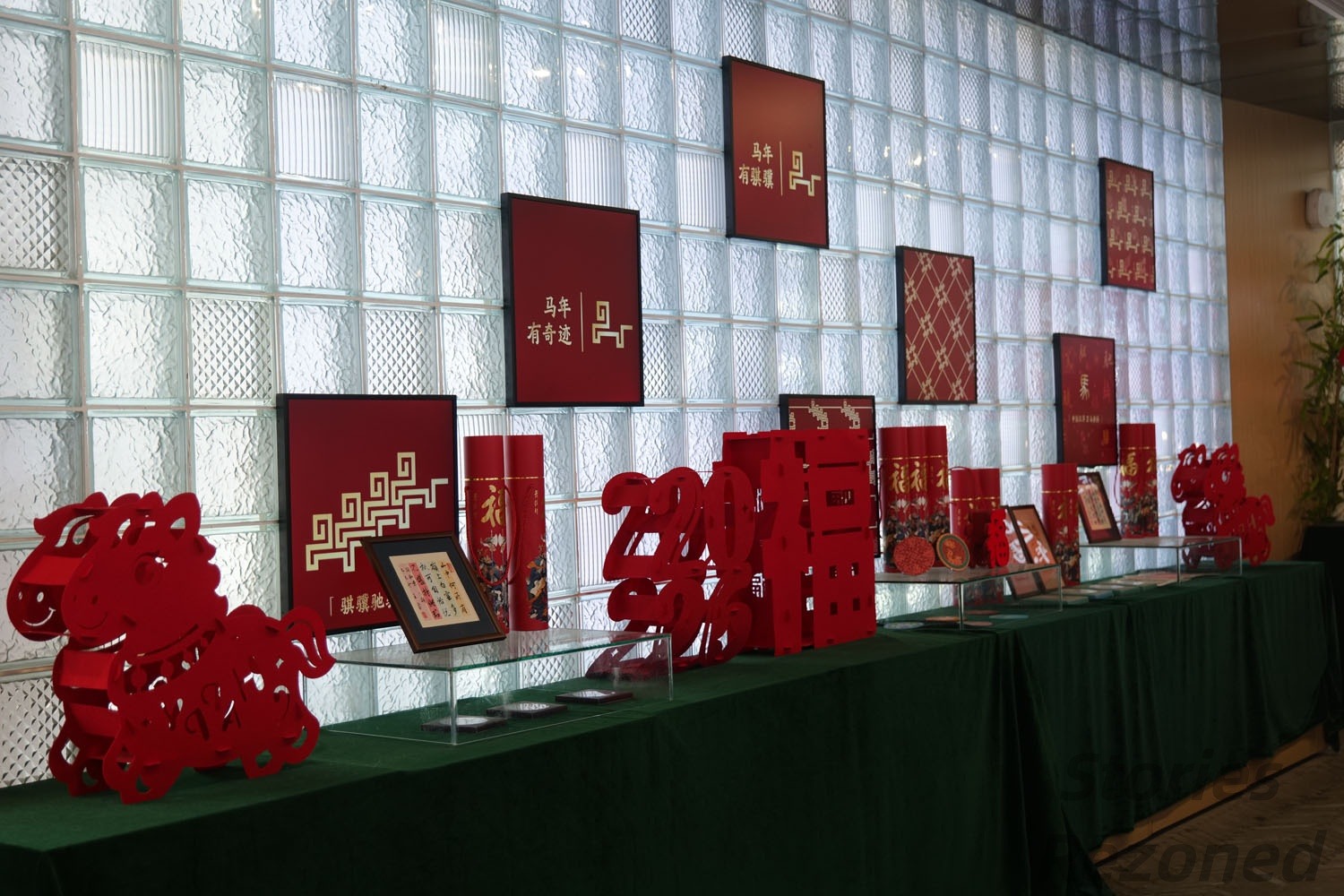
The creation of cultural-creative products, such as Southern Song-style bags and reproductions inspired by the Five Great Kilns, has established a closed loop of cultural consumption based on Southern Song heritage.
Publications, such as The Legend of the Southern Song Palace, have enhanced the knowledge base of the period.
An online communication platform has also been launched and links with various media organizations, promoting nationwide reading projects.
Significance and Challenges
The Southern Song Study demonstrates that when culture becomes the core of the space and is successfully commercialized, historic spaces can be successfully transformed into vibrant cultural destinations with long-term vitality. Yet long term challenges remain, balancing commercial operation with authenticity of cultural content and ensuring that excess entertainment does not dilute the historical essence of the core of the site.
Reference
- China News Service. “(文化中国行) 世界读书日探访杭州南宋书房:在这里读懂南宋.” 15 Nov. 2025, m.chinanews.com/wap/detail/chs/zwsp/10204591.shtml. Accessed 18 Dec. 2025.
- Hangzhou Daily. “南宋书房焕新:宋韵文化的当代表达与活态传承.” 28 Sept. 2025, hzrb.hangzhou.com.cn/hzrb/html/2025-09/28/content_897629.htm. Accessed 18 Dec. 2025.
- Hangzhou Municipal Bureau of Culture, Radio, Television and Tourism. “南宋书房:御街旁的宋韵文化地标.” 6 July 2025, wgly.hangzhou.gov.cn/art/2022/12/14/art_1229707586_58943532.html. Accessed 18 Dec. 2025.
- Shangcheng District People’s Government of Hangzhou. “清河坊历史文化街区更新:南宋书房的活化实践.” 12 Oct. 2025, www.hzsc.gov.cn/zwgk/xzqh/gzdt/202510/t20251012_1386257.htm. Accessed 18 Dec. 2025.
- Shangcheng District News Network. “南宋书房获评浙江省最美书店,解锁宋韵体验新方式.” 27 July 2025, www.hzsc.com.cn/content/content_9820836.html. Accessed 18 Dec. 2025.
- The Paper. “王澍设计加持,杭州南宋书房:让宋韵文化走进日常.” 5 Aug. 2025, www.thepaper.cn/newsDetail_forward_29876541. Accessed 18 Dec. 2025.
- Zhejiang Daily. “宋韵润杭城:南宋书房的复合型文化活化路径.” 18 Nov. 2025, zjrb.cnzjnet.com/html/2025-11/18/content_421568.htm. Accessed 18 Dec. 2025.
- Zhejiang Provincial Department of Culture and Tourism. “浙江省文化遗产活化典型案例 —— 杭州南宋书房.” 30 Oct. 2025, wlt.zj.gov.cn/art/2025/10/30/art_1234567_890123.htm. Accessed 18 Dec. 2025.