
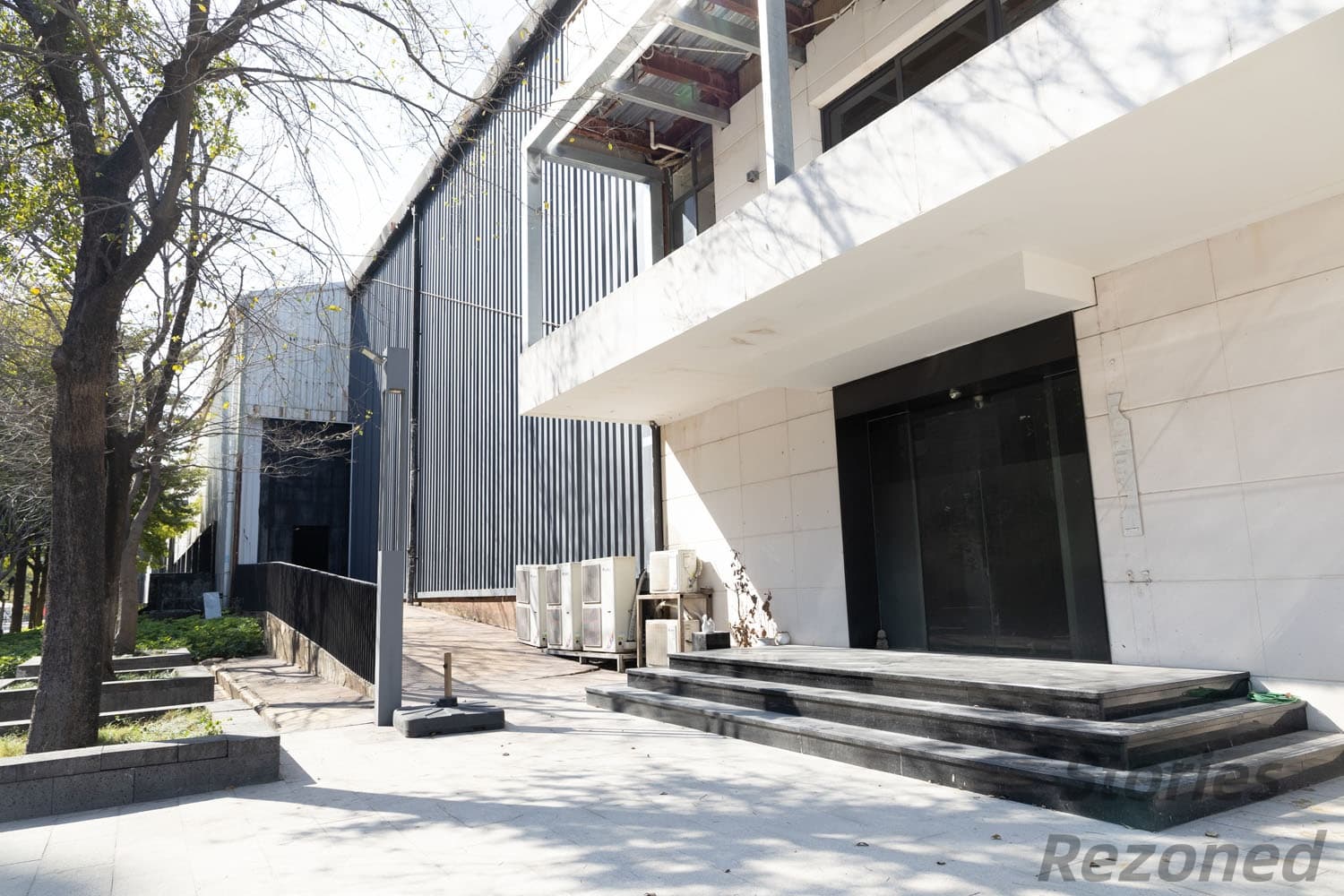
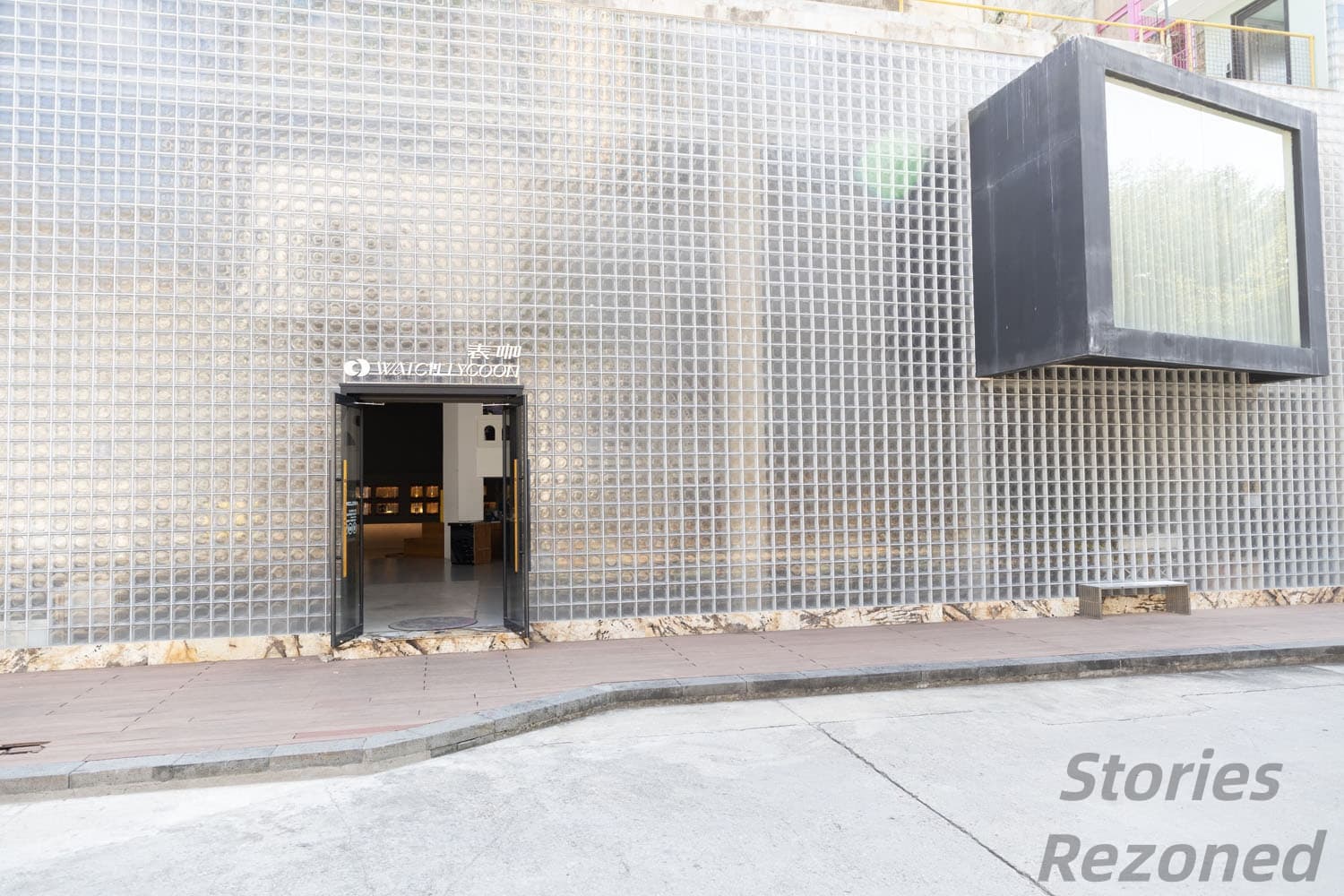
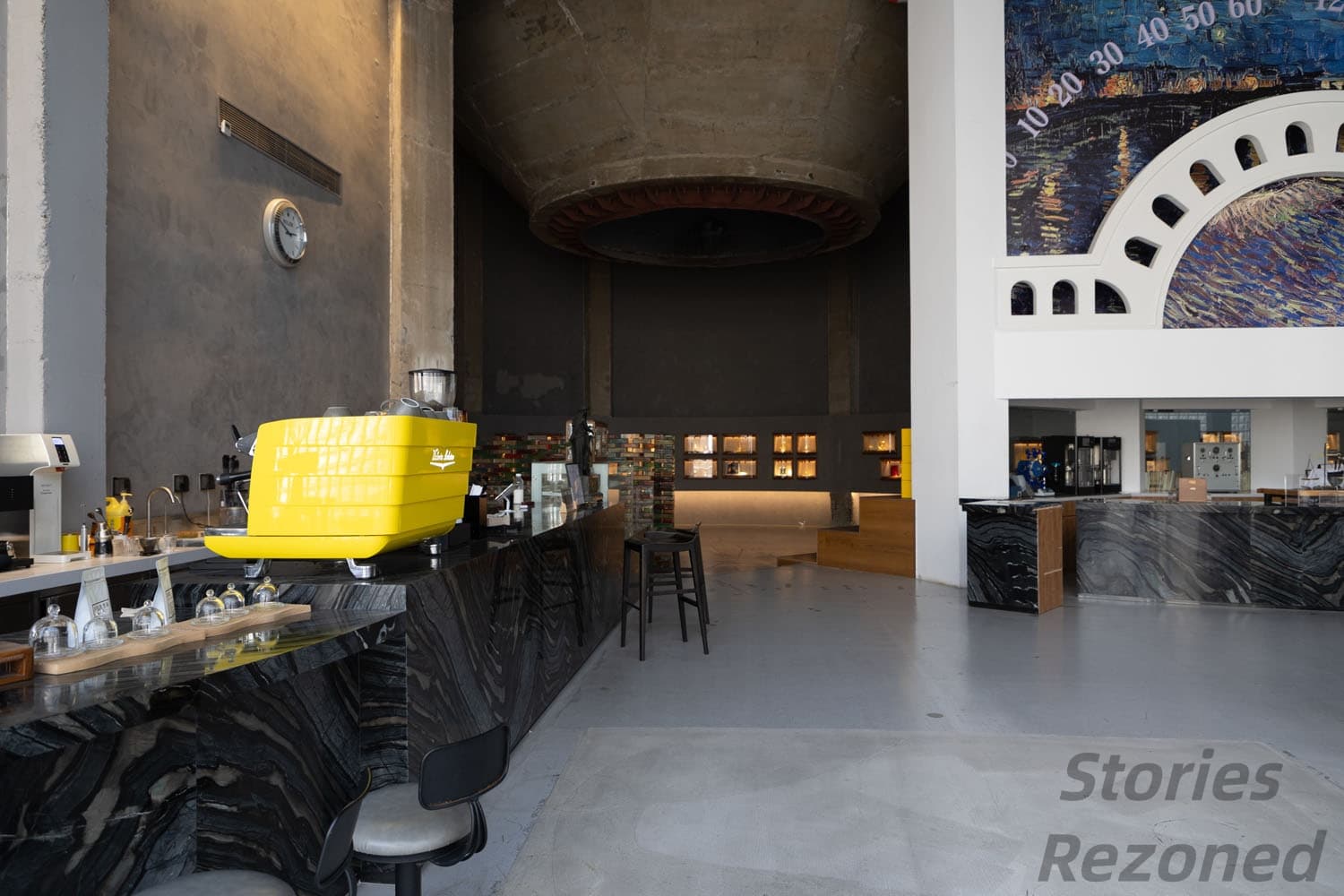
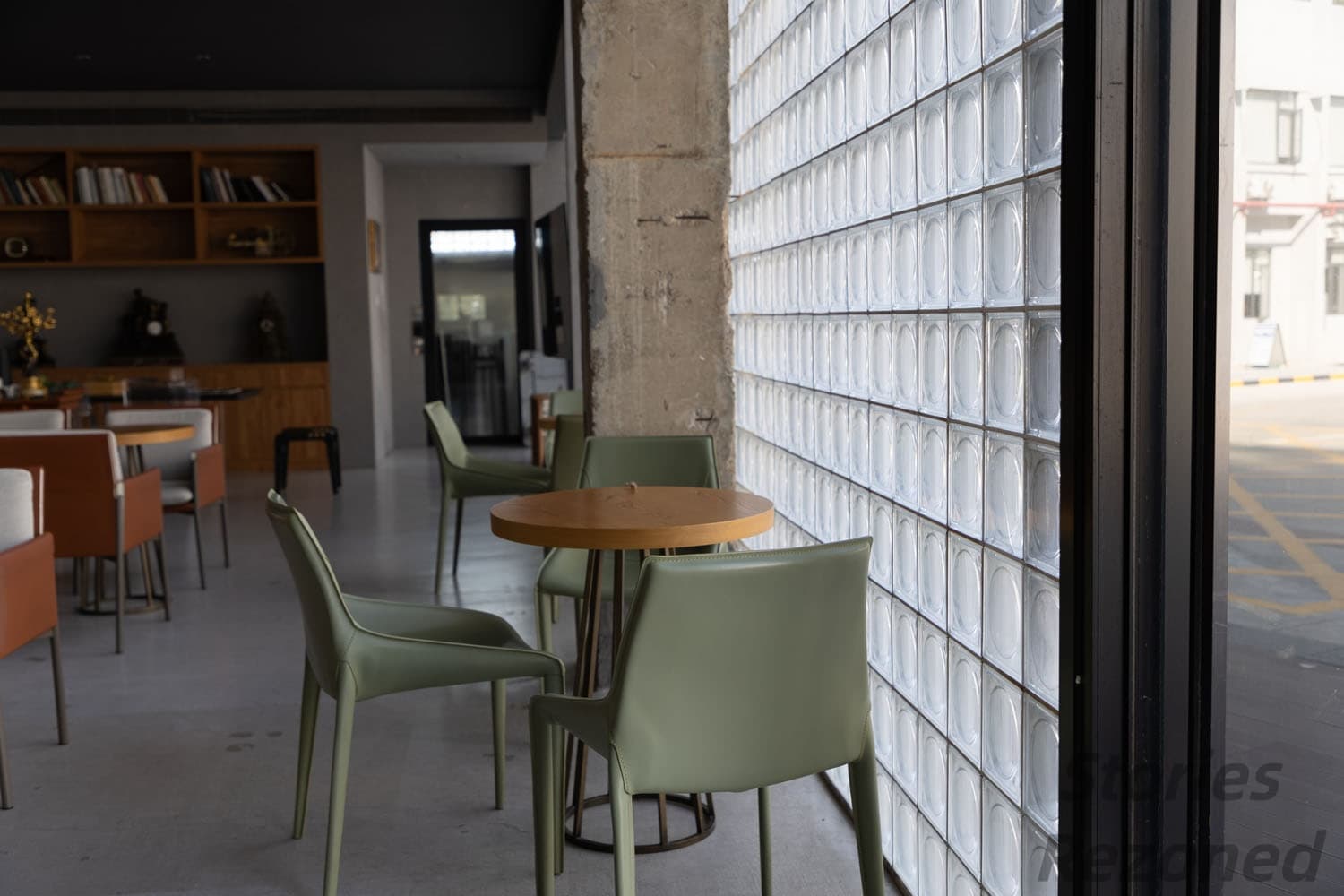
Past: Early Stages of Industrialization in Shekou’s Reform and Opening-Up (1985-2009)
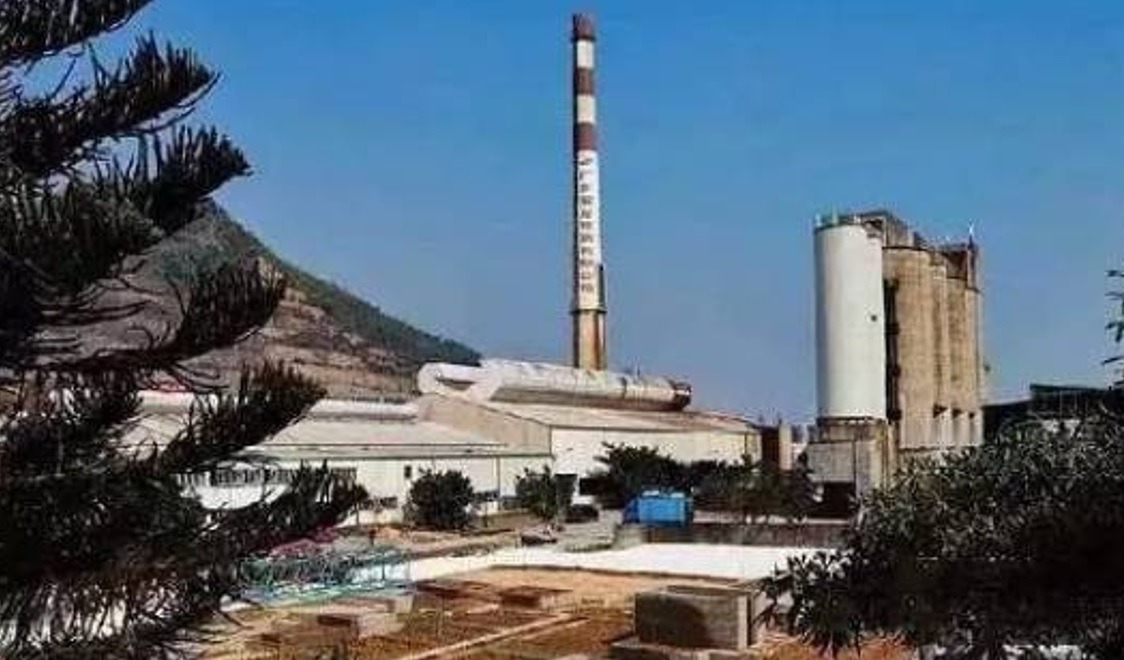
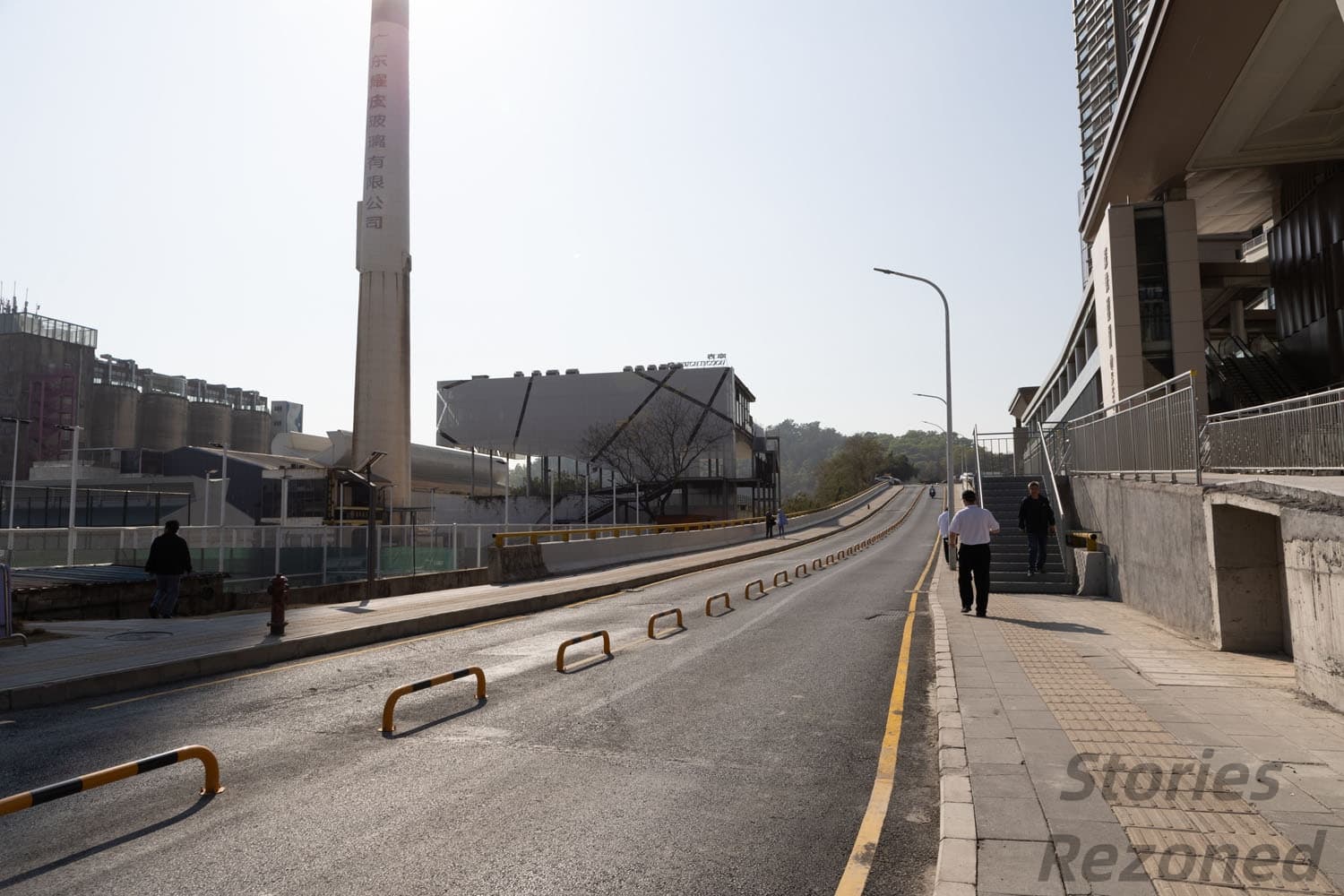
Guangdong Float Glass Factory is the previous name for today’s Value Factory. Its predecessor was established in 1985 and developed as one of Shenzhen’s first and most prominent industrial projects when the city was still developing during the initial stages of the country’s “reform and opening up.” It was a joint venture of China, the U.S., and Thailand that brought to the region state-of-the-art float glass production technology, exemplifying both the technological level and openness of Shekou’s early stage of industrialization. The factory had a large-scale production facility featuring many vertical workshops, large silos, long conveyor corridors, and large industrial chimneys. At that time, the factory was one of the largest bases in Southern China for producing architectural glass and served as a visible representation of the spirit of Shekou’s early stage of industrialization “time is money; efficiency is life.”
As Shenzhen continued to develop through the process of industrial upgrading and the transition of functions from industrial use to urban use, traditional manufacturing with high levels of energy consumption were gradually relocated. Guangdong Float Glass Factory ceased all production in 2009, resulting in a vacant property facing potential demolition and an urgent need for the preservation and revitalization of the site.
Present: Preservation and Revitalization of The Site Through Heritage Conservation and Industrial Evolution (2013-Present)
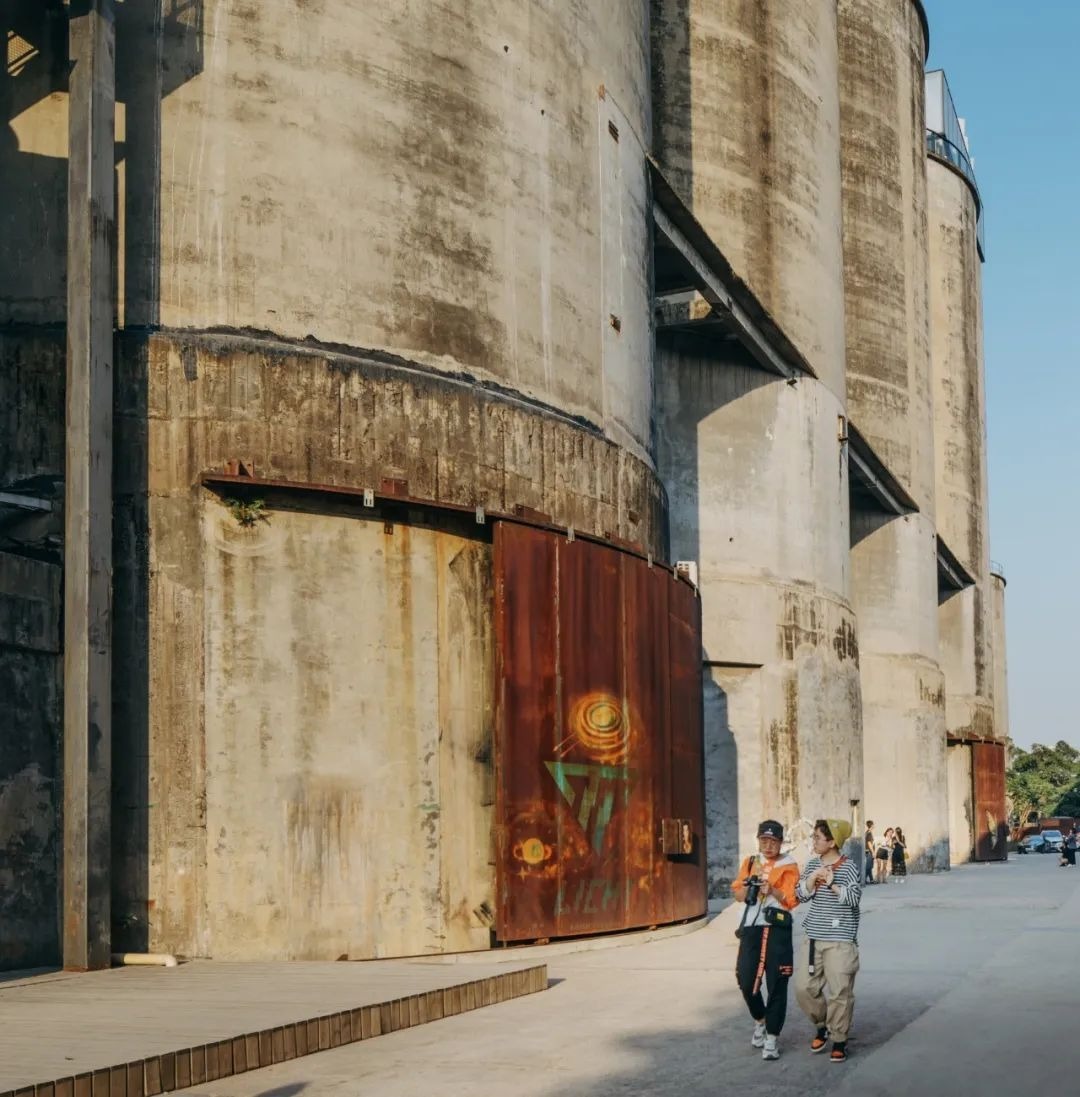
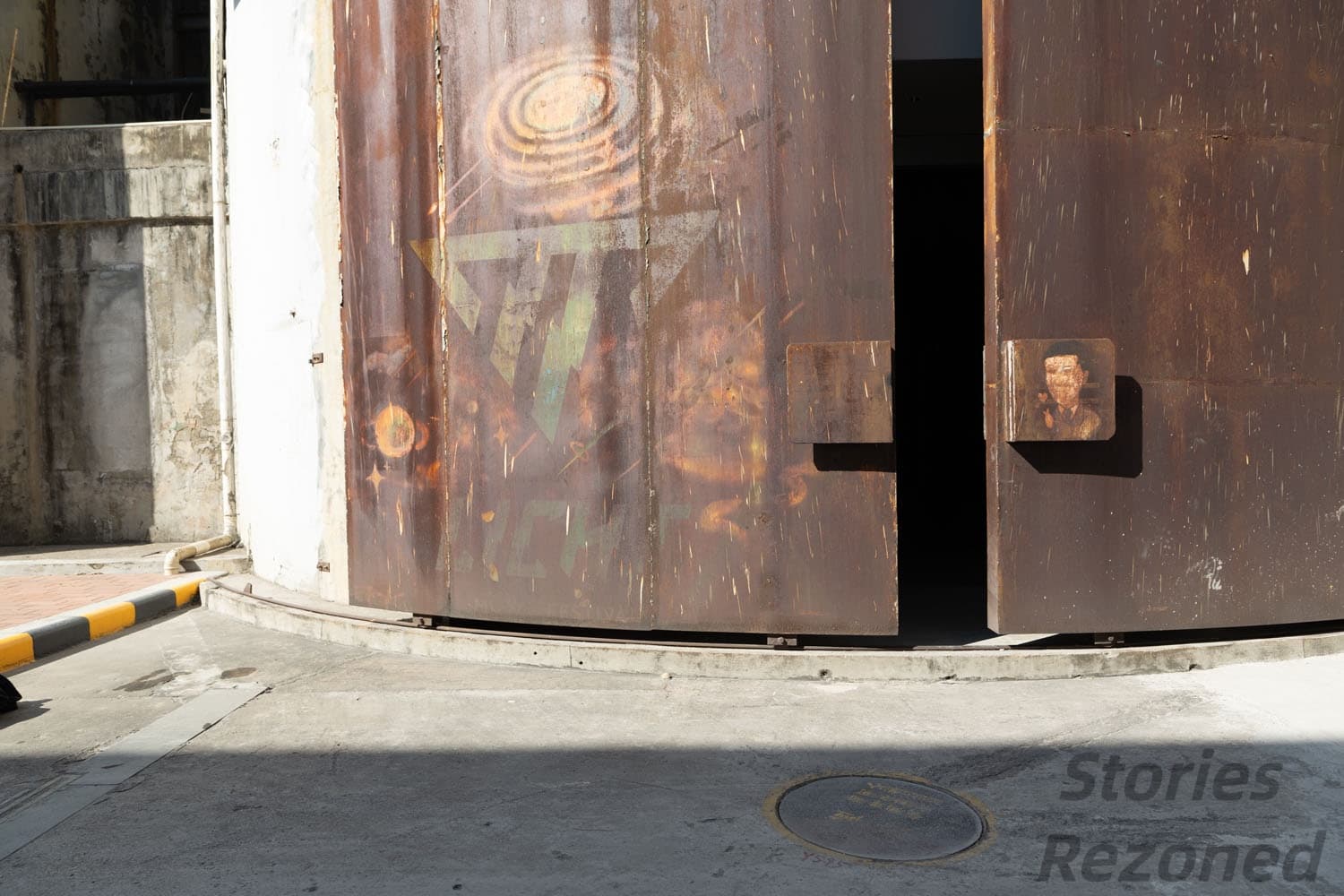
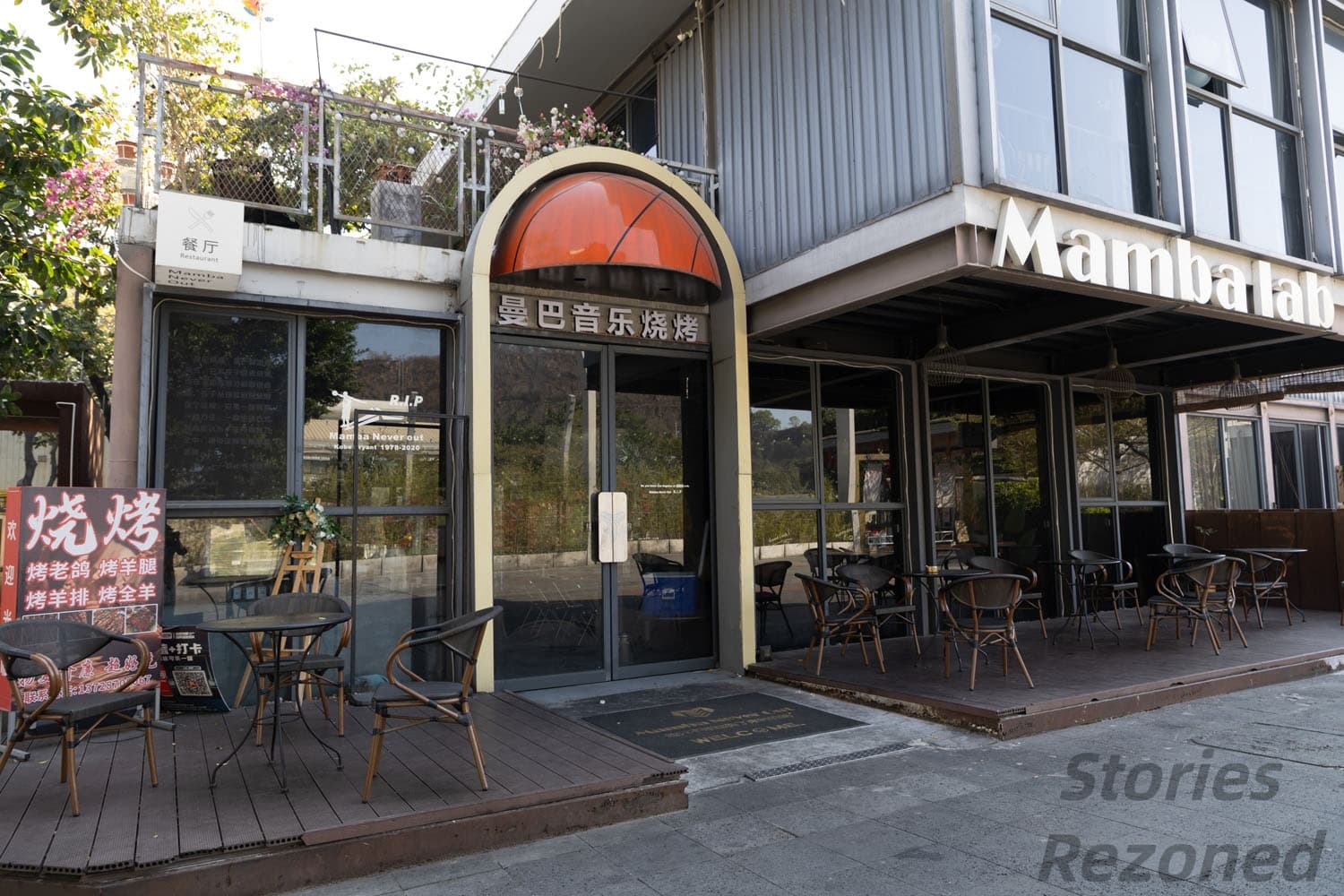
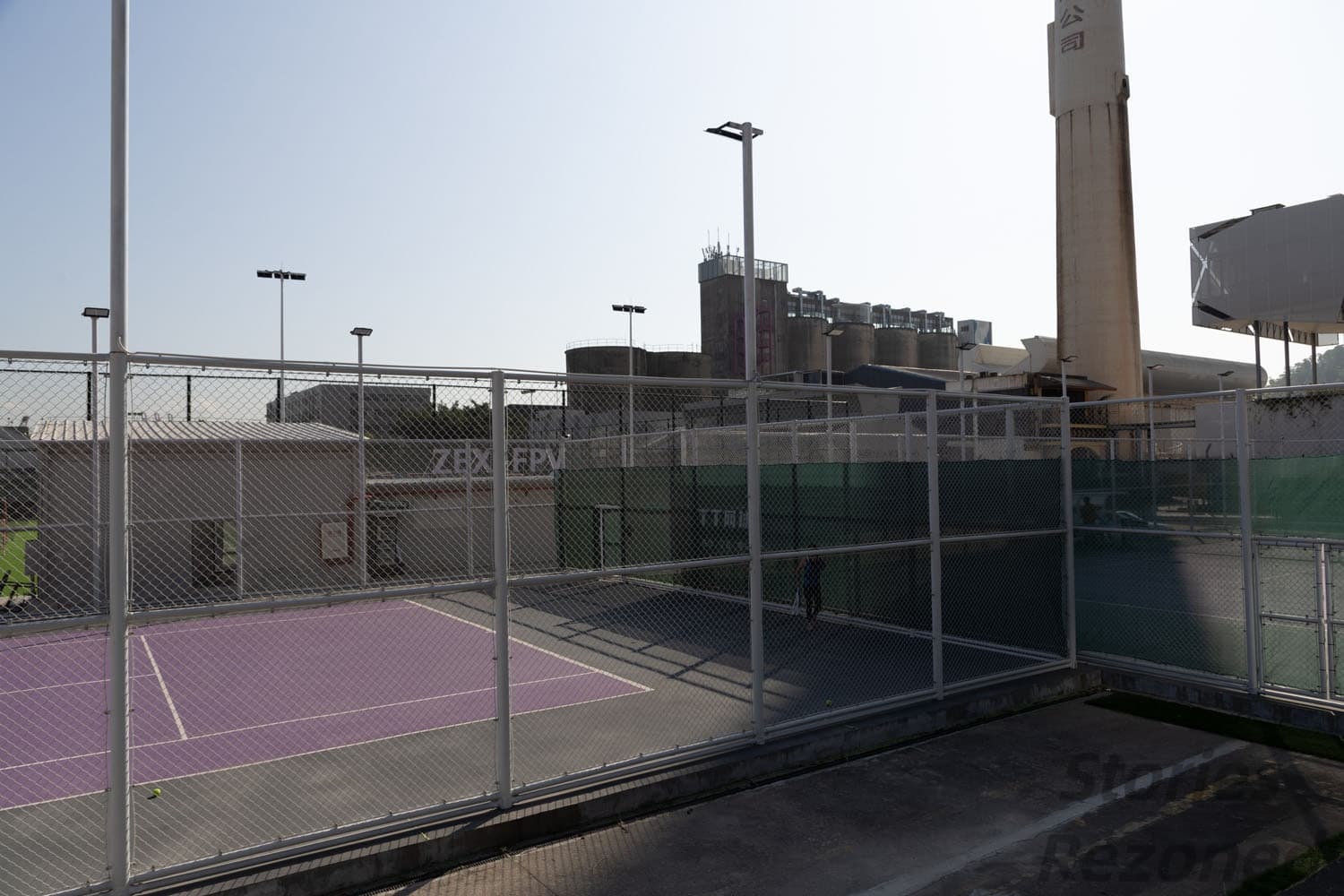
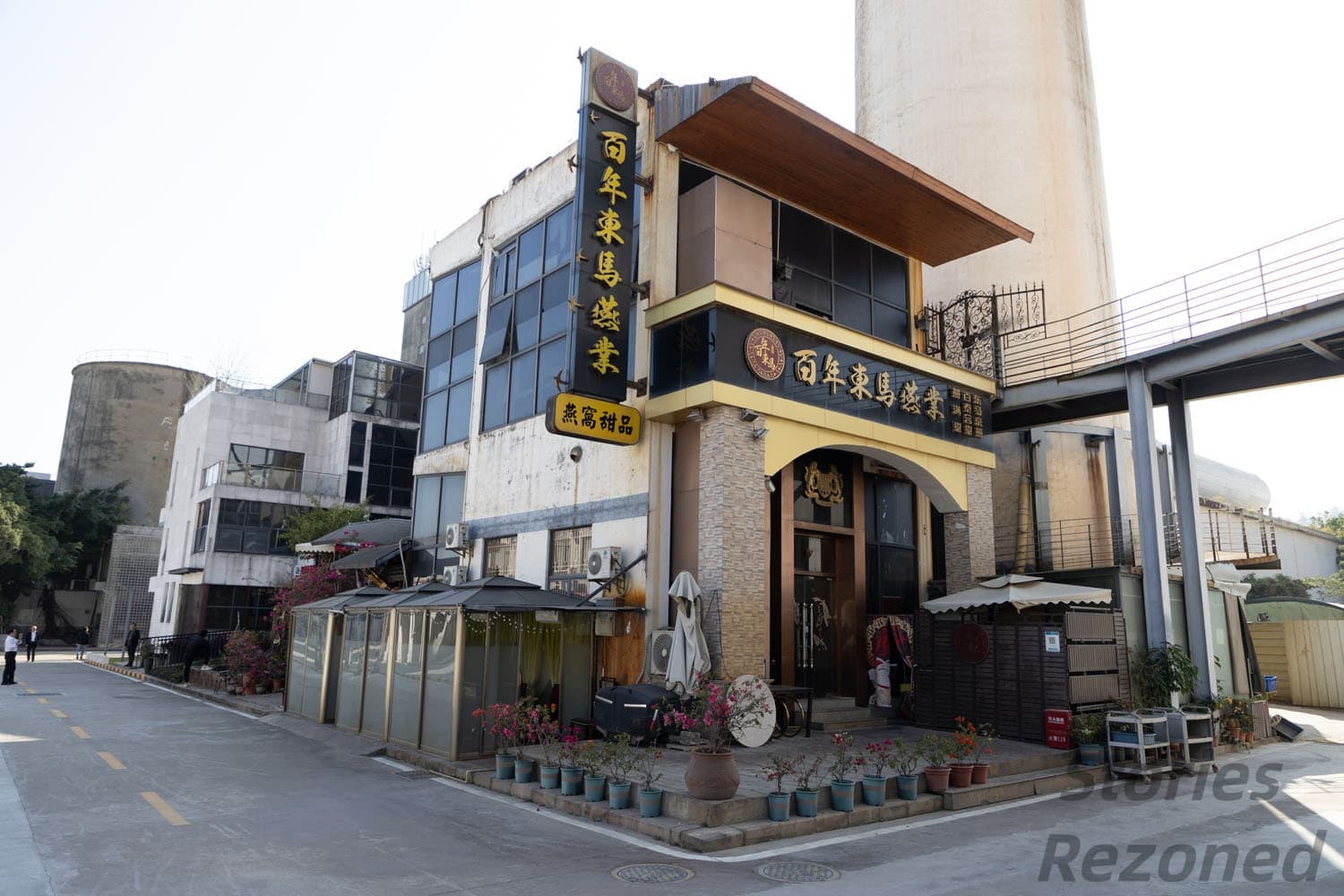
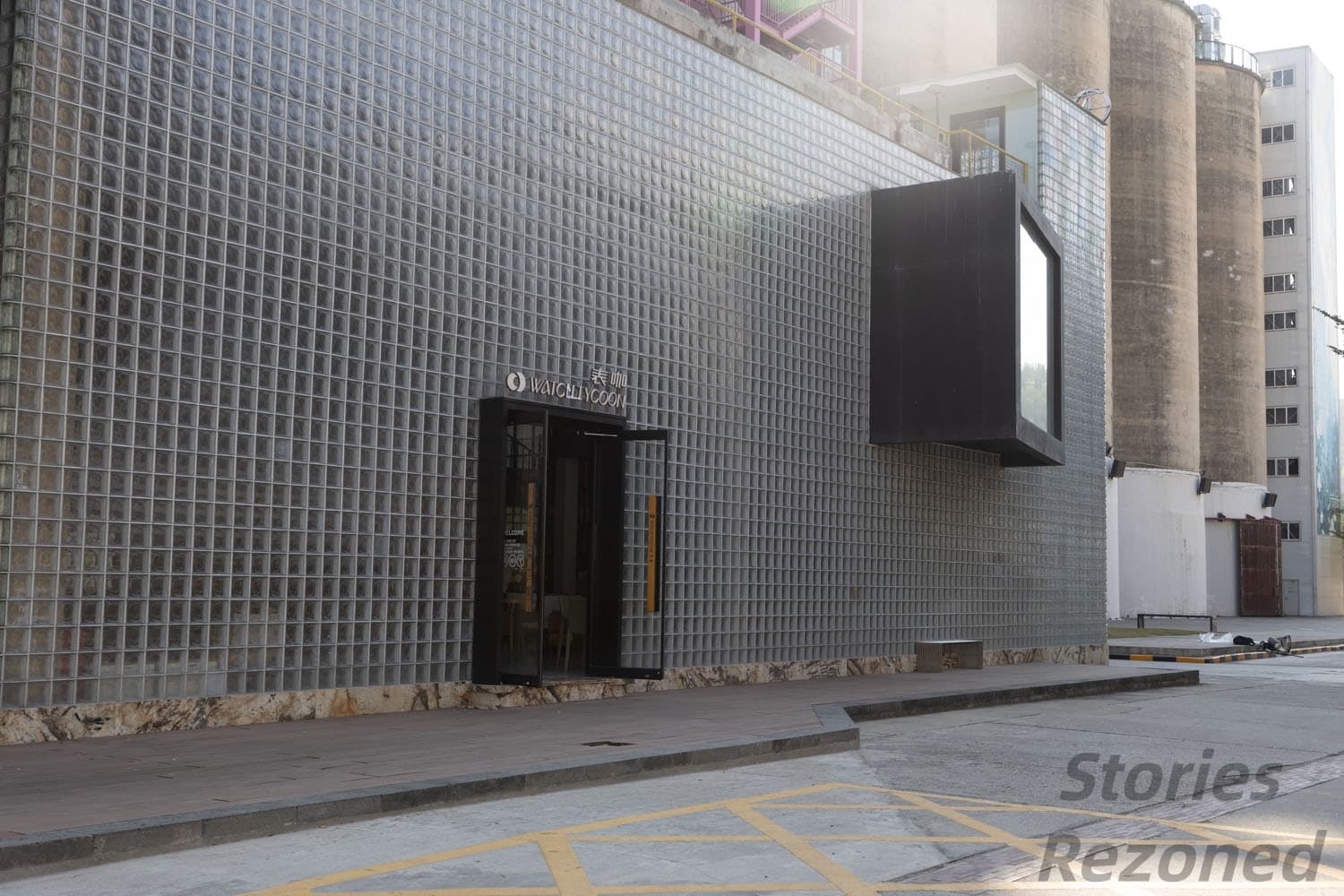
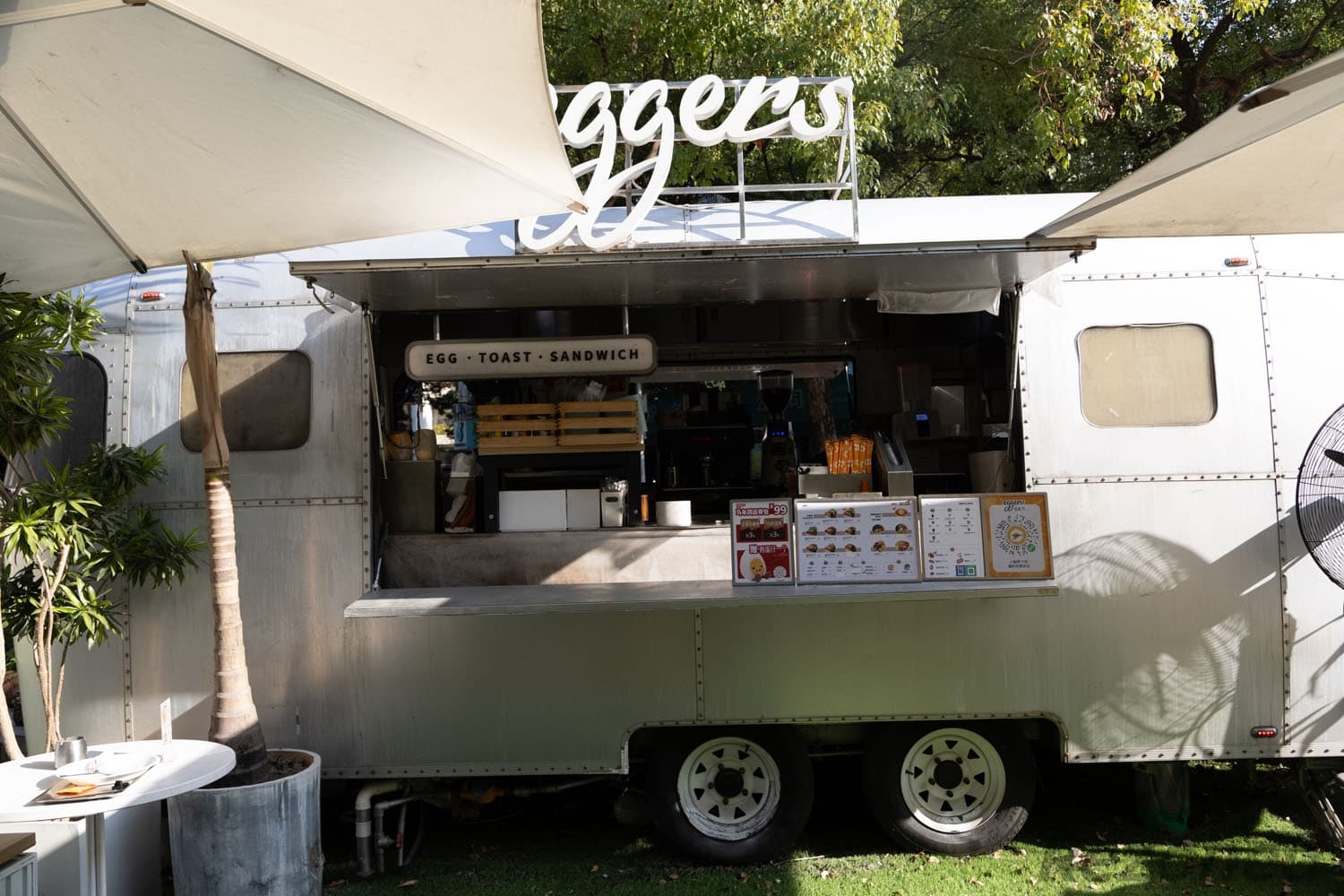
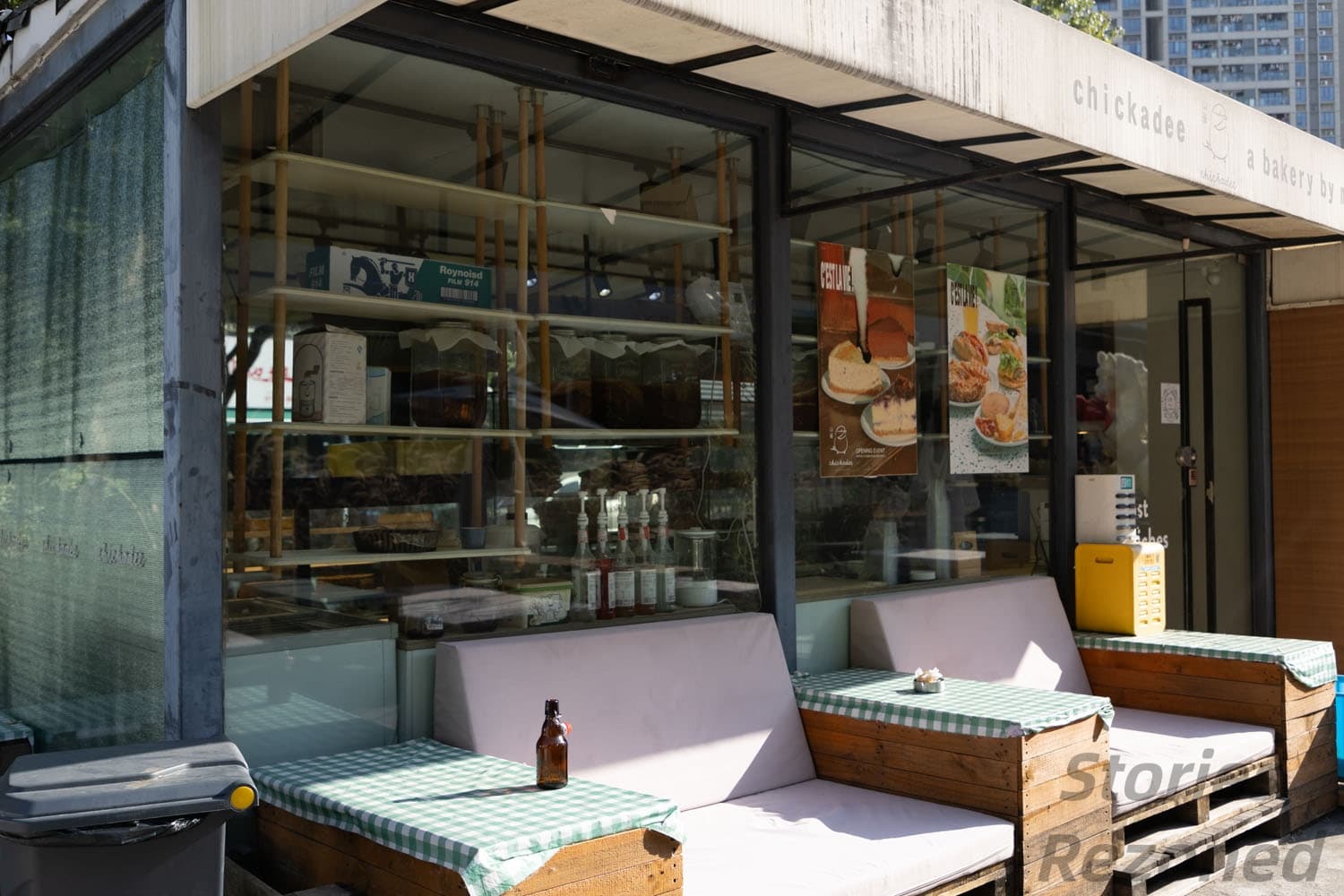
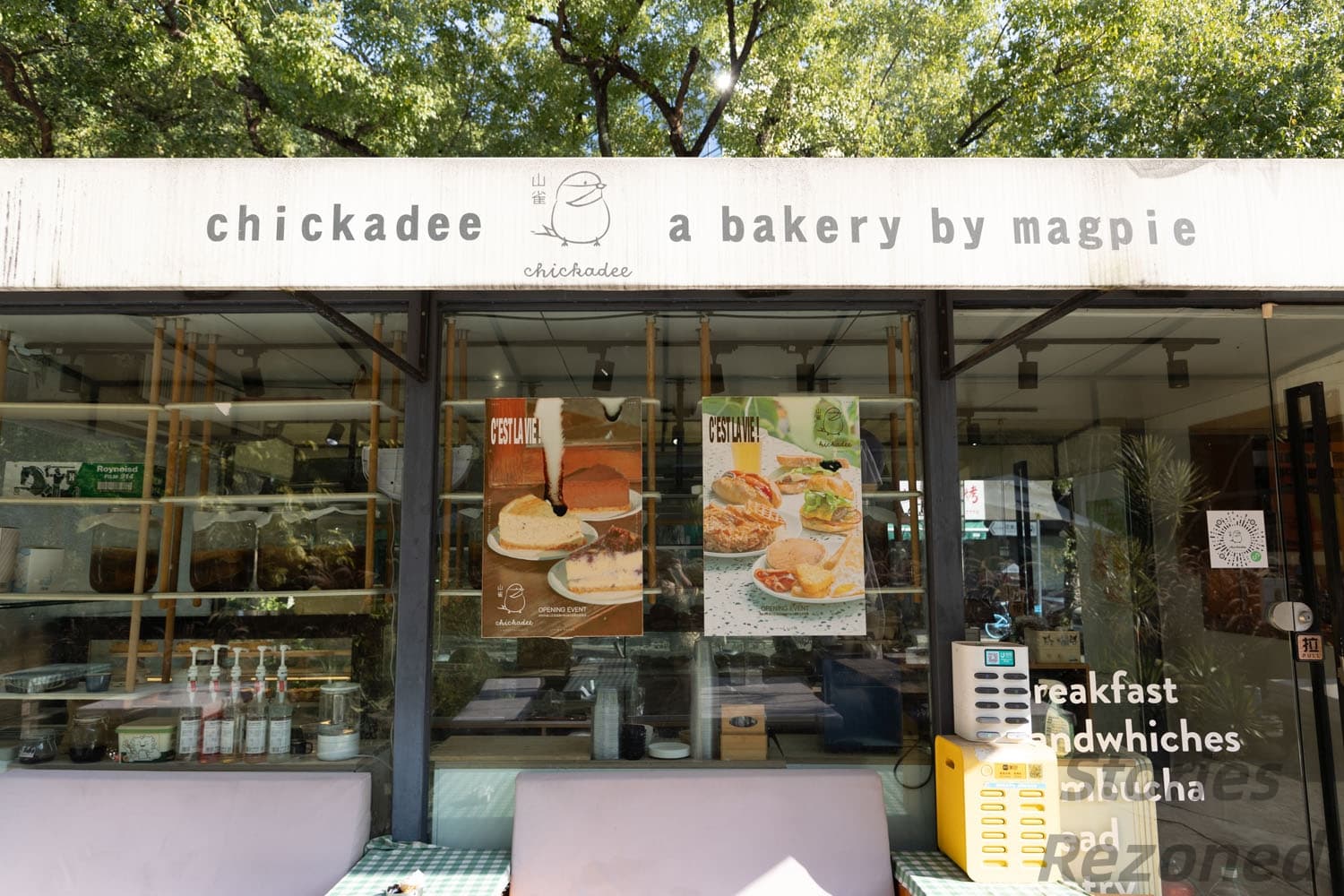
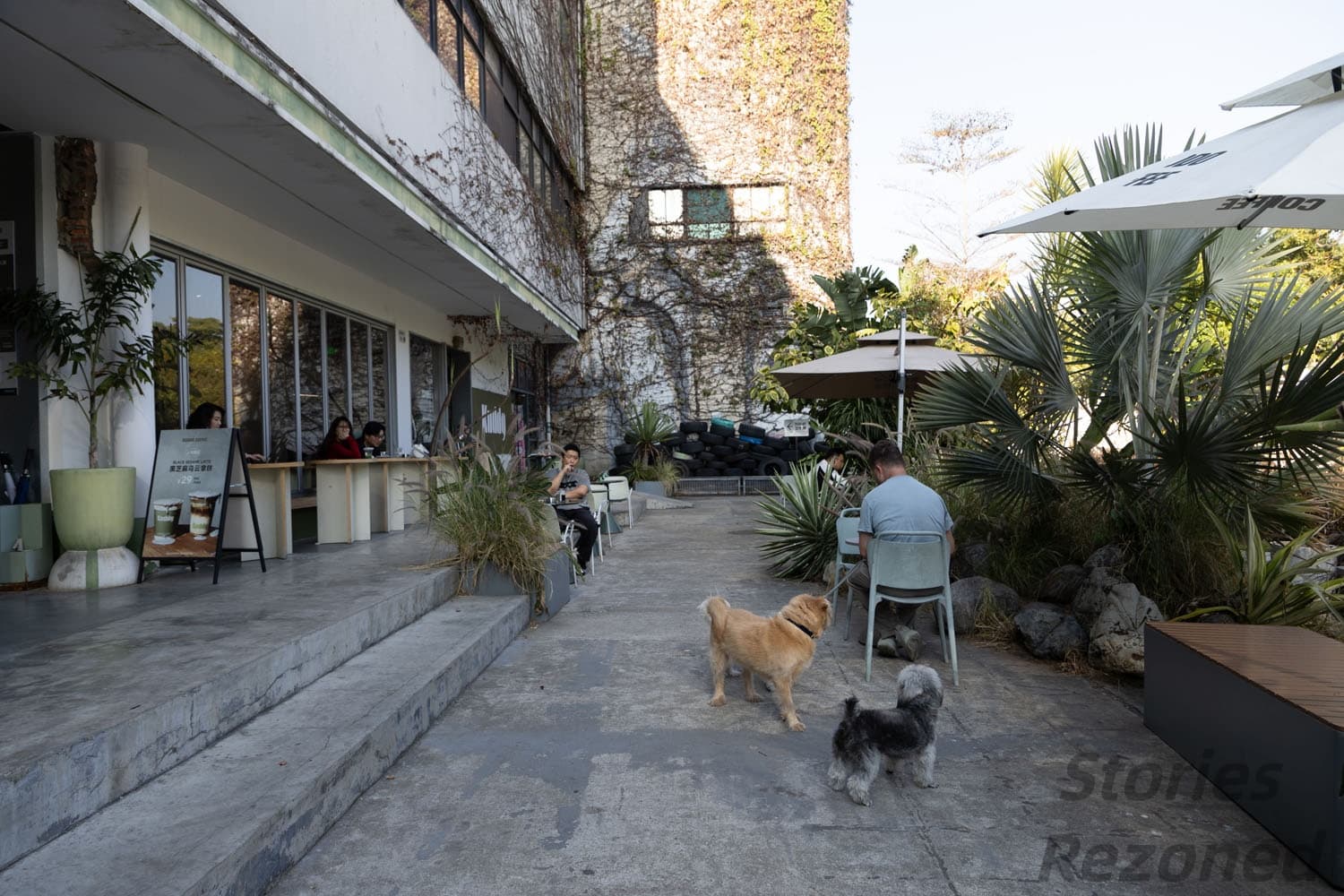
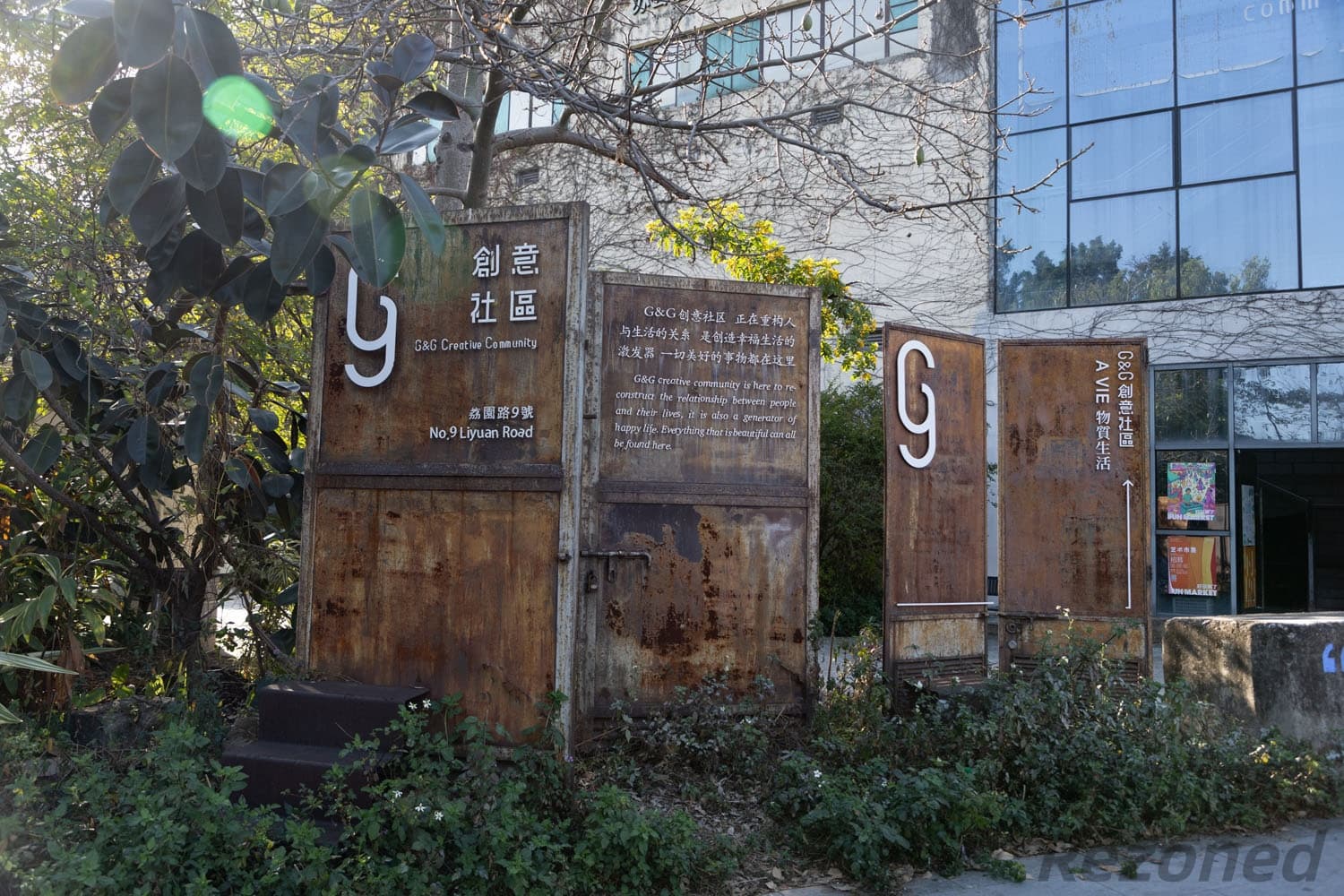
In 2013, the site was selected as the primary venue for the Bi-City Biennale of Urbanism/Architecture (Shenzhen-Hong Kong), and began protective renovation and renamed it Value Factory. The overall design strategy of the renovation involved minimal intervention based on the idea of preserving as much of the original factory structure as possible, including the original silos, equipment and industrial features. This resulted in the conversion of old production spaces into exhibition halls, theaters, studios, and public areas. As a result of this conversion, Value Factory quickly became a distinctively recognized cultural landmark and youth hub in Shenzhen, and a nationally well-known film location for The Mermaid.
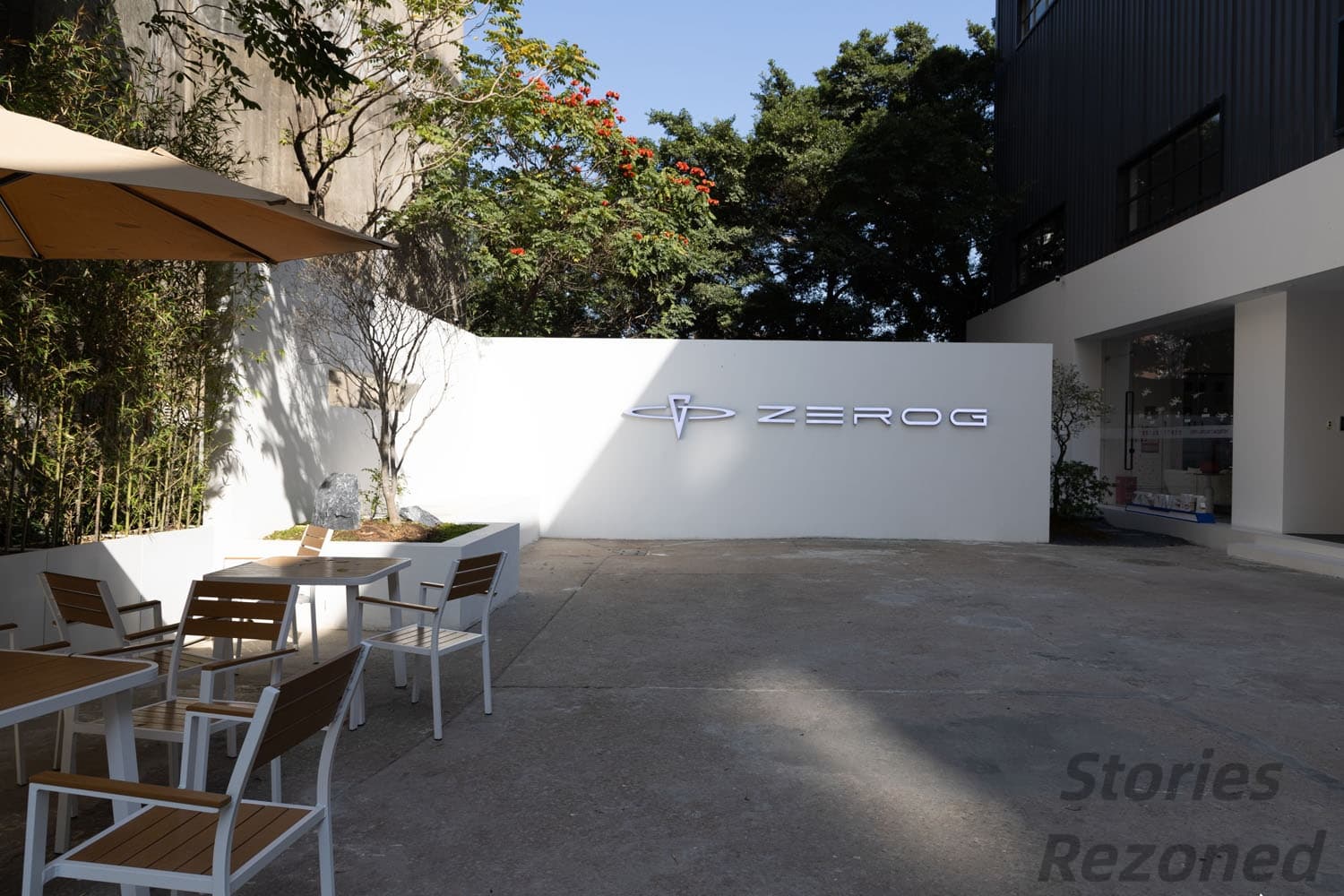
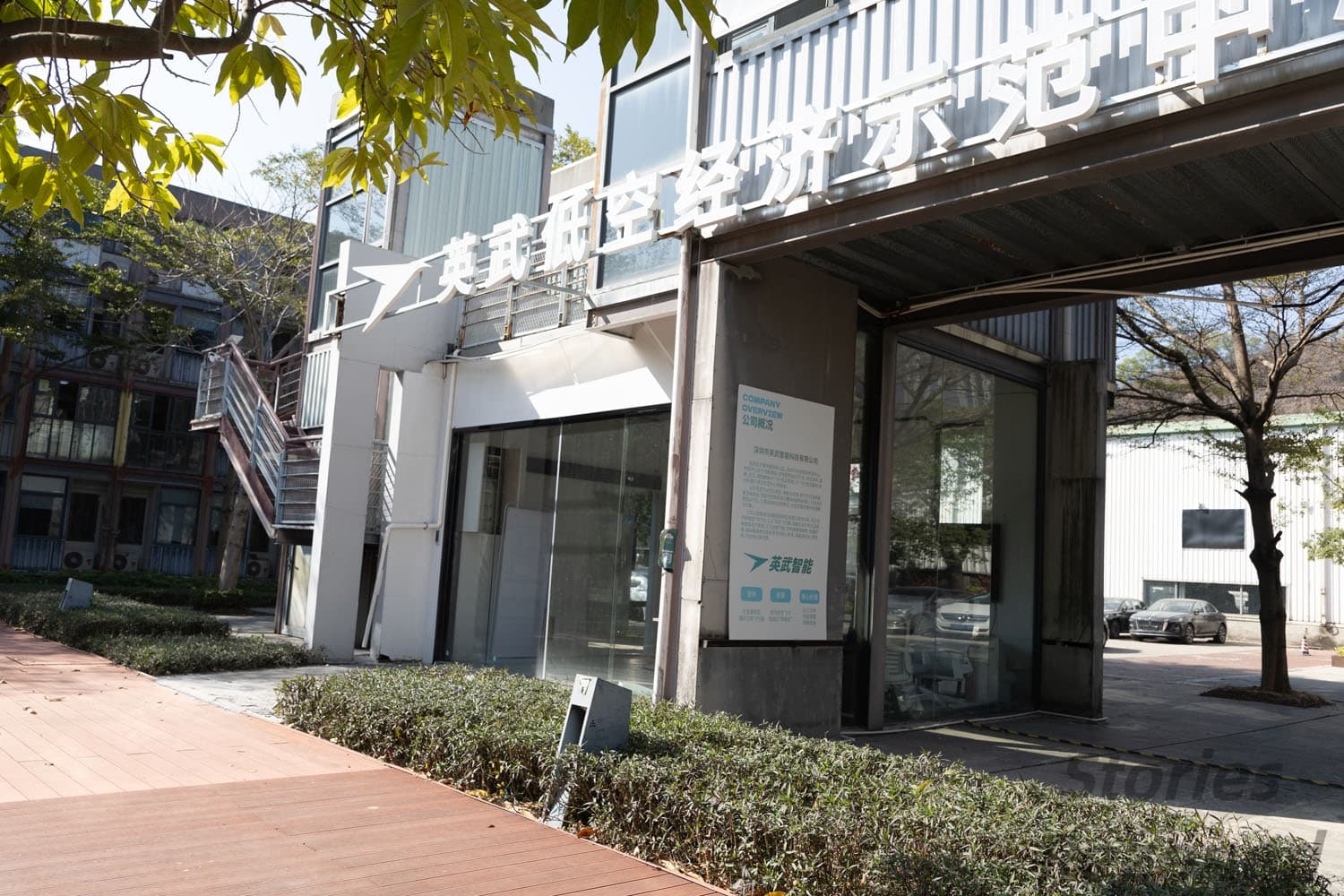
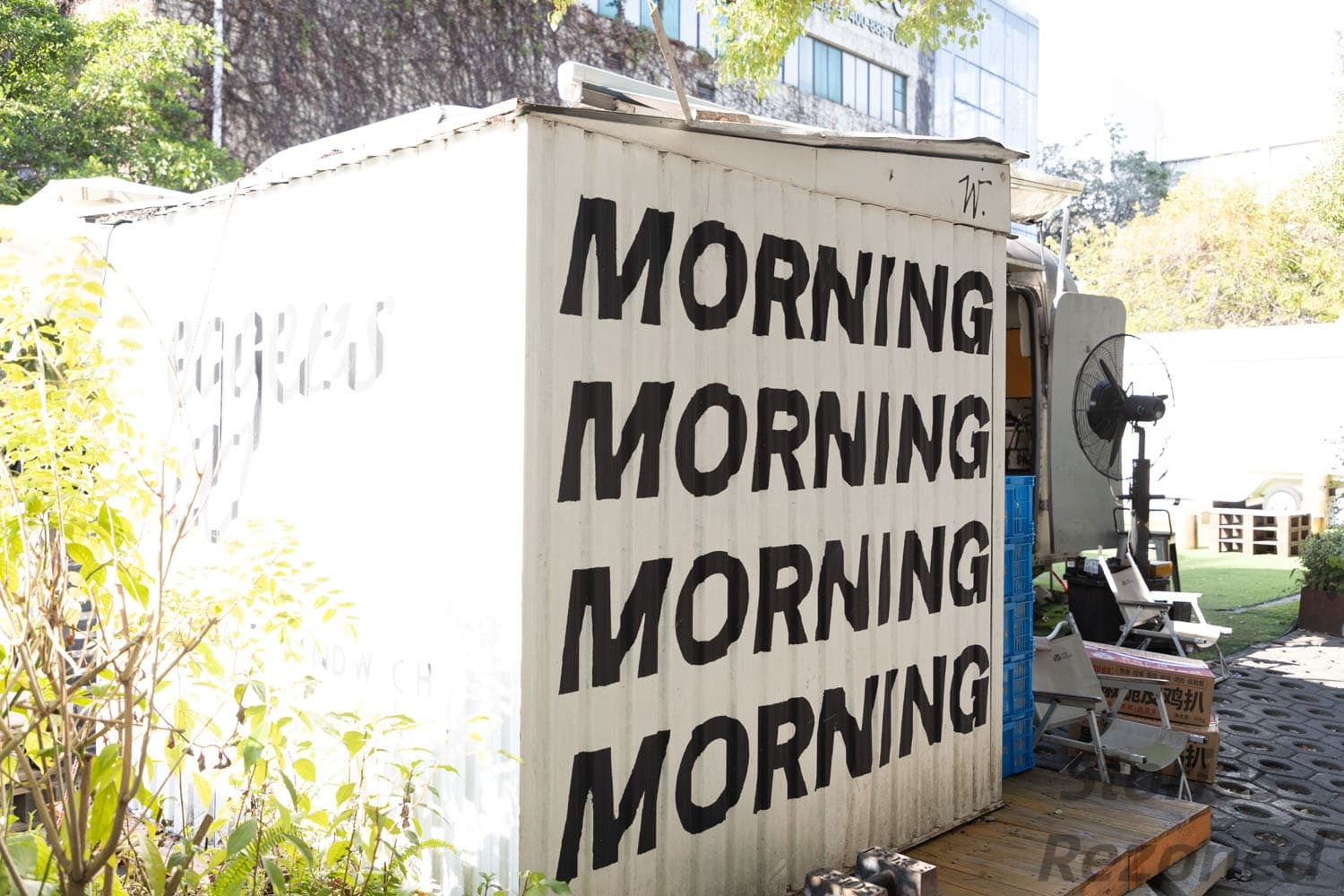
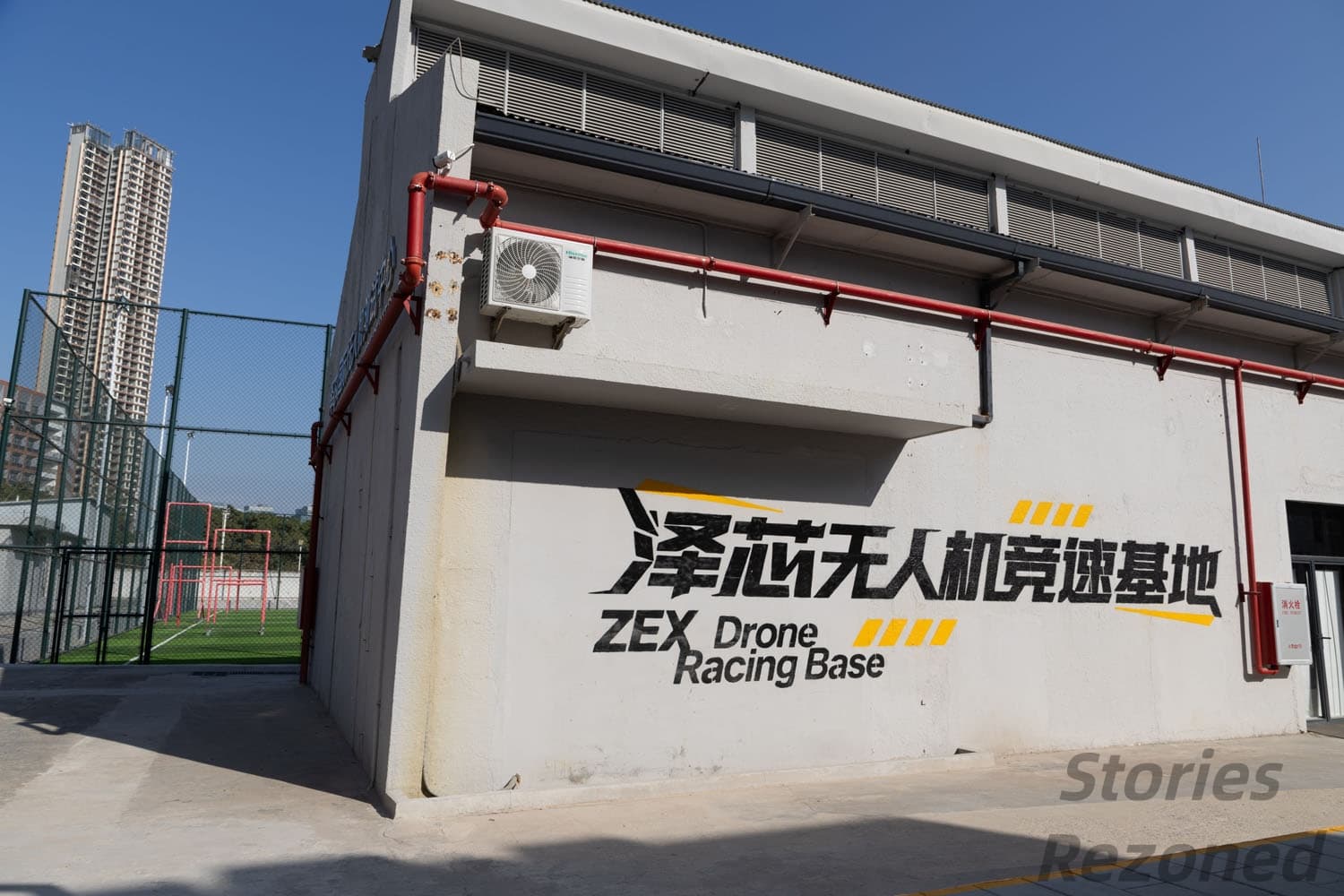
Since 2020, Value Factory has continued to evolve and grow upon its existing cultural foundation, incorporating new and emerging industries including low altitude economy, intelligent manufacturing, and marine technology. As such, the site has undergone a transformation from being primarily a cultural and creative park, to becoming a hybrid zone of “cultural heritage + future industries” which preserves historical memory while positioning itself strategically within the framework of the Qianhai-Shekou Free Trade Zone.
Historical and Modern Significance
Value Factory is an early prototype for the western coastal regions of China in terms of industrial heritage revitalization, and has completely retained the physical structure and more abstract history of Shekou’s early stage of industrialization. Its transformative model of “biennale hosting, art activation, and industrial upgrade” has created valuable insights for transforming other old factory zones in China’s coastal development regions. Additionally, the site has been able to make a leap from traditional manufacturing to cultural creativity and beyond to cutting edge industries, thus conserving the city’s industrial heritage and contributing to Shenzhen’s future value.
Image References
All images not separately credited below filmed at location by Stories Rezoned team
- Anonymous. Renovated Silos at Shekou Value Factory (Post-Activation). 2018. Shenzhen Nanshan Image Library, 28 Jan. 2026, http://202.203.222.253/nstk/subject/2.
- Anonymous. Panoramic View of Former Guangdong Float Glass Factory (Pre-Renovation). 2012. L&A Design, 15 Mar. 2018, http://m.toutiao.com/group/6952686746979140126/.
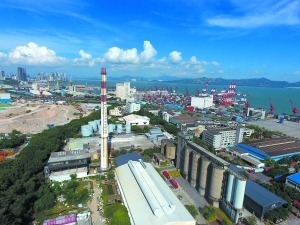
- Anonymous. Aerial View of Shekou Value Factory (Former Guangdong Float Glass Factory) and Coastline. 2013. Shenzhen Economic Daily, https://www.sznews.com/photo/gngj/201312/t20131227_487021.shtml.
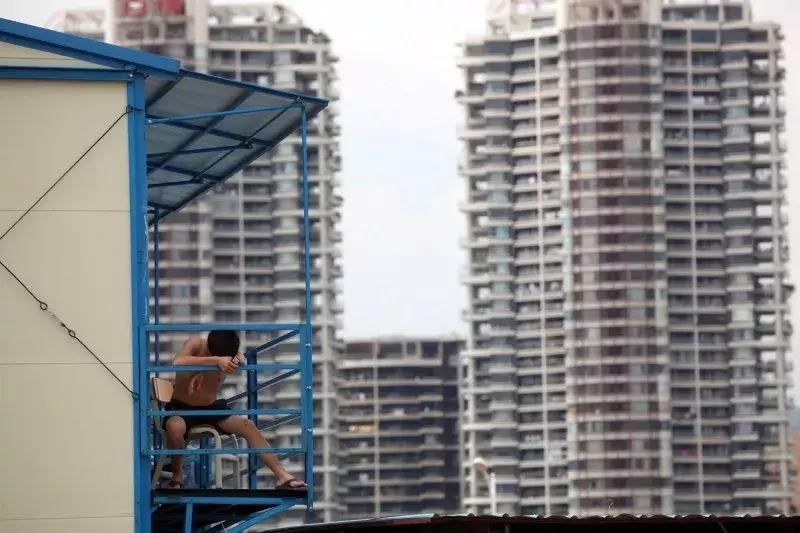
- Xiao, Bingfeng. Construction Worker at Former Guangdong Float Glass Factory Site (Pre-Renovation). 2012. Shenzhen Commercial Daily, 25 June 2018, http://m.toutiao.com/group/6570901619360137732/.
References
- Shenzhen Municipal Bureau of Planning and Natural Resources. “Protection and Renewal of Shekou Value Factory Industrial Heritage.” 2022, pnr.sz.gov.cn.
- Shekou Industrial Zone Co., Ltd. “History of Value Factory.” 2020, www.shekou.com.
- Bi-City Biennale of Urbanism/Architecture Organizing Committee. “Renovation of Value Factory Main Venue.” 2013, szhkbiennale.org.
- Southern Metropolis Daily. “From Float Glass Factory to Value Factory: Rebirth of Shekou’s Industrial Heritage.” 2021, www.oeeee.com.
- Shekou Subdistrict Office. “Qianhai Shekou Value Factory Industrial Upgrading Report.” 2023, www.szskj.gov.cn.